Buffer vs Loomly: A Comprehensive Analysis of Social Media Management Platforms for 2025 and Beyond


The landscape of social media management has undergone significant structural changes in 2025, driven by evolving platform APIs, the integration of generative AI, and shifting pricing models that have forced many businesses to reevaluate their software stacks. As social media managers seek to balance cost-efficiency with functional requirements, the choice between Buffer and Loomly has emerged as a central point of contention for both independent creators and enterprise-level agencies.
This analysis examines the two platforms through the lens of technical capability, fiscal scalability, and operational utility. While both tools aim to solve the complexity of multi-channel posting, their architectural philosophies differ significantly. Buffer prioritizes accessibility, API-driven automation, and granular per-channel pricing, whereas Loomly focuses on structured, team-based approval workflows and centralized calendar management.
The Context of the 2025 Pricing Shift
The competitive tension between these platforms was amplified in early 2025 when Loomly implemented a series of pricing updates. Reports from industry forums and user feedback communities indicated that some legacy users faced subscription cost increases of up to 400 percent. This adjustment, while consistent with industry trends toward higher enterprise valuation, prompted a surge in market interest for alternatives that offer more predictable, usage-based scaling.
For many small businesses, this development served as a catalyst for a "migration phase," where users began prioritizing tools that offer transparent, per-channel cost structures over flat-rate subscription models that may include unused seat licenses or feature bloat.
Comparative Operational Frameworks
At the core of the operational divide is how each platform handles user access and channel growth. Buffer operates on a "Team" model that permits an unlimited number of users, decoupling the cost of the software from the number of staff members involved in the workflow. This is a critical advantage for agencies that frequently onboard freelance contractors or rotate team members, as it avoids the "per-seat" tax that characterizes much of the current SaaS market.
Conversely, Loomly employs a tiered seat structure. Its "Starter" plan limits organizations to three users, while the "Beyond" tier—designed for larger teams—requires a significantly higher monthly commitment. For a small team of four people, this creates an immediate, sharp increase in overhead costs, often forcing a transition from an entry-level plan to a high-tier enterprise plan even if the actual social media volume does not warrant the upgrade.
Technical Capabilities and API Accessibility
A significant point of divergence lies in the accessibility of development tools. Buffer has maintained an open approach to its API and Model Context Protocol (MCP) server, allowing users to build custom integrations. This functionality enables non-technical teams to utilize tools like Zapier, n8n, or custom scripts to bridge the gap between their CRM, content repositories, and their social media publishing queues.
In contrast, Loomly’s API is primarily restricted to status reporting—a mechanism designed to alert users to platform maintenance or service interruptions. It does not provide the robust functionality required to programmatically create posts or extract granular performance data. For organizations relying on data warehousing or proprietary reporting dashboards, Buffer’s infrastructure offers a level of interoperability that Loomly currently does not support.
Performance Metrics and Analytics Integrity
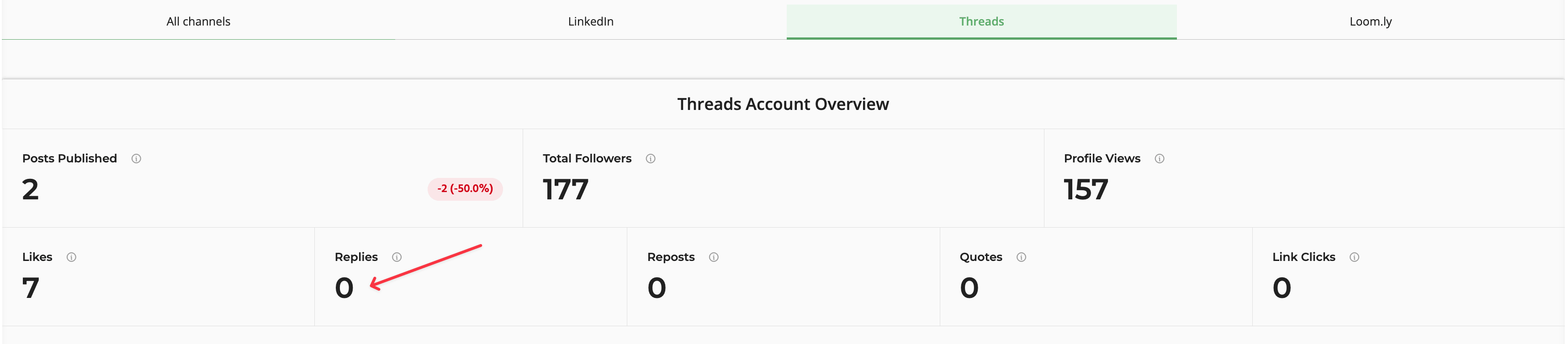
Analytics represent the "truth" of any social media strategy, yet the two platforms demonstrate varying levels of data consistency. During rigorous testing, Buffer’s analytics suite—available across all tiers—proved to be highly reliable, offering consistent post-level, channel-level, and follower-growth data. Its AI-driven "weekly takeaways" synthesize historical performance to provide actionable suggestions, such as repurposing high-performing content or identifying optimal posting cadences.
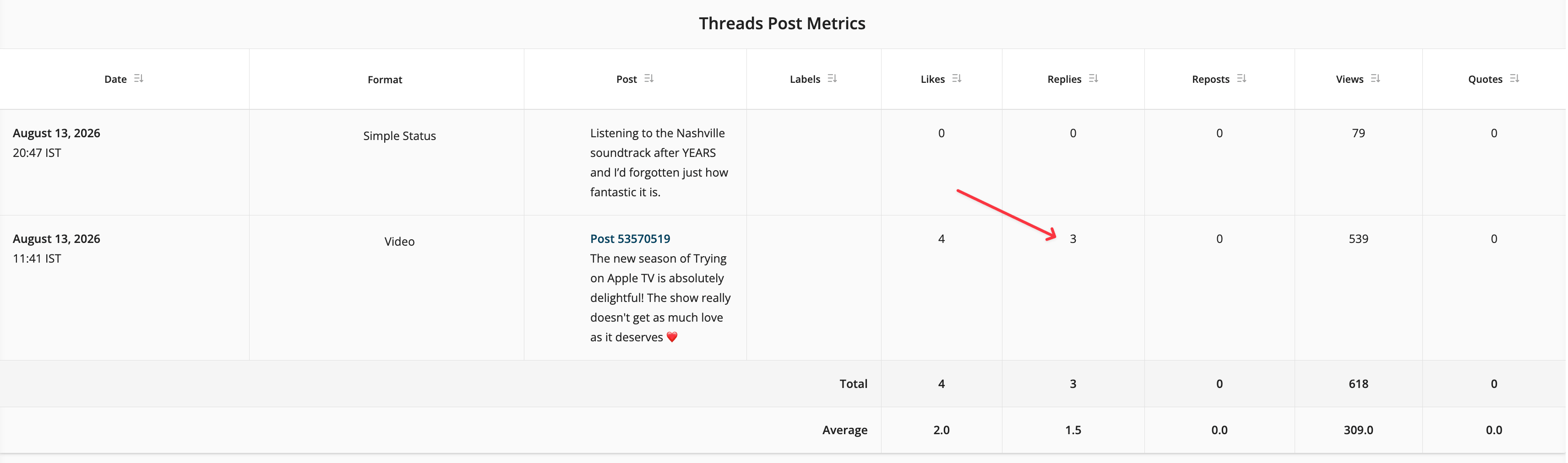
Loomly’s analytics, while visually intuitive, faced challenges regarding real-time data retrieval and accuracy. In documented testing instances, the platform’s "Advanced Analytics" experienced latency issues, sometimes taking several business days to populate data. Furthermore, discrepancies were noted between overview dashboards and individual post-level metrics, such as reporting zero replies in an account summary while simultaneously displaying three replies within a specific post report. For a marketing team operating on tight deadlines, these inaccuracies present a significant obstacle to data-driven decision-making.
The Role of AI in Content Creation

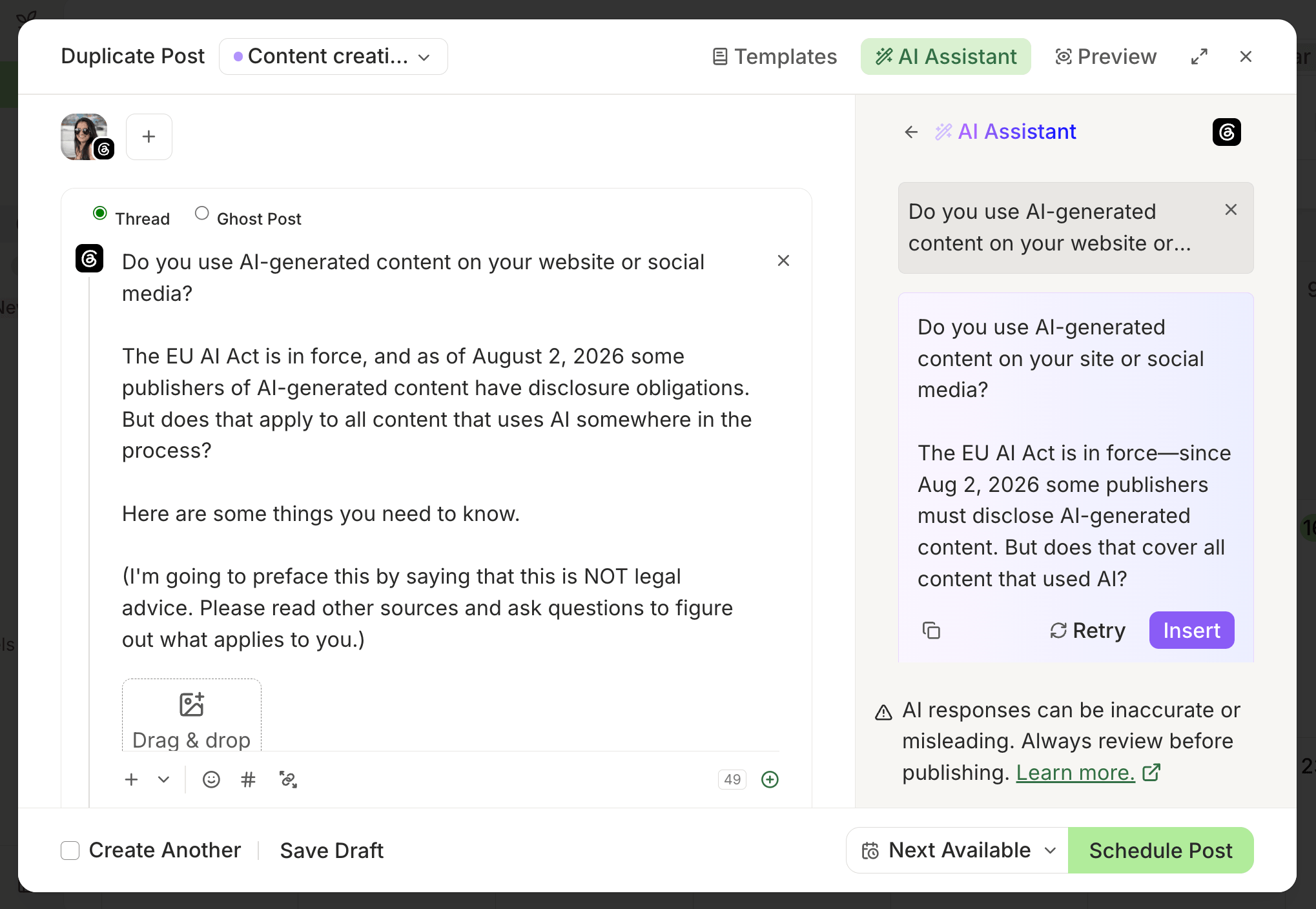
Both platforms have aggressively integrated artificial intelligence, but their application differs. Buffer’s AI Assistant is embedded directly into the composer, allowing for rapid content generation, repurposing, and tone adjustment without strict usage caps on its primary plans.
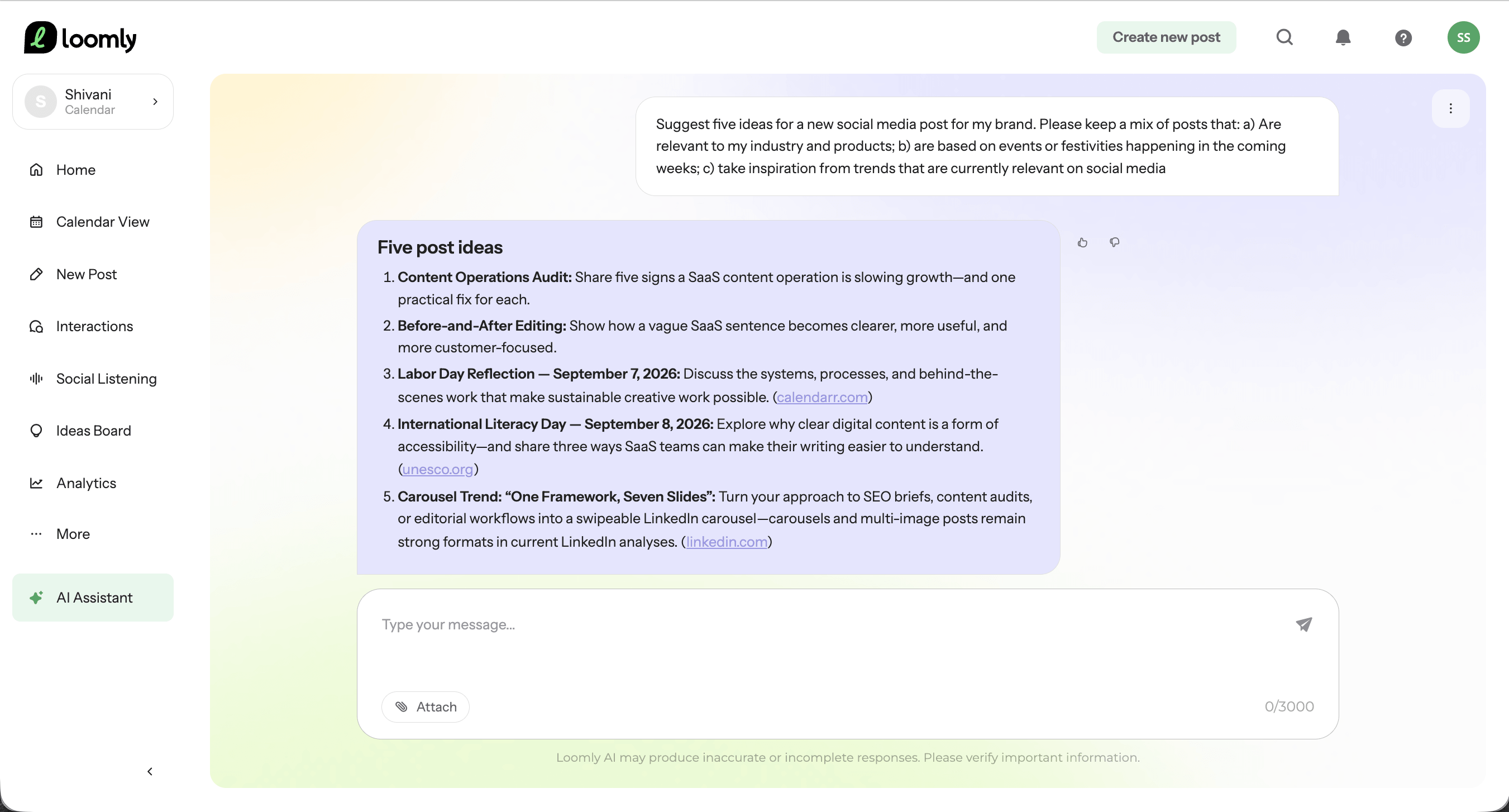
Loomly’s AI takes a more structured, "knowledge-based" approach. By allowing users to ingest website content and brand guidelines into a "Knowledge" section, Loomly’s AI can produce responses that are arguably more aligned with a specific brand voice. However, this is gated by strict usage credits. Frequent drafting sessions can deplete monthly credit allowances rapidly, potentially creating a bottleneck for content-heavy teams. The trade-off is clear: Buffer offers high-volume, unrestricted access for day-to-day drafting, while Loomly provides a highly contextualized, yet resource-constrained, AI chat interface.

Team Collaboration and Approval Workflows
Where Loomly excels is in its high-stakes content management features. For organizations in regulated industries—such as healthcare, finance, or legal services—the "state guard" system is a differentiator. This feature prevents a post from being published until all required parties have provided digital sign-off. It creates a rigid, audit-ready workflow that reduces the risk of human error in public-facing communications.
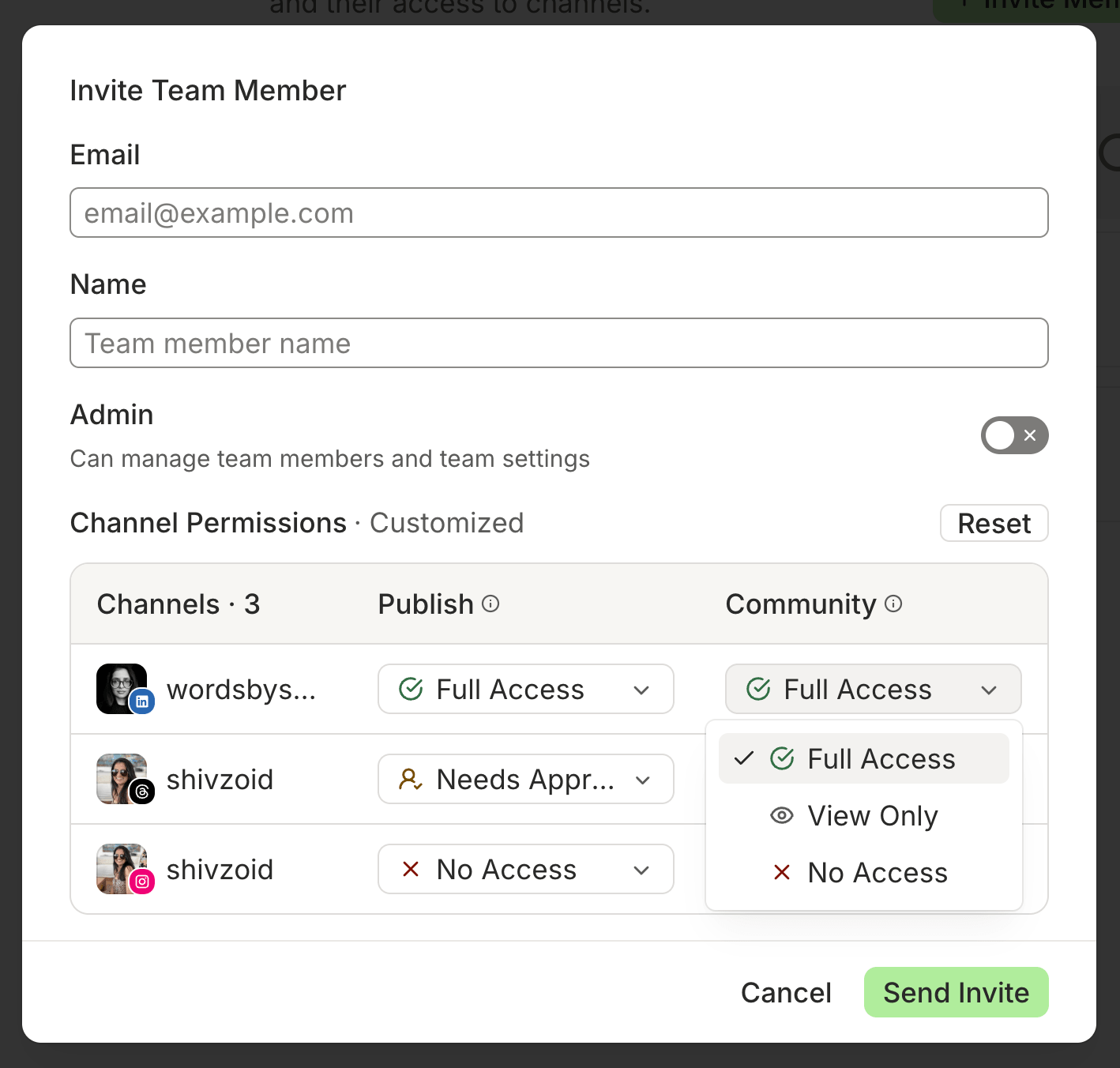
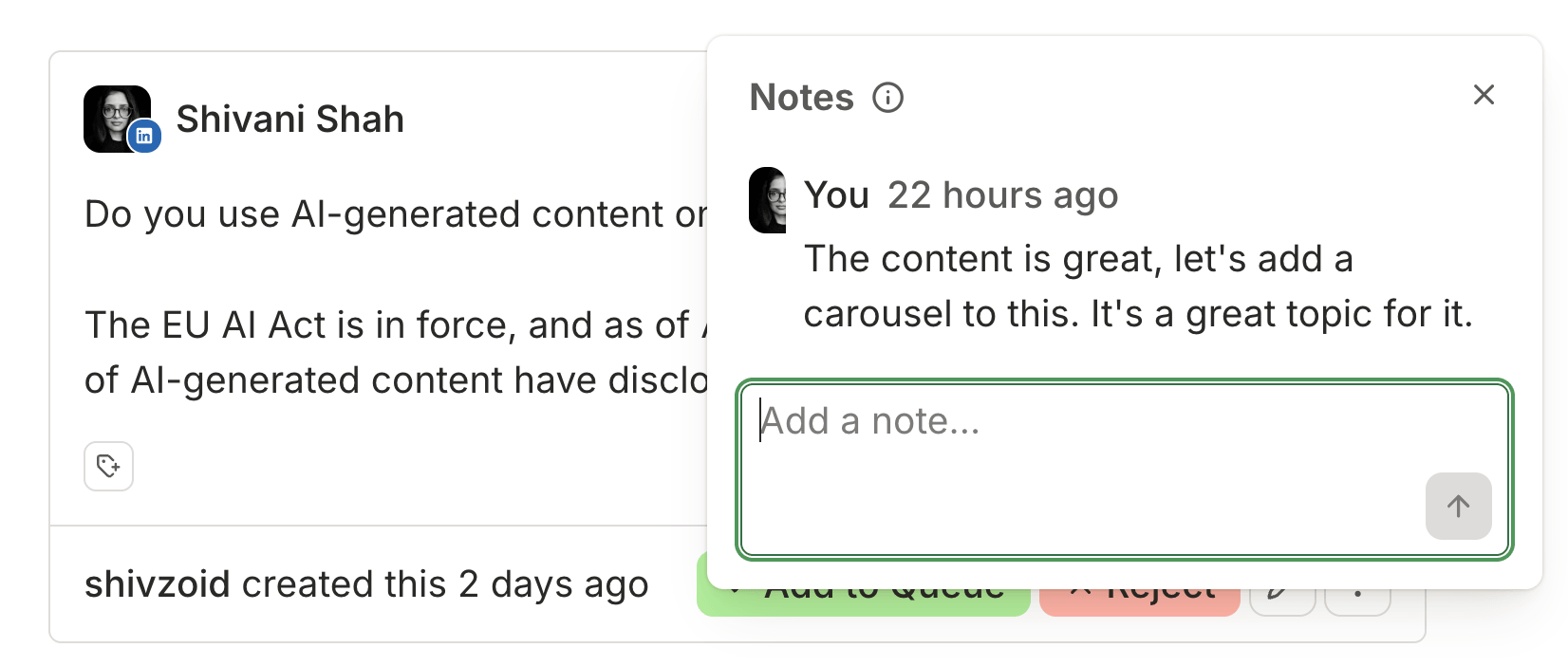
Buffer provides a streamlined, collaborative environment where comments and approval requests occur within the post draft itself. While this is efficient for creative agencies and standard marketing teams, it lacks the multi-layered "guardrail" system of the Loomly Enterprise tier. Thus, the decision between the two often comes down to a choice between the speed and flexibility of Buffer versus the rigid, hierarchical compliance controls of Loomly.
Broader Industry Implications
The shift in 2025 signals a maturing social media management market. As platforms like Threads, Bluesky, and Mastodon gain traction, the "all-in-one" tool requirement is becoming more complex. Buffer’s support for 12 platforms, including niche networks, positions it as an agile participant in a fragmented social ecosystem. Loomly’s strategy, by contrast, focuses on a curated list of major networks with an emphasis on internal team cohesion.
The economic implications for users are stark. A solo creator or a small agency will find that Buffer’s cost scales linearly with their growth—as they add channels, they pay more; as they remove them, they pay less. Loomly’s model creates "cliffs," where the addition of a single user or a specific channel count necessitates an jump to a significantly more expensive pricing tier.
Final Assessment: Selecting the Right Infrastructure
Choosing the correct tool necessitates a candid assessment of current team size and future growth projections.
- For solo creators and small businesses, the fiscal predictability of Buffer is a clear advantage. The lower barrier to entry and the ability to use the free plan with meaningful features make it the standard for independent operators.
- For agencies, the decision is nuanced. Agencies managing a high volume of clients across 13 to 60+ channels will find that Buffer’s per-channel pricing becomes increasingly cost-effective compared to Loomly’s flat-rate tiers. However, if the agency’s business model is built on high-touch, multi-level client approvals and requires sophisticated, automated reporting for stakeholders, the specific feature set of Loomly’s "Beyond" plan may justify the higher investment, provided the agency remains within the user-count constraints.
As the social media management sector continues to evolve, the distinction between "utility" tools and "process" tools will widen. Buffer has solidified its place as a utility-focused, high-velocity platform, while Loomly continues to refine its position as a process-oriented platform for structured, collaborative work. Organizations should prioritize their primary pain point—whether it be the cost of scaling or the need for strict compliance—to determine which of these two industry leaders best serves their long-term operational strategy.
Related posts: