Mastering WordPress from scratch represents a significant challenge for the modern digital professional. As the world’s most popular content management system (CMS), powering over 43% of all websites on the internet according to W3Techs, the platform has evolved from a simple blogging tool into a robust, enterprise-grade framework. Navigating this ecosystem requires an understanding of complex architecture, including the Gutenberg block editor, plugin integration, theme customization, and, for more advanced users, the underlying PHP and JavaScript frameworks. Because of the platform’s sheer ubiquity, the demand for structured, high-quality educational resources has surged, leading to a crowded marketplace of training providers.

The Evolution of WordPress Education
The trajectory of WordPress education has mirrored the development of the web itself. In the early 2000s, learning to manage a website was largely an exercise in self-teaching through scattered forum posts and documentation. The shift toward structured, video-based learning began in earnest with the rise of platforms like Lynda.com in 2002. Since then, the ecosystem has moved from basic installation tutorials to advanced curriculum covering headless WordPress, React-based development, and complex WooCommerce integrations.
Today, the industry faces a unique "quality vs. quantity" paradox. While there are thousands of hours of content available on platforms like YouTube, the lack of rigorous oversight means that beginners are often susceptible to outdated tutorials that suggest deprecated security practices or obsolete coding standards. Consequently, institutional and community-vetted resources have become essential for those looking to build a sustainable digital career.
Key Learning Platforms for WordPress Beginners
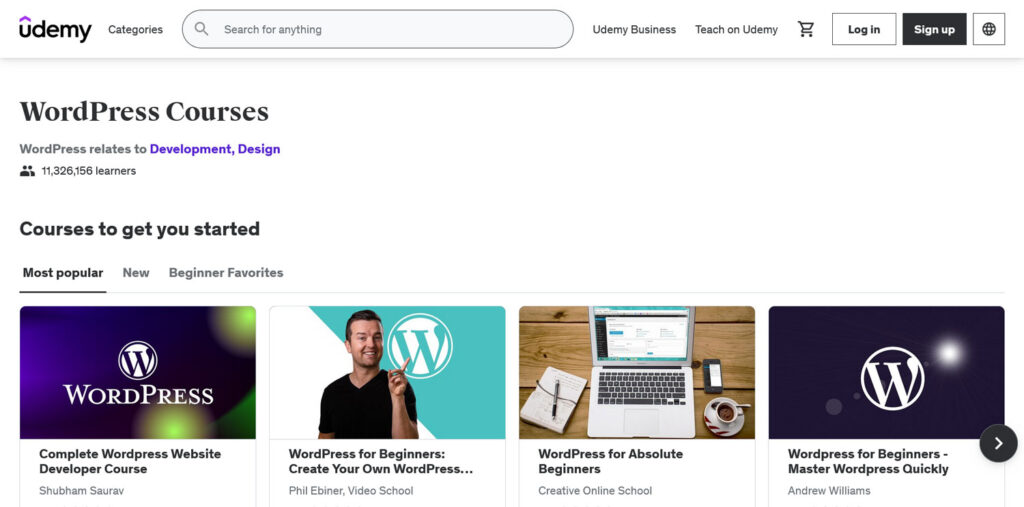
When evaluating where to begin, prospective students generally choose between four primary types of providers:
- Marketplace Platforms (e.g., Udemy): These platforms operate on a transactional model. They offer high-volume, expert-led courses with lifetime access. The primary advantage here is variety; students can find niche courses specifically focused on, for example, "Elementor for Real Estate" or "Advanced Custom Fields for Developers."
- Open Educational Resources (e.g., Learn WordPress, FreeCodeCamp): Spearheaded by the WordPress community itself, these resources are increasingly becoming the gold standard for accuracy. They are inherently up-to-date with the latest core releases and security patches.
- Corporate and Professional Learning (e.g., LinkedIn Learning): These platforms focus on standardized, high-production-value training. Their strength lies in pedagogical structure—breaking down complex concepts into manageable, professional-grade segments.
- Specialized Niche Academies (e.g., Yoast SEO, WP101): These providers focus on the intersection of WordPress and specific business functions, such as search engine optimization (SEO) or e-commerce management.
Top 17 Recommended Training Programs
For those seeking to build a foundational knowledge base, the following courses represent a cross-section of the most highly regarded training programs currently available in the marketplace:
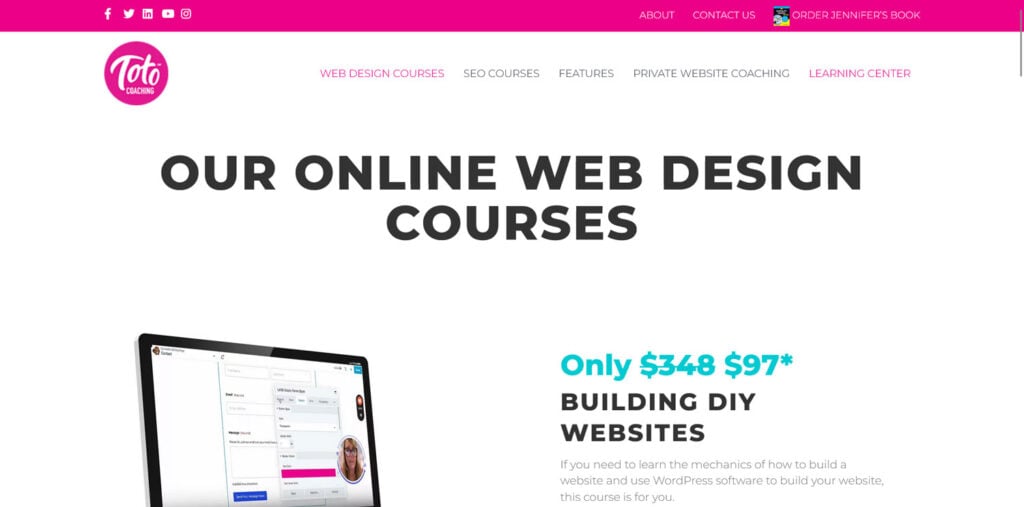
1. Toto Coaching Web Design Courses: Tailored for individuals who intend to move into professional web design, this suite provides a scaffolded approach ranging from DIY basics to comprehensive development coaching.
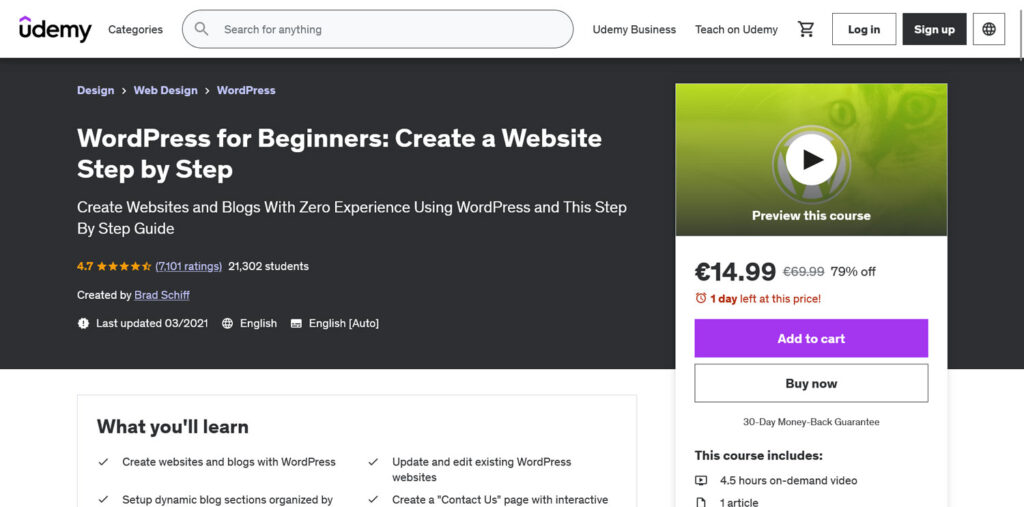
2. WordPress for Beginners (Udemy): Widely considered the "industry standard" for absolute novices, this course focuses on the tactile experience of building a site, covering everything from hosting selection to plugin configuration.
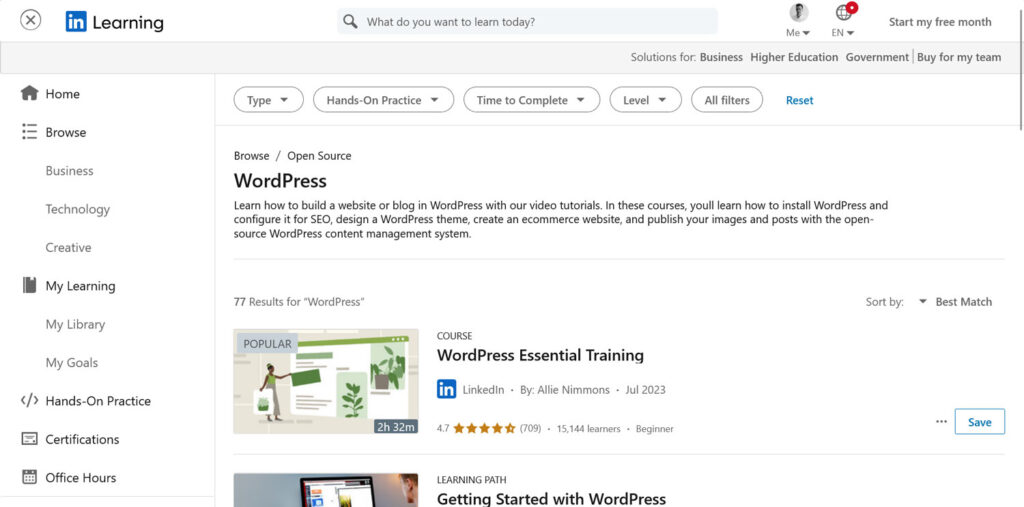
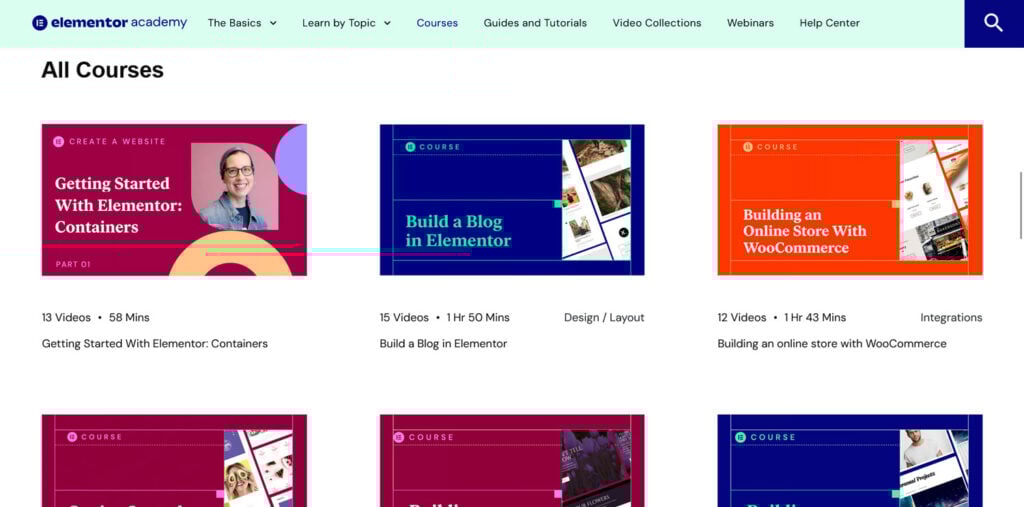
3. Elementor Academy: Ideal for users who prefer a visual, drag-and-drop approach. The Academy provides free, high-quality training that bridges the gap between basic site setup and advanced design customization.
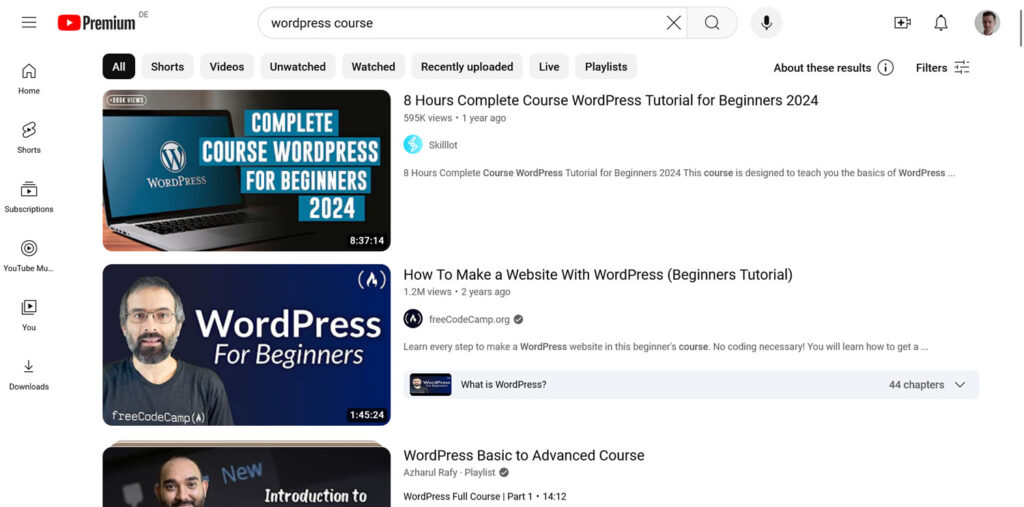
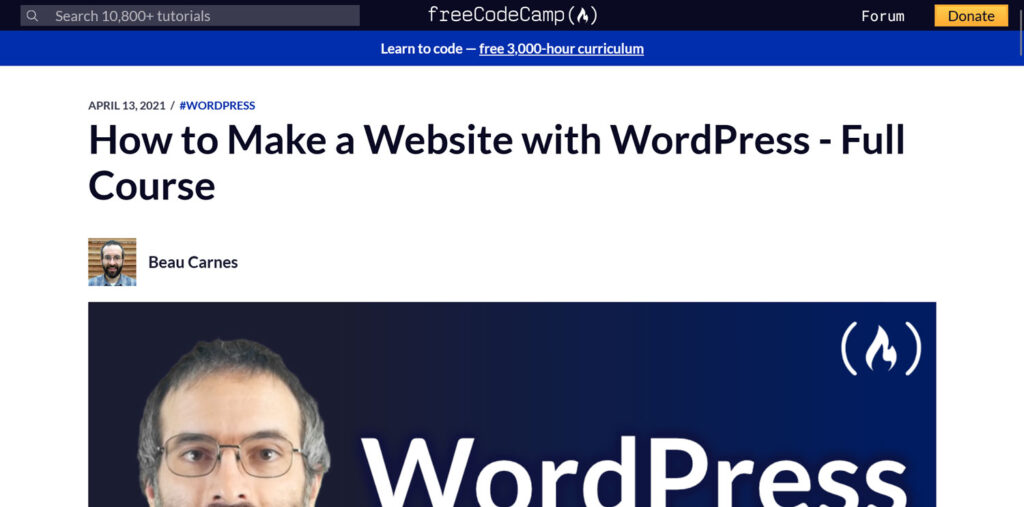
4. How to Make a Website with WordPress (freeCodeCamp): This intensive, under-two-hour crash course is perfect for time-constrained learners who need a "big picture" overview of the entire WordPress ecosystem without extraneous filler.
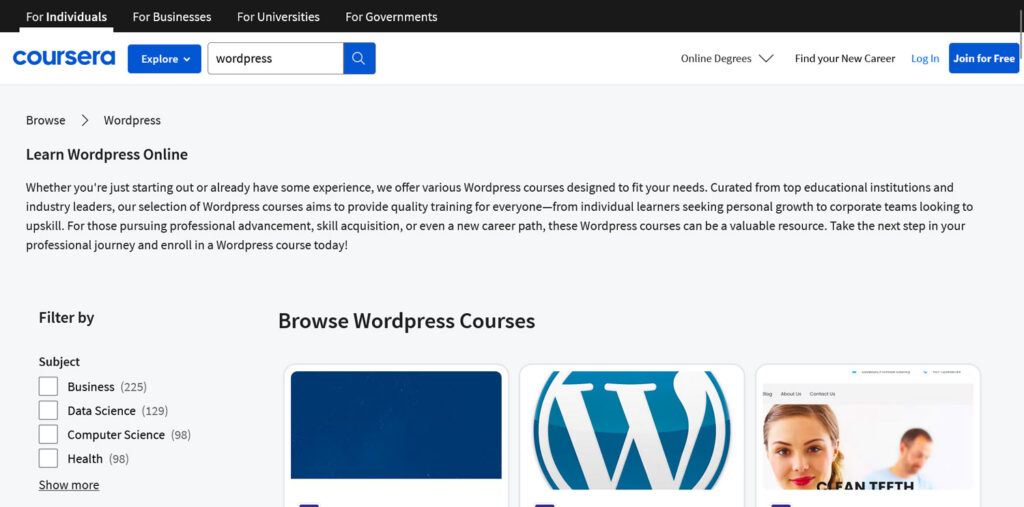
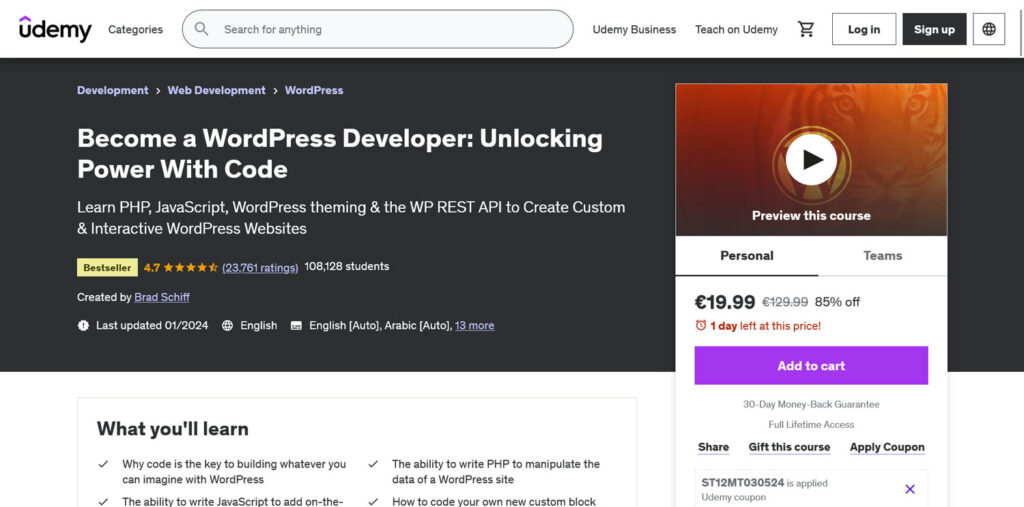
5. Become a WordPress Developer (Udemy): At 42 hours of content, this is a deep dive into the technical backbone of the CMS, specifically designed for those who wish to transition from "user" to "developer."
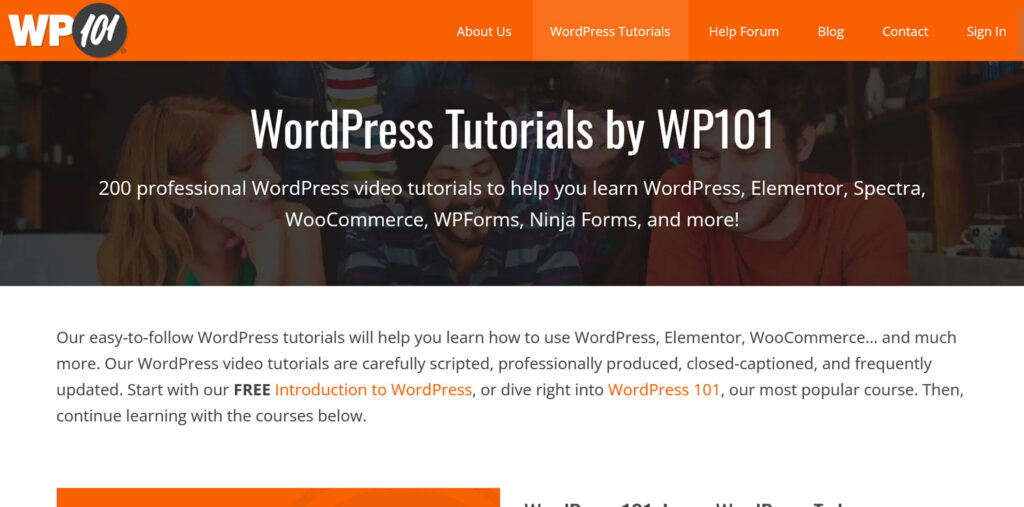
6. WP101: A veteran in the space, this platform provides a subscription-based model that grants access to a library of tutorials covering not just core WordPress, but also the most essential plugins like WooCommerce and Gravity Forms.
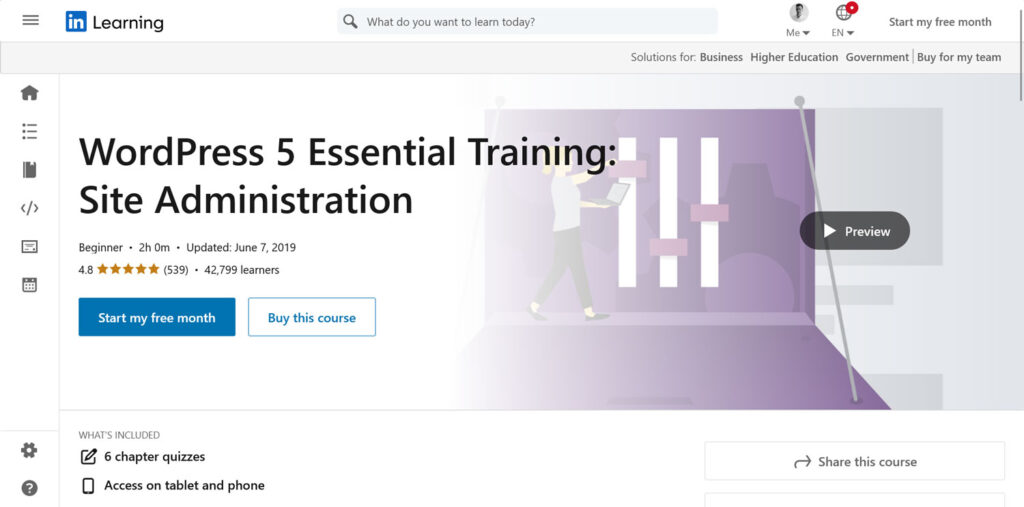
7. WordPress 5 Essential Training (LinkedIn Learning): Though the version number suggests a focus on older iterations, the pedagogical techniques taught by instructor Morten Rand-Hendriksen remain relevant to modern administrative workflows.
8. Up and Running (WPShout): This is arguably the most rigorous course for those serious about professional development. It focuses on the "why" and "how" of WordPress architecture, assuming the student has a baseline familiarity with web languages.
9. Learn WordPress (Official): The official training arm of the WordPress project. This is the most reliable source for information on Gutenberg and the block-based editing environment.
10. Complete WordPress Theme & Plugin Development (Udemy): A practical course for those looking to build their own tools. It covers the essential stack: PHP, JavaScript, and template hierarchy.
11. WordPress.com Learning Hub: While focused on the hosted version of the service, the core concepts of SEO, blogging, and site architecture taught here are universally applicable to self-hosted (WordPress.org) sites.
12. The Complete WordPress Website Business Course 2.0 (Udemy): An essential course for entrepreneurs who are using WordPress as a primary revenue driver rather than just a hobby.
13. Build a Full Website using WordPress (Coursera): A project-based learning approach that results in a functional, live website in under two hours.
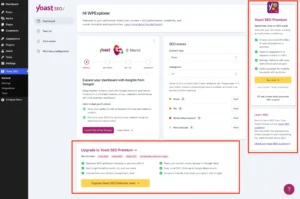
14. Yoast SEO Academy: Given that search visibility is the primary goal for most WordPress users, this training is critical. It focuses on content strategy and technical SEO within the WordPress environment.
15. WordPress for Beginners – Master WordPress Quickly (Udemy): Known for its frequent updates, this course addresses the common frustration of learners encountering tutorials that feature outdated user interfaces.
16. Page Building 101 (YouTube): A platform-agnostic course that teaches the fundamentals of layout, white space, and user experience, which are then applied to the WordPress context.
17. How To Build An Ecommerce Store With WordPress & WooCommerce: A specialized, high-impact course that covers the specific logistical challenges of digital retail.
The Broader Impact of Professional Training
The proliferation of these courses has had a measurable impact on the digital economy. As small and medium-sized enterprises (SMEs) increasingly rely on digital presence, the ability for non-technical business owners to manage their own sites has saved countless hours of developer labor and reduced technical debt.
Industry analysts observe that as the "No-Code" movement continues to expand, the barrier to entry for website management will continue to drop. However, this ease of use can sometimes lead to security vulnerabilities if users rely on untested, free plugins or improper configurations. This is why experts emphasize that beginners should prioritize courses that include modules on site security, database maintenance, and backup protocols.
Conclusion: Making the Right Selection
Selecting a course should be an exercise in defining one’s end goals. A user intending to write a personal blog has vastly different requirements than a developer looking to build custom plugins for an agency. The consensus among digital professionals is to start with a broad, foundational course—such as those offered by the official Learn WordPress initiative—before branching out into specialized topics like SEO, e-commerce, or advanced development. By investing time in these structured environments, beginners avoid the common pitfalls of fragmented, trial-and-error learning, ultimately securing a more stable and efficient digital future.