The Site is the Source of Truth: Block Themes, AI, and Agency Workflows in the Modern WordPress Ecosystem

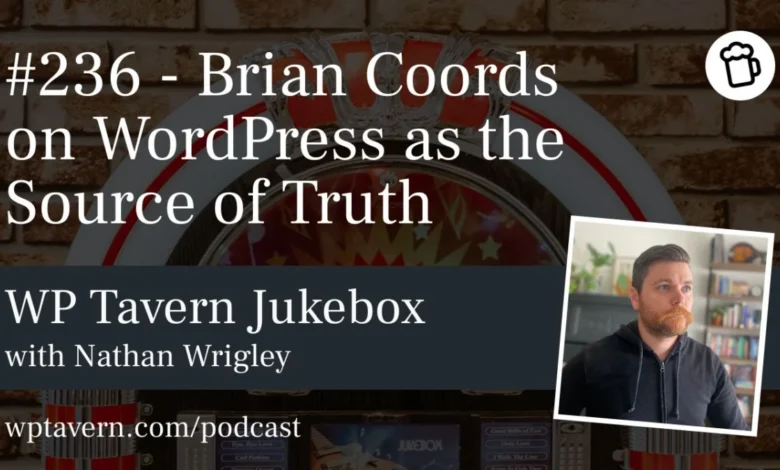
The rapid integration of generative artificial intelligence into web development has prompted a fundamental shift in how digital agencies approach the lifecycle of a website. As agencies grapple with the temptation to adopt automated, static-site building tools, Brian Coords, a developer advocate at WooCommerce, has proposed a strategic pivot back to the core strengths of the WordPress ecosystem. At the heart of this discussion is the concept of the WordPress site as the "source of truth"—a centralized repository where design tokens, content guidelines, and approved patterns serve as the foundational architecture for both human developers and AI assistants.
This shift in perspective was the focal point of Coords’ recent presentation at WordCamp US, titled The Site is the Source of Truth: Block Themes, AI, and Agency Workflows. As the WordPress platform continues its transition toward full-site editing and block-based architecture, the debate over how to integrate AI without compromising brand integrity or site stability has intensified.
The Historical Evolution and Current Market Landscape
WordPress, which powers over 43% of all websites on the internet, has undergone significant architectural changes over the past decade. The introduction of the Gutenberg block editor in 2018 marked the beginning of a long-term transition from classic PHP-based templates to a modular, block-based system. This evolution was designed to democratize web design, allowing users to build complex layouts without deep coding knowledge.
However, the agency sector has experienced a slower adoption rate of these block themes than initially anticipated. Many agencies remain tethered to legacy workflows, relying on established PHP templates and custom plugin ecosystems. The emergence of AI tools that can generate code or entire landing pages in seconds has introduced a new variable: the risk of "design drift" and inconsistent brand messaging. If an AI agent creates disparate page structures for a single client, the cumulative effect can be a fractured user experience and a maintenance nightmare for the managing agency.
Defining the Site as the Source of Truth
The central thesis of the "Source of Truth" methodology is to treat the WordPress site itself as the primary documentation hub for a brand. Instead of scattering design assets in Figma, technical requirements in Google Docs, and content guidelines in disparate PDF files, agencies are encouraged to embed these standards directly into the WordPress administrative interface.
By utilizing block patterns—pre-designed layouts that adhere to strict brand guidelines—agencies can constrain the creative output of AI tools. If an AI is tasked with generating new content or page layouts, it is directed to pull from this internal library of approved patterns. This ensures that the generated result remains consistent with the client’s established typography, color palettes, and structural hierarchy.
This approach serves as a protective measure against the unpredictability of generative models. Rather than allowing AI to "vibe code" from scratch, which often results in unstable or visually inconsistent components, the system relies on human-approved building blocks. This methodology emphasizes that while AI can accelerate the production process, it requires a human-governed framework to ensure long-term sustainability.
The Role of Block Themes in Modern E-commerce
Within the WooCommerce ecosystem, the move toward block-based themes represents a major push to reduce the reliance on "plugin sprawl." Historically, a typical WooCommerce store required dozens of plugins to manage simple tasks such as header customization, product carousels, or mini-cart functionality. Each additional plugin introduces potential compatibility issues, security vulnerabilities, and increased maintenance costs.
By migrating these features into the core block-based structure of the theme, WooCommerce is aiming to create a more resilient foundation. The shift toward a "thin" theme architecture, where the WordPress core and blocks handle the heavy lifting, is intended to stabilize the platform. For agencies, this means less time spent debugging plugin conflicts and more time focusing on high-value development and integration.
Data suggests that site performance and security are the primary concerns for e-commerce operators. A study by the WordPress performance team has indicated that bloated, plugin-heavy sites are significantly more susceptible to latency and security breaches. By streamlining the codebase through native block integration, the platform aims to provide a more stable environment for high-revenue stores.
Balancing Core Functionality with the Extension Ecosystem
The transition toward native block-based functionality creates a complex dynamic for the developer community. As WooCommerce incorporates features that were previously the domain of third-party plugin developers—such as advanced product variations or checkout modifications—the question of ecosystem health arises.
Industry analysts note that this "tightrope walk" is a necessary evolution. For developers who have built livelihoods on simple, utility-based plugins, the rise of AI presents a greater competitive threat than the platform’s core updates. If a plugin’s functionality can be replicated by an AI prompt in seconds, the commercial value of that tool diminishes rapidly.
Conversely, WooCommerce’s decision to absorb certain features is driven by user demand for a more integrated, "out-of-the-box" experience. The official stance from WooCommerce leadership is that the goal is to improve the baseline experience for all users. By reducing the reliance on third-party code for essential functions, the platform becomes inherently more secure and easier to manage for non-technical store owners.
Implications for the Future of Web Agencies
The future of web agencies in an AI-driven market appears to be bifurcating. One path involves rapid, AI-assisted development of brochure sites where speed and low cost are the primary drivers. The other path, which Coords and other industry advocates are championing, focuses on complex, high-stakes environments like e-commerce, where the "source of truth" and system reliability are paramount.
As AI capabilities continue to advance, the distinction between these two segments will likely sharpen. For e-commerce operators, the necessity of a stable, secure, and human-managed interface will remain a priority. The ability to log into a familiar, purpose-built dashboard to monitor revenue, inventory, and order flow provides a sense of operational control that a purely automated or AI-generated interface may struggle to replicate.
The pendulum of sentiment toward AI is also shifting. While the initial wave of adoption was characterized by unbridled enthusiasm, a growing skepticism regarding the provenance of content and the reliability of AI-generated code is emerging. Agencies that can prove their work is "human-made" or "human-verified" may find a competitive advantage in a market increasingly saturated with automated, generic digital content.
Moving forward, the success of the WordPress and WooCommerce platforms will depend on their ability to remain both flexible for developers and intuitive for users. By fostering a development culture that prioritizes documentation, pattern libraries, and robust, block-based architecture, the ecosystem is positioning itself to survive the current technological disruption. The strategy of treating the website as a singular, reliable source of truth provides a blueprint for agencies to navigate the intersection of human expertise and machine efficiency, ensuring that the platform remains a cornerstone of the web for the next decade and beyond.
Related posts: