Google Website Translator Widget to be Retired on October 1 2026 Marking the End of an Era for Web Localization

The landscape of web accessibility and internationalization is undergoing a significant shift as Google prepares to officially sunset its long-standing Website Translator Widget. For nearly two decades, this tool served as a ubiquitous, low-friction solution for website owners seeking to provide basic, real-time translations for their global audiences. However, as of October 1, 2026, the service will cease to function, forcing a massive migration of legacy code away from millions of websites worldwide. This transition represents a broader trend in the tech industry: moving away from simple, client-side browser overlays in favor of more robust, server-side infrastructure that integrates seamlessly with modern search engine optimization (SEO) standards.
A Chronology of the Sunset
The decision to discontinue the widget was not sudden; it follows a calculated multi-year phase-out strategy. Google originally signaled its intent to deprioritize legacy translation tools in May 2020. At that time, the company indicated that it would shift its focus toward its more sophisticated Cloud Translation API—a professional-grade tool designed for developers, enterprise applications, and high-traffic platforms.
The intervening years since that initial announcement have seen a gradual reduction in the widget’s feature set and updates. By the time the final deadline of October 1, 2026, was confirmed, the industry had already begun to prepare for the inevitable. For many developers, the widget had become a "set it and forget it" element, often buried in the footer code of WordPress sites or hard-coded into static HTML templates. The impending cutoff date serves as a firm reminder that third-party "quick fix" solutions carry inherent risks, as their longevity is entirely dependent on the strategic priorities of the provider.

The Technical Landscape and Current Alternatives
The Google Website Translator functioned by injecting a script into the user’s browser, which would then dynamically swap text content on the page based on the visitor’s language settings. While highly effective for simple navigation, it was inherently limited. It lacked the ability to generate unique, indexable URLs for translated content, and it offered virtually no control over the quality of the translation, which relied on generic machine learning models.
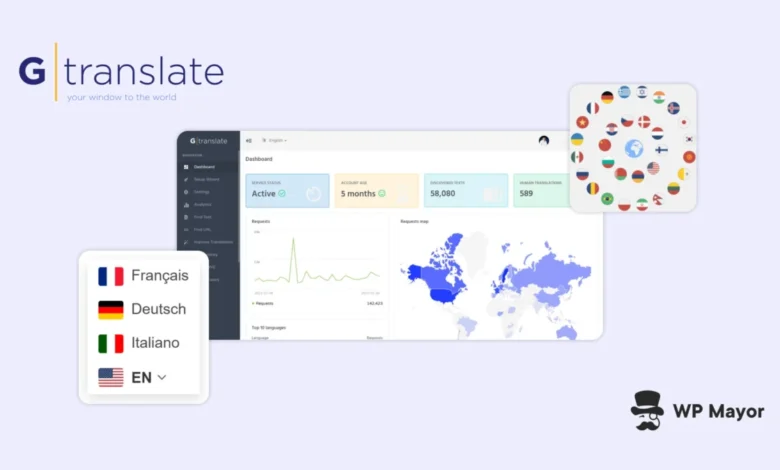
In the wake of this retirement, various alternatives have emerged, with GTranslate standing out as a primary successor for those seeking a similarly lightweight implementation. The GTranslate model provides a free tier specifically designed for non-commercial entities, such as educational institutions, government bodies, and non-profit organizations. This tier preserves the convenience of the old Google widget while offering enhanced customization, such as the ability to choose between flags, dropdown menus, and language-specific icons, as well as providing more granular control over the translation engine.
For commercial entities, the transition offers an opportunity to upgrade from a simple translation overlay to a more comprehensive internationalization strategy. Unlike the defunct Google widget, modern tools often include 15-day trial periods to allow business owners to assess whether they require advanced features such as translated URL slugs, dedicated subdirectories (e.g., /fr/ or /es/), and integration with e-commerce platforms like WooCommerce.
The Role of WordPress and CMS Integration
The impact of this change is particularly acute within the WordPress ecosystem, which powers over 40% of the internet. Because the Google widget was frequently deployed via simple plugin wrappers or manual script insertion, many site administrators may not even realize they are using a service that is about to expire.

Plugin-based solutions have largely replaced the need for manual script injection. Current industry leaders in the WordPress space emphasize that modern plugins no longer simply "overlay" text. Instead, they provide a structured way to manage translations, which is critical for site performance and user experience. With platforms like GTranslate reporting hundreds of thousands of active installs, the ecosystem is already well-positioned to absorb the transition. These plugins allow for a "set and forget" configuration from the dashboard, eliminating the need to modify theme files or edit raw JavaScript, thereby reducing the risk of broken site layouts.
Beyond Translation: The SEO Imperative
A crucial element of this technological shift is the distinction between "browser-side translation" and "SEO-friendly localization." The Google Website Translator—and its free widget alternatives—primarily serve as accessibility tools. They allow a visitor to read content in their native language, but they do not change the underlying structure of the website.
From an SEO perspective, this is a significant limitation. Because the translation exists only within the user’s browser, search engine crawlers like Googlebot still only see the original language version of the site. Consequently, a website that relies solely on a translation widget will never rank in foreign-language search results. If a business intends to capture traffic from international markets, they must move beyond the widget.
Professional translation solutions now offer "translated pages" that are assigned their own unique URLs. By utilizing subdomains or subdirectories, businesses can ensure that search engines crawl and index their content in multiple languages. This approach, supported by technical metadata such as hreflang tags, ensures that a user searching in French will be directed to the French version of the site directly from the search engine results page (SERP). This is the standard for modern international digital marketing, and the retirement of the Google widget serves as a catalyst for organizations to adopt these more effective, growth-oriented practices.

Implications for Web Developers and Agencies
For web development agencies and freelancers, the October 1, 2026, deadline creates a specific operational task: auditing client portfolios. Agencies that have built and maintained sites over the past decade likely have dozens of projects utilizing the legacy Google script.
The process of replacing these scripts is straightforward but requires systematic execution. Developers are advised to:
- Audit: Scan theme files and footer templates for the
google_translate_elementstring or references totranslate_a/element.js. - Remove: Delete the legacy Google script to prevent potential breakage or security risks once the service is officially deactivated.
- Migrate: Implement a modern, supported solution. If the site is hosted on a CMS like WordPress, Drupal, or Joomla, using a dedicated plugin or native module is recommended to ensure long-term stability.
- Test: Verify that the new language selector integrates with existing CSS layouts to maintain the visual consistency of the site.
Looking Ahead
The retirement of Google’s Website Translator is a milestone that underscores the maturation of the web. As user expectations for a localized experience grow, the "one-size-fits-all" widget of the early 2010s has become insufficient. While the convenience of the original tool will be missed by some, the move toward more robust, SEO-optimized translation services provides a net benefit to the internet at large.
By October 2026, the digital infrastructure will have shifted toward a model where translation is a core component of site architecture rather than a superficial add-on. For site owners, the immediate priority is to ensure their platforms remain accessible to international users by planning their migration today. Those who act before the deadline will avoid the risk of broken user experiences and, more importantly, will be better positioned to engage with a global audience in a meaningful, searchable, and sustainable way. As the industry moves forward, the focus will undoubtedly remain on balancing the ease of deployment with the necessity of deep, data-driven integration.