WPExplorer.com Transitions Newsletter Operations to Flodesk, Citing Cost Efficiency and Streamlined Features

WPExplorer.com, a prominent online resource for WordPress users and web development insights, has officially transitioned its extensive newsletter subscriber list from Mailchimp to Flodesk. This strategic move, which concluded in early January 2026, marks a significant operational shift aimed at optimizing email marketing efficiency and reducing escalating costs associated with feature-rich, enterprise-level platforms. The decision follows a year-long hiatus in newsletter publication by WPExplorer.com, during which the editorial team actively sought a more suitable and economically viable email service provider.
A Decade with Mailchimp: Evolution and Escalation
For many years, WPExplorer.com relied on Mailchimp to manage its digital communications and disseminate its widely followed newsletter. Mailchimp, a pioneer in the email marketing space, has historically been lauded for its robust features, extensive integrations, and user-friendly interface, making it a go-to solution for businesses of all sizes, from startups to established publishers. Its comprehensive suite of tools, including advanced automation, A/B testing, and detailed analytics, served WPExplorer.com’s needs during a period of significant growth.
However, as WPExplorer.com’s subscriber base expanded and Mailchimp’s own feature set evolved, the platform’s cost structure began to present an increasing challenge. Mailchimp’s tiered pricing model, which scales based on the number of subscribers and email send volume, led to substantial operational expenses. A spokesperson for WPExplorer.com, who requested anonymity to discuss internal financial decisions, noted, "While Mailchimp is undeniably a powerful platform, it had become increasingly expensive for us over time. We found ourselves paying for countless features that, while robust, we never actually needed or utilized for our specific newsletter strategy. This feature bloat, coupled with the rising subscriber count, made us re-evaluate our long-term email marketing strategy."

This sentiment is echoed across a segment of the digital publishing and content creation industries. According to a 2024 report by Email Marketing Platforms Review, approximately 35% of small to medium-sized businesses (SMBs) using established email marketing services like Mailchimp express concerns over feature redundancy and cost-effectiveness as their subscriber lists grow beyond initial free tiers. The report highlights a growing trend of platforms introducing increasingly complex features, which, while beneficial for some, often lead to higher pricing tiers that do not align with the simpler needs of many content-focused publishers.
The Search for Simplicity and Affordability: Discovering Flodesk
Recognizing the need for a more agile and cost-effective solution, WPExplorer.com temporarily paused its newsletter for approximately one year, dedicating this period to an extensive search for an alternative platform. The criteria for the new provider were clear: simplicity, affordability, and the ability to manage a growing subscriber list without punitive cost escalations.
The search culminated in the discovery of Flodesk, a relatively newer player in the email marketing landscape. Flodesk differentiates itself through a flat-rate pricing model, which, at the time of WPExplorer.com’s migration, offered unlimited subscribers and email sends. This model presented a stark contrast to the variable, subscriber-count-dependent pricing prevalent among many competitors. Industry analysts suggest that Flodesk’s strategy taps into a market segment disillusioned by the complexity and cost of legacy platforms, particularly those focused on visual appeal and ease of use for creatives and small businesses.
"Flodesk’s clean, intuitive interface immediately stood out," the WPExplorer.com spokesperson added. "It’s refreshingly simple to use and avoids all the unnecessary features that often complicate and inflate the cost of more expensive email marketing platforms. The opportunity to lock in an unlimited plan at a flat rate before its impending retirement was a decisive factor in our migration timeline." This strategic timing allowed WPExplorer.com to secure a pricing structure that promises long-term predictability and significant cost savings, directly impacting the publication’s operational budget.

The Migration Process: A Step-by-Step Overview
The migration of the subscriber list from Mailchimp to Flodesk was executed systematically, emphasizing data integrity and subscriber continuity. The process, while straightforward, involved several critical stages to ensure a seamless transition without disruption to the subscriber experience.
Phase 1: Exporting Subscriber Data from Mailchimp
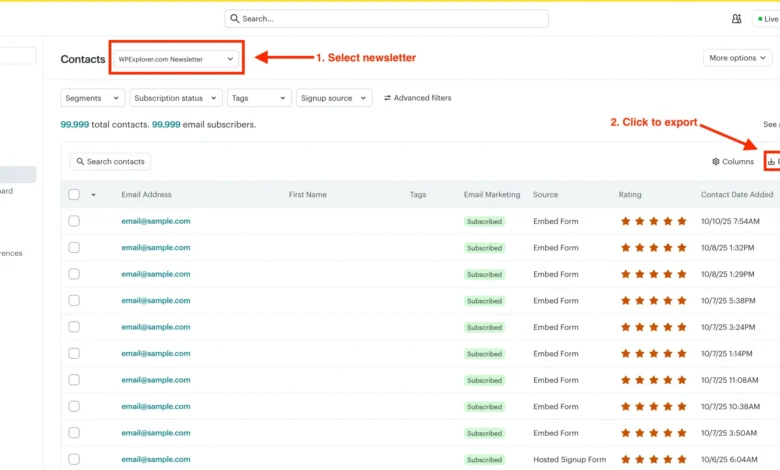
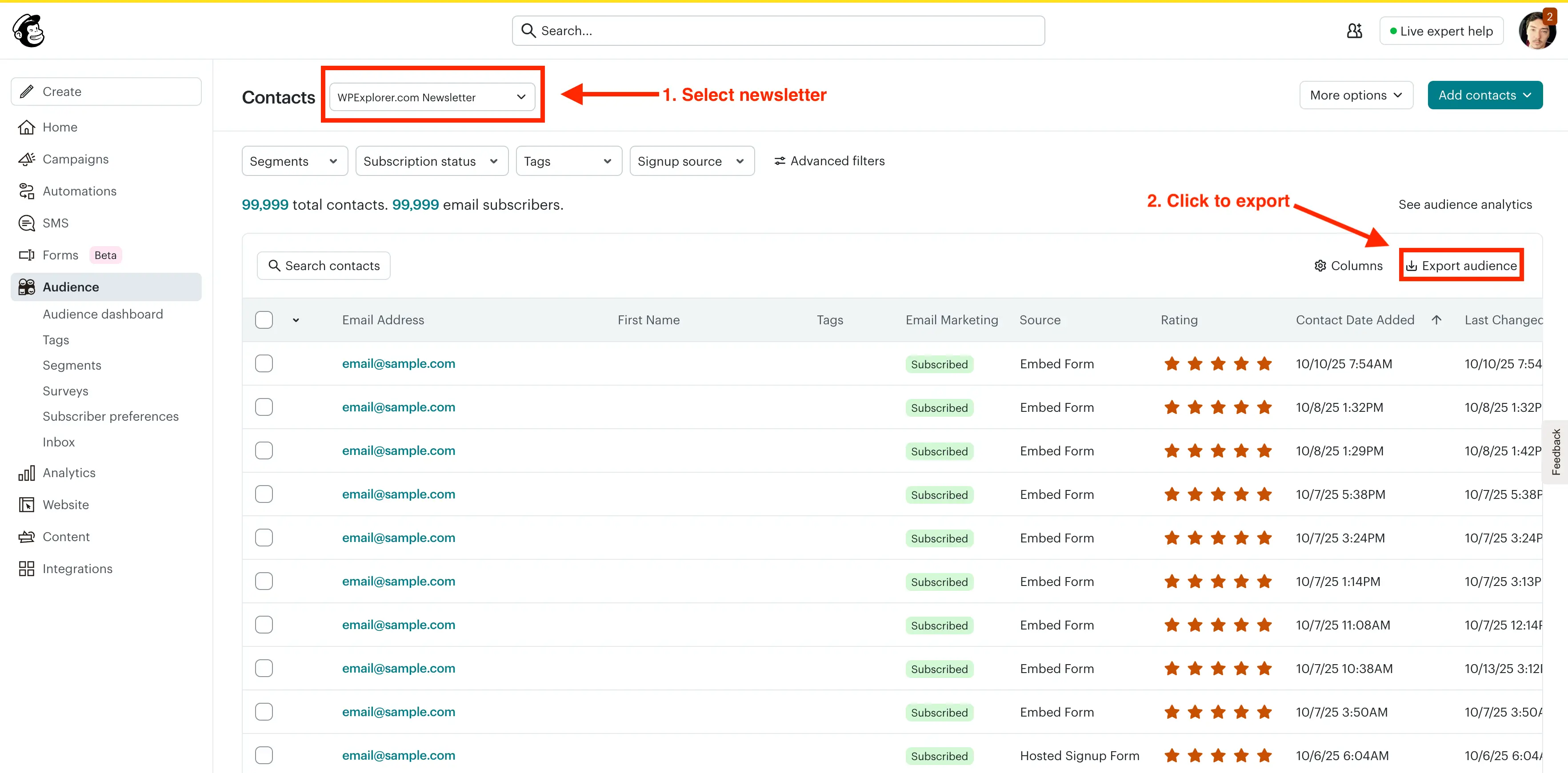
The initial and most crucial step involved extracting the existing subscriber data from Mailchimp. This process typically yields a ZIP archive containing a Comma Separated Values (CSV) file, which is the standard format for importing contact lists across most email marketing platforms. Mailchimp’s interface allows users to export audience data, including subscriber email addresses, names, and other custom fields, ensuring all relevant information is captured for the migration. This step usually involves navigating to the ‘Audience’ section, selecting the relevant audience, and initiating an ‘Export Audience’ function. The resulting CSV file serves as the raw material for populating the new Flodesk account.
Phase 2: Preparing the CSV File for Flodesk Import
Once the Mailchimp export ZIP file was downloaded and extracted, the enclosed CSV required careful preparation. While Flodesk is designed to be user-friendly, aligning the imported data with its expected format can streamline the import process and prevent potential errors. Mailchimp CSVs often contain numerous columns of data, many of which are internal Mailchimp metrics (e.g., Member Rating, Signup Source, Last Changed).
WPExplorer.com undertook an optional but recommended step of modifying the CSV file. This involved:
- Column Simplification: Removing unnecessary columns that Flodesk does not use by default, such as
Member Rating,E-Commerce 30 Day Revenue,Last Changed,Avg Open Rate,Avg Click Rate, andClient. While Flodesk allows mapping of custom fields, a cleaner CSV reduces complexity. - Header Alignment: Ensuring that the remaining critical columns (e.g.,
Email Address,First Name,Last Name) were clearly identifiable and, if desired, renamed to match Flodesk’s standard field names for direct mapping. - Data Consistency: Reviewing data for any inconsistencies or formatting issues that might hinder a smooth import. For instance, ensuring all email addresses are valid and properly formatted.
This preparatory phase is crucial for data hygiene and minimizing post-import cleanup. While Flodesk’s importer is robust, a well-prepared CSV significantly enhances the success rate of the migration.
Phase 3: Creating New Segments in Flodesk
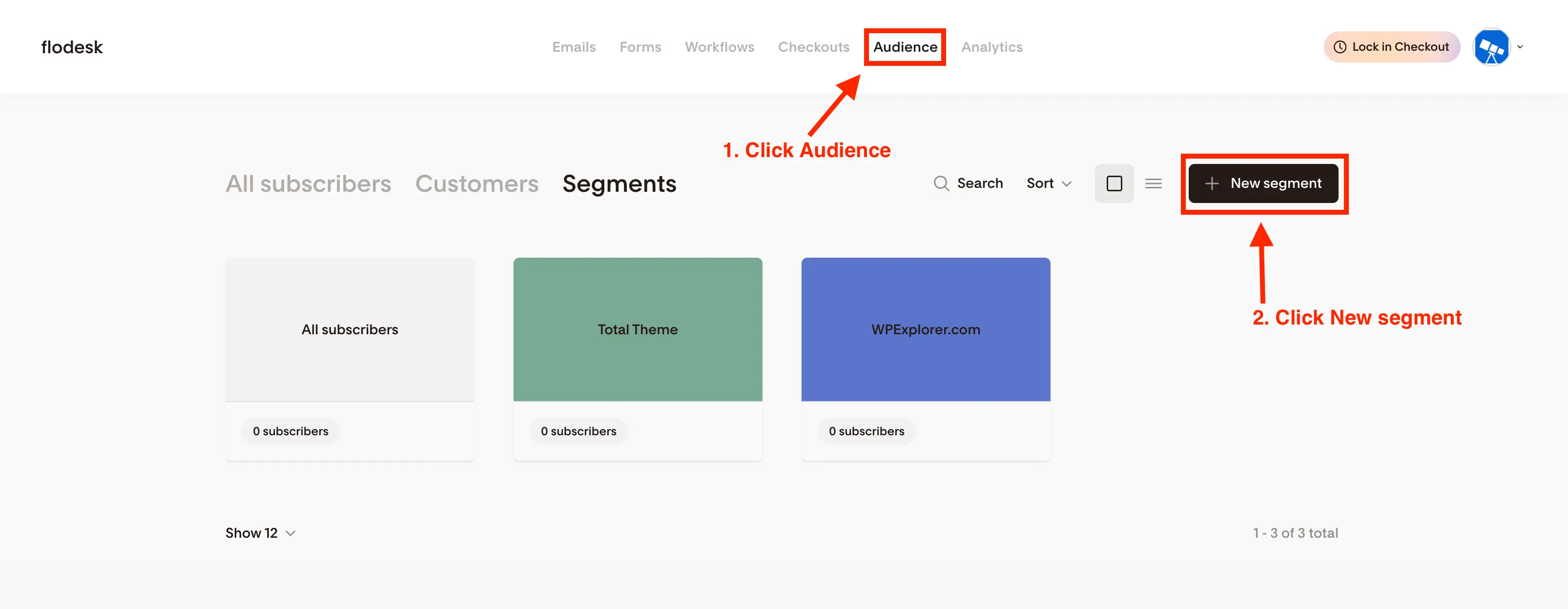
Prior to importing the contacts, WPExplorer.com strategically created new segments within Flodesk. Segmentation is a fundamental practice in email marketing, allowing publishers to organize their audience into targeted groups based on various criteria. For WPExplorer.com, which historically managed a single primary newsletter list, creating a distinct segment such as "Imported from Mailchimp" provided immediate clarity and organization.
If a publisher were migrating multiple distinct lists from Mailchimp, creating corresponding segments in Flodesk for each list would be essential. This approach facilitates better audience management, enables more targeted email campaigns, and ensures that subscribers receive only the most relevant content. Flodesk’s segment creation process is intuitive, allowing users to define and name segments quickly before any data is uploaded. This proactive step ensures that imported subscribers are immediately categorized correctly upon arrival in the new system.
Phase 4: Importing the Subscriber List into Flodesk
With the CSV file prepared and segments established, the final step was to import the data into Flodesk. This process typically involves:
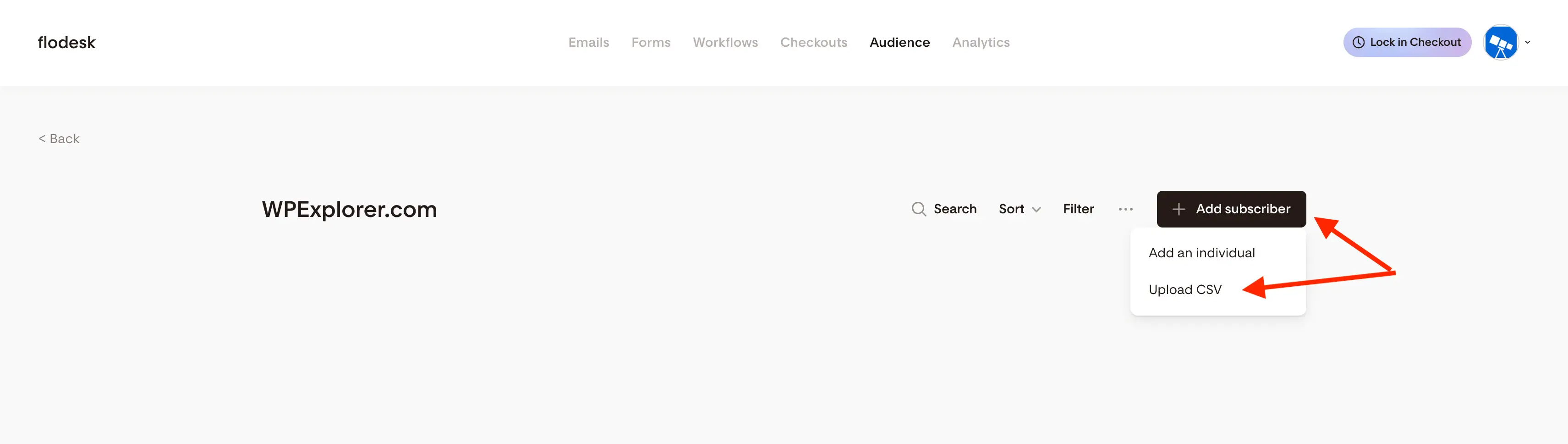
- Initiating Import: Navigating to the ‘Audience’ or ‘Subscribers’ section in Flodesk and selecting an ‘Add Subscribers’ or ‘Import’ option.
- File Upload: Uploading the prepared CSV file.
- Segment Assignment: Assigning the incoming subscribers to the previously created segment (e.g., "Imported from Mailchimp").
- Field Mapping: A critical step where the columns from the uploaded CSV are mapped to Flodesk’s existing subscriber fields (e.g.,
Email AddresstoEmail,First NametoFirst Name). This ensures that all data points are correctly categorized within the new platform. Flodesk’s visual mapping tool simplifies this process, allowing users to confirm the alignment of fields before finalizing the import. - Consent Confirmation: Confirming that the imported subscribers have provided consent to receive emails, a vital aspect of GDPR and other privacy regulations.
The import process can take varying amounts of time depending on the size of the subscriber list. Flodesk provides email notifications upon completion, allowing users to verify the successful transfer of their audience. Post-import, WPExplorer.com confirmed that all contacts were accurately reflected within the designated Flodesk segment, ready for future communications.
Bonus: Domain Warm-up and Deliverability Best Practices
A crucial, often overlooked, aspect of migrating email services is the "domain warm-up" process. This step is particularly vital for publishers like WPExplorer.com, which rely heavily on consistent email deliverability. When a domain begins sending emails from a new IP address or email service provider (ESP), internet service providers (ISPs) and email clients are cautious. A sudden influx of emails from an unfamiliar source can trigger spam filters, leading to reduced deliverability rates.
"Taking the time to warm up your domain will help ensure your newsletters land in inboxes and get the engagement they deserve," emphasized a deliverability expert from a leading email security firm. The warm-up process gradually builds a positive sender reputation with email providers. WPExplorer.com plans to implement a phased warm-up strategy, which includes:
- Gradual Sending Volume: Starting with small batches of emails and progressively increasing the sending volume over several days or weeks.
- Targeting Engaged Subscribers: Initially sending emails to the most active and engaged subscribers. This strategy leverages the "Member Rating" data exported from Mailchimp, which indicates subscriber engagement levels. By targeting high-engagement contacts first, WPExplorer.com aims to generate positive interactions (opens, clicks), signaling to ISPs that the new sending domain is legitimate and trusted.
- Monitoring Metrics: Closely tracking open rates, click-through rates, and bounce rates to identify any deliverability issues early.
- Authenticating Domain: Ensuring that Sender Policy Framework (SPF), DomainKeys Identified Mail (DKIM), and Domain-based Message Authentication, Reporting & Conformance (DMARC) records are correctly configured for the new sending domain within Flodesk. These authentication protocols are critical for verifying sender identity and preventing spoofing, thereby improving deliverability.
This meticulous approach to domain warm-up is expected to safeguard WPExplorer.com’s sender reputation and ensure high inbox placement rates for its future newsletters, maximizing the impact of its content.
Broader Implications for the Email Marketing Landscape
WPExplorer.com’s migration reflects a broader trend within the digital publishing and content creation industries. As digital platforms mature, businesses are increasingly scrutinizing their operational expenditures and seeking specialized solutions that align more precisely with their core needs. The move away from a comprehensive, but expensive, platform like Mailchimp to a more streamlined, flat-rate provider like Flodesk underscores a market shift.
Industry observers suggest that this trend could put pressure on established ESPs to re-evaluate their pricing models and feature offerings, particularly for the SMB and solopreneur segments. "The demand for simplified, cost-effective tools that don’t compromise on essential functionality or aesthetics is growing," noted Dr. Anya Sharma, a marketing technology analyst. "Platforms like Flodesk, with their transparent pricing and focus on user experience, are well-positioned to capture market share from users who feel underserved or overcharged by legacy providers."
For WPExplorer.com, the transition represents not just a cost-saving measure but also a strategic alignment with a platform that prioritizes design, ease of use, and a predictable financial commitment. This move is expected to empower the publication to revitalize its newsletter strategy, focusing on delivering high-quality content without the burden of escalating marketing infrastructure costs. The successful migration and subsequent re-launch of WPExplorer.com’s newsletter with Flodesk are anticipated to foster renewed engagement with its audience, reinforcing its position as a valuable resource in the WordPress community.