WordPress Consolidates Creator Ecosystem with New Jetpack Podcasting Integration

The digital publishing landscape is undergoing a significant shift as Automattic, the company behind WordPress.com and the Jetpack suite, moves to centralize podcasting capabilities within its primary plugin infrastructure. By integrating professional-grade podcasting features directly into Jetpack, the organization aims to reclaim a segment of the creator economy that has increasingly migrated toward proprietary, "walled garden" platforms such as Substack and Patreon over the past decade. This development marks a pivot in how self-hosted WordPress users can manage audio content, potentially altering the competitive dynamics of the podcast hosting industry.
The Evolution of Podcasting within WordPress
Historically, WordPress users wishing to host podcasts were required to rely on third-party plugins or external hosting services, creating a fragmented workflow. While WordPress.com offered rudimentary audio support for years, it lacked the sophisticated RSS management, distribution tools, and analytics necessary for professional creators. The newly launched Jetpack Podcasting suite addresses these technical hurdles by offering a unified interface that treats audio episodes as native WordPress posts.
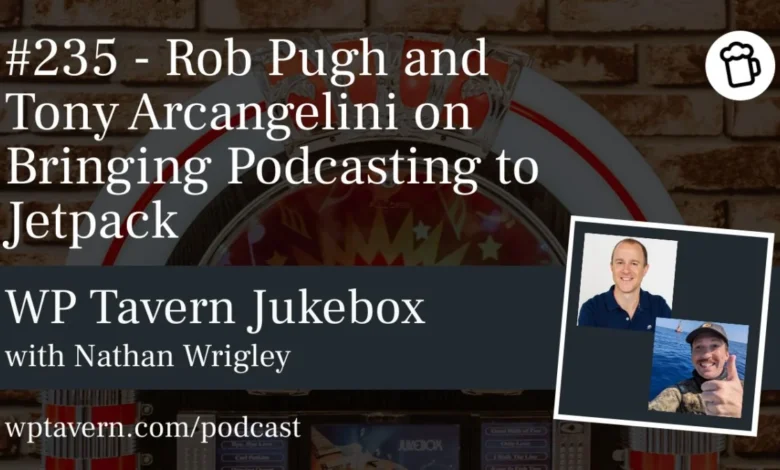
The project, spearheaded by long-time Automattic veterans Rob Pugh and Tony Arcangelini, represents a departure from previous, disconnected approaches. According to product development logs, the team sought to address the "missing link" in the WordPress creator experience: the ability to manage a blog, newsletter, and podcast from a single administrative dashboard. This strategy is designed to minimize the reliance on disparate third-party services, thereby reducing the overhead for creators and ensuring that content remains strictly within the user’s domain.
Technical Architecture and Distribution Mechanics
The core functionality of the new Jetpack toolset leverages the existing WordPress block editor. Users can create a post, embed audio via a specialized podcast block, and assign it to a designated category. Once this category is set, Jetpack automatically generates and manages the RSS feed, which is a critical component for syndication across major platforms like Apple Podcasts, Spotify, and Amazon Music.
From an architectural standpoint, this integration solves the difficulty of cross-platform synchronization. For many creators, the most tedious aspect of podcasting is the "distribution dance"—the manual process of ensuring that new audio files are pushed to multiple directories simultaneously. Jetpack streamlines this by providing a distribution tab that offers centralized status tracking. While some platforms like Apple Podcasts still require manual verification through a creator account, the integration with Pocket Casts—which is also owned by Automattic—allows for near-instantaneous submission and synchronization.
Data Ownership and the "Walled Garden" Debate
The timing of this release is significant. The creator economy has seen a rapid rise in platforms that offer ease of use at the cost of data sovereignty. Platforms like Substack have gained popularity by simplifying the subscription and newsletter process, but they have also faced criticism for "platform risk," where creators are beholden to the changing algorithms and monetization policies of a private company.
Industry analysts suggest that Automattic is positioning WordPress as the "sovereign" alternative. By providing tools that match the convenience of proprietary platforms while maintaining the open-source nature of WordPress, the company is betting that creators will eventually prioritize the long-term portability of their audience. Unlike closed platforms, where exporting a subscriber list or migrating a show to a new host can be technically difficult, WordPress adheres to open standards, ensuring that users retain full control over their content and data. This alignment with the "open web" philosophy is a central pillar of Automattic’s current market strategy.
Enhancing Creator Efficiency with AI and Automation
To remain competitive, the new toolset incorporates generative AI features, a growing requirement for modern content management systems. Jetpack’s integration allows for automated content creation assistance, such as generating show titles and episode descriptions based on provided transcripts or audio input. This addresses the common creator complaint regarding the time-intensive nature of metadata management.
Furthermore, the integration of Pocket Casts technology provides a glimpse into the future of multi-modal content consumption. The ability for a user to listen to an audio episode on a mobile device and seamlessly transition to a video feed on an Apple TV—without losing their place—highlights the increasing convergence of audio and video in the podcasting space. This feature set is intended to reduce the technical barriers that previously prevented independent creators from offering high-end, multi-format experiences.
Market Implications and Future Roadmap
The introduction of native podcasting to Jetpack carries implications for the broader podcast hosting market. Smaller, standalone hosting services may find themselves under increased pressure as a massive, existing user base gains access to free or low-cost, integrated alternatives. Currently, the service includes:
- RSS Management: Automated feed generation and optimization.
- Distribution Tools: Guided submission processes for major podcast directories.
- Analytics: Integrated performance tracking, showing listener demographics and platform-specific consumption data.
- Cross-Channel Publishing: Simultaneous updates to newsletters, social media, and the primary website upon the "publish" event.
While the service currently lacks an automated migration tool for moving thousands of back-catalog episodes from competitors, Automattic has signaled that this is a priority for future updates. The goal is to create a "one-click" migration experience that allows creators to import their entire history, descriptions, and subscriber lists from external platforms.
Strategic Outlook
The decision to house these features within Jetpack, rather than as a standalone plugin, suggests that Automattic intends to leverage the network effect of its existing infrastructure. By bundling podcasting with security, performance monitoring, and social media automation, the company is effectively creating an all-in-one "creator OS."
As of late 2024, the service has been deployed across the WordPress.com network, with ongoing updates to the standalone Jetpack plugin. The focus for the coming year is expected to be on refining the user experience for migrating creators and expanding the capabilities of the AI-driven transcription tools. For the independent creator, the message is clear: the industry is shifting away from fragmented, platform-dependent solutions toward unified, site-centric architectures. Whether this will lead to a mass migration back to self-hosted WordPress sites remains to be seen, but the tools to facilitate that shift are now firmly in place.
Conclusion
The integration of podcasting into the Jetpack ecosystem serves as a strategic response to the shifting needs of digital creators. By prioritizing data ownership, simplifying complex distribution workflows, and leveraging the existing WordPress framework, Automattic is attempting to redefine the standard for professional content management. For the independent podcaster, this represents a significant increase in capability, offering a professional, scalable solution that avoids the constraints of traditional closed-platform services. As the competition for creator loyalty intensifies, the ability to offer a seamless, unified experience—bridging the gap between blogging, podcasting, and newsletters—will likely define the next generation of online content strategy.