Is the WordPress Monopoly Finally Over: A 2026 Analysis of the Web Development Landscape

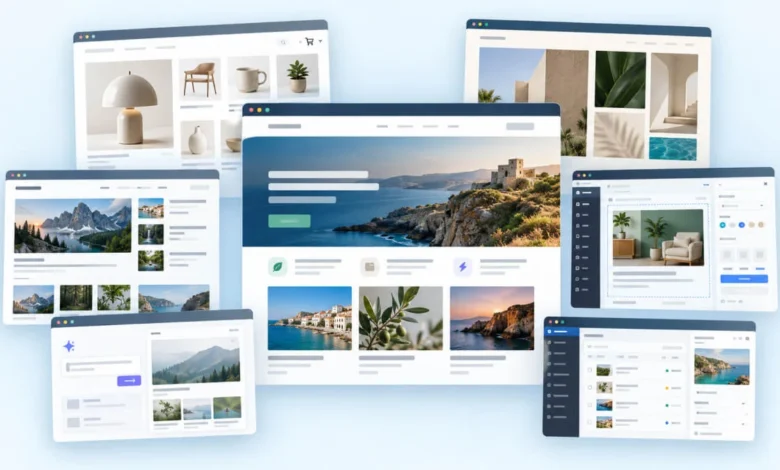
In 2017, the digital landscape was defined by the ubiquity of WordPress. At the time, WP Mayor posed a provocative question: were alternatives to the dominant content management system (CMS) truly viable for the average user? Nine years later, the question remains, but the answer has shifted from a binary "yes or no" to a complex matrix of specialized platforms, AI-driven builders, and headless architectures. As of late 2026, WordPress still powers nearly 40% of the web, yet its unchallenged reign is being tested by a rapidly diversifying ecosystem of competitors.
The year 2026 has been a period of profound turbulence and technical evolution for web infrastructure. The industry has witnessed the restructuring of major players like Webflow, the acquisition of the popular static-site generator Astro by Cloudflare, and the launch of EmDash, a modern, open-source CMS. Simultaneously, the integration of generative AI has transformed the barrier to entry, allowing for the deployment of functional marketing sites through simple text prompts. Within the WordPress community itself, a high-profile leadership crisis at Automattic has sparked renewed debates about the risks of centralized governance in open-source projects.
The Changing Competitive Landscape: A Comparative Overview
The modern developer or business owner must now weigh convenience against long-term sovereignty. For e-commerce, Shopify has solidified its position as the default choice, effectively siphoning market share from WooCommerce. For design-centric organizations, tools like Framer and Webflow offer visual fidelity that WordPress themes often struggle to match without heavy customization.
| Platform | Best For | Entry Cost (Yearly) | Lock-in Level |
|---|---|---|---|
| Shopify | Online Stores | €19/mo | High |
| Squarespace | Portfolio/Simple Sites | $19/mo | High |
| Wix | All-in-one SMBs | $17/mo | High |
| Webflow | Marketing Teams | $15/mo | High |
| Framer | Design-led sites | $10/mo | High |
| Ghost | Newsletters/Media | $18/mo | Low |
| AI + Astro | Static Marketing | Free/Low | Low |
| EmDash | Modern Devs | Free (Open Source) | Medium |
| WordPress | Universal Utility | Free (Hosting) | Low |
Shopify and the Shift in E-commerce Dominance
Shopify’s ascent represents a fundamental shift in how small-to-medium enterprises view e-commerce. While WooCommerce relies on a decentralized ecosystem of plugins—each with its own update cycle and security considerations—Shopify offers a "walled garden" approach. By managing hosting, payment gateways, shipping, and tax compliance, Shopify removes the technical overhead that often burdens WordPress store owners.
In early 2026, Shopify deepened its commitment to artificial intelligence through its "Winter ’26" update. The platform’s native AI assistant, Sidekick, now facilitates custom app creation and complex workflow automation via natural language processing. Despite this, WordPress remains superior for businesses where content marketing and SEO are the primary growth drivers. Shopify’s blogging capabilities remain rudimentary compared to the robust editorial tools found in the WordPress block editor.
Squarespace and Wix: The Premium for Simplicity
For small businesses and independent creators, the trade-off is clear: pay a monthly premium to avoid the technical debt of maintenance. Squarespace, which adjusted its pricing in mid-2026, continues to focus on aesthetic polish and ease of use. However, the lack of a flexible plugin ecosystem creates a "ceiling" for growth. Should a business require custom functionality, such as advanced member portals or complex database integrations, they often find themselves forced to migrate entirely, as Squarespace sites are essentially proprietary, non-portable builds.
Wix has taken a different approach by leaning into generative AI with its "Harmony" builder, launched in January 2026. By integrating an AI agent named Aria, Wix allows users to dictate site structure and design in plain language. While this empowers non-technical users, it deepens the "lock-in" effect. Wix sites are notoriously difficult to export, effectively tethering the user to the platform’s proprietary ecosystem for the lifetime of the business.
Webflow and the Pivot to Enterprise
Webflow’s trajectory in 2026 serves as a case study for the volatility of the "no-code" sector. Following a significant staff reduction in May, CEO Linda Tong signaled a pivot toward an "agentic web marketing platform." By positioning itself as a tool for in-house marketing teams rather than individual designers, Webflow is intentionally moving upmarket. This shift suggests that for simple brochure sites, Webflow now considers itself competing against low-cost, AI-generated static sites, leaving that lower-tier market to less expensive alternatives.
The Rise of Static Sites and EmDash
A notable development in 2026 is the maturity of the static site stack. By utilizing frameworks like Astro and hosting on edge networks, developers can build sites that are virtually unhackable and incredibly fast. The acquisition of the Astro team by Cloudflare underscores the industry’s shift toward static, edge-optimized content.
The debut of EmDash in late 2026 offers a modern alternative for those who find WordPress bloated. Built on TypeScript and designed with a sandbox-style plugin architecture, EmDash addresses the security vulnerabilities inherent in the traditional WordPress plugin model. Because plugins in EmDash are restricted by default, the platform offers a level of security and performance that legacy systems struggle to match. However, the ecosystem remains in its infancy, and its reliance on Cloudflare-specific infrastructure raises questions regarding vendor neutrality.
The WordPress Resilience Paradox
Despite the competition, WordPress maintains its dominance. The release of version 7.0 "Armstrong" in May 2026, followed by 7.1 "Mary Lou" in August, introduced significant AI-integrated features, including a centralized "connections hub" for external AI services. With over 72,000 plugins in its directory, the sheer breadth of the WordPress ecosystem remains unmatched.
However, the "governance risk" has become a central point of discussion. The brief removal of Matt Mullenweg from his position as CEO of Automattic in September 2026, followed by his reinstatement, highlighted the fragility of a system that is technically open-source but operationally dependent on a single entity. The ongoing legal dispute between Automattic and WP Engine has further complicated the narrative, forcing agencies and large-scale enterprises to evaluate the long-term stability of the platform.
Implications and Strategic Recommendations
The choice of platform in 2026 is no longer about which tool is "the best," but which model of risk a user is willing to accept.
- For Content-Heavy Businesses: WordPress remains the standard due to its unmatched editorial workflow and data portability. The risk is governance, but the reward is total ownership of the stack.
- For E-commerce: Shopify is the pragmatic choice for those who view technology as a utility rather than a core competency.
- For High-Performance Marketing: Developers should look toward the Astro-plus-CMS model. Using a "headless" WordPress instance to feed a static frontend (like Astro) provides the best of both worlds: the familiar WordPress admin interface combined with the speed and security of a static site.
- For Emerging Tech Enthusiasts: EmDash represents the next generation of CMS architecture. While it is not yet a direct replacement for the full scope of WordPress, it is a robust candidate for greenfield projects where performance is paramount.
As the industry moves toward 2027, the "monolithic" era of the web is clearly waning. Whether through AI-driven site builders or decentralized, edge-native CMS platforms, the tools available today offer more specialization than ever before. The primary challenge for site owners remains the same as it was in 2017: avoid the trap of convenience-based lock-in, and prioritize the long-term portability of your data and your brand. In an era of rapid AI integration and platform instability, the ability to move your content remains the ultimate insurance policy.