The Evolution of Digital Measurement
The history of digital analytics is marked by the transition from simple page-hit counters to sophisticated, cross-platform behavioral modeling. For over a decade, Google Analytics (GA) has been the industry standard, providing millions of businesses with the insights necessary to optimize their marketing spend. However, the legacy architecture of these tools was built for a world where desktop web traffic was the primary mode of engagement.
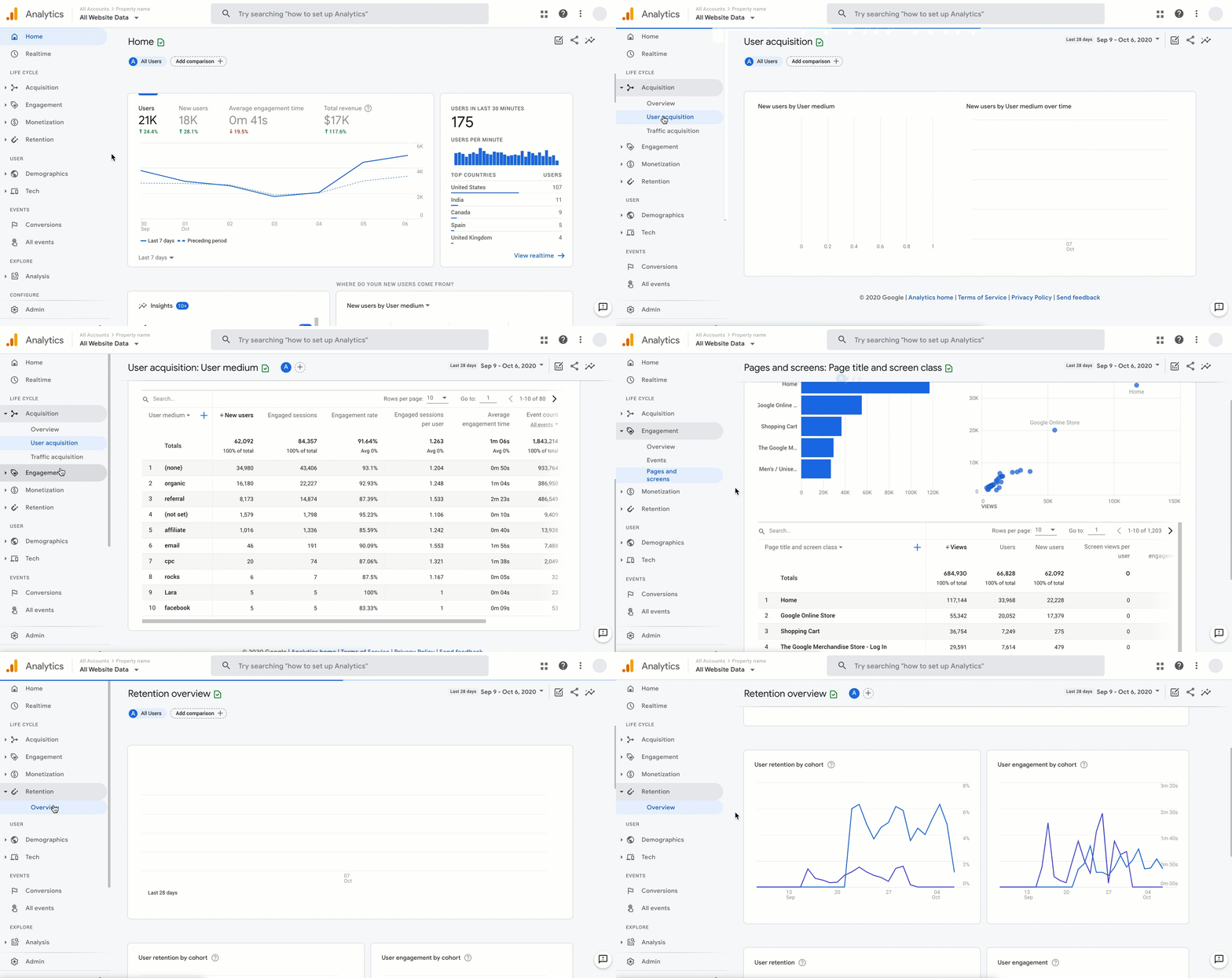
As mobile app usage exploded and the consumer journey transitioned into a multi-device, multi-platform reality, the limitations of "session-based" tracking became apparent. Businesses struggled to stitch together a coherent narrative of a user who might view a product on a mobile app, research it on a laptop browser, and eventually complete a purchase through a social media link. By introducing the App + Web property in beta last year, Google began the process of unifying these disparate data streams, creating a foundation that treats users—rather than sessions—as the primary unit of analysis. The launch of the new Google Analytics is the culmination of this effort, moving away from legacy constraints to a flexible, event-based model.
Bridging the Data Gap with Machine Learning
The core value proposition of the new Google Analytics lies in its integration of advanced machine learning models. As industry standards shift toward a "cookieless" future, marketers face inevitable gaps in their data. Regulations, browser-level restrictions on tracking, and user opt-outs have made the collection of 100% accurate, granular data nearly impossible.
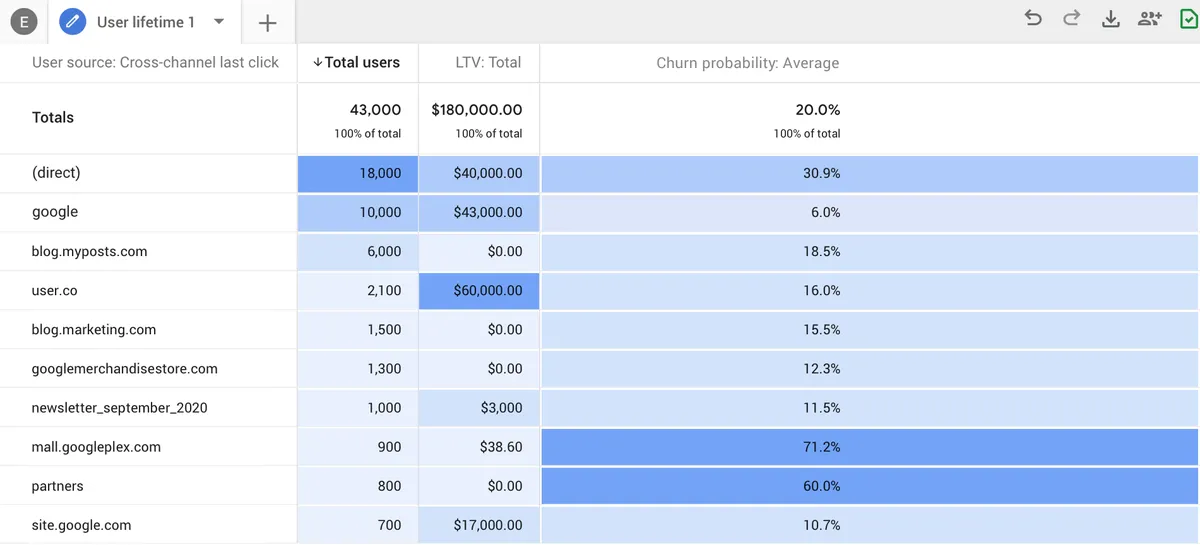
To compensate for these voids, the platform utilizes predictive metrics. Rather than relying solely on deterministic data, the new system can infer trends and anticipate user actions. For example, the platform’s "churn probability" feature allows retailers to identify customers who are likely to disengage or stop purchasing. By analyzing historical behavior, the tool provides a probability score that enables marketing teams to trigger retention campaigns before the customer is lost.
Furthermore, the introduction of predictive revenue metrics offers a forward-looking view of customer lifetime value. By forecasting the potential spend of specific audience segments, businesses can allocate their marketing budgets toward high-value users, maximizing return on investment (ROI) at a time when fiscal efficiency is a top priority for CMOs globally.

Chronology of the Transition
The rollout of the new Google Analytics followed a structured, multi-phase approach designed to minimize disruption for enterprise-level users while encouraging rapid adoption among smaller businesses.
- 2019: Google initiates the beta for "App + Web" properties, signaling a departure from the traditional Universal Analytics model.
- Mid-2020: As the global pandemic forces a massive migration of commerce to digital channels, the need for integrated, real-time data becomes acute.
- October 2020: The official announcement of the "new" Google Analytics (GA4) marks it as the default experience for all new properties.
- 2021-2023: A sustained period of transition where Google emphasizes a dual-setup strategy, advising companies to run GA4 alongside their existing Universal Analytics properties to ensure historical continuity.
Industry Implications and Strategic Shifts
The implications of this shift are profound, particularly regarding data governance. In the past, analytics tools were often viewed as "passive" observers of traffic. Under the new paradigm, analytics is an active, integrated component of the marketing stack. The deeper integration with Google Ads, for instance, allows for automated, audience-based targeting that updates in real-time based on user behavior across the web and mobile apps.
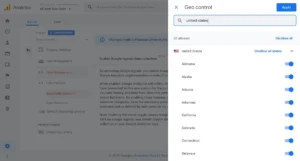
From a regulatory standpoint, the platform’s design reflects a proactive stance on privacy. By offering more granular controls over data collection and retention, Google is providing businesses with the tools to navigate a landscape where consumer consent is no longer a footnote, but a prerequisite. The ability to toggle between data usage for ad optimization and data usage strictly for measurement is a critical feature for compliance teams operating under strict regional privacy laws.
Expert Perspectives and Early Adopters
The move toward this new architecture has been largely met with support from industry analysts who recognize that the "old way" of tracking was nearing its technical limit. Reports from firms like Forrester Consulting have long highlighted that marketers struggle with "data siloing"—the inability to connect insights from different departments or platforms.
Early adopters, including major brands like Vistaprint and Domino’s Pizza of Canada, have utilized the new platform to maintain agility during volatile market conditions. For Vistaprint, the ability to quickly pivot and measure consumer response to new product lines during the pandemic proved that a flexible, event-based tracking system is essential for operational speed. Jeff Kacmarek, VP at Domino’s Pizza of Canada, noted that the link between analytics and ad optimization is no longer a luxury but a necessity for understanding the complete impact of cross-channel marketing.
A Future-Proof Framework
The architecture of the new Google Analytics is designed to be "future-proof." As the digital world moves away from identifiers, the platform is prepared to use modeling to fill in the missing pieces. This is a radical departure from the "all or nothing" data approach of the past. By leveraging statistical modeling, the tool ensures that even if a user opts out of tracking, the aggregate data remains statistically significant enough to guide business decisions.

For enterprise marketers, the introduction of the Analytics 360 version adds a layer of robustness. With Service Level Agreements (SLAs) and deep-tier integrations with data warehouses like BigQuery, enterprise users can perform custom SQL queries on their raw data, allowing for deeper data science applications beyond the standard dashboard reports.
Conclusion
The transformation of Google Analytics is a clear signal that the era of passive, browser-based tracking has ended. In its place is a dynamic, intelligent system that accounts for the reality of modern consumer behavior: fragmented, multi-device, and deeply concerned with privacy. For businesses, the mandate is clear: the transition to the new Google Analytics is not merely a technical migration but a necessary strategic evolution. By adopting these tools now, organizations can secure their ability to measure success in a future defined by uncertainty and change. As the industry continues to iterate, the businesses that succeed will be those that have moved beyond the limitations of legacy measurement to embrace the predictive, privacy-centric capabilities of the next generation of digital intelligence.