The Evolving Privacy Landscape: A Contextual Overview
The digital advertising ecosystem has undergone a radical transformation over the past decade. Historically, data collection was largely unchecked, with third-party cookies tracking user behavior across the web with minimal oversight. However, the rise of "privacy-first" computing—spearheaded by both legislative bodies and major technology companies—has forced a pivot.
The chronology of this shift began in earnest with the enforcement of the GDPR in May 2018, which introduced the concept of "privacy by design." This regulation mandated that data controllers must implement appropriate technical and organizational measures to ensure that, by default, only personal data necessary for each specific purpose of the processing is processed. Following this, the California Consumer Privacy Act (CCPA), which went into effect in January 2020, added further layers of protection, granting users the right to know what personal information is collected, the right to delete that information, and the right to opt out of the sale of their data. These milestones have created a complex compliance environment where businesses must now act as active stewards of data rather than passive collectors.
Comprehensive Data Management Settings
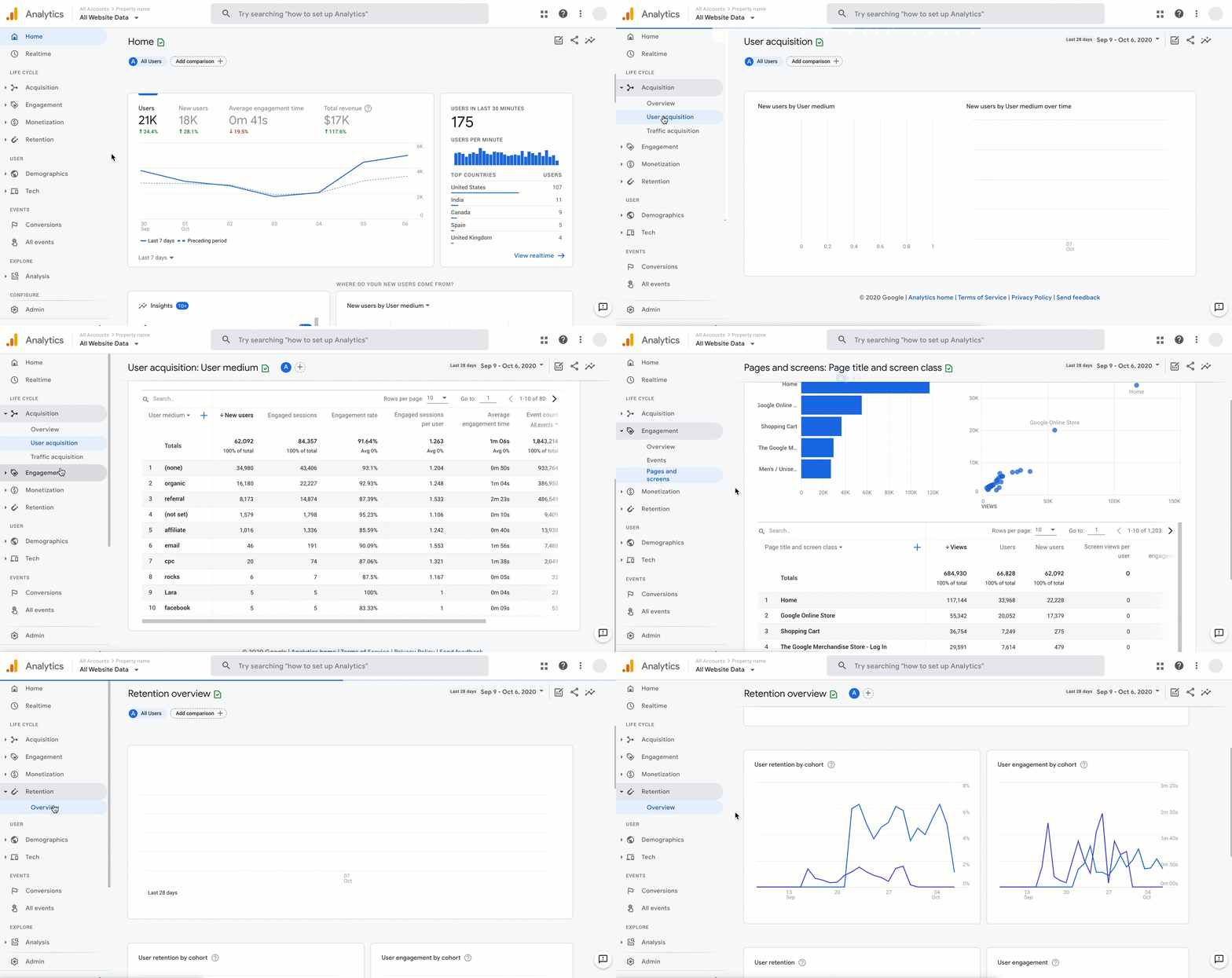
For businesses leveraging Google Analytics, the platform offers several layers of control that allow administrators to fine-tune how their properties interact with user information. These controls are not merely suggestions but are essential tools for maintaining trust and legal adherence.
Data Processing and Anonymization
One of the foundational steps in data governance is the acceptance of Data Processing Terms. By formally acknowledging these terms, businesses align their use of the platform with Google’s updated commitments to privacy and security. Beyond documentation, technical controls are available to mitigate the identifiability of users. IP anonymization, for instance, remains a vital feature for Web properties. By enabling this setting, Analytics truncates the IP address of users as soon as it is technically feasible, effectively removing the last octet of the address. While this limits the precision of geographic reporting, it serves as a robust defense against the storage of potentially personally identifiable information (PII). For App and Web properties, this anonymization is applied by default, reflecting a broader trend toward privacy-by-default configurations.

Retention and Deletion Protocols
The duration for which data is stored is a critical component of data minimization. Google Analytics allows administrators to define specific retention periods for user-level and event-level data. By setting these thresholds—typically ranging from 14 months to 50 months—businesses can ensure that they are not holding onto historical data longer than is necessary for their operational requirements. Once the retention period expires, the data is automatically purged from Google’s servers, reducing the risk profile for the organization.
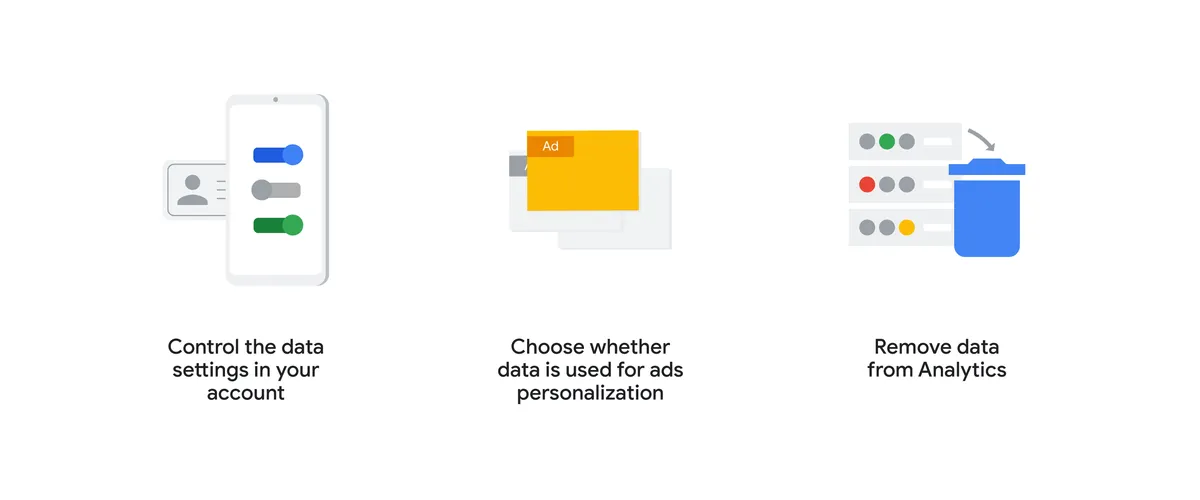
Furthermore, the ability to request the deletion of data from the servers provides a safeguard for users who exercise their "right to be forgotten." This process includes a seven-day grace period, allowing for administrative review and the potential cancellation of the request, ensuring that accidental deletions do not result in permanent data loss.
Advanced Controls: Ads Personalization and Google Signals
The intersection of analytics and advertising represents the most sensitive area of data usage. Google signals, an optional feature, provides cross-device tracking capabilities that enable advanced remarketing and demographic reporting. However, the integration of such features necessitates a delicate balance.
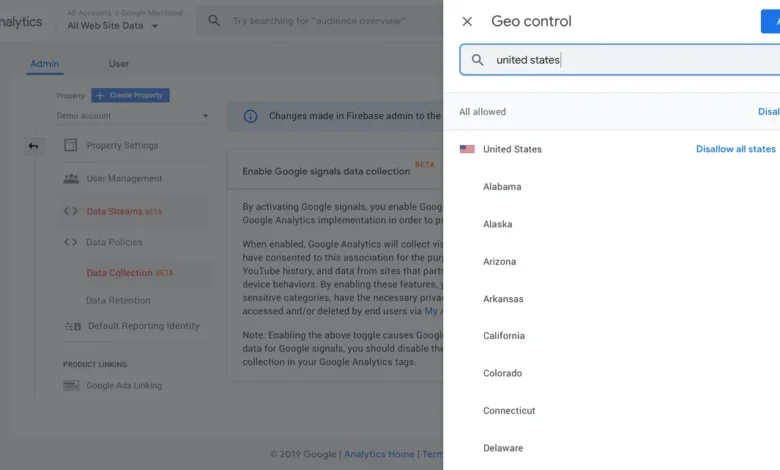
Businesses can now exercise granular control over ads personalization. This can be toggled at the property level, ensuring that all incoming events are marked as ineligible for ad-targeting purposes. More impressively, this control can be applied geographically. With the increasing fragmentation of privacy laws in the United States—where various states have enacted their own distinct data protection statutes—the ability to enable or disable ads personalization by country or by individual state is a significant advancement.
This level of precision extends to the event and session level. Organizations can, for example, programmatically disable ads personalization until a user provides explicit consent via a consent management platform (CMP). By dynamically adjusting these settings, companies can ensure that their data collection practices remain compliant with real-time user preferences, thereby minimizing the legal risk associated with tracking users who have opted out.
Implications for Business Strategy
The transition toward a privacy-centric model has profound implications for digital marketing strategies. The primary challenge for businesses is to derive actionable insights while operating with "cleaner" data sets. As cookies and other identifiers become less reliable, the emphasis is shifting toward first-party data strategies.
The current suite of tools provided by Google Analytics reflects a strategic move toward "durable" analytics. This means building measurement systems that do not rely solely on persistent tracking but rather on statistical modeling and aggregated data. For the modern marketer, this requires a deeper understanding of the trade-offs between granularity and privacy. While disabling certain features may lead to a reduction in the fidelity of user journeys, it significantly strengthens the organization’s legal standing and brand reputation.
The Future of Privacy-Centric Analytics
As of the current fiscal year, industry analysts have noted that over 70% of global internet users are covered by some form of regional data privacy legislation. This percentage is expected to climb as more nations adopt frameworks similar to the GDPR. Google’s ongoing commitment to evolving its platform suggests that the "control" features currently available are only the beginning.
Looking forward, the integration of machine learning to fill the gaps left by missing data—often referred to as "conversion modeling"—will become the industry standard. By utilizing anonymized, aggregated data points, platforms like Google Analytics are attempting to provide the same level of performance optimization without compromising individual privacy.
The message to business owners and data analysts is clear: privacy is no longer an optional overlay but a core component of the analytical workflow. By proactively utilizing the settings for data collection, retention, and ads personalization, organizations can navigate the complexities of the modern digital landscape with confidence. The ability to delete user data, customize data sharing settings, and restrict the scope of cross-device tracking is not just a regulatory necessity—it is an investment in the long-term sustainability of the digital economy. As technology continues to advance, the businesses that succeed will be those that prioritize transparency and user consent as the foundation of their data strategy, ensuring that they remain ahead of the curve in an increasingly privacy-conscious world. For those seeking further guidance, the Google Analytics Help Center continues to serve as the definitive repository for the technical implementation of these critical privacy controls.