Google Analytics 4 Updates Empower Advertisers with Privacy-Safe Insights and Enhanced Customization Tools

At the recent Google Marketing Livestream, the tech giant unveiled a comprehensive suite of updates for Google Analytics 4 (GA4), marking a pivotal shift in how businesses measure consumer behavior in a digital landscape increasingly defined by data privacy regulations and the deprecation of third-party cookies. These enhancements are designed to provide advertisers with a robust, durable measurement foundation, ensuring that actionable insights remain accessible even as industry standards regarding user consent and data collection continue to evolve rapidly.
The Evolution of Digital Measurement
The digital advertising industry is currently navigating a period of significant transition. With major web browsers implementing stricter tracking restrictions and global privacy legislation—such as the General Data Protection Regulation (GDPR) in Europe and the California Consumer Privacy Act (CCPA)—becoming the standard, the traditional methods of tracking user journeys have been rendered less reliable. Google Analytics 4, the successor to the long-standing Universal Analytics, was built specifically to address these challenges.

The latest updates represent a tactical shift toward "privacy-safe" measurement. By integrating sophisticated machine learning, Google aims to bridge the gap between observed data and the reality of a user journey that may be fragmented across multiple devices or obscured by consent-based cookie restrictions.
Bridging Data Gaps with Machine Learning
A primary feature introduced during the livestream is the expansion of behavioral modeling. When users decline to provide consent for analytics cookies, traditional tracking systems lose the ability to capture their interactions. To mitigate this loss, Google is deploying advanced modeling capabilities within GA4 properties.
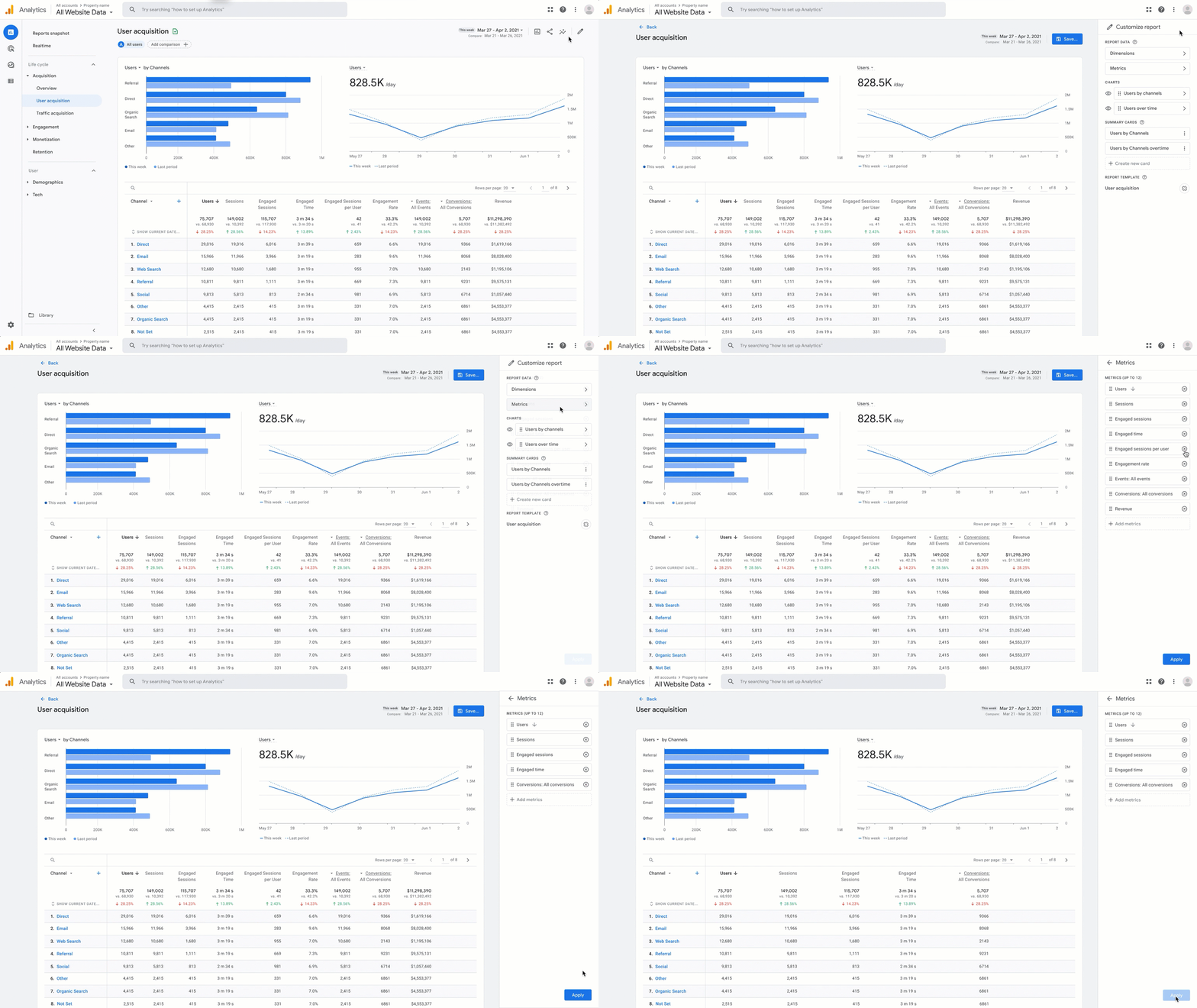
By utilizing machine learning to fill in the missing pieces of the user journey, advertisers can gain a more representative view of their marketing effectiveness. For instance, in a User Acquisition report, the system will now combine observed data with modeled estimations to offer a comprehensive picture of campaign performance. This ensures that even when data points are incomplete due to privacy settings, businesses can still discern trends and make informed decisions about their resource allocation. This approach allows advertisers to maintain high-level performance optimization without compromising the privacy preferences of the individual consumer.
Redesigning the User Experience: A Modular Approach
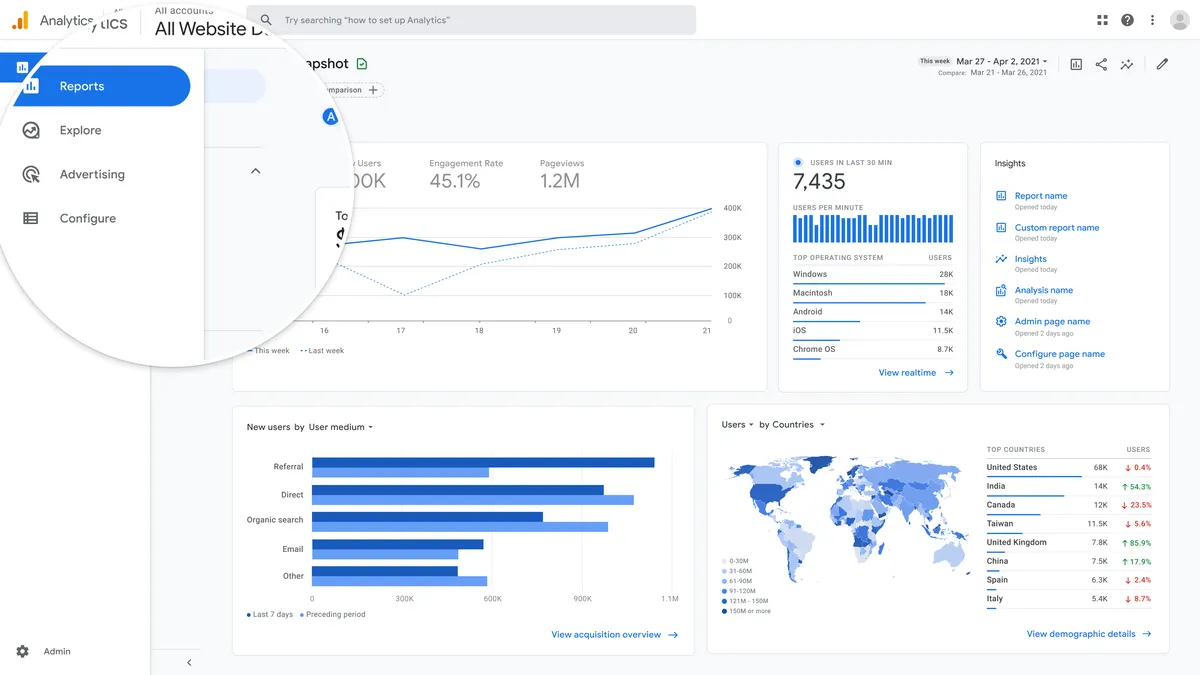
Recognizing that the complexity of modern data can overwhelm marketing teams, Google has introduced a new modular navigation structure in the GA4 interface. This redesign prioritizes speed and accessibility, allowing users to navigate to specific use cases with greater efficiency.
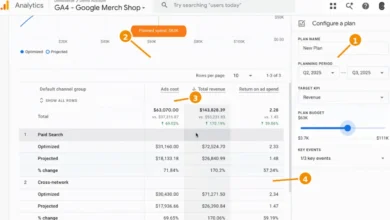
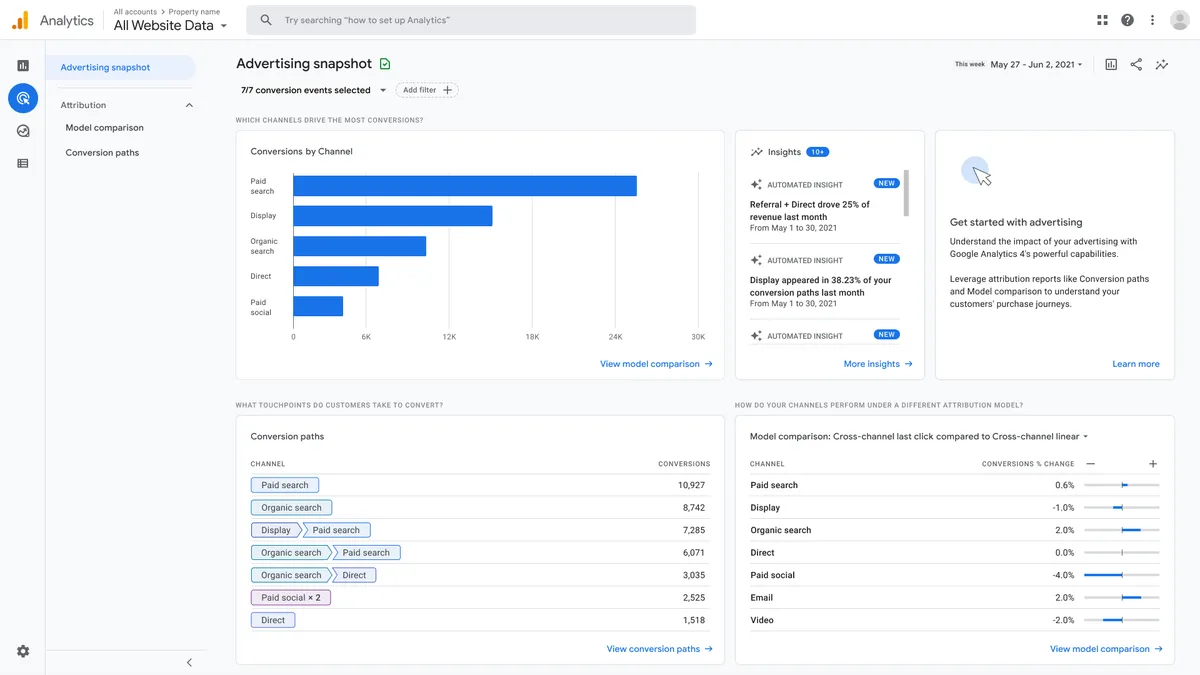
The interface now organizes reporting into distinct "workspaces." The most notable of these is the Advertising Workspace, which serves as a centralized hub for performance measurement. Within this workspace, the "Advertising Snapshot" provides an immediate, high-level overview of campaign efficacy. It uses automated insights to flag critical changes, such as performance spikes, the most successful conversion channels, or shifts in customer acquisition costs. This real-time reporting capability is intended to reduce the administrative burden on analysts, allowing them to focus on strategy rather than data retrieval.
Empowering Customization for Enterprise Teams
One of the most requested features for GA4 has been greater flexibility in reporting. Previously, analytics platforms often forced users into a "one-size-fits-all" view. Google is now moving toward a highly customizable model that allows administrators to tailor the platform to the specific needs of their organization or individual teams.
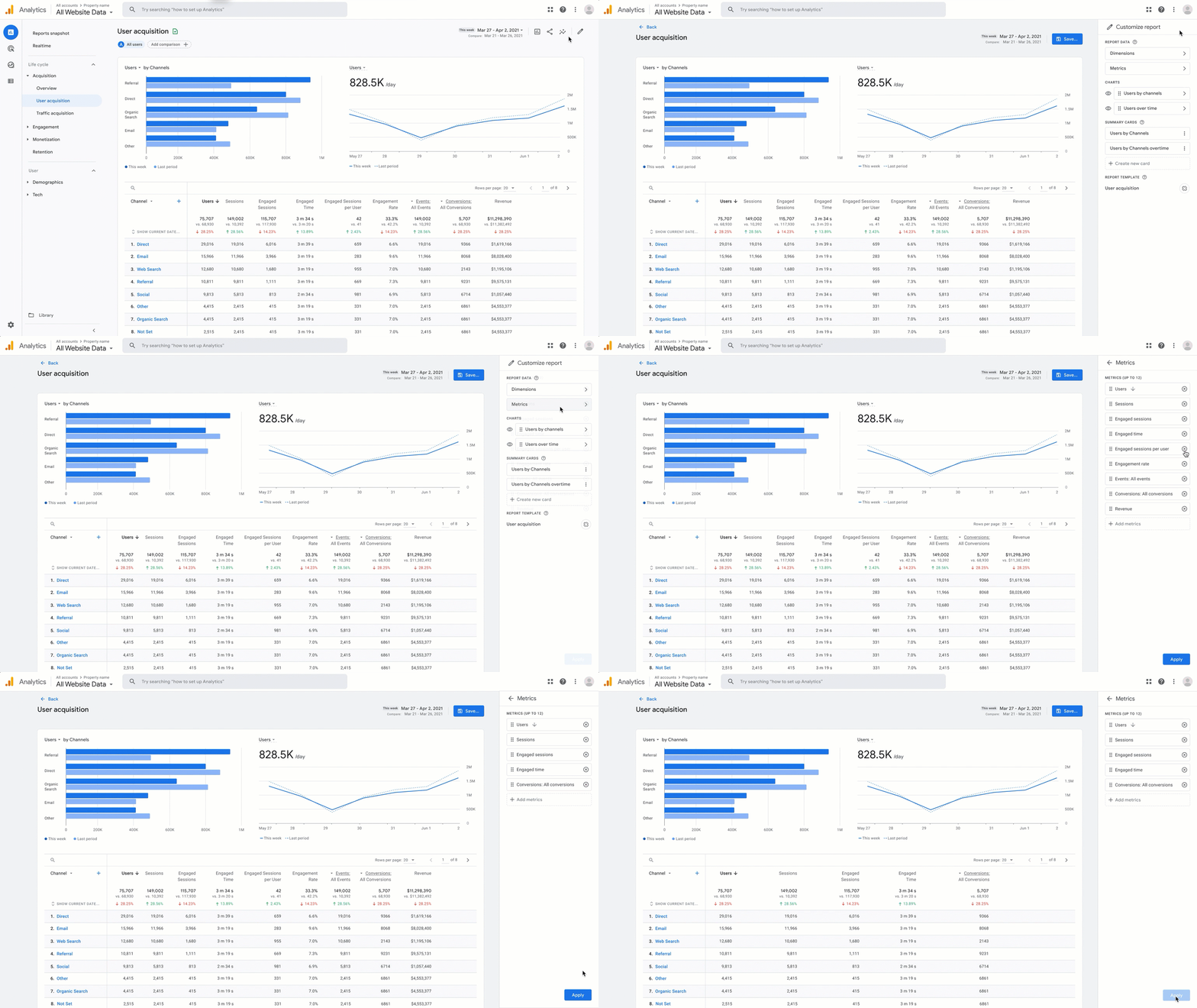
For the first time, administrators can curate the reports interface directly. This includes the ability to edit existing reports, build entirely new custom views, and organize the left-hand navigation to group reports into logical collections. Furthermore, teams can create custom overviews that highlight the metrics most relevant to their specific business goals. By surfacing the most pertinent data immediately upon login, organizations can drastically reduce the time spent navigating menus, effectively streamlining the path from raw data to actionable business intelligence.
Advanced Attribution: Measuring True Value
Marketing attribution has historically been one of the most complex aspects of digital advertising. Understanding which touchpoint—be it an initial display ad or a final search click—actually drove a conversion is essential for calculating Return on Ad Spend (ROAS).
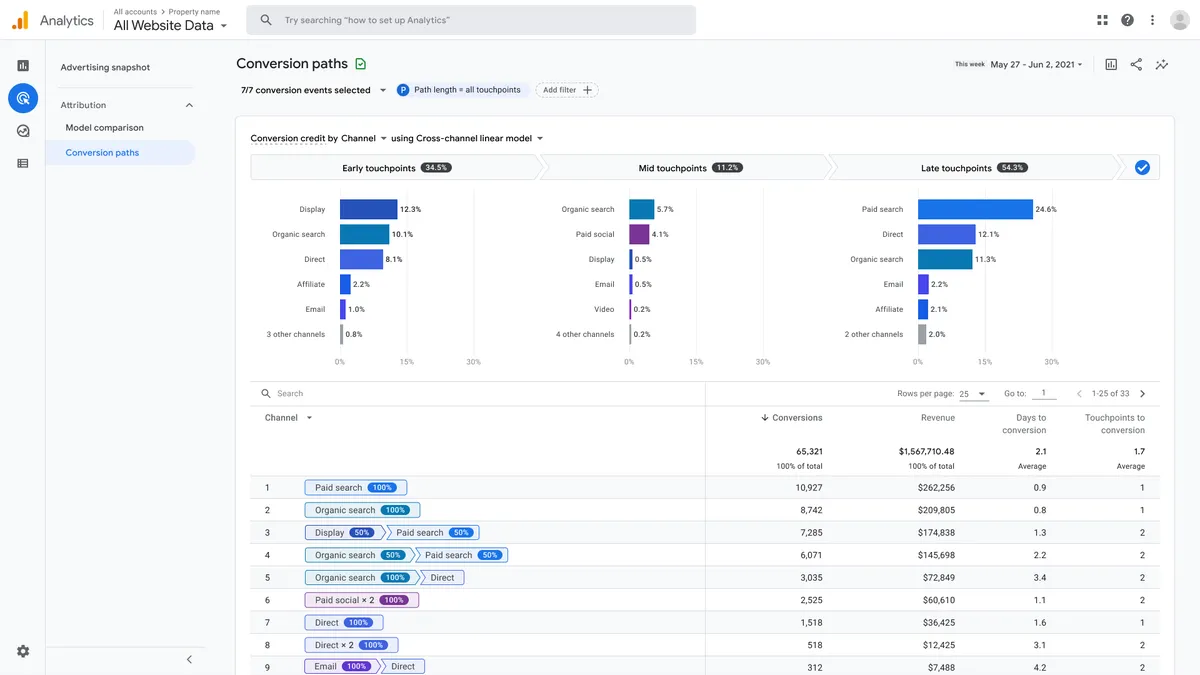
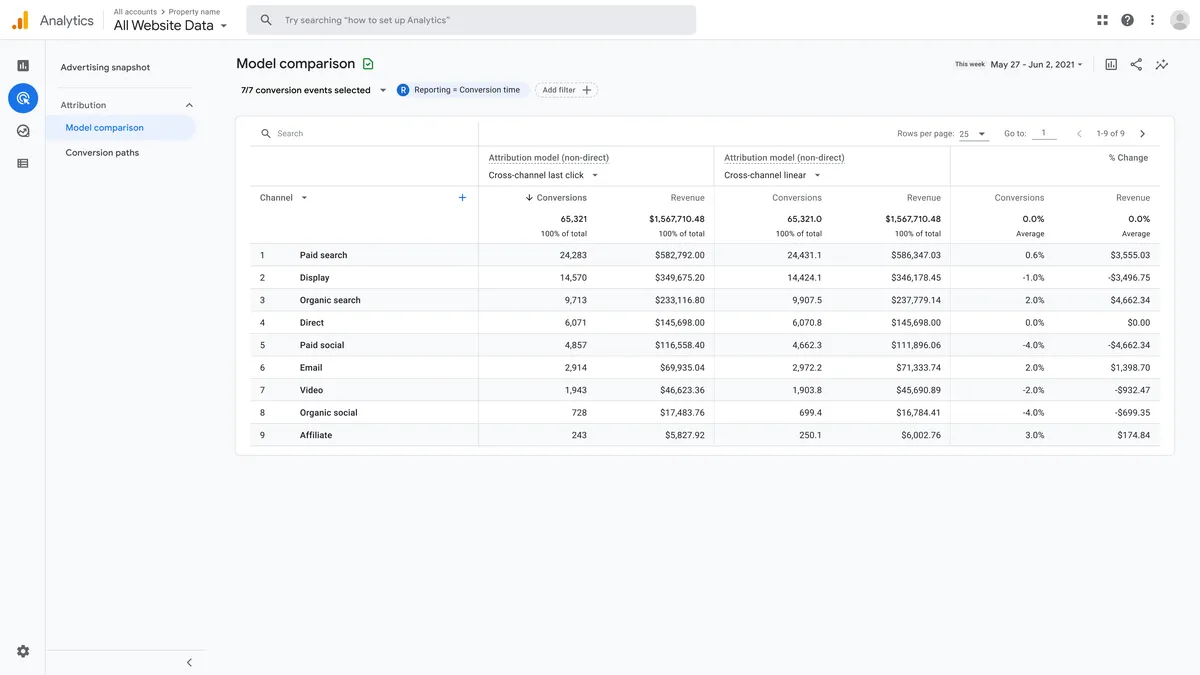
To assist with this, Google is bringing cross-platform, data-driven attribution models to all GA4 properties. By leveraging machine learning, these models assign appropriate credit to each step in the consumer’s journey. Additionally, two new reports—the Conversion Paths report and the Model Comparison report—have been integrated into the Advertising Workspace.
The Conversion Paths report provides a visualization of the customer journey, allowing marketers to see exactly which channels contributed to a conversion. This mimics the functionality of the highly regarded Multi-Channel Funnels found in previous versions of Analytics but with the added benefit of being integrated into a more modern, cross-platform framework. The Model Comparison report, meanwhile, allows advertisers to test different attribution models side-by-side. This capability enables businesses to determine which model best reflects their unique sales cycle, whether they prefer a "first-click," "last-click," or a more nuanced, data-driven approach.
The Broader Implications for Advertisers
The shift toward GA4 is not merely an update to a software tool; it is a fundamental change in the methodology of digital marketing. The industry is moving away from a reliance on granular, user-level tracking toward a model built on aggregate data, modeling, and privacy-first standards.
The implications for businesses are significant. Those that adopt these new tools early will be better positioned to weather the ongoing changes in the digital ecosystem. By integrating directly with Google’s Consent Mode, these tools ensure that businesses remain compliant with evolving privacy regulations while still gathering the insights necessary to maintain a competitive advantage.
Analysts suggest that this transition period will favor companies that invest in first-party data strategies. As third-party tracking becomes increasingly restricted, the ability to interpret the data you own—while respecting user privacy—will become the primary differentiator for successful brands.
A Foundation for the Future
The announcements made at the Google Marketing Livestream reflect a broader strategy to solidify Google Analytics 4 as the definitive measurement platform for the next decade. By balancing the need for deep, actionable insights with the growing demand for user privacy, Google is attempting to create a stable environment for advertisers to thrive.
As the industry prepares for the total phase-out of traditional tracking cookies, the "measurement foundation" provided by GA4 will likely become the standard for digital marketing departments globally. For businesses that have yet to make the transition, the urgency is clear: the tools of the past are rapidly losing their effectiveness, and the future of measurement lies in machine-learned, privacy-safe, and highly customizable analytics platforms.
As the year progresses, industry observers expect Google to continue iterating on these features, likely incorporating even more sophisticated predictive analytics and deeper integration with other Google Marketing Platform services. For now, the message to advertisers is one of preparation: configure your measurement foundations today, audit your consent management systems, and begin exploring the custom reporting capabilities of GA4 to ensure your marketing team is prepared for the challenges of tomorrow.