The Rise of Prompt Tracking: How Brands Are Navigating AI Search Visibility

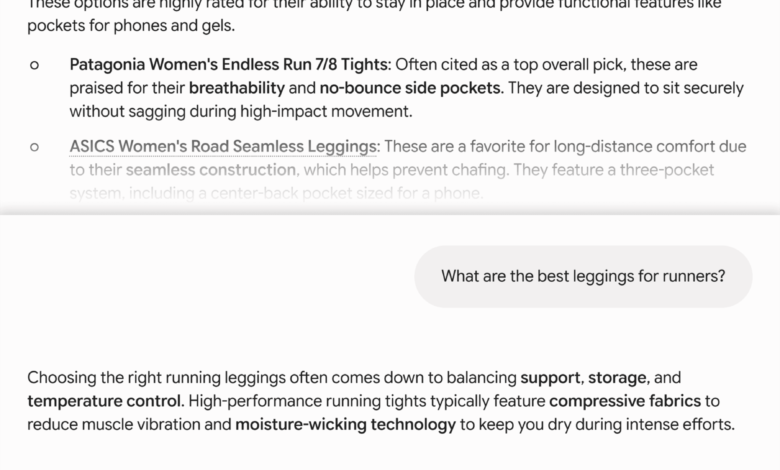
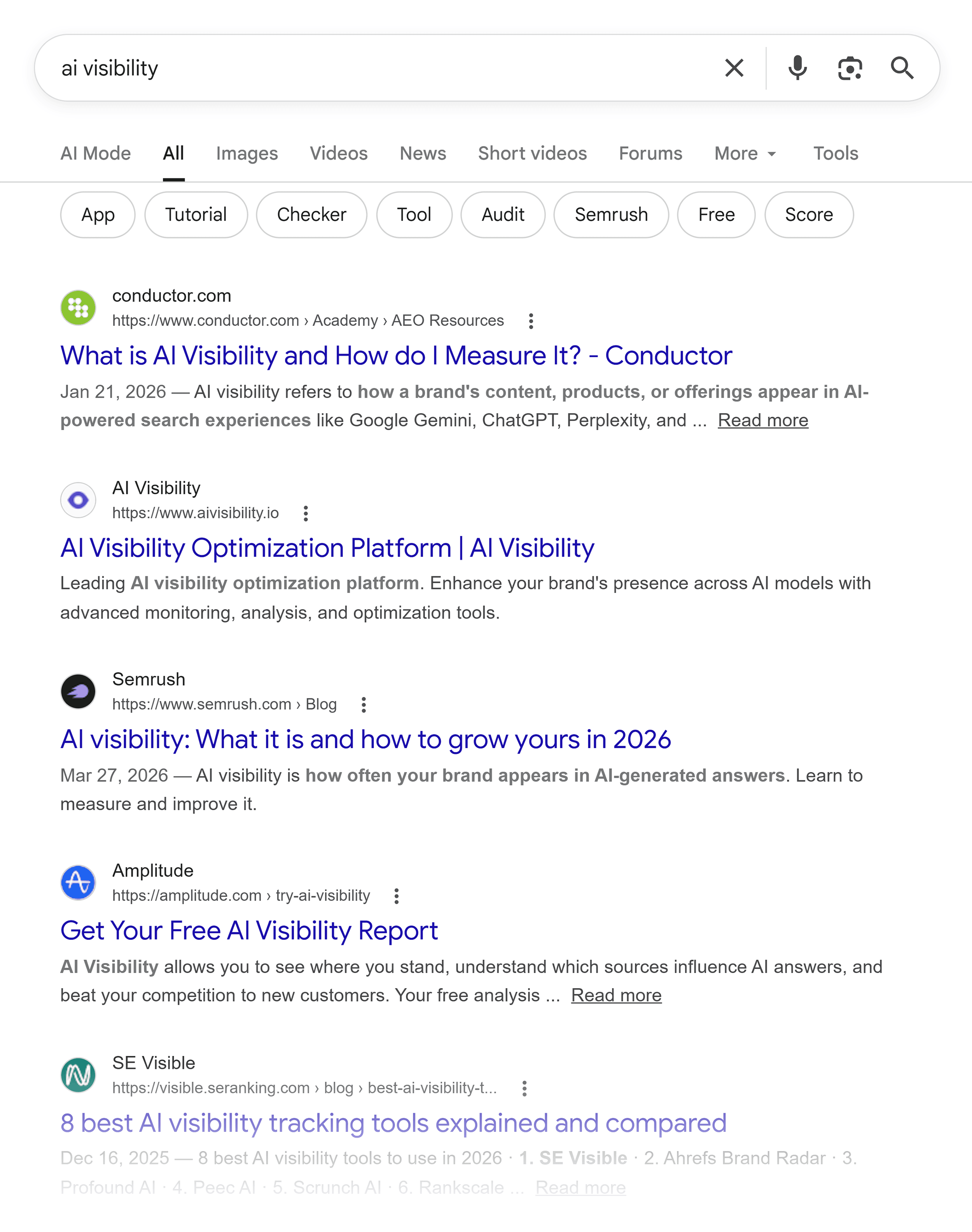
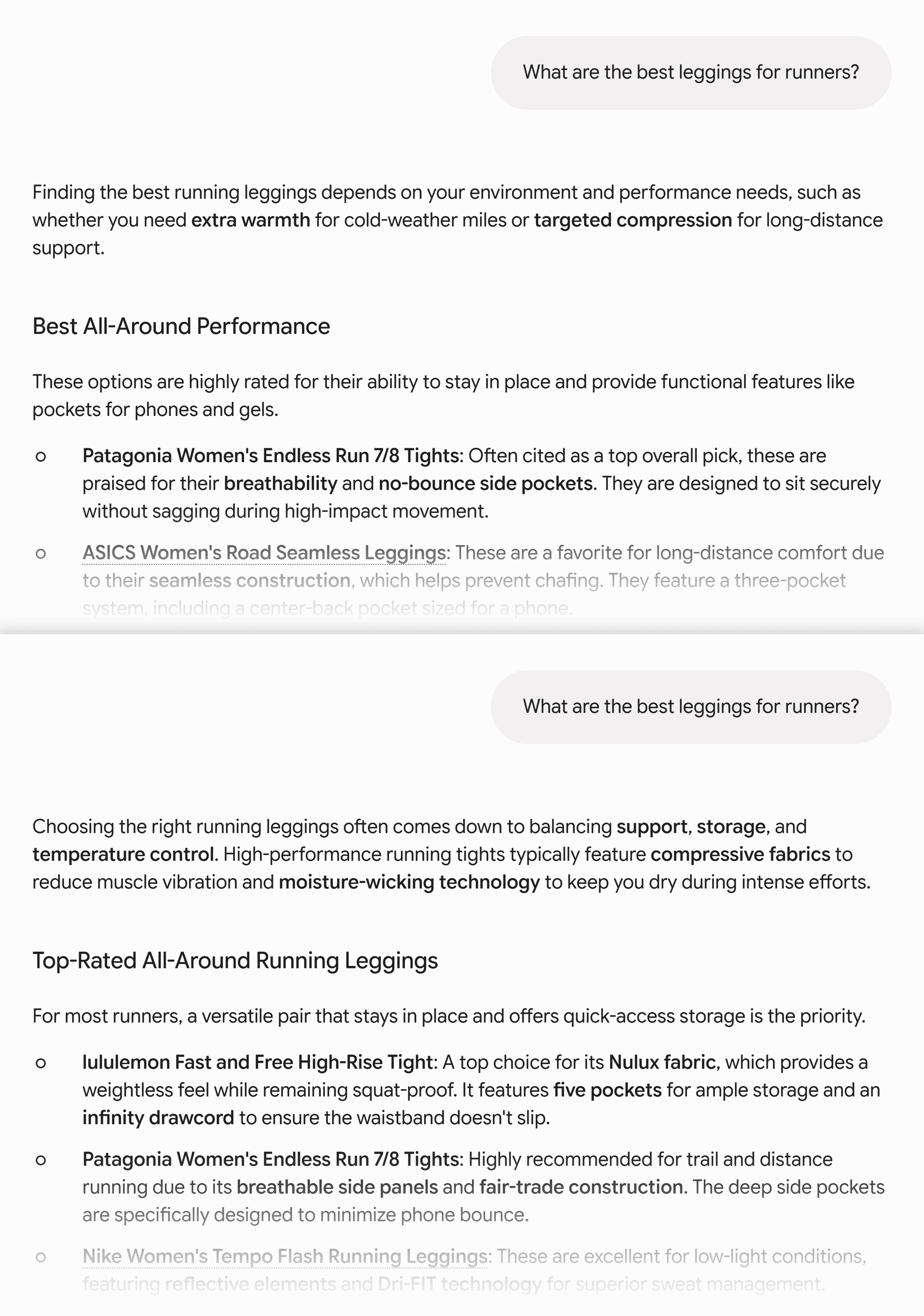
As artificial intelligence transforms how consumers discover information, a critical blind spot has emerged for digital marketers and corporate executives alike: a brand can secure the coveted number one ranking on traditional search engines like Google yet remain entirely invisible within large language model (LLM) responses. Unlike conventional search engine optimization (SEO), which relies on static lists of blue links and keyword positions, generative AI answers are dynamic, context-aware, and non-deterministic. A user asking an AI chatbot the same product-recommendation question twice may receive entirely different outputs.
This shift has given rise to a specialized discipline known as prompt tracking—or LLM visibility tracking. Industry experts and digital marketing firms are increasingly adopting this methodology to monitor how, when, and in what context brands appear in AI-generated answers over time. Without a structured prompt-tracking mechanism, businesses risk operating in the dark, missing valuable buyer conversations, or worse, suffering from outdated or incorrect AI-generated data that directly impacts sales and brand reputation.
The Evolution of Search and the Shift Toward AI
For decades, search engine optimization focused primarily on keyword rankings, backlinks, and click-through rates on search engine results pages (SERPs). Brands measured success by how close they were to claiming the primary position for high-volume terms. However, consumer behavior has shifted dramatically. Recent market research indicates that a majority of internet users now rely on AI tools as their primary research medium, with a significant percentage utilizing chatbots specifically for product recommendations and purchasing decisions.
This transition means that a growing share of prospective buyers are forming opinions about products and services without ever visiting a corporate website. LLMs aggregate massive datasets to synthesize unique, real-time responses tailored to user prompts. Consequently, the traditional metric of holding the first position on a SERP has been superseded by a more nuanced objective: ensuring that AI platforms consistently articulate true, positive assessments of a brand to the correct demographic.
Why Traditional SEO Is No Longer Enough
Traditional rank tracking asks a straightforward question: "How close are our URLs to position one for this keyword?" In contrast, prompt tracking addresses a far more complex landscape. AI platforms draw from third-party reviews, forum discussions, academic studies, and news articles to formulate answers. This architectural difference introduces variables such as sentiment analysis, brand citation frequency, and what digital strategists call "ghost ranking"—a phenomenon where a brand’s content is cited in the background source panel, yet the AI explicitly recommends a competitor in the main text block.
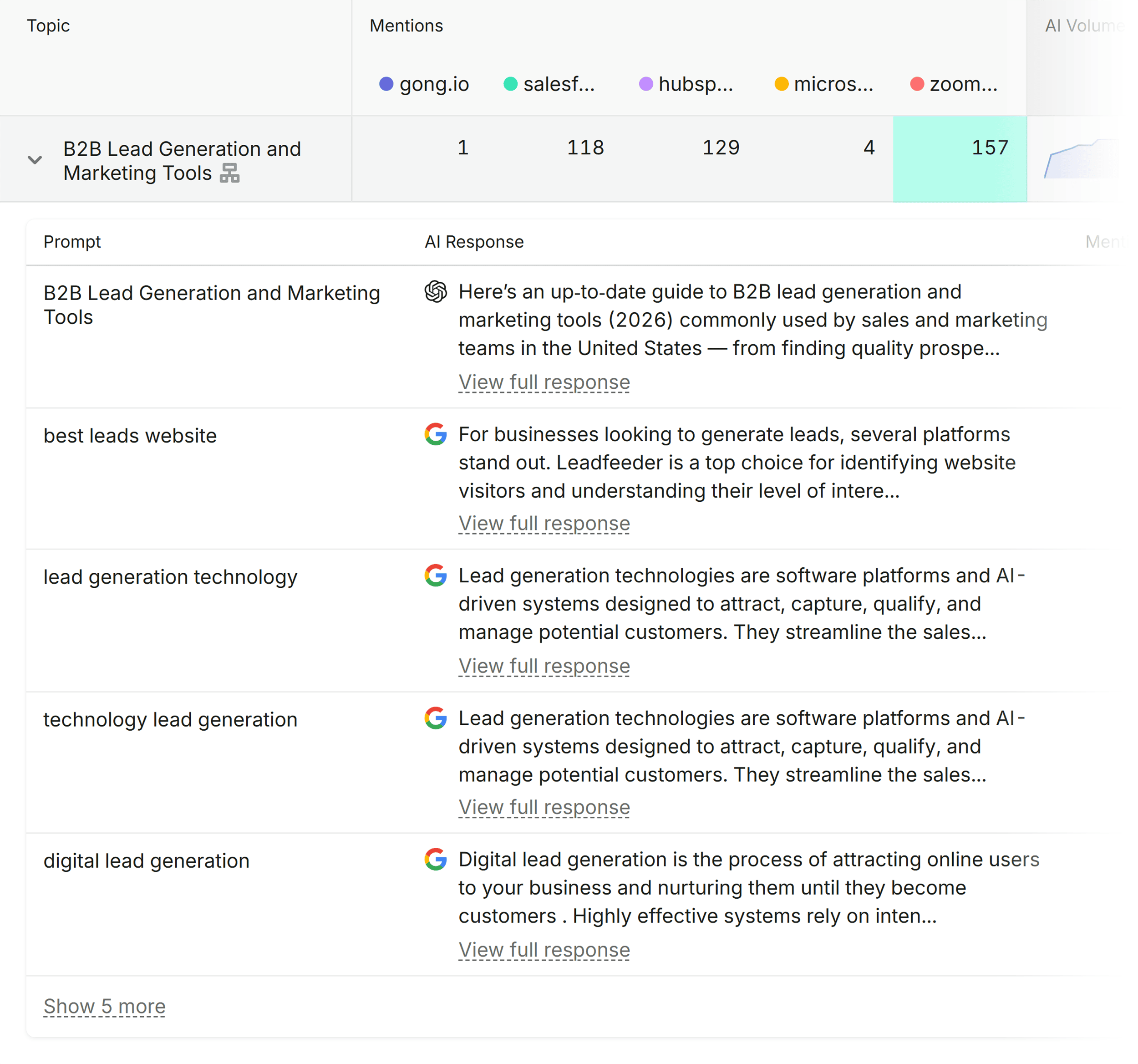
Furthermore, LLMs are susceptible to training data biases and platform-specific weighting algorithms. Studies analyzing brand representation within generative search have shown that models frequently favor established global entities over regional providers, sometimes rendering local businesses invisible due to algorithmic defaults rather than content quality. Regular, systematic prompt tracking allows organizations to discern whether low visibility is an anomaly, a systemic indexing issue, or the result of a competitor capturing market share.
Building and Executing an Effective Prompt Tracking Strategy
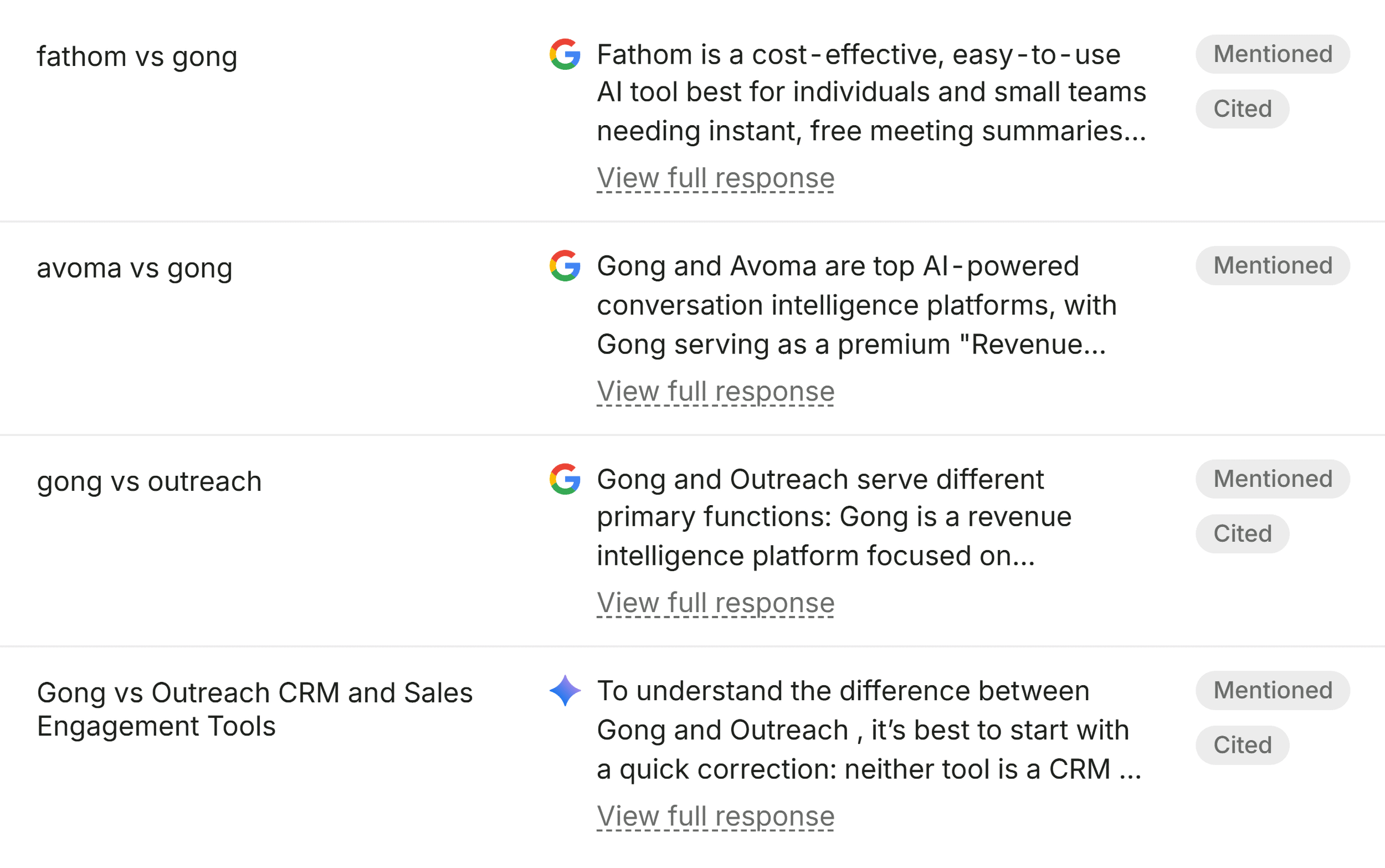
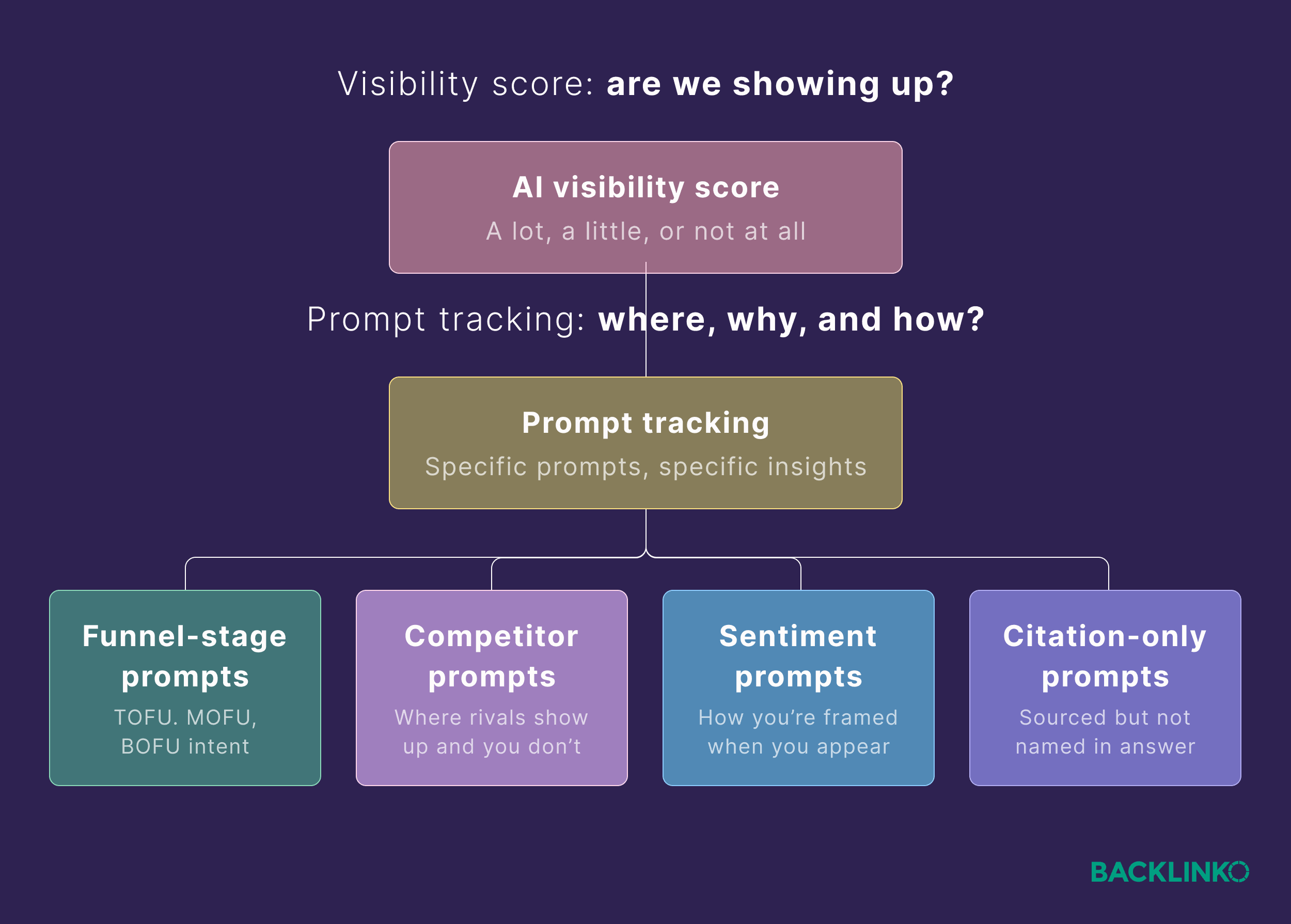
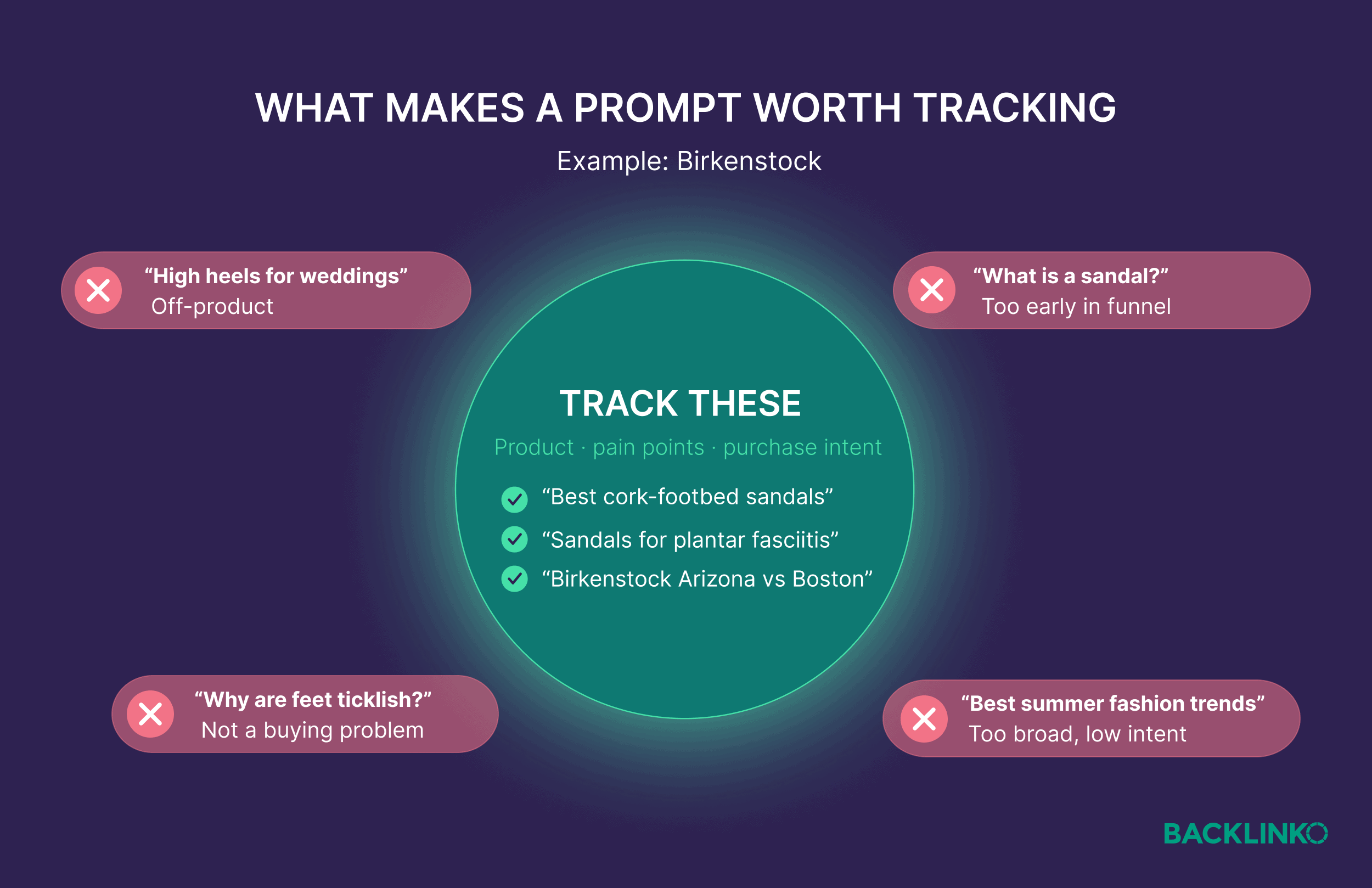
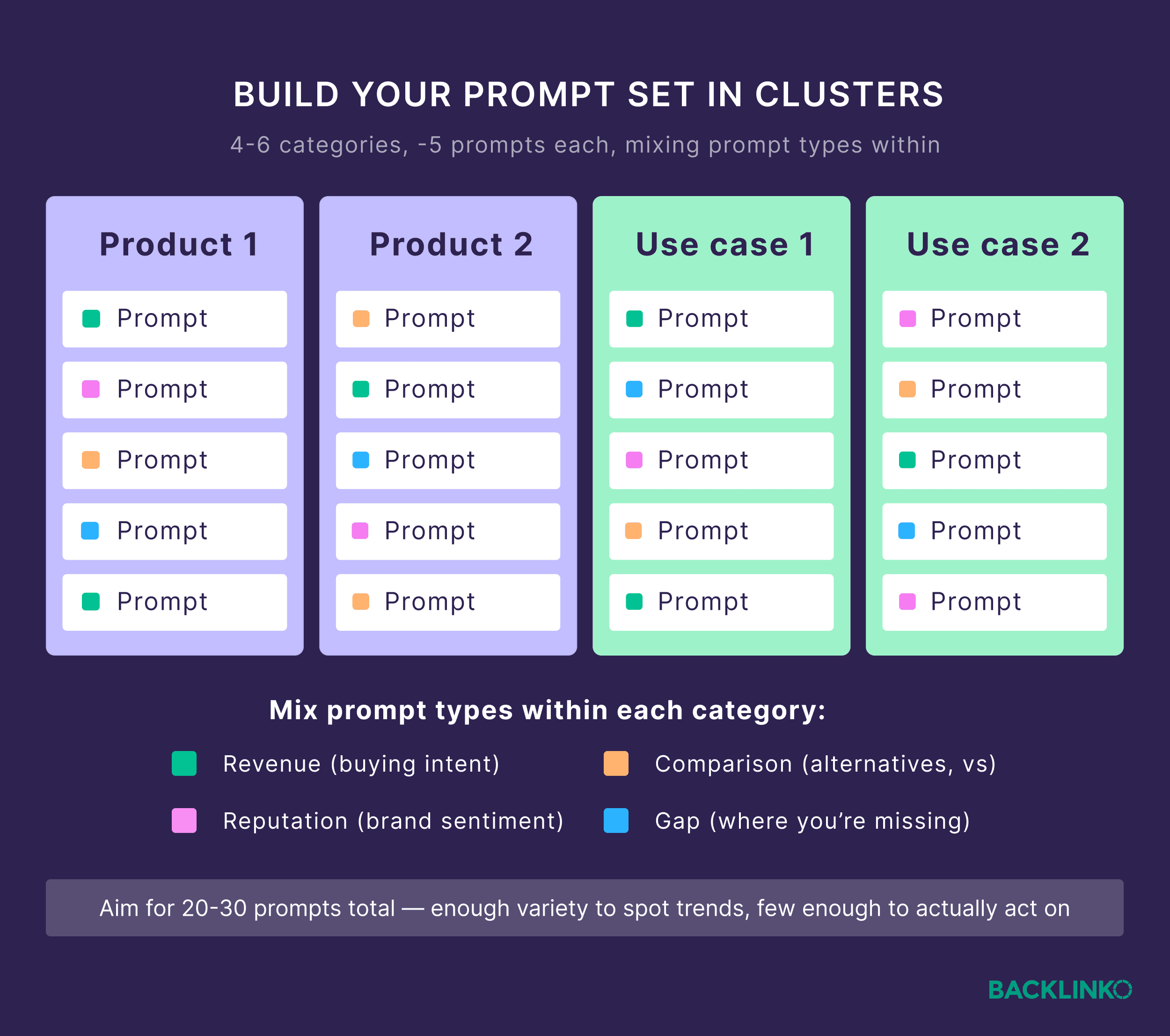
Industry professionals emphasize that tracking every conceivable user query is inefficient and unfeasible. Instead, successful prompt monitoring requires a curated prompt set mapped directly to product offerings, audience pain points, and specific stages of the purchasing funnel.
-
Defining High-Value Prompts
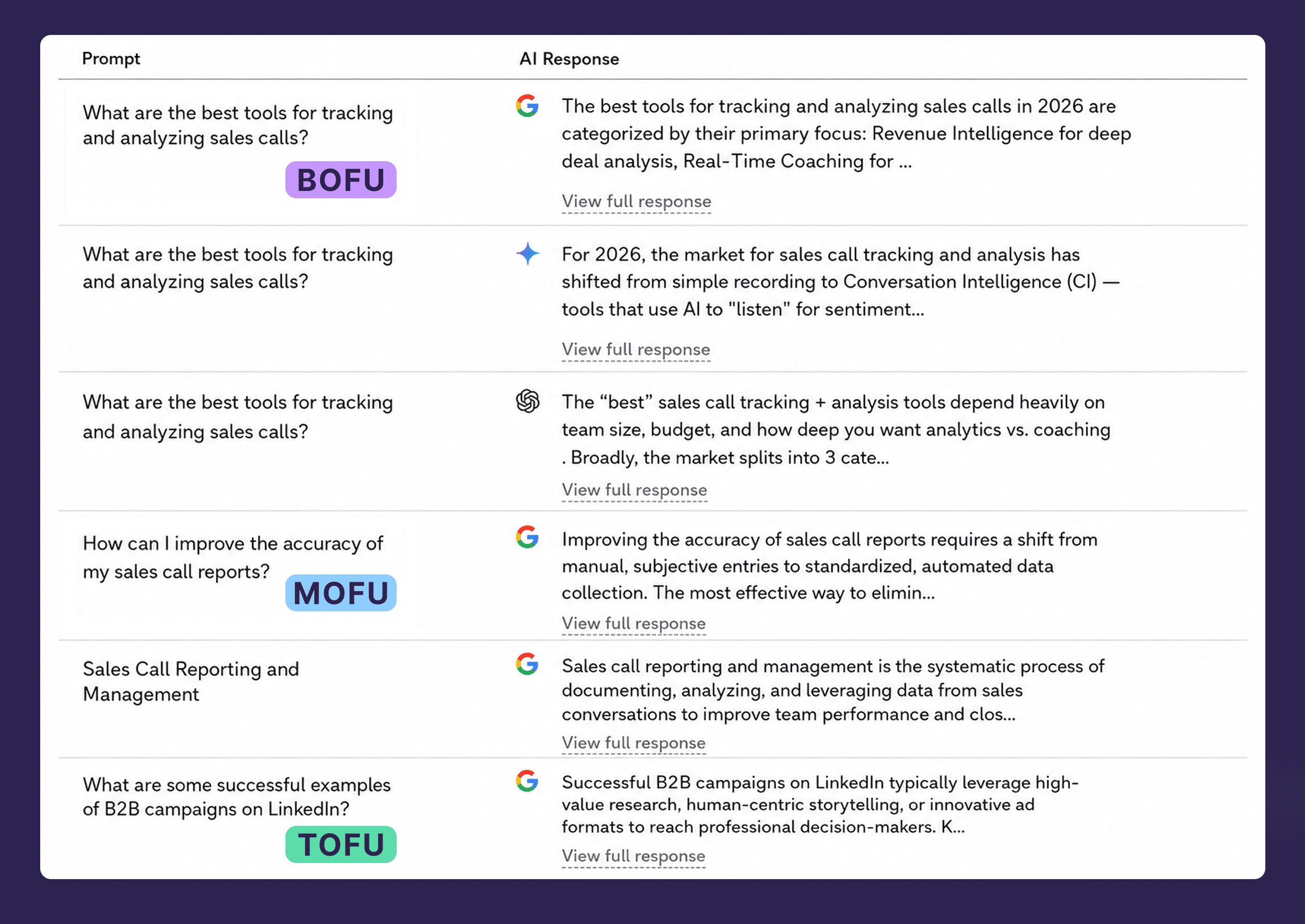
Marketers typically categorize trackable prompts into four distinct groups: evaluation queries, comparison queries, reputation queries, and gap queries. While broad informational prompts (such as "What is software-as-a-service?") rarely convert, bottom-of-funnel (BOFU) queries—such as "Which enterprise project management tools integrate with Salesforce?"—directly target active buyers.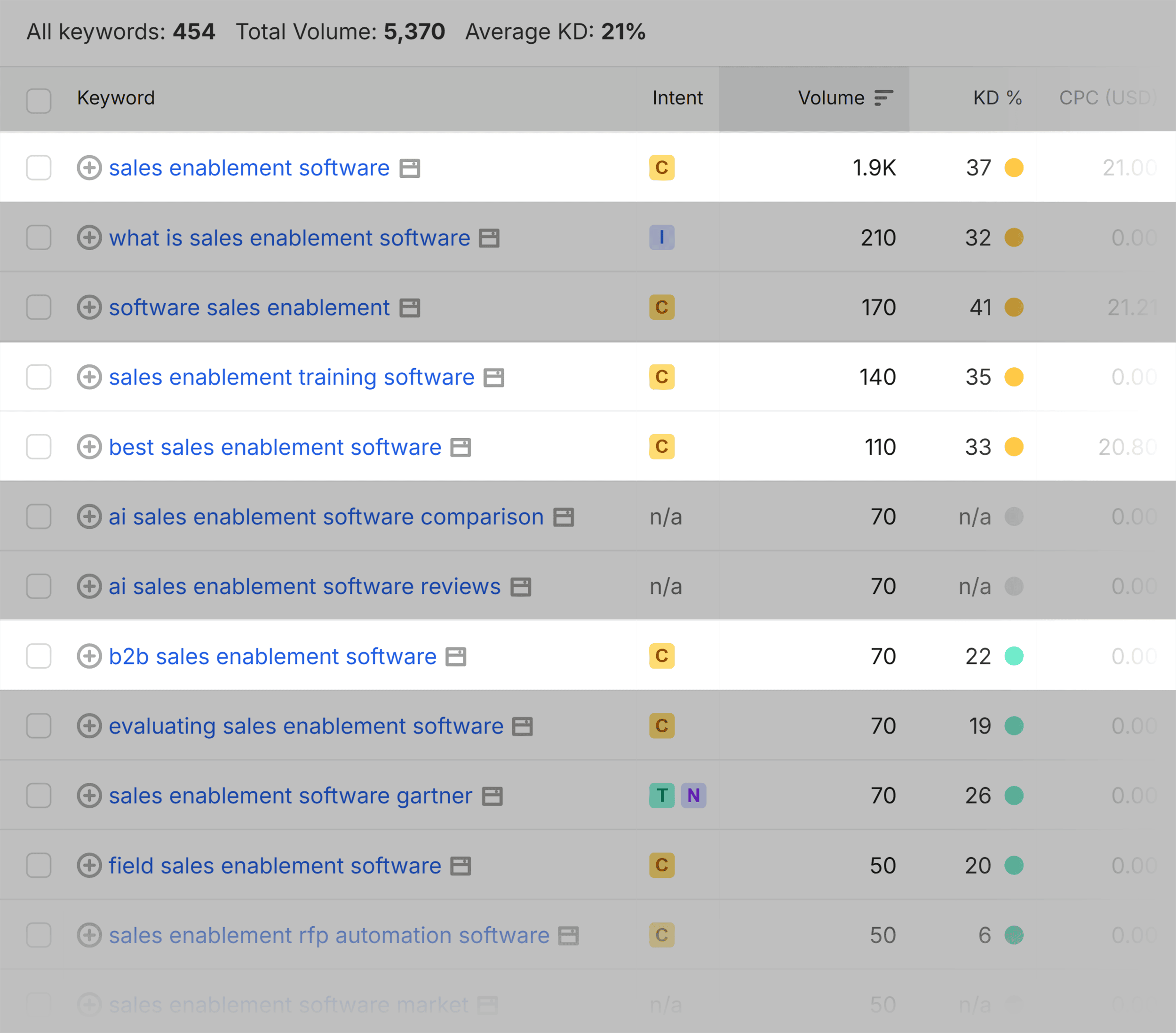
-
Sourcing Queries Through Data Intelligence
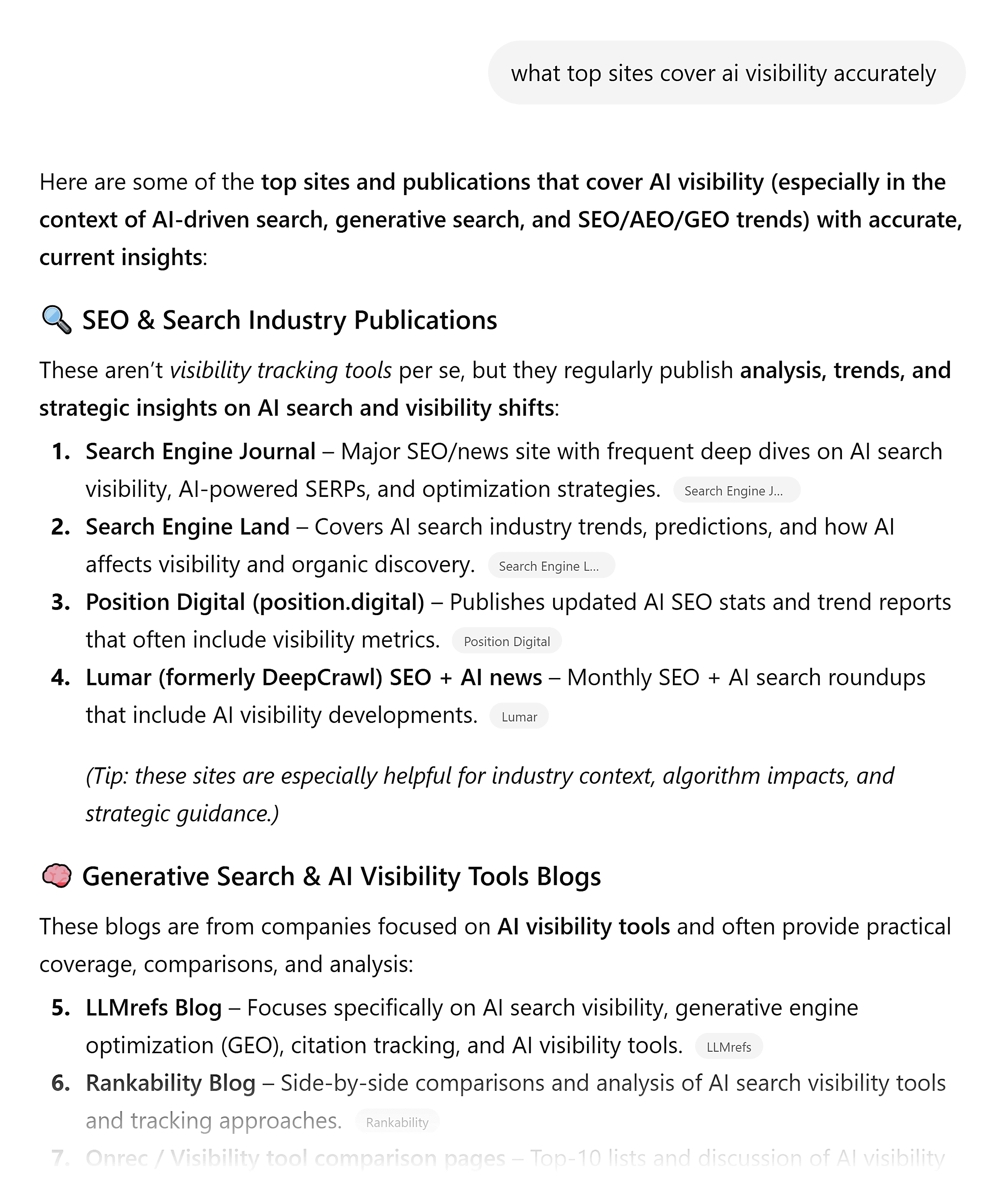
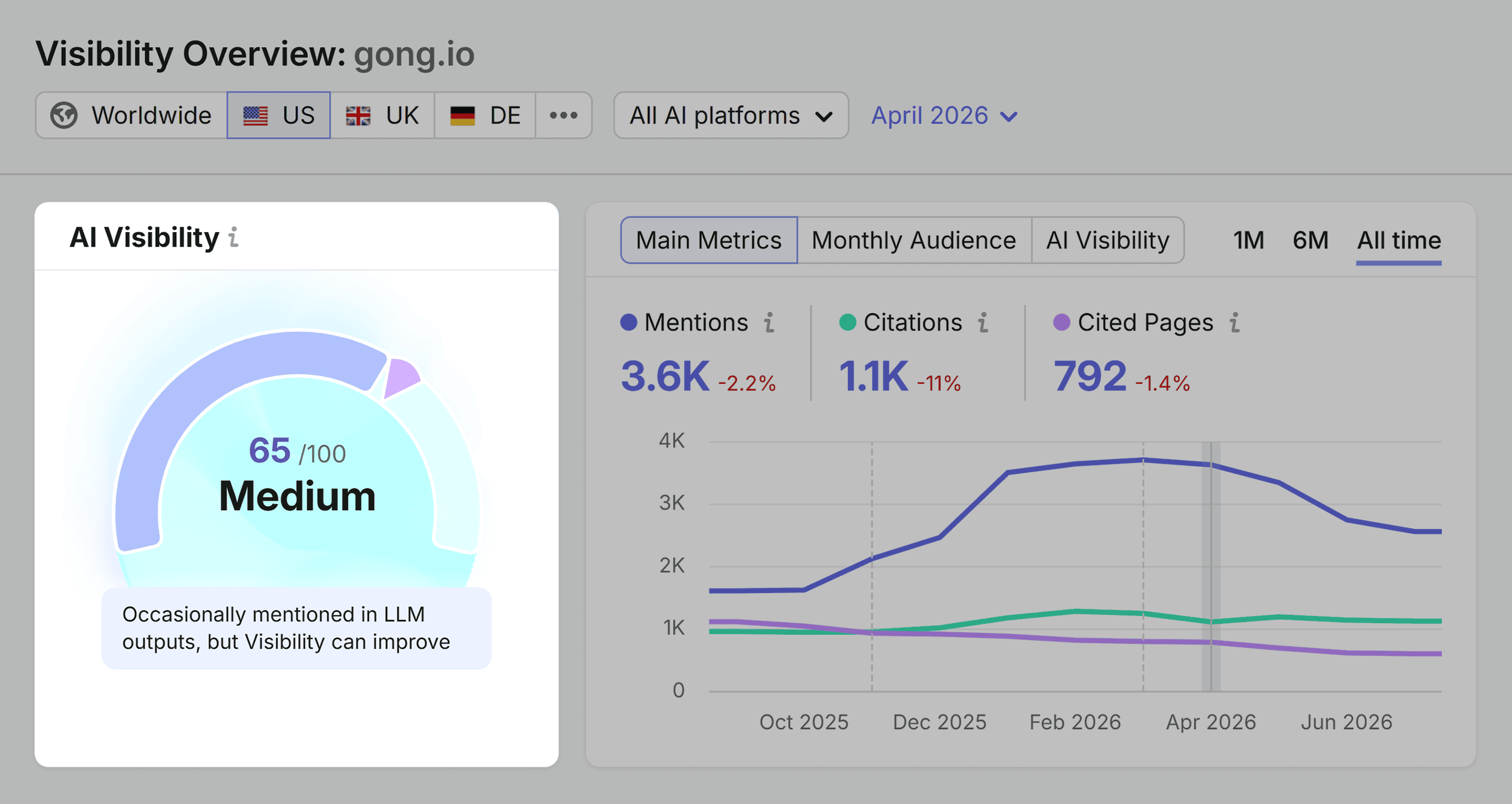
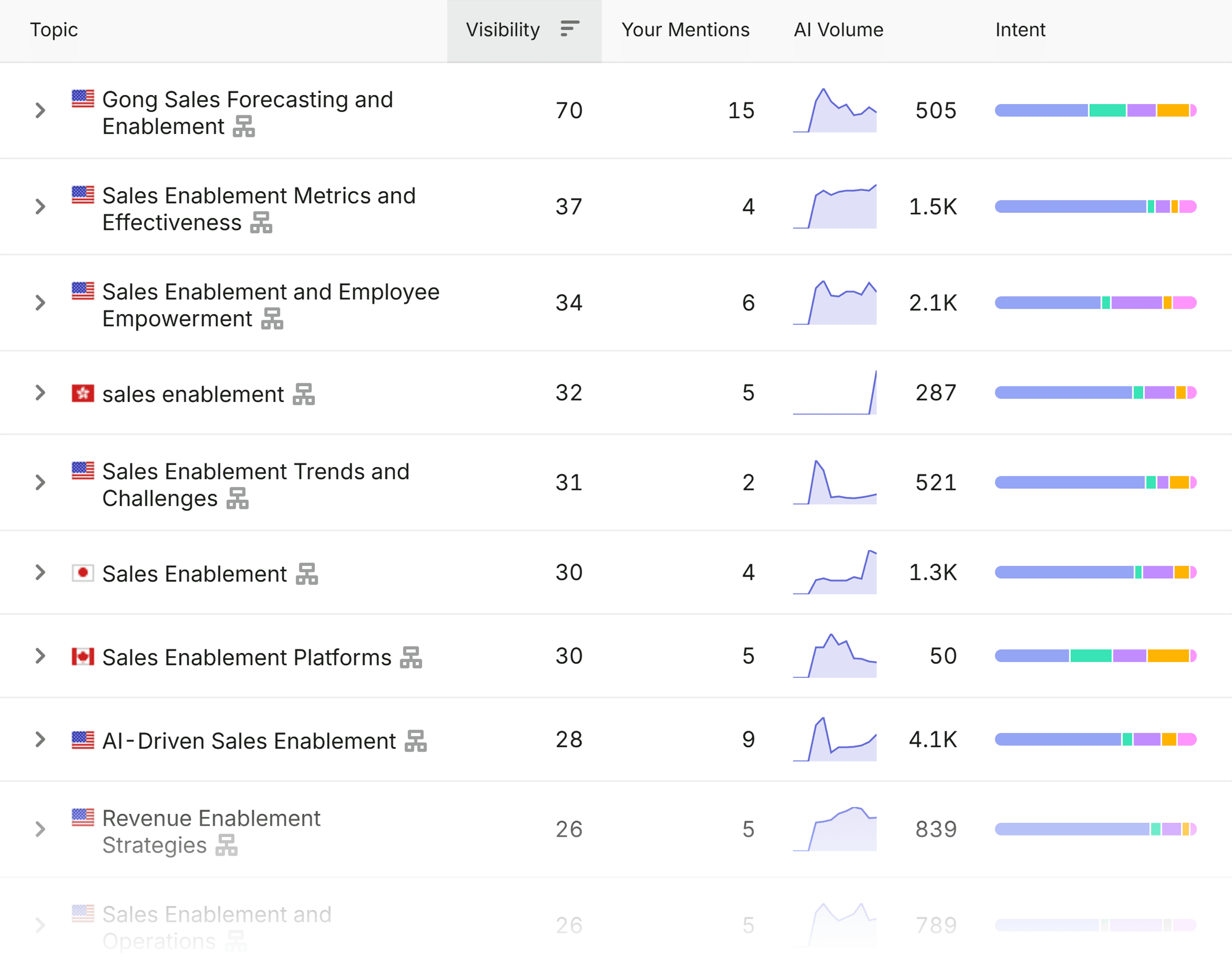
To build an effective prompt set, organizations leverage keyword research platforms, customer support logs, community forums like Reddit, and exploratory searches across multiple LLMs including ChatGPT, Google Gemini, and Anthropic’s Claude. Advanced enterprise platforms now offer dedicated AI visibility dashboards that provide real LLM prompt volume data, enabling brands to rank questions by frequency and demand.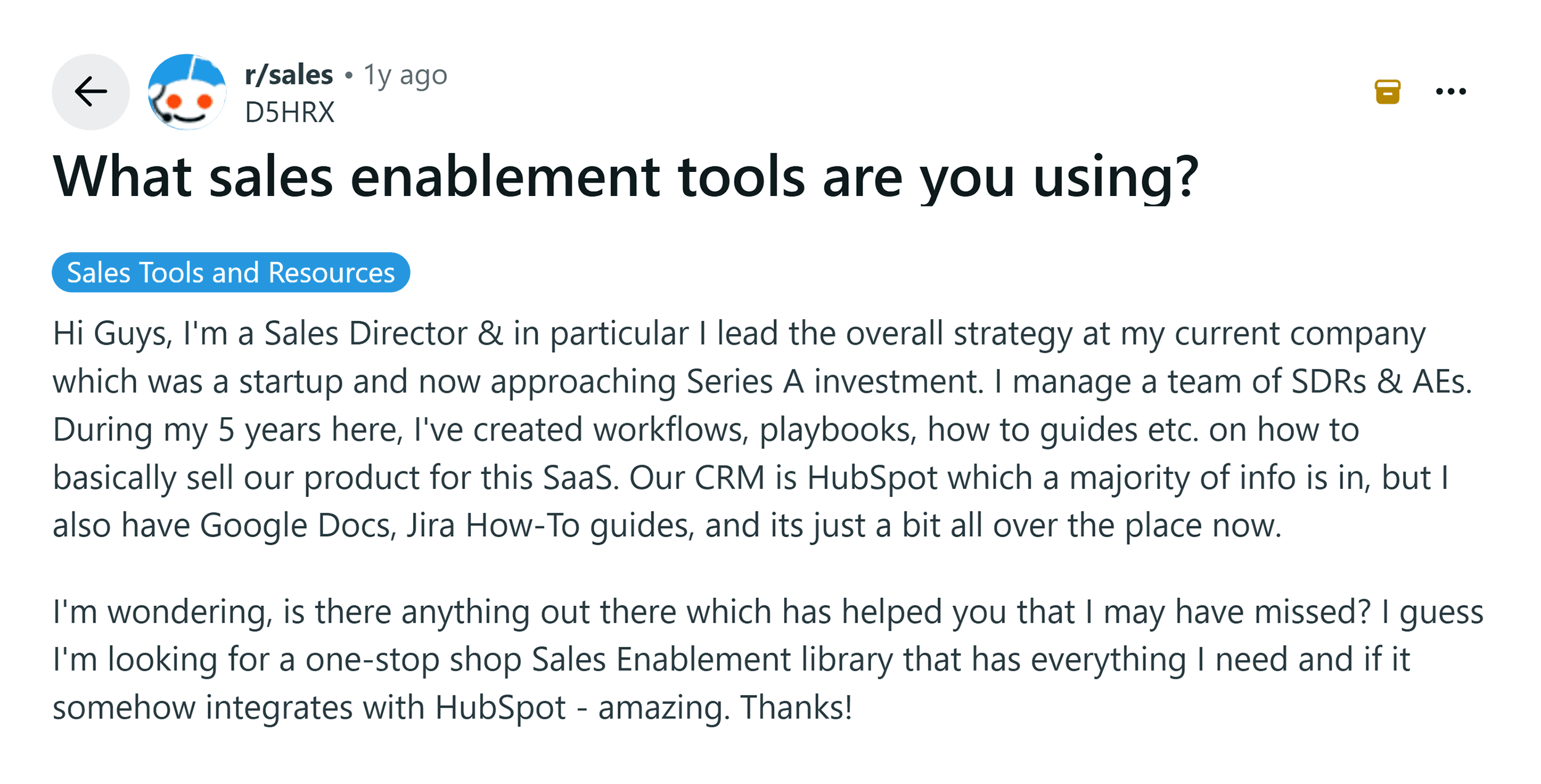
-
Establishing a Routine Workflow
Effective prompt tracking demands consistency. Digital marketing agencies recommend a structured routine: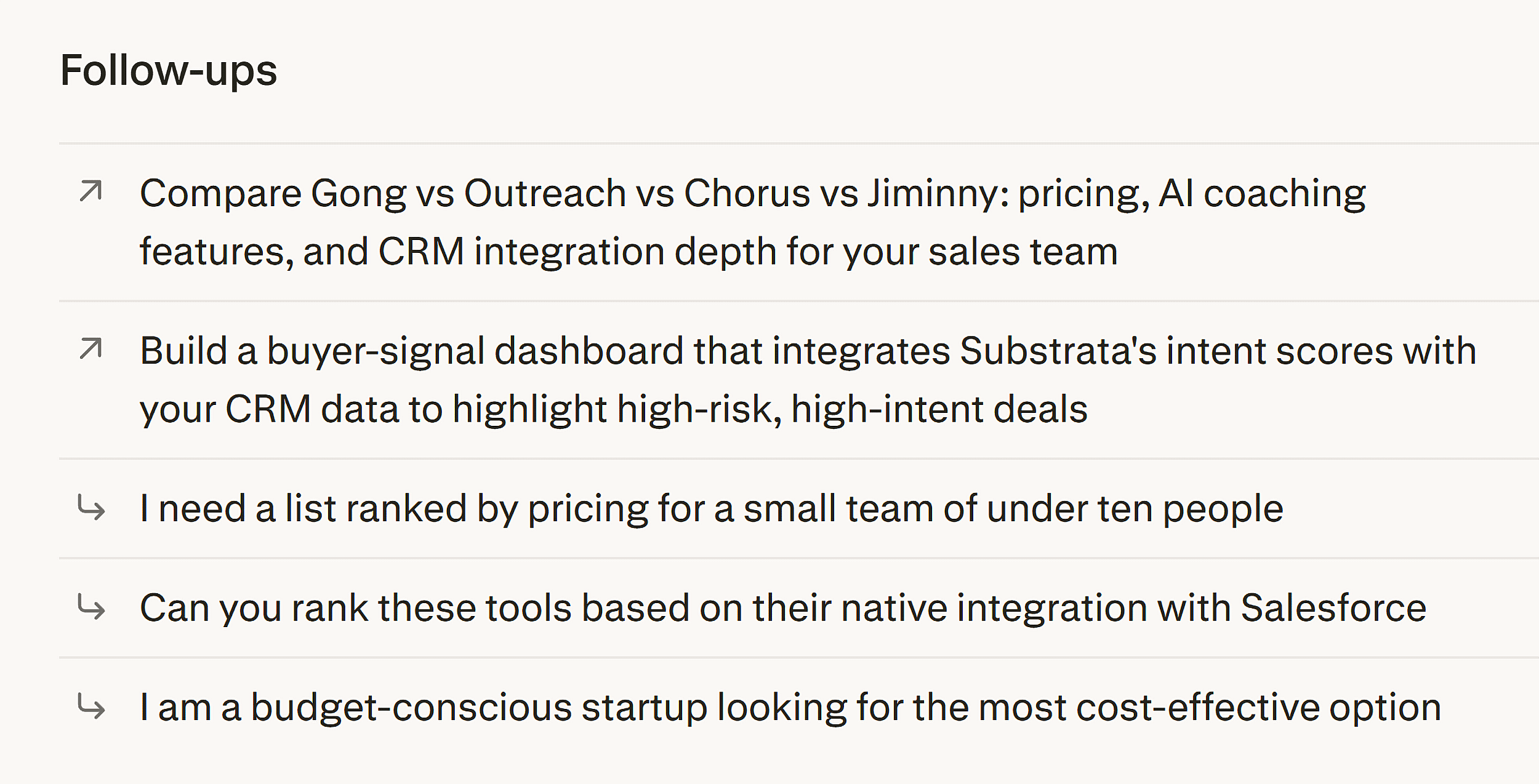
- Run selected prompts across multiple major LLMs weekly to account for variable outputs.
- Log brand mentions, sentiment, competitor appearances, and cited sources in a centralized tracking sheet.
- Analyze trends over a four-week period rather than reacting to single-week fluctuations.
- Implement strategic fixes monthly, such as updating corporate documentation, addressing inaccurate third-party reviews, or pitching missing industry publications.
Implications for Brands in the Answer Economy
As the digital marketplace evolves into what industry analysts term the "answer economy," the implications for brand management are profound. Organizations that fail to monitor their AI footprint risk losing control of their narrative. Conversely, brands that embrace prompt tracking gain directional intelligence, enabling them to identify content gaps, optimize their off-site digital footprint, and secure their presence in the AI-driven conversations that increasingly dictate modern commerce.
Ultimately, prompt tracking serves as a compass rather than a simple scoreboard. By focusing on bottom-of-funnel queries, analyzing longitudinal trends, and actively engaging with the third-party sources that LLMs trust, businesses can successfully navigate the complexities of AI discovery and ensure their value proposition is accurately represented to tomorrow’s consumers.