The Comprehensive Guide to Brand Mentions and Their Impact on Modern SEO and AI Visibility

In the contemporary digital ecosystem, traditional search engine optimization (SEO) has evolved beyond the boundaries of on-page optimization, keyword density, and technical site performance. Enterprises can maintain an impeccably designed website, publish top-tier educational content, and provide a frictionless user experience, yet remain entirely invisible to both traditional search engines and modern artificial intelligence tools. This phenomenon occurs because algorithms deployed by entities such as Google and large language models (LLMs) like OpenAI’s ChatGPT do not evaluate a domain in isolation. Instead, these sophisticated systems evaluate the broader internet ecosystem to determine what external, credible sources communicate about a brand, establishing its fundamental identity, authority, and trustworthiness.
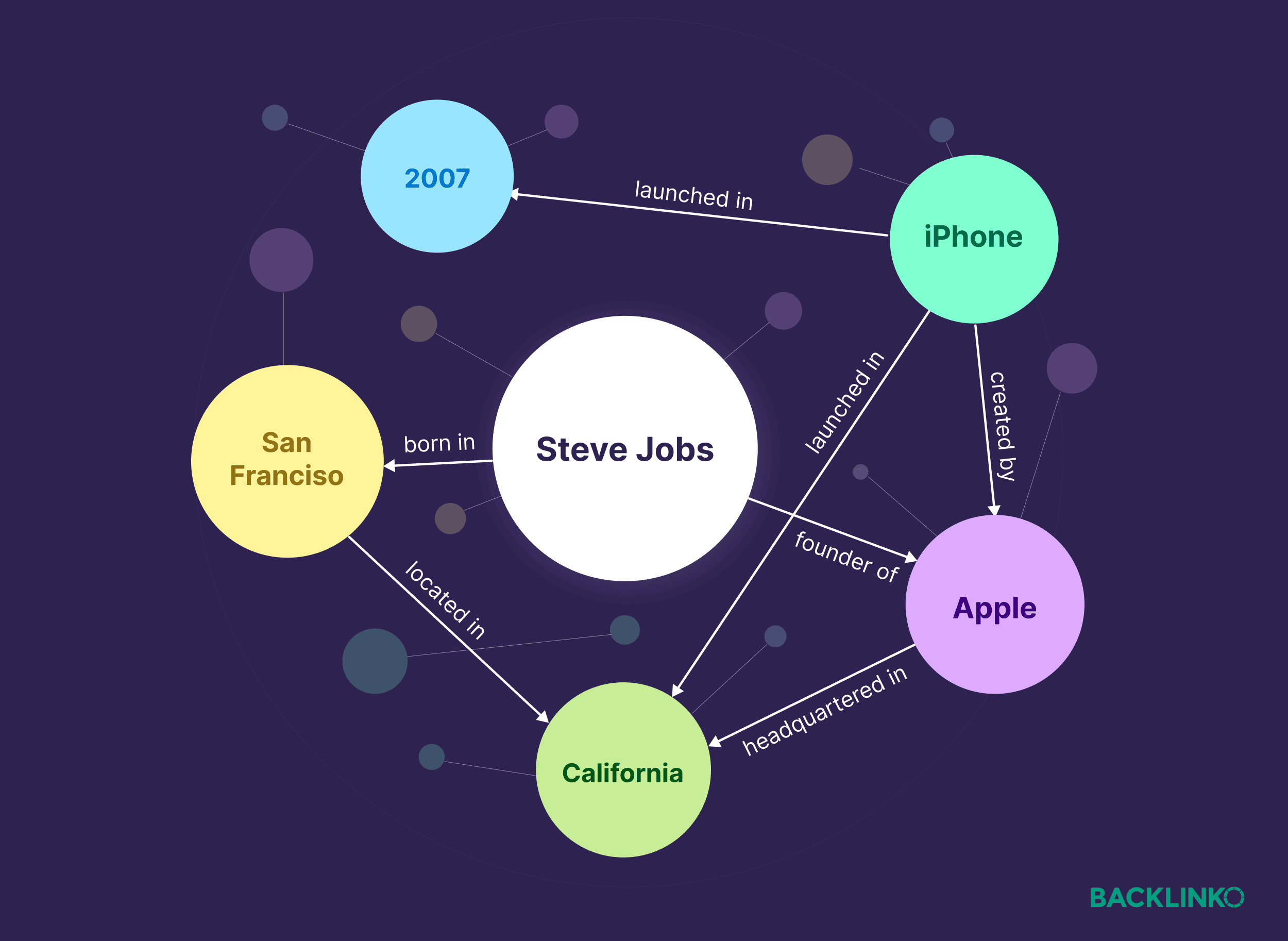
The mechanics of algorithmic discovery dictate that every reference originating from a trusted publication, industry-specific community, or domain expert accumulates institutional equity for a business. As search engines shift toward entity-based indexing—exemplified by Google’s Knowledge Graph—and conversational AI engines synthesize answers from cross-web consensus, third-party brand mentions have transitioned from a supplementary public relations metric to a core foundational pillar of digital visibility. This comprehensive analysis explores the operational definitions of brand mentions, the strategic distinctions between web and LLM references, the qualitative factors that elevate mention value, and actionable frameworks for tracking and reporting return on investment (ROI) to corporate leadership.

Understanding the Taxonomy of Brand Mentions
A brand mention encompasses any third-party reference to a commercial entity, product, or executive across the digital landscape. These references manifest across diverse mediums, including journalistic news articles, niche community threads on platforms like Reddit, comprehensive YouTube video reviews, industry-specific podcast episodes, and social media commentary. Industry standards categorize these occurrences into two distinct classifications: linked mentions and unlinked mentions.
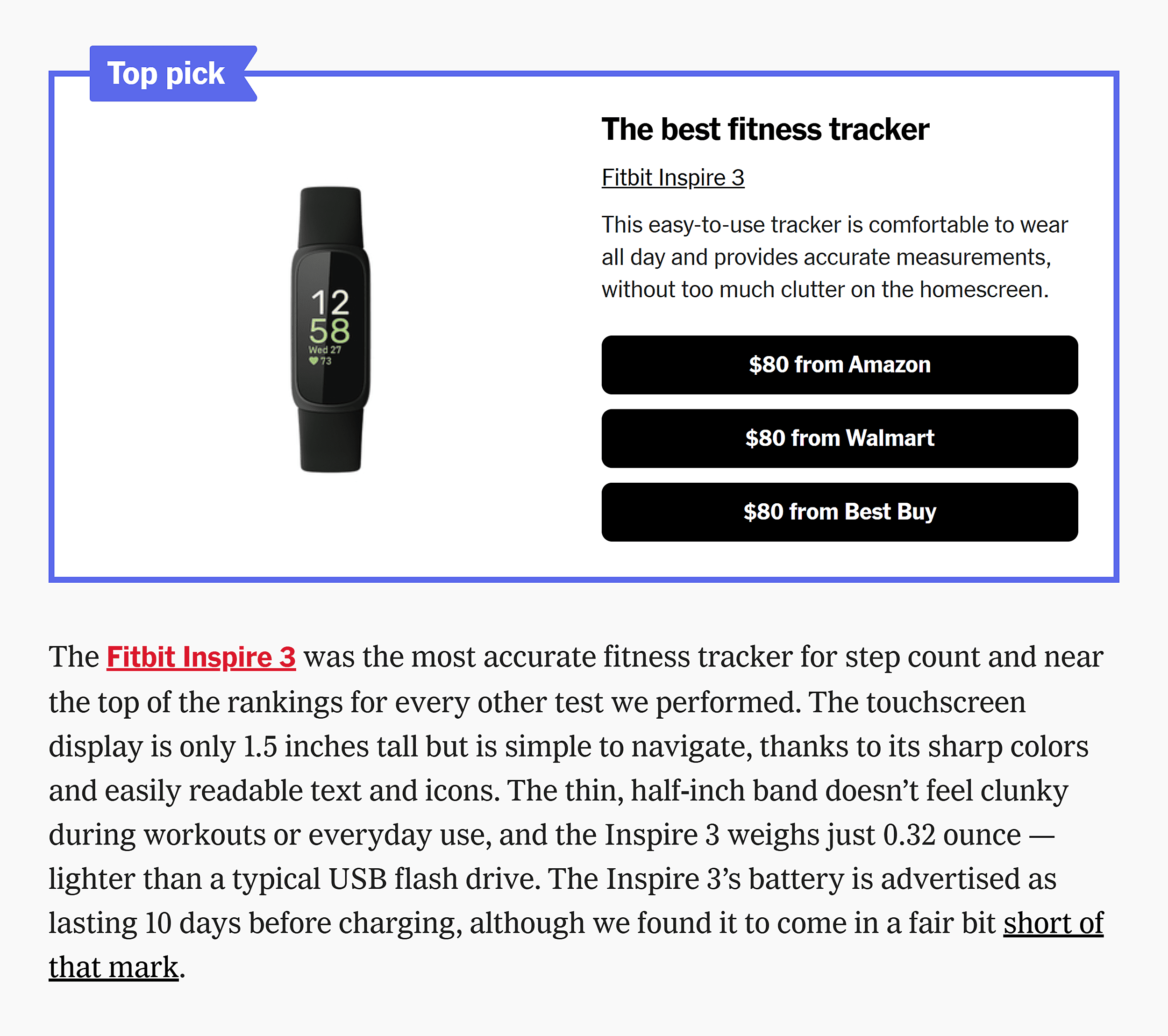
Linked mentions provide both textual recognition of the brand name and a direct, clickable hyperlink pointing to the target domain. For example, a consumer technology publication evaluating personal health devices might feature Fitbit within a comparative product roundup while embedding a hyperlink directly to the manufacturer’s specification page. Conversely, unlinked mentions reference the brand identity textually without accompanying hyperlinks. A user discussing sleep tracking metrics within an independent online community forum might evaluate Fitbit based on personal user experience without directing traffic via a URL.

The strategic implications of these two formats differ significantly. Linked mentions facilitate both direct referral traffic and the traditional transmission of PageRank authority, bolstering a domain’s backlink profile. Unlinked mentions, while lacking direct traffic-driving capabilities, contribute critically to entity context and semantic mapping. Both forms are indispensable for establishing comprehensive digital footprints, as modern search engines parse natural language to correlate brand entities with specific industry verticals, regardless of whether a hypertext link is present.
Web Versus LLM Brand Mentions
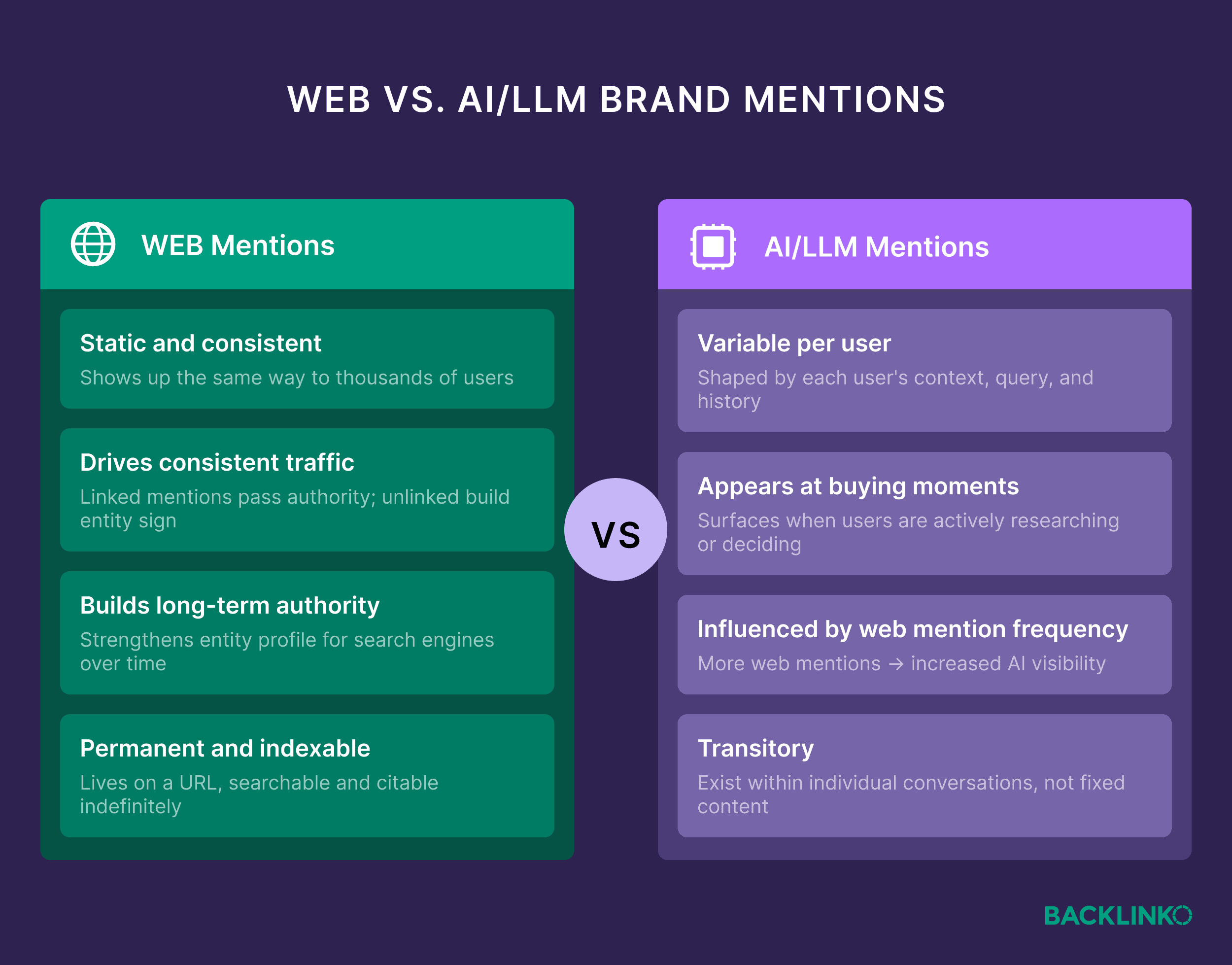
A fundamental divergence exists between brand references embedded within traditional web indexes and those generated dynamically by generative AI models. Web mentions are static; a blog post or news feature mentioning a company remains universally visible in an identical format to every user who accesses that specific URL.
In contrast, mentions generated by large language models—such as when ChatGPT or Claude recommends a product during a conversational query—are dynamic and contextual. These AI-generated recommendations vary depending on the user’s specific prompt engineering, conversational history, location, and real-time retrieval-augmented generation (RAG) parameters. Furthermore, LLM mentions typically do not persist as static public records outside of the immediate user session.
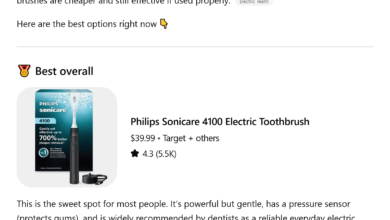
Consequently, traditional web mentions serve as the primary foundational training data and real-time retrieval sources for LLMs. The more consistently a brand is mentioned within authoritative, topically relevant web sources, the higher its statistical probability of being cited by generative AI engines when users prompt those systems for recommendations within that vertical.
Why Brand Mentions Matter in the Era of Algorithmic Discovery
The digital marketing landscape has witnessed a paradigm shift driven by the integration of artificial intelligence into search mechanics. Brand mentions have acquired unprecedented significance for three primary structural reasons: signaling authority to search engines, expanding visibility to non-targeted audiences, and training generative AI models.
Search engines evaluate trustworthiness by analyzing consensus across the wider internet. Algorithms scrutinize the identity of the citing source, the topical context of the reference, and the historical consistency of the brand’s presence across the web. Google’s Knowledge Graph, an extensive semantic database mapping real-world entities and their interrelationships, relies heavily on web mentions to verify a brand’s existence, scope, and industry authority. When multiple independent sources consistently associate a brand with specific product categories or service offerings, search engines solidify that entity’s classification within their core knowledge base.
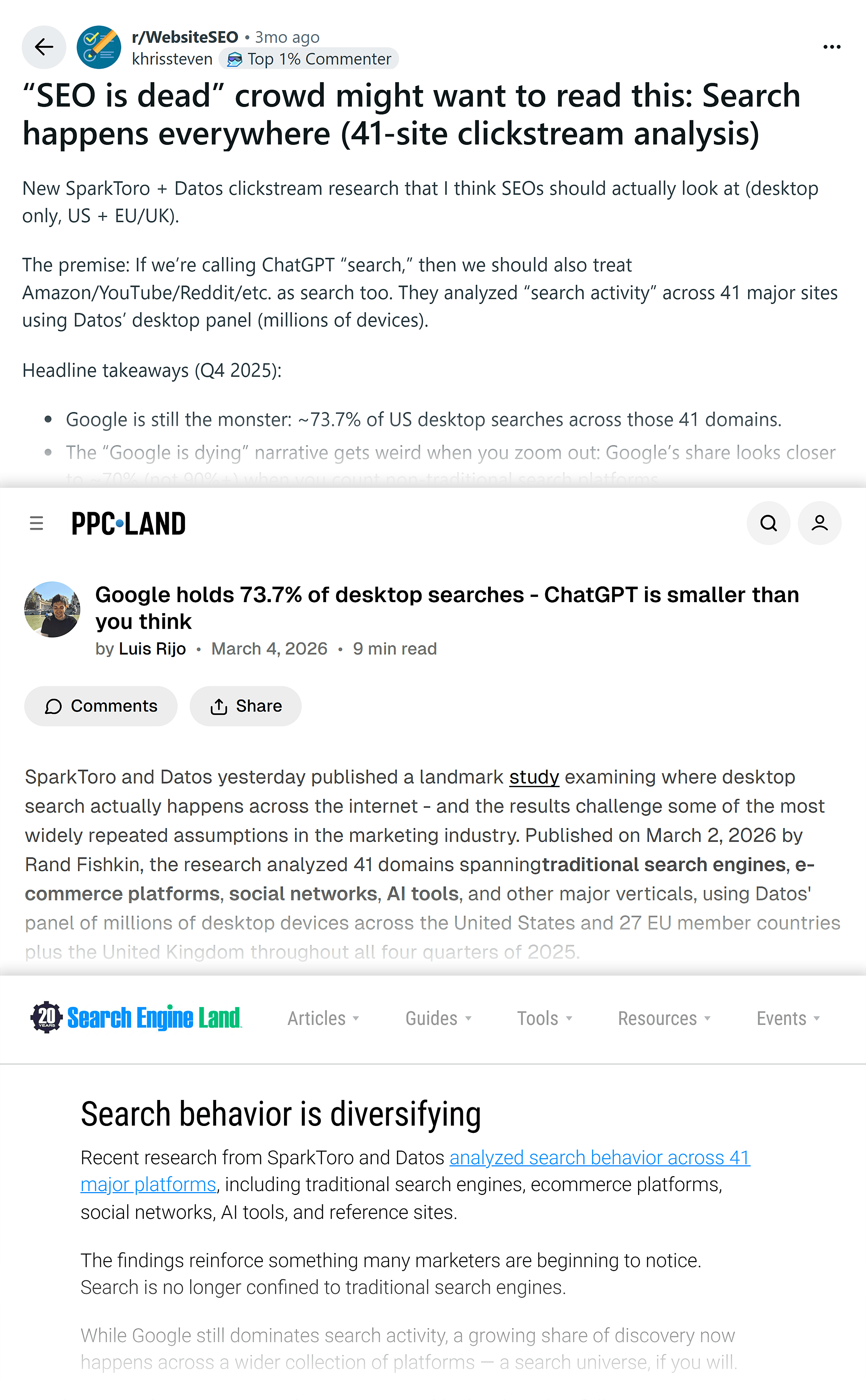
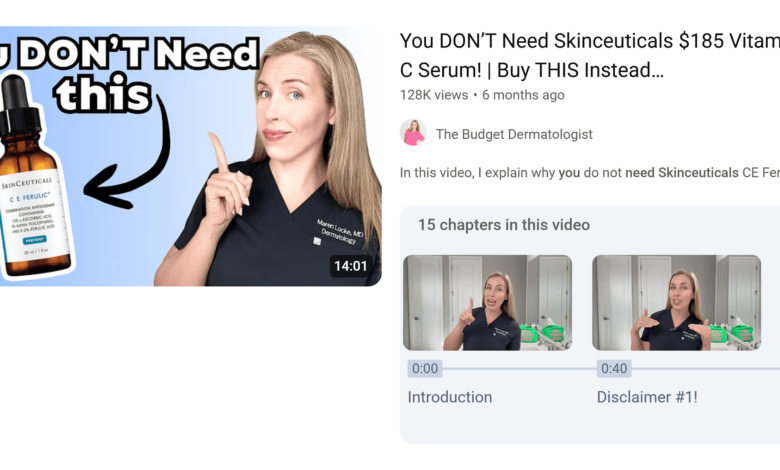
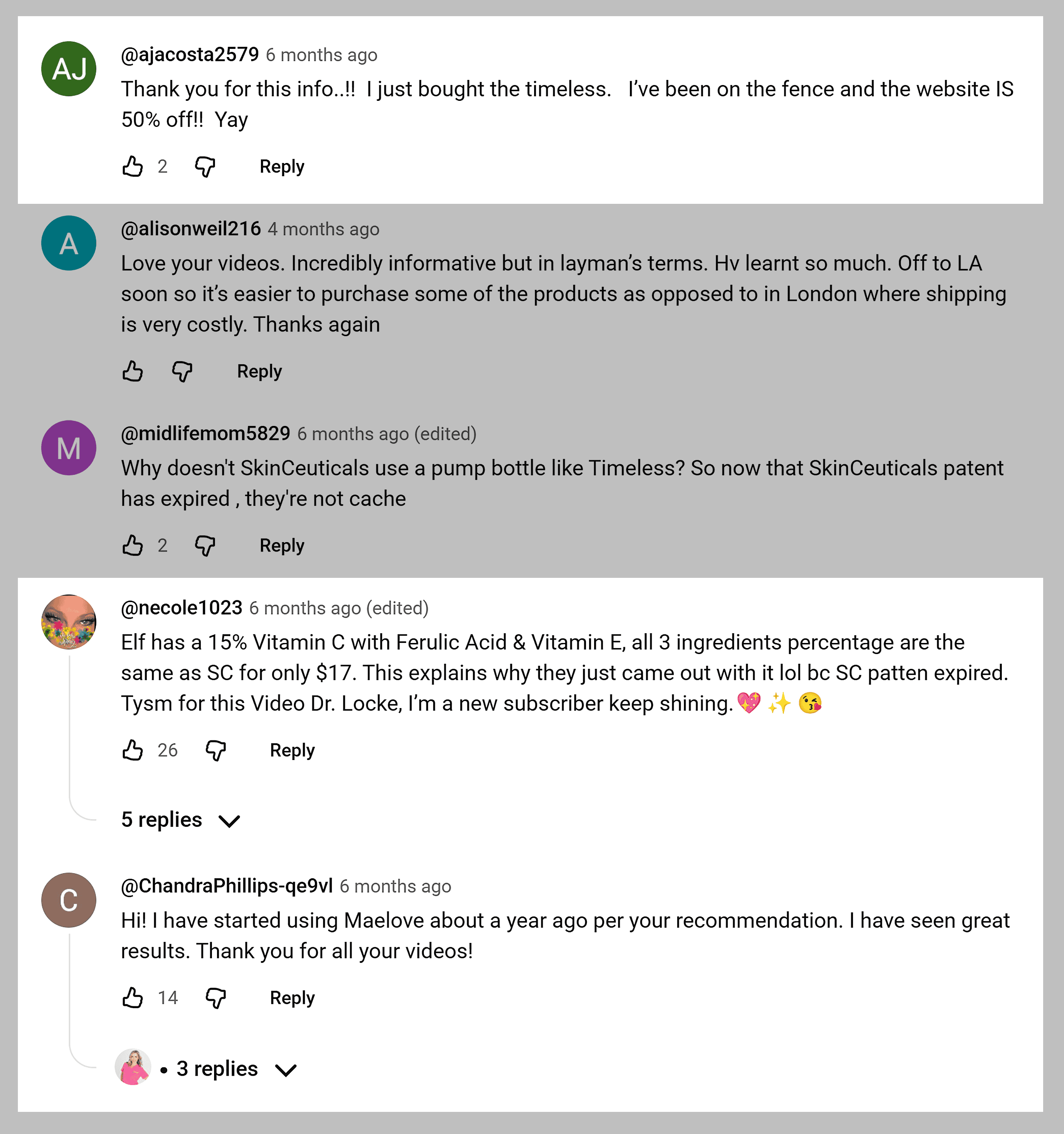
Furthermore, brand mentions act as conduits to entirely new consumer demographics. When an independent creator, podcast host, or community contributor references a brand, they expose that business to audiences who may not be actively searching for its specific product or service category. For instance, independent video reviews comparing skincare alternatives often highlight emerging brands that offer superior price-to-performance ratios compared to legacy market leaders. Viewers discover these brands organically through third-party endorsements rather than direct search engine queries, thereby bypassing traditional acquisition funnels.
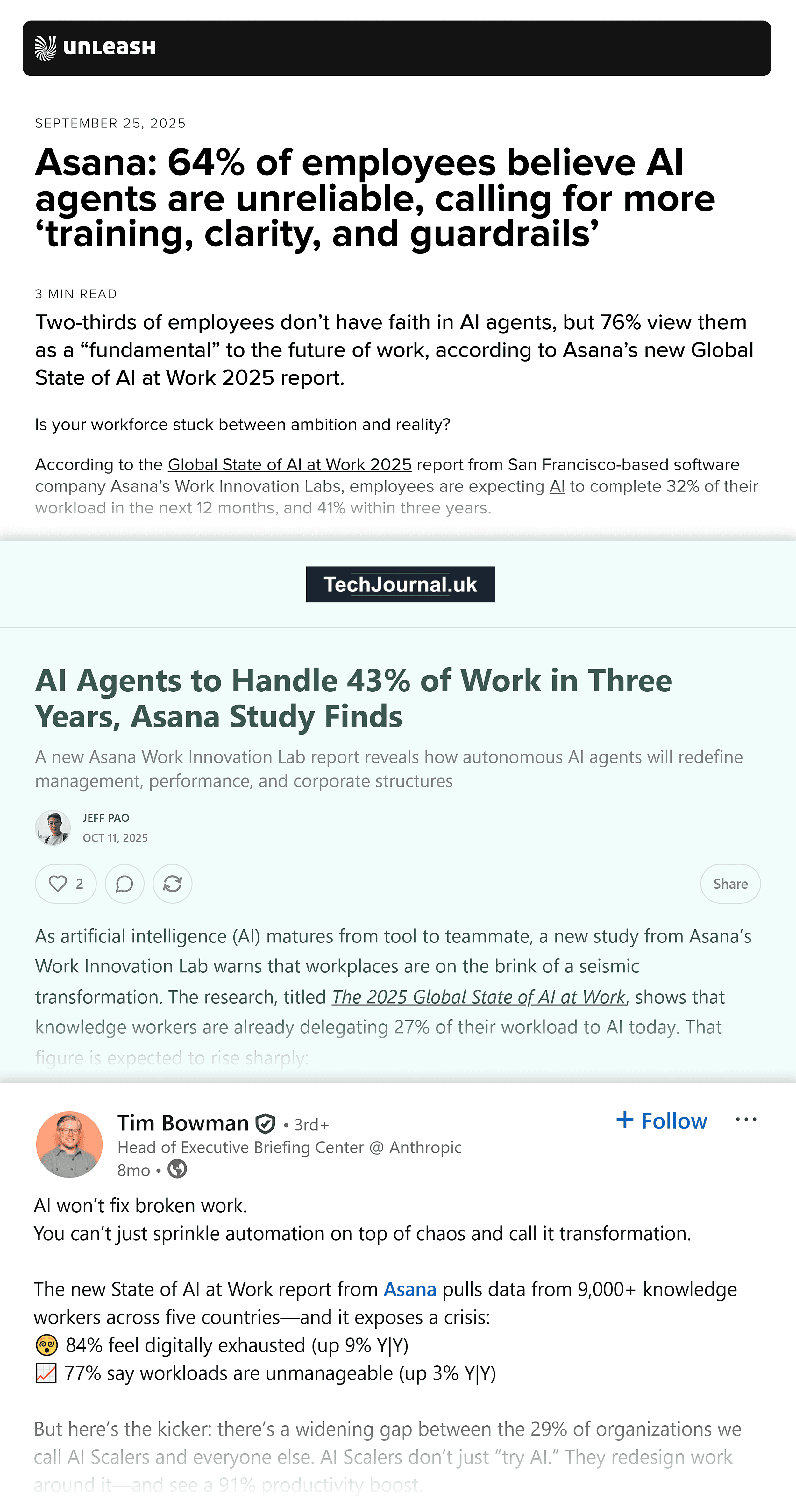
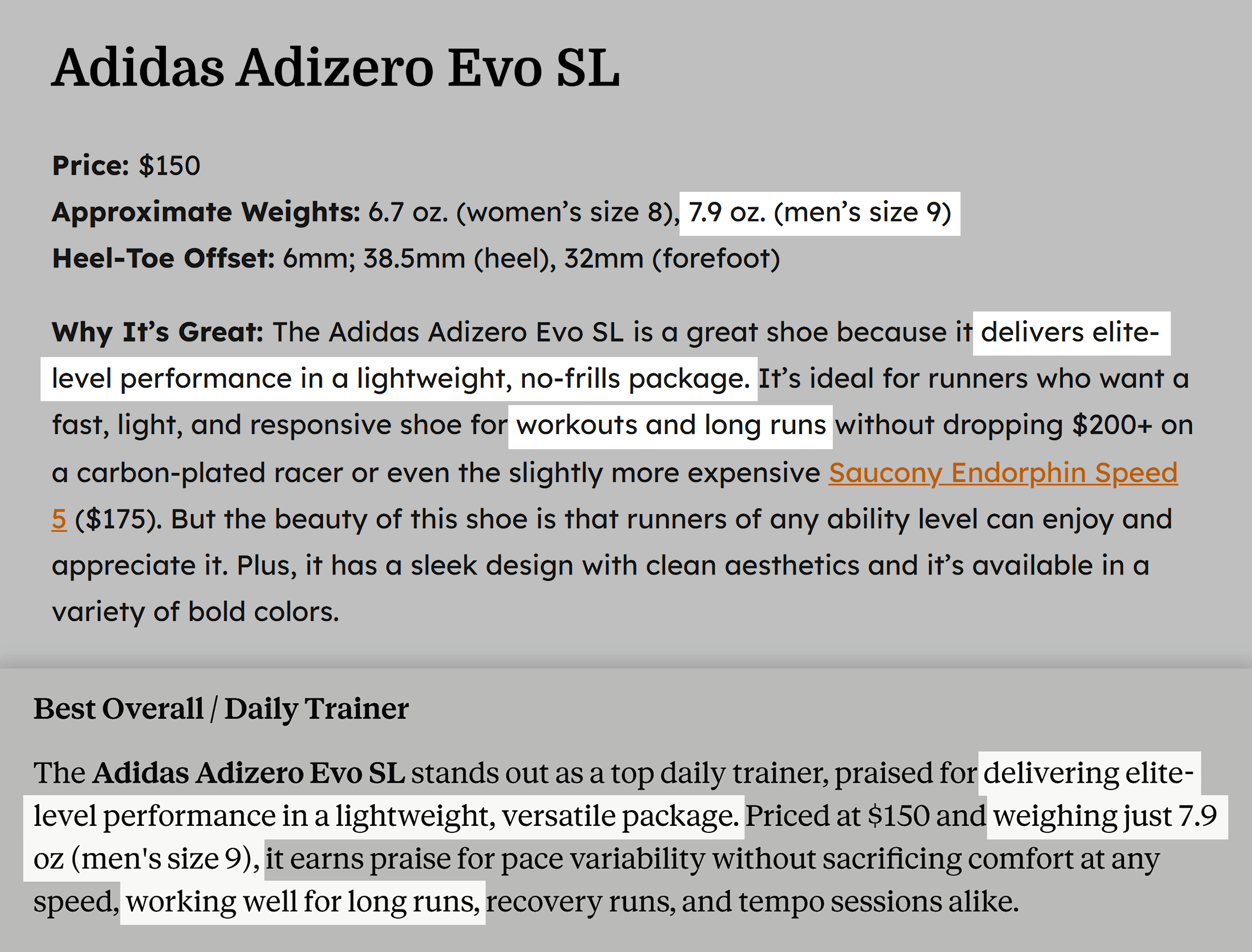
Finally, LLMs construct their output by synthesizing vast corpuses of text. Empirical analyses of conversational AI outputs reveal that descriptive language used by LLMs to characterize specific products often mirrors the phrasing found in authoritative third-party reviews and industry analyses. By earning rich contextual mentions across credible digital properties, brands directly influence the semantic parameters that generative AI tools utilize when formulating recommendations for prospective buyers.
Anatomy of a High-Value Brand Mention
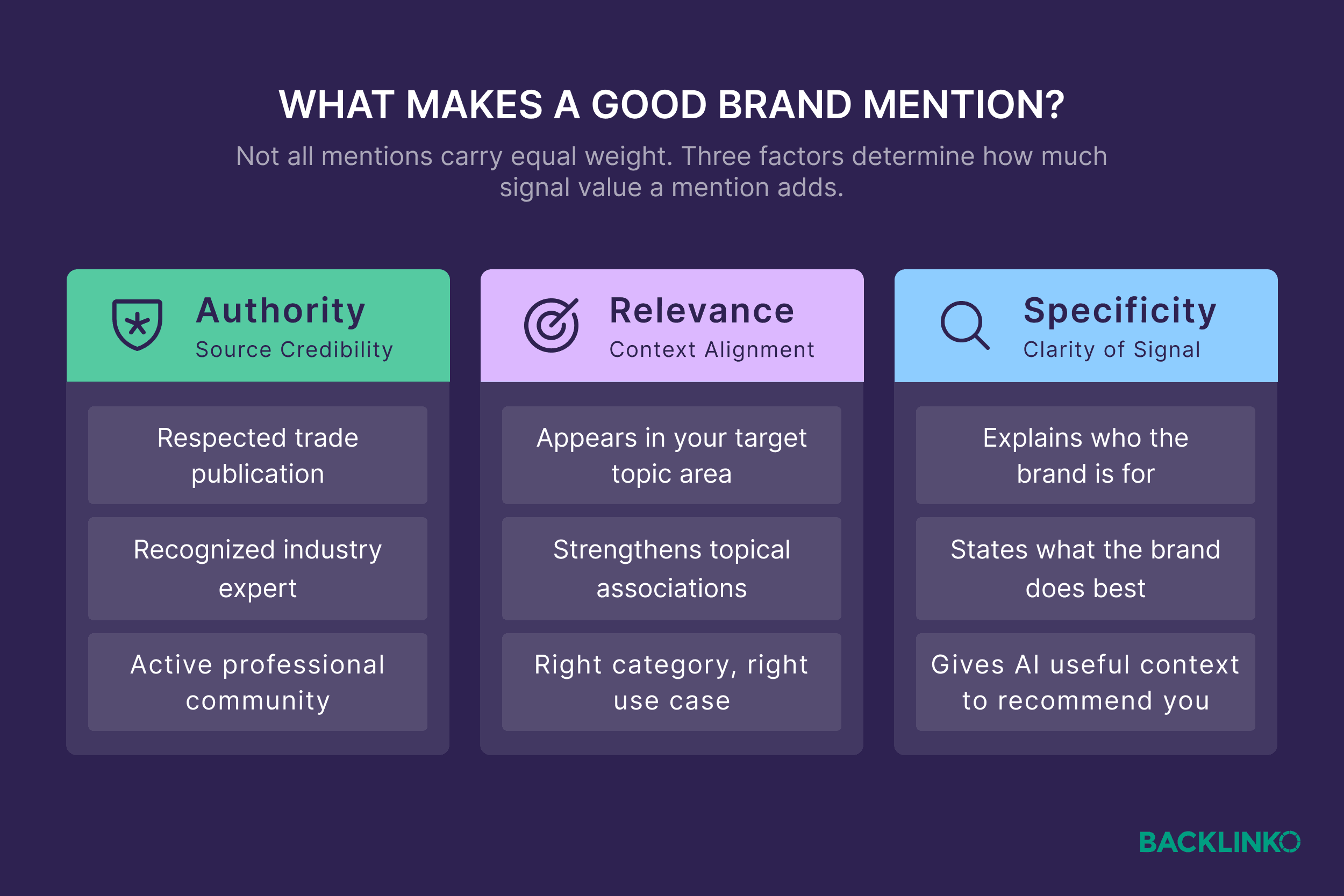
Not all brand mentions carry equal weight within algorithmic evaluation models. The qualitative value of a reference is determined by three core pillars: authority, relevance, and specificity.
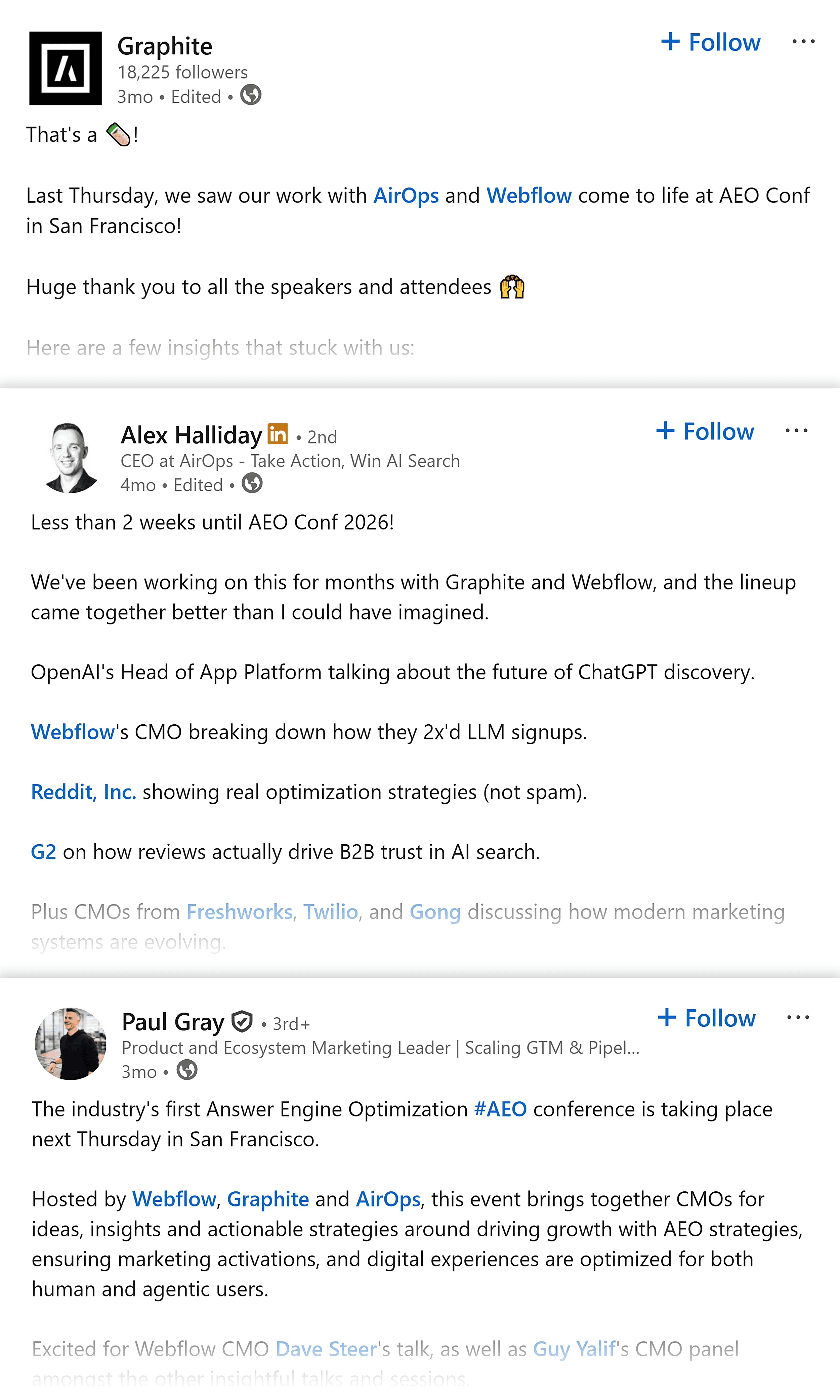
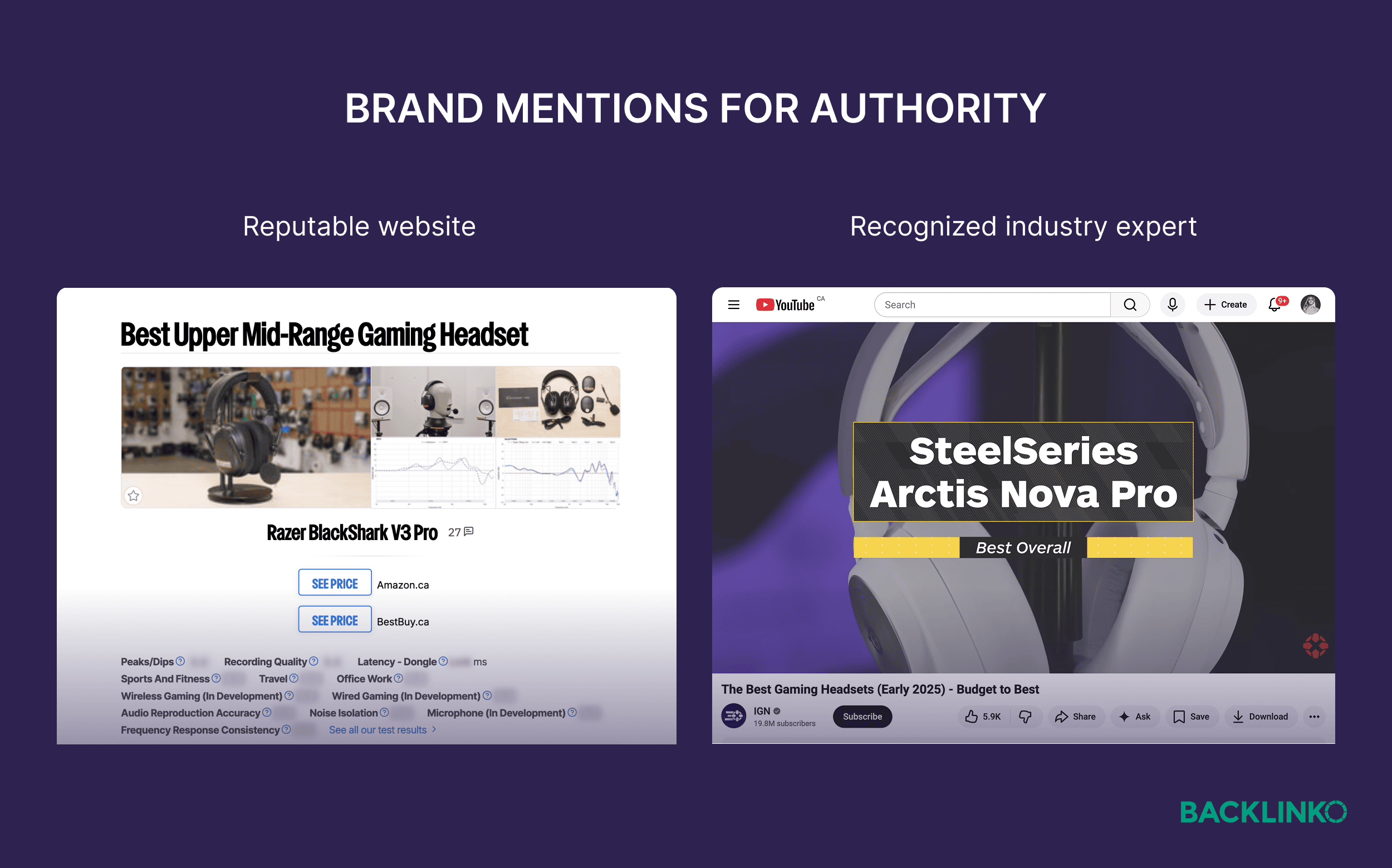
Authority relates to the institutional credibility and algorithmic trustworthiness of the domain publishing the mention. A feature article published by a recognized industry journal or mainstream financial publication carries exponentially more signaling power than a passing reference on an unverified, low-traffic blog. High-authority domains possess established trust scores that amplify the contextual weight of every brand entity referenced within their content.
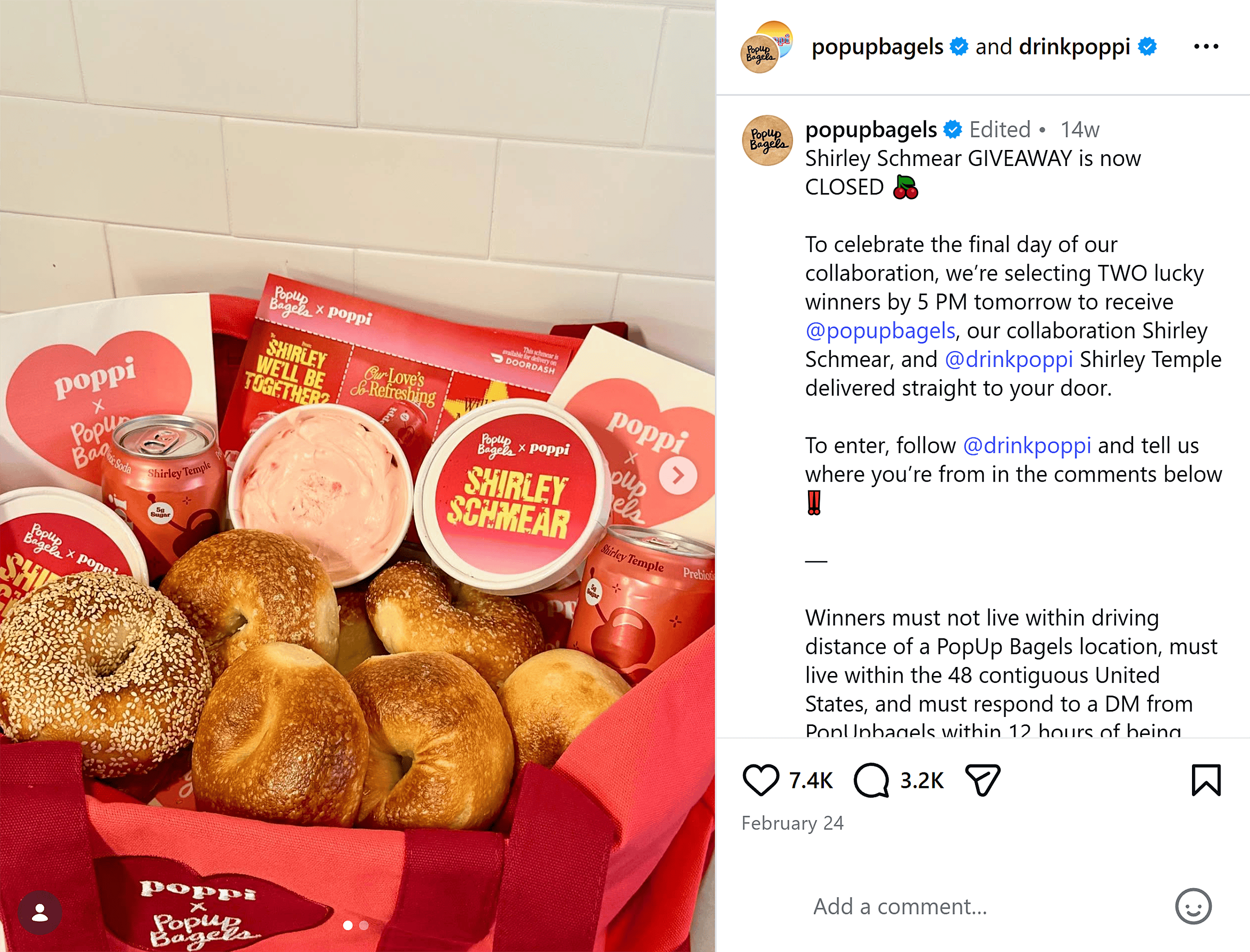
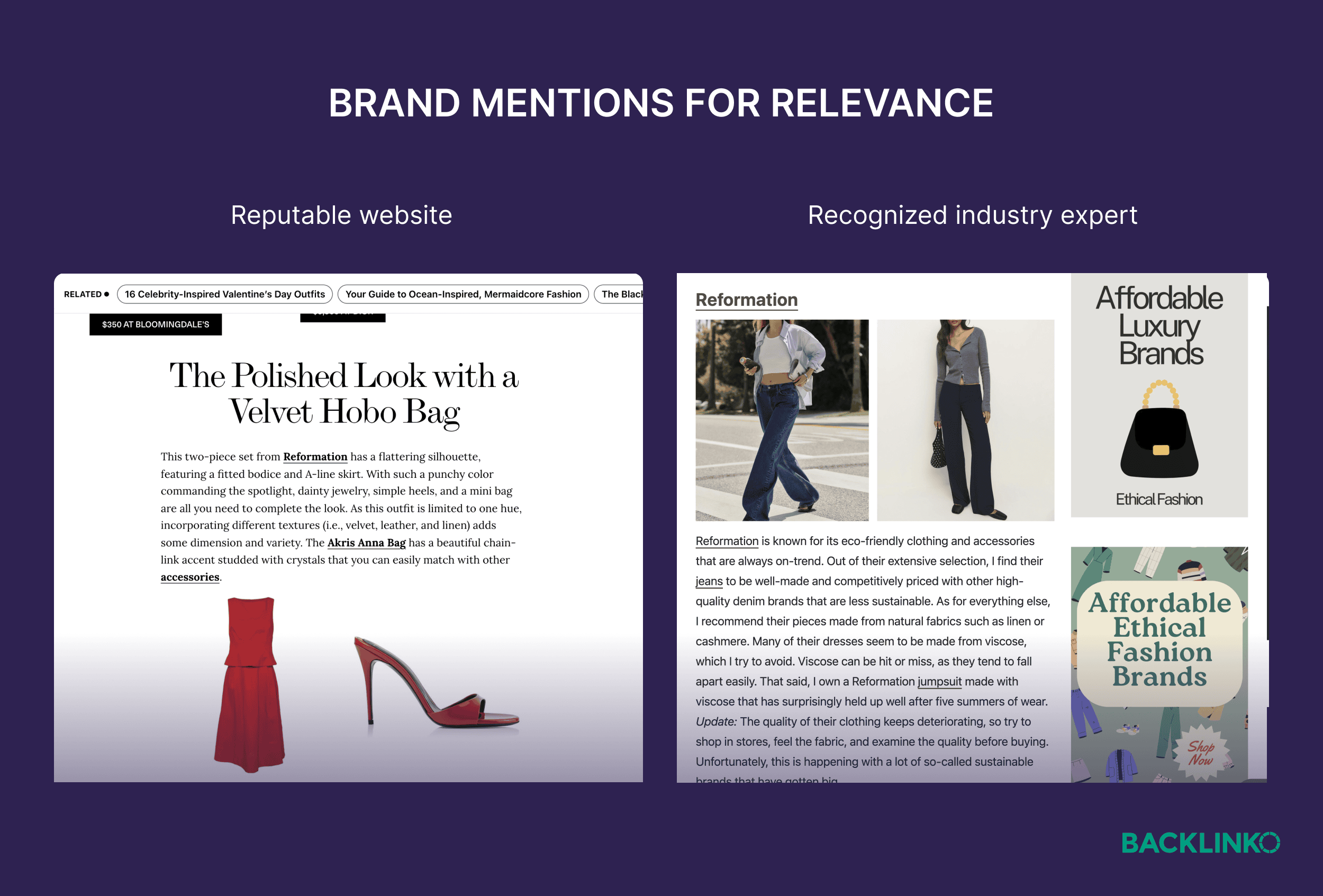
Relevance operates on a dual plane encompassing both topical alignment and industrial context. A brand mention is most effective when it occurs within content that directly addresses the core themes the enterprise wishes to dominate. For example, a sustainable apparel brand receiving mentions within lifestyle publications discussing eco-friendly consumer habits aligns seamlessly with its commercial positioning, signaling strong topical relevance to algorithms indexing the content.

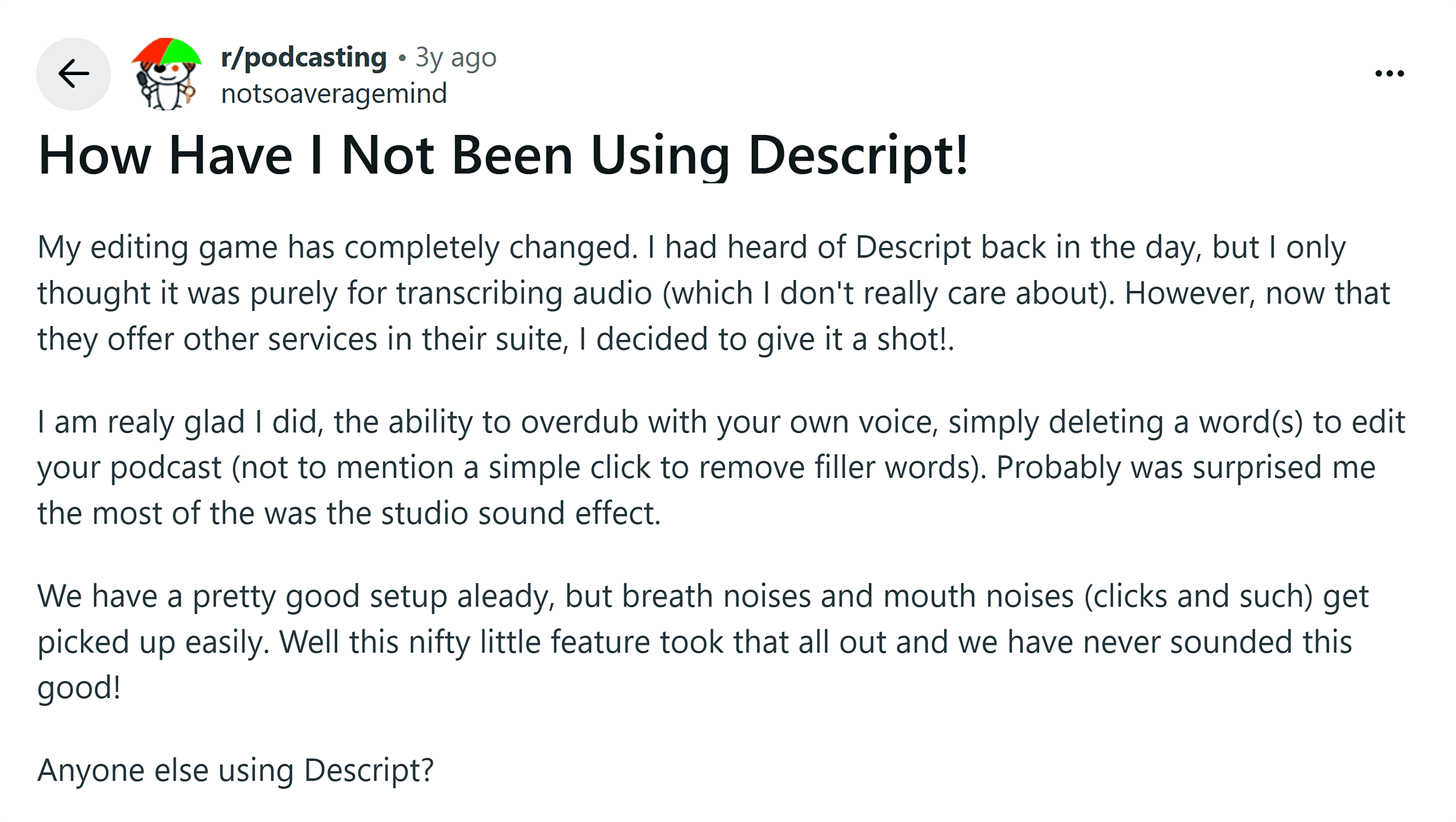
Specificity represents the final critical dimension. Vague or tangential references offer minimal utility to search engines or AI systems. A high-value mention provides granular details, including specific use cases, performance benchmarks, feature evaluations, or direct experiential feedback. When an online community discussion details the exact workflow advantages of a specialized software tool, algorithms extract actionable semantic data that informs future ranking and recommendation logic.
Four Strategic Tactics to Earn Consistent Brand Mentions
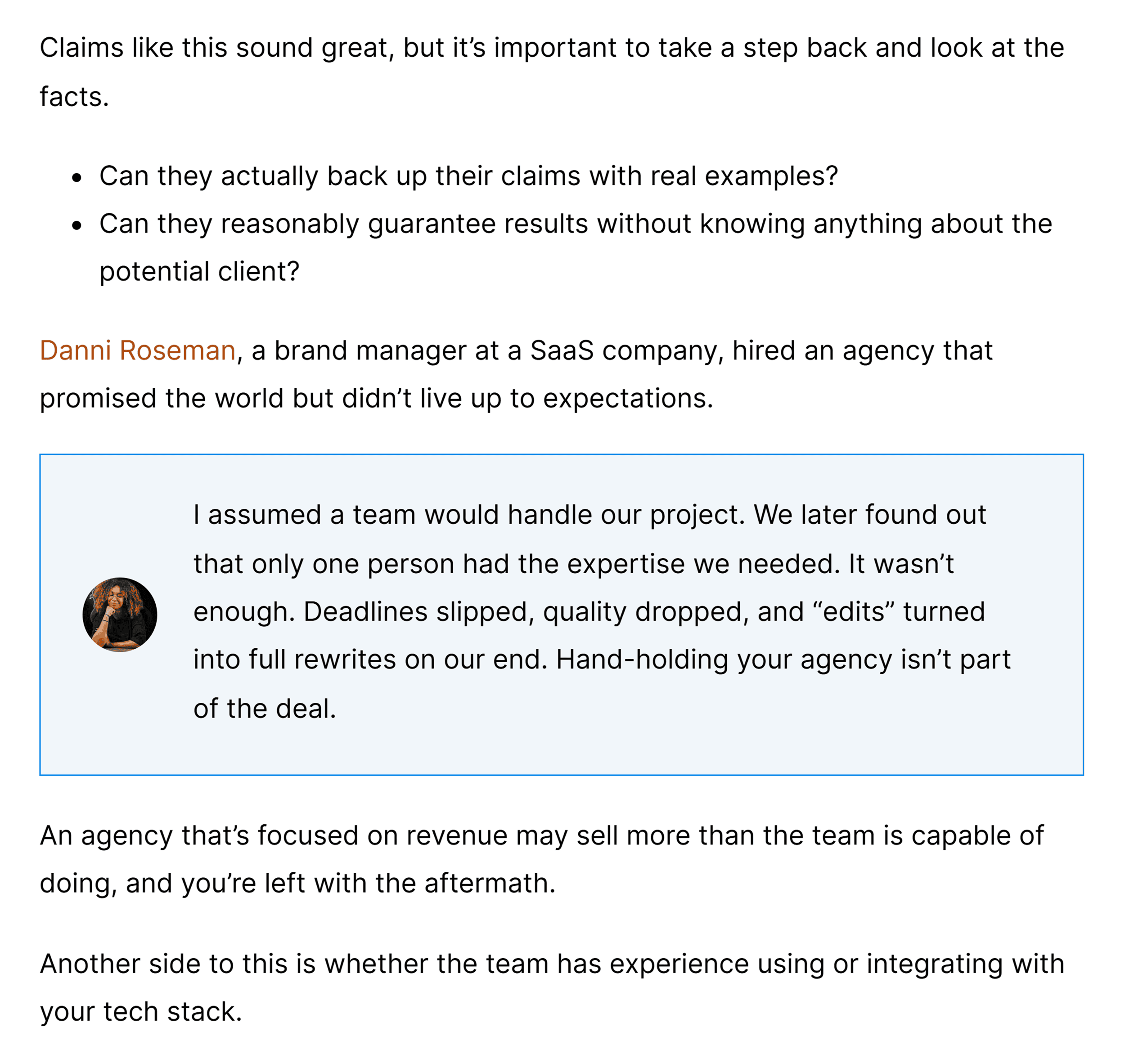
Executing a proactive campaign to secure valuable brand mentions requires deliberate strategy. Enterprises can deploy four proven tactics to build sustainable, high-impact brand visibility across digital channels.
-
Creating Data-Driven, Citable Content
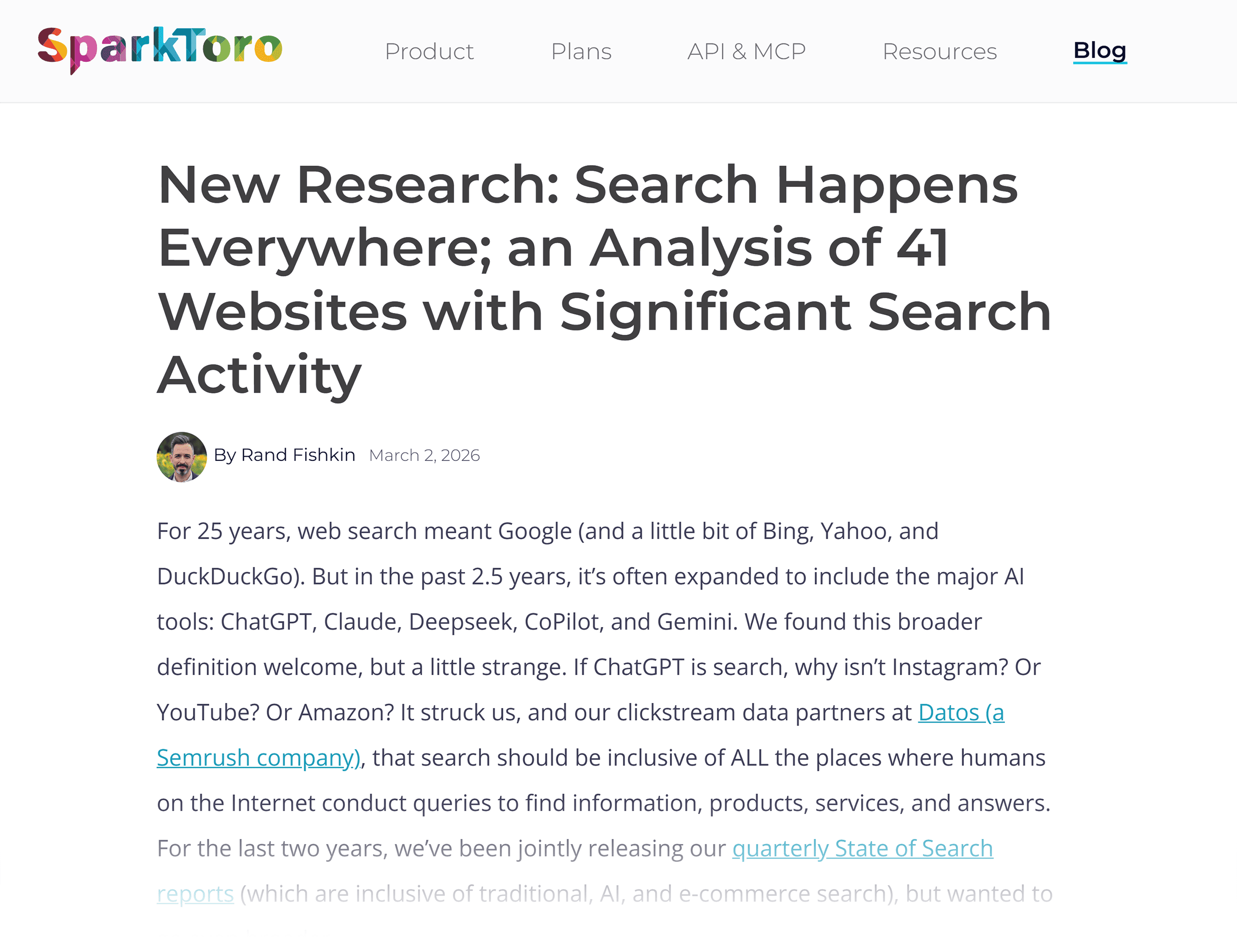
Original research and proprietary data generation represent among the most reliable mechanisms for earning organic brand mentions. By conducting rigorous studies on pressing industry questions or unresolved debates, organizations create primary source assets that other publishers must cite to support their own reporting. Packaging findings with clear data visualizations, executive summaries, and downloadable assets maximizes the likelihood of reference by trade press, academic blogs, and industry analysts.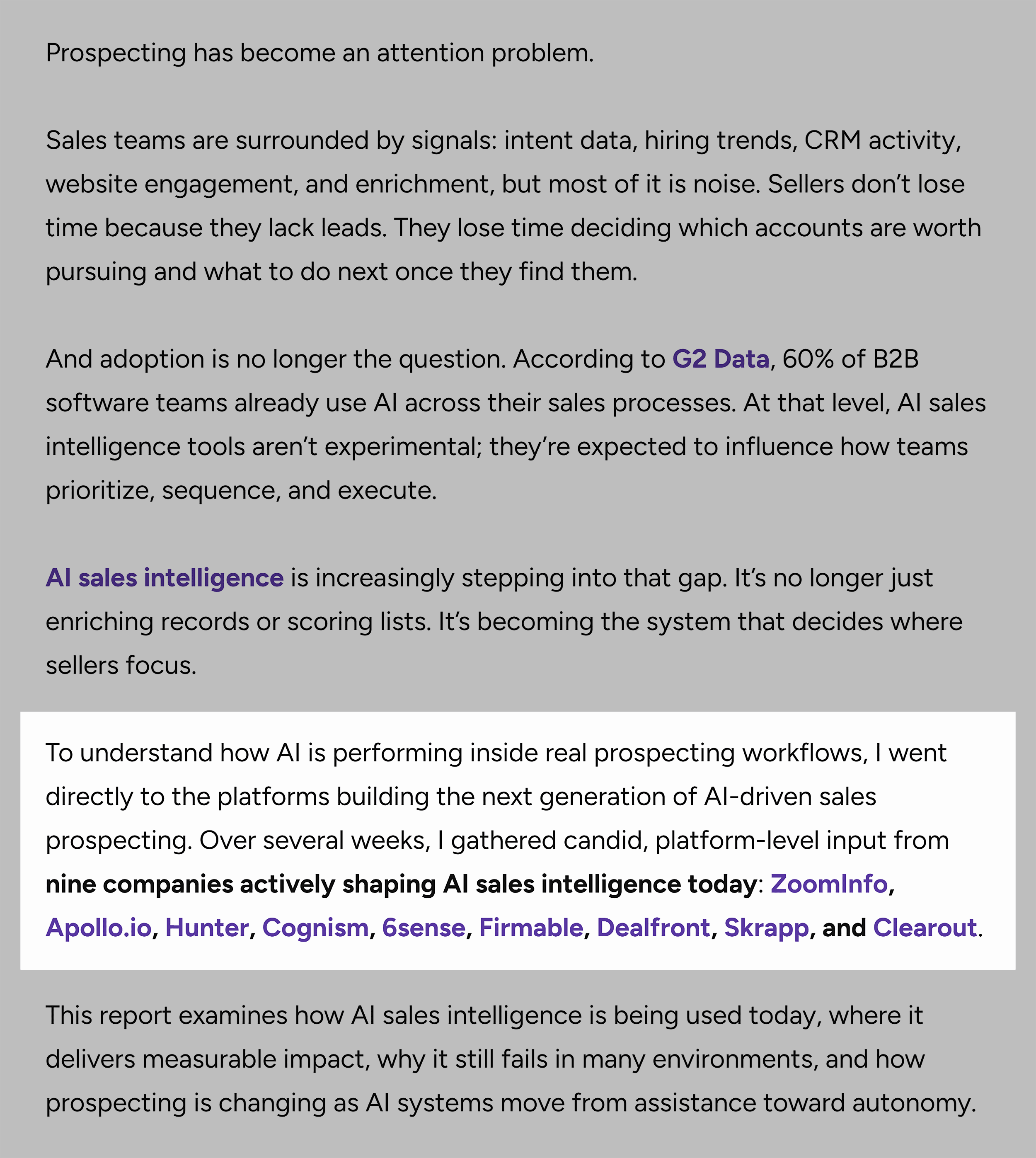
-
Partnering with Complementary Brands on Co-Created Assets
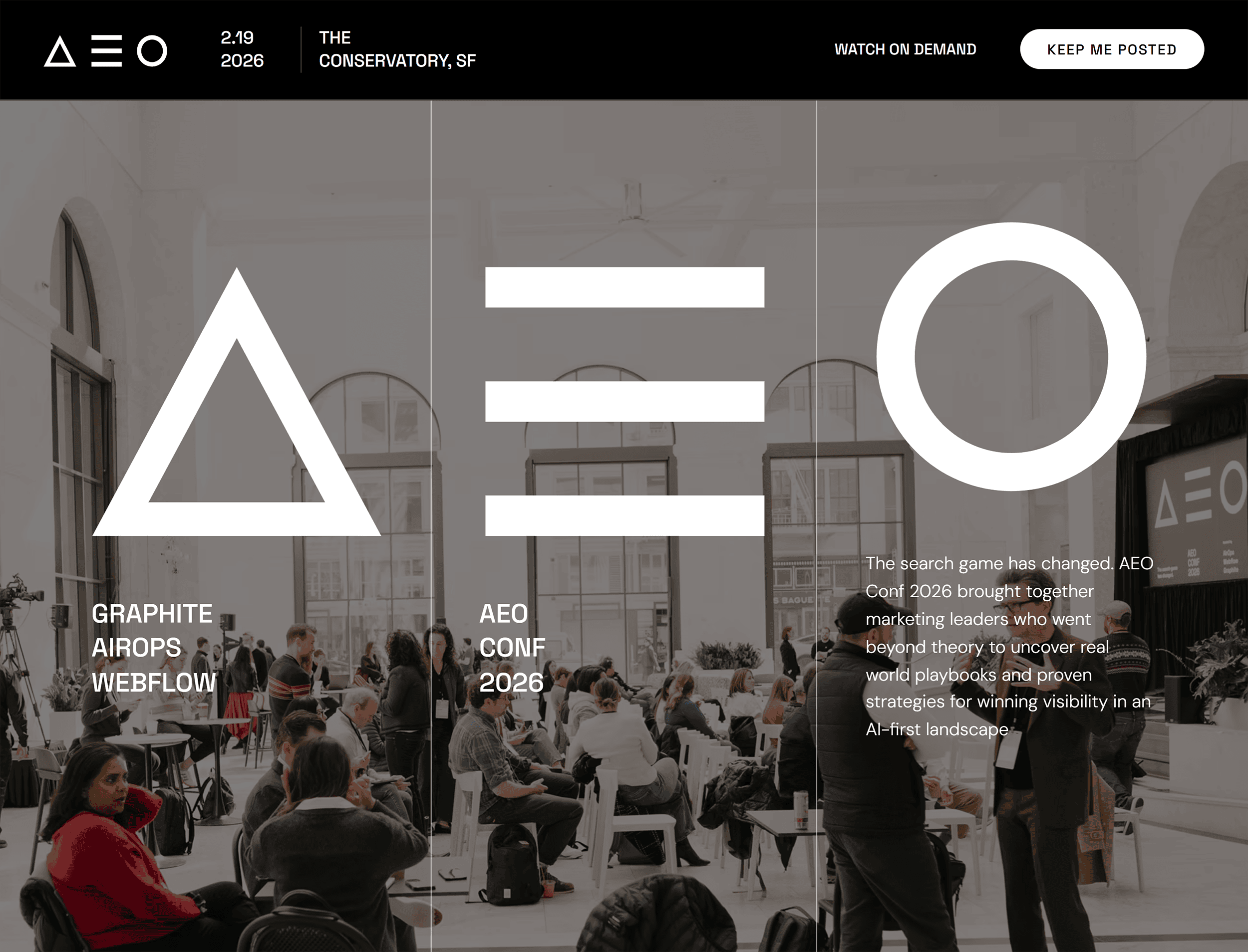
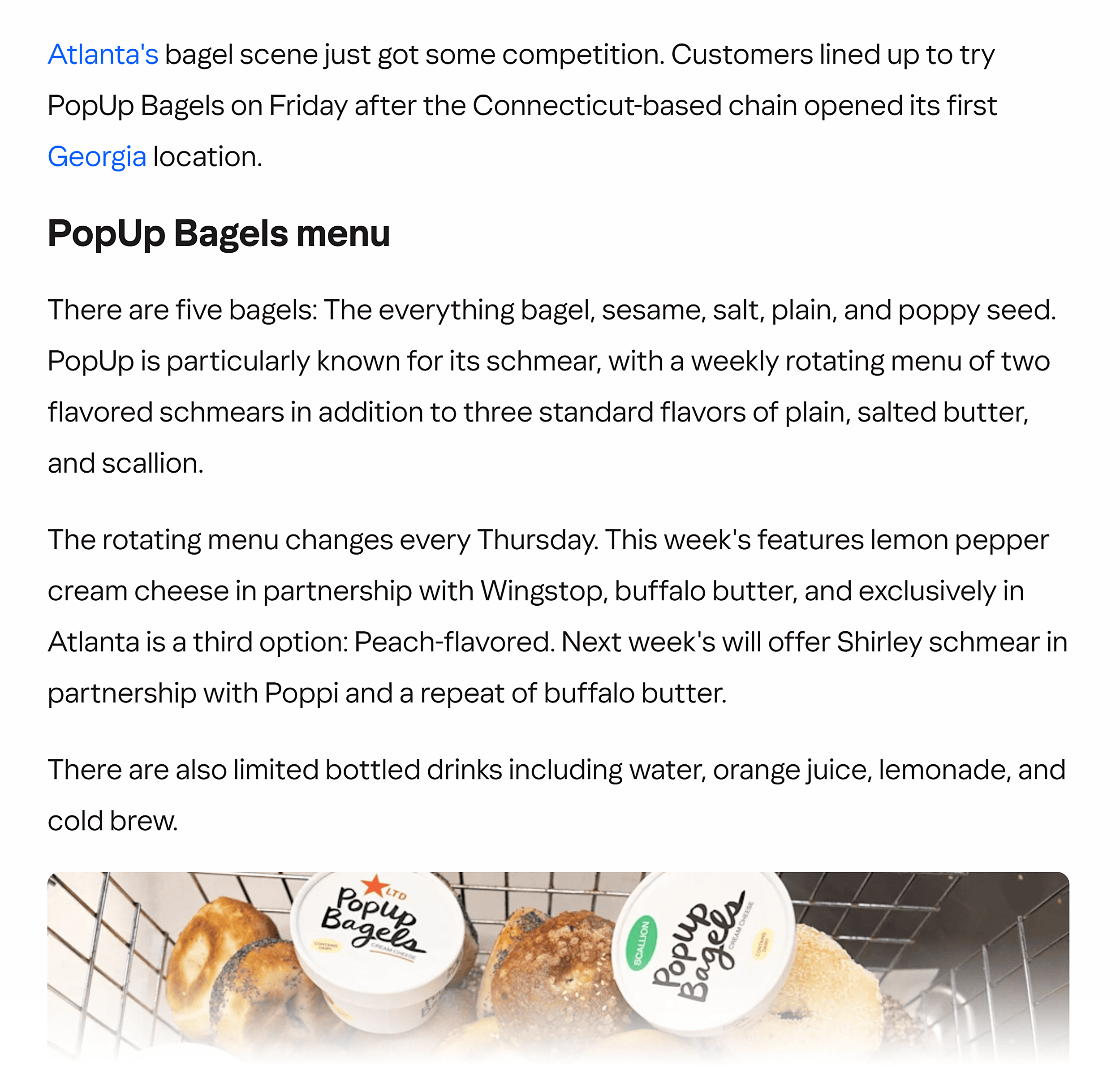
Collaborative marketing campaigns—such as co-hosted industry conferences, joint research reports, or strategic product partnerships—multiply visibility by pooling audience networks. When two non-competing brands operating within adjacent verticals launch a unified initiative, promotional activities and post-event recaps consistently mention both entities within the same contextual framework. This frequent co-occurrence trains search engines and LLMs to associate the brands with shared topical domains.
-
Featuring Industry Experts and Thought Leaders
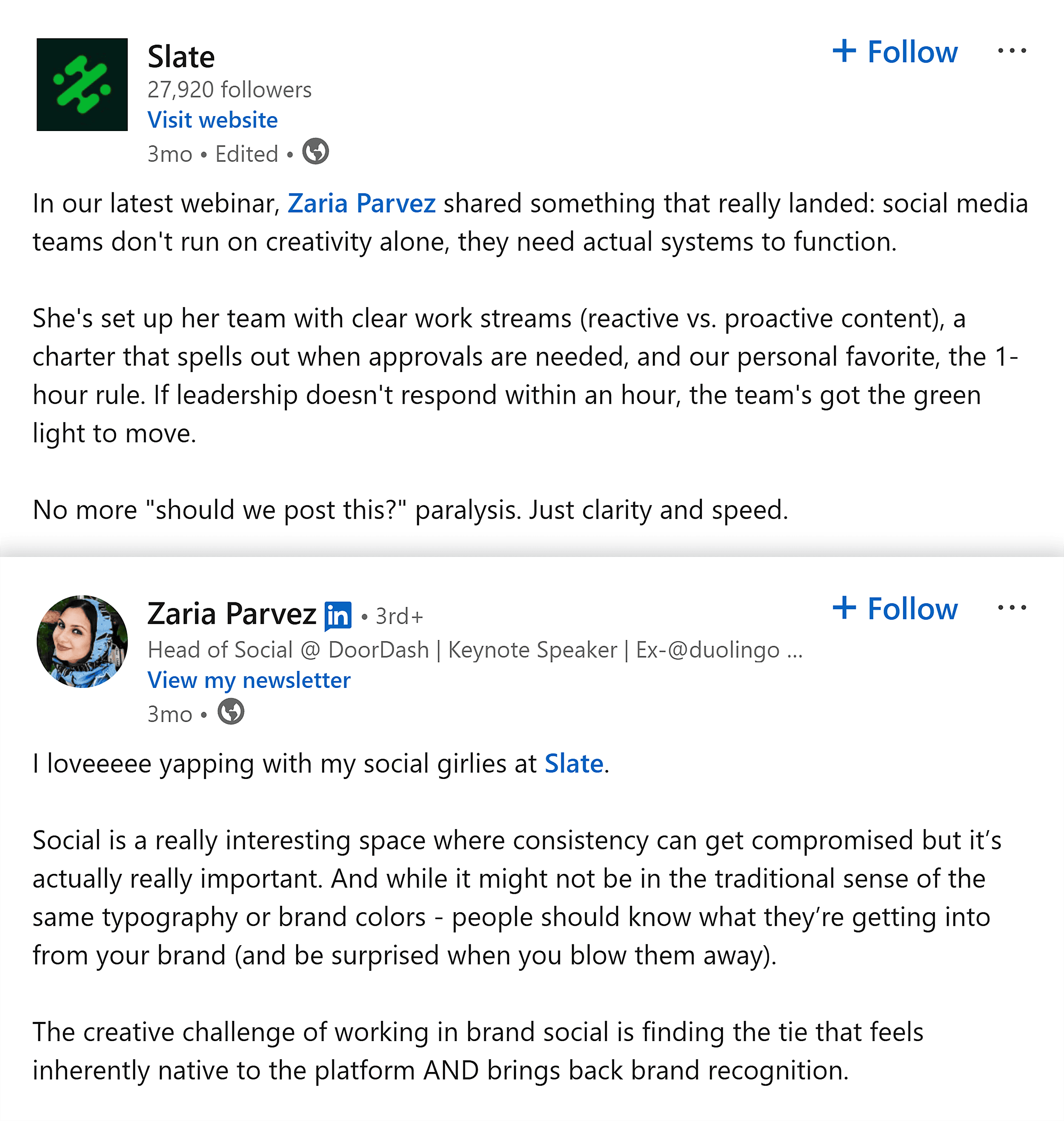
Content architectures that prominently feature external experts, such as comprehensive benchmark reports, expert roundups, or specialized interview series, incentivize contributors to distribute the final assets to their personal and professional networks. When industry leaders share content that highlights their insights, they naturally incorporate organic brand mentions into their social feeds and newsletters, exposing the hosting brand to expanded professional demographics.
-
Contributing Subject Matter Expertise Through Digital PR
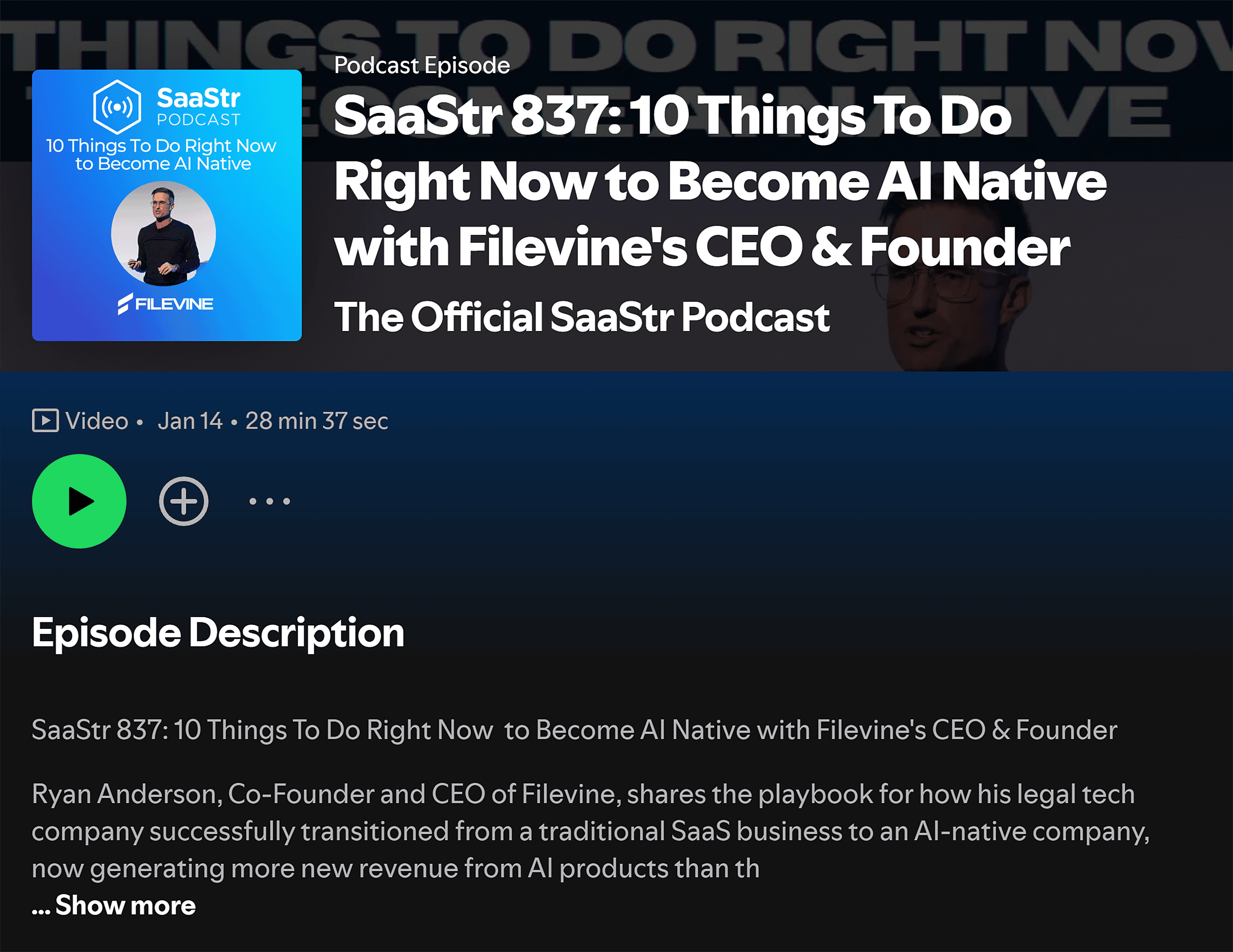
Proactive public relations outreach positioning corporate executives as subject matter experts on external podcasts, webinars, and journalistic publications yields high-authority brand mentions. By offering genuinely educational insights tailored to the host audience rather than engaging in direct commercial pitching, executives secure valuable citations embedded within show notes, video descriptions, and editorial coverage.
Tracking, Measurement, and Executive Reporting
Demonstrating the return on investment of a brand mention strategy to corporate leadership requires structured tracking methodologies and clear performance metrics. Organizations typically utilize a triad of measurement frameworks:

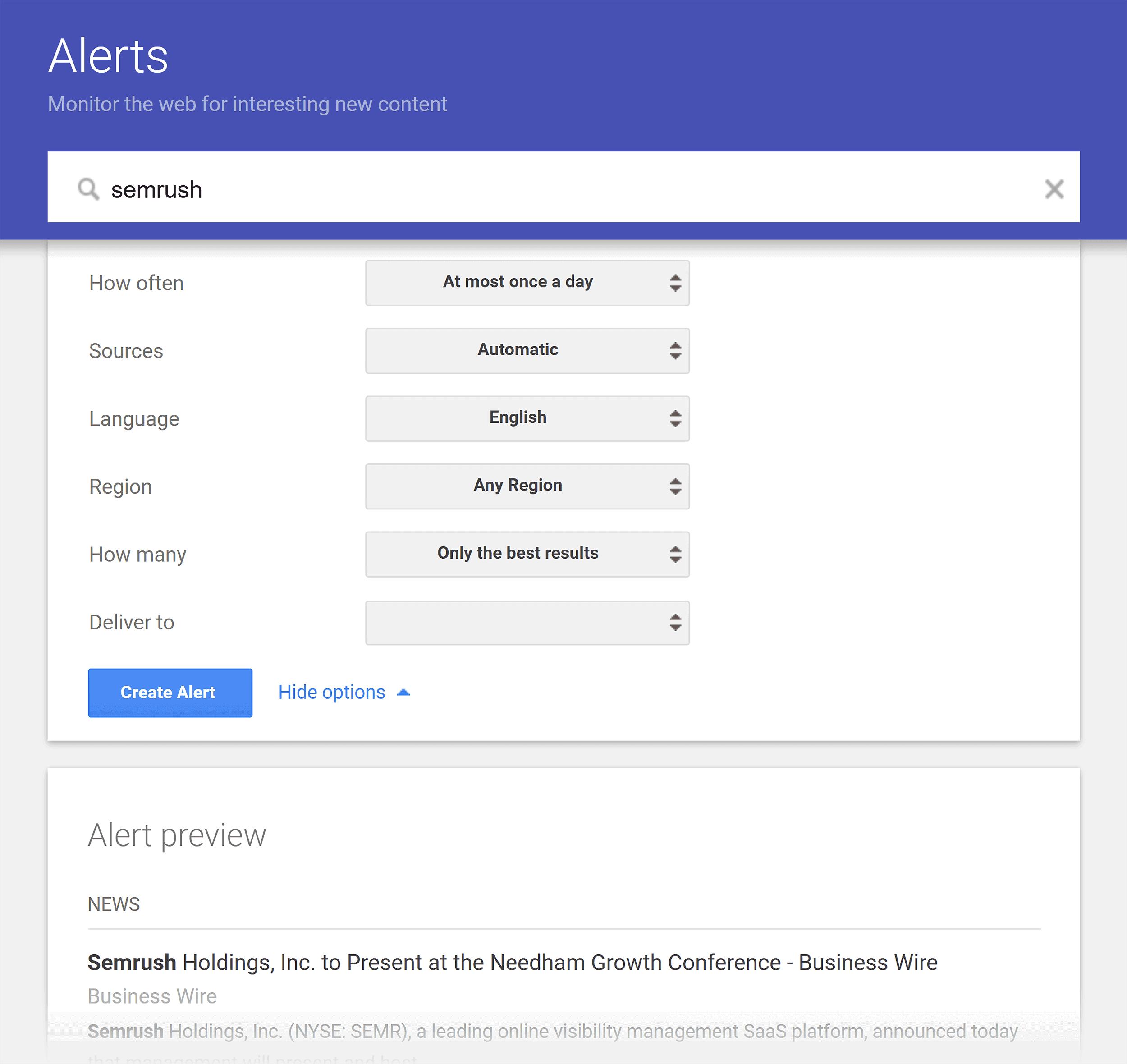
Google Alerts and Manual Audits: Setting up automated alerts for brand names, product variants, executive titles, and key competitors provides a baseline daily feed of web citations. Because automated tools frequently miss forum threads and niche communities, supplementing these alerts with weekly manual searches across social aggregators and video platforms ensures comprehensive data capture.
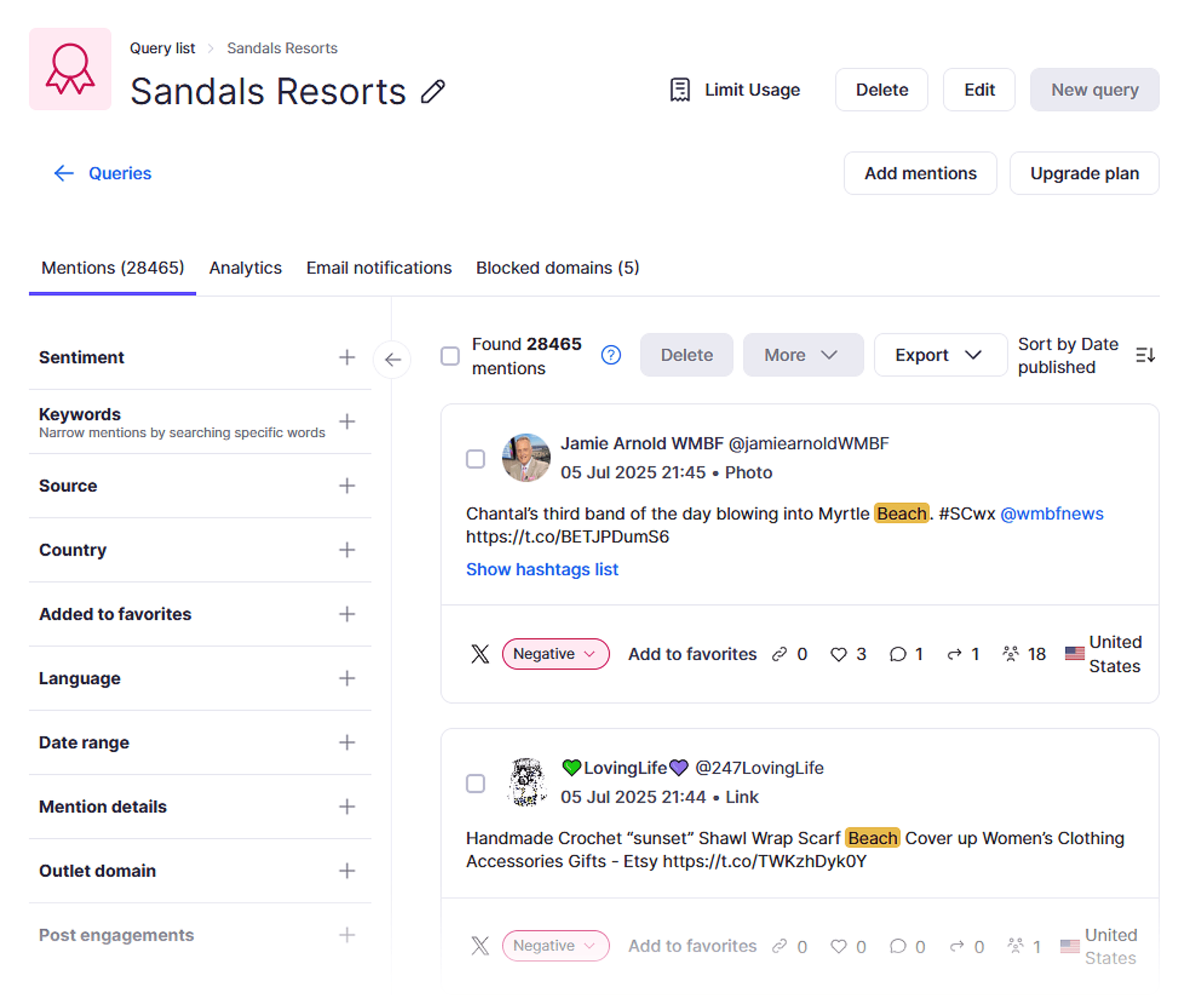
Social Listening Platforms: Advanced monitoring applications track brand sentiment, share of voice, and platform distribution across global blogs, forums, and review sites. These tools quantify whether public perception trends positive or negative following specific marketing campaigns or PR initiatives.
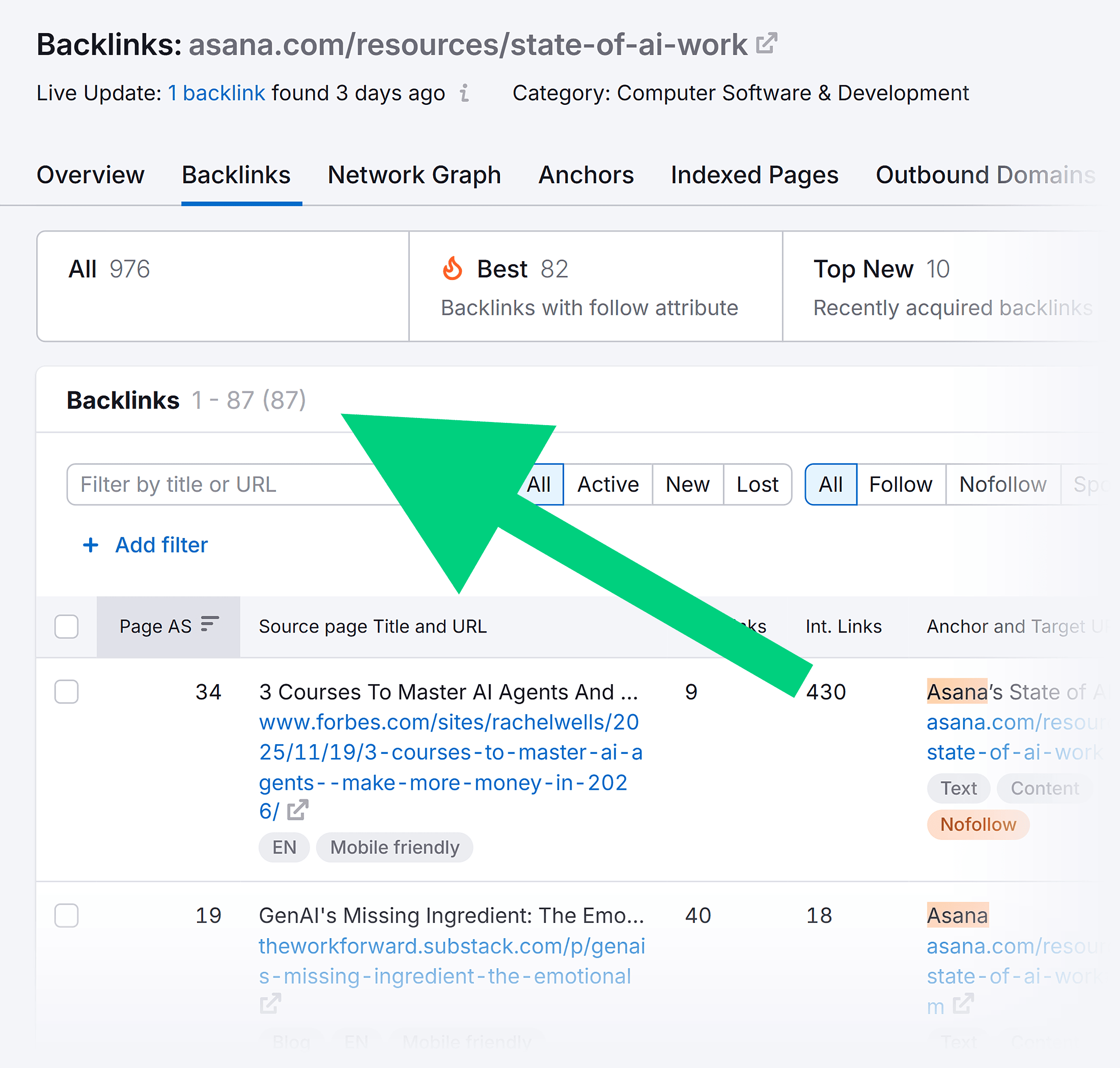
Backlink and Anchor Text Analytics: Utilizing SEO analytics suites to filter incoming backlinks by branded anchor text allows marketing teams to isolate referral paths where third-party domains explicitly name the business. Reporting frameworks should synthesize these data streams into monthly executive summaries highlighting mention volume, sentiment distribution, and the estimated audience reach of top-tier placements. By shifting leadership focus from raw quantitative output to qualitative contextual impact, organizations can successfully align brand mention strategies with overarching enterprise growth objectives.
Related posts: