Navigating the Link-In-Bio Dilemma: SproutLink Versus Linktree in Modern Social Media Strategy


As social media platforms continue to tightly control outbound traffic, the humble bio link has evolved into one of the most critical digital real estate assets for modern brands, creators, and enterprises. With Instagram restricting clickable caption links exclusively to Meta One subscribers, digital marketers must rely heavily on their profile URLs to drive website traffic, generate leads, and capture e-commerce revenue. This limitation has fueled a booming market for link-in-bio solutions, forcing organizations to carefully evaluate whether they need a standalone micro-landing page builder or an integrated feature within a broader social media management suite.
The debate largely centers on two prominent contenders: Linktree, the pioneer that established the standalone link-in-bio category, and SproutLink, the proprietary, workflow-integrated solution developed by enterprise software provider Sprout Social. While both tools aim to solve the friction of routing social media audiences to external web destinations, their underlying architectures, pricing models, and target demographics differ significantly. Understanding these disparities is essential for digital strategists seeking to optimize their publishing workflows and maximize return on investment.
The Evolution of Social Media Traffic Generation
The challenge of converting social media engagement into tangible website traffic is not new, but platform policies have intensified the friction. In the early days of Instagram, organic posts offered limited pathways to external content outside of sponsored advertisements. Brands quickly learned to leverage the single clickable link allowed in their profile bios, frequently updating the destination URL to align with ongoing campaigns, product drops, or newly published editorial content.
However, constantly swapping out a single bio link introduces operational inefficiencies. If a brand promotes three distinct articles or products simultaneously in different grid posts, a static link-in-bio forces followers to hunt for the specific content they saw in a particular Reel or carousel. To remedy this, third-party developers introduced dynamic landing pages—micro-sites hosting a collection of URLs that mirror a brand’s publishing history.

Over time, the market bifurcated. On one side emerged dedicated, platform-agnostic tools like Linktree, designed to serve individuals, influencers, and small businesses seeking a quick, low-cost method to organize multiple web destinations. On the other side arose integrated enterprise solutions like SproutLink, embedded directly into sophisticated social media management suites. This bifurcation forces marketing teams to weigh the benefits of specialized, lightweight applications against the operational efficiencies of an all-in-one ecosystem.
Architectural Comparison: Standalone Simplicity Versus Workflow Integration
To properly evaluate SproutLink and Linktree, analysts must examine how each tool fits into a daily content operations workflow.
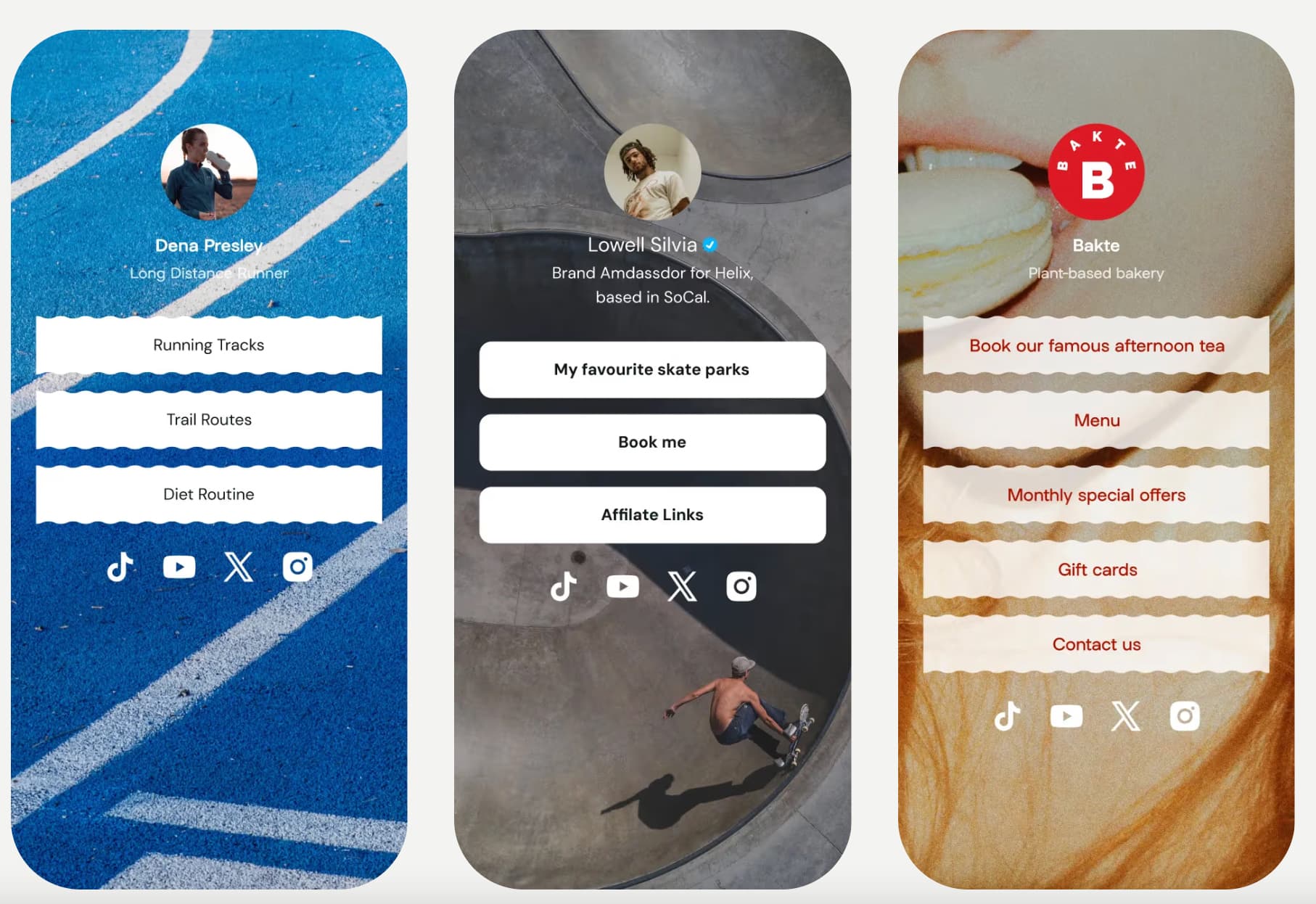
Linktree operates as a standalone SaaS product. It functions independently of any specific content scheduling software, though modern iterations include built-in social planning features on paid tiers. Users build a clean, list-style landing page using an array of ready-made templates. The platform is intentionally platform-agnostic, meaning a single Linktree URL can be deployed across Instagram, TikTok, LinkedIn, and Facebook. This flexibility makes it exceptionally popular among independent creators, influencers, and small-business owners who manage their digital presence across a fragmented array of applications.
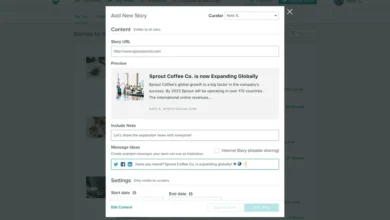
In contrast, SproutLink is an embedded feature within the Sprout Social ecosystem. Rather than acting as an isolated destination, SproutLink integrates directly into the user’s publishing pipeline. When a social media manager drafts a new post within Sprout’s Compose window, they can simultaneously attach a destination URL to that specific post. Alternatively, links can be added retroactively to existing content. The system generates a clickable replica of the brand’s Instagram grid on a custom landing page, allowing followers to visually match a post they saw on their feed with the exact corresponding web page.
This architectural difference dictates how teams handle content scaling. While Linktree offers unlimited links on a clean, centralized interface, maintaining it requires an external step: publishing content via one tool, copying the link, and manually updating the link-in-bio provider. SproutLink automates this handoff, reducing administrative overhead for mid-market and enterprise marketing teams managing high volumes of content.

Financial Models and Market Accessibility
Pricing structures reflect the distinct market segments both platforms target.
Linktree utilizes a freemium model designed to lower the barrier to entry. It offers a robust free tier for basic link aggregation, with paid plans starting at approximately $8 per month. This affordability makes it accessible to early-stage entrepreneurs, freelance creators, and organizations with minimal marketing budgets.
SproutLink, conversely, is not available as a standalone, low-cost product. Because it is a feature of Sprout Social’s comprehensive social media management platform, accessing SproutLink requires a subscription to the parent software. Entry-level plans, such as the Sprout Essentials tier, start at $79 per seat per month. While this price point is substantially higher than standalone link tools, industry analysts note that the cost covers an entire suite of capabilities—including advanced scheduling, publishing automation, social listening, and cross-platform analytics—rather than just bio-link hosting.
User Sentiment and Marketplace Review Data
Third-party software review aggregators such as G2 and Capterra provide valuable insights into how real-world users perceive these tools, though interpreting the data requires careful context.
On platforms like G2 and Capterra, Linktree frequently holds slightly higher average ratings for ease of use in the specific category of link management. Reviewers often praise its straightforward interface, quick setup, and specialized focus.
However, comparative reviews of Sprout Social reveal a stark difference in review volume and scope. When users evaluate Sprout on G2, they are rating an enterprise-grade social media management suite utilized by mid-market and large corporate teams, rather than a single-purpose utility. Consequently, satisfaction scores for Sprout reflect the complexity and breadth of an entire platform that encompasses scheduling, reporting, and customer care tools alongside SproutLink. Industry experts emphasize that comparing Linktree’s specialized ease-of-use directly to an enterprise software suite is an apples-to-oranges comparison; Linktree excels at doing one specific task exceptionally well, whereas Sprout Social provides an expansive, unified operational environment.
Strategic Implications for Modern Marketing Teams
Choosing between SproutLink and Linktree ultimately hinges on an organization’s structural maturity, workflow complexity, and software ecosystem.
For solo creators, small business owners, and organizations operating on lean budgets, a standalone tool like Linktree remains a logical choice. Its low cost, cross-platform compatibility, and rapid deployment make it an efficient solution for managing a static or semi-regular rotation of web destinations without committing to an expensive enterprise contract.
For mid-sized brands, agencies, and enterprises already utilizing—or considering—a comprehensive social media management platform, utilizing an integrated tool like SproutLink offers distinct operational advantages. By eliminating the manual handoff between content creation and link management, marketing teams can reduce human error, streamline campaign deployments, and achieve more granular analytics that tie specific social posts directly to web traffic and conversion metrics.
As social media platforms continue to alter referral traffic dynamics, the race to capture audience attention will only intensify. Whether through the nimble simplicity of a dedicated bio-link page or the robust automation of an enterprise software suite, organizations must carefully align their tool selection with their broader digital marketing objectives to ensure maximum impact in an increasingly crowded digital landscape.
Related posts: