How Buffer Insights is Reshaping Social Media Strategy Through Advanced Data Integration

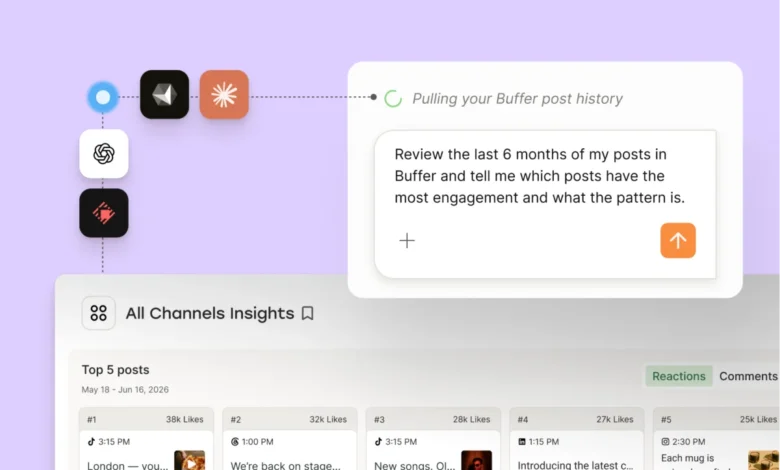
The landscape of digital marketing is undergoing a seismic shift as social media management platforms transition from simple scheduling tools into comprehensive intelligence suites. Buffer, a long-standing player in the social media management space, has officially launched Buffer Insights, a new analytics platform designed to aggregate performance data across eleven major social networks, including Instagram, Facebook, X, LinkedIn, TikTok, Pinterest, Threads, Substack Notes, Bluesky, YouTube, and Mastodon. This development marks a significant move toward centralizing disparate data streams, allowing marketers to evaluate cross-platform performance within a unified ecosystem.
The Evolution of Social Media Analytics
For over a decade, social media managers have contended with the fragmentation of analytics. Each platform historically operated within a "walled garden," requiring teams to manually aggregate metrics to gauge the efficacy of a cross-channel campaign. The introduction of Buffer Insights addresses this operational friction by providing a centralized dashboard that tracks follower growth, audience engagement, and post-level impressions across both legacy platforms and emerging networks like Bluesky and Substack Notes.
The suite offers advanced functionality for comparing performance across diverse date ranges and content formats. Furthermore, it introduces standardized reporting, allowing users to export data into PNG, PDF, CSV, or Markdown formats. This capability is designed to bridge the gap between technical data analysis and executive-level reporting, a common bottleneck for digital marketing teams.
Integrating Artificial Intelligence with Performance Data
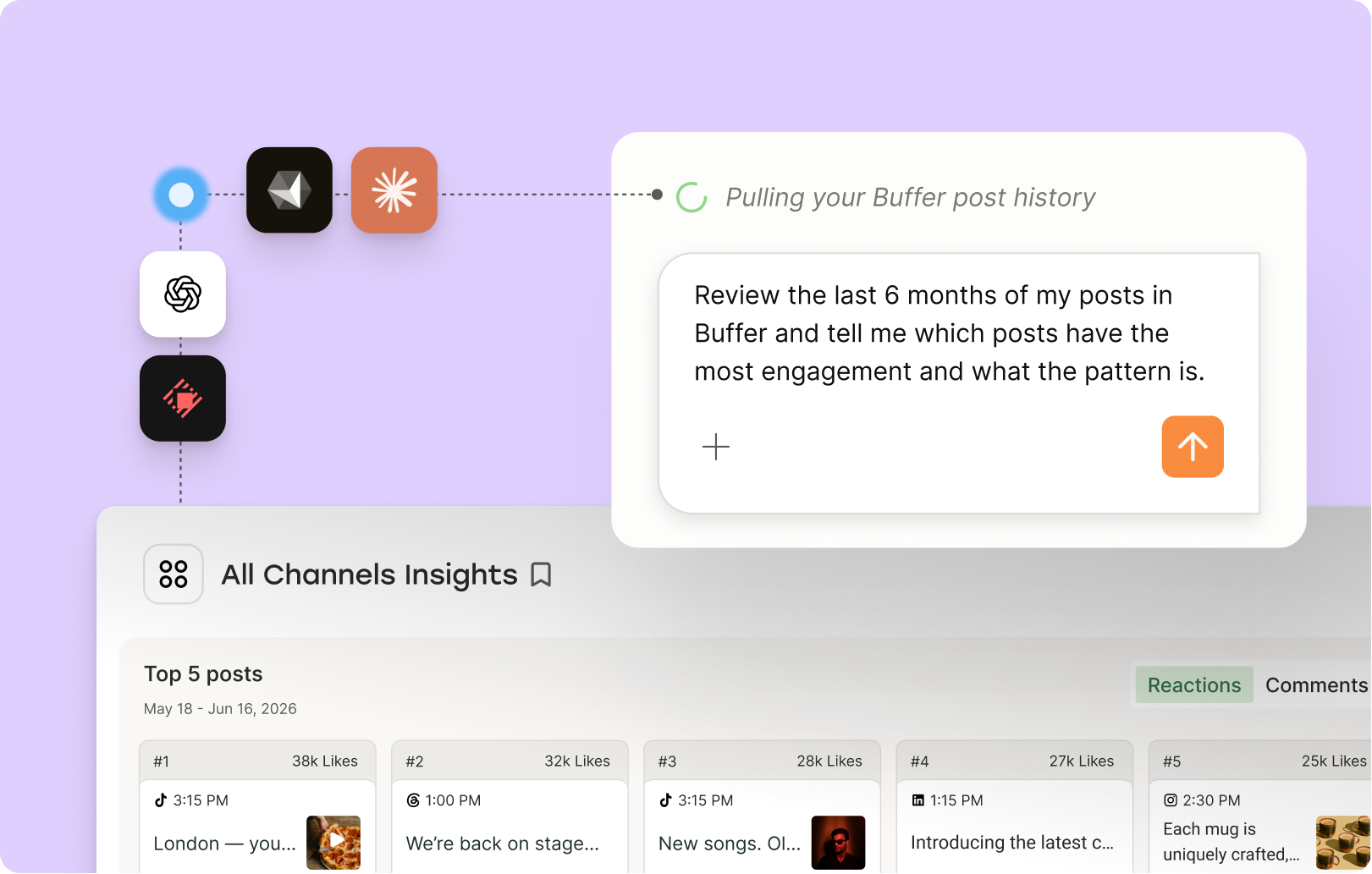
One of the most notable components of this launch is the integration of Model Context Protocol (MCP) connectivity, specifically for users of AI tools like Claude and ChatGPT. By allowing the direct flow of social data into generative AI models, marketers can now move beyond static reporting to predictive content planning.
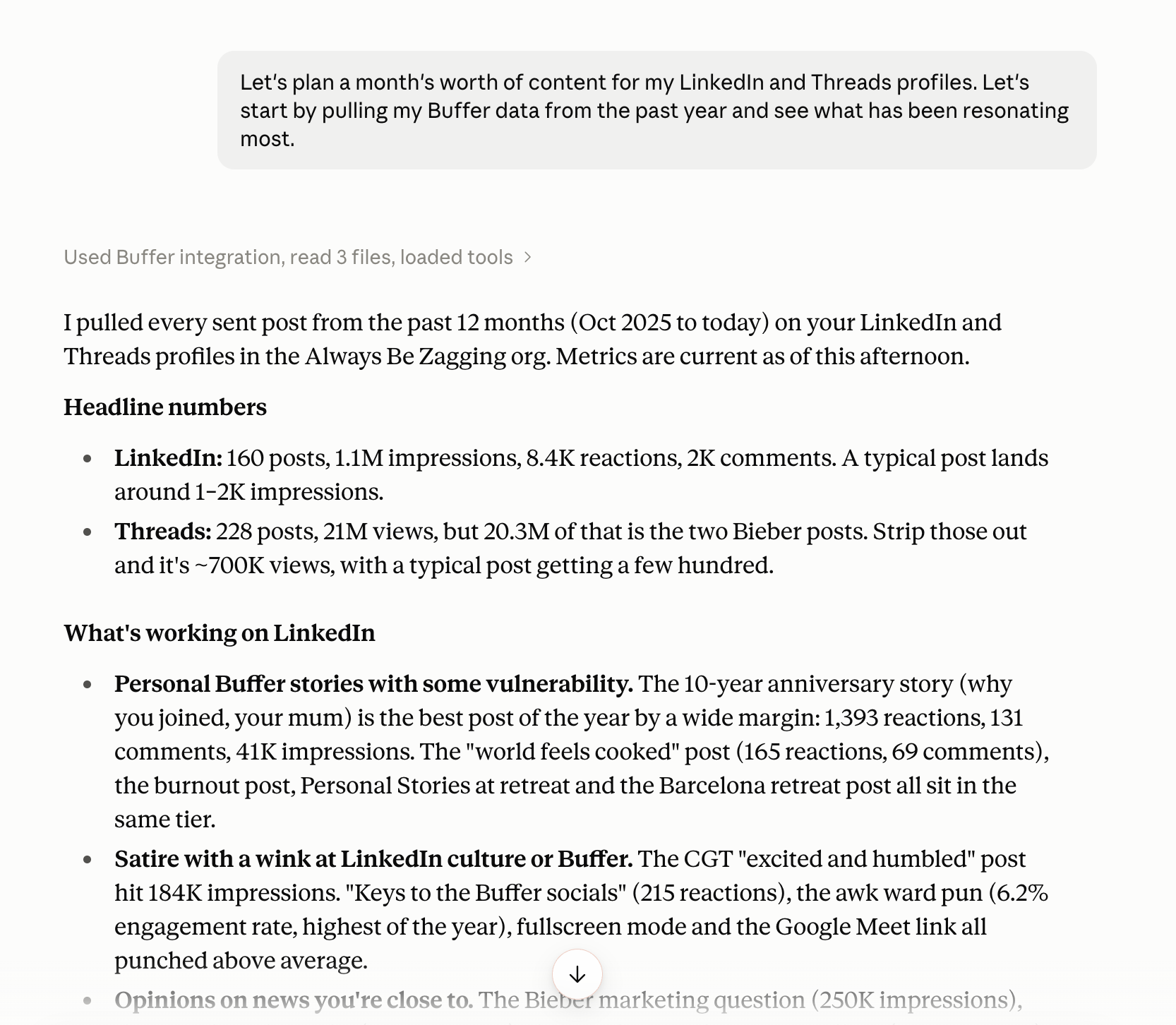
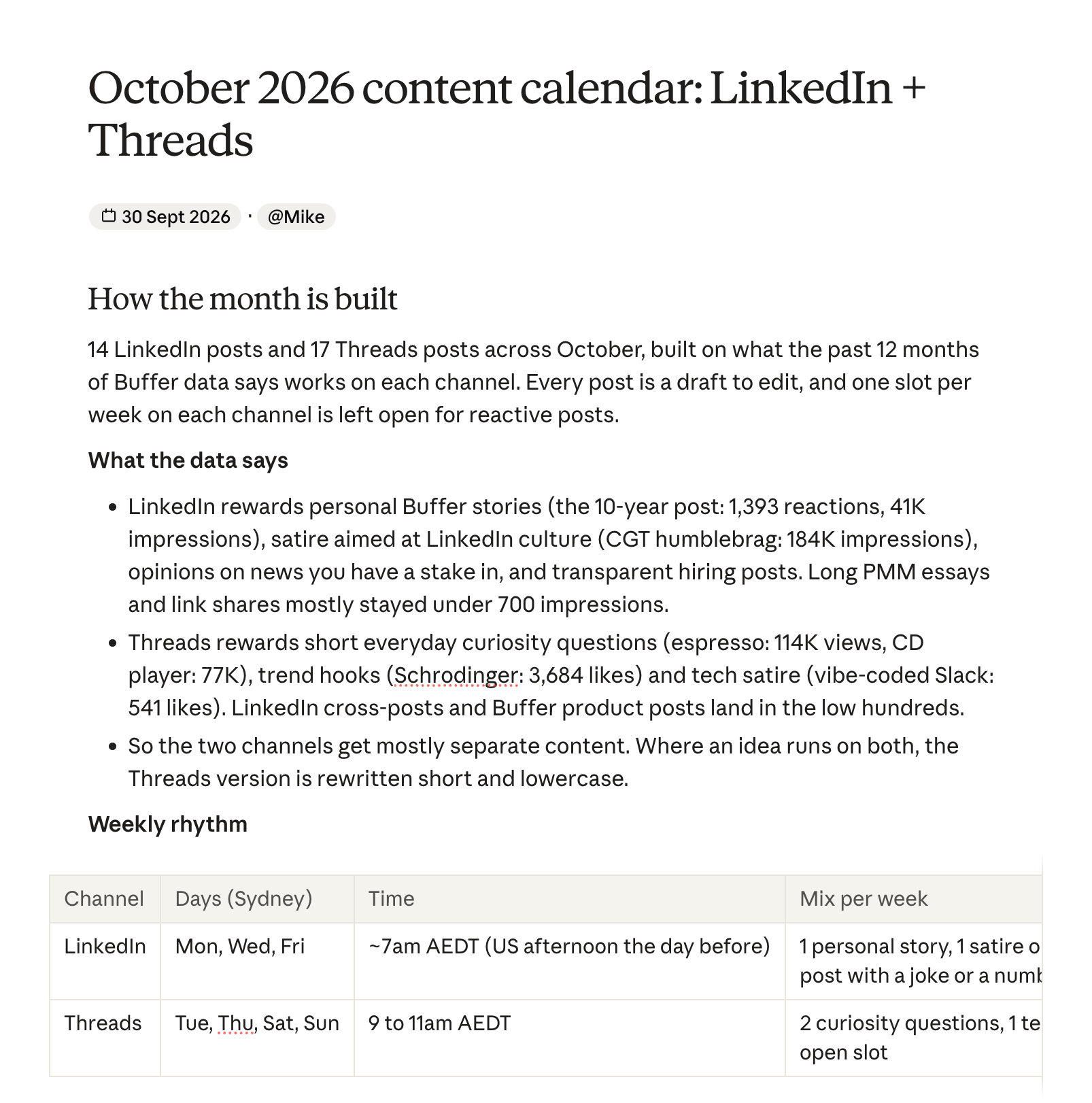
By inputting historical performance data into an AI model, a marketer can prompt the system to identify high-performing topics and formats from the previous fiscal year. For instance, a common workflow now involves instructing an AI to "pull Buffer data from the past year and identify resonance patterns," effectively automating the initial phase of monthly content planning. Industry analysis suggests that this integration can reduce the time spent on manual data synthesis by several hours per week, effectively lowering the cognitive load associated with maintaining a consistent multi-channel presence.
The Role of Real-Time Pulse Monitoring
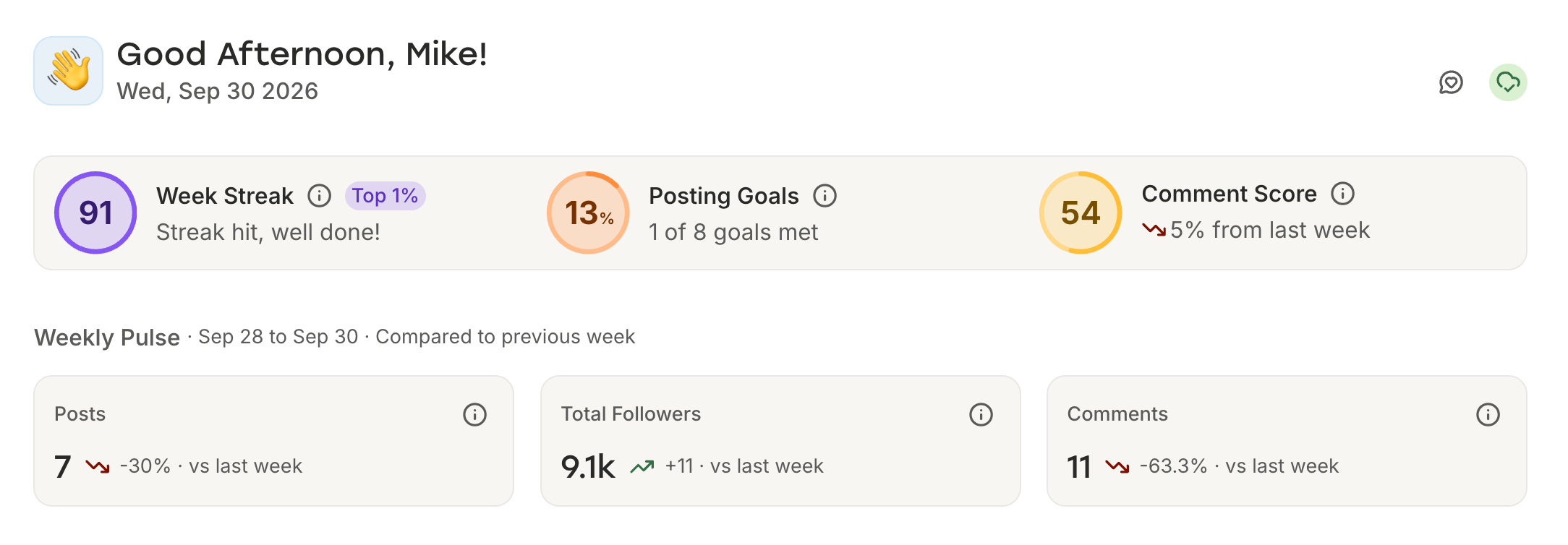
While long-term planning remains a cornerstone of strategy, the volatility of social media necessitates real-time agility. The "Weekly Pulse" feature within the new suite provides a snapshot of current performance, tracking key metrics such as post frequency, follower velocity, and total engagement.
Data analysts have long noted that engagement metrics—particularly those derived from community interaction—are a primary driver of algorithmic visibility. By monitoring the "comment score" in real-time, users can pivot their engagement strategies during the active week rather than waiting for a monthly retrospective. This shift from retrospective reporting to real-time optimization is indicative of a broader trend in MarTech (Marketing Technology) toward high-frequency data feedback loops.
Strategic Tagging and Campaign Attribution
A persistent challenge for brands is the attribution of specific content to broader product launches. Buffer Insights utilizes a tagging system that allows users to categorize posts at the point of scheduling. When applied to major initiatives—such as the recent expansion of Buffer’s support for Substack Notes—this allows for isolated performance reporting.
By filtering data through these specific tags, marketing teams can compare the relative success of different launches. In a recent internal test case, a series of six posts tagged for a product launch generated over 254 engagements and 17,000 impressions. This granular visibility allows for a more rigorous assessment of which metrics actually correlate with business outcomes, moving the industry away from "vanity metrics" and toward goal-oriented performance analysis.
Reporting and Executive Communication
The final pillar of the new analytics suite is its reporting infrastructure. Effective communication of social media ROI remains a critical skill for marketing professionals, particularly when reporting to stakeholders outside of the marketing department. The suite’s ability to generate immediate, visual snapshots allows for rapid communication of campaign wins via internal messaging platforms like Slack.
The diversity of export formats—ranging from high-fidelity PDFs for board meetings to Markdown for technical documentation—reflects a sophisticated understanding of the diverse stakeholders within modern organizations. By streamlining the path from raw data to actionable insight, the platform aims to validate the role of social media in the broader marketing funnel.
Broader Implications for the MarTech Industry
The release of Buffer Insights highlights several emerging trends in the digital marketing industry:
- Consolidation of Data: As the number of social platforms continues to proliferate, the value proposition of "all-in-one" management tools increases. Tools that can synthesize data from both established platforms and new, niche networks hold a distinct competitive advantage.
- AI as a Strategic Partner: The shift from using AI solely for content generation to using it for data-driven strategic planning represents a maturation of the technology. The ability to "talk" to data via LLMs (Large Language Models) is becoming a standard expectation for marketing software.
- Democratization of Analytics: By making advanced reporting available across all tiers, including free plans, the platform is lowering the barrier to entry for small businesses and independent creators who previously lacked the resources for expensive enterprise-grade analytics tools.
Future Outlook
The trajectory of social media analytics is moving toward complete automation of the "Plan-Execute-Analyze" cycle. As AI models become more adept at interpreting historical engagement data, the role of the social media manager will likely evolve from that of a content creator to that of a content strategist, where the primary objective is to manage the AI-driven workflow rather than manually drafting every post.
For organizations, the ability to maintain consistency across such a fractured social media ecosystem is paramount. By providing a unified source of truth, Buffer Insights appears to be positioning itself as the foundational layer for future marketing strategies. Whether these tools will fully replace manual oversight remains to be seen, but the data suggests that the integration of AI-assisted planning and real-time performance tracking is now the gold standard for competitive digital marketing.

As businesses continue to invest in social media as a primary channel for customer acquisition and brand development, the demand for precision, speed, and cross-platform clarity will only grow. The successful integration of these features—specifically the ability to connect data directly to LLMs—is likely to set the benchmark for other players in the sector, forcing a wider industry standard for transparency and analytical depth.
Related posts: