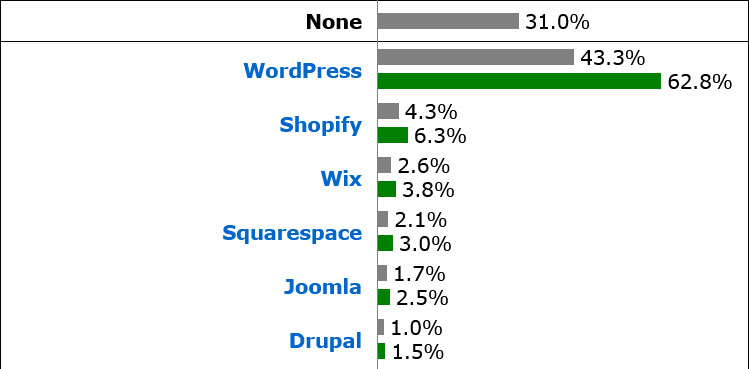
WordPress continues to serve as the foundational architecture for the modern web, currently powering approximately 43.2% of all websites globally. As the platform evolves from its origins as a simple blogging tool into a robust, enterprise-grade content management system (CMS), the economic landscape surrounding it has undergone a significant transformation. For the vast ecosystem of developers, designers, and digital entrepreneurs who derive their income from this open-source software, identifying the next wave of commercial opportunities is essential for sustained growth in an increasingly competitive market.

The trajectory of WordPress is currently defined by a convergence of rapid technological shifts—most notably the integration of generative artificial intelligence—and the maturation of its core software, specifically the Gutenberg block editor. While the platform’s ubiquity remains its greatest asset, it also presents a barrier to entry for generalists. The shift toward specialization is no longer a strategic choice but a requirement for those seeking to maintain profitability.
The Evolution of the WordPress Ecosystem: A Chronology
To understand current business opportunities, one must look at the platform’s recent historical context. WordPress, which debuted in 2003, spent its first decade focused on stability and core functionality. The launch of the REST API in 2015 marked a pivotal shift, enabling developers to use WordPress as a data source for external applications. This set the stage for the "headless" architecture that is now gaining significant traction.
In 2018, the introduction of the Gutenberg block editor represented perhaps the most controversial and significant change in the platform’s history. By moving from a classic WYSIWYG editor to a block-based interface, the WordPress project moved toward "Full Site Editing" (FSE). While initial adoption was met with resistance—evidenced by the five million users who continue to utilize the Classic Editor plugin—Gutenberg has become the standard for the platform’s future. The current roadmap, moving into Phase 3 of development, focuses on real-time and asynchronous collaboration, signaling an intent to compete directly with modern SaaS document platforms.
The Generative AI Integration Shift
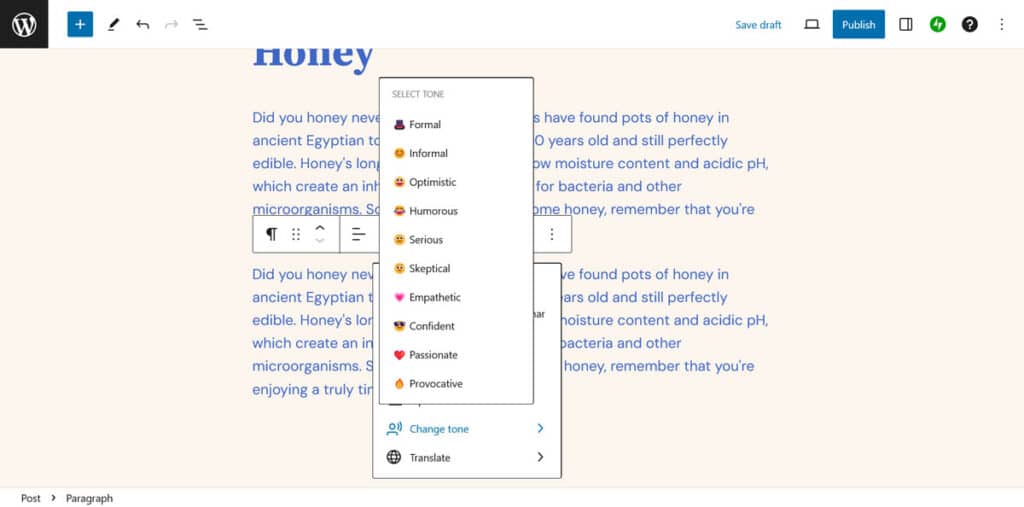
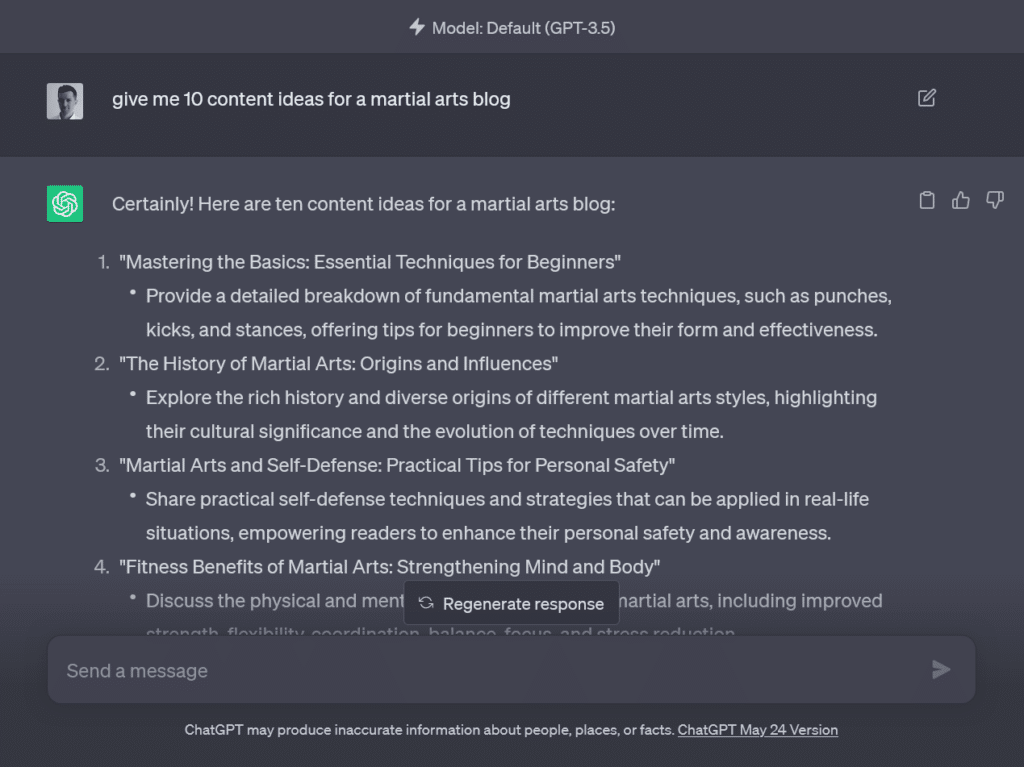
The most profound shift in the last 24 months is the widespread adoption of generative artificial intelligence. For the WordPress professional, this is not merely a tool for content generation; it is a feature set to be integrated into products. Major industry players like Jetpack have already deployed AI-driven assistants directly into the WordPress admin panel, allowing users to generate text, fix grammar, and suggest layouts.
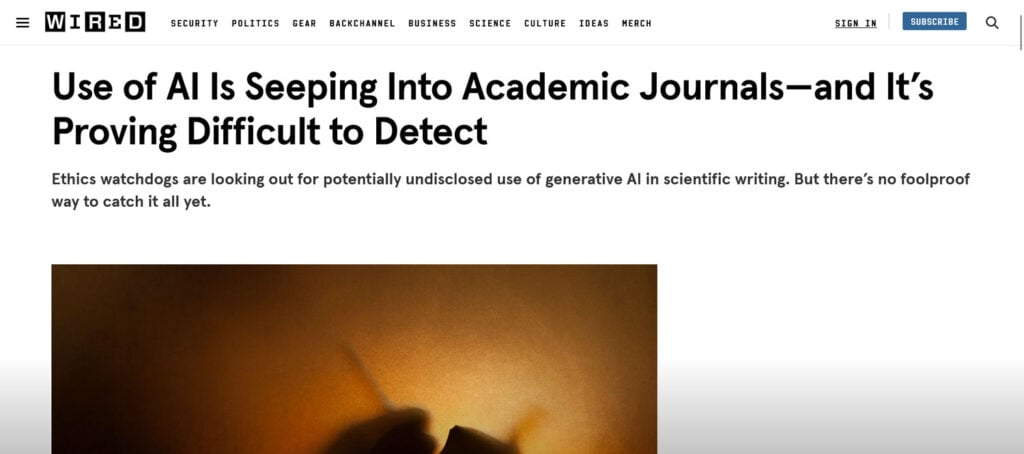
The business opportunity here is twofold. First, developers who integrate AI APIs—such as those from OpenAI or Anthropic—into custom plugins can provide significant value to end-users who are not tech-savvy. Second, the prevalence of low-quality, automated content has created a premium market for "human-verified" creative services. As the internet becomes flooded with generic AI-generated copy, agencies that specialize in high-quality, human-crafted content marketing that utilizes AI only as a foundational productivity tool are seeing an increase in demand from clients concerned about brand authenticity and search engine optimization (SEO) penalties.
The Rise of E-commerce Specialization
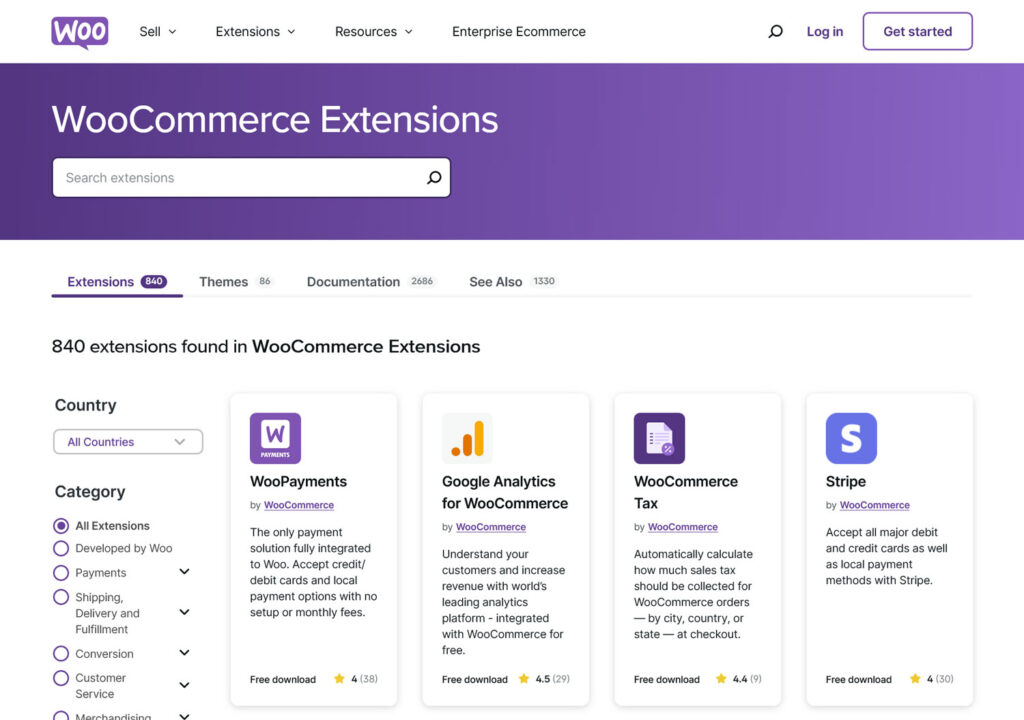
Retail analytics indicate that e-commerce now accounts for over 19% of global retail sales, with projections suggesting this will continue to climb. Within this sector, WooCommerce, the e-commerce plugin for WordPress, maintains a market share lead, currently powering nearly 39% of all online stores.
For service providers, the opportunity lies in moving away from general web design and toward "conversion-rate optimization" (CRO) and custom e-commerce architecture. Building a store is now a commodity; building a store that is integrated with complex ERP systems, inventory management, and specialized payment gateways is a high-value, niche service. Developers who can create custom WooCommerce extensions or provide specialized support for large-scale enterprise stores are finding that they can command significantly higher hourly rates than generalist WordPress site builders.
Headless Architecture and the Decoupled Future
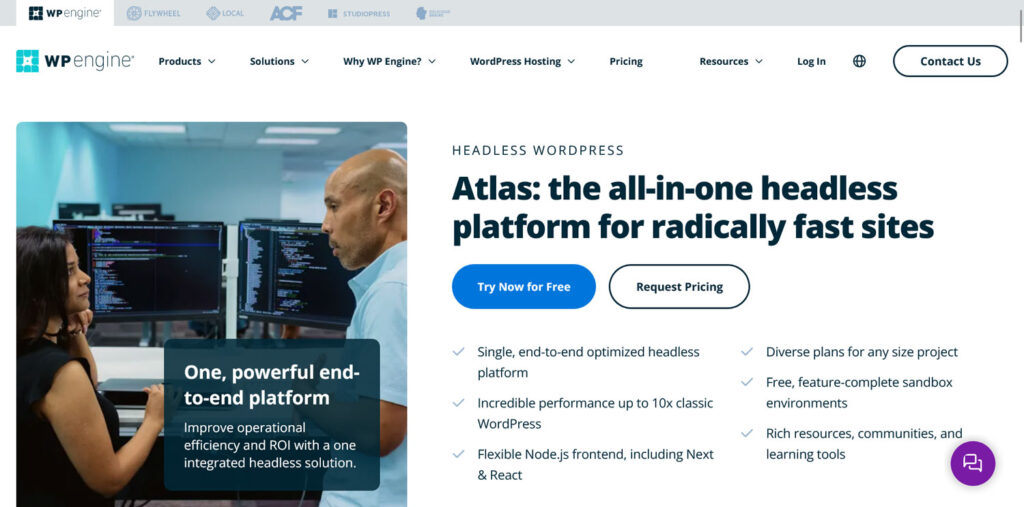
For enterprise clients, the primary concern is often performance and security. This has driven the rise of "Headless WordPress." By decoupling the back end (the WordPress CMS) from the front end (built using frameworks like React, Vue, or Next.js), developers can offer a hybrid solution. This approach allows marketing teams to continue using the intuitive WordPress dashboard they are familiar with, while engineers deliver high-performance, modern front-end experiences.
This trend is backed by major hosting providers who are now offering "headless-first" platforms to accommodate this shift. For freelancers and agencies, mastering a modern JavaScript framework alongside deep knowledge of the WordPress API is currently one of the most lucrative skill sets in the industry.
Membership Models and Recurring Revenue
The shift from one-off project fees to recurring revenue models is a hallmark of a maturing digital business. Subscription and membership models are increasingly popular for WordPress-based businesses. By leveraging plugins like MemberPress or WooCommerce Subscriptions, creators can gate content, provide access to digital assets, or offer premium consulting services.
This model serves as a hedge against the instability of project-based work. A business that secures 50 subscribers at a fixed monthly rate creates a predictable financial floor, which is particularly vital for small firms navigating the cyclical nature of web development demand.
The Gutenberg Mandate
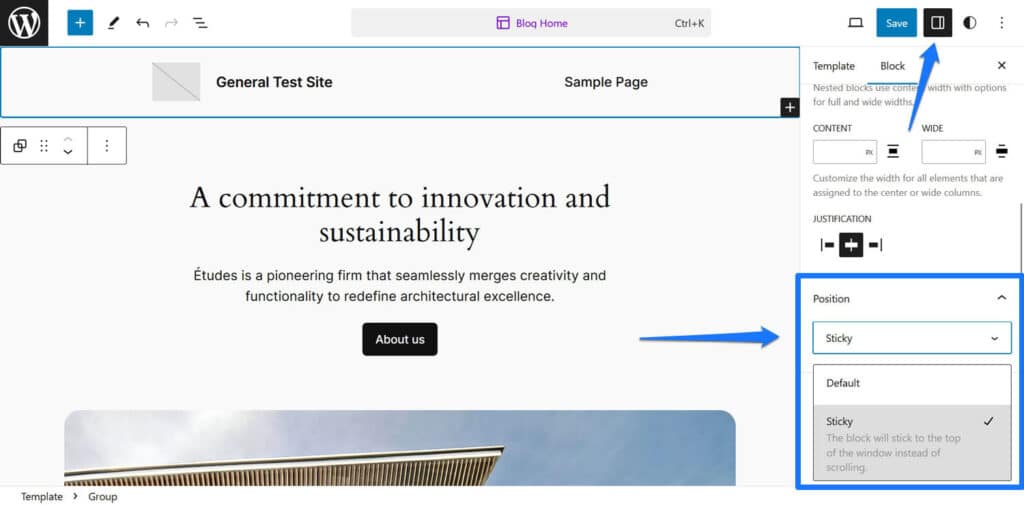
As the Gutenberg editor becomes more deeply integrated into the core software, the market for "Classic" themes is shrinking. The future of WordPress design is undeniably block-based. Entrepreneurs currently building themes or plugins must pivot to Gutenberg-native development. This includes the creation of custom block libraries that solve specific user problems—such as advanced data tables, interactive maps, or complex call-to-action blocks.
The widespread adoption of Full Site Editing (FSE) means that non-technical users are now expecting to be able to edit their site’s global headers, footers, and templates without touching code. Developers who provide pre-built, high-quality, block-based patterns are filling a void for agencies that need to deploy professional websites rapidly.
Strategic Niche Selection
The "WordPress developer" title has become too broad to be effective in a saturated market. Recent data from various job boards suggests that specialists in specific verticals—such as WordPress for healthcare, non-profits, or luxury retail—are consistently prioritized over generalists.
Furthermore, the mobile-first indexing policy implemented by search engines like Google has made responsive design a non-negotiable requirement. Businesses that specialize in "Mobile-First Optimization" as a distinct service are finding that they can charge a premium for performance auditing and design restructuring, as mobile traffic now accounts for approximately 66% of all global web traffic.
Future Implications and Professional Outlook
The WordPress industry is moving toward a more collaborative, API-driven, and AI-integrated future. The upcoming Phase 3 of the Gutenberg project will fundamentally change how teams work within the WordPress backend, potentially opening up a new category of "workflow-as-a-service" plugins.
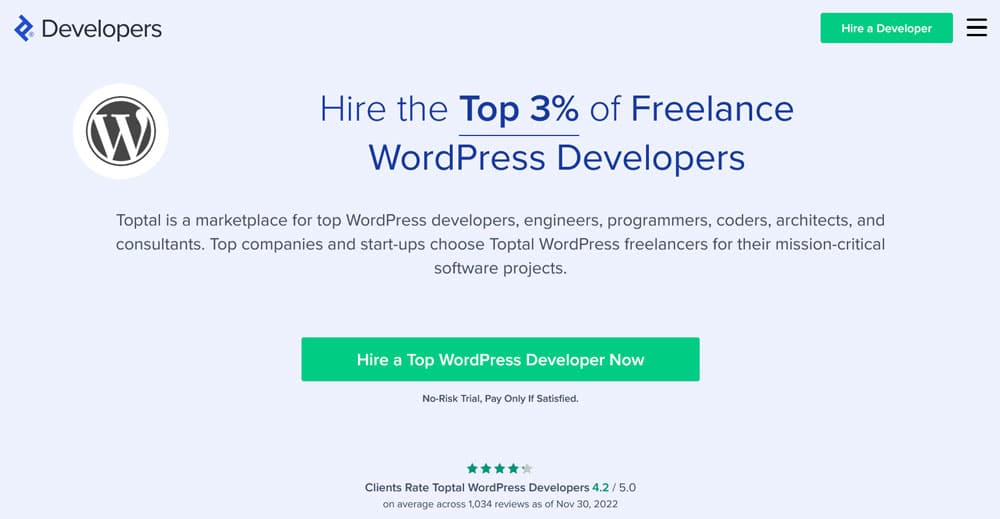
For those currently working in the WordPress sphere, the data suggests a clear path forward: move away from generalist site building and toward specialized, high-value technical services. Whether that involves mastering headless infrastructure, building complex e-commerce integrations, or leveraging AI to improve backend efficiency, the opportunities remain abundant for those who are willing to adapt to the technical advancements of the platform.
As the industry continues to consolidate, the professionals who succeed will be those who treat WordPress not as a static tool, but as a dynamic, evolving application framework. By aligning their business models with these broader technological trends, entrepreneurs can move beyond the "gig economy" cycle and build long-term, scalable, and resilient digital businesses. The competition is undoubtedly high, but the infrastructure for growth remains more robust than at any other point in the history of the CMS.