Why Lettuce Remains the Primary Driver of Foodborne Illness in the United States and the Scope of the Current Cyclospora Outbreak

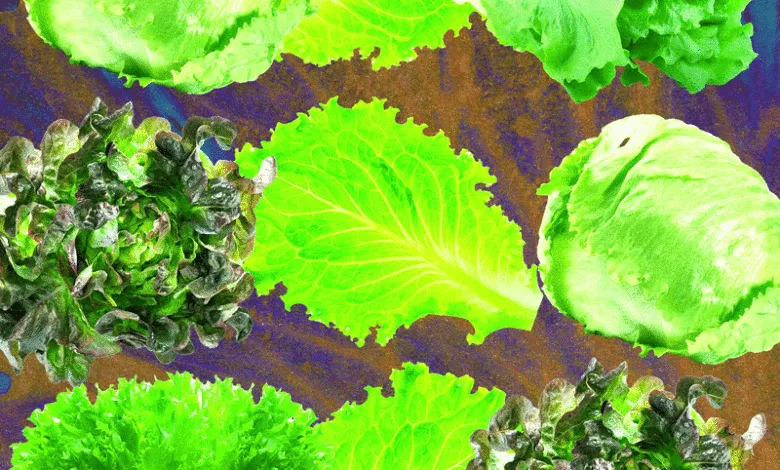
The quintessential symbol of a healthy diet, the salad, has increasingly become a source of significant public health concern across the United States. This paradox is currently being highlighted by an expansive and alarming outbreak of cyclosporiasis, a parasitic infection that has sickened more than 7,100 people in Michigan alone. Health officials have identified the likely culprit as iceberg lettuce supplied by Taylor Farms, one of the largest producers of fresh-cut vegetables in North America. This incident is not an isolated anomaly but rather the latest in a decades-long trend where leafy greens have consistently been implicated in large-scale foodborne illness outbreaks. From E. coli to Salmonella and Norovirus, the very characteristics that make lettuce a staple of the American diet—its freshness, its crunch, and its ubiquity—also make it a highly efficient vector for pathogens.
The Magnitude of the Current Cyclospora Outbreak
The current crisis centered in Michigan represents one of the most significant parasitic outbreaks in recent American history. Cyclosporiasis is caused by the microscopic parasite Cyclospora cayetanensis. Unlike bacterial infections that may show symptoms within hours, Cyclospora often has an incubation period of a week or more, making it difficult for public health officials to trace the initial point of exposure. The 7,100 cases reported in Michigan suggest a massive failure in the supply chain, specifically pointing toward the processing and distribution networks of Taylor Farms.
Taylor Farms, a giant in the agricultural industry, supplies lettuce to a vast array of clients, including major grocery store chains and fast-food franchises. Because their products are distributed so widely, a single contaminated lot can result in thousands of infections across multiple counties and states. The scale of this outbreak has overwhelmed local health departments and reignited debates regarding the safety protocols of large-scale "fresh-cut" produce facilities.
A Chronology of Contamination: Leafy Greens under Scrutiny
To understand the current crisis, one must look at the historical context of leafy green contamination. The Centers for Disease Control and Prevention (CDC) estimates that produce is responsible for nearly half of all reported foodborne illnesses in the U.S., with leafy vegetables consistently topping the list of offenders.
In 2022, a multistate outbreak of E. coli O157:H7 was tied to romaine lettuce served on sandwiches at Wendy’s restaurants, leading to dozens of hospitalizations and cases of hemolytic uremic syndrome (HUS), a type of kidney failure. That same year, an outbreak of norovirus at D.C. Cobb’s in Illinois affected 173 people, again linked to fresh produce.
The year 2021 saw BrightFarms, a prominent indoor farming company, recall packaged salad greens across several states after 31 people contracted Salmonella Typhimurium. This was particularly notable because it demonstrated that even controlled-environment agriculture is not entirely immune to pathogen infiltration. In 2020, Fresh Express salad kits were the source of a Cyclospora outbreak that afflicted over 700 people across 14 states. Perhaps most famously, a 2019 outbreak of E. coli linked to the Salinas Valley region in California infected 167 people, leading to a nationwide warning against consuming any romaine lettuce harvested from that area.
The Structural Vulnerabilities of the Lettuce Supply Chain
The primary reason lettuce is so frequently linked to illness is simply the scale of its consumption. Behind potatoes, lettuce is the second-most-consumed vegetable in the United States. It is a foundational ingredient in wraps, sub sandwiches, tacos, and salads sold at nearly every fast-food and "fast-casual" chain in the country. This high volume of consumption means that even a low rate of contamination can lead to a high number of human infections.
Furthermore, the modern preference for "ready-to-eat" bagged salads and "spring mixes" has introduced a specific logistical risk. These products often contain a blend of different leafy greens—spinach, arugula, radicchio, and various lettuces—that may originate from multiple farms across different geographic regions. When these greens are brought to a central processing facility, they are washed and bagged together. If a single head of lettuce from one farm is contaminated with a pathogen, the mechanical washing and mixing process can cross-contaminate thousands of other bags. This creates a "multiplier effect" where a localized farm issue becomes a national public health emergency.
Agricultural Practices and Environmental Pathogens
The method by which lettuce is grown contributes significantly to its risk profile. A landmark 2025 study conducted by researchers at Cornell University specifically examined E. coli outbreaks in romaine lettuce. The researchers found that a primary source of contamination is the use of untreated surface water for irrigation. In many agricultural regions, water is drawn from canals or reservoirs that may be exposed to runoff from nearby livestock operations or wildlife.
When this water is applied through overhead spray irrigation systems, the pathogens are delivered directly onto the leaves of the plant. Unlike root vegetables or crops that are protected by a husk or rind, leafy greens have a high surface area that is entirely exposed to the environment. While the risk could be mitigated by switching to drip irrigation or treating the water before use, such transitions are expensive and require significant infrastructure overhauls that many producers have been slow to implement.
The Absence of a "Kill Step"
In the world of food safety, a "kill step" refers to a process—such as heating, pasteurization, or freezing—designed to eliminate harmful microbes. Meat is cooked, milk is pasteurized, and canned goods are heat-treated. Lettuce, however, is prized for being raw. The "satisfying crunch" that consumers demand is destroyed by heat.
Because lettuce does not undergo a kill step, any pathogen that survives the initial washing process remains on the leaf until it is ingested. Even the most sophisticated industrial washing systems, which often use chlorinated water, are not 100% effective. Pathogens like Cyclospora are particularly resilient; the parasite possesses thick outer walls that make it highly resistant to standard chemical sanitizers. Experts, including Amira Roess, an epidemiologist at George Mason University, emphasize that while vigorous scrubbing can help, the delicate nature of lettuce leaves makes such thorough cleaning difficult for consumers and processors alike.
Biological and Physical Factors of the Leaf
The physical anatomy of the lettuce leaf itself provides a sanctuary for microbes. "Many lettuce types have a lot of crevices and folds," explains Jeanne Marrazzo, CEO of the Infectious Diseases Society of America. These microscopic nooks and crannies allow bacteria and parasites to "hide" from washing agents. Once a pathogen adheres to the leaf surface or enters the stomata (the small pores plants use for gas exchange), it becomes nearly impossible to dislodge.
In the case of the current Michigan outbreak, the Cyclospora parasite is particularly problematic because it is not killed by the cold temperatures used in the "cold chain" distribution process. In fact, the refrigerated environments used to keep lettuce crisp during transport are exactly the conditions that allow many pathogens to remain viable for long periods.
Official Responses and Regulatory Challenges
The scale of the Michigan outbreak has prompted calls for stricter oversight from the Food and Drug Administration (FDA). Under the Food Safety Modernization Act (FSMA), the FDA has implemented the Produce Safety Rule, which sets standards for water quality and farm hygiene. However, critics argue that enforcement remains a challenge and that the industry’s reliance on self-reporting and third-party audits is insufficient.
In response to the current situation, Taylor Farms has stated that they are cooperating with health officials to identify the exact source of the contamination within their supply network. However, the complexity of agricultural logistics means that identifying the specific field or water source can take weeks, by which time the contaminated product has often already been consumed or reached its expiration date.
Public health officials in Michigan have issued warnings to consumers to check the labels of their salad products and to be vigilant for symptoms such as watery diarrhea, fatigue, and stomach cramps. They also recommend that high-risk individuals—such as the elderly and those with compromised immune systems—consider avoiding raw leafy greens entirely until the outbreak is fully contained.
Broader Implications for the American Food System
The recurring nature of these outbreaks has significant economic and social implications. For the agricultural industry, a single outbreak can result in millions of dollars in losses due to recalls, lawsuits, and a general decline in consumer trust. For the public, it creates a "food safety fatigue" where the health benefits of eating vegetables are weighed against the risk of severe illness.
One potential shift in the industry is the move toward indoor, hydroponic, or vertical farming. By growing lettuce in a controlled environment, producers can eliminate the risks associated with wildlife, livestock runoff, and contaminated surface water. While currently more expensive than traditional field farming, the cost of indoor produce may eventually be justified by its safety profile.
As the US continues to grapple with the Michigan cyclospora outbreak, the situation serves as a stark reminder of the vulnerabilities inherent in the globalized, industrial food supply. Until significant changes are made to irrigation practices, water treatment, and processing protocols, the "most dangerous vegetable" in the American diet is likely to maintain its title, forcing a reevaluation of how we produce and consume our most basic healthy foods.