Breaking the Silence: How Dogs Anonymous is Transforming the Modern Pet Ownership Experience

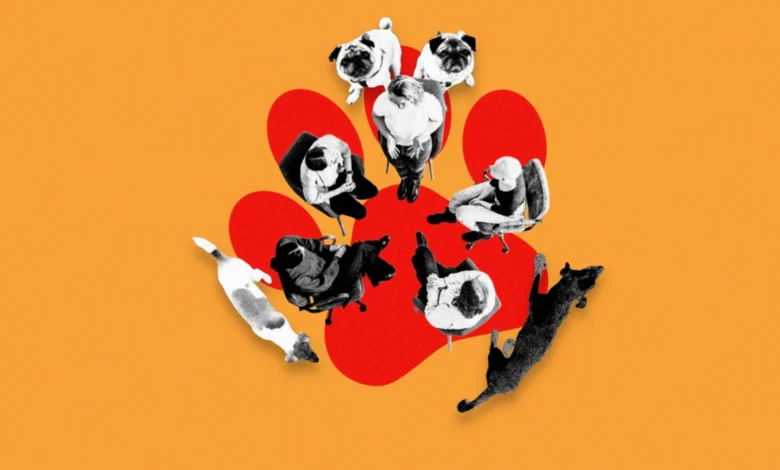
Just past 6 pm on a recent Wednesday evening, a small group of individuals logged into a virtual meeting space, their cameras flickering to life to reveal faces etched with a common, weary apprehension. They were not there to celebrate the companionship of their canine pets; they were there to confess a mounting, private resentment. In a culture that often demands unwavering devotion to the "fur baby" paradigm, these owners had arrived to discuss a reality that is rarely spoken aloud: they were struggling, and in many cases, they were at their wit’s end.
The organization facilitating this space is Dogs Anonymous, a nonprofit founded in 2025 with the explicit goal of dismantling the shame surrounding the difficulties of pet guardianship. Before the floor was opened for sharing, cofounder Louise Crane guided the participants through the organization’s foundational acknowledgments. The first, recited in unison or individual reflection, sets the tone for the entire encounter: "I admit that life with my dog is not what I imagined."
The Anatomy of a Modern Crisis
The narratives shared during these sessions are often raw and deeply personal. One participant, navigating the aftermath of a household transition that included the loss of a long-term pet and the introduction of a foster dog, described her resident boxer as "unsettled" and "grumpy." She detailed a pattern of "demand barking" that had emerged abruptly, a behavioral shift that left her feeling powerless and alienated from an animal she had previously understood perfectly.
Other attendees mirrored this distress. One individual reported on the escalating "resource guarding" of a shepherd mix, noting that the animal had become increasingly territorial during meal times, leading to volatile encounters with other pets in the home. Another participant, residing in the high-density environment of an urban apartment complex, sought counsel on managing a dachshund’s persistent, anxiety-driven vocalizations—a behavior that, in a shared living space, carries the added weight of potential eviction or neighborly conflict.
These stories underscore a growing trend in pet behavioral issues that experts suggest have been exacerbated by changing societal dynamics. The shame felt by these owners is not merely an internal struggle; it is a product of a societal script that dictates that loving a pet should be a seamless, joyful experience. When reality deviates from this expectation—when a dog bites, destroys property, or exhibits persistent anxiety—the owner often internalizes the failure, fearing social judgment or accusations of being "bad" pet parents.
Historical Context and the Recovery Model
The structural design of Dogs Anonymous is deeply rooted in the principles of 12-step recovery programs. Jerri Scherff, one of the organization’s cofounders, brought to the project over a decade of experience in recovery communities. Recognizing that the isolation of pet-related struggle mimics the isolation of addiction, the founders sought to create a framework that was both repeatable and sustainable.
By adopting the traditions of anonymity and shared experience, the group provides a psychological safety net. The core concept, borrowed from the recovery movement, is the exchange of "experience, strength, and hope." This methodology allows members to move beyond the blame game and toward a more objective analysis of their environment and the animal’s needs.
Since its inception, the organization has expanded its reach far beyond its local roots. While the majority of participants reside in the United States, digital accessibility has drawn attendees from as far away as Singapore and Costa Rica. The demographic is diverse, spanning first-time owners, experienced rescuers, foster caregivers, and even professional dog trainers who utilize the space to workshop particularly difficult behavioral cases.
The Science of Caregiver Burden
The emotional toll described by these participants is supported by a growing body of academic literature. A pivotal study published in the June issue of the scientific journal Pets provides a stark quantitative look at this phenomenon. Researchers examining the intersection of guilt, burden, and well-being among owners of dogs with behavioral challenges found that 53 percent of respondents felt profoundly isolated in their struggle.
Even more concerning is the statistic that 78 percent of these owners reported "elevated caregiver burden." This term, borrowed from human healthcare, quantifies the emotional, financial, and physical strain of providing care for an entity with complex needs. When a dog displays aggression or chronic anxiety, the owner’s quality of life diminishes significantly. This burden often leads to "compassion fatigue," where the owner’s ability to empathize with the animal is eroded by the constant, high-stress demand of behavioral management.
The implications for the animal welfare system are significant. When owners reach the breaking point, the result is often the surrender of the animal to an already overburdened shelter system. By providing a space for intervention and emotional validation, Dogs Anonymous functions not only as a support group but as a preventive measure against pet abandonment.
Analyzing the Impact of Behavioral Support
Experts in animal behavior note that the "dog-human" bond is increasingly anthropomorphized, which can lead to unrealistic expectations. When an owner expects a dog to behave like a human companion with complex moral reasoning, the dog’s natural animal behaviors—such as barking, resource guarding, or fear-based reactivity—are misinterpreted as personal slights or signs of a "bad" dog.
The approach taken by Dogs Anonymous—facilitated by animal behavior experts—aims to reframe these behaviors. By educating owners on the evolutionary and environmental triggers behind their dog’s actions, the group helps to depersonalize the conflict. This shift in perspective is often the first step toward resolution.
However, the efficacy of the group is not solely tied to the technical advice provided. Daphne Mendoza-Tervanis, a cofounder, emphasizes that the primary value is the reduction of stigma. "We wanted to give people… a place where they don’t feel judged to ask questions and admit that maybe it’s a little bit too much for them," she explains. This judgment-free environment allows owners to seek help earlier in the crisis cycle, before the dog’s behavior becomes entrenched or the owner’s mental health is compromised.
The Road Ahead: Challenges and Implications
The success of Dogs Anonymous highlights a systemic gap in pet ownership resources. While there are countless trainers and veterinary behaviorists, there is a distinct lack of support for the human side of the equation—the psychological fallout experienced by the owner.
As urban living densities increase and the human-pet relationship becomes a central pillar of modern emotional support, the need for these services will likely grow. The challenge for organizations like Dogs Anonymous will be scaling their impact without diluting the core principle of anonymity and the intimate, community-driven nature of their meetings.
Furthermore, the broader veterinary and animal rescue community is beginning to take note. The rising prevalence of behavioral euthanasia—a controversial but frequently discussed topic in veterinary medicine—has sparked a broader conversation about how society supports owners who are struggling with difficult animals. If the model of peer-to-peer support can reduce the emotional and financial strain on caregivers, it could fundamentally change the trajectory of pet retention and animal welfare.
For the attendees logging into those Wednesday night Zoom calls, the meeting is often the only time during the week they can drop their guard. In a world that demands a curated, perfect vision of pet ownership, Dogs Anonymous offers a radical, necessary alternative: the truth. By acknowledging that the experience is difficult, they create the space to make it manageable, proving that the most effective way to help a dog is often to first support the human holding the leash.