How Answer Engine Optimization Is Reshaping Content Strategy for Small Businesses

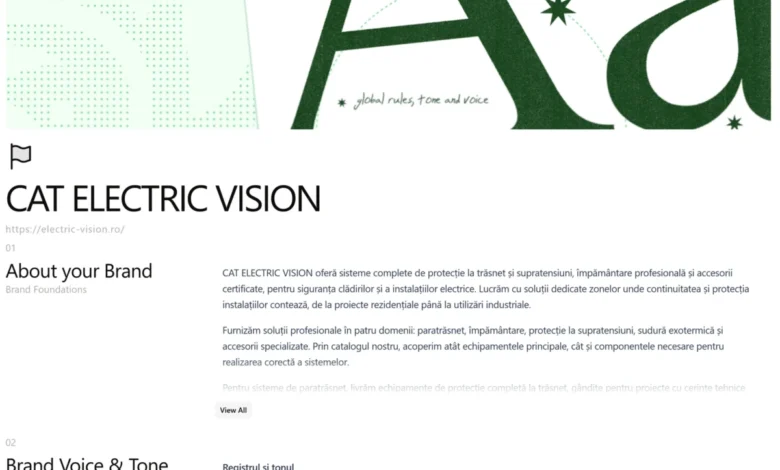
The emergence of generative AI search—often characterized by platforms like ChatGPT, Perplexity, and Google AI Overviews—has fundamentally shifted the digital landscape for small and medium-sized enterprises (SMEs). For a niche firm like CAT Electric Vision, which specializes in earthing and lightning surge protection equipment within the Romanian market, the challenge of maintaining brand visibility has evolved from traditional search engine optimization (SEO) to the more complex, emerging field of Answer Engine Optimization (AEO). AEO focuses on ensuring that a brand is not merely indexed by search engines but explicitly cited or mentioned in the conversational responses generated by AI models.

The realization that brand visibility could be automated began when an observant marketer noted that CAT Electric Vision, despite having no dedicated AEO strategy, appeared in AI-generated answers while competitors remained absent. This discovery served as the catalyst for a systematic, automated workflow designed to bridge the gap between technical expertise and AI-driven discovery.
The Evolution of Search: From Links to Mentions
For years, digital marketing success was measured by blue links on a results page. Today, AI search engines prioritize synthesization. When a user asks, "Which lightning protection system is best for a residential building in Romania?" the engine does not merely provide a list of websites; it provides a direct, summarized answer.
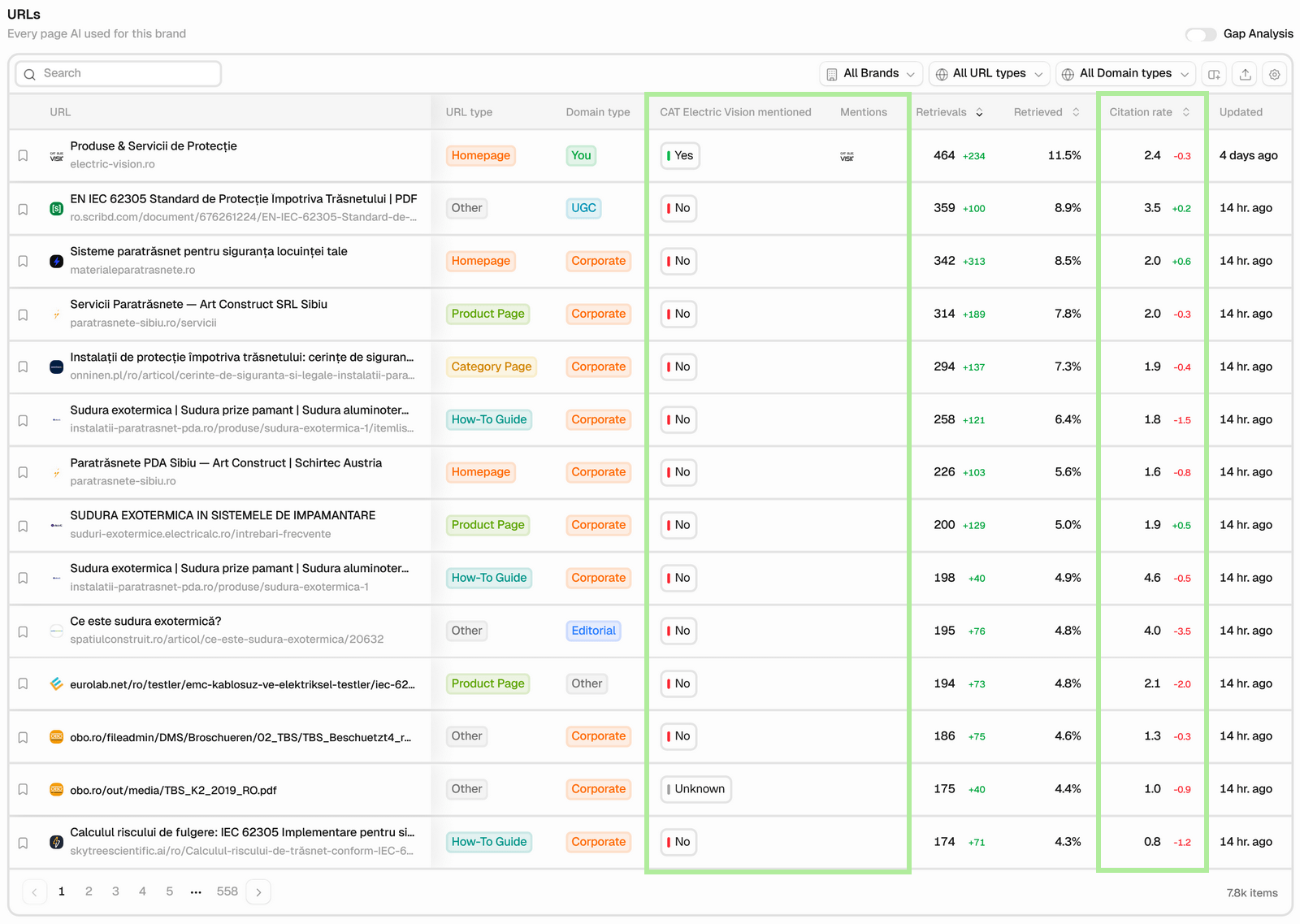
Research into the source material for these AI engines indicates that LinkedIn has become a primary repository for professional information. According to data from Semrush, LinkedIn serves as the second-most-cited source across major platforms including ChatGPT Search and Perplexity, appearing in approximately 11% of all AI-generated responses. More granular research from Profound highlights that for professional queries—such as those involving engineering or specialized industrial equipment—LinkedIn is the most frequently cited domain across six major AI platforms, including Gemini and Microsoft Copilot.
This reliance on professional networks creates a unique opportunity for SMEs. Unlike massive blog articles that may suffer from keyword stuffing or outdated information, LinkedIn posts allow for concise, highly technical updates that AI models find easier to parse and trust.
Chronology of the Automated Pipeline
The development of the current content loop was a multi-stage process that began with an evaluation of the firm’s existing digital footprint.
- Initial Discovery Phase (Month 1): The marketer conducted a manual audit using prompts across ChatGPT, Perplexity, and Google AI Overviews. It was observed that while CAT Electric Vision appeared in some responses, the visibility was inconsistent and largely accidental.
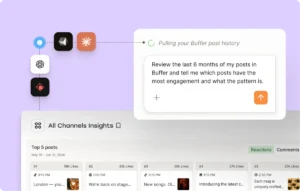
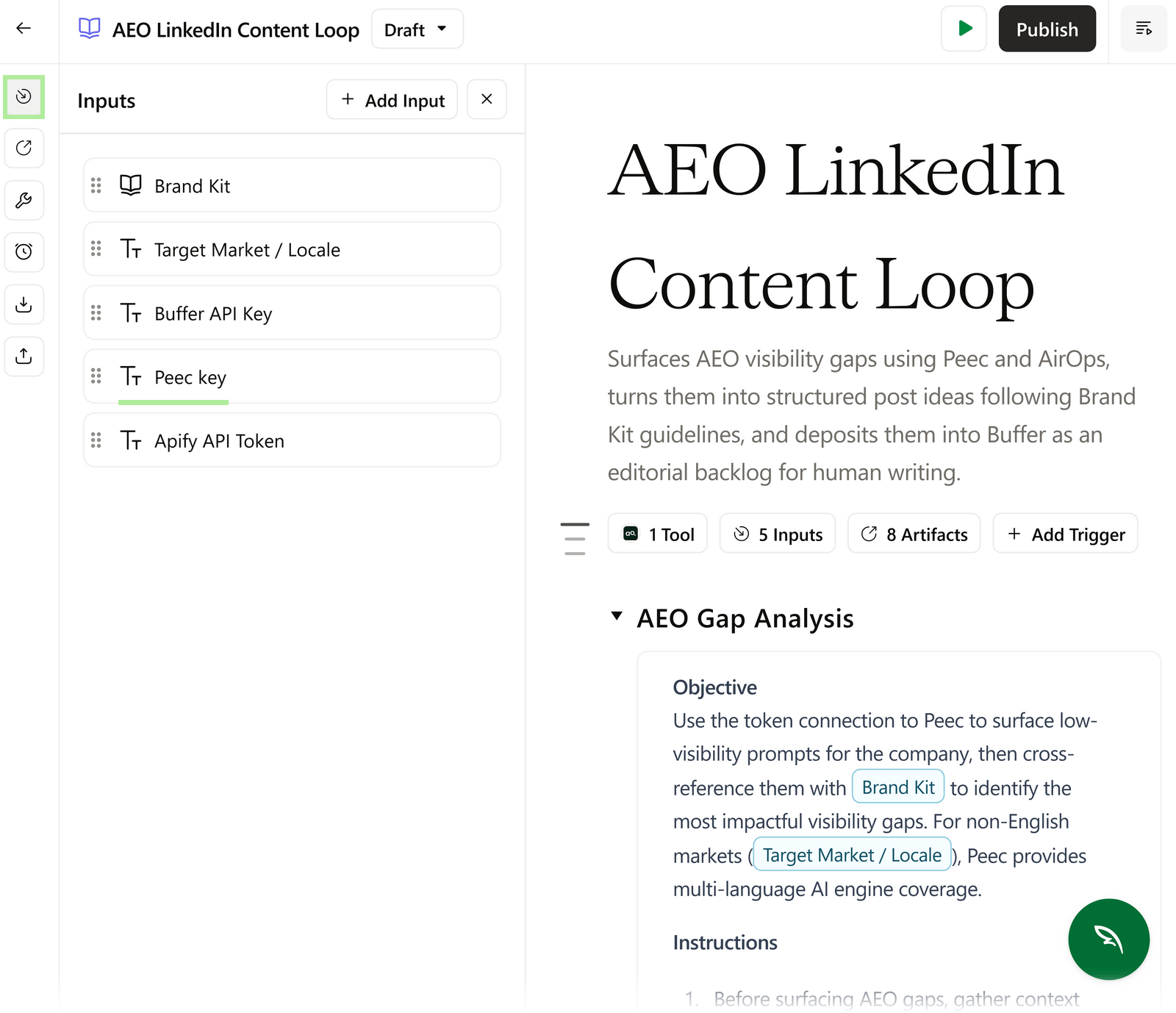
- Tool Integration (Month 2): The team implemented a four-tool stack: AirOps for orchestration, Peec AI for market-specific visibility data, Buffer for editorial management, and the company’s internal knowledge base.
- Automation Setup (Month 3): Using AirOps’ "Quill" agent, the team created a workflow that could ingest technical data, map it against market questions, and automatically generate editorial briefs.
- Operational Phase (Month 4 to Present): The loop began running on a weekly basis, identifying visibility gaps and generating content to fill those specific informational voids.
Data-Driven Content Strategy
The effectiveness of this approach relies on the distinction between a "citation" and a "mention." A citation refers to the inclusion of a link, whereas a mention signifies that the AI engine explicitly identifies the brand as an authority on a topic. For a firm operating in a specialized sector, being named in an AI answer is significantly more valuable than receiving a backlink.
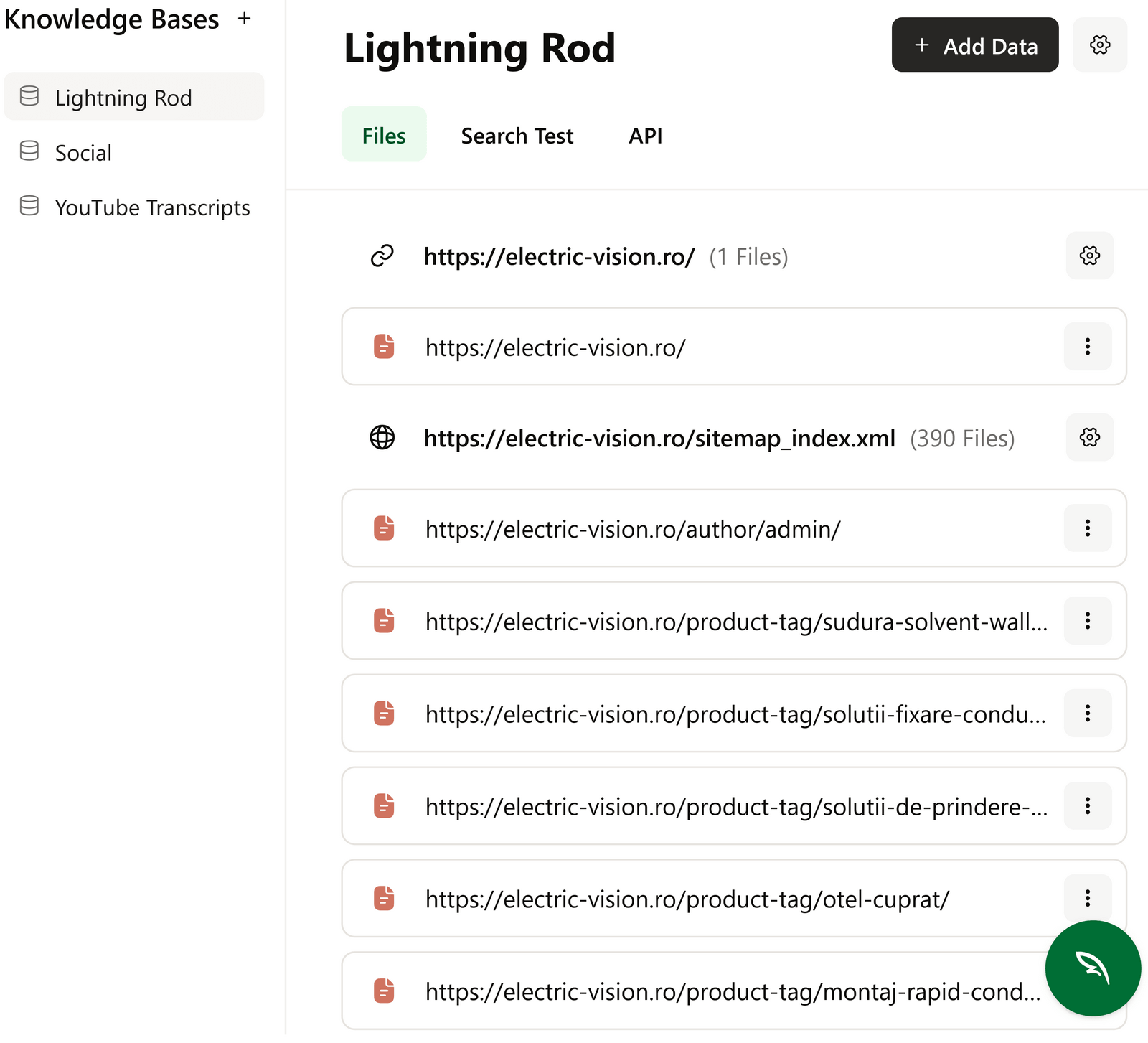
The automated workflow employs a rigorous filtering process. Each week, the system pulls data from Peec AI to determine where the brand is invisible—defined as a 0% mention rate over a seven-day period. Once a "gap" is identified, the system queries the firm’s internal knowledge base, which includes over 390 product pages, archived social media posts, and transcripts from technical YouTube videos.
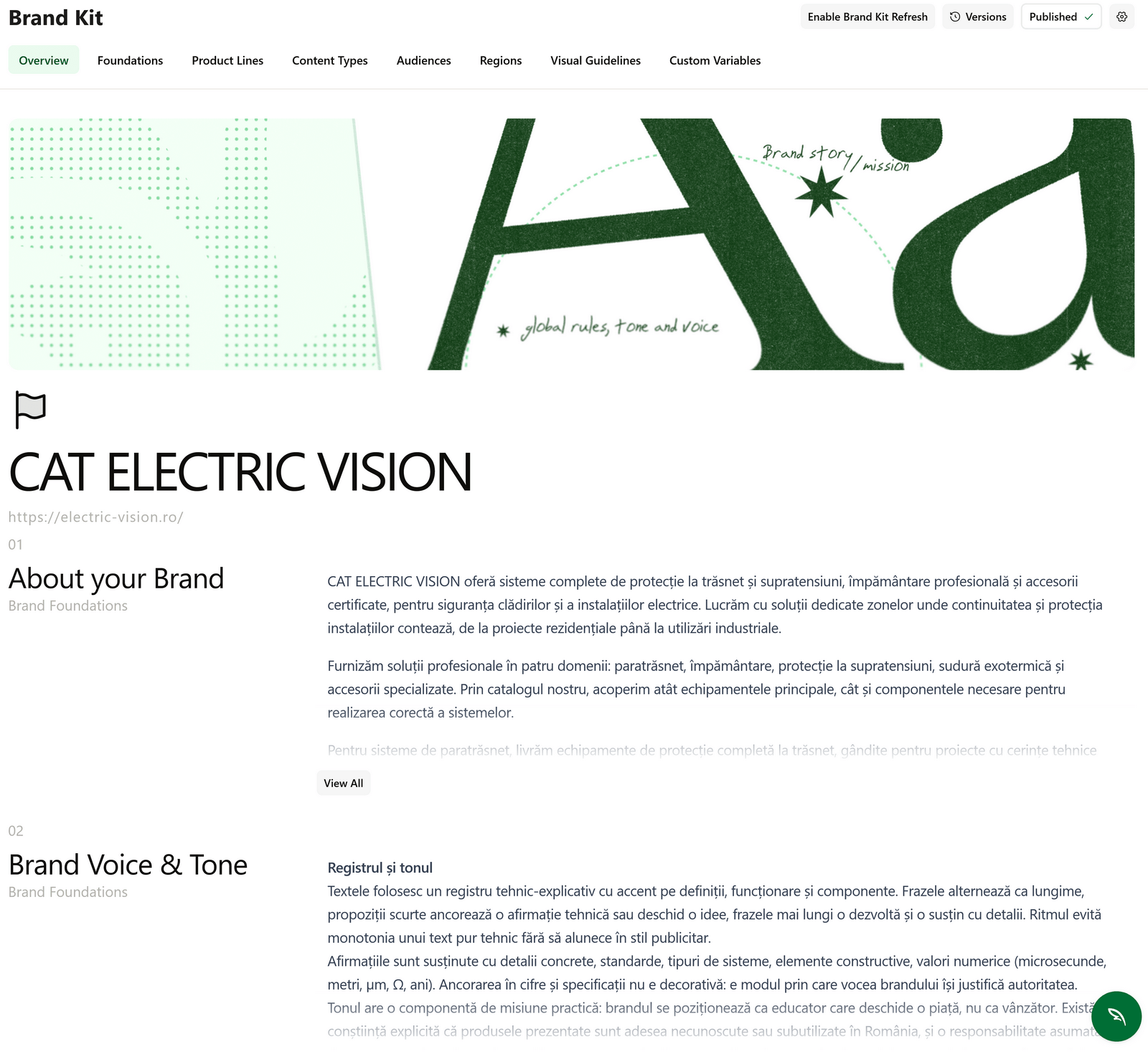
If the firm lacks the evidentiary material to answer a query authoritatively, the topic is discarded. If they have the data, the AI constructs a brief that includes the target audience, technical specifications, and tone-of-voice guidelines. These briefs are then pushed directly into Buffer’s "Create" interface, where they await review and final approval from a human editor.
Industry Implications and Market Analysis
This methodology reflects a broader trend in digital marketing: the shift toward "Content Orchestration." By reducing the manual labor involved in keyword research and editorial planning, SMEs can compete with larger organizations that have expansive content teams.
Industry analysts suggest that the rise of AEO will necessitate a change in how businesses document their expertise. For engineering and technical firms, the value of "hidden" data—such as internal technical manuals or long-form video transcripts—is reaching an all-time high. By feeding this raw data into AI-orchestrated pipelines, businesses can ensure that their technical knowledge is effectively translated into the natural language responses provided by AI search engines.
However, the strategy is not without its risks. Over-optimization or the generation of low-quality, AI-authored content could potentially lead to "hallucinations" or inaccuracies in the AI’s responses, which could damage brand reputation. The inclusion of a "human-in-the-loop" review process, as seen in the CAT Electric Vision model, is considered a best practice to maintain the accuracy of the technical claims.
Future Outlook for SME Visibility
The results from this initial experiment have been promising, particularly regarding organizational buy-in. The process of tracking AI visibility has forced stakeholders at the firm to reconsider their digital priorities, moving from a reactive, burst-based marketing approach to a proactive, continuous loop.
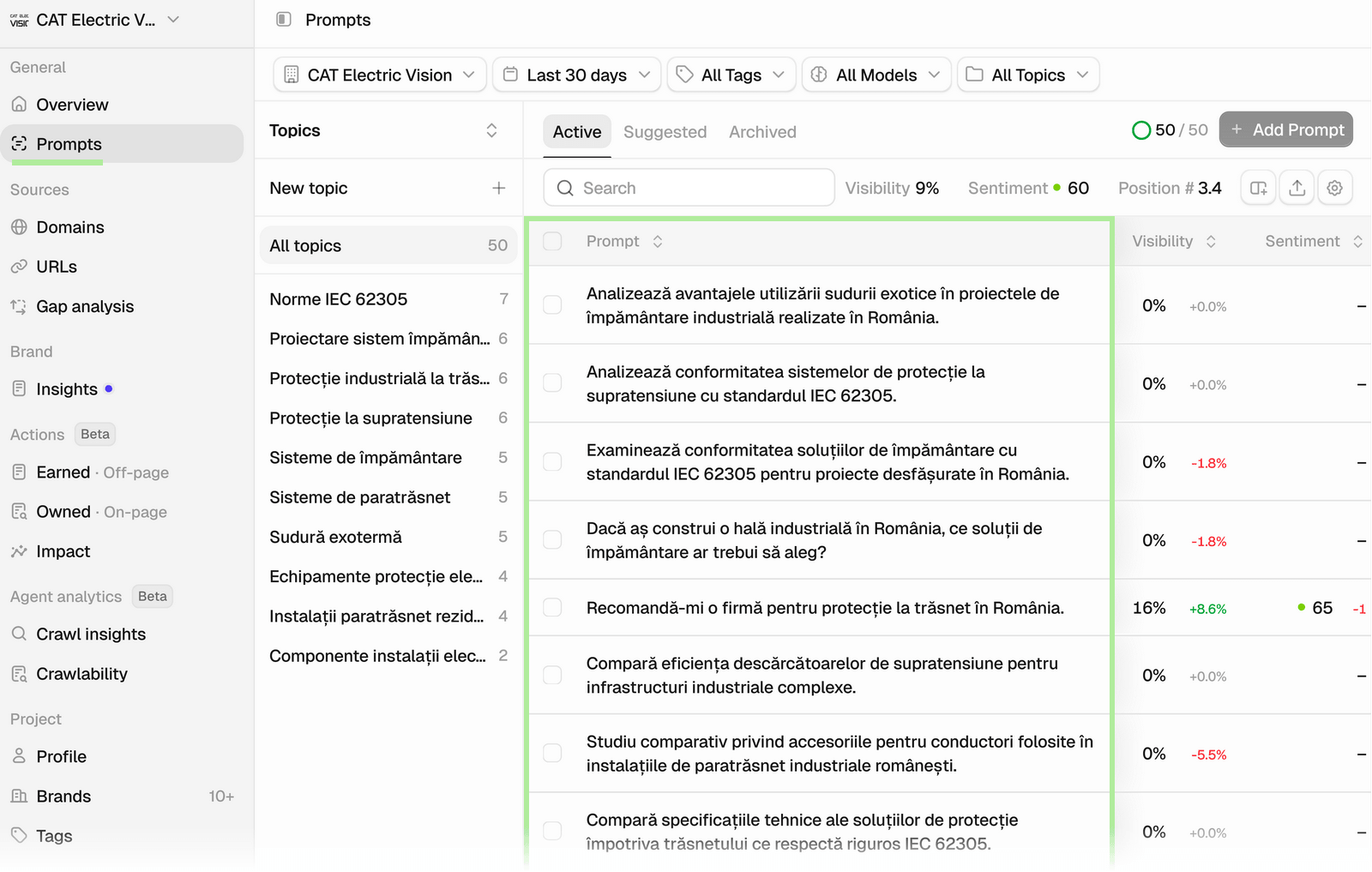
While it is too early to attribute large-scale revenue growth to this specific pipeline, the shift in visibility metrics is notable. Several previously "invisible" prompts have begun to register brand mentions as the new content has been indexed.
For other businesses looking to replicate this, the core components remain accessible:
- Identify the Source: Recognize which platforms (LinkedIn, specialized industry forums, or official websites) your target audience’s AI engines are scraping.
- Consolidate Knowledge: Centralize your technical documentation, product sheets, and customer support transcripts into a format that AI can index.
- Close the Loop: Ensure that every piece of content published is tracked for its impact on AI search visibility.
As AI search becomes the default mode of information retrieval, the firms that win will not necessarily be those with the largest advertising budgets, but those that have best positioned their institutional knowledge to be easily surfaced and trusted by the algorithms of the future. The success of the CAT Electric Vision model demonstrates that even small firms can dominate these emerging search channels by leveraging automation to turn their specialized expertise into the authoritative answers that AI engines are programmed to seek out.
Related posts: