The Ultimate Guide to Link in Bio Tools: Maximizing Social Media Traffic and Conversions in 2026

Social media marketers and digital creators have long grappled with platform constraints that limit direct traffic acquisition, most notably the traditional single-link restriction found in profiles across Instagram, TikTok, and X (formerly Twitter). Between strict character count limitations and barriers to embedding direct hyperlinks within standard post captions, driving outbound traffic has historically required creative workarounds. However, the maturation of dynamic landing page technology has transformed how brands bridge the gap between social engagement and website conversions.
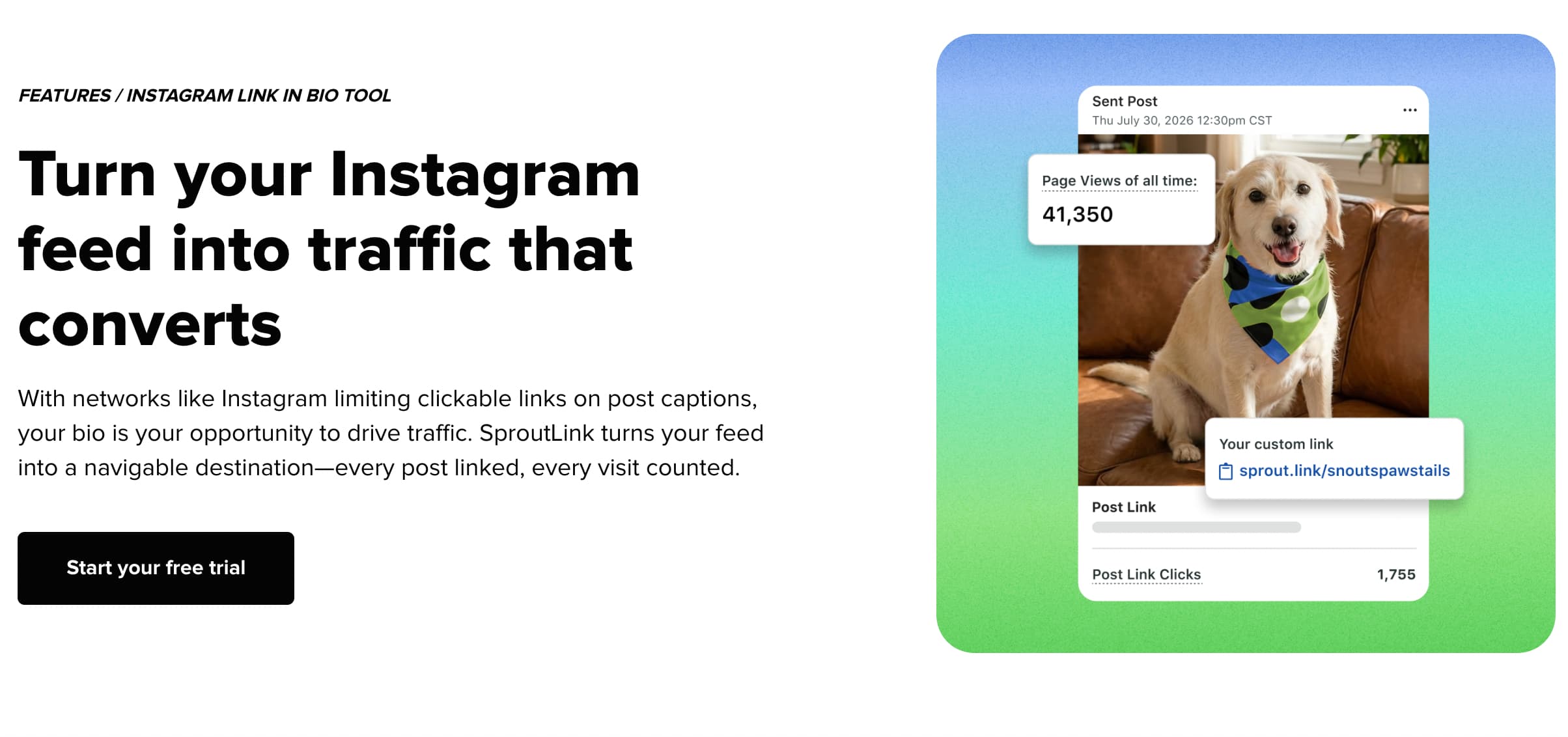
Link-in-bio tools have evolved from rudimentary list-of-links directories into sophisticated, data-driven digital storefronts and mini-websites. By utilizing a single, permanent URL housed within a social media bio, brands can direct audiences to a centralized, customizable landing page hosting an unlimited array of destinations. As platforms increasingly prioritize native in-app consumption, these tools serve as vital conduits for funneling passive scrollers into active web visitors, prospective leads, and paying customers.
The Evolution of Social Media Traffic Generation
The historical limitation of platform-specific linking created a fragmented user experience in the early days of social commerce. Users reading about a new product release or a comprehensive editorial piece were forced to navigate away from the content, search independently for the brand, or abandon the conversion journey entirely.
Recognizing this friction point, software developers introduced the concept of the link-in-bio aggregator around the mid-2010s. Initially, these solutions offered little more than a vertical stack of static buttons. Over the subsequent decade, however, the sector underwent a rapid technological transformation. Driven by the explosive growth of the creator economy and the mainstream adoption of social commerce, modern link-in-bio tools now incorporate real-time analytics, pixel integration for ad retargeting, automated post-syncing, and native e-commerce checkouts.
This evolution reflects a broader shift in digital marketing philosophy: social media is no longer viewed merely as a brand awareness channel, but as a foundational top-of-funnel conversion engine. Industry analysts note that brands utilizing dynamic, integrated landing pages experience significantly lower bounce rates and higher attribution accuracy compared to those relying on static destination URLs.
Evaluating the Leading Link in Bio Platforms
With dozens of solutions populating the market, selecting the appropriate software depends heavily on organizational structure, technical requirements, and primary monetization models. An analysis of the leading platforms highlights distinct use cases across the digital landscape.
- Sprout Social (SproutLink)
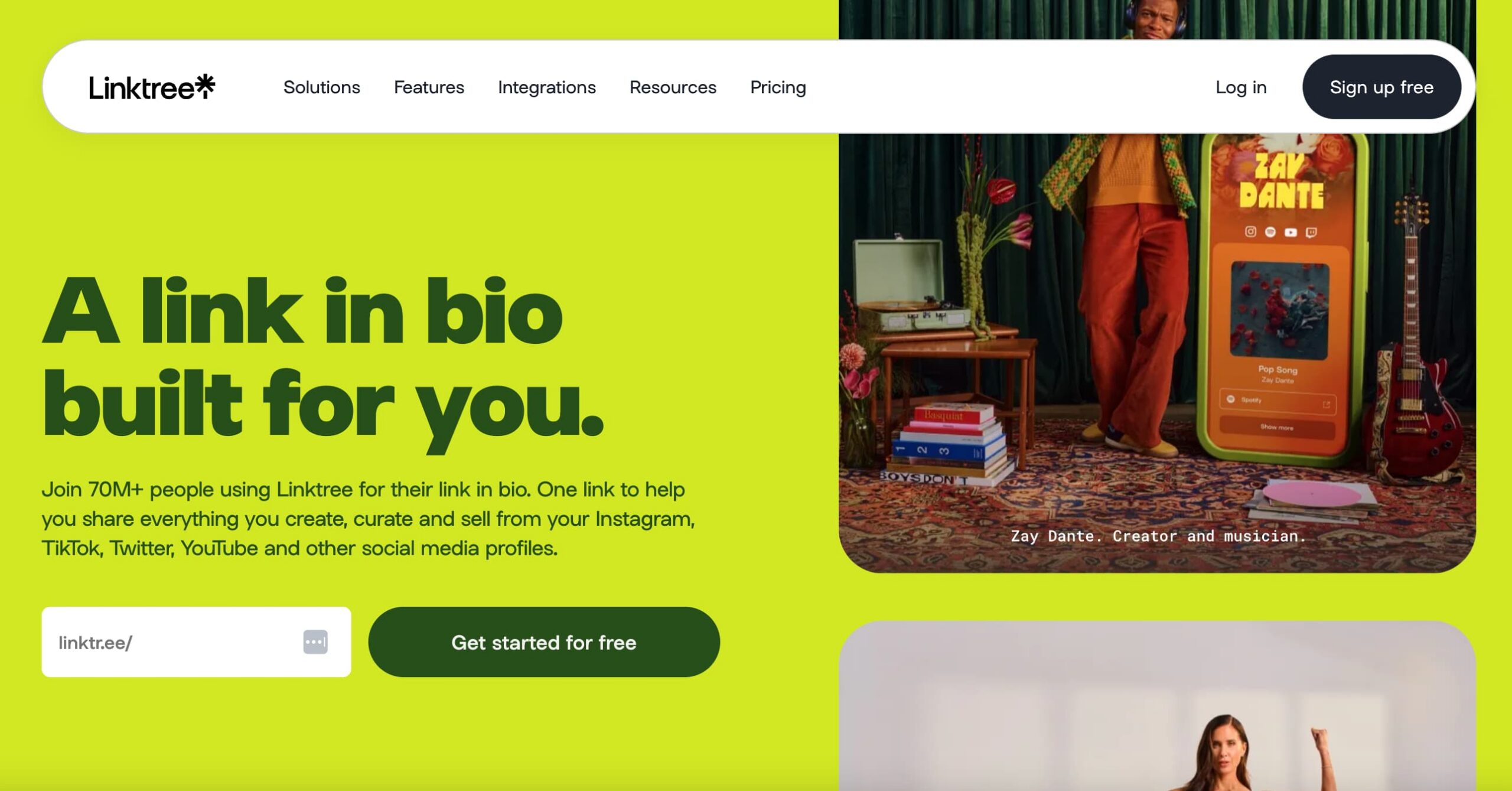
Designed explicitly for enterprise social media teams and mid-to-large-scale agencies, SproutLink embeds link-in-bio functionality directly into a broader publishing and workflow ecosystem. Rather than requiring administrators to manage links via a third-party application, SproutLink automatically generates a clickable, shoppable grid that mirrors a brand’s Instagram feed.
As content creators schedule posts within the primary dashboard, associated destination URLs are appended simultaneously. This native integration eliminates manual updates and ensures seamless user continuity. Empirical data gathered by Sprout Social indicates that utilizing an integrated, grid-style link-in-bio tool yields an average 17% daily lift in profile engagement. Furthermore, custom branded URLs reinforce organizational credibility, increasing user trust and click-through rates.
-
Linktree
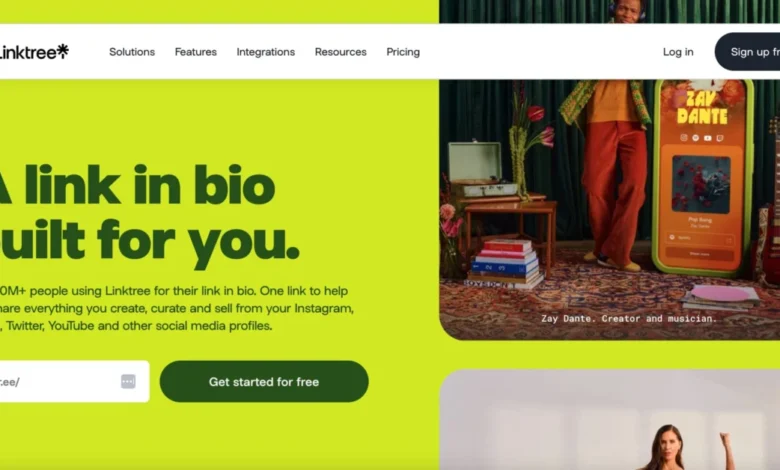
Widely recognized as the pioneer of the category, Linktree caters primarily to solopreneurs, influencers, and individual creators requiring a rapid, no-frills setup. The platform allows users to deploy a clean, template-driven landing page connecting multiple social networks. Its utility extends beyond digital spaces through integrated QR code generation, which bridges offline marketing collateral—such as print advertising or event signage—with online destinations. While the free tier offers unlimited basic links with limited metrics, advanced analytics and comprehensive brand customization are reserved for tiered subscription models. -
Beacons
Functioning as a comprehensive creator-commerce suite rather than a simple URL repository, Beacons positions itself as a centralized business hub. Beyond standard link management, the platform incorporates tools for digital product sales, audience mailing list signups, and media kit generation. Its architecture is optimized for monetization, making it a preferred choice for independent content producers seeking to consolidate multiple revenue streams into a unified user interface.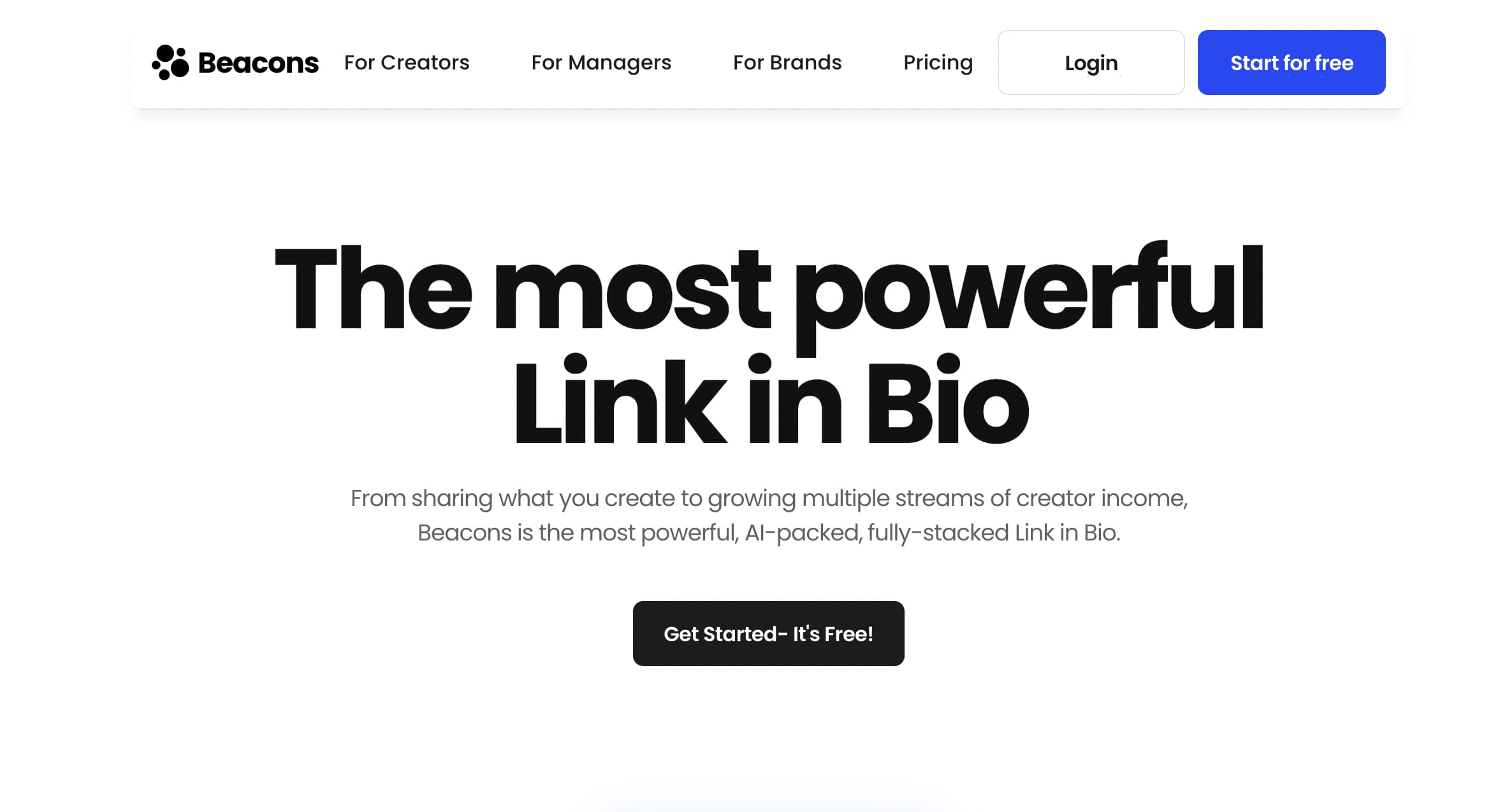
-
Milkshake
Milkshake approaches the category through a mobile-first, website-builder lens. Utilizing a system of digital "Cards" that mimic mini-applications rather than scrolling lists, the platform provides a highly visual, template-driven user experience. Ideal for absolute beginners who manage their digital presence exclusively via mobile devices, Milkshake delivers a polished aesthetic with minimal technical configuration required, though advanced metrics are limited on entry-level tiers. -
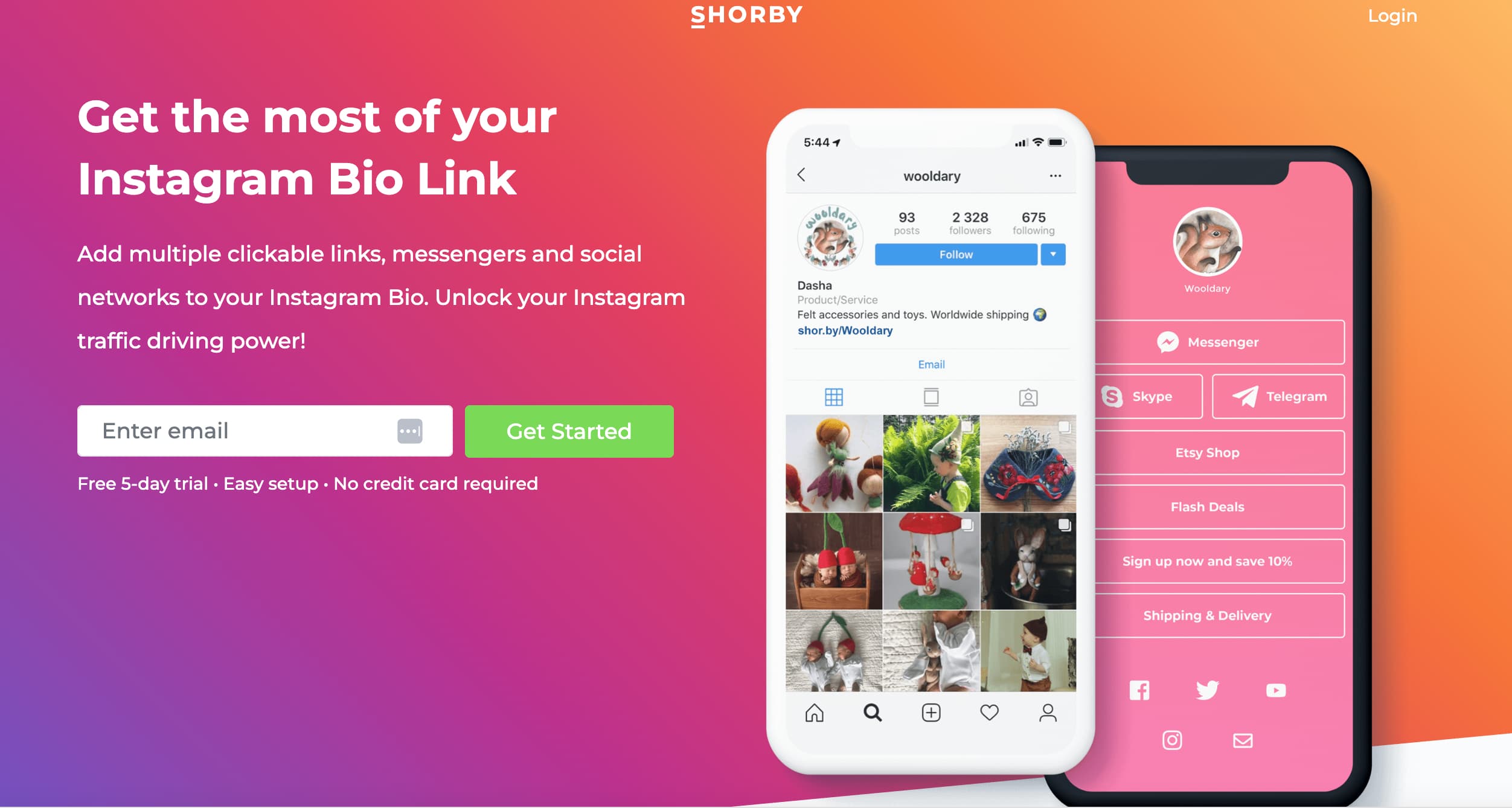
Shorby
Tailored specifically for performance marketers and campaign-driven organizations, Shorby prioritizes granular tracking and real-time data ingestion. The platform distinguishes itself through robust tracking pixel integration, enabling marketing teams to retarget custom audiences with tailored advertisements based on their bio-link interactions. This capability renders Shorby particularly effective for paid acquisition campaigns where attribution accuracy is paramount. -
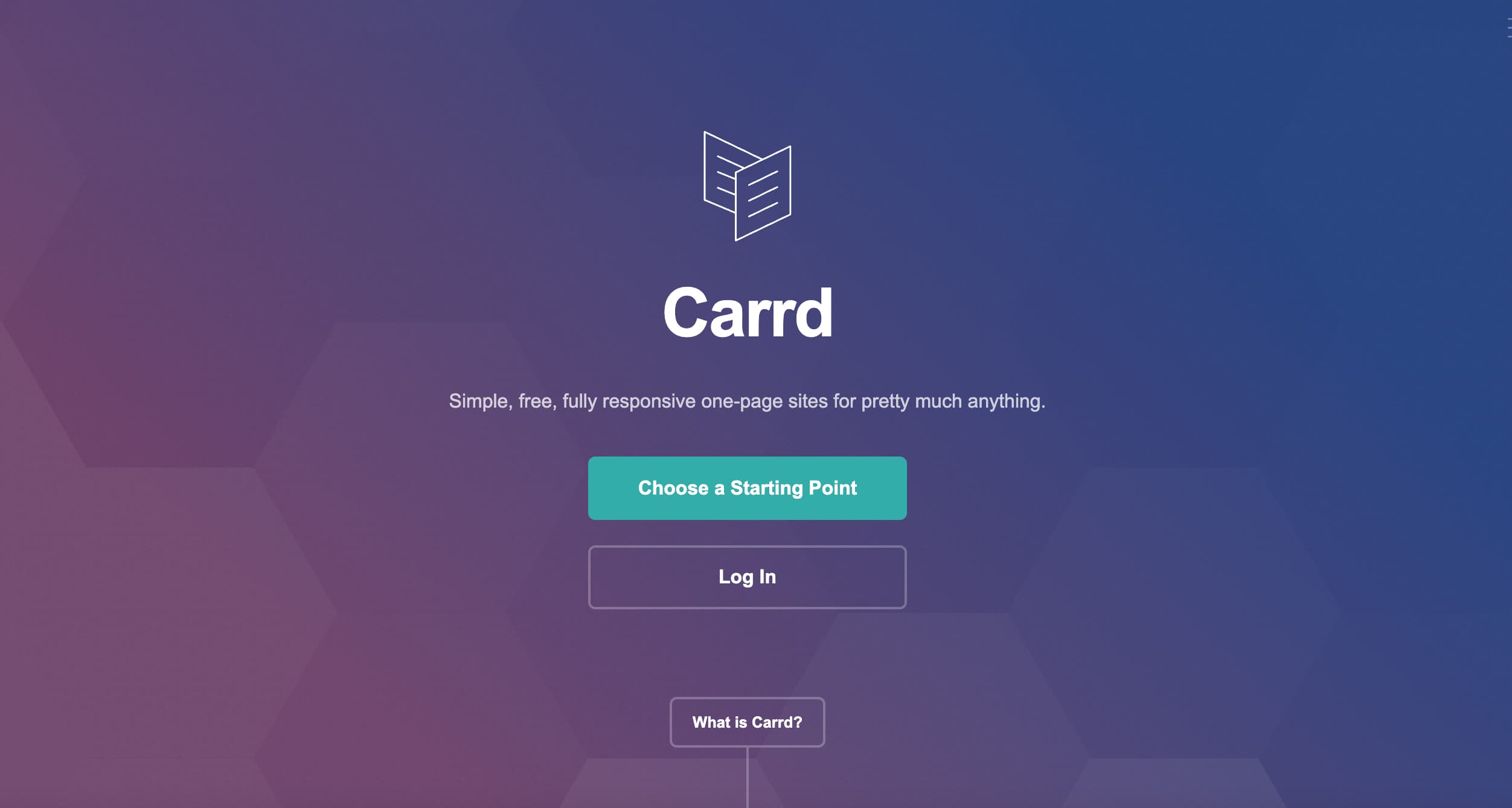
Carrd
For brands demanding absolute design autonomy beyond rigid templates, Carrd operates as a responsive one-page site builder. Users can construct fully customized layouts from scratch or adapt sophisticated templates for up to three distinct sites on the free tier. Paid upgrades remove platform branding and unlock advanced functionalities, including custom domain mapping, form submissions, and direct widget integrations with third-party financial and data capture services like Stripe and Typeform.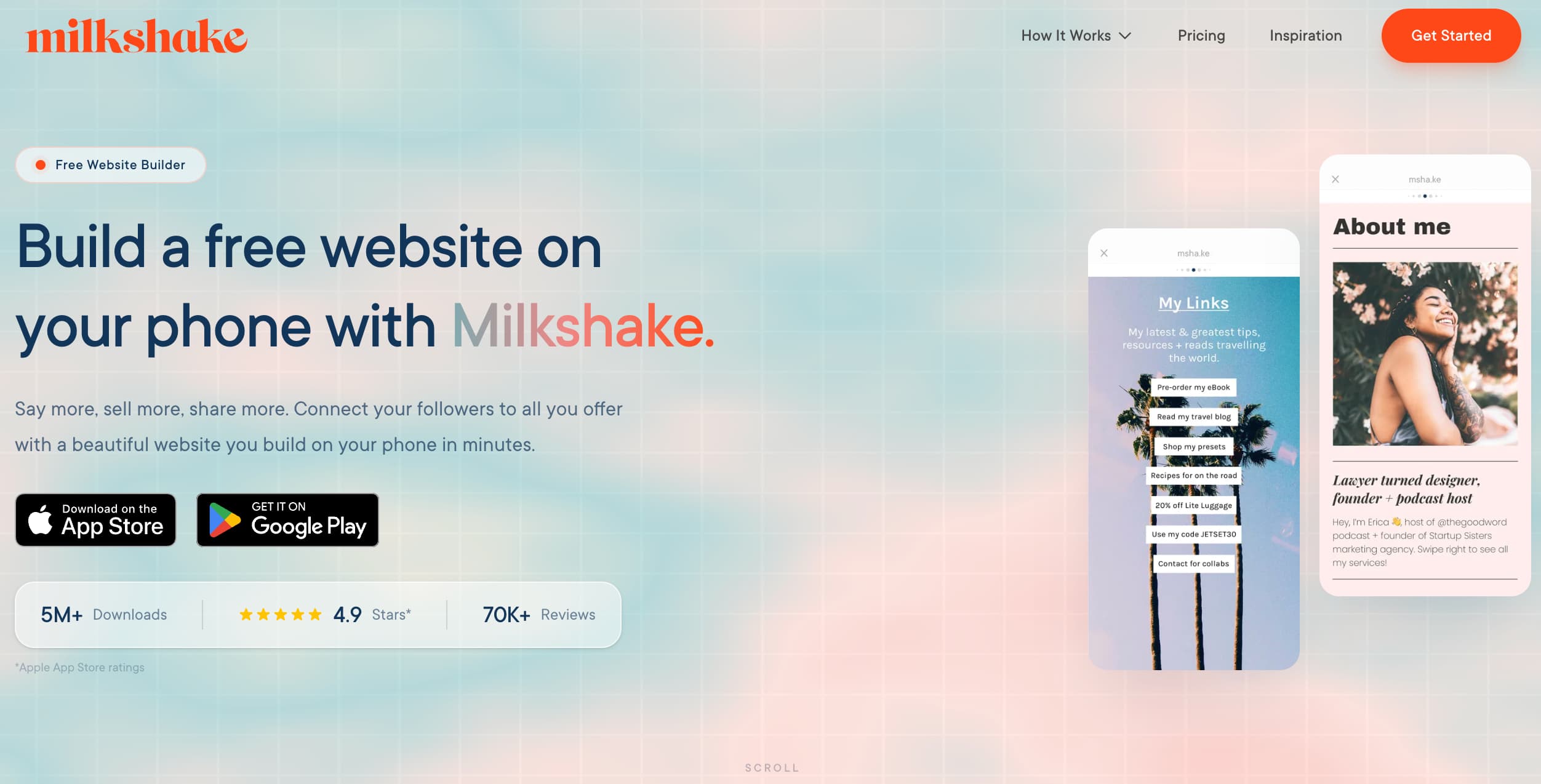
-
Stan Store
Stan Store eliminates the traditional "one link, multiple destinations" paradigm by functioning as an immediate in-bio storefront. Designed specifically for digital educators, coaches, and creators selling proprietary content, the platform hosts digital courses, direct booking calendars, and consultation schedulers natively. By incorporating one-tap checkout mechanics, Stan Store dramatically reduces transactional friction, effectively shortening the conversion funnel from initial social discovery to completed purchase. -
Lnk.Bio
For users desiring an uncompromised, minimalist approach, Lnk.Bio delivers a straightforward link list without extraneous administrative features. The platform accommodates unlimited links alongside basic multimedia embedding on its free tier, while paid upgrades unlock Instagram-style grid configurations, password-protected links, and automated UTM parameter generation for campaign tracking.
Strategic Frameworks for Selecting a Tool
Choosing the optimal link-in-bio tool requires a systematic evaluation of organizational objectives, user permissions, and budgetary constraints.
Aligning Features with Core Objectives
Decision-makers must first identify their primary key performance indicators. Organizations focused on direct sales and digital product distribution often find optimal utility in commerce-centric suites like Stan Store or Beacons. Conversely, marketing teams running complex, paid acquisition funnels benefit more from the advanced analytics and tracking pixel compatibility offered by Shorby. Brands prioritizing operational efficiency within existing publishing workflows will find the greatest return on investment through natively integrated systems like SproutLink.
Assessing Team Architecture and Permissions
Administrative structures dictate software scalability. Independent creators require minimal access controls, whereas multi-layered marketing departments necessitate robust multi-account management capabilities. Enterprise-grade tools often allocate dedicated landing pages for every social profile connected to a primary account, allowing large teams to manage disparate regional or brand-specific campaigns simultaneously without administrative cross-contamination.
Balancing Cost and Ecosystem Integration
While cost remains a primary consideration for small businesses and emerging creators, financial evaluations must account for operational trade-offs. Free tiers frequently restrict analytical depth and brand customization. Furthermore, the hidden labor costs associated with manually updating standalone link tools for every published social asset can outweigh the subscription fees of an integrated solution. Ecosystem cohesion—the ability to plan, schedule, publish, and track links within a single software environment—often proves decisive in maximizing overall marketing efficiency.
Conclusion and Future Outlook
The strategic deployment of a link-in-bio tool represents a critical differentiator between isolated social media engagement and measurable digital conversion. As social platforms continue to refine their native ecosystems, the demand for sophisticated, reliable traffic-routing mechanisms will only accelerate. By carefully aligning platform features with organizational goals, technical requirements, and workflow capabilities, brands can successfully convert transient social media interactions into sustained, long-term business growth.
Related posts: