When users interact with leading generative AI platforms like ChatGPT, Perplexity, or Google’s AI Overviews, these systems do not simply default to the top-ranking page on a conventional search engine results page (SERP). Instead, they initiate a complex, multi-faceted information-gathering operation. Behind the user’s single, often broad, query, AI systems execute a series of related, more granular sub-searches. This process, known as query fan-out, allows the AI to pull information from a diverse array of sources, prioritizing relevance, reliability, and comprehensiveness over mere search ranking. Consequently, content that is highly ranked in traditional search but lacks depth, authority, or specific answers to anticipated sub-queries may be overlooked by LLMs, rendering it effectively invisible in AI-driven responses.
The Mechanism of Query Fan-Out
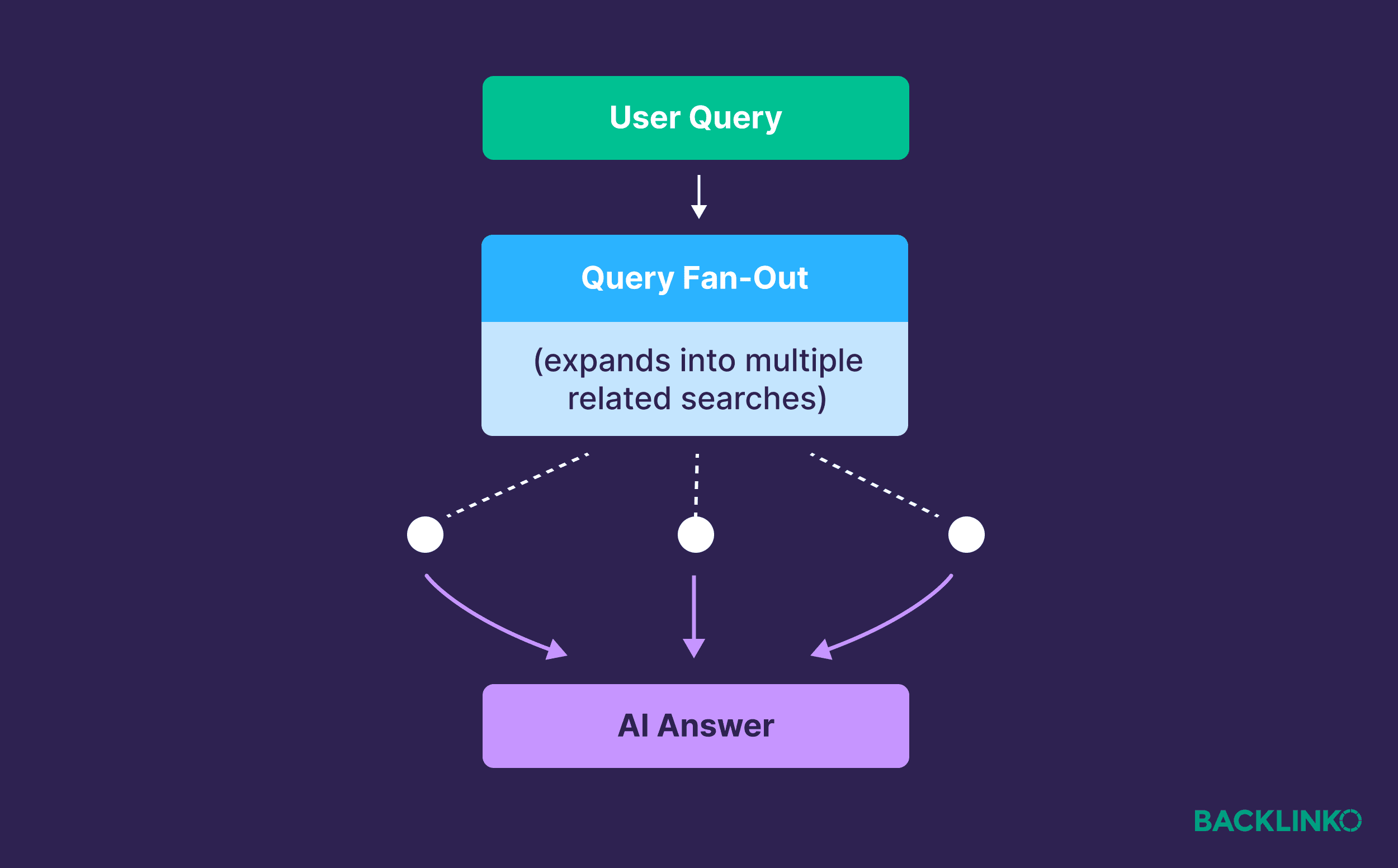
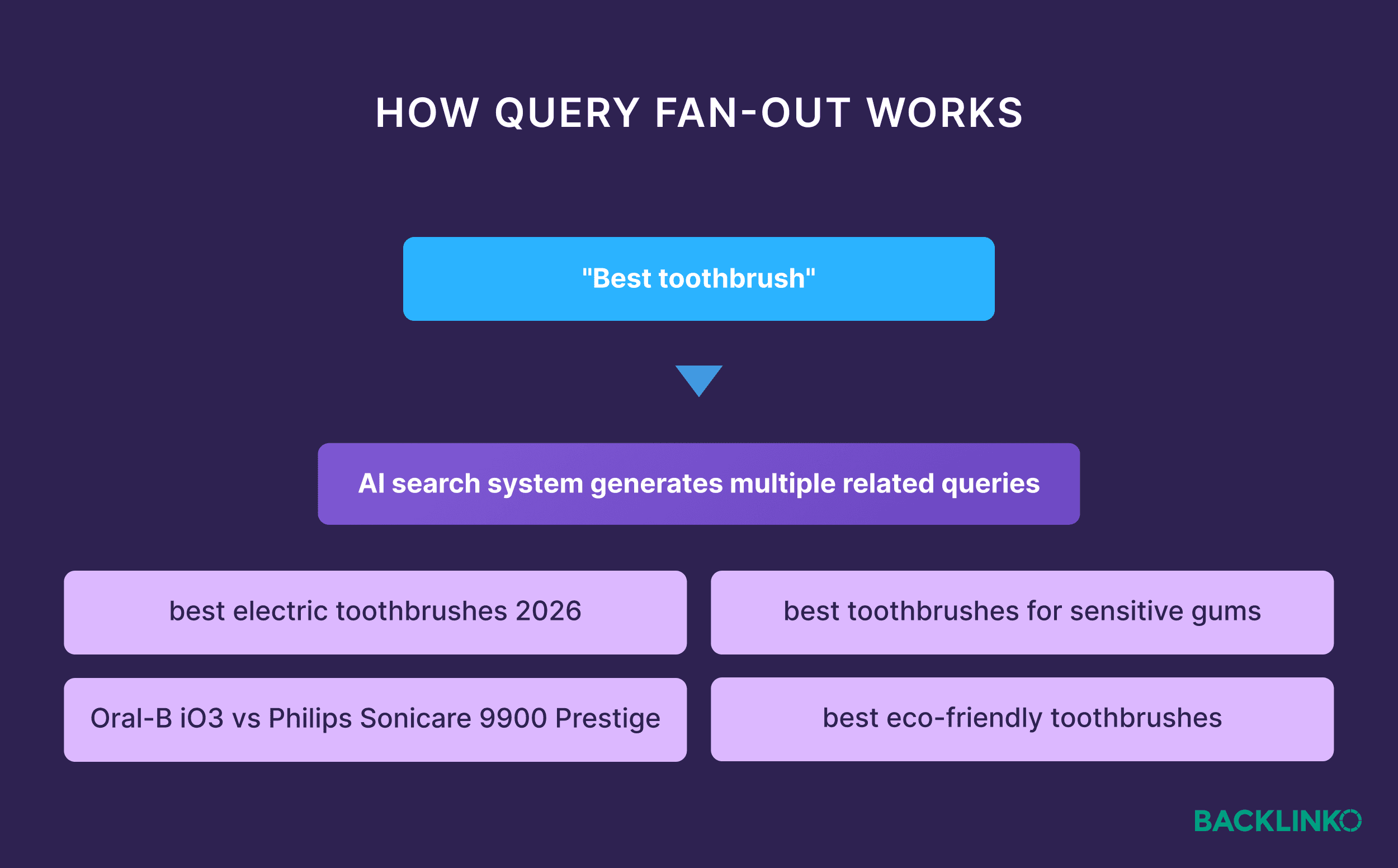
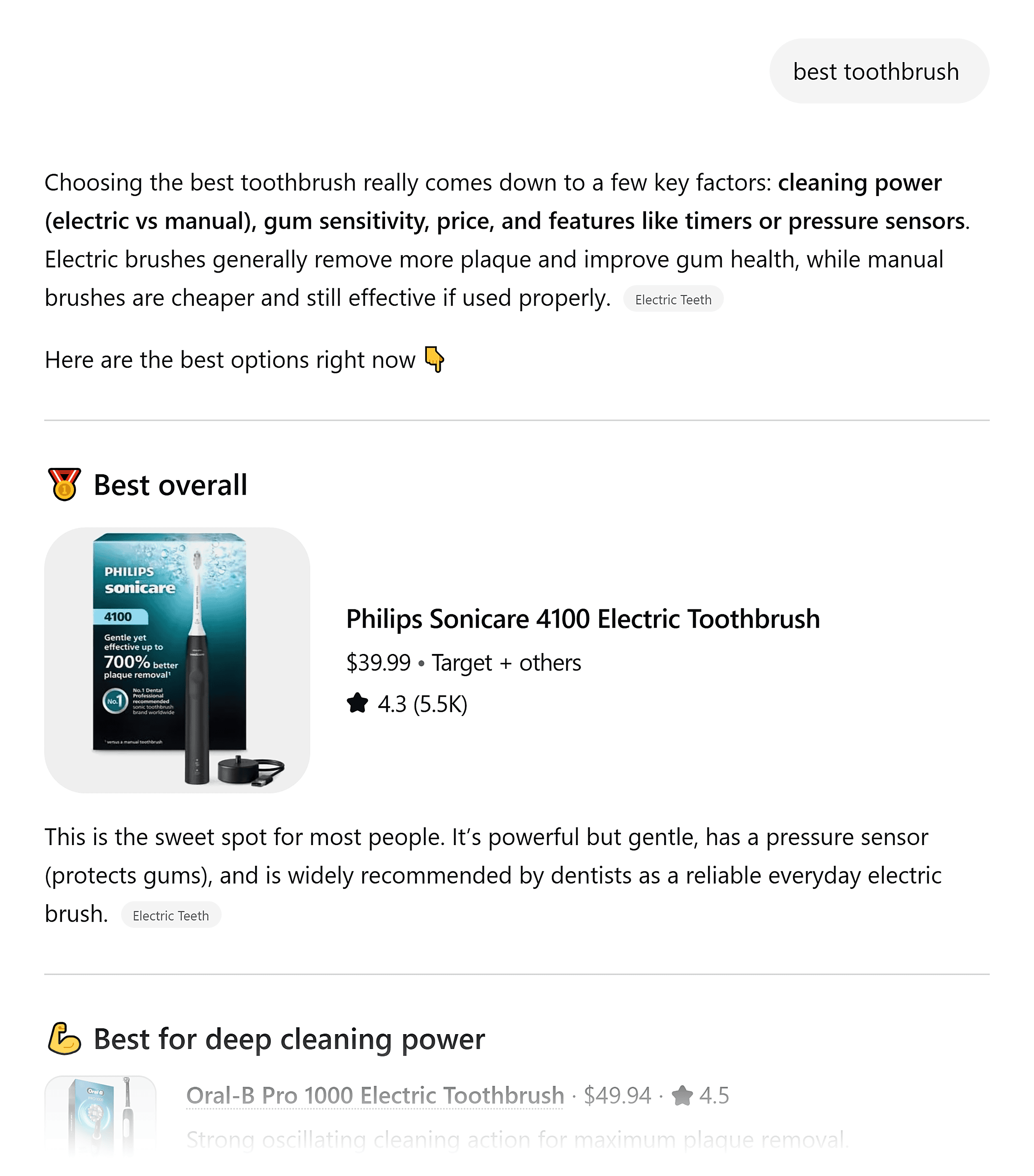
Query fan-out is an intricate process designed to emulate and often exceed human-like information synthesis. When a user poses a question to an AI, the system first analyzes the primary query to understand its underlying intent and potential related informational needs. It then "fans out" this initial query into numerous sub-queries. For instance, a seemingly simple prompt like "best toothbrush" might trigger a cascade of internal sub-queries such as "best electric toothbrushes [year]," "best toothbrushes for sensitive gums," "Oral-B vs. Philips Sonicare comparison," or "best eco-friendly toothbrushes."
The AI then simultaneously searches for answers to these sub-queries across a vast index of online content, which can include not only editorial websites but also niche forums, product pages, academic papers, and social media discussions like Reddit threads. The objective is to build a holistic and detailed answer that anticipates various aspects of the user’s potential needs, even if not explicitly stated in the original prompt. This comprehensive approach ensures that the final AI-generated response is rich in detail, covers multiple angles, and offers nuanced recommendations, effectively collapsing what might have been several distinct human searches into a single, synthesized output.
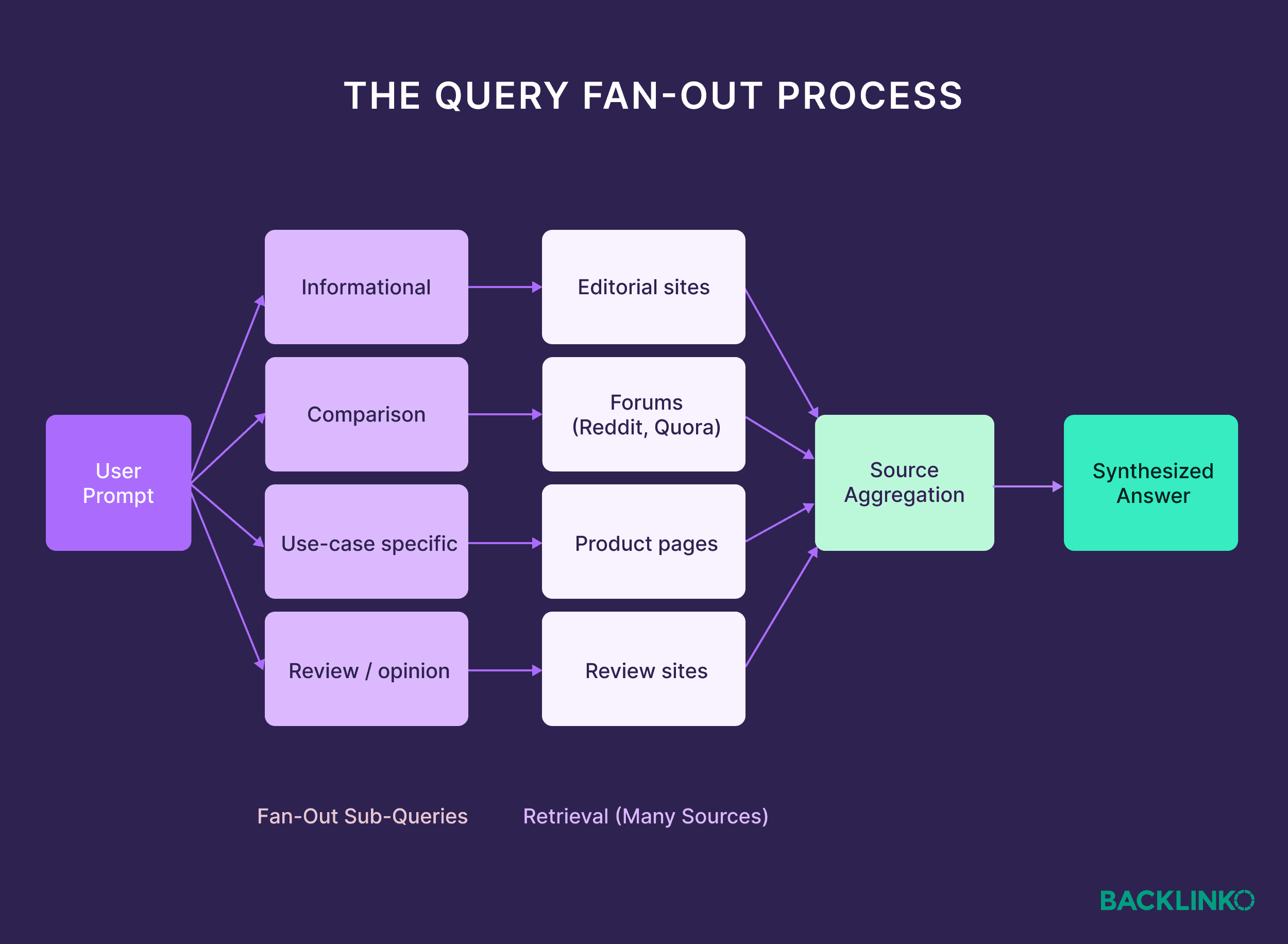
This methodology contrasts sharply with traditional search, which largely focuses on matching keywords and ranking pages based on a multitude of factors, including backlinks, domain authority, and user engagement. While high rankings remain beneficial for traditional organic search traffic, the advent of AI-powered search demands a re-evaluation of content strategy. In the AI paradigm, the ability of content to be "covered" across a broad topic and its "retrievability" as precise, extractable passages become paramount.
The Evolving Landscape of AI Search Visibility
The rise of generative AI has introduced several critical shifts that demand a new approach to content optimization:
-
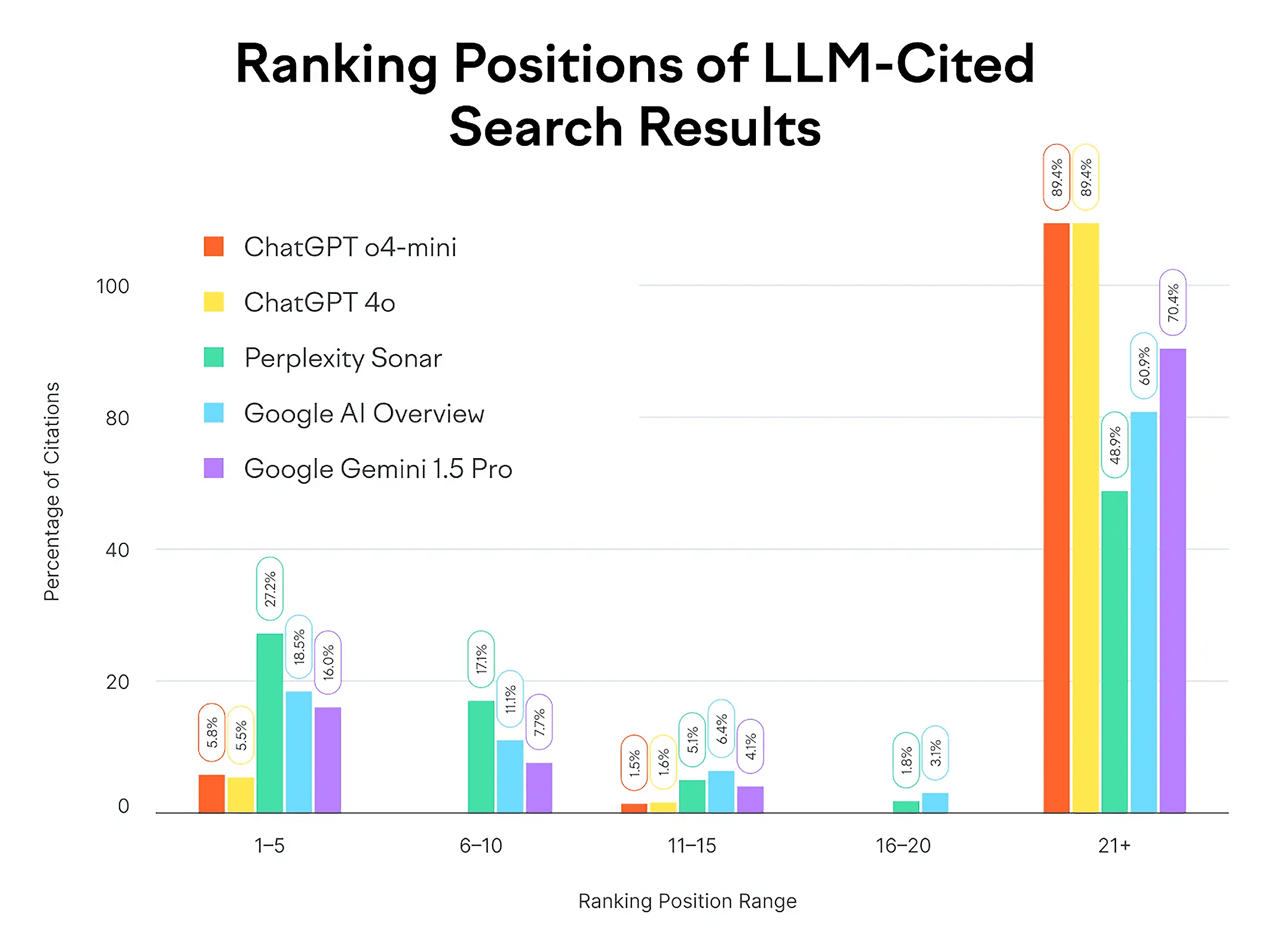
Diminished Reliance on Top Rankings for AI Citations: A seminal study by Semrush revealed that AI platforms like ChatGPT frequently cite sources far beyond the first page of Google. Approximately 90% of ChatGPT’s citations, in fact, originate from pages ranked 21 or lower. This data starkly illustrates that traditional top-10 rankings, while valuable for direct organic traffic, do not guarantee visibility in AI-generated answers. AI systems are programmed to seek out the most relevant and reliable information for each specific sub-query, irrespective of a page’s overall search engine position. This means that even a highly authoritative, deeply researched piece of content buried on page three of Google could be cited by an LLM if it perfectly answers a specific fan-out sub-query.
-
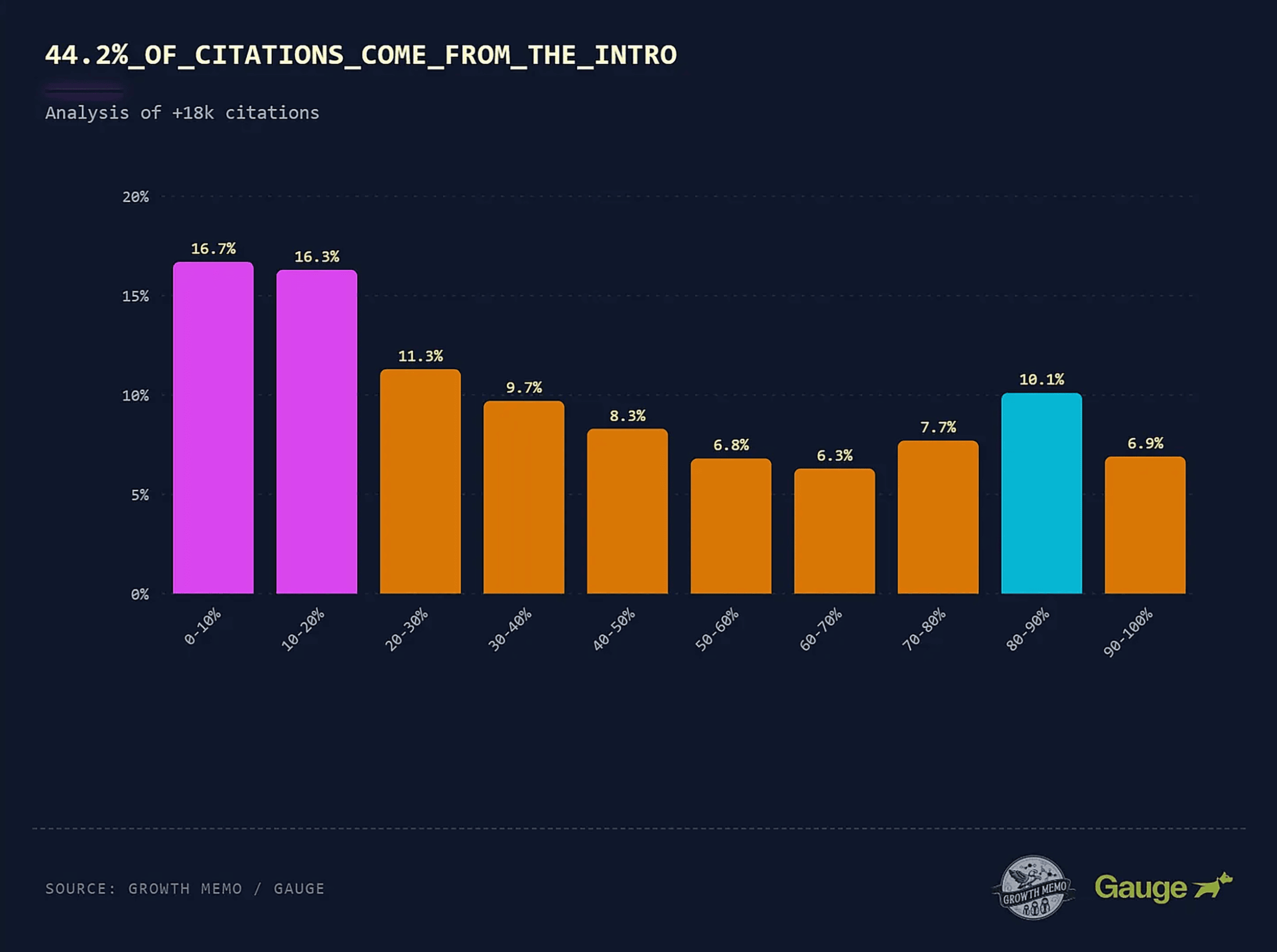
Passage Retrieval Over Page Retrieval: Unlike traditional search engines that direct users to an entire webpage, AI systems excel at identifying and extracting specific passages of text that directly answer a user’s question. This granular approach necessitates that content be structured in a way that allows for easy extraction of self-contained answers. Research by growth advisor Kevin Indig on 1.2 million ChatGPT responses showed that 44.2% of citations came from the first 30% of a page, with 31.1% from the middle and 24.7% from the final third. This emphasizes the importance of front-loading critical information and structuring content with clear, concise answers early in the article, mirroring the journalistic "inverted pyramid" style.
-
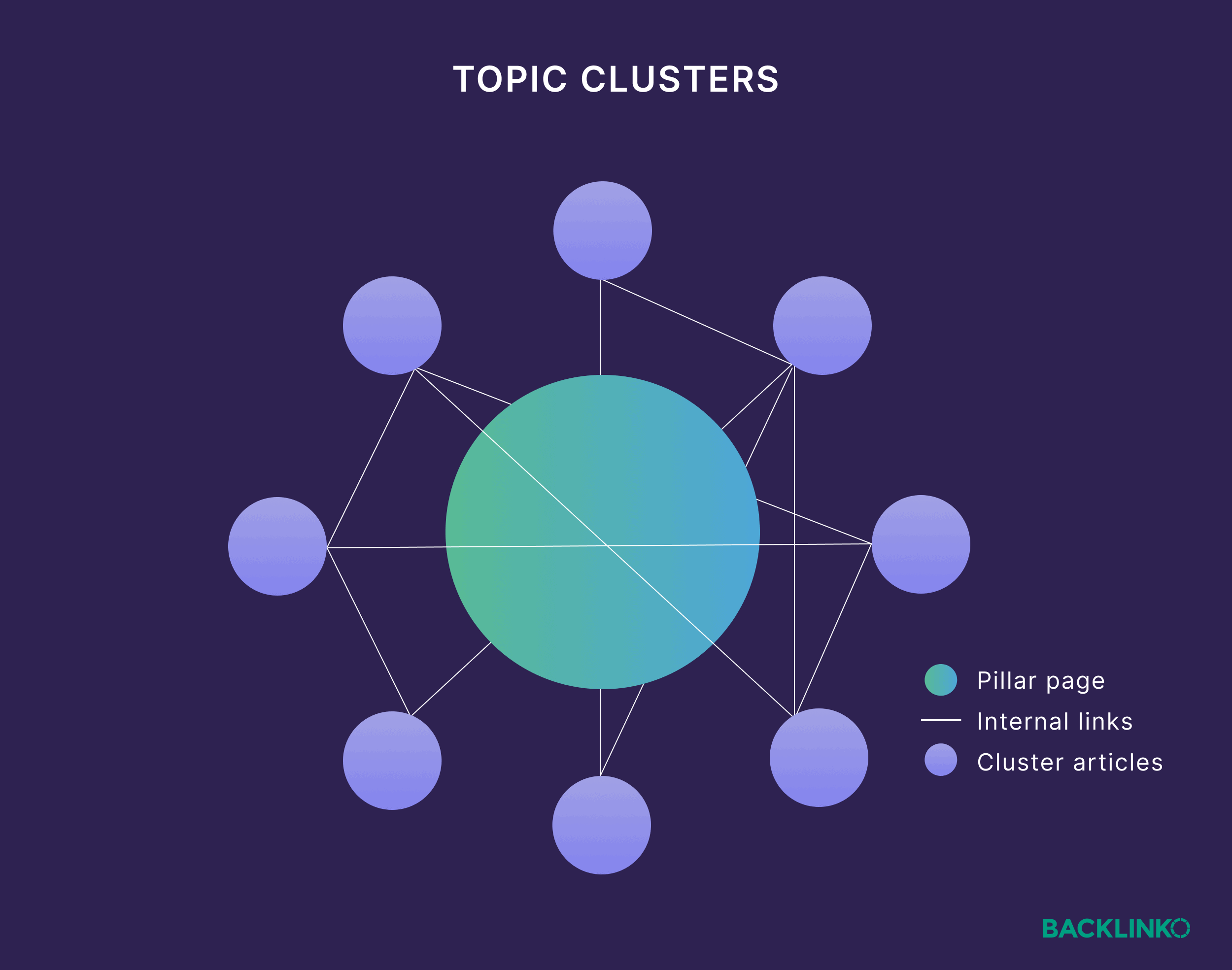
Topic Authority Trumps Keyword Focus: Traditional SEO has often revolved around optimizing individual pages for specific keywords. However, query fan-out operates on a more comprehensive understanding of topics. AI systems seek broad, interconnected coverage across an entire subject area to build a complete picture. This elevates the importance of "topic clusters" and "pillar pages"—interlinked content strategies where a central pillar page broadly covers a topic, and cluster content pages delve into specific sub-topics in detail. A brand that demonstrates deep topical authority across a subject, rather than just ranking for a few keywords, is more likely to be recognized as a reliable source by AI.
-
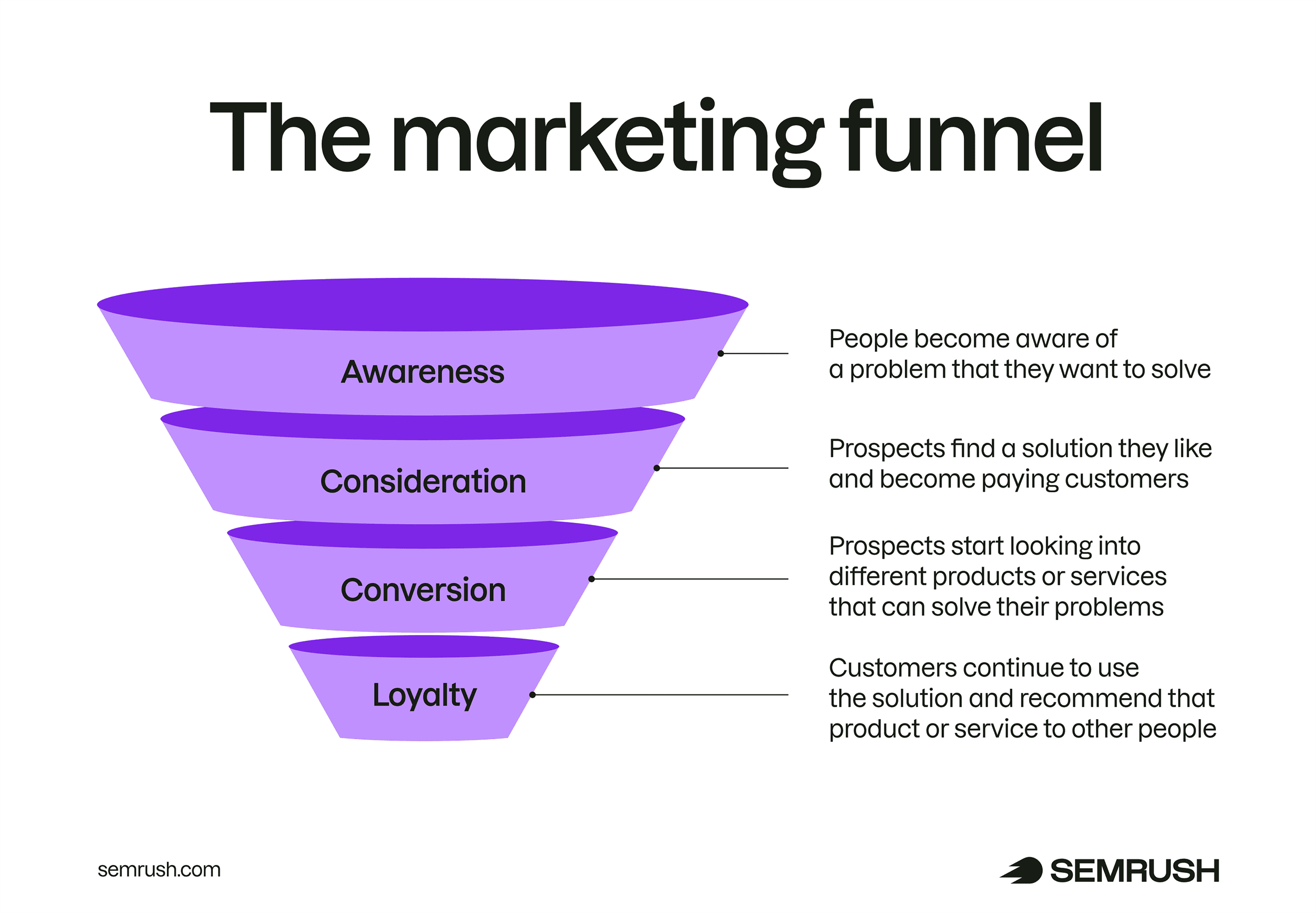
The Collapse of the Traditional Buying Journey: Marketing funnels traditionally segmented the buyer’s journey into distinct stages: awareness, consideration, and decision. Content was then tailored to each stage. AI-driven search, through query fan-out, merges these stages. A single, high-intent prompt can trigger an AI to gather information spanning awareness-level context, consideration-level comparisons, and decision-level specifics, all synthesized into one response. This demands that content creators develop comprehensive resources capable of serving multiple user intents simultaneously, providing a full-funnel experience within a single AI interaction.
Strategic Imperatives: Optimizing for Query Fan-Out
To thrive in this evolving landscape, content creators and marketers must adopt a "query fan-out workflow" that prioritizes AI visibility.

Step 1: Identify "Money Prompts"
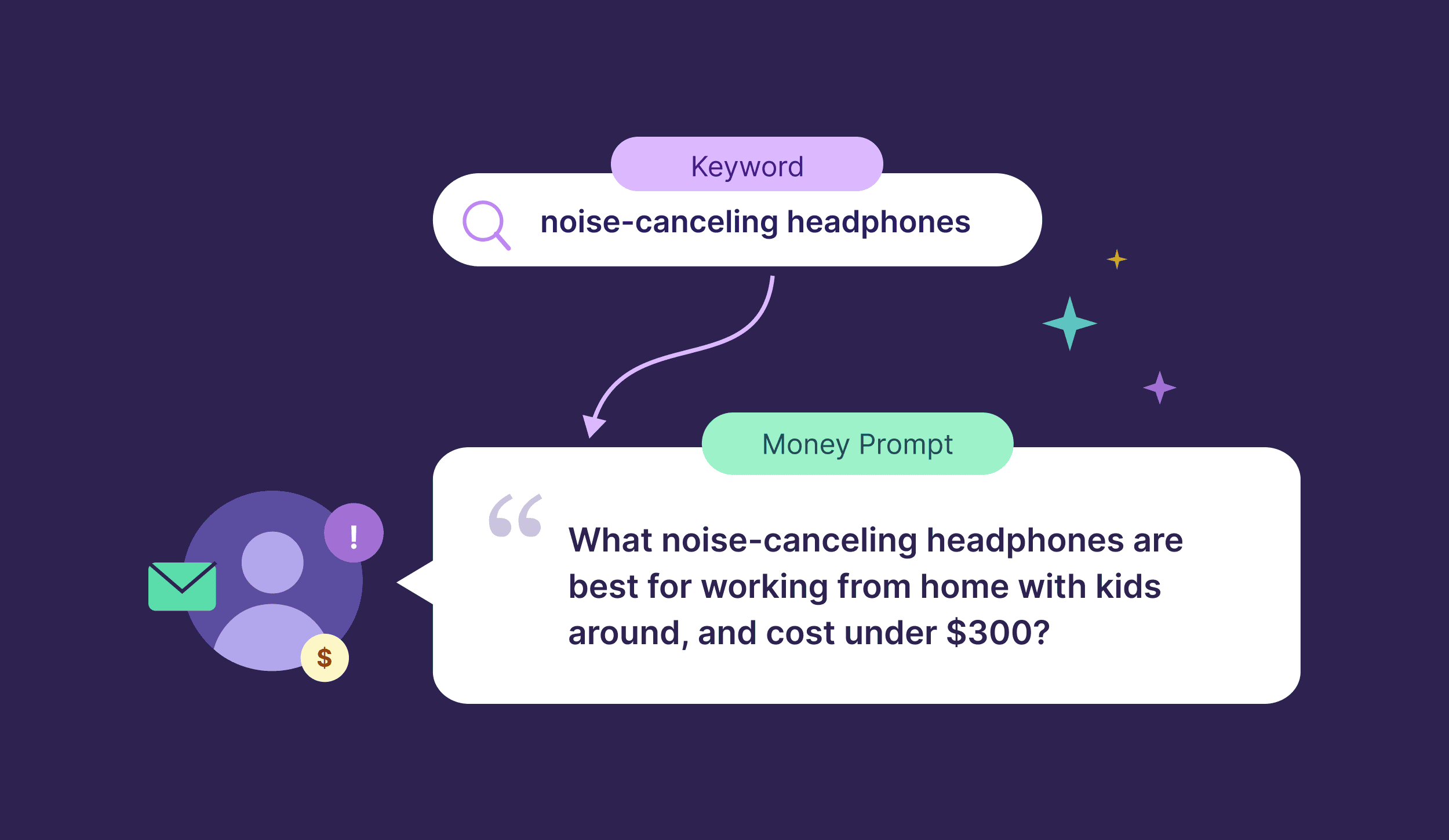
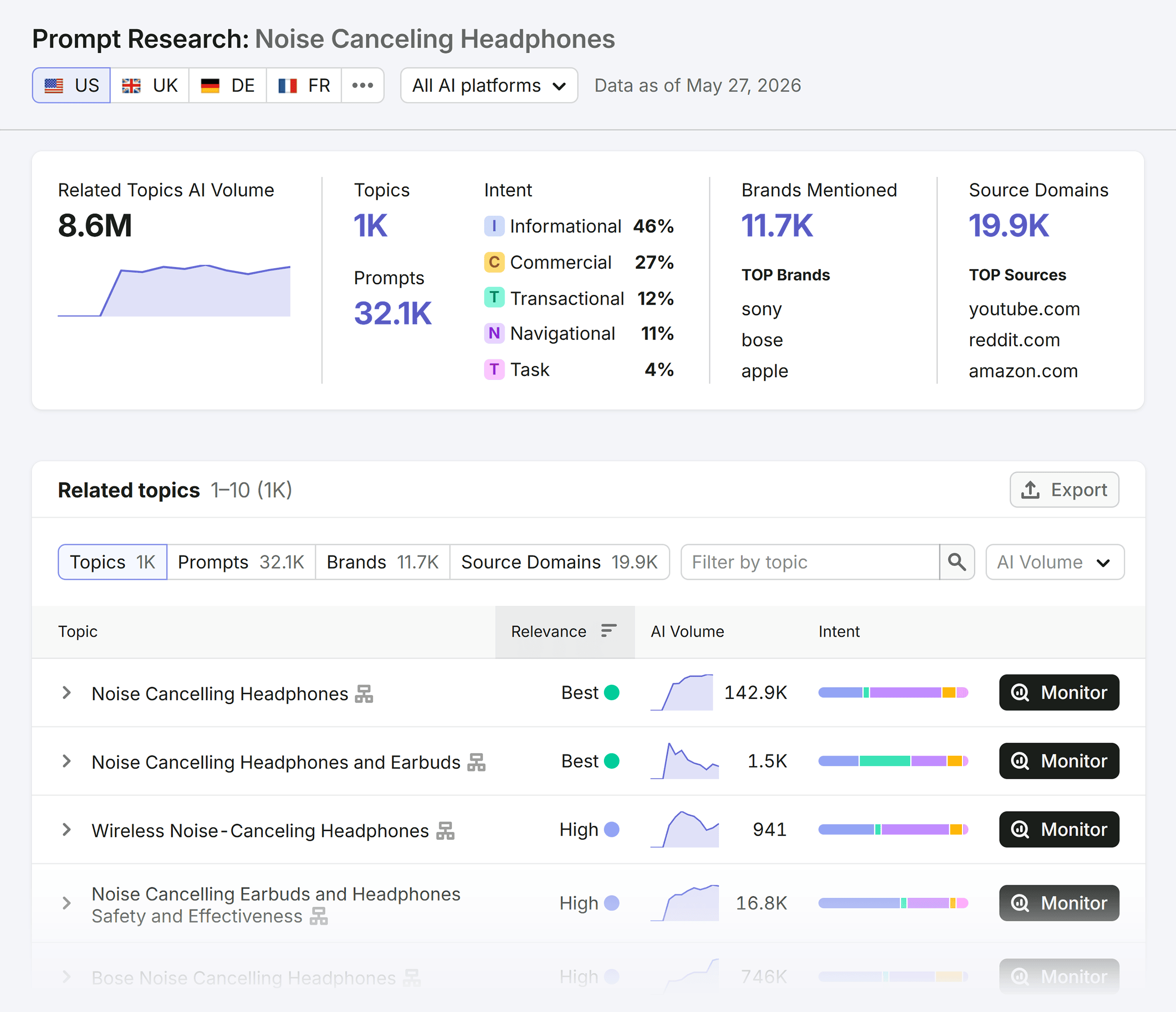
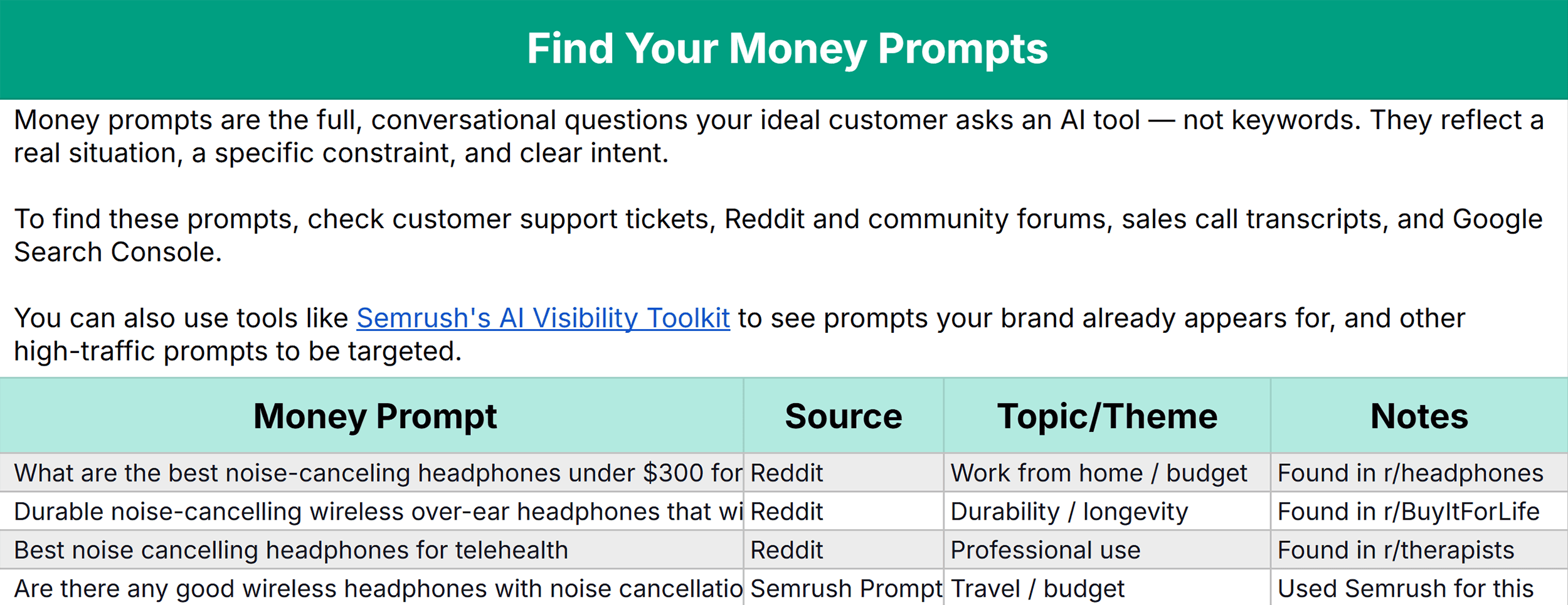
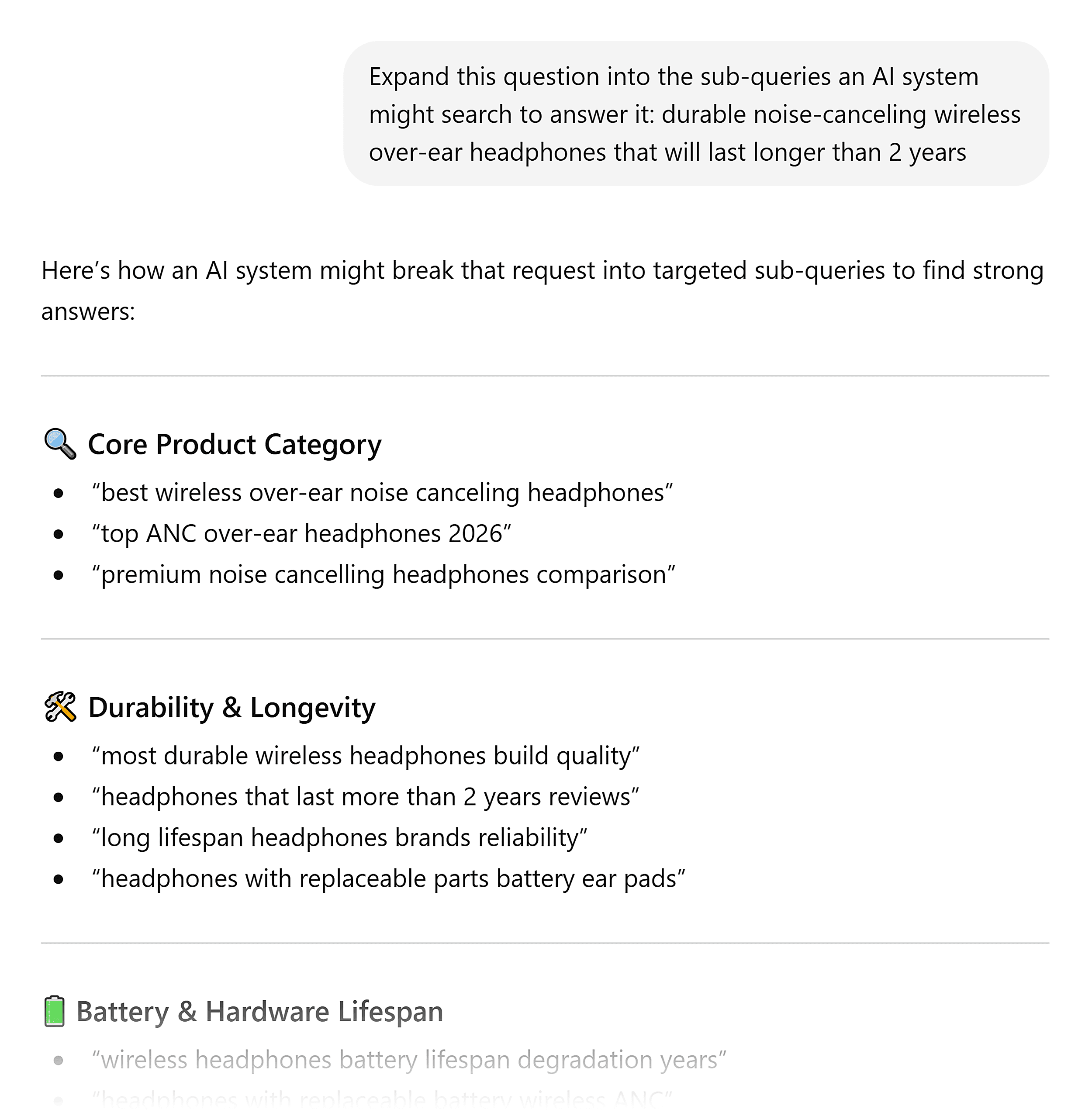
The first crucial step is to identify "money prompts" – the conversational phrases or questions that ideal customers would pose to an AI tool when seeking solutions relevant to your product or service. These are the AI SEO equivalent of high-commercial-intent keywords. Money prompts are typically specific, detailed, and reveal a clear intent to solve a problem or make a purchase. For example, instead of a broad "noise-canceling headphones," a money prompt might be "What noise-canceling headphones are best for working from home with kids around, and cost under $300?"

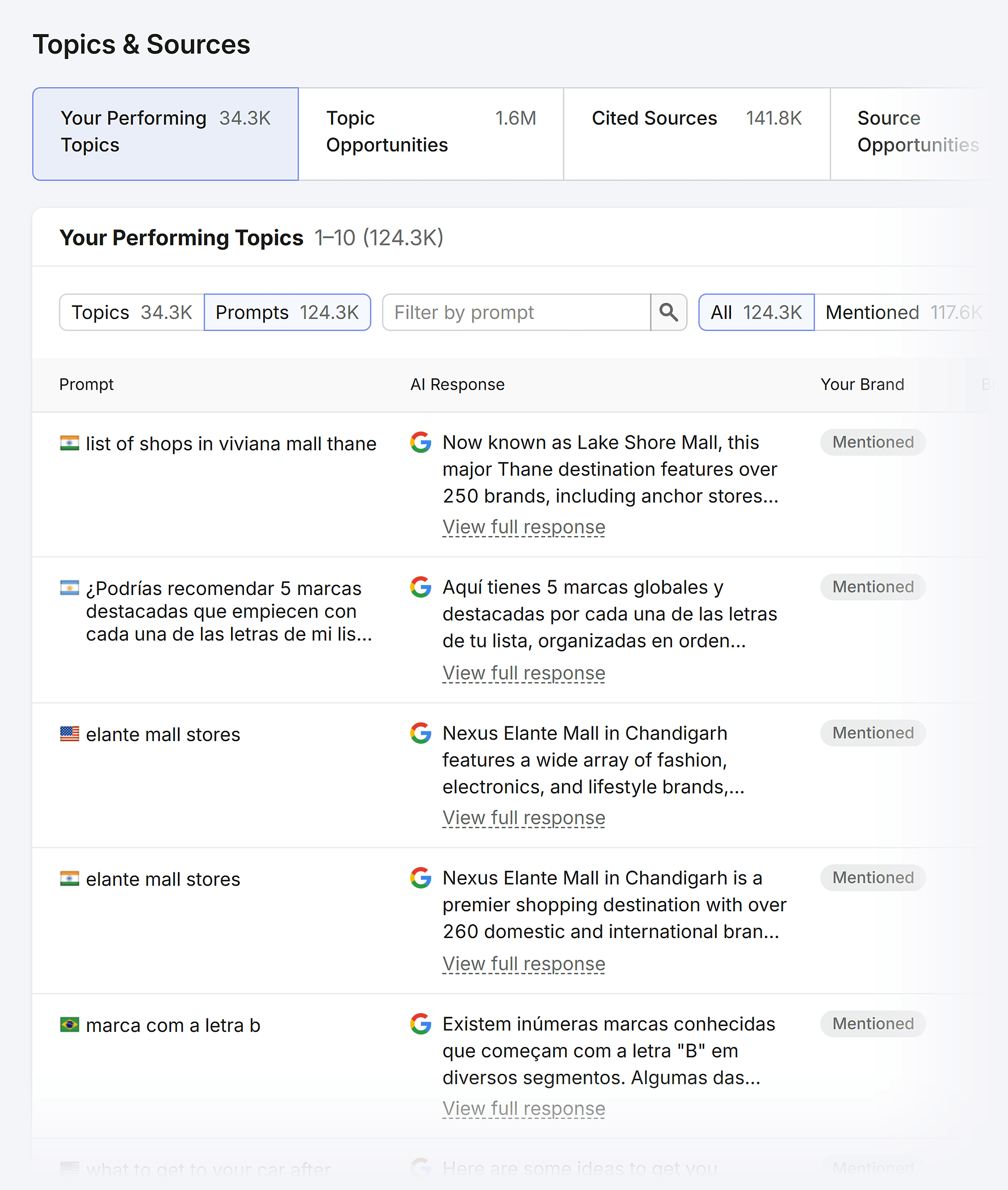
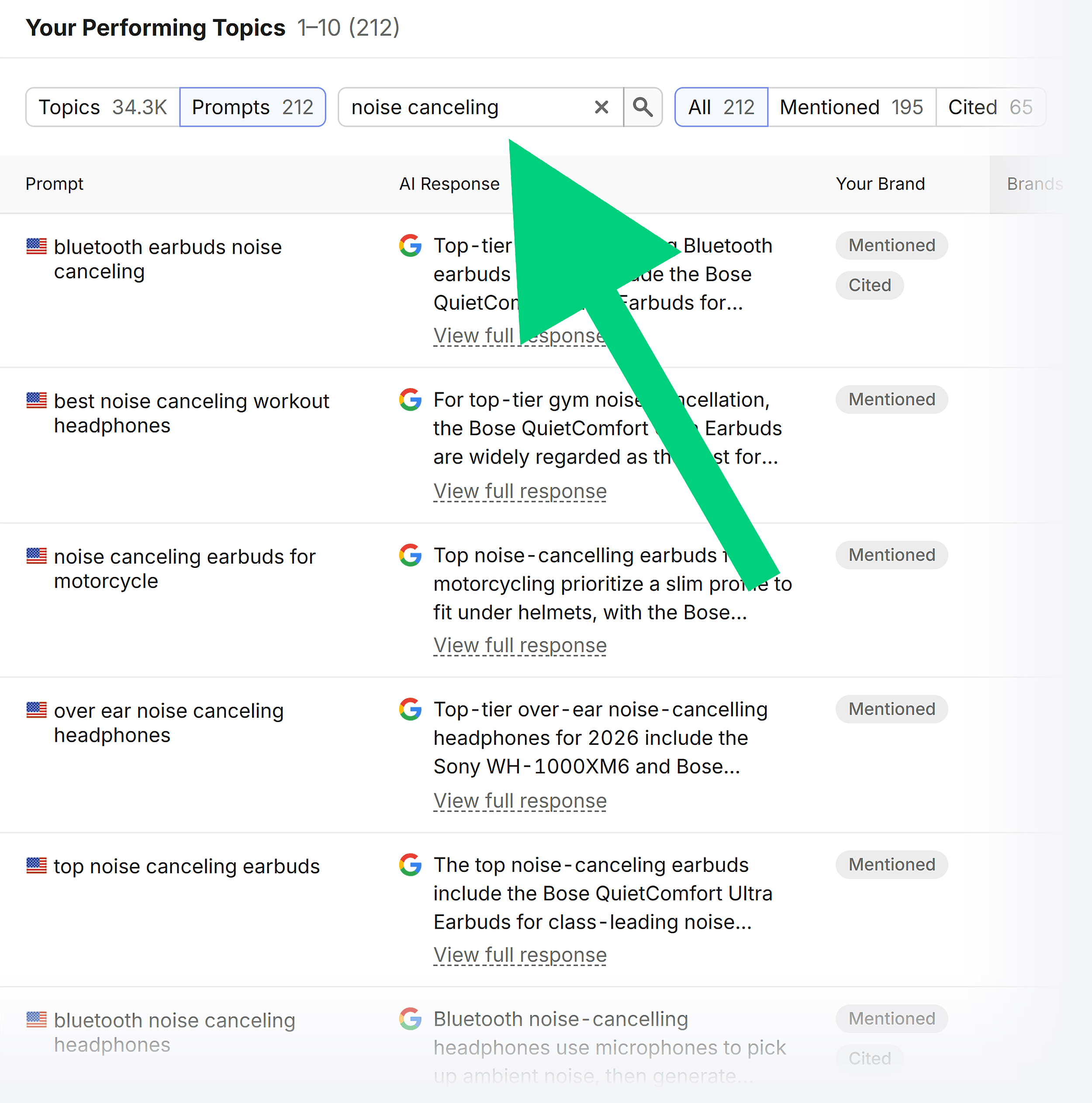
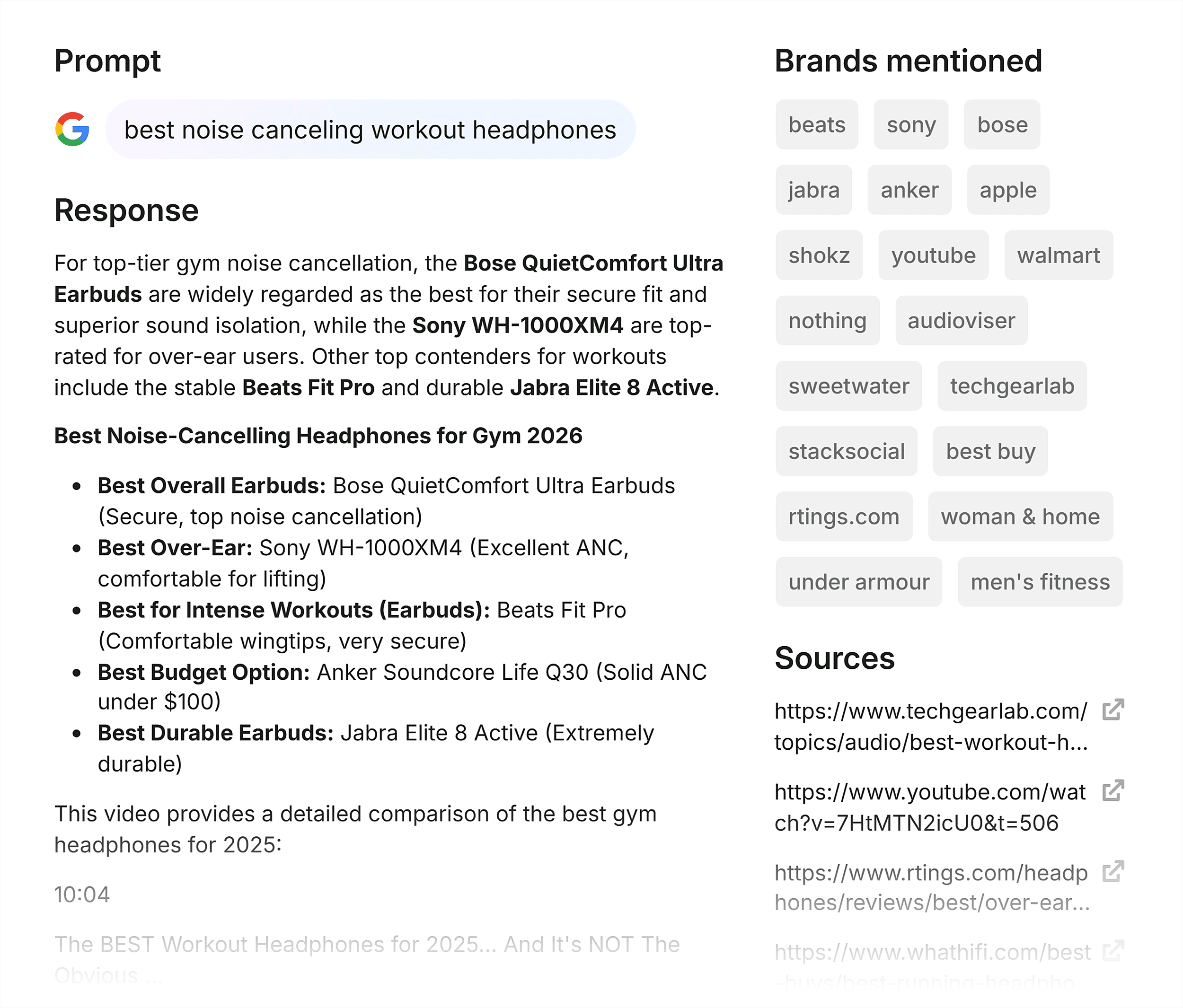
Tools like Semrush’s AI Visibility Toolkit can be invaluable here. By analyzing prompts where your brand already appears in AI answers, or by researching industry-specific prompts, businesses can uncover these high-value queries. Insights from forums like Reddit can also reveal real-world user questions and pain points.
Step 2: Generate Your Fan-Out Set
Once money prompts are identified, the next step is to understand the full spectrum of sub-queries an AI might generate from them. This can be done manually or with specialized tools. By inputting a money prompt into an AI platform like ChatGPT and observing its internal reasoning (which can sometimes be revealed through browser developer tools or dedicated extensions), content creators can uncover the sub-queries. These sub-queries should then be categorized by type:
- Reformulation: A rephrased version of the original query.
- Comparative: Queries weighing options against each other.
- Implicit: Addressing unstated user needs.
- Personalized: Tailored to specific situations or preferences.
- Entity Expansion: Drilling into specific brands, products, or people.
- Related: Connected topics the AI anticipates the user might explore next.
This categorization helps in understanding the diverse informational needs the AI is trying to satisfy.
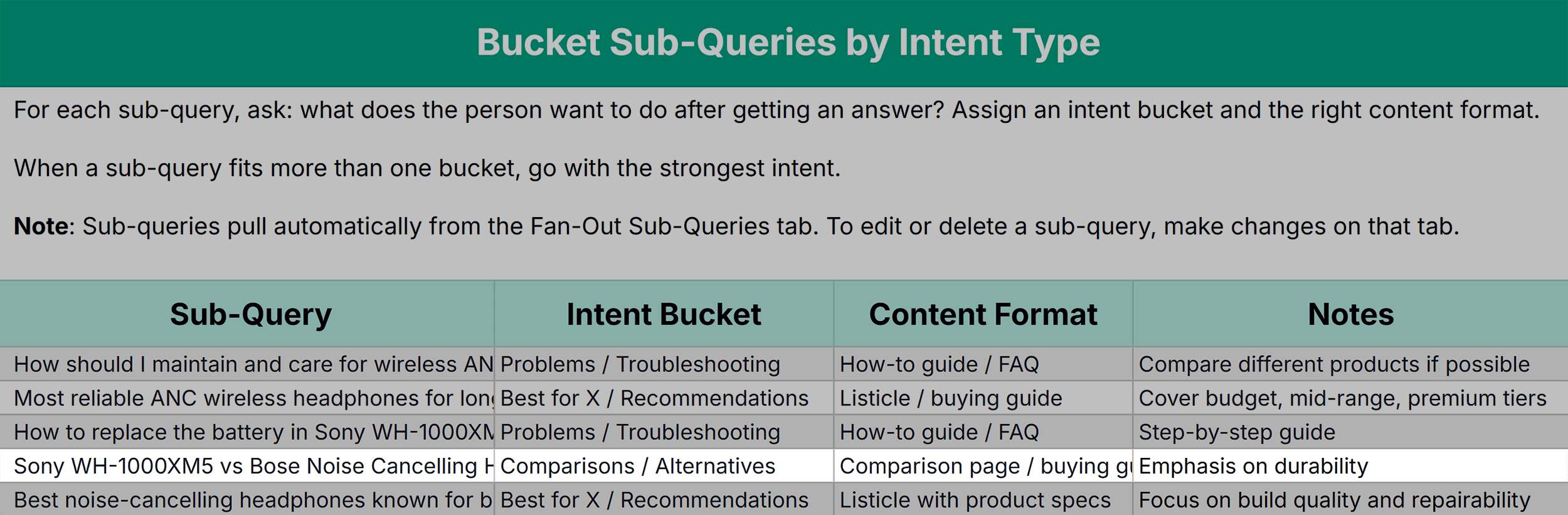
Step 3: Bucket Sub-Queries by Intent Type
Further refining the fan-out set involves grouping sub-queries by user intent, which dictates the most appropriate content format. Common intent buckets include:
- Definitions/Basics: "What is X?" – best served by explainer articles or glossary sections.
- Comparisons/Alternatives: "X vs. Y" – requires comparison pages or head-to-head sections.
- Best for X/Recommendations: "Best option for a specific use case" – ideal for listicles or buying guides.
- Problems/Troubleshooting: "How to fix X" – suitable for how-to guides or FAQ sections.
- Pricing/Value: "How much does X cost?" – addressed by pricing pages or value comparison sections.
- Social Proof/Discussions: "Reviews of X" – best handled by review roundups or user feedback sections.
This bucketing ensures that the content created or optimized precisely matches the user’s underlying need, as interpreted by the AI.
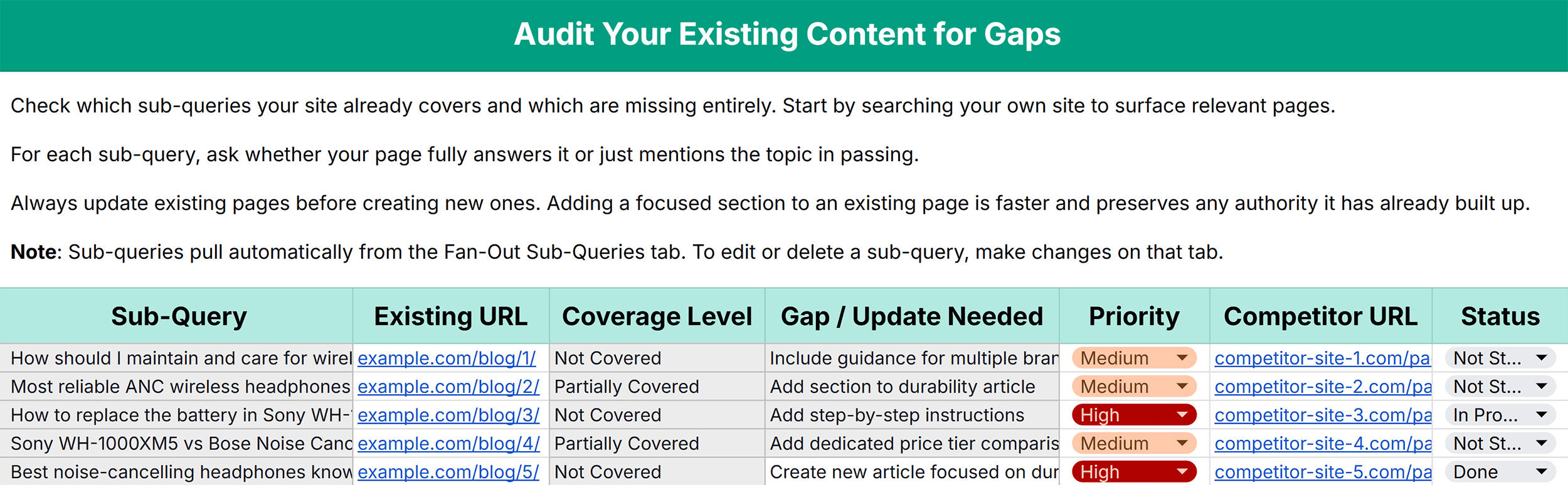
Step 4: Audit Existing Content for Gaps
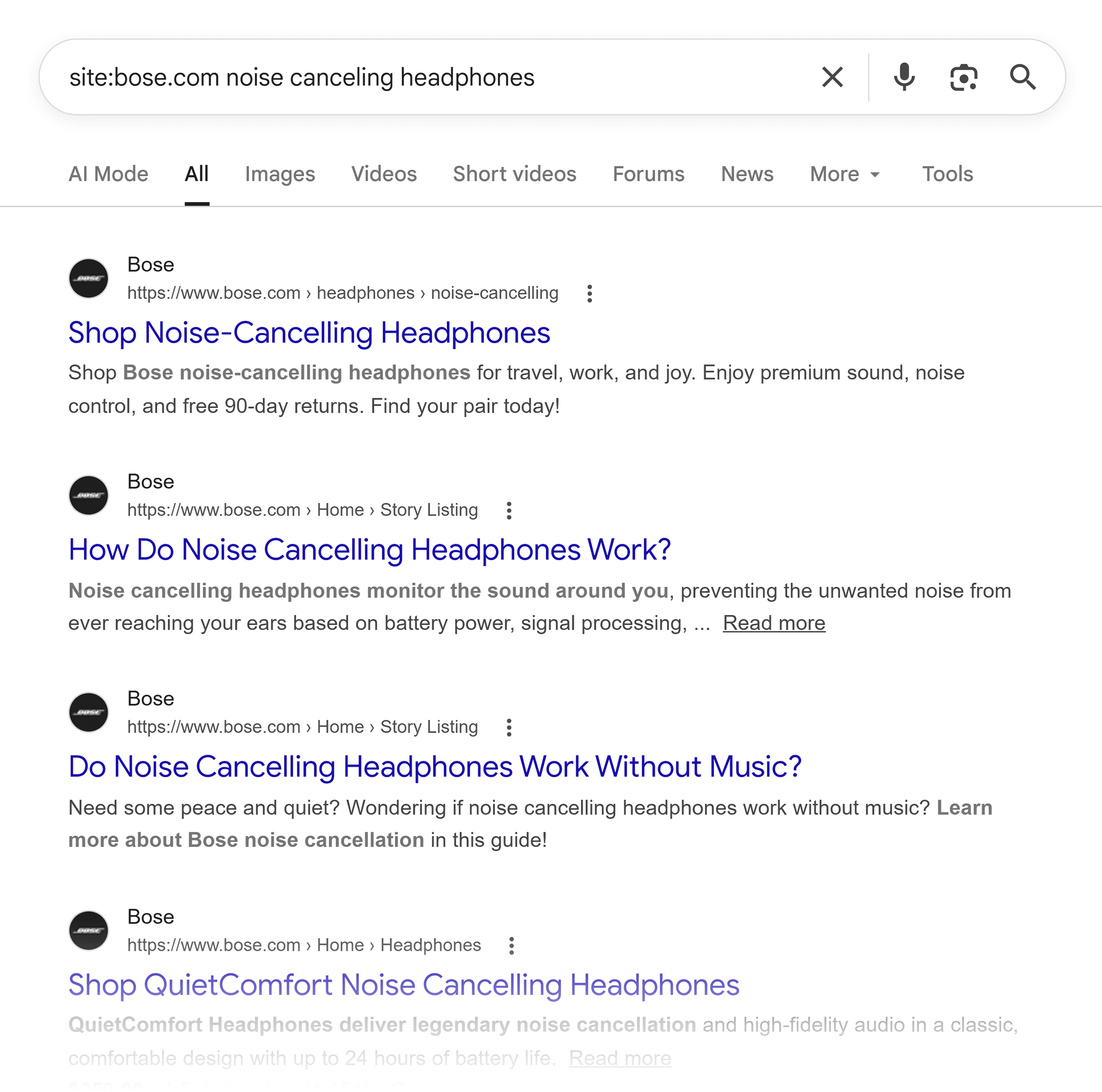
With a clear understanding of money prompts and their fan-out sets, content teams must audit their current content to identify gaps. Using site-specific Google searches (e.g., site:yourdomain.com [sub-query topic]) helps reveal existing coverage. Content can then be classified as:
- Not Covered: Requires entirely new content.
- Partially Covered: Needs dedicated sections added to existing pages for complete answers.
- Fully Covered: Requires ongoing monitoring and updates.
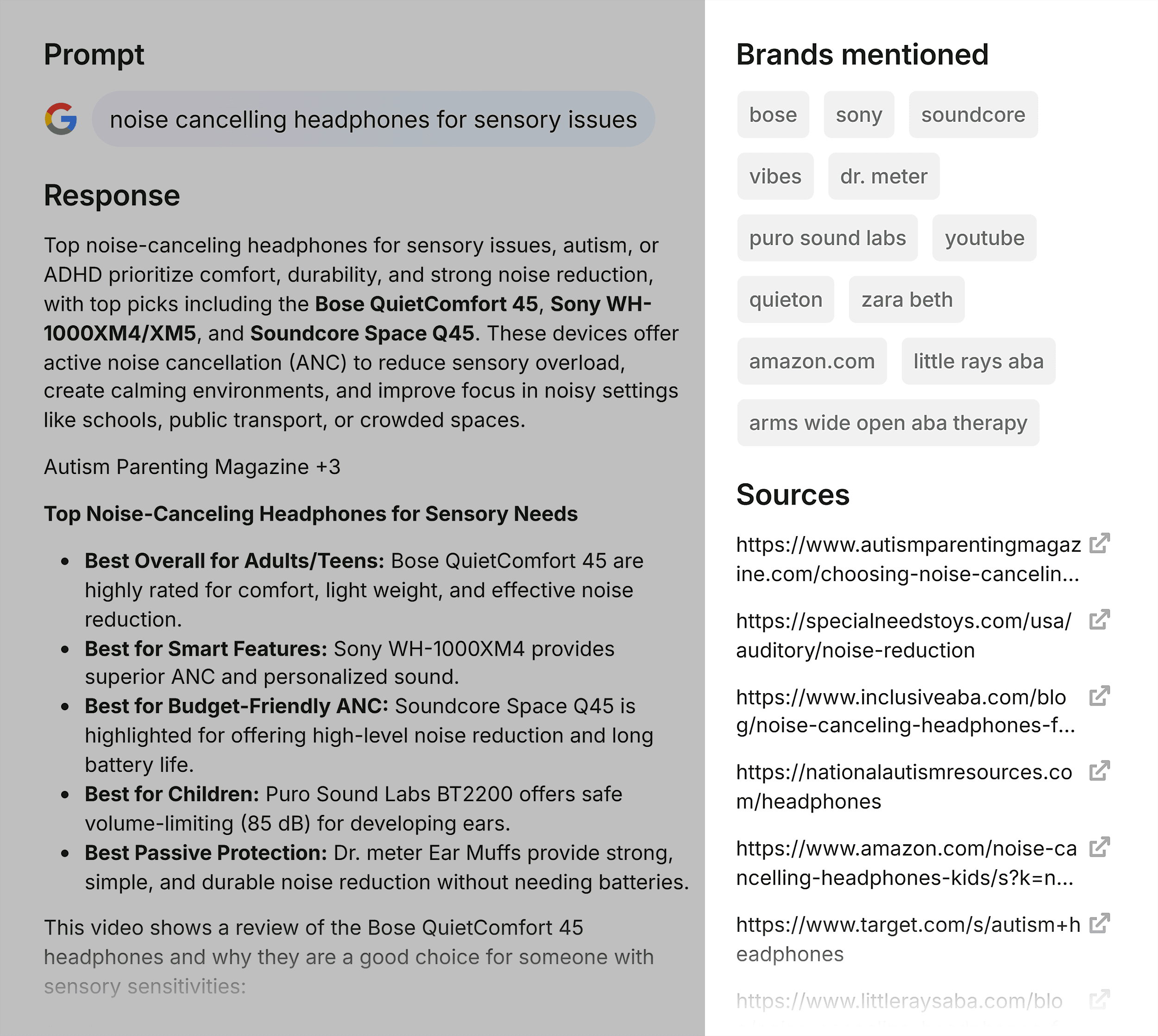
It’s also crucial to monitor competitor performance in AI search for these money prompts. Semrush’s AI Visibility Toolkit, for example, can show which brands are cited and their exact sources, highlighting opportunities to strengthen your presence or capture new ground.
Step 5: Structure Content for AI Extraction
The effectiveness of content in an AI-driven environment hinges on its extractability. To maximize AI visibility:
- Front-load answers: Provide direct, concise answers to potential sub-queries early in your content.
- Use descriptive subheadings: Each subheading should clearly indicate the question it answers, making it easy for AI to identify relevant passages.
- Employ structured data: Implement schema markup (e.g., FAQ schema, HowTo schema) where appropriate to explicitly signal the nature of your content to AI systems.
- Create self-contained answers: Ensure that each section or paragraph that addresses a specific sub-query can stand alone, without requiring surrounding context to be fully understood.
- Adopt use-case specific language: Tailor language to specific scenarios (e.g., "noise-canceling headphones for remote work" rather than just "noise-canceling headphones"). Bose, for instance, effectively uses dedicated landing pages with scenario-specific language (e.g., "headphones for flights") to align with AI’s fan-out into use-case queries.
Step 6: Measure Performance in AI Search
Continuous monitoring is essential. Track how often your brand and content are mentioned in AI responses for your target money prompts. Key metrics include:
- Whether your brand is cited.
- The exact passages cited.
- The sentiment surrounding your brand in AI responses.
- Comparisons against competitors.
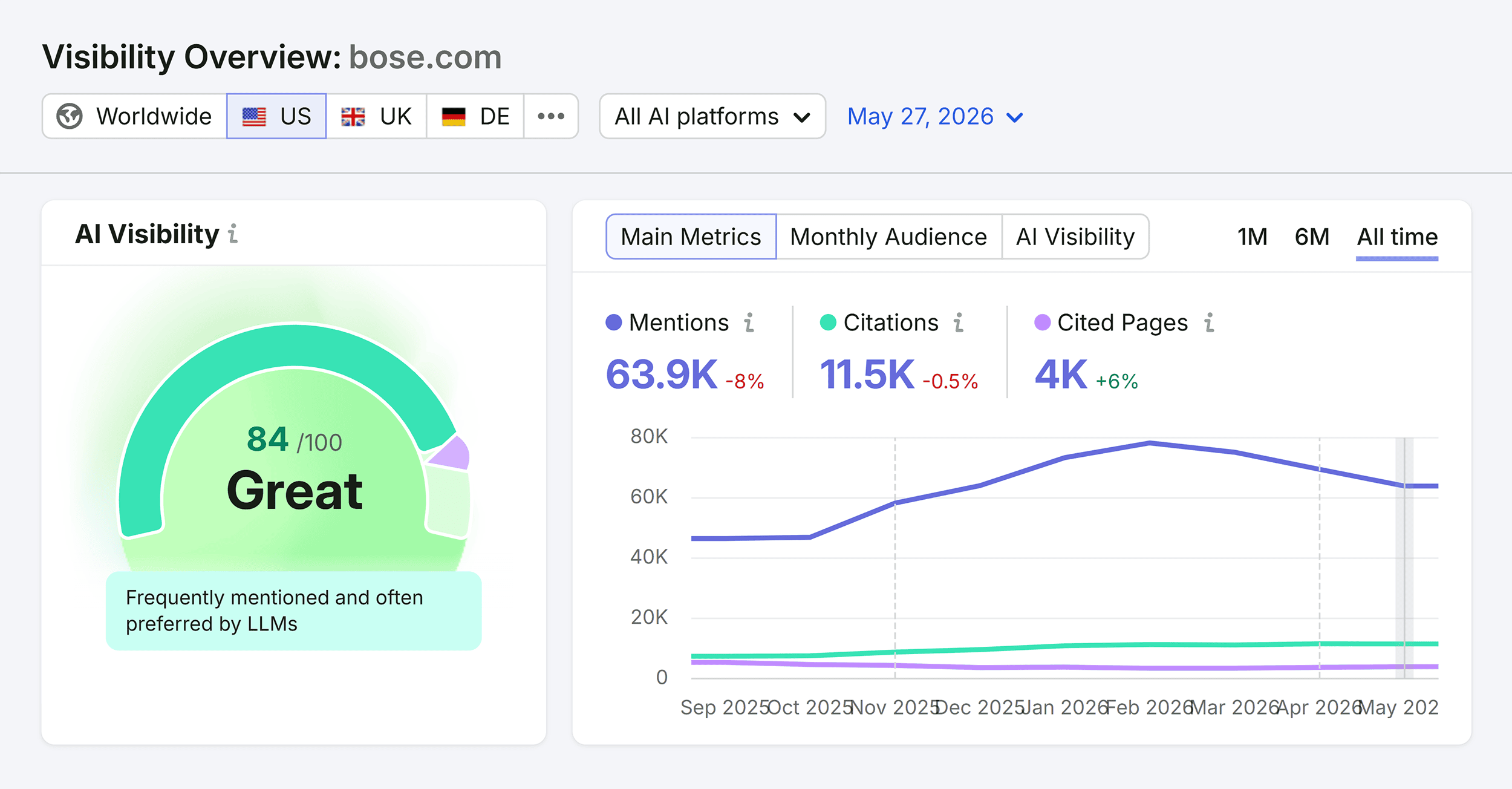
Manual tracking across various LLMs can be cumbersome. Tools like Semrush’s Prompt Tracker and Visibility Overview automate this, providing insights into changes in mentions, overall AI visibility scores compared to competitors, and even sentiment analysis (e.g., identifying strengths like "industry-leading noise cancellation" or weaknesses like "over-the-ear models not sweatproof" for Bose). This data-driven feedback loop allows for agile adjustments to content strategy, ensuring ongoing relevance and visibility in AI search.
Platform-Specific Nuances of Query Fan-Out
Understanding how different AI platforms handle query fan-out is key to tailored optimization.
-
ChatGPT: For straightforward informational queries, ChatGPT often relies on its vast training data. However, for questions requiring up-to-date information, comparisons, or real-world data, it performs live web searches. Its "Thinking mode" showcases this internal reasoning, generating multiple sub-queries to build a comprehensive answer, frequently drawing from diverse third-party sources like Reddit and review sites. For content, this emphasizes building topical authority beyond your own domain and ensuring content addresses common comparisons and user pain points with fresh data.
-
Perplexity: This platform is unique in its simultaneous execution of two types of fan-out: analyzing conversational context (past user queries, preferences) and running real-time web searches. Perplexity might first check for implicit user needs before launching external searches on reliability or cost. This means content must be robust and specific enough to be accurate and useful regardless of the unpredictable contextual pairing an AI might create.
-
Claude: Claude prioritizes clarifying user intent before conducting searches. It often presents "preference widgets" or asks follow-up questions to narrow down user needs. As a result, Claude tends to generate fewer, more targeted sub-queries. Content optimized for Claude should focus on directly addressing specific, well-defined use cases and providing clear, concise answers to common qualifying questions.
-
Google AI Overviews and AI Mode: Google AI Overviews provide condensed, featured-snippet-style summaries with source links. AI Mode, a dedicated conversational search tab, offers more interaction and depth for complex questions. Both draw from Google’s existing web index. Optimization for these Google features means front-loading answers, using descriptive subheadings, and structuring content so individual passages can stand alone and be easily synthesized into summaries or conversational responses. Leveraging structured data (schema) can also enhance the machine’s understanding of your content.
Conclusion: A New Era for Content Strategy
The era of AI-driven search signifies a profound shift from a page-ranking paradigm to a relevance-and-extractability paradigm. Relying solely on high traditional SEO rankings is no longer sufficient for earning AI mentions. Brands that will succeed are those that meticulously understand their audience’s "money prompts," comprehensively cover relevant topics through a "query fan-out" lens, and structure their content to be easily parsed, extracted, and cited by intelligent systems.
This requires a strategic pivot: from optimizing for individual keywords to building deep topical authority, from crafting entire pages to designing extractable passages, and from addressing linear buying journeys to providing holistic, synthesized answers. The framework of identifying money prompts, generating fan-out sets, bucketing by intent, auditing gaps, structuring for extraction, and continuously measuring performance provides a clear roadmap for navigating this new terrain. As AI continues to evolve, content creators who adapt to this new reality will secure their visibility and influence in the future of information discovery.