The Invisible Crisis in Digital Marketing: Why Prompt Tracking is Replacing Traditional SEO Rank Tracking

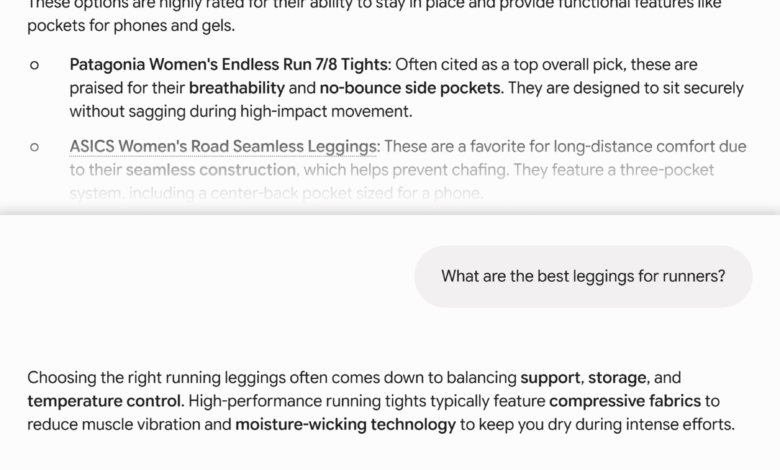
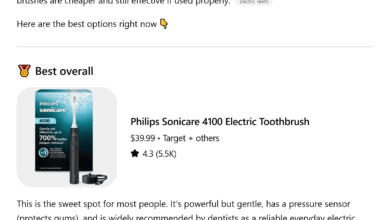
The evolution of digital discovery has fundamentally altered how consumers interact with brands, rendering traditional search engine optimization metrics insufficient for modern market visibility. While a company may secure the coveted top position on conventional search engine results pages, it can remain entirely invisible within the conversational outputs generated by modern artificial intelligence systems. As large language models (LLMs) like OpenAI’s ChatGPT, Google Gemini, and Perplexity become the primary research tools for consumers, businesses face a critical new challenge: ensuring accuracy and presence inside dynamic, non-deterministic AI answers.
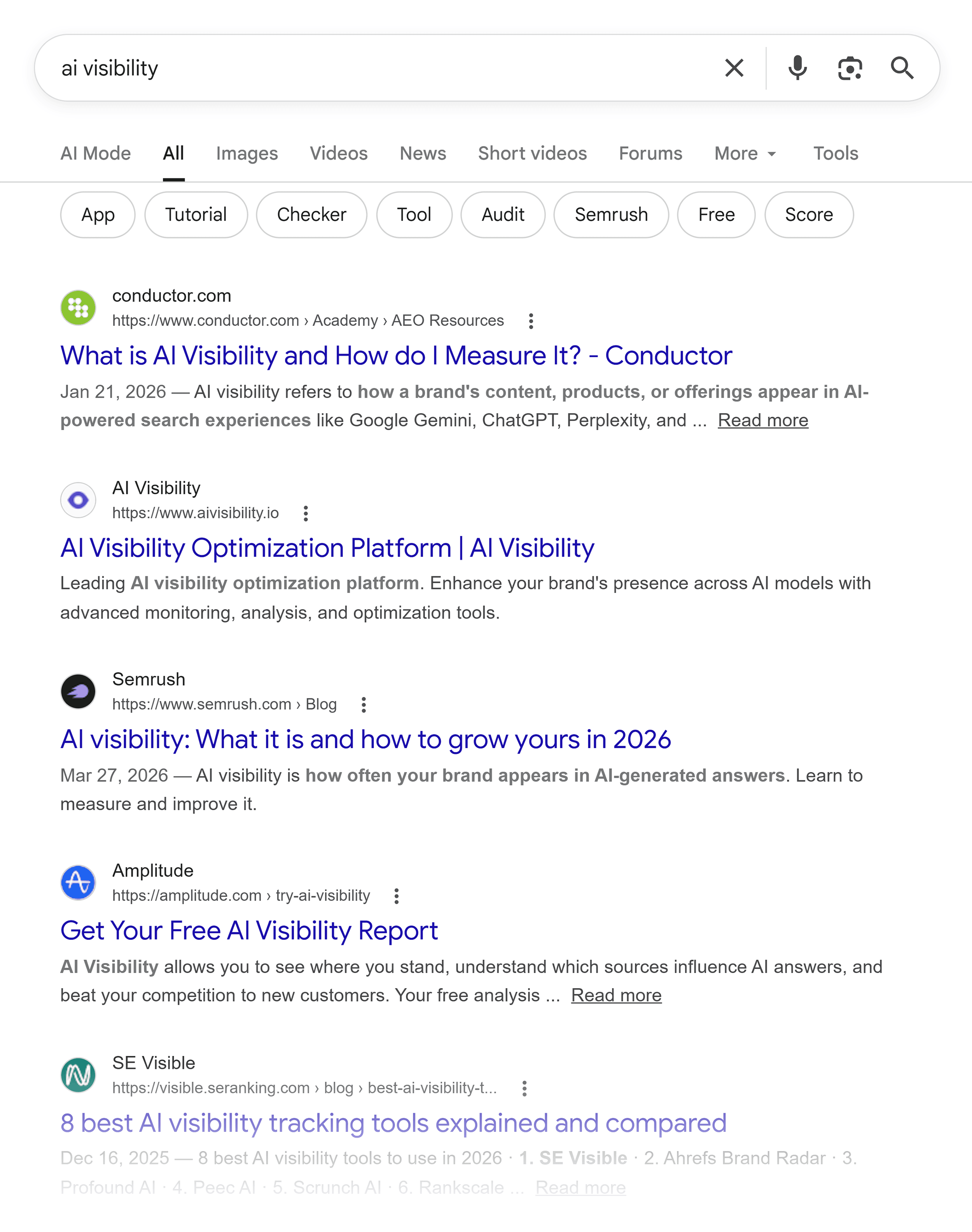
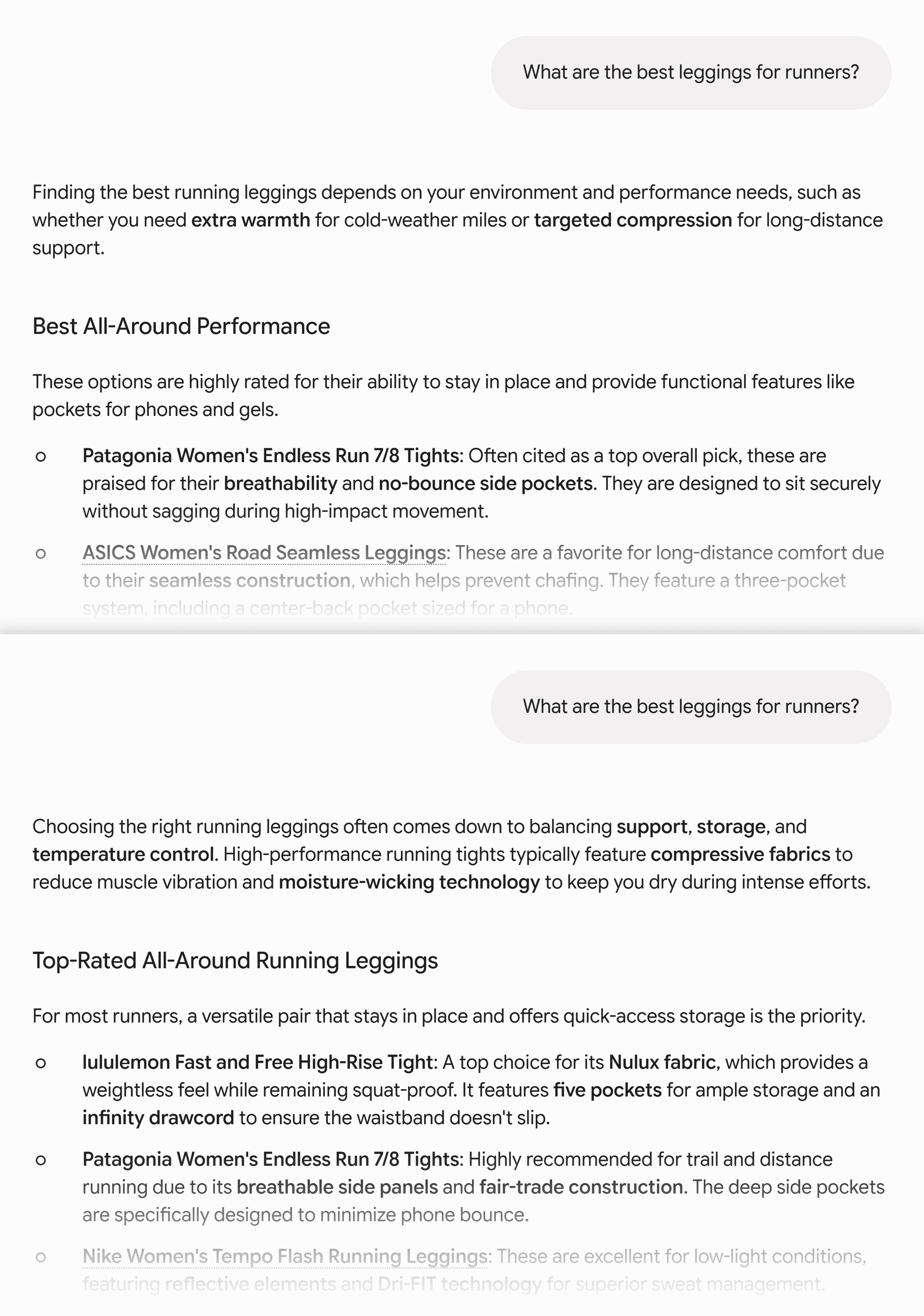
The shift from static keyword lists to conversational answers marks a profound technological pivot in consumer behavior. Recent industry data underscores this transformation, revealing that over half of internet users rely on conversational AI as a primary or frequent research mechanism, with a significant percentage utilizing these platforms specifically for product recommendations and brand evaluations. Unlike standard search engine results, which present a consistent array of ten blue links for any given query, LLMs synthesize massive repositories of information to construct a unique response tailored to the immediate user context. Consequently, a brand can ask the exact same prompt twice and receive entirely different recommendations, making traditional rank tracking obsolete.
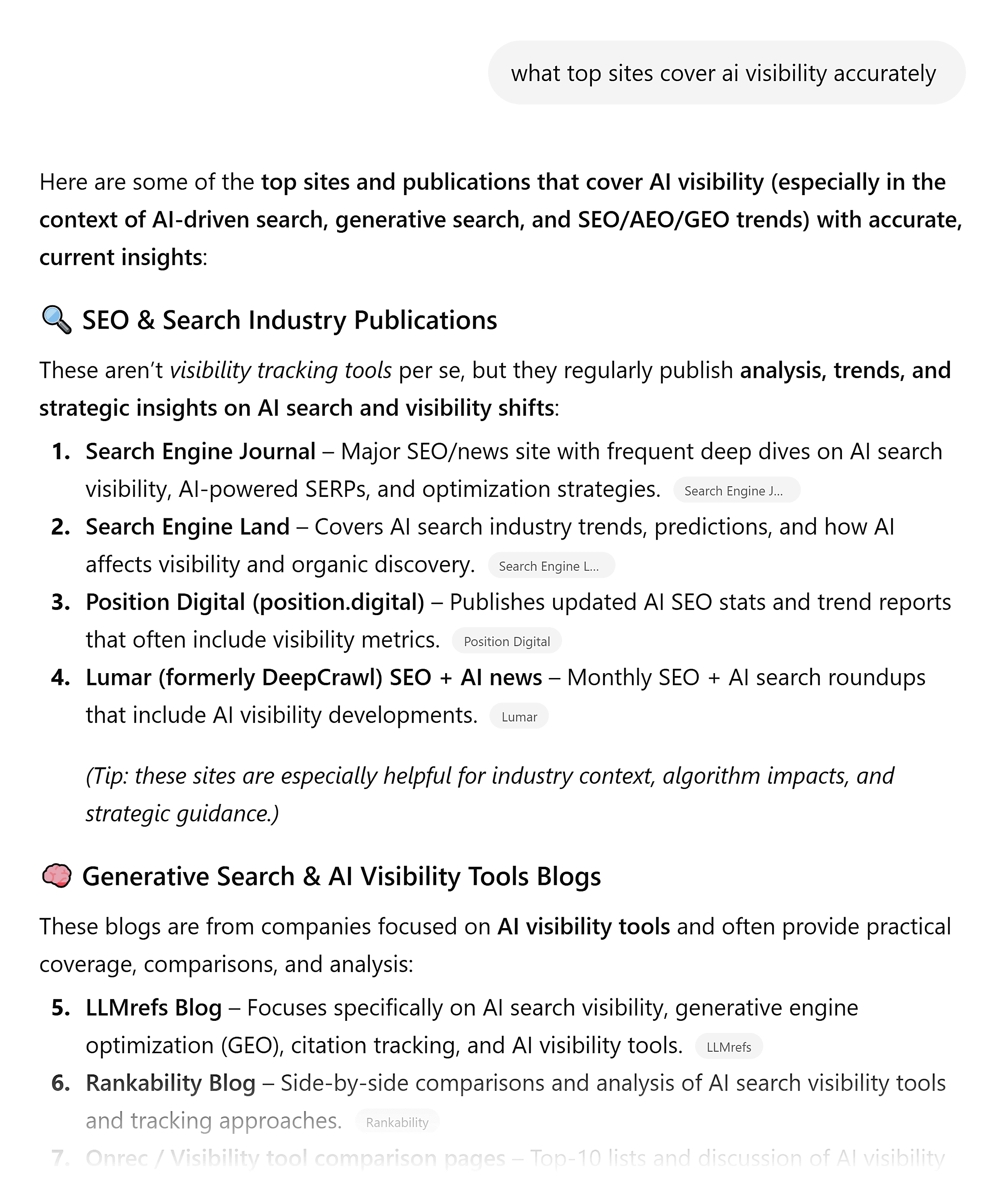
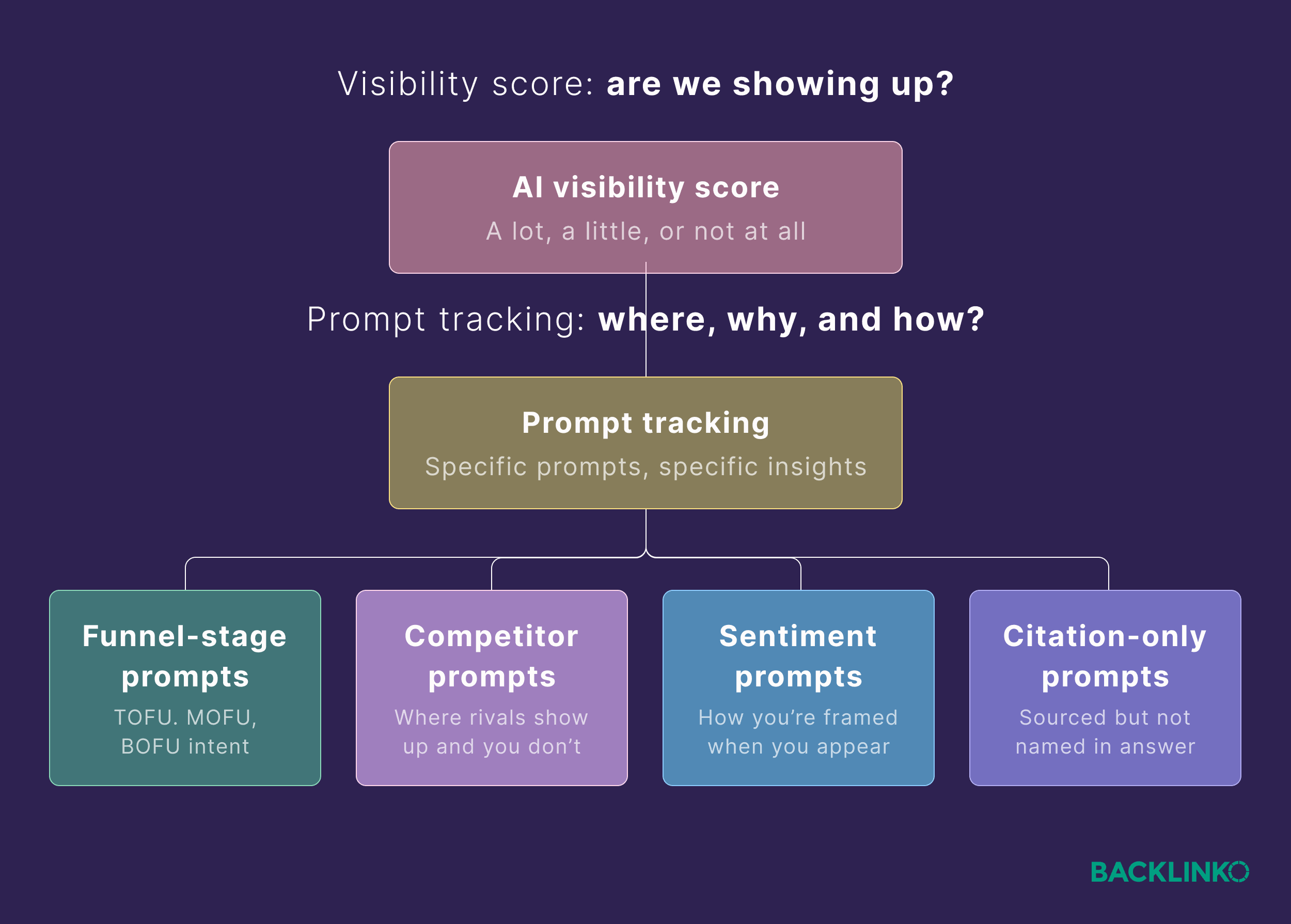
To address this visibility gap, digital strategists have introduced "prompt tracking"—sometimes referred to as LLM visibility tracking. Unlike rank tracking, which answers the question of how close a URL is to the number one spot for a keyword, prompt tracking monitors how a brand is mentioned, cited, or characterized in AI answers over time. Industry experts emphasize that in the current algorithmic ecosystem, the exact placement of a brand matters less than ensuring the AI consistently provides true, positive, and contextually accurate details to the right audience. Without a dedicated system to monitor these outputs, companies operate blindly, unaware if they are entirely absent from category discussions or, worse, being misrepresented by outdated or incorrect data that directly harms sales.
The methodology behind effective prompt tracking requires a structured approach to query selection. Rather than attempting to track every conceivable variation of consumer language, leading digital marketing agencies recommend focusing on prompts that map directly to specific product offerings, audience pain points, and purchase-intent moments. These typically fall into four distinct categories: evaluation prompts, comparison prompts, sentiment prompts, and gap prompts. Evaluation prompts assess software or product capabilities for specific business needs; comparison prompts evaluate a brand directly against its competitors; sentiment prompts gauge public opinion on value and reliability; and gap prompts uncover high-volume category queries where a brand currently fails to appear.
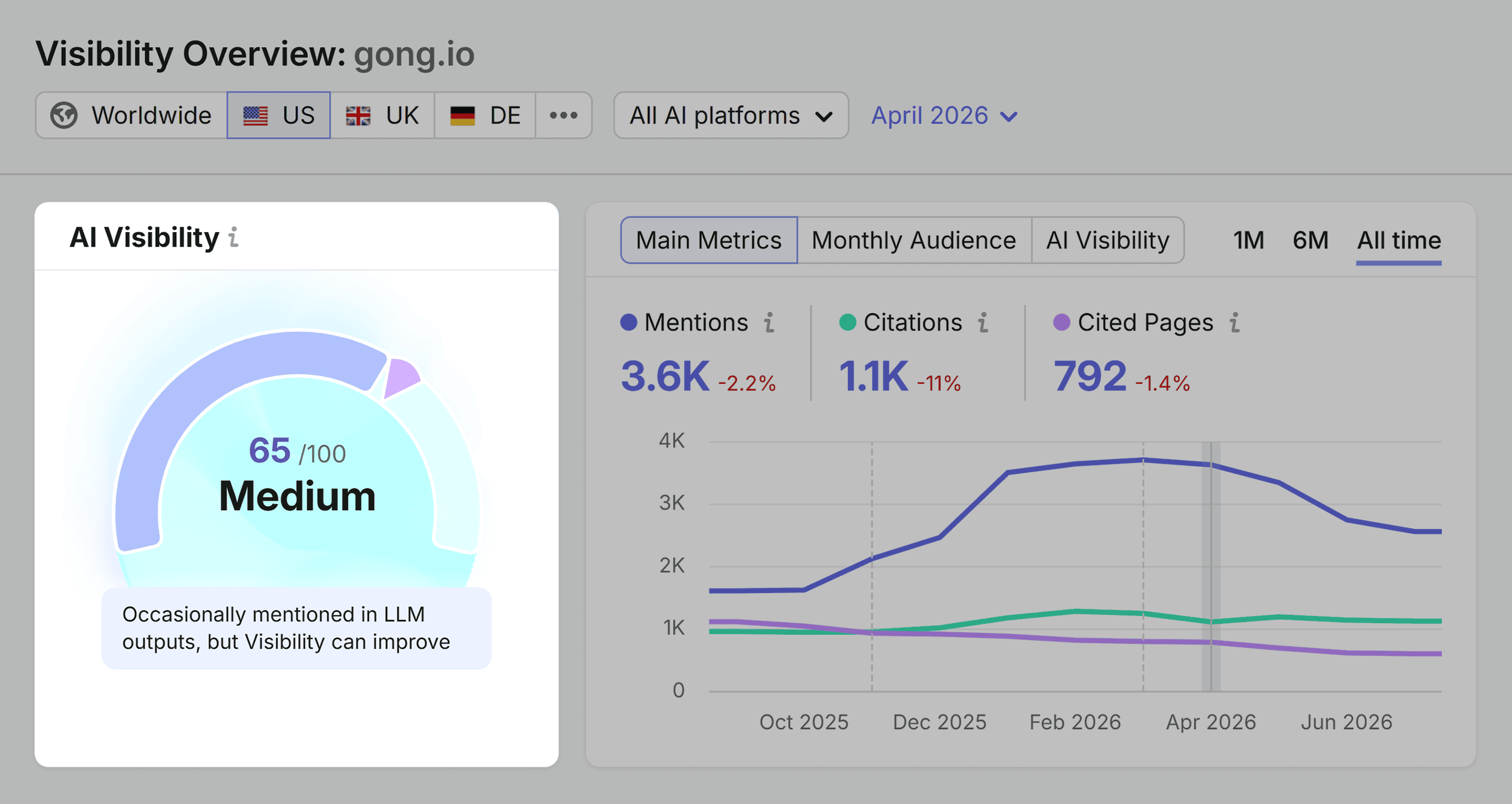
Establishing a prompt tracking routine typically begins with a foundational spreadsheet, though enterprise-level operations increasingly utilize automated APIs and dedicated software suites, such as Semrush’s AI Visibility tool, to handle scale. Best practices dictate a six-step implementation process: defining a targeted set of 20 to 30 strategic prompts categorized by use case, running those prompts across multiple major LLMs to account for platform-specific training variations, conducting multiple runs per session to gauge frequency rates, logging competitor appearances alongside brand mentions, reviewing data weekly to spot patterns, and acting only upon sustained trends rather than weekly anomalies.
Industry leaders stress the danger of misinterpreting short-term variance. Because AI models frequently undergo silent updates and weight adjustments, a single week of low visibility often represents algorithmic noise rather than a systemic failure. Analysts advise waiting for at least four consecutive weeks of declining metrics before initiating corrective measures on content strategy. Furthermore, marketing professionals caution against tracking overly broad, top-of-funnel definitions or excessively branded queries, both of which skew visibility scores without yielding actionable commercial intelligence.
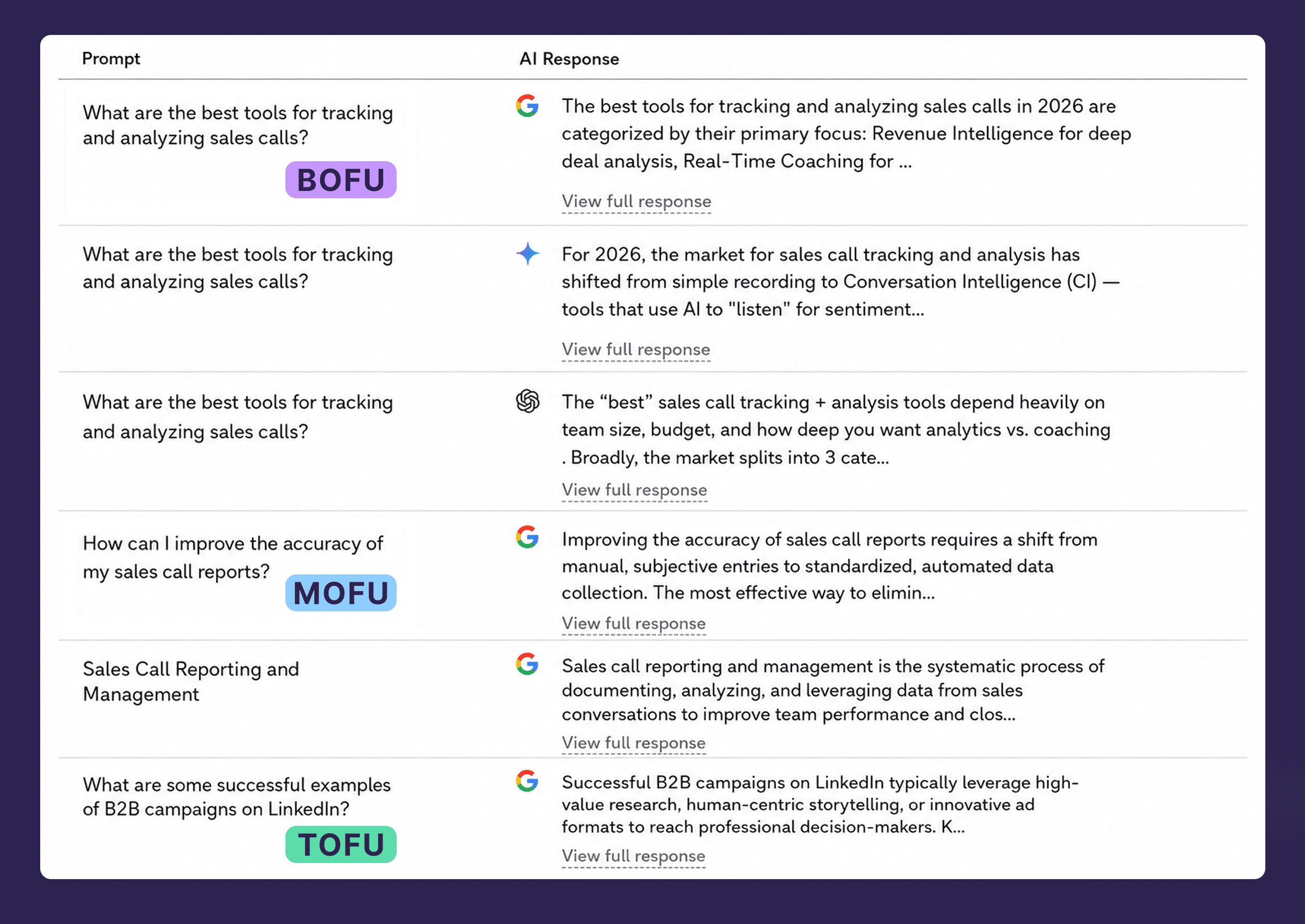
The implications of poor AI visibility extend far beyond surface-level metrics, directly threatening bottom-line revenue in competitive sectors like B2B software and e-commerce. When an LLM recommends a competitor while relegating another brand to a "ghost ranking"—where a company’s content appears in the citation panel but the text promotes a rival—the financial impact can be immediate. To counteract this, forward-thinking brands are increasingly auditing the third-party sources most frequently cited by LLMs, such as review platforms, industry forums, and aggregator sites, and actively pursuing outreach campaigns to ensure their digital footprint is robust, accurate, and optimized for machine readability. As the digital economy transitions deeper into the age of conversational search, prompt tracking has evolved from an experimental tactic into an essential corporate governance strategy for maintaining market relevance.