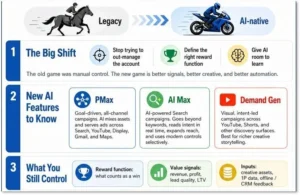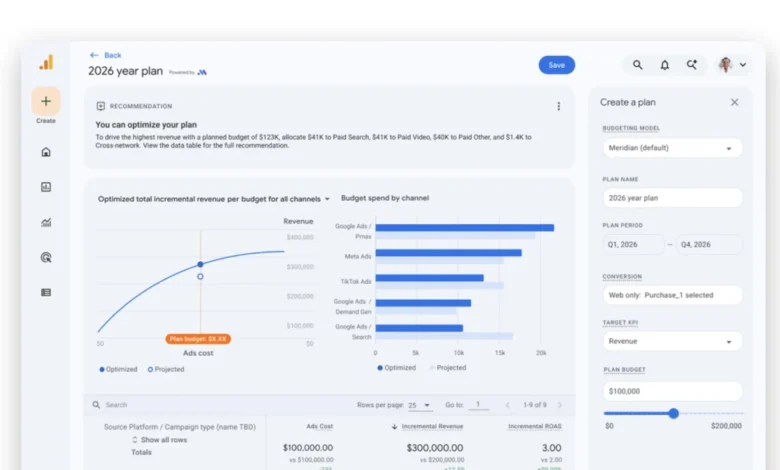
Google has officially announced a significant expansion of its marketing measurement ecosystem, integrating its open-source Marketing Mix Model, Meridian, into the Google Analytics 360 platform. This strategic move is accompanied by the introduction of Qualified Future Conversions (QFCs) within Google Ads, a new feature powered by the Gemini artificial intelligence model designed to bridge the gap between upper-funnel marketing activities and long-term sales outcomes. These updates represent a pivot toward more sophisticated, privacy-centric measurement solutions as the digital advertising industry navigates the deprecation of traditional tracking mechanisms and the increasing complexity of cross-channel consumer journeys.
In the contemporary digital landscape, data has emerged as the primary fuel for organizational growth, yet the ability to transform raw information into actionable decisions remains a significant hurdle for many enterprises. Google’s latest initiatives aim to provide a unified framework where data foundation, performance visibility, and execution tools coexist. By embedding Meridian into the enterprise-tier Analytics 360, Google is offering marketers a more streamlined path to sophisticated modeling that was previously reserved for organizations with extensive data science resources.
The Strategic Integration of Meridian into Google Analytics 360
Meridian was originally introduced by Google as an open-source Marketing Mix Model (MMM) framework to help advertisers measure the impact of their marketing spend across various channels, both online and offline. Unlike traditional attribution models that often rely on user-level tracking, MMMs use aggregate data to determine how different variables—such as media spend, economic conditions, and seasonal trends—contribute to sales.
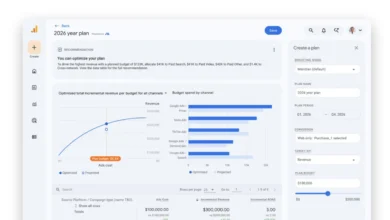
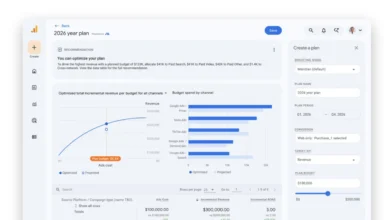
The integration into Google Analytics 360 (GA360) marks a transition from a standalone tool to a core component of the Google measurement suite. This move allows GA360 users to leverage their existing first-party data directly within the Meridian framework. The objective is to provide a "complete picture" of performance, moving beyond the limitations of last-click attribution which often undervalues brand-building efforts.
For enterprise users, the integration promises several key advantages. First, it reduces the friction associated with data preparation, as GA360 already houses a significant portion of the necessary behavioral and conversion data. Second, it democratizes access to Bayesian hierarchical modeling—the mathematical backbone of Meridian—enabling teams to perform complex statistical analysis without starting from scratch. Finally, the open-source nature of Meridian ensures that while it is integrated with Google tools, it remains transparent and customizable, allowing brands to input data from competing platforms like Meta, Amazon, and traditional television.
Qualified Future Conversions: Linking Brand Awareness to Revenue
While Meridian focuses on macro-level measurement, the introduction of Qualified Future Conversions (QFCs) addresses the micro-level challenge of valuing early-stage customer interactions. Traditionally, marketing spend in the "upper funnel"—such as video ads or display banners intended to build brand awareness—has been difficult to quantify in terms of immediate return on investment (ROI).
Powered by Google’s Gemini AI, QFCs utilize predictive signals to link early engagements to future sales. One of the primary signals used in this process is brand search volume. When a consumer views an ad and subsequently searches for the brand, the Gemini model identifies this as a high-intent signal that correlates with a higher probability of a future purchase.
By identifying these "missed revenue" opportunities, QFCs allow marketers to justify spend on demand-creation activities that might not lead to an instant click-through but are essential for long-term pipeline health. Google has indicated that these predictive signals will eventually be integrated directly into Meridian. This synergy will further refine MMM accuracy by providing the model with forward-looking indicators of growth, rather than relying solely on historical conversion data.
Chronology and Context: The Evolution of Google’s Measurement Philosophy
The announcement of these tools is the latest step in a multi-year evolution of Google’s approach to advertising measurement. To understand the significance of this update, it is necessary to look at the timeline of Google’s measurement shifts:
- The Shift to GA4 (2020-2023): Google transitioned from Universal Analytics to Google Analytics 4 (GA4), a platform built on an events-based model rather than a session-based one, designed to be more flexible and privacy-compliant.
- The Privacy Sandbox Initiative: As third-party cookies faced phased deprecation in browsers like Chrome, Google began developing the Privacy Sandbox to find alternative ways to support interest-based advertising and measurement.
- The Launch of Meridian (Early 2024): Recognizing that attribution was becoming more difficult due to privacy regulations (such as GDPR and CCPA) and platform changes (like Apple’s ATT), Google released Meridian as an open-source solution to champion the return of Marketing Mix Modeling.
- The Integration Announcement (Current): The current integration of Meridian into GA360 and the launch of QFCs represents the "unified" stage of this timeline, where AI-driven predictive modeling and aggregate statistical modeling are brought together.
This chronology suggests that Google is moving away from trying to track every individual user’s path and is instead doubling down on statistical "truth" and AI-driven prediction. This shift is essential in a world where data gaps are becoming the norm rather than the exception.
Supporting Data and Market Analysis
The demand for sophisticated measurement tools is supported by broader industry trends. According to market research, the global digital advertising market is expected to exceed $700 billion by 2025. However, a significant portion of this spend is often misattributed. Studies by various marketing effectiveness firms suggest that traditional attribution models can overstate the effectiveness of search ads by up to 30% while understating the impact of brand-building video content.
Furthermore, the adoption of AI in marketing is no longer optional. A 2023 Gartner survey revealed that over 60% of CMOs planned to invest in AI-driven marketing technology to improve efficiency. Google’s use of Gemini for QFCs aligns with this trend, providing a practical application for generative and predictive AI that goes beyond content creation and into the realm of financial accountability.
The integration of MMM into standard workflows also reflects a resurgence of the practice. Once considered a "slow" measurement tool used primarily by large CPG (Consumer Packaged Goods) companies for annual planning, modern MMMs like Meridian are designed for "durable" and "timely" insights, allowing for more frequent budget reallocations.
Official Responses and Industry Implications
While official statements from Google executives emphasize "investing confidently in what’s next," the broader industry reaction has been one of cautious optimism. Data scientists and marketing analysts have generally praised the open-source nature of Meridian, noting that it prevents "black box" reporting where a platform grades its own homework.
Industry analysts suggest that by bringing Meridian into GA360, Google is positioning itself against other major measurement frameworks, such as Meta’s "Robyn" (also an open-source MMM) and Amazon’s Marketing Cloud. The competition is no longer just for ad dollars, but for the "source of truth" that determines how those dollars are distributed across the internet.
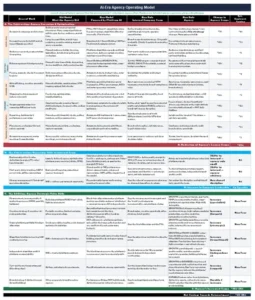
For the average enterprise, the implication is clear: the era of relying on simple conversion pixels is ending. To remain competitive, brands must adopt a multi-layered measurement strategy that includes:
- Attribution: For immediate, tactical optimizations.
- Marketing Mix Modeling (Meridian): For strategic budget allocation across channels.
- Predictive Modeling (QFCs): To value the long-term impact of brand awareness.
Technical Nuances: How Gemini Enhances Accuracy
The role of Gemini in this ecosystem cannot be overstated. Unlike previous iterations of machine learning in Google Ads, Gemini’s multimodal capabilities allow it to process a wider array of signals with greater context. In the case of Qualified Future Conversions, the AI doesn’t just see a search term; it understands the intent behind the search in relation to the specific creative the user was exposed to earlier.
This capability addresses the "latency" problem in marketing. Some products have a 24-hour consideration window, while others, like automotive or B2B software, may have a six-month window. Gemini-powered QFCs help bridge this temporal gap by identifying "proxy" behaviors that historically lead to sales, providing a real-time estimate of future revenue that can be used to optimize current campaigns.
Conclusion: Toward a More Predictable Marketing Future
Google’s integration of Meridian into Analytics 360 and the deployment of Qualified Future Conversions mark a pivotal moment in the democratization of advanced marketing science. By providing tools that are both open-source and deeply integrated into the world’s most widely used analytics platform, Google is setting a new standard for how performance is measured in an AI-first, privacy-centric world.
The ultimate goal of these updates is to remove the guesswork from marketing. By linking the top of the funnel to the bottom of the ledger, and by providing a unified view of data through Meridian, Google is attempting to provide the "fuel" and the "engine" for sustainable business growth. As these tools move out of the announcement phase and into general availability, the success of the initiative will be measured by how effectively brands can uncover "missed revenue" and reinvest it into the channels that truly drive their long-term success.