The first episode of the Ads Decoded podcast dives into how marketers can leverage analytics and AI for better results.

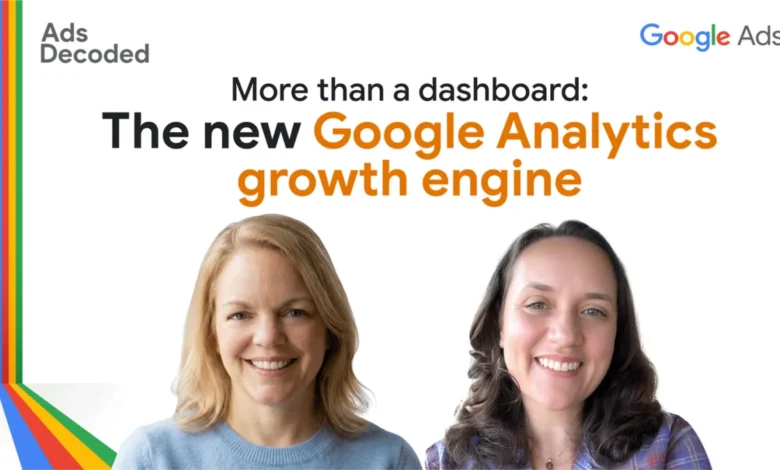
The debut episode of the Ads Decoded podcast series, hosted by Google’s Ads Product Liaison Ginny Marvin, marks a strategic pivot in how the technology giant communicates technical product updates to its advertising ecosystem. By facilitating a direct dialogue between product architects and the end-user base, the series aims to demystify the increasingly complex intersection of machine learning, data privacy, and performance marketing. This initial installment features Eleanor Stribling, Group Product Manager for Google Analytics, who outlines a framework for transitioning from traditional, static data reporting to a proactive, AI-driven activation model.
The Evolution of Marketing Analytics
The landscape of digital advertising has shifted significantly over the past five years, moving away from cookie-based tracking toward a privacy-centric, model-based measurement environment. Historically, marketers relied heavily on third-party cookies to track user journeys across the web. However, the deprecation of these tracking mechanisms, coupled with stricter regulatory environments such as the General Data Protection Regulation (GDPR) and the California Consumer Privacy Act (CCPA), has forced a paradigm shift.
In the current climate, Google Analytics 4 (GA4) serves as the primary tool for navigating these constraints. Unlike its predecessor, Universal Analytics, which was built on a session-based data model, GA4 employs an event-based architecture. This shift is not merely cosmetic; it represents an fundamental change in how data is processed. By leveraging machine learning, Google’s latest iteration of the platform attempts to fill data gaps created by user consent choices and browser restrictions, providing marketers with a holistic view of the customer lifecycle.
Chronology of Google’s Measurement Transformation
The introduction of the Ads Decoded podcast arrives at a critical juncture in Google’s roadmap for its advertising ecosystem. To understand the gravity of the current guidance provided by Stribling and Marvin, one must examine the timeline of these technological shifts:
- 2020: Google announces the transition to Google Analytics 4, signaling the end of the legacy Universal Analytics platform.
- 2022: The industry faces massive disruption as major browser updates restrict cross-site tracking, necessitating a move toward first-party data strategies.
- July 2023: Universal Analytics properties cease processing new hits, making GA4 the mandatory standard for all users.
- Early 2024: The focus shifts from implementation to optimization, with Google emphasizing "activation"—the process of feeding high-quality data back into AI-driven bidding algorithms.
- Current Phase: The launch of educational initiatives like Ads Decoded, designed to bridge the gap between product capability and marketer adoption.
The Criticality of Data Strength
A central theme of the inaugural episode is the concept of "data strength." In the era of AI, the performance of automated bidding—such as Google’s Smart Bidding—is tethered directly to the quality of the signals it receives. Eleanor Stribling defines data strength as the accuracy, consistency, and completeness of the data points provided to Google’s algorithms.
When a brand fails to maintain high data strength, the AI model lacks the necessary context to make effective bidding decisions. This leads to inefficient spend, inaccurate attribution, and ultimately, a decline in return on ad spend (ROAS). Stribling emphasizes that data strength is no longer a technical "nice-to-have" but a fundamental business requirement. For brands to maintain a competitive edge, they must invest in robust tagging, conversion modeling, and server-side tagging solutions that ensure data integrity despite the limitations imposed by privacy-focused browsing environments.
Supporting Data and Industry Context
Industry reports from organizations such as the IAB and eMarketer indicate that while 85% of marketers consider first-party data a priority, less than 40% have fully integrated these data sets into their programmatic buying strategies. This gap represents a significant opportunity for brands that can successfully bridge the divide between their CRM data and their advertising platforms.
Furthermore, machine learning models require a high volume of conversion events to optimize effectively. In markets with low conversion rates, Google’s AI may struggle to achieve the desired outcomes. This is where "micro-conversions"—actions such as newsletter signups, page depth, or video completions—become vital. By feeding these signals into Google Analytics and subsequently into Google Ads, marketers can provide the machine learning algorithms with the "training data" required to identify high-value customers, even when the final purchase event is infrequent.
Official Perspectives on AI Integration
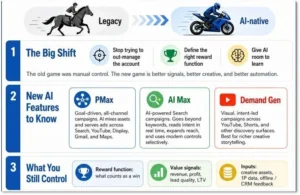
In the podcast discussion, Marvin and Stribling underscore that the role of the marketer is evolving from a manual campaign operator to an AI strategist. The objective of using Google Analytics as an "activation engine" involves three key pillars:
- Audience Refinement: Utilizing AI-powered predictive metrics—such as purchase probability or churn probability—to create dynamic audiences that can be exported directly to Google Ads.
- Attribution Modeling: Moving beyond last-click attribution to data-driven attribution (DDA), which assigns value to all touchpoints in the consumer journey based on incrementality.
- Cross-Platform Syncing: Ensuring that the feedback loop between the website, the mobile application, and the ad platform is seamless, preventing "data silos" that impede AI learning.
"Marketers need to stop looking at analytics as a historical record of what happened and start looking at it as the engine that powers what happens next," Stribling noted during the conversation. This sentiment reflects a broader strategic directive within Google to encourage advertisers to trust automated systems, provided the foundational data inputs are verified and reliable.
Broader Implications for the Advertising Industry
The shift toward AI-centric measurement carries profound implications for the structure of marketing teams. As automated tools take over the day-to-day management of keyword bids and audience targeting, the value of a marketer lies increasingly in their ability to define business objectives, ensure data governance, and manage the inputs of the AI.
The emphasis on privacy is another non-negotiable factor. With the ongoing phase-out of third-party cookies, the reliance on Google’s "privacy-preserving" measurement solutions, such as Enhanced Conversions, is expected to increase. These solutions allow advertisers to bridge the gap between user actions on their site and their ad interactions, while adhering to anonymization standards. Failure to adopt these standards risks "dark spots" in campaign performance, where the marketer loses visibility into the impact of their ad spend.
Strategic Recommendations for Advertisers
For organizations looking to capitalize on the insights shared by the Ads Decoded team, the following strategic steps are recommended:
- Audit Tagging Infrastructure: Ensure that Google Tag Manager (GTM) is configured to capture the most relevant business events, not just basic page views.
- Prioritize First-Party Data: Establish mechanisms for capturing and hashing user data (with appropriate consent) to improve match rates for Enhanced Conversions.
- Experiment with Predictive Audiences: Use the machine learning capabilities inherent in GA4 to identify high-value customer segments and target them across Google’s display and search networks.
- Invest in Continuous Education: Platforms like the Ads Decoded podcast serve as essential resources for staying updated on the rapid cadence of product changes. As AI evolves, the tools available to marketers will continue to change, and staying ahead of the curve is the only way to maintain a strategic advantage.
In conclusion, the first episode of Ads Decoded serves as a foundational roadmap for the year ahead. By focusing on the intersection of data integrity and AI-driven automation, Google is signaling to the industry that the path to sustainable growth lies in the smart application of technology. The transition from passive reporting to active, data-informed strategy is no longer a future-looking concept; it is the current standard for any brand aiming to thrive in the modern digital ecosystem. As the year progresses, the success of advertising efforts will likely be measured by how well brands can adapt these complex analytical tools to meet their unique, long-term business goals.