Streamlining Media Workflows: A Comprehensive Analysis of Filestack as an End-to-End Media Management Solution

In the modern digital landscape, the volume of media processed by web and mobile applications has reached an unprecedented scale. From user-generated content in social media platforms to complex document management in enterprise SaaS, developers are constantly challenged by the logistics of file ingestion, processing, and distribution. Handling these tasks manually is not only resource-intensive but also introduces significant risks regarding storage efficiency, security, and delivery speed. Consequently, the industry has shifted toward specialized File Infrastructure-as-a-Service (FIaaS) solutions, with platforms like Filestack emerging as primary tools for developers looking to optimize their media pipelines without the overhead of building proprietary infrastructure from scratch.
The Evolution of Media Infrastructure
Historically, developers were tasked with building custom file-handling systems using low-level libraries. This often involved configuring local storage, writing bespoke image resizing scripts using tools like ImageMagick, and manually managing Content Delivery Network (CDN) configurations. This approach was inherently flawed; it created silos, introduced latency, and required constant maintenance as storage requirements evolved.
The rise of cloud-native development changed this paradigm. Between 2010 and 2015, the demand for "plug-and-play" infrastructure grew as the mobile-first era necessitated faster, more responsive media delivery. Filestack positioned itself within this ecosystem by providing a comprehensive API-driven suite that treats files as dynamic assets rather than static blobs. By offloading these responsibilities to a managed service, organizations report a significant reduction in technical debt, allowing engineering teams to focus on core product functionality rather than the plumbing of file management.
The Mechanics of Ingestion: A Unified Upload Experience
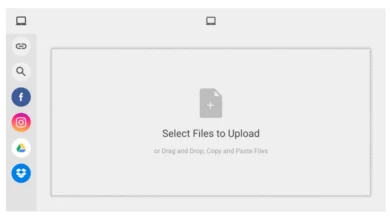
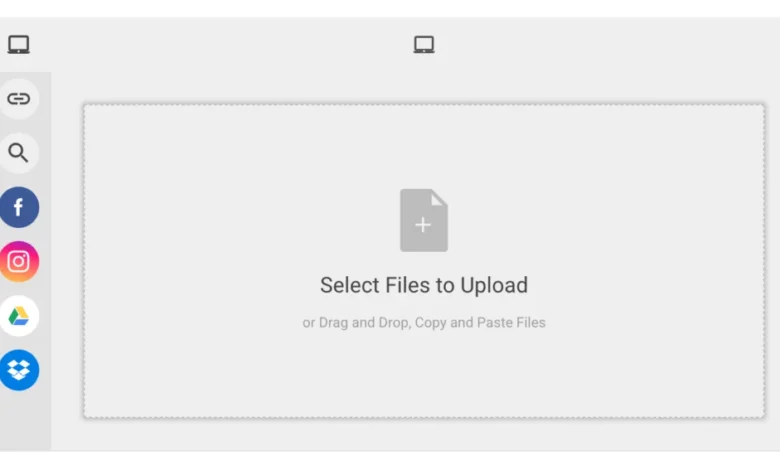
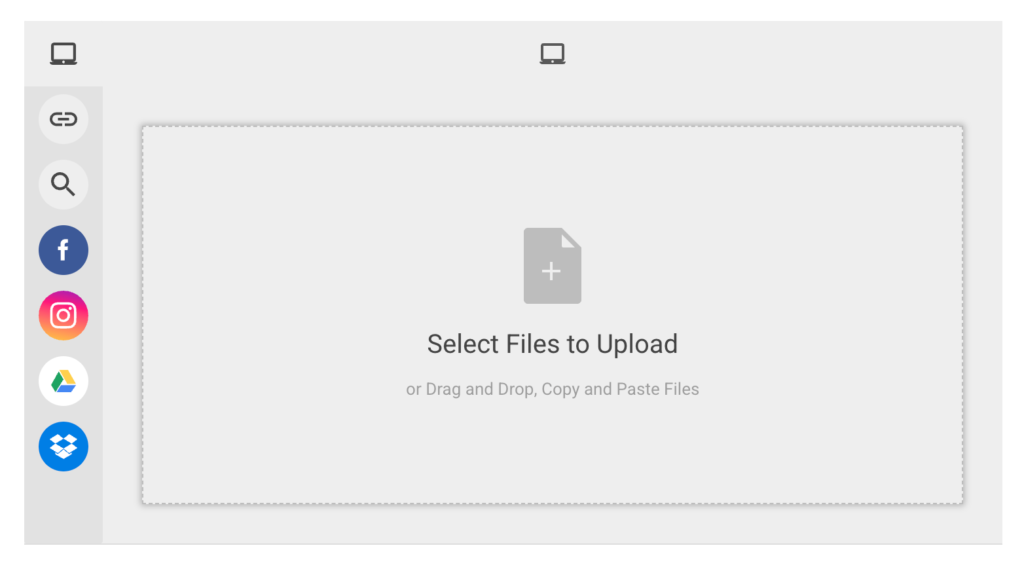
The first stage of any media lifecycle is the upload process, which is notoriously difficult to perfect. Browser-based uploads often struggle with network instability, large file sizes, and cross-platform compatibility. Filestack addresses these challenges through its modular picker interface. By providing a unified UI component, the service allows developers to integrate support for over 20 third-party sources—including Google Drive, Dropbox, GitHub, and various social media platforms—with a few lines of code.
For front-end implementation, the JavaScript SDK serves as the primary bridge. By initializing a client with an API key, developers can invoke a picker that handles multi-part uploads, chunking, and progress tracking automatically. This abstraction layer is vital for user experience; it ensures that a user uploading a high-resolution image from a mobile device in a low-bandwidth environment experiences the same level of reliability as a desktop user on a high-speed fiber connection.
On the back-end, the integration requirements differ significantly. Developers working with Python, Node.js, or PHP often require server-to-server transfers. The Filestack Python library, for instance, allows for direct S3-bucket synchronization, enabling developers to define storage parameters—such as paths, security policies, and metadata tags—directly within their server-side logic. This granular control is essential for enterprise-grade compliance, ensuring that files are correctly categorized and stored in designated cloud regions.
Transformation: The Shift Toward Dynamic Media
Once a file is ingested, the need for transformation is almost immediate. Whether it is resizing a profile picture, converting a HEIC file to a more web-compatible JPEG, or applying security watermarks to sensitive documents, transformation is the heart of modern media delivery.
Filestack’s transformation engine operates on an "on-the-fly" model. Rather than processing files during the upload phase—which would significantly increase latency—the platform utilizes URL-based parameters to trigger transformations at the time of the request. For example, by appending parameters to a CDN URL, a developer can resize an image to 300 pixels in width or apply a sepia filter. Because these transformations are cached at the CDN level, the initial processing overhead is amortized over subsequent requests, ensuring near-instant performance for end-users.
This capability has broad implications for mobile performance. According to industry benchmarks from Google’s Web Vitals, image optimization is one of the most critical factors in Largest Contentful Paint (LCP). By utilizing automated transformation services, developers can ensure that mobile devices receive images scaled to their specific resolution, significantly reducing data payloads and improving Core Web Vitals scores.
Global Delivery and CDN Reliability
The final leg of the media journey is distribution. Even the most optimized image is useless if the delivery mechanism is slow. Filestack utilizes a global CDN architecture that caches transformed assets for 30 days. This duration is strategically chosen to balance cache hit rates with the need for freshness; if a file is updated, the system invalidates the cache, ensuring that the user always sees the most recent version of the asset.
Reliability in this context is defined by redundancy. Filestack’s infrastructure is built across multiple availability zones, ensuring that even if one node or data center experiences a service interruption, media remains accessible. This level of availability is generally unattainable for small-to-medium-sized startups building in-house, making managed infrastructure an essential component of modern business continuity planning.
Industry Implications and Market Analysis
The market for specialized file infrastructure is projected to grow as the complexity of media formats increases. The transition toward high-efficiency video coding (HEVC) and the emergence of immersive 3D content require robust, scalable backends that can handle heavy compute loads.
Analysts note that companies utilizing these managed services benefit from "time-to-market" advantages. By outsourcing the R&D of file-handling, a company can decrease the development lifecycle of a new feature by weeks. Furthermore, the security implications are significant; by using a platform that manages SSL/TLS encryption, storage access controls, and malware scanning as part of its standard offering, developers can mitigate risks that are often overlooked in custom-built solutions.
Implementation Chronology and Best Practices
For teams looking to integrate such solutions, the transition typically follows a standard four-phase chronology:
- Evaluation Phase (Days 1–21): Developers utilize the free trial period to benchmark API latency and test integration with existing CI/CD pipelines.
- Implementation Phase (Days 22–45): Core UI pickers are deployed, and back-end logic is updated to route file uploads to the service’s storage buckets.
- Optimization Phase (Days 46–60): Developers implement dynamic transformation parameters to ensure front-end assets are correctly sized for various device breakpoints.
- Production and Scaling (Ongoing): As traffic increases, the team monitors CDN cache hit ratios and adjusts transformation parameters to maximize performance.
Conclusion
The complexity of modern media management is a direct result of the ubiquity of high-resolution digital content. Managing this content is no longer a peripheral task but a core requirement of web architecture. Through the use of comprehensive APIs and robust CDN delivery, platforms like Filestack have demonstrated that the "build versus buy" debate is increasingly leaning toward the latter. By offloading the technical burden of ingestion, transformation, and delivery, organizations can maintain high performance and reliability standards, ultimately providing a superior experience to the end-user. As the web continues to evolve toward more data-intensive media formats, the reliance on such specialized infrastructure will likely become the standard for professional development teams worldwide.