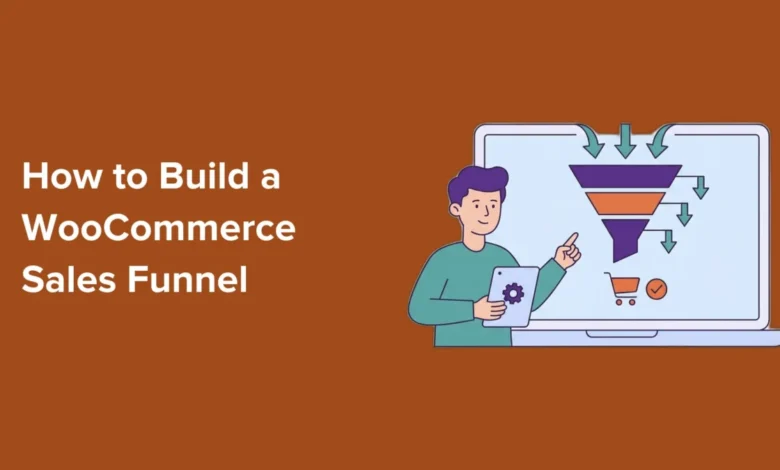
Most e-commerce store owners instinctively prioritize increasing website traffic, often overlooking a fundamental truth: a surge in visitors yields little benefit if the underlying sales infrastructure, from landing pages to the final checkout, is riddled with inefficiencies. The critical challenge for many WooCommerce merchants lies not in attracting eyes, but in converting those eyes into paying customers and, subsequently, loyal patrons. Addressing these "leaky" points in the customer journey can significantly elevate WooCommerce revenue, transforming casual browsers into committed buyers through a strategically engineered sales funnel.
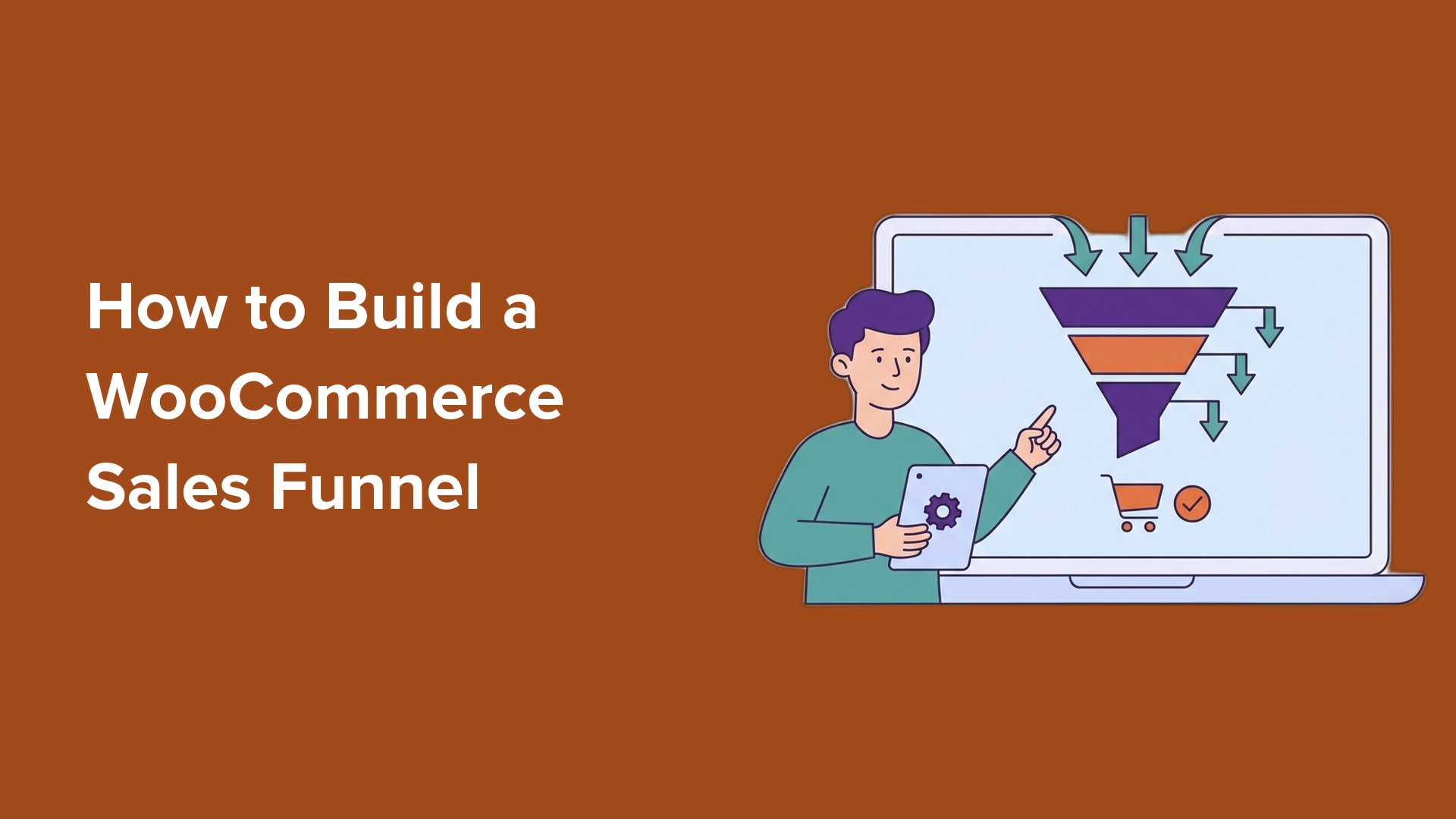
The good news for entrepreneurs is that constructing a professional, high-converting sales funnel is no longer an exclusive domain of enterprise-level operations requiring complex coding or specialized IT teams. Modern tools and a clear understanding of the customer journey enable store owners to build an effective path in a matter of hours, guiding prospects seamlessly from initial engagement to a completed purchase. This guide delves into the methodology for establishing a beginner-friendly WooCommerce funnel, leveraging readily available plugins and proven strategies to enhance conversion rates without requiring advanced technical expertise.
Understanding the E-commerce Imperative: Why Sales Funnels Are Crucial
In today’s fiercely competitive digital marketplace, simply listing products online is insufficient for sustained success. The average e-commerce conversion rate hovers between 1% and 4%, indicating that a vast majority of visitors leave a store without making a purchase. This statistic underscores the urgent need for a structured approach to sales, moving beyond mere product display to proactive customer guidance. A WooCommerce sales funnel is precisely this: a meticulously designed, step-by-step pathway engineered to transform casual visitors into paying customers and foster repeat business.
Rather than relying on serendipitous purchases, a well-crafted funnel shepherds potential buyers through distinct stages of engagement, from initial awareness to interest, decision, and ultimately, retention. This mirrors the traditional retail experience – consider a supermarket where product displays (awareness) lead to comparison (interest), culminating in a checkout experience (decision). A positive experience then encourages repeat visits (retention). Online, this journey is replicated and optimized, allowing store owners to demystify the sales process and actively guide customers. Industry analysis consistently demonstrates that stores with clearly defined sales funnels experience an immediate and measurable improvement in conversion metrics by reducing guesswork and directing customer actions.
The Four Pillars of a WooCommerce Sales Funnel: A Chronological Framework
A robust WooCommerce sales funnel can be broken down into four core stages, each critical for moving customers closer to a purchase:
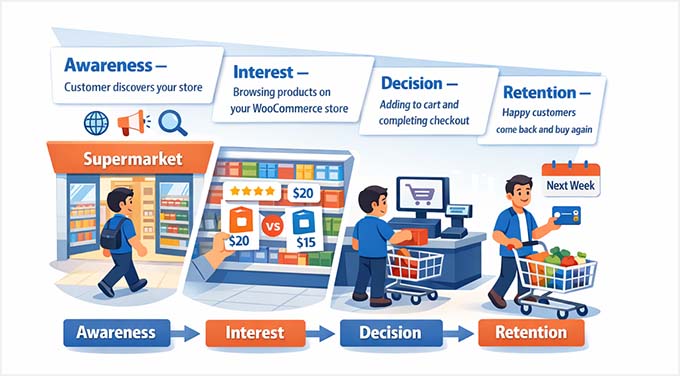
- Awareness/Attraction: The initial point of contact, where potential customers discover your product or service. This often involves targeted marketing efforts, search engine optimization (SEO), and compelling landing pages.
- Interest/Engagement: Once aware, visitors develop interest. This stage focuses on engaging them further, providing valuable information, addressing pain points, and building rapport. Lead magnets and email opt-ins are key here.
- Decision/Conversion: The pivotal moment where a visitor decides to make a purchase. This involves presenting clear calls to action, addressing objections, and streamlining the checkout process. Upsells and cross-sells can maximize order value.
- Retention/Advocacy: The post-purchase phase, where the goal is to cultivate customer loyalty, encourage repeat purchases, and transform buyers into brand advocates. Post-purchase email sequences and loyalty programs are vital.
It is crucial to acknowledge that a sales funnel’s effectiveness hinges on the initial influx of qualified traffic. Enhancing WooCommerce SEO by optimizing product pages, meta descriptions, and site architecture ensures that potential customers can find your store. Neglecting this foundational step renders even the most perfectly constructed funnel ineffective.
Establishing the Foundation: Pre-Funnel Checklist for Success
Before embarking on funnel construction, a stable and optimized WooCommerce store is paramount. Essential prerequisites include:
- A Reliable Hosting Provider: A slow website significantly impacts user experience and conversion rates. Selecting a high-performance WordPress hosting provider that offers speed, a free SSL certificate (crucial for security and trust), and potentially a free domain is non-negotiable. Data indicates that a one-second delay in page load time can lead to a 7% reduction in conversions.
- A Secure SSL Certificate: Essential for encrypting data and building customer trust, an SSL certificate is a fundamental security requirement for any e-commerce site.
- A Professional WooCommerce Theme: A well-designed, responsive theme provides the aesthetic and functional framework for your store, ensuring a seamless experience across devices.
- Essential WooCommerce Plugins: Beyond the core WooCommerce plugin, tools for payment gateways, security, and backup are vital for smooth operation.
Ensuring these foundational elements are in place prevents early "leaks" in the funnel and sets the stage for optimal performance.
Strategic Tool Selection: Choosing the Right Funnel Plugins
The modern WooCommerce ecosystem offers a suite of plugins designed to simplify funnel creation without coding. Based on industry evaluation, key tools include:
- FunnelKit: A comprehensive solution for building entire sales funnels, offering drag-and-drop functionality and deep WooCommerce integration. Ideal for beginners seeking an all-in-one platform.
- FunnelKit Automations: Specializes in email sequences, allowing for automated follow-ups and lead nurturing within the funnel.
- Merchant by aThemes: Excellent for implementing upsells and cross-sells directly on product pages, carts, and checkout, enhancing average order value.
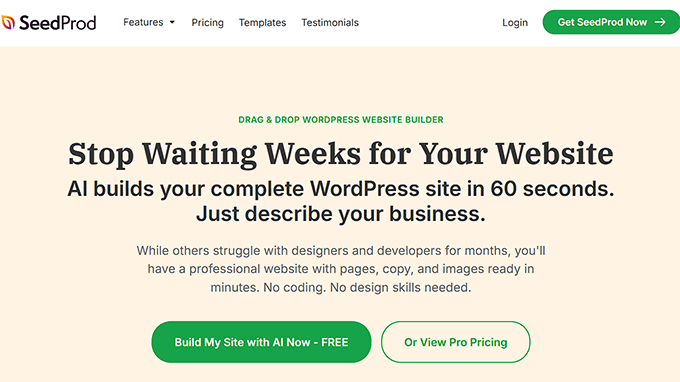
- SeedProd: A leading drag-and-drop WordPress website builder, particularly effective for crafting high-converting landing pages with pre-built templates.
- OptinMonster: A powerful lead generation and conversion optimization tool, enabling the creation of popups, lead magnets, and conversion-focused campaigns to capture visitor information.
For those new to funnel building, a combination of FunnelKit and SeedProd is often recommended due to their ease of use and extensive features, enabling the construction of a complete funnel without coding. Subsequently, FunnelKit Automations and OptinMonster can be integrated to enhance lead capture and automated email marketing efforts.
Phase 1: Creating a High-Converting Landing Page
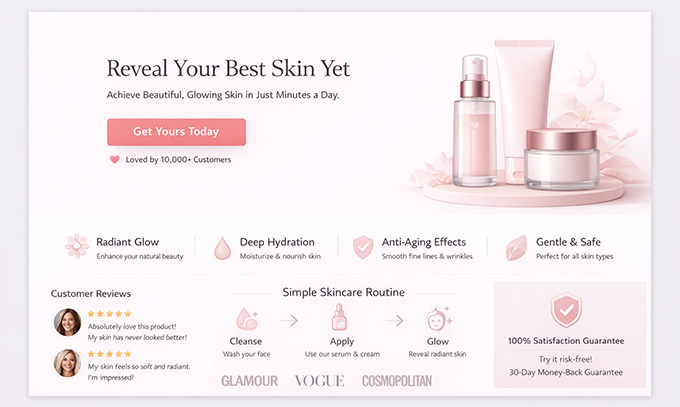
The journey begins with the landing page, serving as the digital storefront for a specific product or offer. Unlike a cluttered homepage, a landing page is a focused environment, meticulously designed to guide visitors towards a single, predetermined action, such as making a purchase or signing up for a lead magnet. Many novice store owners err by directing traffic to generic homepages, inadvertently scattering visitor attention and reducing conversion potential.
A well-engineered landing page eliminates distractions, clearly articulates the product’s value proposition, and meticulously prepares the visitor for the subsequent stages of the funnel. Key elements for conversion include:
- Compelling Headline: Immediately captures attention and communicates the core benefit.
- Clear Value Proposition: Articulates what the product offers and why it matters to the customer.
- High-Quality Visuals: Images and videos that showcase the product effectively.
- Persuasive Copy: Highlights features and benefits, addressing potential customer pain points.
- Strong Call-to-Action (CTA): A clear, concise instruction prompting the desired action (e.g., "Buy Now," "Add to Cart").
- Social Proof: Testimonials, reviews, or trust badges build credibility and alleviate buyer hesitation.
- Mobile Responsiveness: Ensures a seamless experience across all devices, crucial given the prevalence of mobile shopping.
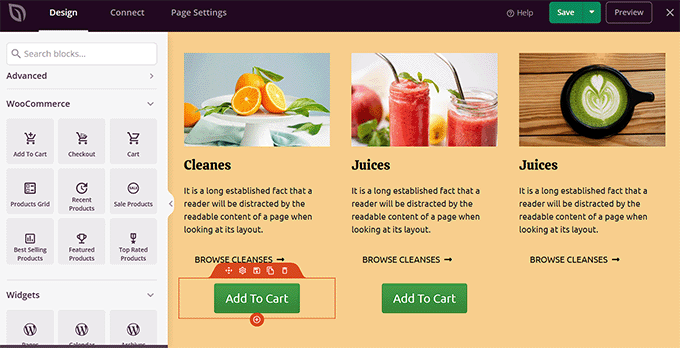
Tools like SeedProd excel in this area, offering an intuitive drag-and-drop interface and pre-built templates optimized for conversion. This allows for rapid development and iteration, empowering store owners to launch and refine landing pages efficiently. Successful implementations have shown measurable boosts in conversion rates for new product launches and promotional campaigns, underscoring the impact of a dedicated, optimized entry point.
Phase 2: Engaging Visitors with Lead Capture Opt-in Forms
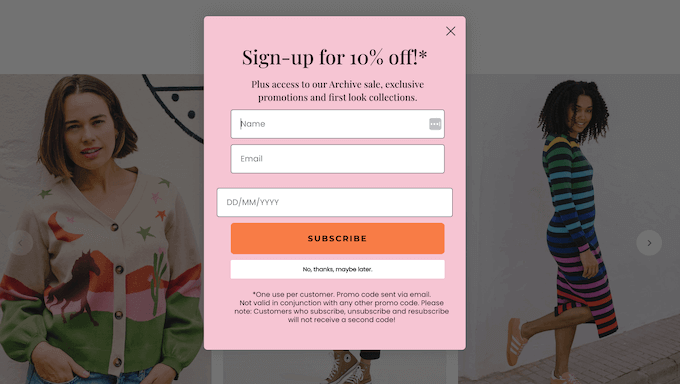
Once a visitor lands, the next critical step is to capture their information, particularly their email address, especially if they are not immediately ready to purchase. This allows for continued engagement and nurturing, guiding them towards a conversion at a later stage. The cornerstone of effective lead capture is the "lead magnet" – a valuable incentive offered in exchange for contact details. Common lead magnets include:
- Exclusive Discounts or Coupons: A percentage off the first purchase or free shipping.
- Free E-books or Guides: Relevant content that addresses a customer’s needs or interests.
- Webinars or Online Courses: Educational resources related to the product or industry.
- Free Samples or Trials: A direct experience of the product’s value.
- Access to Exclusive Content: Early bird access to new products or members-only content.
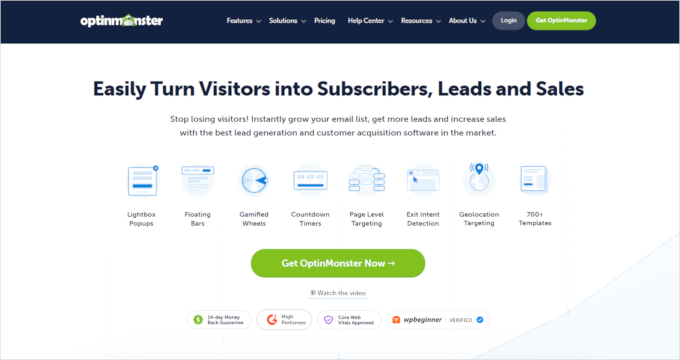
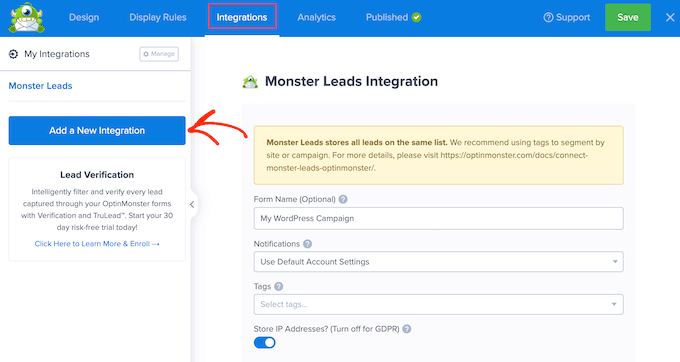
OptinMonster is a widely recognized tool for deploying high-converting opt-in forms. Its features, including Exit-Intent technology (which triggers pop-ups when a user is about to leave the site), flexible templates, and a drag-and-drop editor, simplify the creation of various form types (pop-ups, floating bars, slide-ins). Integration with email marketing services ensures that lead magnets are delivered automatically, fostering a seamless user experience.
The initial 48 hours following an opt-in are crucial for conversion. A well-structured welcome email sequence, ideally automated via tools like FunnelKit Automations, should:
- Deliver the Lead Magnet: Immediately provide the promised value.
- Introduce Your Brand/Story: Build connection and familiarity.
- Offer a Next Step: Gently guide them towards a product or a specific action, possibly with a limited-time offer.
This sequence prioritizes value delivery and relationship building before making a direct sales pitch, a strategy proven to enhance long-term conversion rates.
Phase 3: Maximizing Value Through Upsells, Downsells, and Checkout Optimization
After capturing a lead or prompting an initial product view, the focus shifts to maximizing the value of each transaction and ensuring a frictionless path to purchase.
Increasing Average Order Value (AOV) with Upsells & Cross-sells
Upsells and cross-sells are powerful techniques to increase Average Order Value (AOV) by presenting relevant, complementary, or upgraded products to interested buyers.
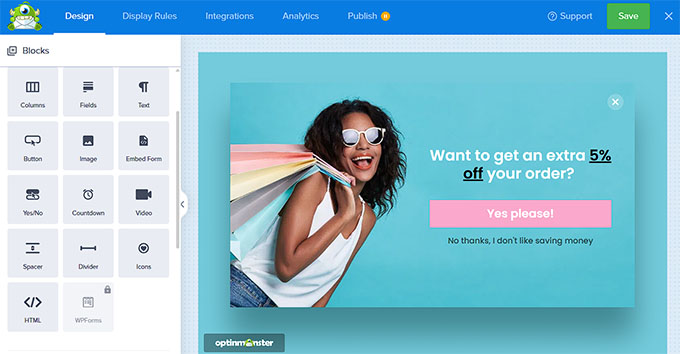
- Upsell: Encourages purchasing a more expensive, premium, or larger version of an item the customer is already considering (e.g., a larger data plan for a phone).
- Cross-sell: Recommends related or complementary products that enhance the main purchase (e.g., a phone case with a new phone).
- Downsell: Offers a slightly cheaper alternative if the customer hesitates on a higher-priced item, aiming to recover a potentially lost sale.
Strategic implementation is key. Products chosen for upsells should typically be 10-25% more expensive than the original item, while cross-sells should be affordable add-ons. The timing of these offers also impacts conversion. Post-purchase upsells, presented on the order confirmation page or via email, often yield higher conversion rates because the buyer has already committed to a purchase, reducing psychological barriers. Plugins like Merchant by aThemes provide comprehensive control over where and how these recommendations appear, allowing for dynamic pricing and incentive integration (e.g., discounts for bundled purchases).
Streamlining the Checkout Process for Conversions
Even with compelling offers, a convoluted or slow checkout process can lead to significant cart abandonment. Industry data suggests that nearly 70% of online shopping carts are abandoned, often due to unexpected costs, complicated forms, or security concerns. Optimizing the checkout experience is therefore paramount.
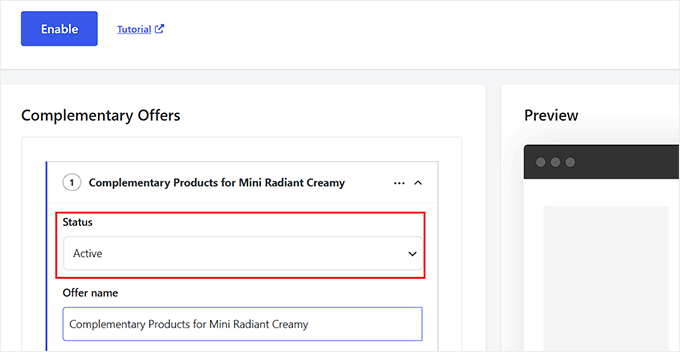
- Enable Guest Checkout: Removing the mandatory account creation step significantly reduces friction for first-time buyers. While account creation might be necessary for subscriptions, guest checkout boosts initial conversions.
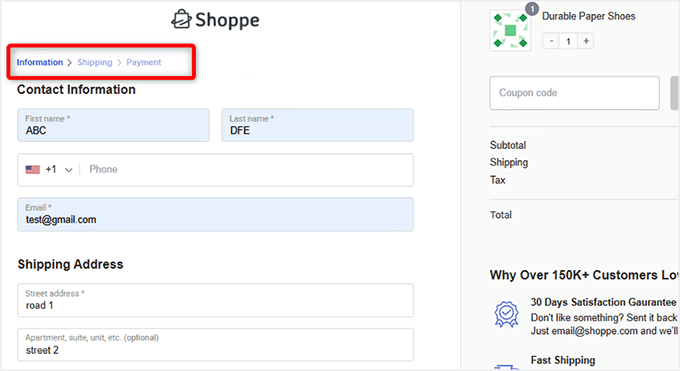
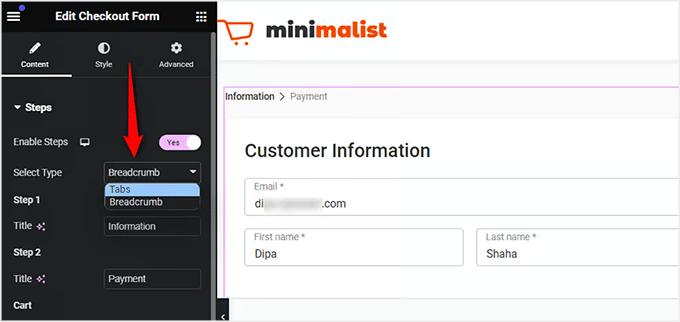
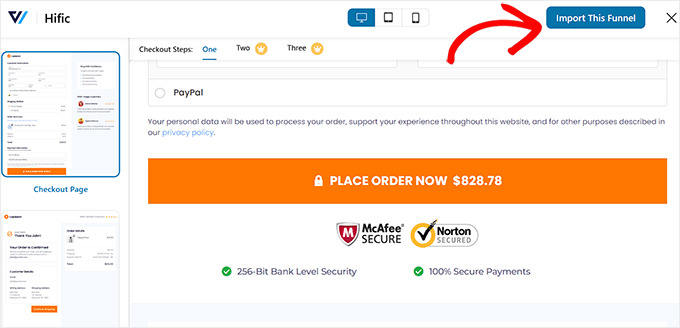
- Add a Progress Indicator: Visual breadcrumbs or step indicators reassure customers about their position in a multi-step checkout, mitigating uncertainty and encouraging completion. FunnelKit Funnel Builder offers pre-made templates with integrated progress indicators.
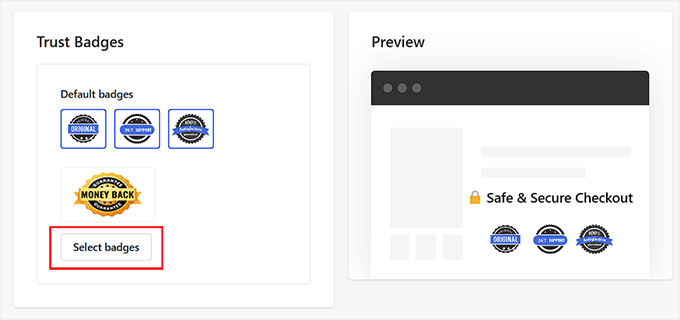
- Display Trust Badges: Prominently showcasing SSL certificates, payment security logos, or money-back guarantees builds confidence, particularly for new customers hesitant about sharing sensitive financial information. Merchant plugin allows for easy placement of these badges.
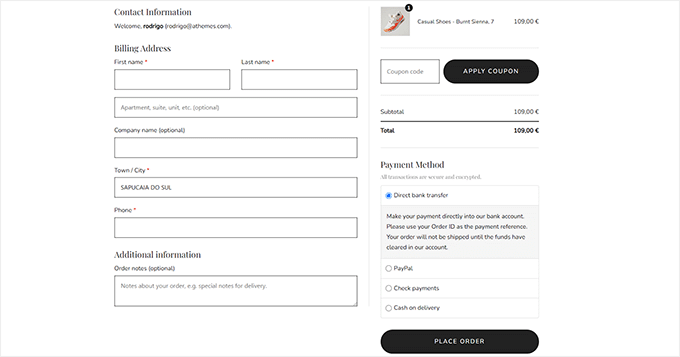
- Minimize Form Fields: Long, intrusive forms are a primary cause of abandonment. Limiting fields to absolute necessities (name, address, payment, email) streamlines the process. For digital products, shipping fields can often be removed entirely. Plugins like Merchant offer mobile-optimized one-page checkout templates and visual builders to customize field visibility.
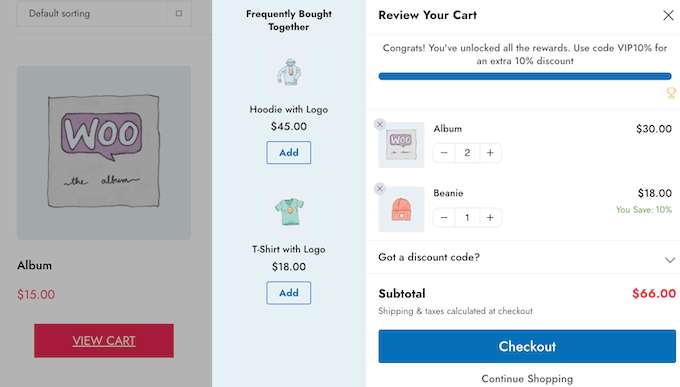
- Show Cart Summary: A clear, always-visible summary of products, quantities, and totals helps customers review their order without navigating away, reducing hesitation. A sliding side cart, often implemented with FunnelKit Cart, provides this real-time overview.
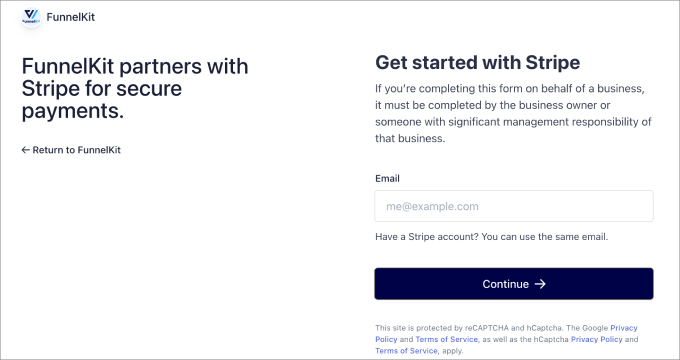
- Offer Multiple Payment Options: Providing diverse and trusted payment gateways (credit cards, PayPal, Stripe, Apple Pay, Google Pay) caters to customer preferences and enhances convenience, boosting conversion rates. The FunnelKit Payment Gateway for Stripe, alongside other reputable providers, ensures broad compatibility.
- Offer Coupons as Incentives: Strategic use of coupons (e.g., BOGO, product-specific, free shipping) can tip hesitant buyers towards conversion and increase AOV. Advanced Coupons allows for sophisticated coupon creation with customizable rules and limits.
Advanced tweaks, such as implementing one-click checkout, saving cart contents, or enabling address autocomplete, further refine the checkout experience, demonstrating a commitment to customer convenience.
Phase 4: Building Loyalty with Post-Purchase Email Sequences
The sales funnel doesn’t conclude with a purchase; rather, it transitions into the crucial phase of customer retention. Industry statistics reveal that acquiring a new customer can be five times more expensive than retaining an existing one. Converting first-time buyers into repeat customers is where significant long-term revenue growth is realized. This is where loyalty programs, referral incentives, and meticulously crafted post-purchase email sequences play a pivotal role.
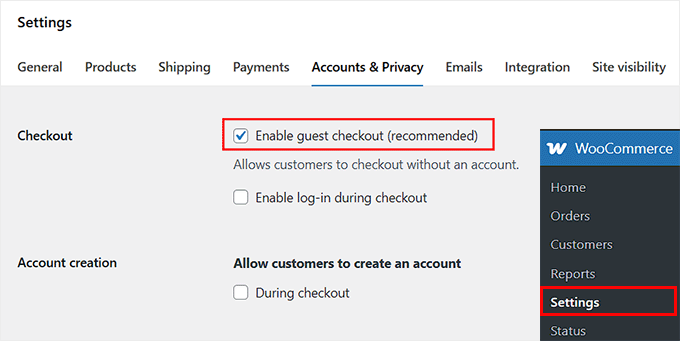
Post-purchase emails offer a direct line of communication with a customer while their recent experience is still fresh, providing opportunities to:
- Express Gratitude: A genuine thank-you email reinforces a positive buying experience.
- Provide Order/Shipping Updates: Keeps customers informed and reduces anxiety.
- Offer Product Usage Tips: Enhances product satisfaction and reduces returns.
- Solicit Reviews/Feedback: Gathers valuable social proof and identifies areas for improvement.
- Suggest Complementary Products: Gently encourages future purchases.
- Introduce Loyalty Programs: Incentivizes repeat business.
FunnelKit Automations is an invaluable tool for this stage, offering pre-built "Post-Purchase Sequence" workflows that automate thank-you emails, surveys, and follow-ups. Its capabilities extend to abandoned cart recovery, allowing for automated reminders, social proof nudges, and last-chance offers to recapture lost sales.
The timing of abandoned cart emails is critical. A three-email sequence often proves effective:
- Email 1 (30-60 minutes after abandonment): A gentle reminder, assuming a potential distraction.
- Email 2 (24 hours after abandonment): Reinforces product benefits, addresses common objections, or offers social proof.
- Email 3 (48-72 hours after abandonment): A final reminder, potentially including a small discount or incentive to convert.
This structured approach ensures ongoing engagement, fostering customer satisfaction and cultivating loyalty.
Measuring and Optimizing Funnel Performance: The Data-Driven Approach
Launching a WooCommerce sales funnel is merely the beginning; continuous measurement and optimization are essential for sustained success. Monitoring key performance indicators (KPIs) provides actionable insights into where the funnel is performing well and where "leaks" might still exist.
Critical metrics to track include:
- Conversion Rate: The percentage of visitors who complete a purchase. Industry benchmarks typically range from 1% to 4%, though this can vary significantly by industry, product, and traffic source.
- Cart Abandonment Rate: The percentage of customers who add items to their cart but do not complete the purchase. A rate below 70% is generally considered healthy, though lower is always better.
- Email Open Rate: The percentage of recipients who open your emails, indicative of engagement. A healthy benchmark is typically 20-25%.
- Funnel Drop-off Rate: Identifies specific points in the funnel where users exit before converting, highlighting areas of friction.
- Average Order Value (AOV): The average amount spent per order, reflecting the effectiveness of upsell and cross-sell strategies.
Tools like MonsterInsights, integrated with WooCommerce and Google Analytics, provide a unified dashboard for tracking these metrics, offering a holistic view of funnel performance. For instance, a high cart abandonment rate might signal issues with checkout complexity, shipping costs, or a lack of trust, prompting adjustments to incentives or form fields.
The Power of A/B Testing: Iterative Refinement
While metrics reveal where the funnel is leaking, A/B testing provides the empirical data to determine how to fix it. This involves presenting two variations (A and B) of a specific page element or entire page to different segments of your audience and measuring which performs better. The golden rule of A/B testing is to test only one variable at a time to accurately attribute performance changes.
Elements ripe for A/B testing include:
- Headlines and Subheadings: Different value propositions or emotional appeals.
- Call-to-Action (CTA) Text and Button Colors: Variations in urgency, clarity, or visual prominence.
- Product Images and Videos: Different angles, lifestyle shots, or video lengths.
- Pricing Strategies and Discount Offers: Impact of different price points or promotional structures.
- Layout and Design of Landing Pages: Single-column vs. multi-column, placement of elements.
- Form Field Length and Types: Minimizing fields vs. gathering more data.
- Email Subject Lines and Content: Testing different hooks or message structures.
Each test should run for a minimum of two weeks, or until at least 100 conversions per variant are recorded, to ensure statistical significance. Prematurely concluding tests based on early data is a common pitfall leading to false conclusions. A/B testing, facilitated by tools that integrate with WordPress and analytics platforms, provides a continuous feedback loop for optimization, transforming assumptions into data-backed improvements.
Post-Launch Optimization: A 30-Day Roadmap
The launch of a WooCommerce sales funnel marks the transition from construction to continuous optimization. A structured 30-day plan can help maintain momentum and ensure long-term success:
- Week 1: Performance Baseline & Technical Audit: Review core metrics (conversion rate, cart abandonment), identify immediate technical glitches (broken links, slow loads), and ensure all tracking is correctly implemented.
- Week 2: Conversion Hotspots & User Feedback: Analyze funnel drop-off points in analytics. Implement a micro-survey at exit points to gather qualitative feedback on friction points.
- Week 3: A/B Test Initiation & Offer Review: Launch your first A/B test (e.g., CTA button text on a landing page). Review upsell/cross-sell offers for relevance and effectiveness.
- Week 4: Email Sequence Optimization & Traffic Source Analysis: Review open and click-through rates for welcome and abandoned cart emails. Analyze traffic sources to identify high-converting channels and reallocate marketing spend.
Documenting every change and its outcome is crucial for building an internal knowledge base, creating a playbook for future funnels, and ensuring iterative improvements contribute to long-term revenue growth. This approach ensures that the funnel is not a static construct but a dynamic, evolving system actively optimized for maximum conversion and profitability.
Broader Implications and Expert Outlook
The democratization of sophisticated e-commerce tools, particularly within the WooCommerce ecosystem, carries significant implications for businesses of all sizes. Small and medium-sized enterprises (SMEs) can now deploy conversion strategies previously reserved for large corporations with substantial budgets and development teams. This levels the playing field, fostering a more competitive and innovative online retail environment.
Industry experts widely agree that the future of e-commerce lies in hyper-personalization and intelligent automation, with AI-driven insights increasingly informing funnel optimization. The continuous development of user-friendly plugins like FunnelKit, SeedProd, and Merchant reflects a robust market demand for accessible, powerful solutions that empower merchants to focus on strategy rather than code.
For consumers, a well-designed sales funnel translates into a more intuitive, efficient, and satisfying shopping experience. By reducing friction, offering relevant suggestions, and providing transparent information, businesses can build stronger trust and foster deeper loyalty, moving beyond transactional relationships to genuine brand advocacy. The shift from passive selling to proactive guidance through a refined customer journey is not just a tactical advantage; it’s a strategic imperative for sustainable growth in the digital age.
In conclusion, the most successful WooCommerce stores understand that simply attracting visitors is a partial victory. True success hinges on guiding shoppers through a friction-free, intuitive experience that transforms initial interest into a completed sale and, ultimately, a lasting relationship. By meticulously constructing and continuously optimizing a clear sales funnel, merchants can build a robust system that drives revenue growth on autopilot, securing a competitive edge in the ever-evolving landscape of online commerce.