The Paradigm Shift: Understanding Query Fan-Out for Dominant AI Visibility

In an era increasingly defined by artificial intelligence, the long-held tenets of digital content strategy are undergoing a profound transformation. While securing a coveted spot on Google’s first page has traditionally been the pinnacle of SEO success, a new reality is emerging: even top-ranking content can go unnoticed and uncredited by Large Language Models (LLMs). This counterintuitive phenomenon is best understood through the lens of "query fan-out," a sophisticated background process employed by AI systems to construct comprehensive and nuanced answers.
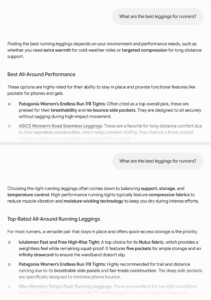
Unlike conventional search engines that primarily return a list of ranked pages, AI models such as ChatGPT and Perplexity do not default to the highest-ranking result. Instead, when a user poses a question, these advanced systems initiate a series of related, intricate searches behind the scenes. They meticulously pull information from a diverse array of the most relevant and reliable sources, irrespective of their traditional search engine ranking position. This means that if a brand’s content, or mentions of it by third parties, does not surface within these expanded, often granular sub-queries, its chances of being cited in an AI-generated answer are significantly diminished. While strong search rankings remain beneficial, the new currency in AI search is unequivocally "coverage" and "retrievability." This guide will delve into the mechanics of query fan-out and outline a strategic framework to optimize content for enhanced AI visibility, ensuring your brand remains discoverable and authoritative in the conversational search landscape.
Understanding the Mechanics of Query Fan-Out
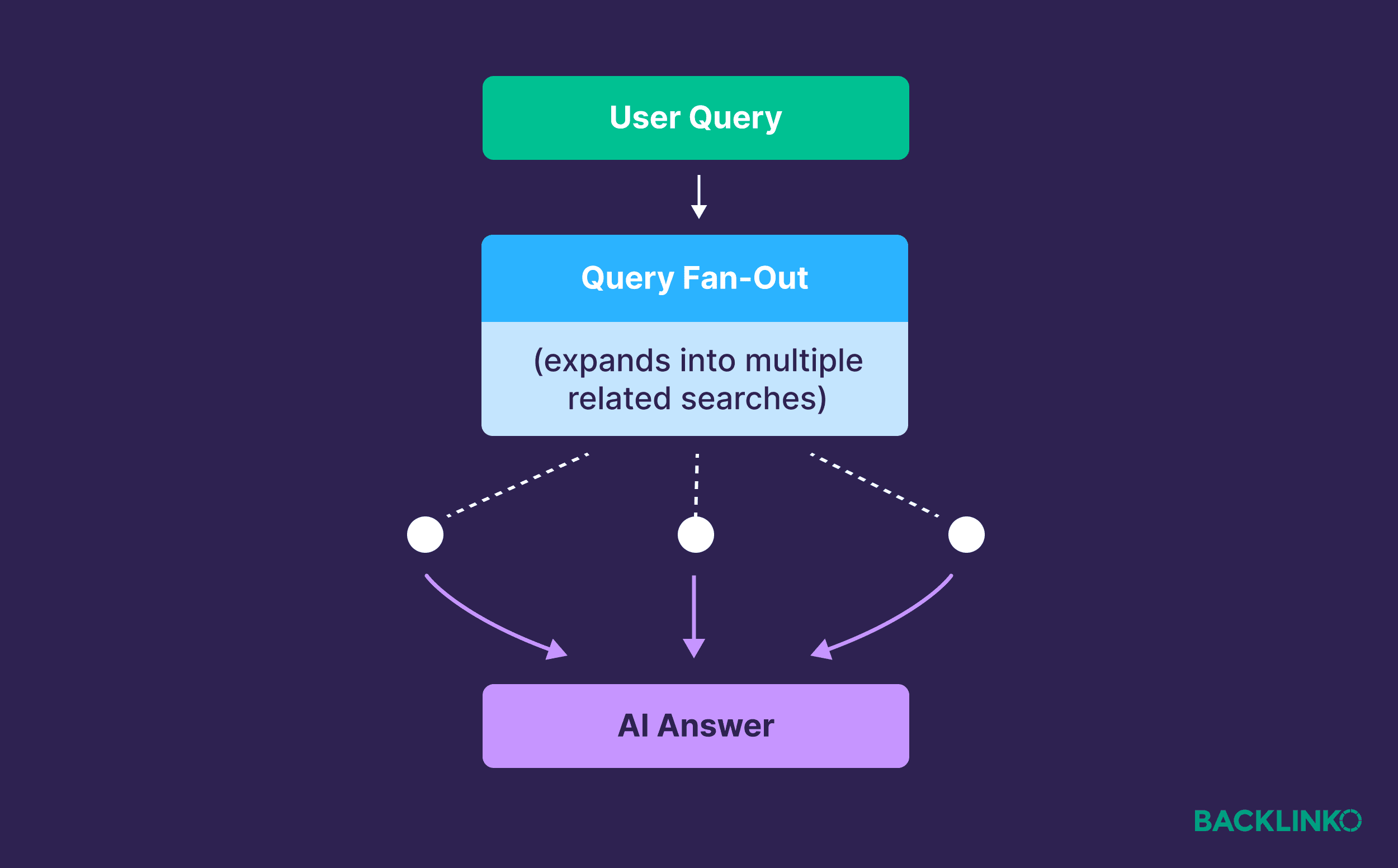
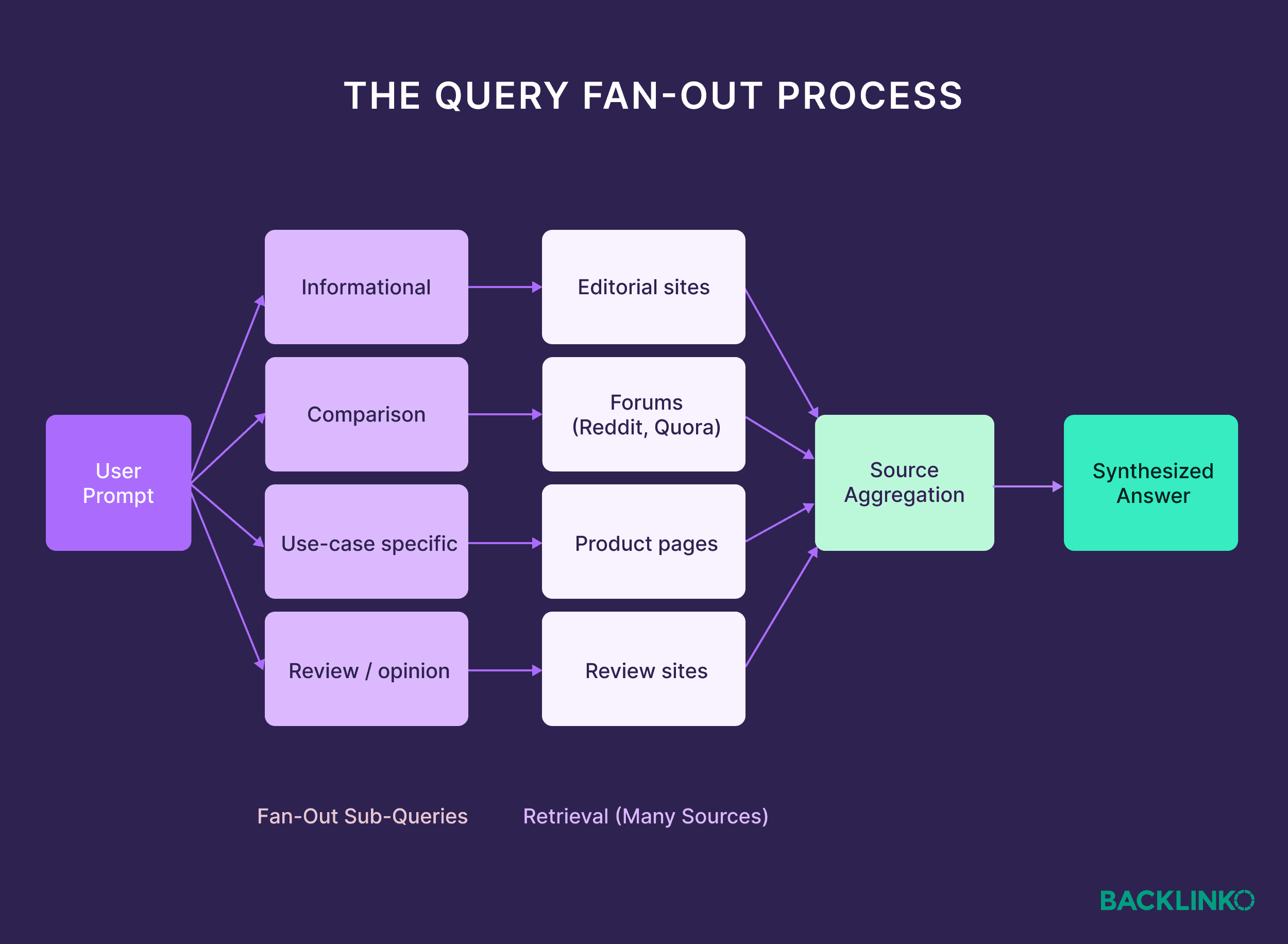
At its core, query fan-out is the intelligent process AI search systems utilize to deconstruct a singular user query into a multitude of specific sub-queries. The objective is to build the most helpful and exhaustive response possible. Essentially, the AI "fans out" the initial query into a network of related sub-questions, meticulously piecing together a holistic understanding of the topic. This analytical decomposition allows AI systems to move beyond superficial keyword matching and delve into the deeper intent behind a user’s prompt.
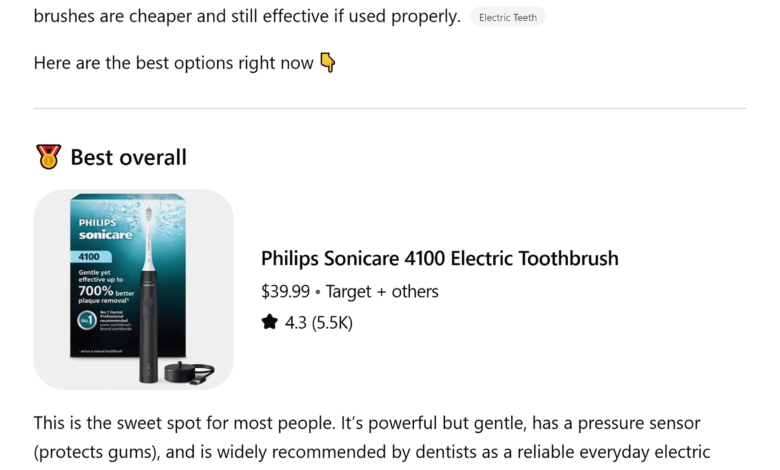
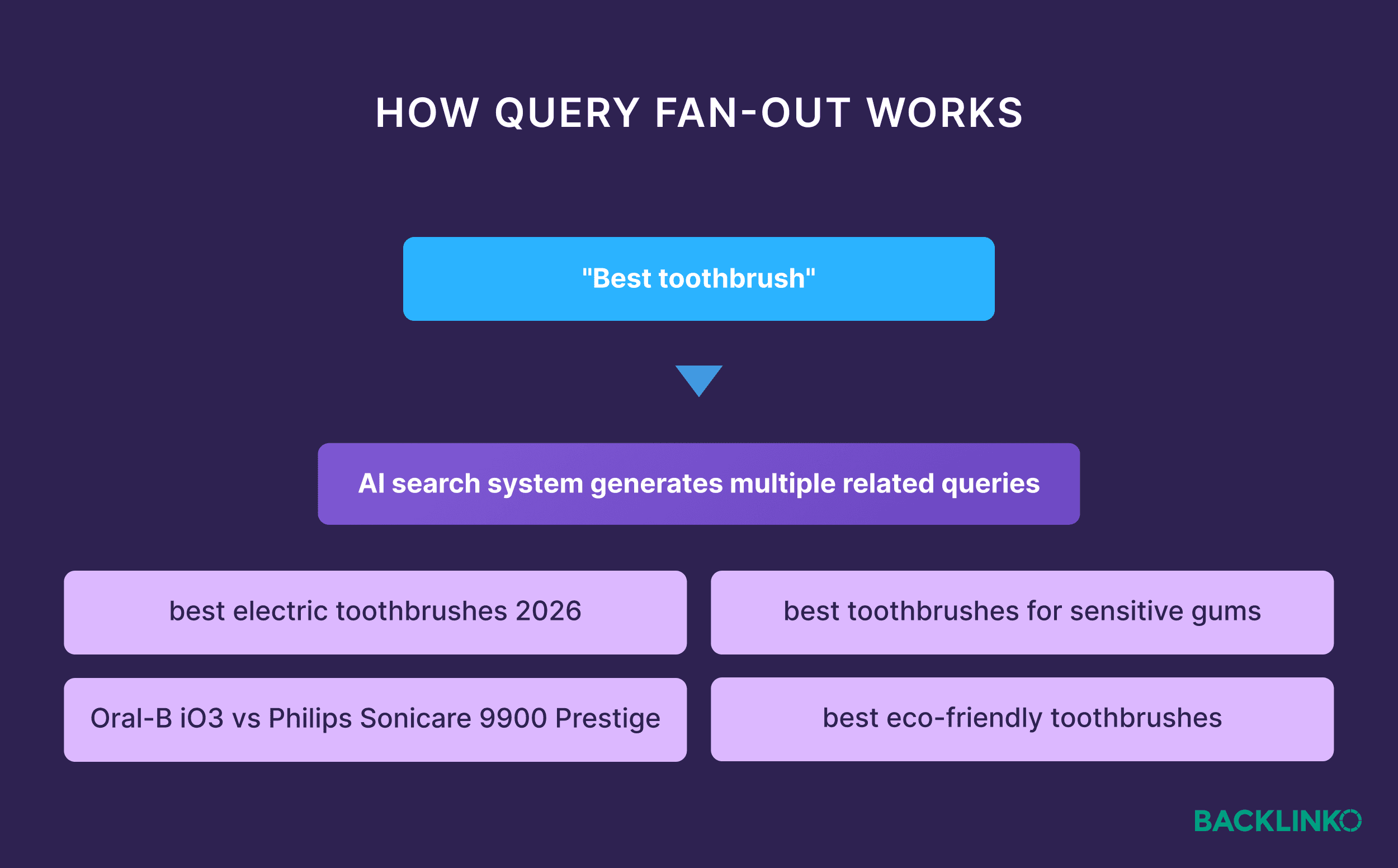
Consider a simple query like "best toothbrush." A traditional search engine might return pages optimized for that exact phrase. However, an AI system employing query fan-out would interpret this prompt as a starting point, subsequently generating sub-queries such as:
- "Best electric toothbrushes [current year]" to ascertain up-to-date market leaders and editorial consensus.
- "Best toothbrushes for sensitive gums" to address specific user needs and use-case recommendations.
- "Oral-B vs. Philips Sonicare comparison" to provide head-to-head product analysis.
- "Best eco-friendly toothbrushes" to cater to emerging consumer values and offer value-based insights, including pricing information.
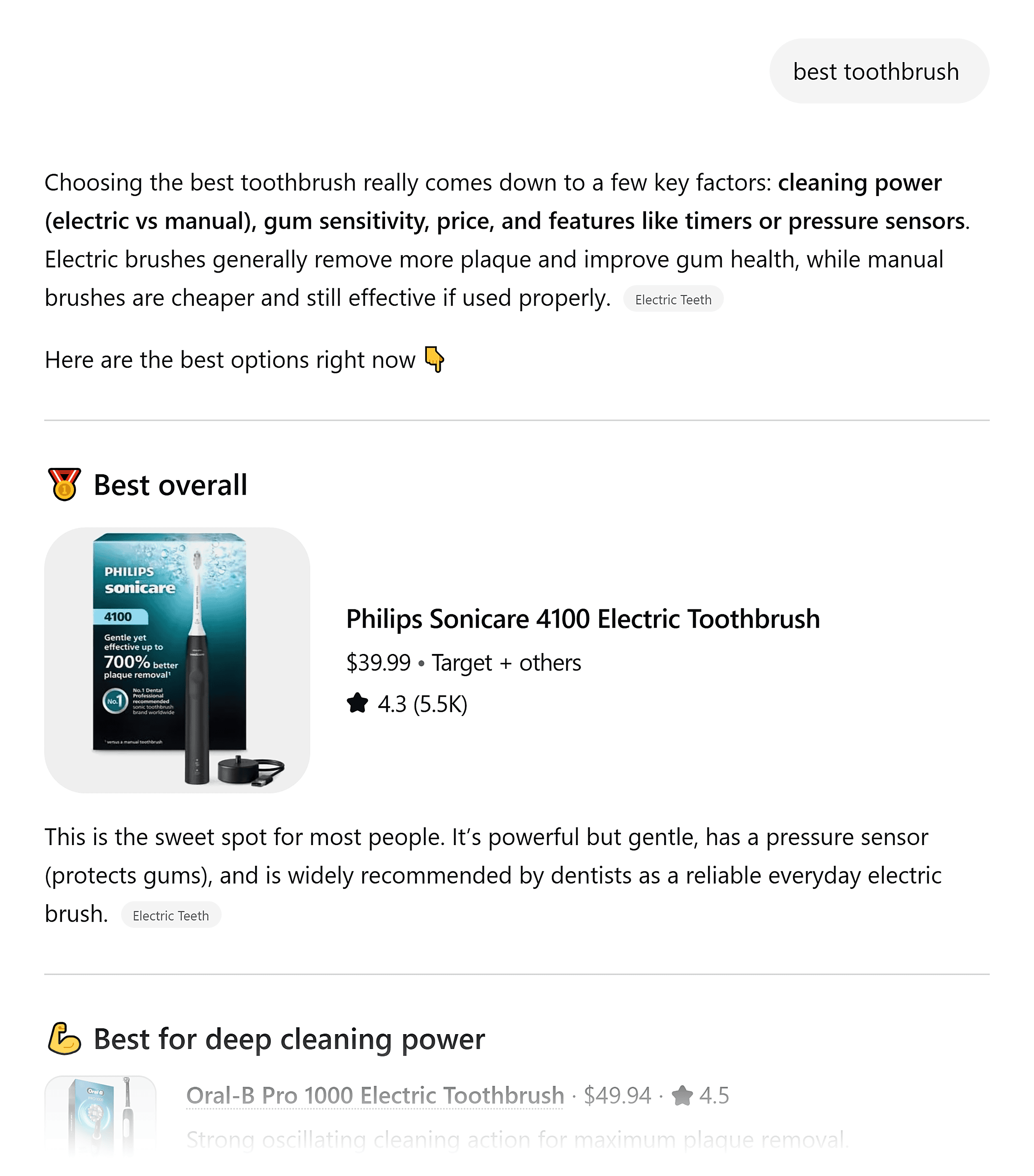
The AI then synthesizes findings from these diverse sub-queries, drawing from sources as varied as expert editorial sites, community discussions on platforms like Reddit, and detailed product pages. This multi-source aggregation results in a single, comprehensive answer that anticipates and addresses a user’s potential follow-up questions, covering aspects like top product picks, price ranges, specific use-case breakdowns, and direct comparisons—all from an initial two-word prompt. This anticipatory intelligence marks a significant evolution in information retrieval.
It is crucial to clarify what query fan-out is not. It is neither a standalone new search engine nor a mere keyword-based ranking system. It also does not outright replace the fundamental principles of traditional SEO, but rather augments and re-prioritizes certain aspects. The distinction lies in its depth and breadth of inquiry, moving beyond simple algorithmic ranking to contextual relevance.
The Evolution of Search: From Keywords to Conversations
The emergence of query fan-out is a direct consequence of the rapid advancements in AI and natural language processing. For decades, search engine optimization revolved around optimizing for specific keywords and phrases. Content creators aimed to rank highly for these terms, understanding that visibility on the first page of results correlated directly with traffic and engagement. However, as LLMs gained sophistication, users began to interact with search interfaces in more conversational and complex ways. Queries shifted from terse keyword strings to natural language questions, often encompassing multiple intents or requiring comparative analysis.
This shift necessitated a new approach to information retrieval. LLMs, designed to understand context and generate human-like responses, required a method to gather information that mirrored human reasoning. Query fan-out provides this capability by allowing the AI to "think" like a human researcher, breaking down a broad topic into its constituent parts and seeking specialized information for each. The timeline of this evolution broadly aligns with the public release and widespread adoption of powerful conversational AI tools, starting notably with ChatGPT’s public debut in late 2022, followed by similar offerings from Perplexity, Claude, and Google’s own AI Overviews and AI Mode. This period marked a clear inflection point, demanding a re-evaluation of content strategy for digital visibility.
Key Shifts for Content Strategy in the AI Era
Understanding query fan-out is not merely academic; it has profound implications for how businesses approach their content strategies. The traditional SEO playbook, while still relevant for organic search, needs significant adaptation for the AI-powered discovery landscape. Here are four critical shifts:
-
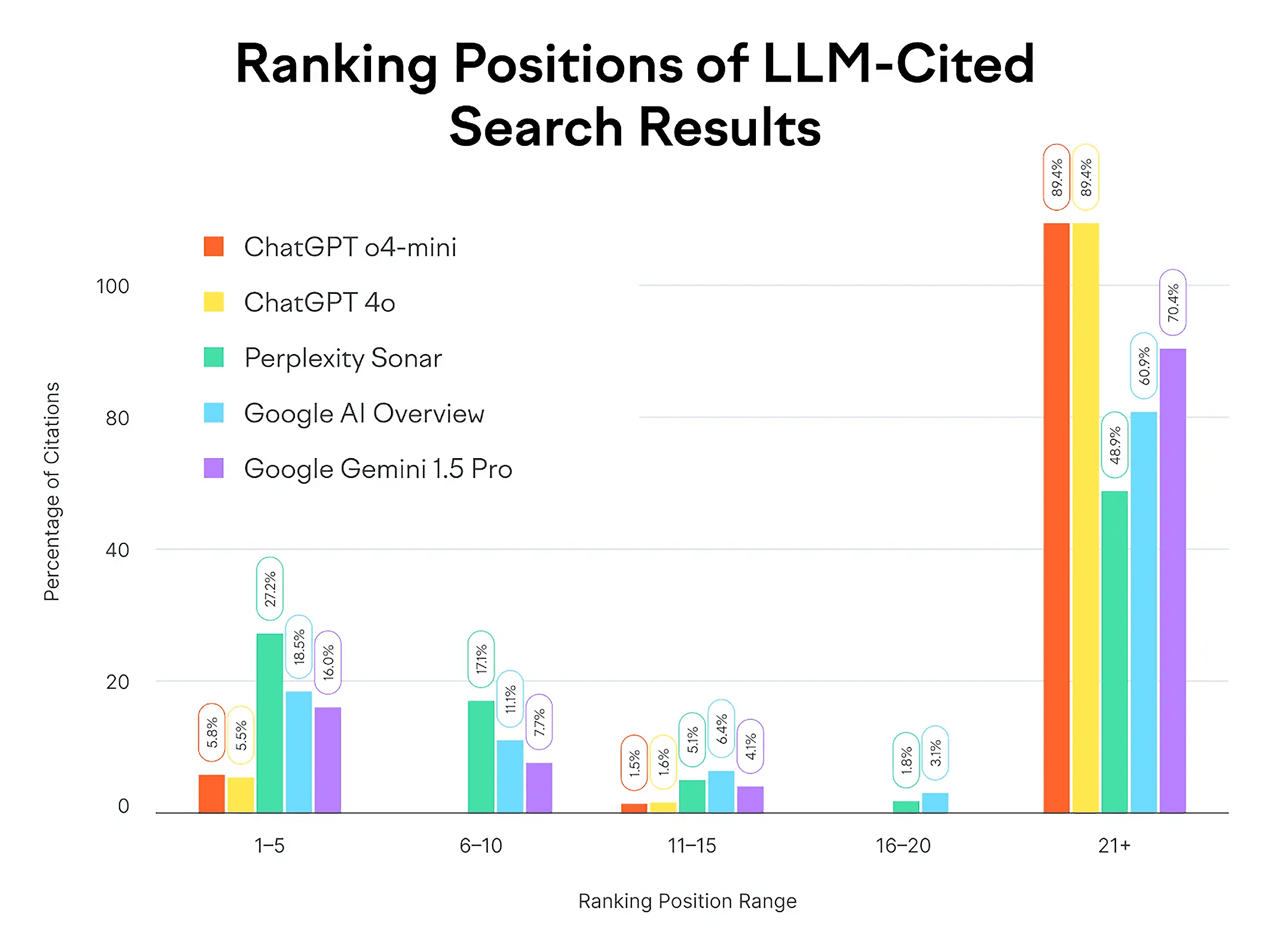
Top Rankings Don’t Guarantee AI Citations: Perhaps the most startling revelation for content creators is that a high ranking in traditional Google search results no longer assures citation by AI. A study conducted by Semrush revealed that approximately 90% of ChatGPT citations originate from pages ranking 21st or lower in traditional search results. Perplexity and Google’s AI offerings exhibit similar patterns. This data underscores that AI prioritizes relevance and comprehensiveness for a specific sub-query over a page’s overall ranking authority for the main query. The AI’s ability to pinpoint the most accurate and complete source for each sub-query means content previously buried on page two or three can suddenly gain prominence in an AI answer.
-
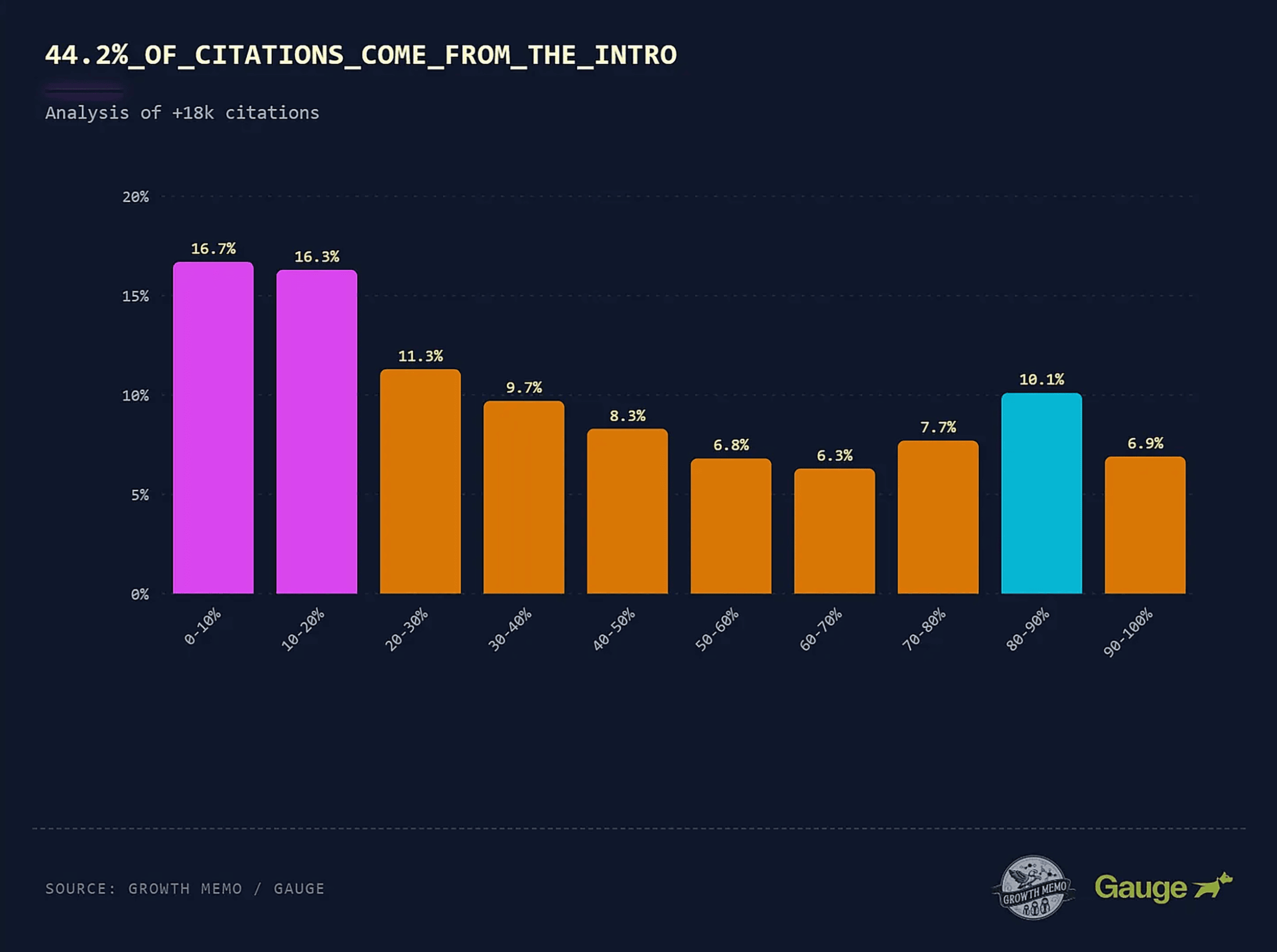
AI Retrieves Passages, Not Whole Pages: Unlike a user clicking through to an entire webpage, AI systems are designed to extract and synthesize specific passages of text that directly address a sub-query. This means that the conciseness and clarity of your answers within a page are paramount. Growth advisor Kevin Indig’s analysis of 1.2 million ChatGPT responses found that 44.2% of citations came from the first 30% of a page, 31.1% from the middle, and only 24.7% from the final third. This data suggests a strong preference for front-loaded, easily digestible information. Content must be structured so that individual sections or paragraphs can stand alone as complete answers, without requiring extensive surrounding context.

-
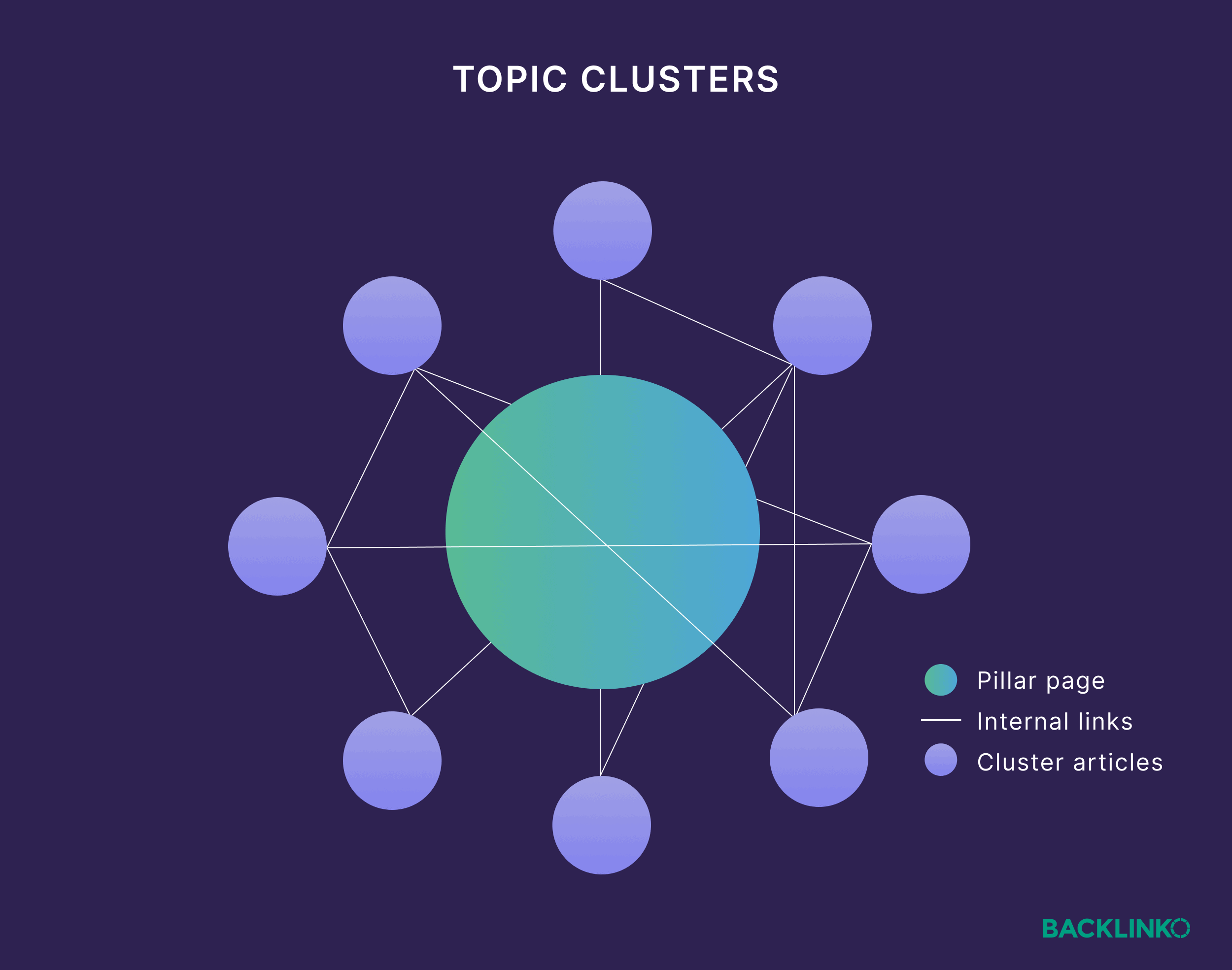
Competition Spans Entire Topics, Not Just Individual Keywords: Traditional SEO often focuses on optimizing individual pages for specific keywords. However, query fan-out elevates the importance of comprehensive topical coverage. AI seeks to understand and answer a user’s query holistically, meaning a broad, well-interconnected body of content across an entire topic is far more valuable than isolated, keyword-optimized pages. This reinforces the strategic value of "pillar pages" and "topic clusters," where a central, authoritative page links to numerous related sub-pages, demonstrating deep expertise and comprehensive coverage on a subject. Such a structure signals to AI that your brand is a definitive source for a given domain, increasing the likelihood of citations across various related sub-queries.
-
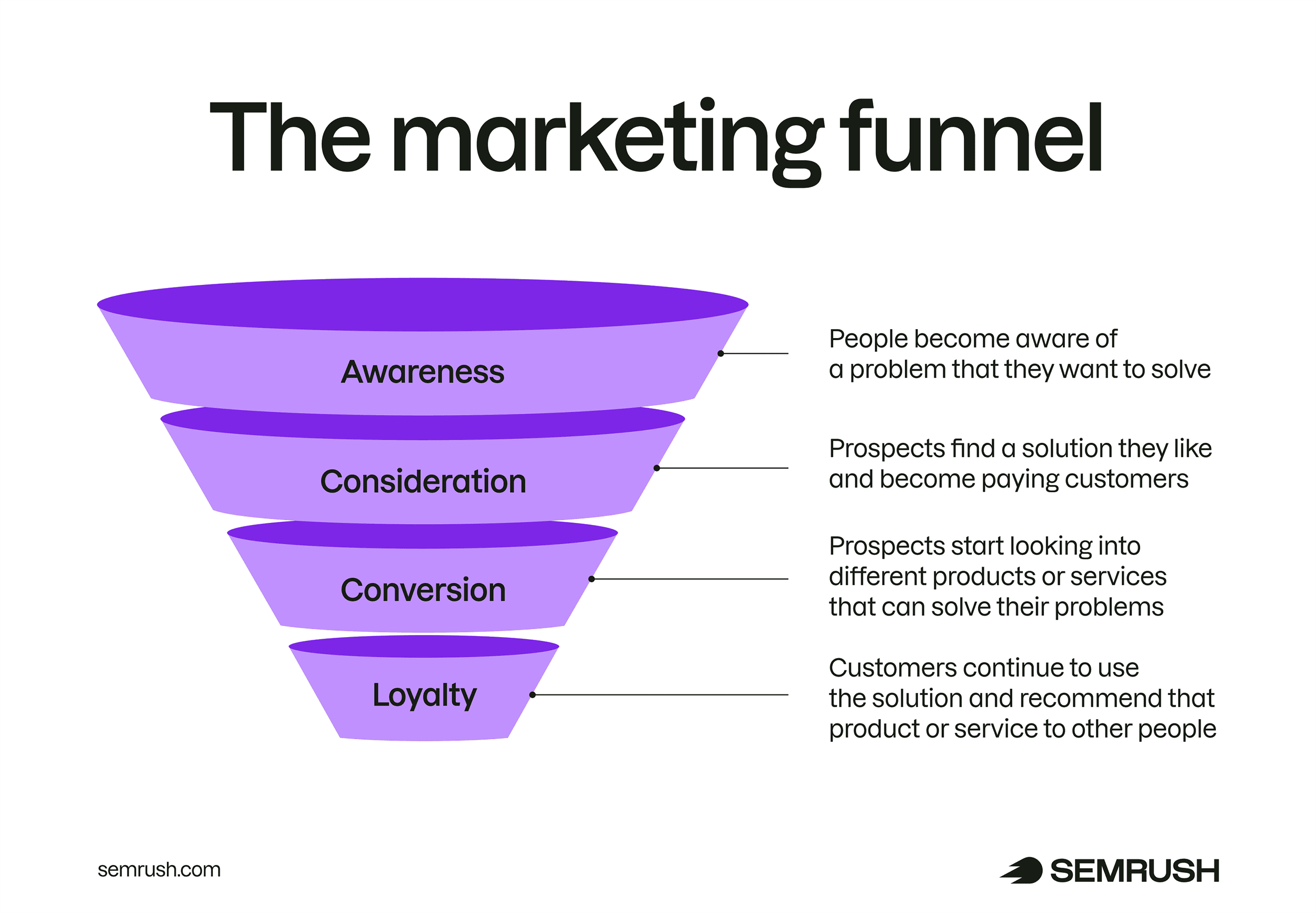
Query Fan-Out Collapses the Buying Journey: The classic marketing funnel—awareness, consideration, decision—has long dictated content strategy, with different content types tailored to each stage. AI-powered search, through query fan-out, compresses these stages into a single interaction. A user’s initial high-intent question can trigger the AI to gather information spanning from awareness-level context to consideration-level comparisons and decision-level specifics, all within one consolidated answer. This means content can no longer afford to be siloed within a single funnel stage. A single piece of content, or a well-connected cluster, must be capable of addressing diverse user needs that might arise at any point in a compressed buying journey. Brands must create content that is versatile enough to serve multiple informational and transactional intents simultaneously.
A New Playbook: The 6-Step Query Fan-Out Workflow
To navigate this evolving landscape, a structured approach is essential. The following six-step workflow provides a repeatable framework for identifying and targeting high-impact sub-queries, ultimately increasing your brand’s AI visibility.
Step 1: Identify Your Money Prompts
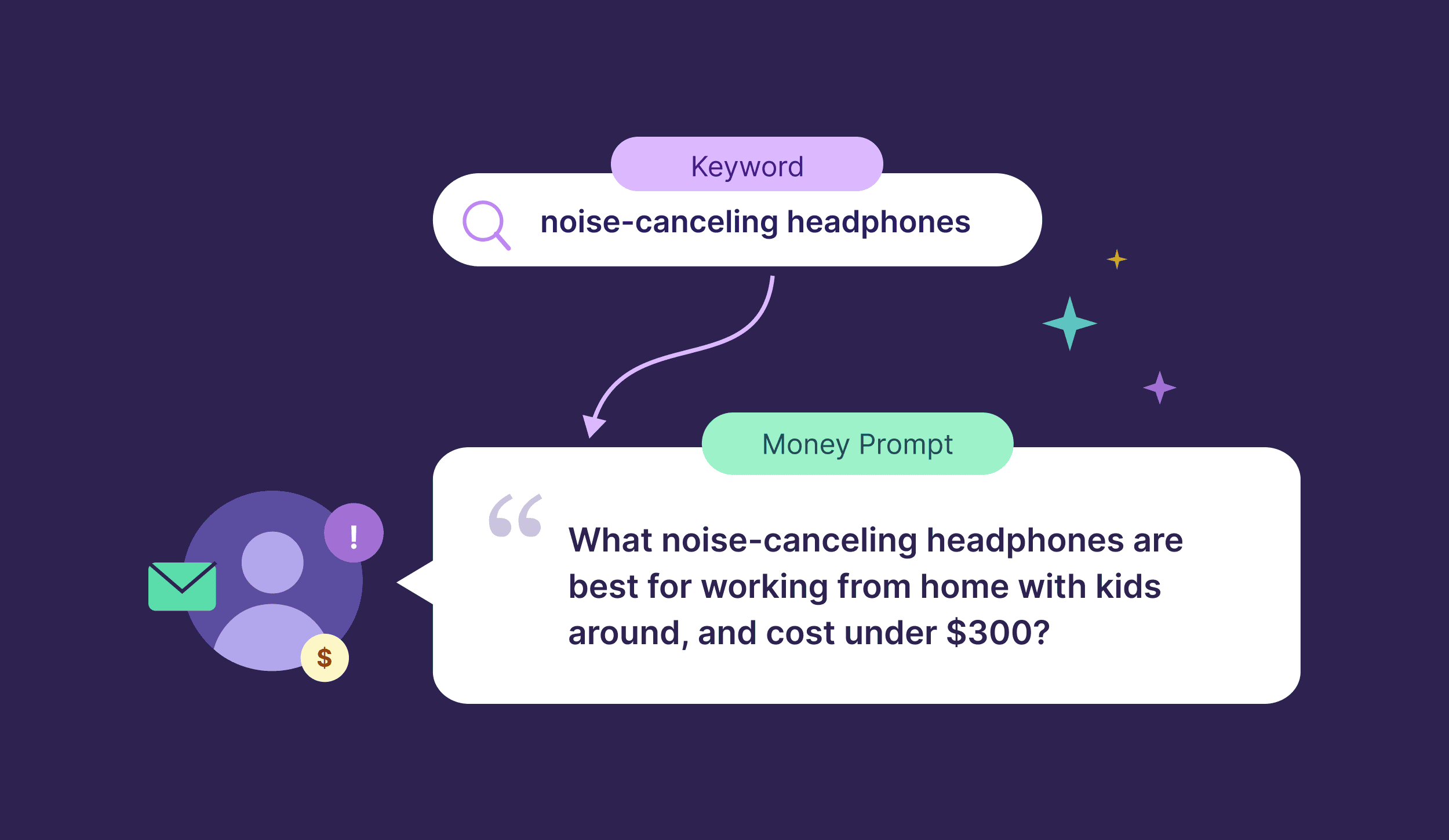
"Money prompts" are the conversational phrases or detailed questions your ideal customers would ask an AI tool when seeking solutions that your product or service provides. These are the AI SEO equivalent of high-commercial-intent keywords, designed to drive conversions. Money prompts are typically:
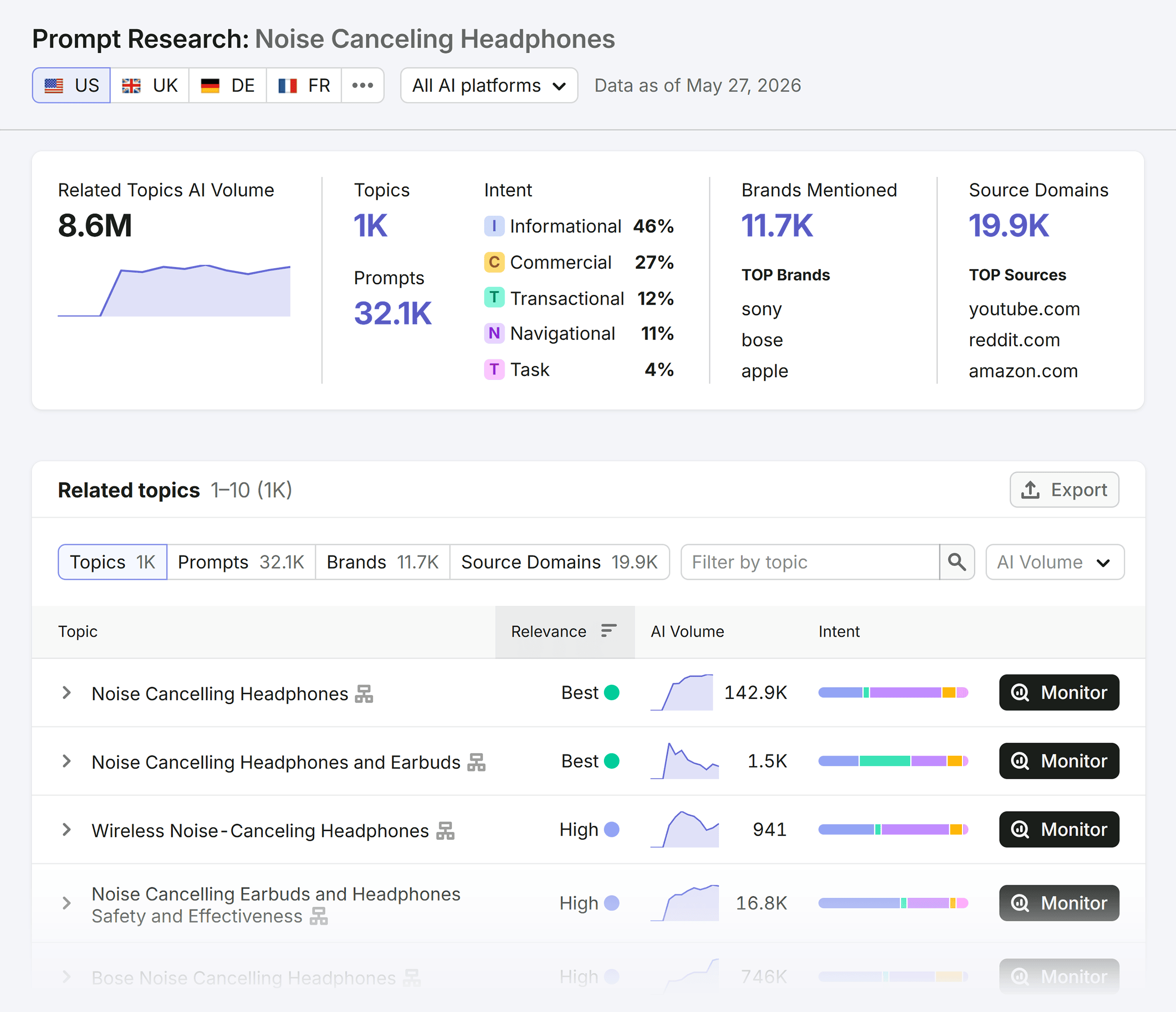
- Specific and detailed: More than just "noise-canceling headphones."
- Problem-oriented: Addressing a user’s pain point.
- Solution-seeking: Guiding the user toward a product or service.
- Comparative or evaluative: Often involving choices or recommendations.
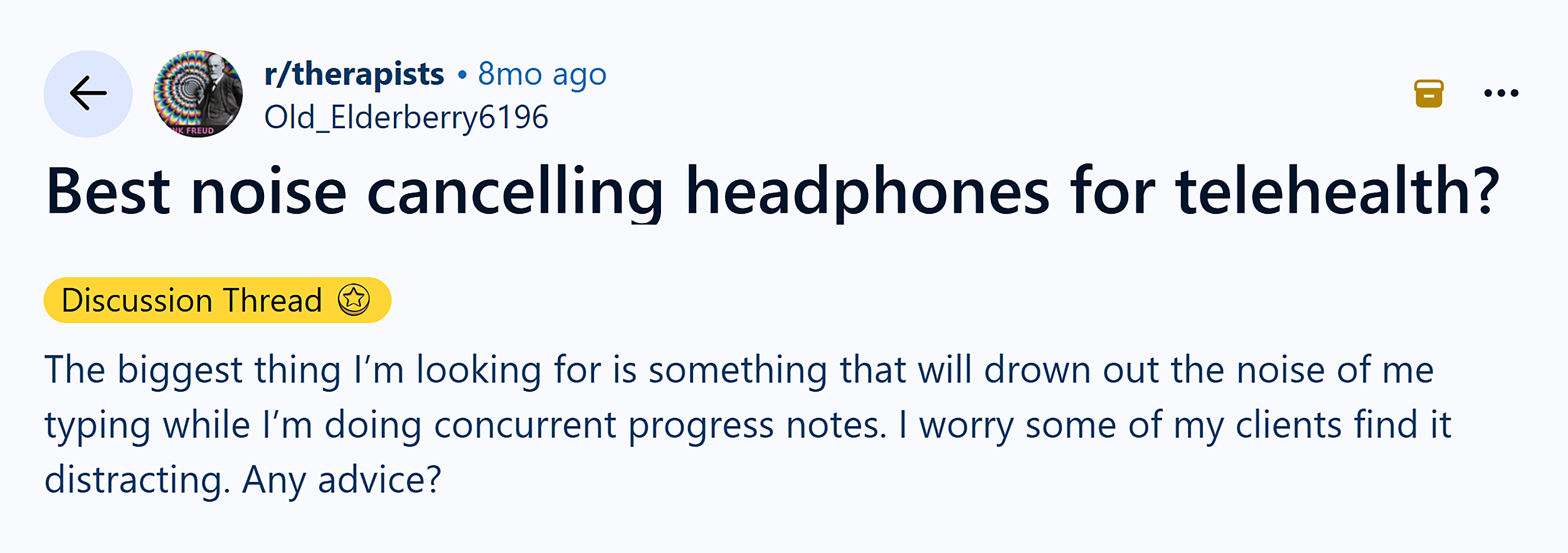
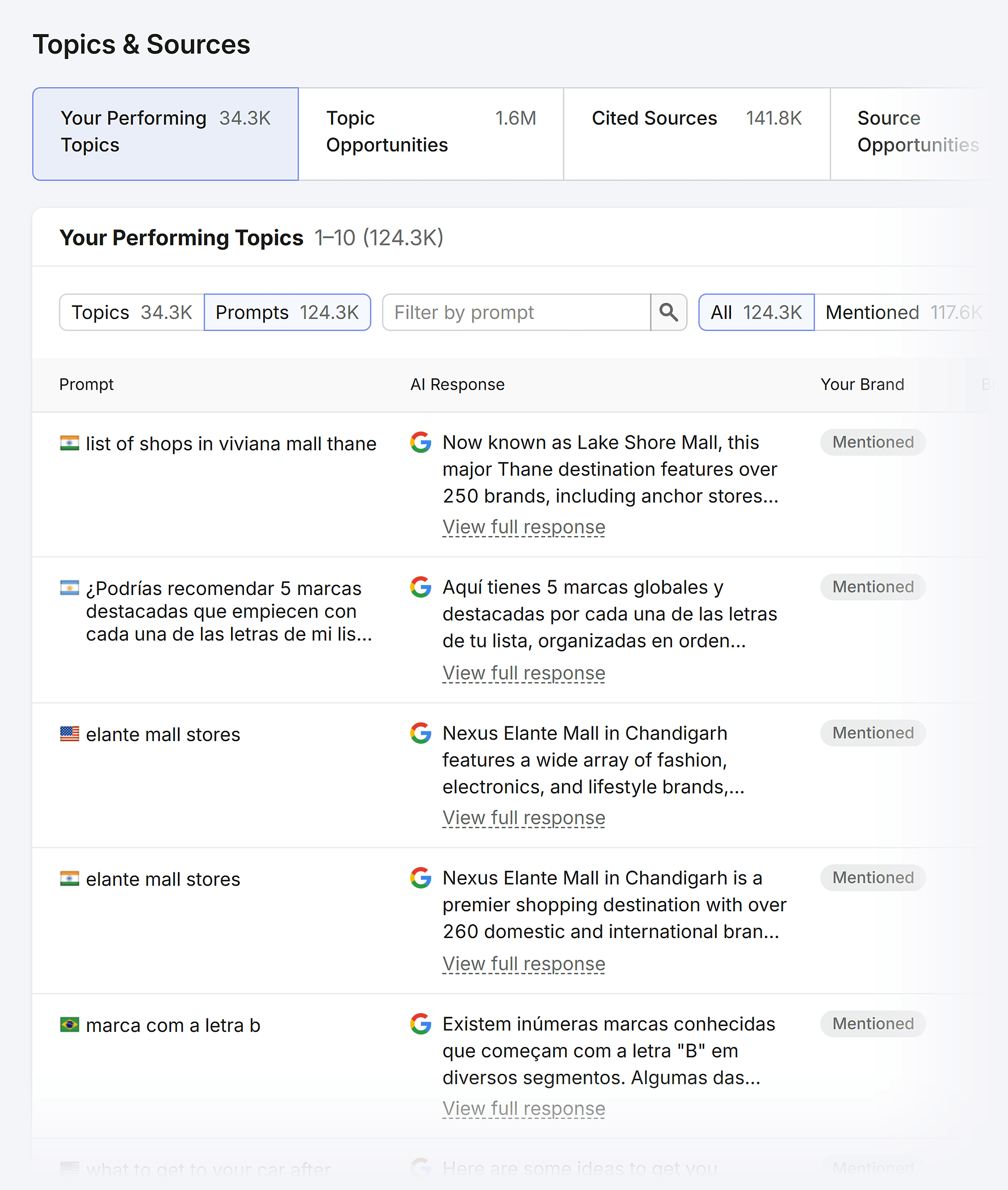
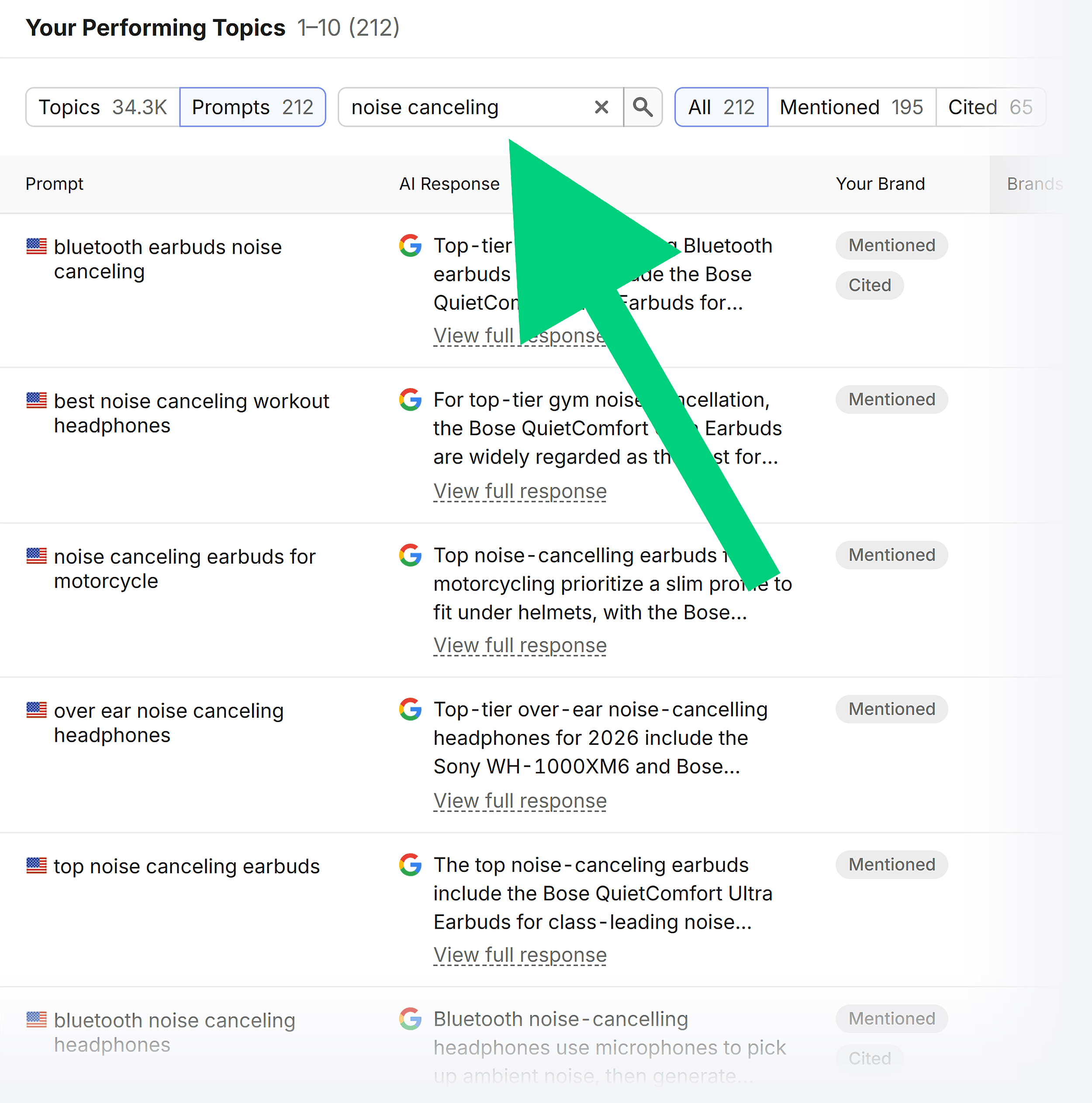
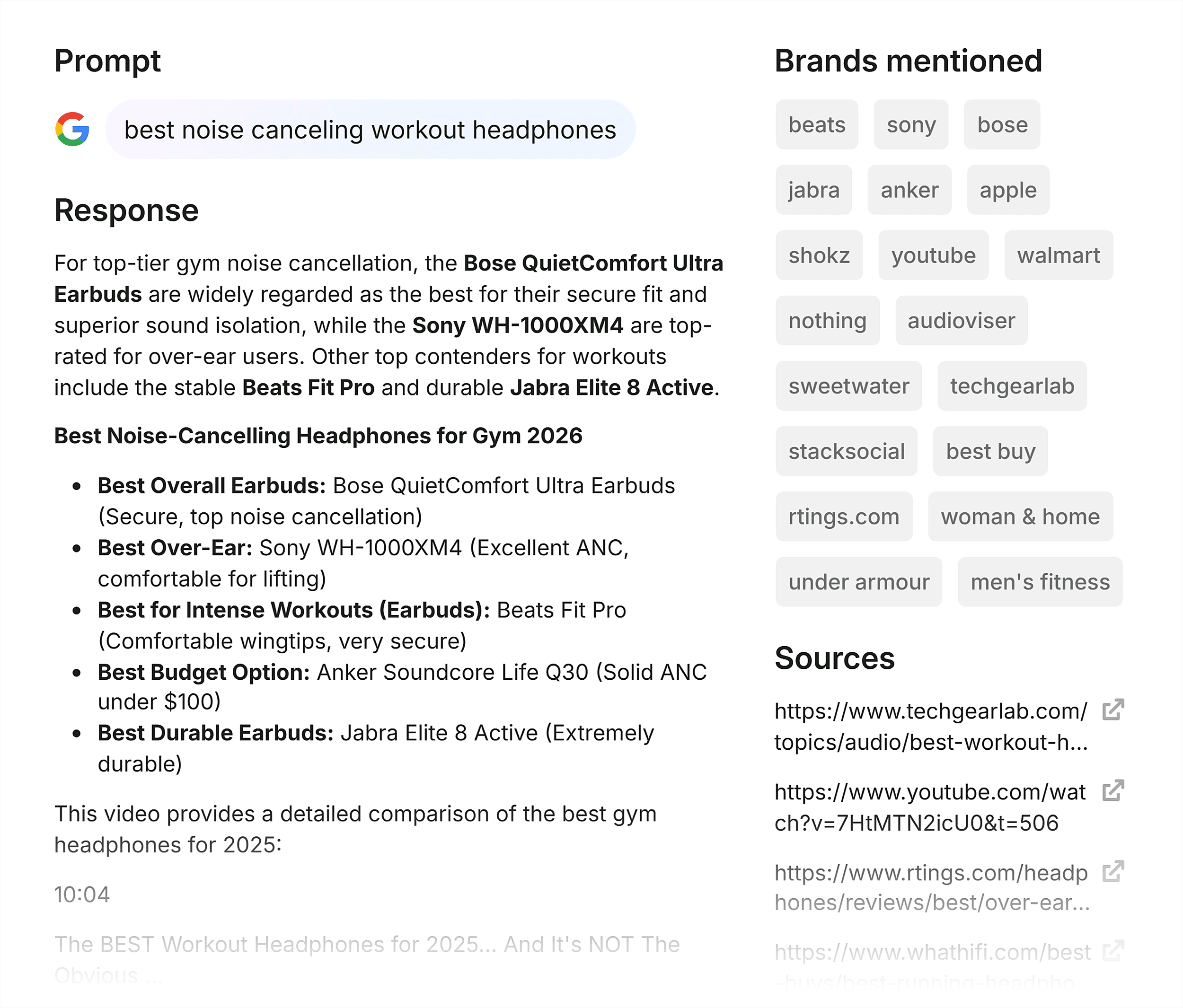
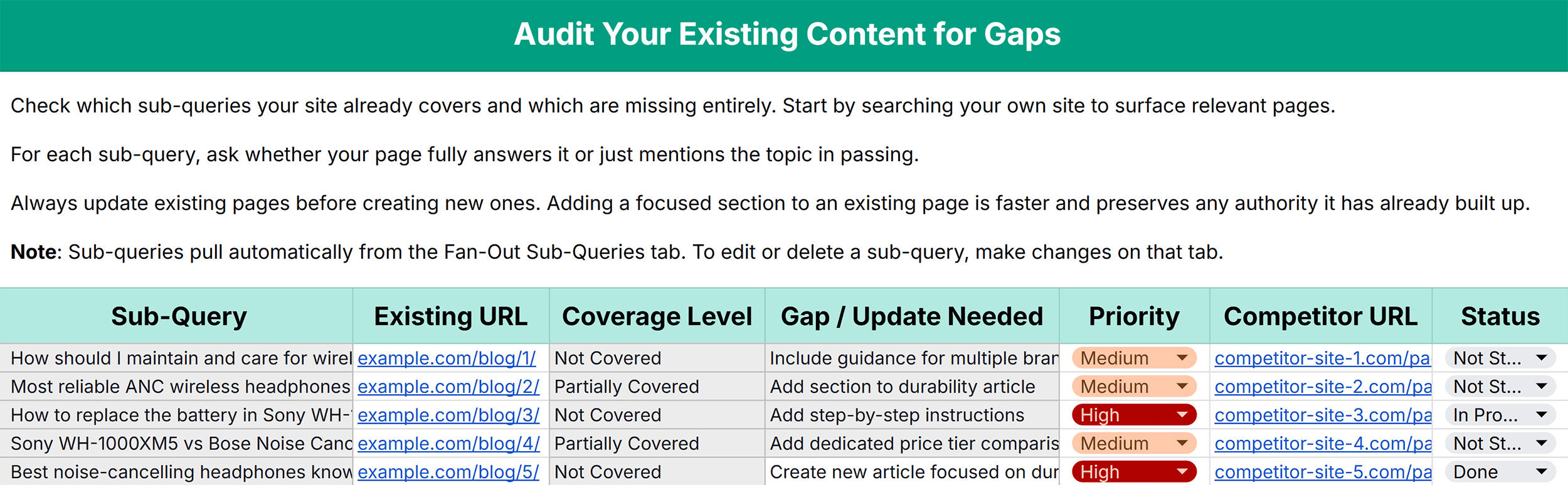
For instance, "What noise-canceling headphones are best for working from home with kids around, and cost under $300?" is a money prompt, reflecting a nuanced user need. To find these, explore user-generated content on forums like Reddit, analyze customer support transcripts, or utilize specialized AI visibility tools. Semrush’s AI Visibility Toolkit, for example, allows you to uncover actual prompts users are typing into AI tools and reveals where your brand already appears. By analyzing existing AI answers for your domain, you can identify high-priority money prompts that are already generating visibility for your competitors or where your brand is currently cited. Add these to a dedicated spreadsheet for tracking.
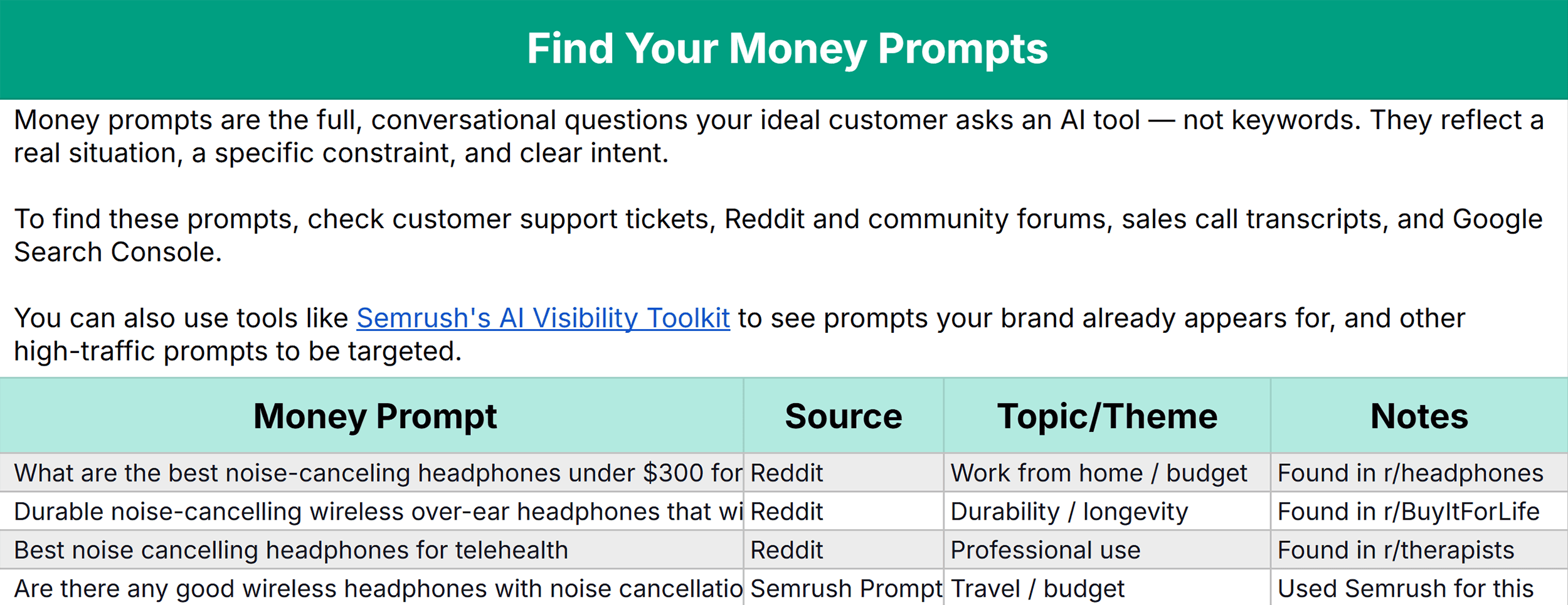
Step 2: Generate Comprehensive Fan-Out Sets
Once you have your initial money prompts, the next step is to uncover the full spectrum of sub-queries an AI might generate. This can be done manually or with specialized tools.
For a manual approach, use a prompt template like: "Act as an AI system. When a user asks ‘[Your Money Prompt],’ what are all the related sub-queries you would run to build a comprehensive answer? Group them by category (e.g., Definitions, Comparisons, Use Cases, Pricing)." Running this through various LLMs (ChatGPT, Claude, etc.) will yield diverse fan-out sets, as each platform expands queries differently.
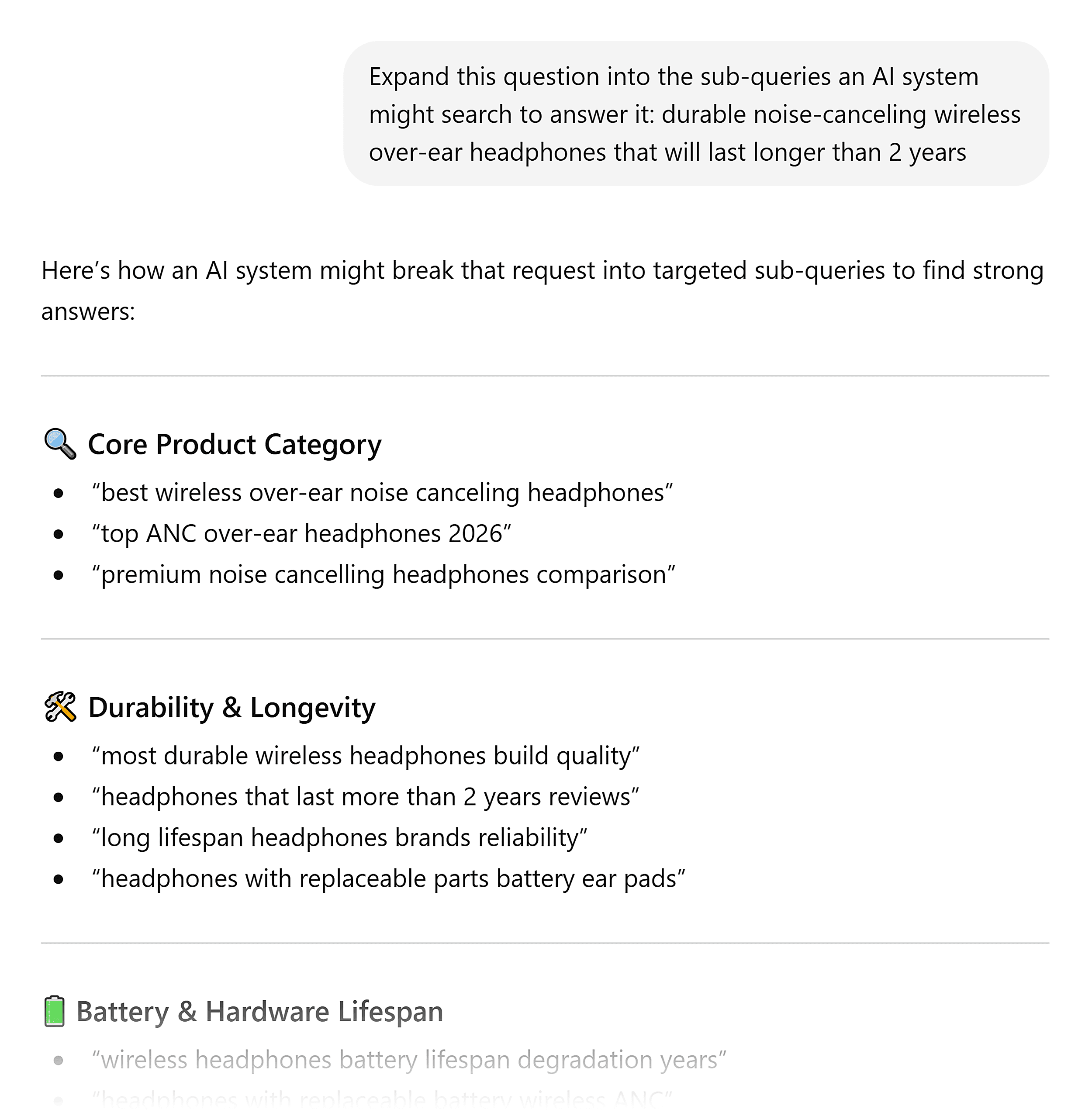
Alternatively, tools like Backlinko’s ChatGPT Query Fan-Out Tool (a Chrome extension) can capture real-time sub-queries generated by ChatGPT. As you gather these sub-queries, categorize them by type:
- Reformulation: A rephrased version of the original prompt.
- Comparative: Weighing multiple options (e.g., "Sony vs. Bose Noise Canceling Headphones").
- Implicit: Addressing unstated user needs.
- Personalized: Tailored to specific situations or preferences.
- Entity Expansion: Delving into details of a mentioned brand or product.
- Related: Connected topics the AI anticipates the user might want.
This categorization helps in understanding the depth and breadth of content required.
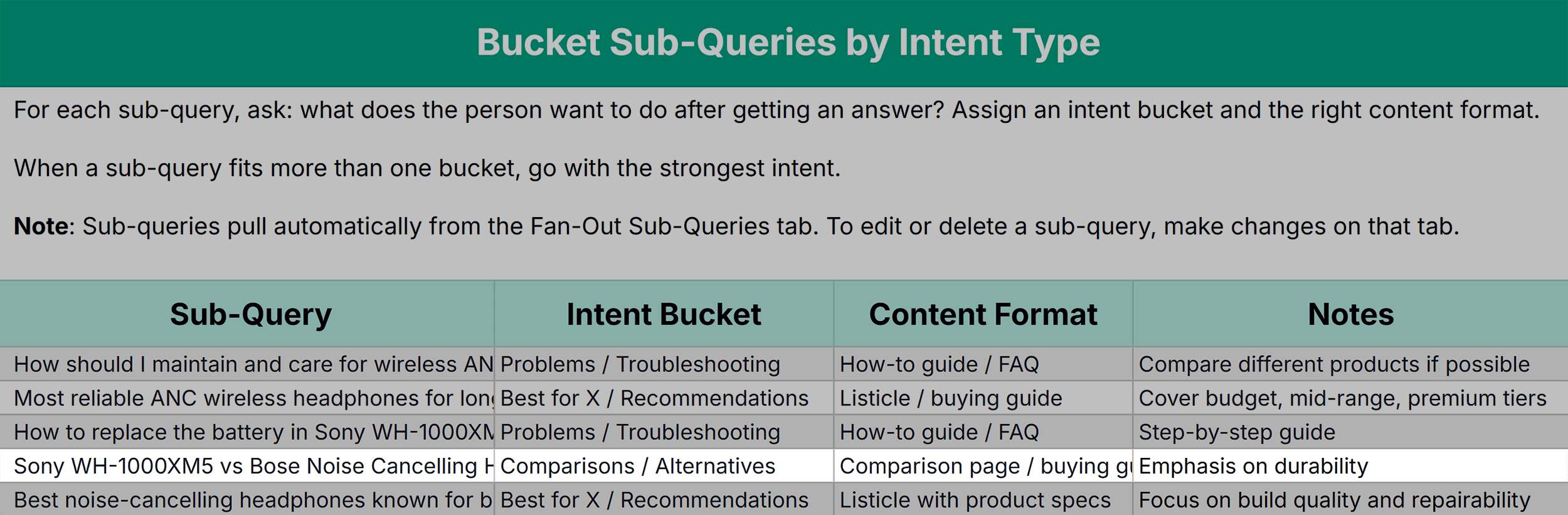
Step 3: Categorize Sub-Queries by User Intent
To inform content creation, bucket each sub-query by its underlying user intent. The goal is to determine what action the user wants to take after receiving an answer. For example, "Sony vs. Bose Noise Canceling Headphones" clearly indicates a "comparison" intent, suggesting a head-to-head comparison page or a detailed table as the ideal content format. Common intent buckets include:
- Definitions/Basics: "What is X?", "How does X work?" (Content: Explainer articles, glossary entries).
- Comparisons/Alternatives: "X vs. Y," "Alternatives to X" (Content: Comparison pages, feature matrix).
- Best for X/Recommendations: "Best option for a specific use case" (Content: Listicles, buying guides).
- Problems/Troubleshooting: "How to fix X," "Why does X happen?" (Content: How-to guides, FAQ sections).
- Pricing/Value: "How much does X cost?", "Is X worth it?" (Content: Pricing pages, value analysis).
- Social Proof/Discussions: "Reviews," "Reddit opinions," "User experience" (Content: Review roundups, user testimonials).
Aligning content format with intent is crucial for AI retrievability.
Step 4: Conduct a Thorough Content Gap Analysis
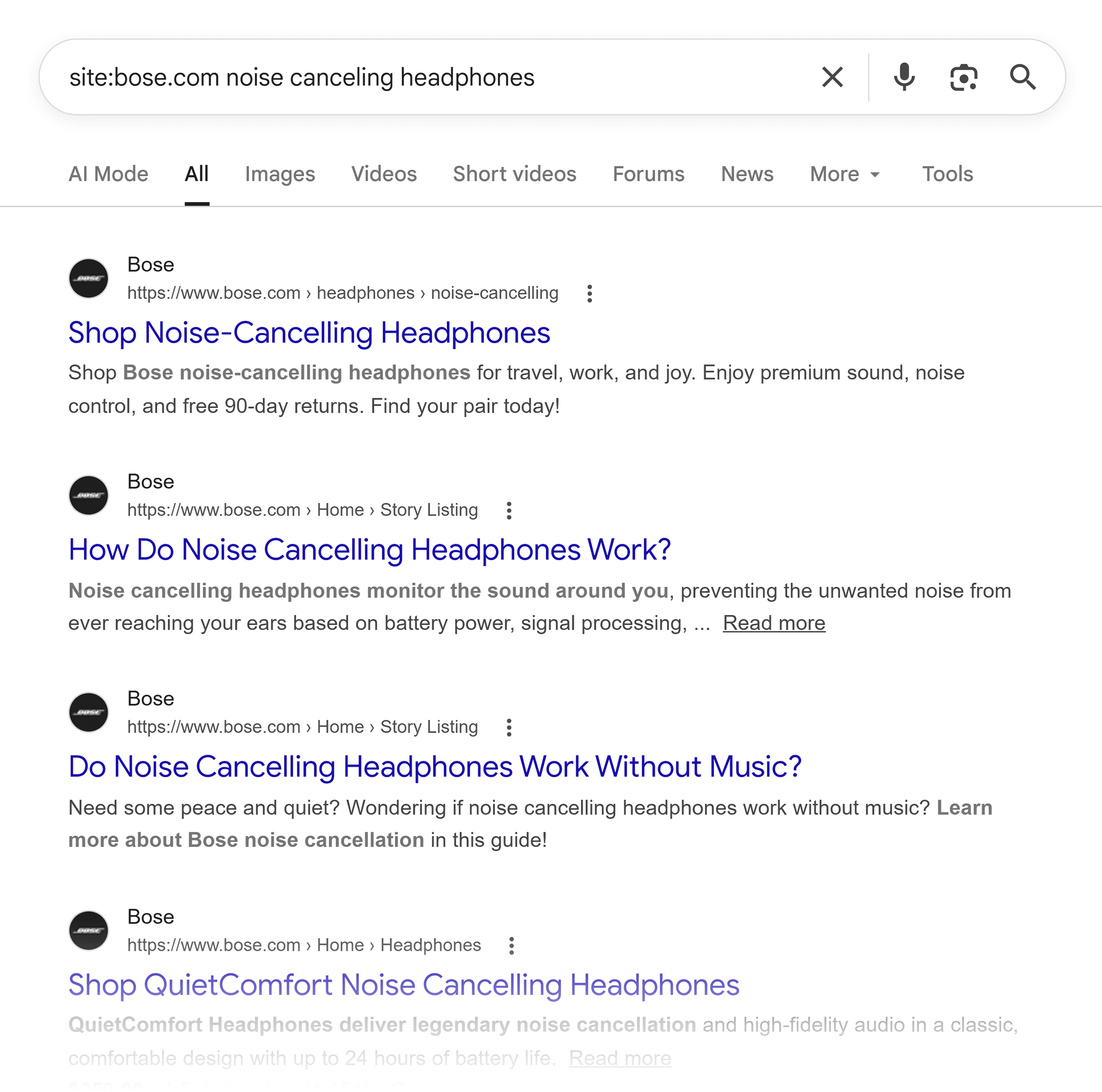
With sub-queries categorized, audit your existing content to identify gaps. Use site-specific Google searches (site:yourdomain.com [sub-query topic]) to see what content already exists. For each sub-query, assess the coverage level:
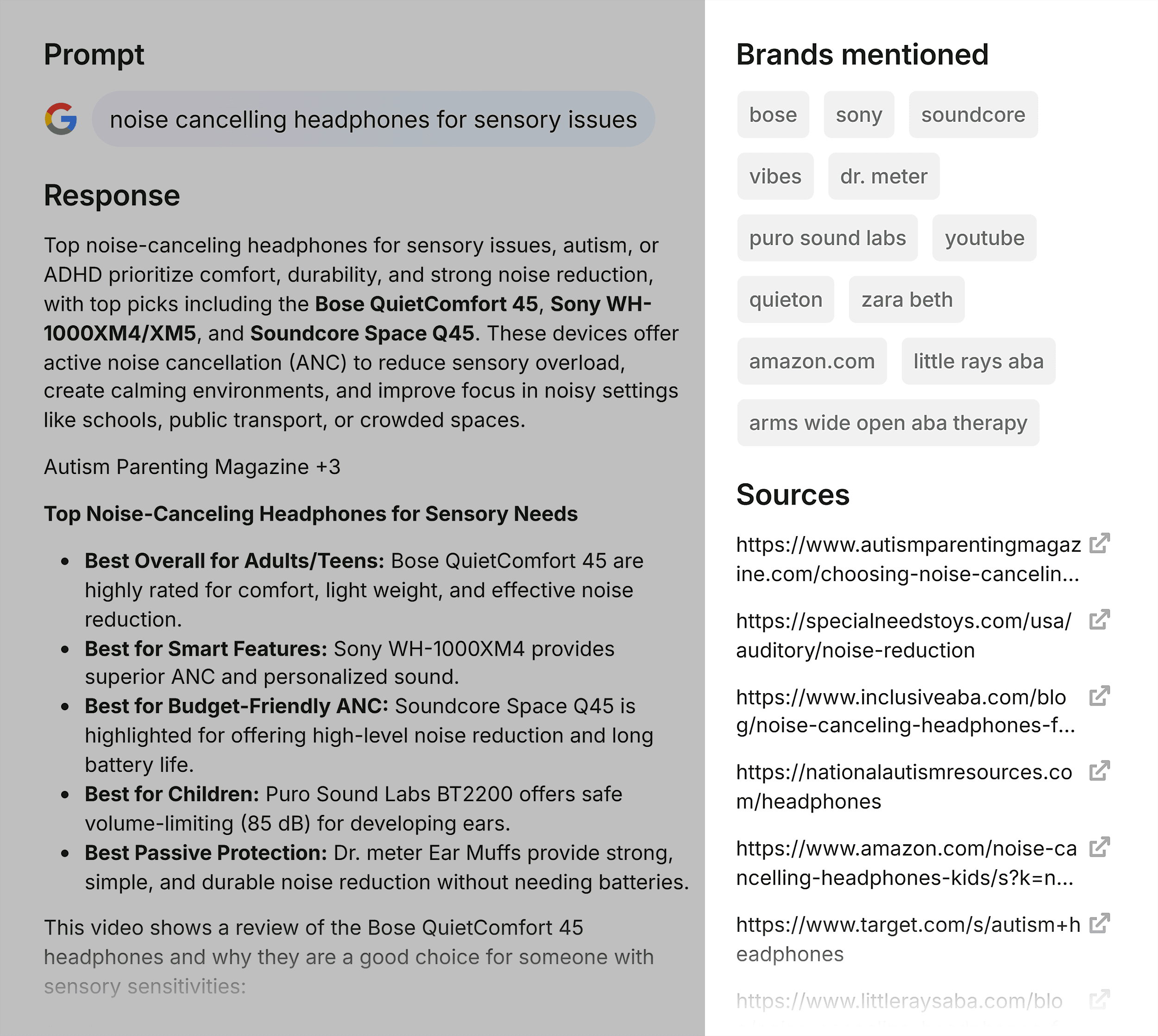
- Not Covered: No existing content addresses the sub-query. Action: Create new, dedicated content.
- Partially Covered: The topic is mentioned but not fully resolved or presented as a standalone answer. Action: Add a dedicated, self-contained section to an existing page.
- Fully Covered: A specific section or page completely answers the sub-query, suitable for direct AI extraction. Action: Monitor for AI citations and maintain currency.
Simultaneously, track competitor performance using AI platforms or tools like Semrush’s AI Visibility Toolkit. If competitors are cited for your money prompts while you are not, these represent critical gaps to address. If you are already cited alongside competitors, prioritize strengthening your content to maintain that visibility.
Step 5: Optimize Content for AI Extraction
Creating the right content is only half the battle; the other half is structuring it for AI discoverability and extraction.
- Front-load answers: Place direct answers to potential sub-queries early in your content.
- Use descriptive subheadings: Each subheading should clearly indicate the question it answers, making it easy for AI to parse.
- Employ clear, concise language: Avoid jargon where possible, and ensure sentences are straightforward.
- Utilize structured data: Tables, bullet points, and numbered lists help AI quickly identify and extract key pieces of information.
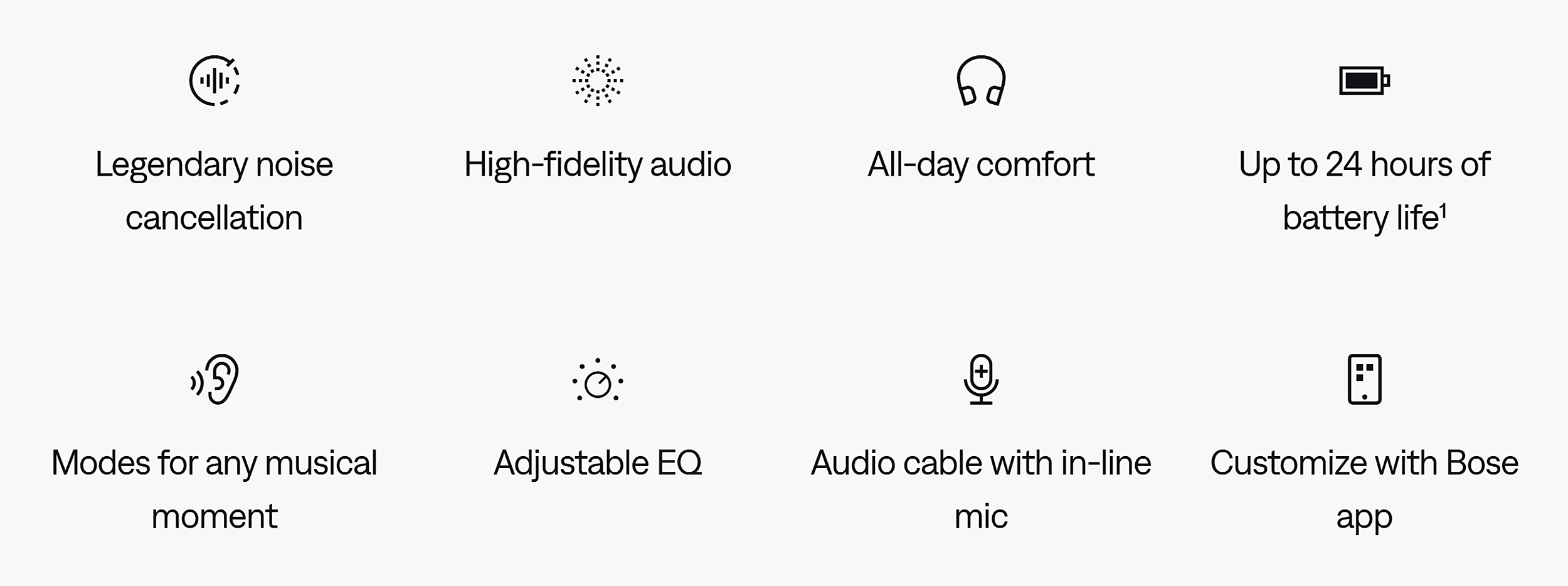
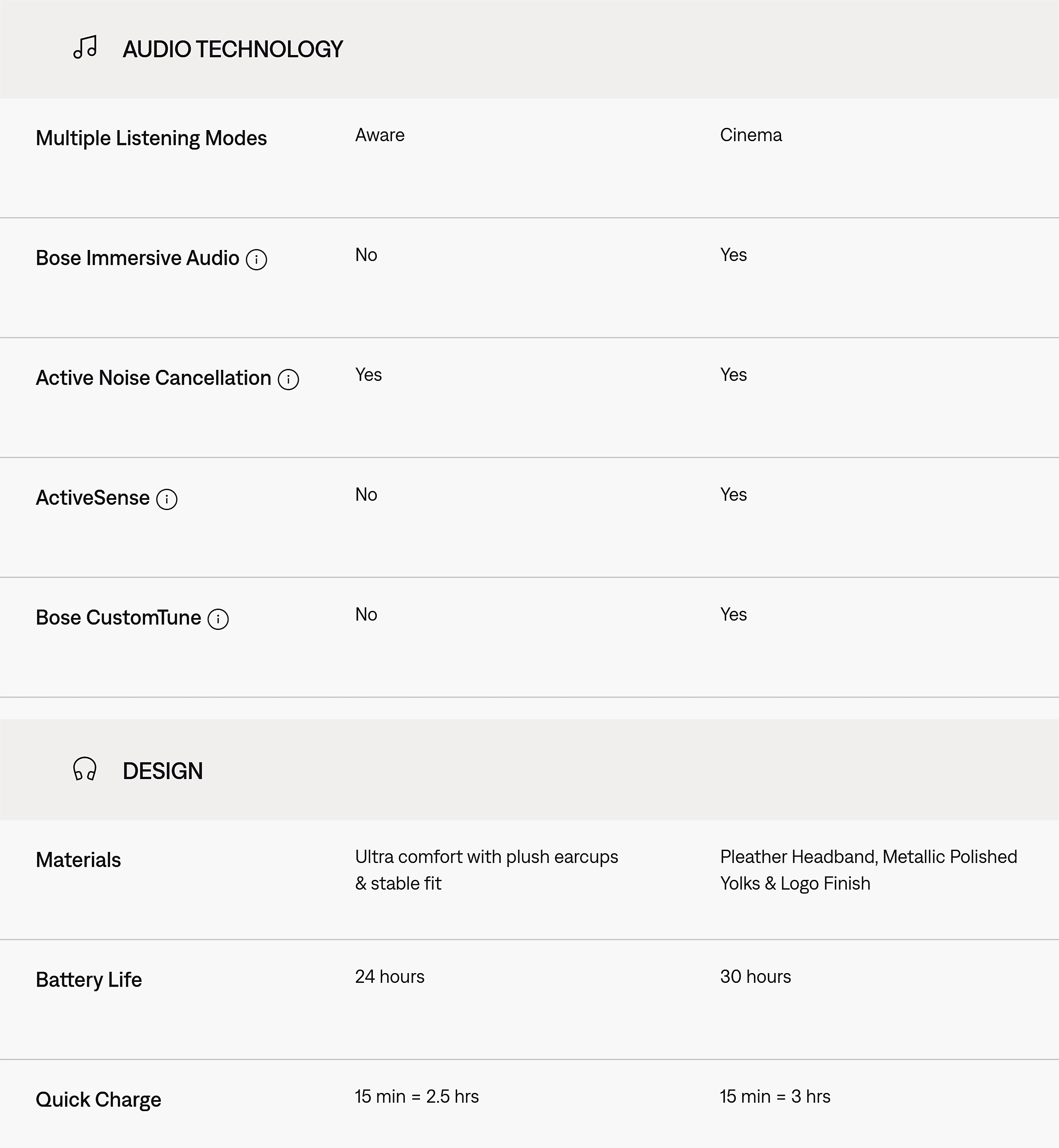
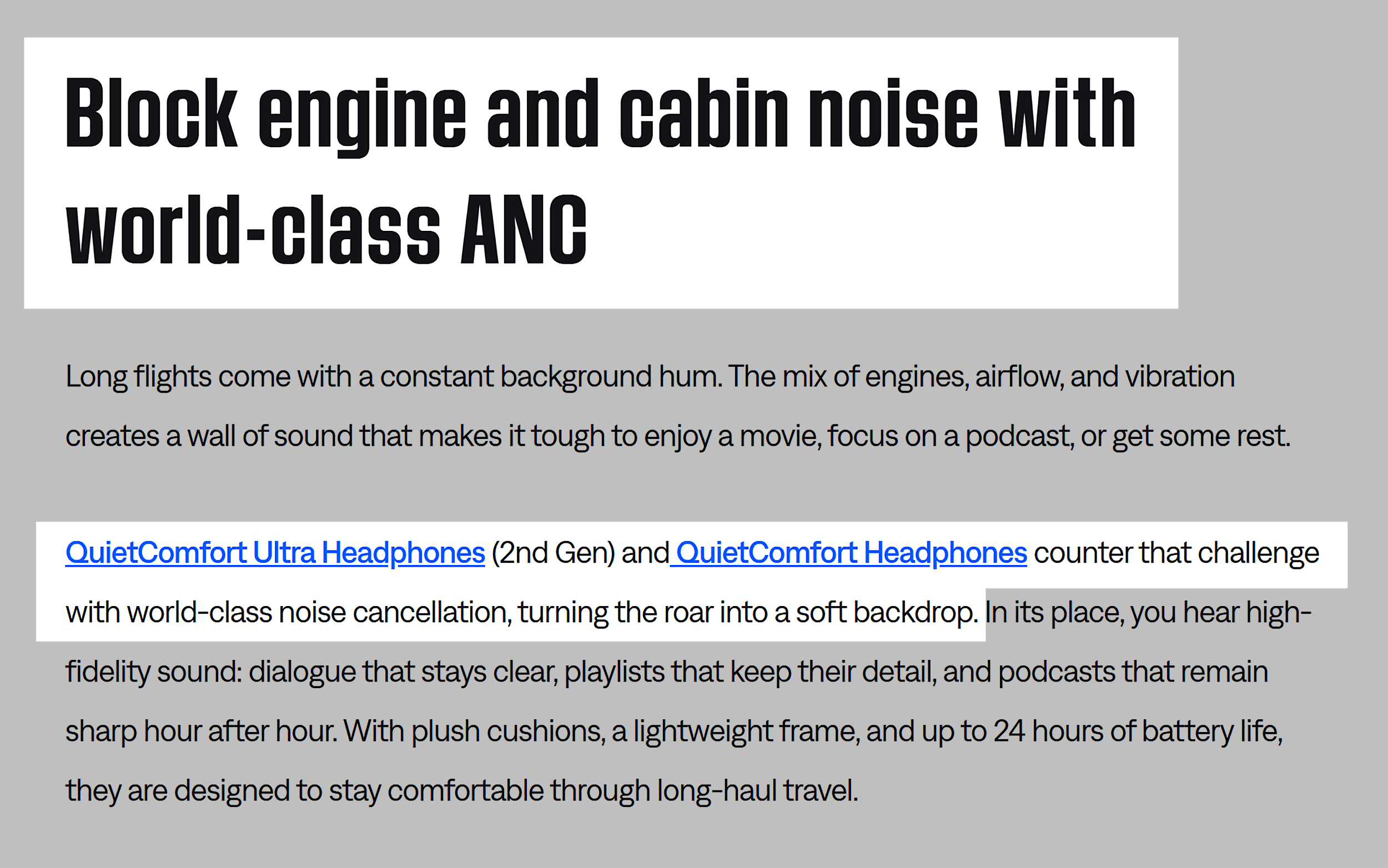
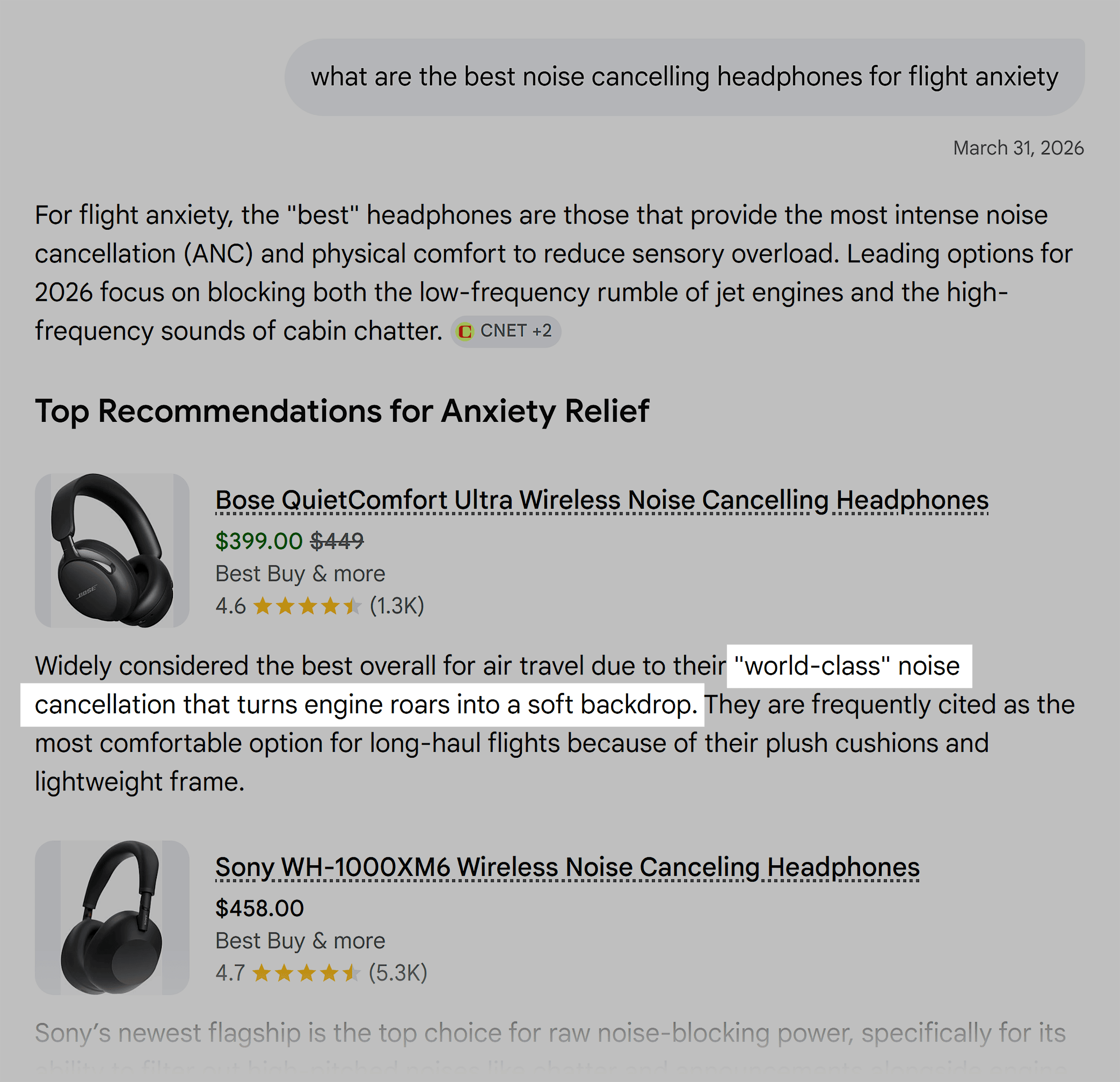
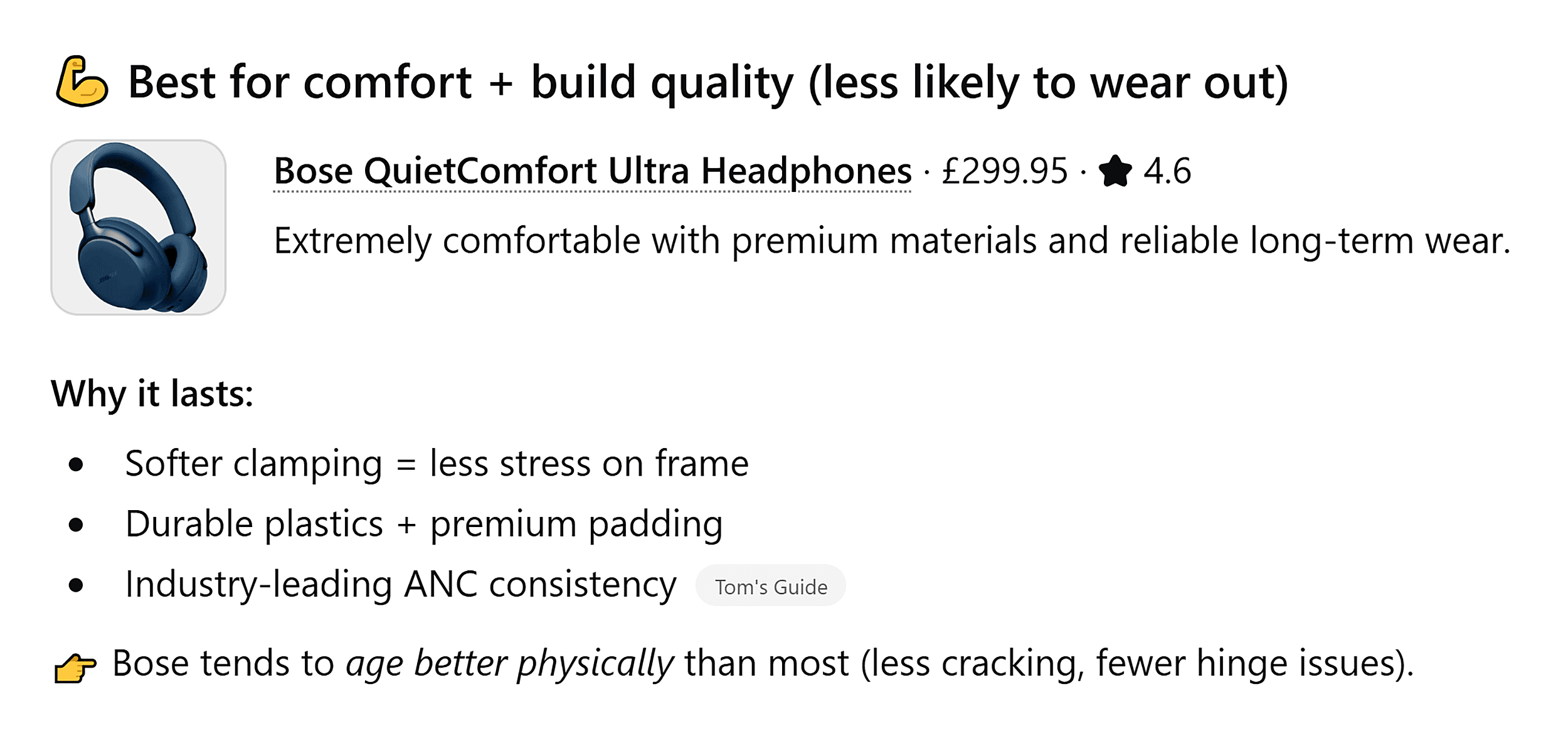
- Create use-case specific content: Develop dedicated pages or sections for niche scenarios, using language that matches how users would phrase those specific needs. For example, Bose excels at this with pages like "noise-canceling headphones for flights," which AI can directly pull from when users search for similar scenarios.
Step 6: Continuously Monitor AI Visibility and Sentiment
Post-optimization, ongoing monitoring is essential. Track your money prompts across various LLMs to determine:
- Which LLMs are citing your brand.
- The specific content passages being cited.
- Your brand’s overall share of voice compared to competitors.
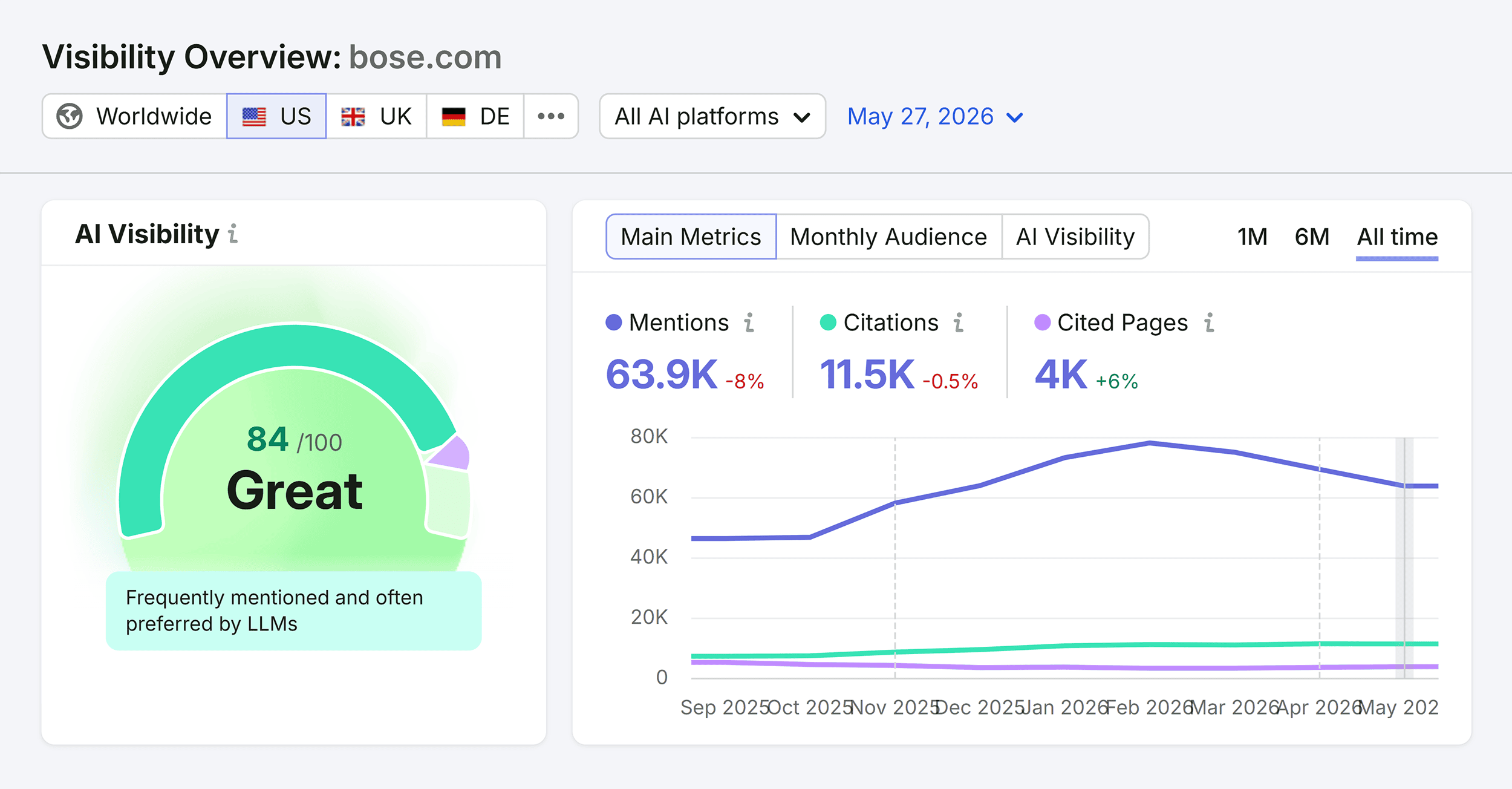
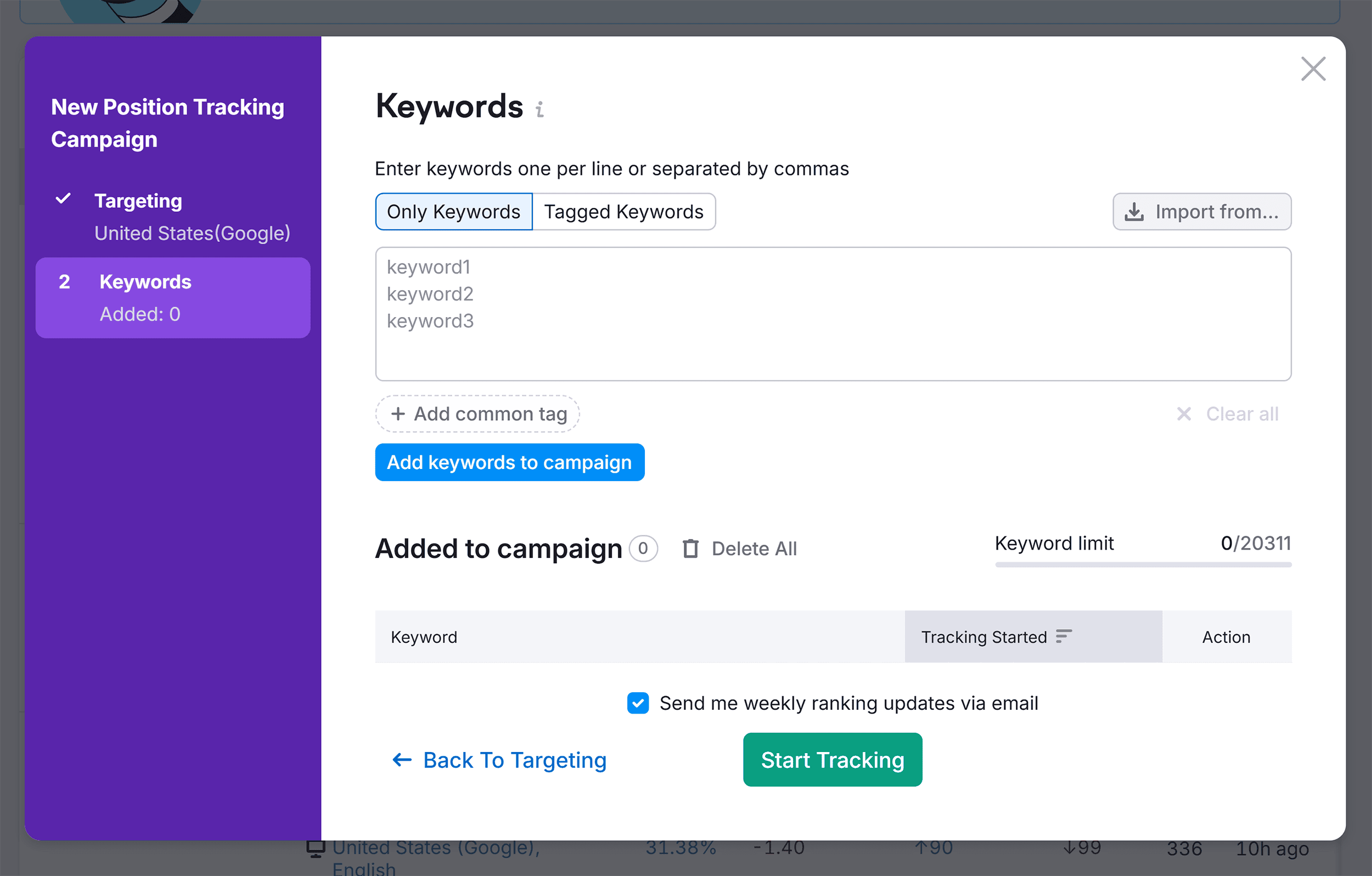
Manual tracking can be cumbersome, so tools like Semrush’s Prompt Tracker can automate this, alerting you to changes in mentions. The AI Visibility Overview provides a score comparing your brand’s presence in AI answers against competitors, while the Perception tool tracks sentiment, indicating how LLMs describe your brand and identifying potential areas for content improvement (e.g., addressing negative perceptions or filling knowledge gaps around product weaknesses). This iterative process of tracking, analyzing, and refining ensures sustained AI visibility.
Platform-Specific Nuances of Query Fan-Out
While the general principles of query fan-out apply across AI platforms, each LLM has unique characteristics that influence content surfacing:
- ChatGPT: Often relies on its vast training data for simple queries but initiates live web searches for questions requiring fresh data, comparisons, or current information. Identifying sub-queries in ChatGPT can be done manually via browser developer tools (inspect element, network tab, searching "queries" in the response). This platform places a high value on "topical authority" and diverse third-party mentions (Reddit, review sites), suggesting a holistic brand presence is key.
- Perplexity: Combines conversational context with real-time web searches. Its initial sub-queries often involve checking prior user interactions for personalization, followed by external searches for specific data. Content for Perplexity needs to be highly specific and self-contained to remain accurate regardless of the unpredictable contextual pairing.
- Claude: Employs a unique approach by first asking clarifying questions to understand user intent more deeply before generating a tailored response. This often results in fewer, more targeted fan-out sub-queries. For Claude, content that directly answers specific, well-defined use cases or provides clear choices based on user priorities is likely to be favored.
- Google AI Overviews and AI Mode: AI Overviews offer concise, featured-snippet-style summaries sourced from Google’s existing web index. AI Mode, a dedicated conversational search tab, provides deeper interaction for complex, multi-part questions, also drawing from Google’s index. While Google does not publicly expose its sub-queries, SEO professionals have devised methods using tools like Screaming Frog with Gemini API integration to infer them. For Google’s AI offerings, the optimization focus remains on front-loading answers, using descriptive subheadings, and ensuring individual content passages are self-sufficient and clearly structured.
Broader Implications for Digital Marketing
The ascendancy of query fan-out signifies a fundamental shift in the digital marketing landscape. Brands and content creators can no longer solely rely on traditional SEO tactics focused on keyword density and link building. The imperative is now to cultivate deep topical authority, create truly comprehensive and helpful content, and structure that content for optimal AI extraction. This necessitates a more strategic, user-centric approach to content development, where understanding the nuanced questions your audience might ask is as important as knowing what they are asking.
For businesses, adapting to query fan-out is not just about gaining citations; it’s about maintaining relevance and trust in an increasingly AI-mediated information environment. Brands that successfully integrate this understanding into their content strategy will be better positioned to engage with potential customers earlier in their decision-making process, provide value across a collapsed buying journey, and ultimately, secure a dominant position in the future of AI search. The competitive advantage will lie with those who can anticipate and satisfy the complex, multi-faceted information needs that AI systems are designed to fulfill.
Conclusion
The landscape of online visibility is undergoing a seismic shift, driven by the sophisticated mechanisms of AI-powered search. Query fan-out is at the heart of this change, dictating that sheer ranking power is no longer the sole determinant of AI citations. Instead, comprehensive coverage and intelligent retrievability of content are king. The brands that will thrive are those that actively embrace this new paradigm, meticulously identifying user money prompts, mapping out the full spectrum of sub-queries, and strategically structuring their content to be easily extracted and cited by LLMs.
The framework for adapting is clear: start with high-value money prompts, thoroughly analyze the fan-out ecosystem, audit your existing content for gaps, and re-engineer your content for maximum AI extractability. This is an ongoing journey of refinement and adaptation. By systematically applying the query fan-out workflow, businesses can ensure their brand remains at the forefront of AI discovery, earning invaluable mentions and building trust in the conversational search era. The future of digital content is not just about being found, but about being chosen by AI as the definitive answer.