The Vital Role of Social Media Community Management in Today’s Digital Landscape

Social media has long been a fertile ground for niche communities, but its importance for brands to actively cultivate these spaces has never been more pronounced. Recent data from Sprout Social’s "The State of Social Media Report" underscores this trend, revealing that community-focused content ranks as the second most desired content type by users. Furthermore, a significant 51% of consumers expect brands to engage more proactively across all their social platforms. This shift signifies a move beyond mere broadcasting to a more interactive and relationship-driven approach.
While social media community management offers brands a unique avenue for connection, it is not without its challenges. Unlike traditional community management, which might involve controlled environments like physical events or direct customer service channels, social media demands adaptability. Brands must learn to navigate the distinct engagement standards and conversational rhythms of each platform and its respective communities. This necessitates managing multiple conversations simultaneously, staying abreast of platform updates and evolving trends, and understanding that in the current social media landscape, active engagement often carries as much, if not more, weight than purely entertaining content. The power of these active communities lies in their ability to generate organic amplification for product launches and promotional initiatives, building anticipation and brand loyalty.
Understanding the Foundation: What is Social Media Community Management?

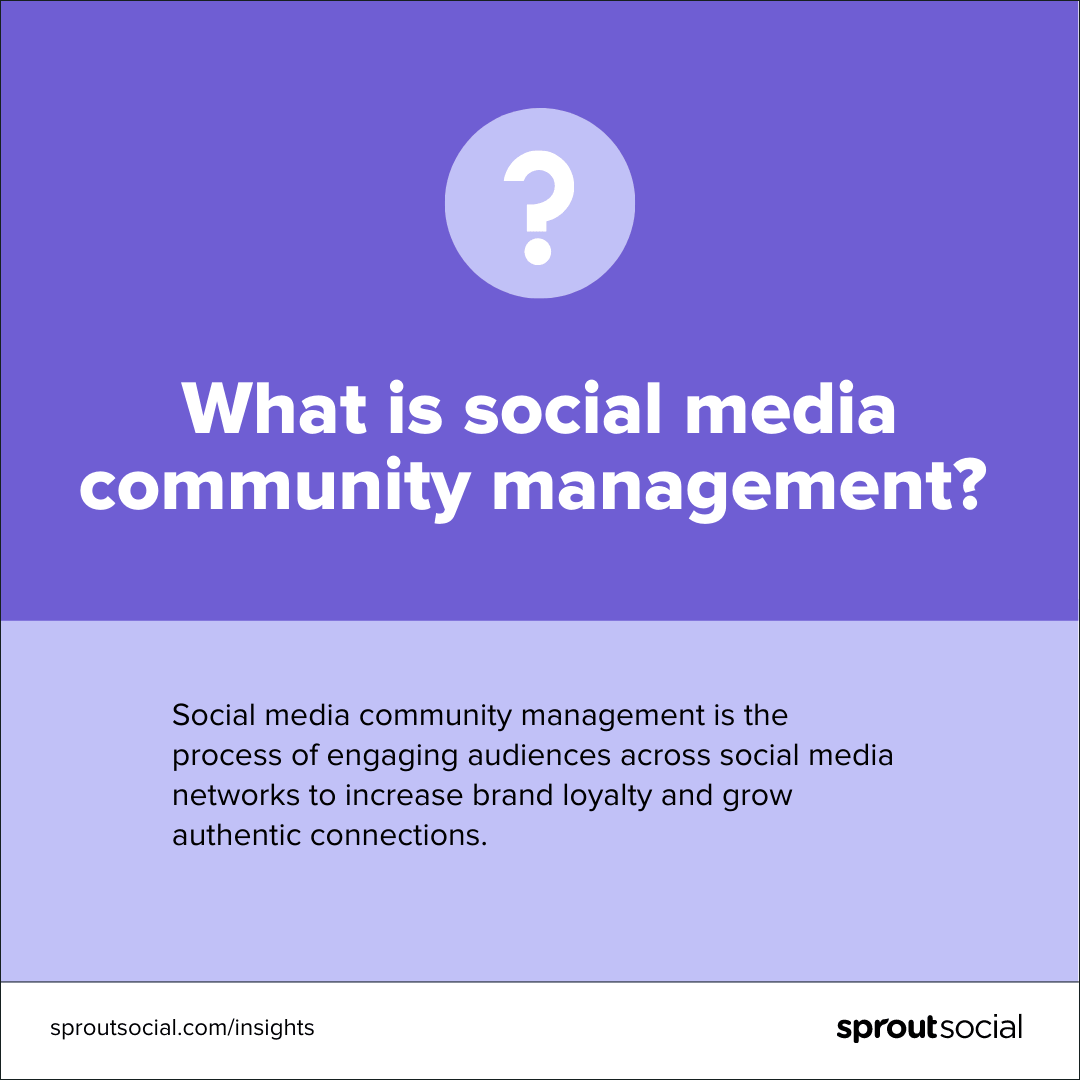
At its core, social media community management is the strategic process of engaging with audiences across various social media networks to foster brand loyalty and cultivate authentic connections. This function is dedicated to managing one-to-one and one-to-few interactions that strengthen relationships and promote brand advocacy. Nearly every major social media platform, from Facebook and Instagram to X (formerly Twitter), LinkedIn, Twitch, Reddit, and Threads, offers features designed to support the creation and maintenance of active communities. A well-defined social media community management strategy outlines a business’s cross-network approach to managing conversations with its brand advocates. However, it is crucial to recognize that not all communities are identical; therefore, refining tactics to align with the specific characteristics of each community’s "home" platform is essential for achieving optimal results.
The Role of the Social Media Community Manager
A social media community manager is tasked with engaging audiences across networks to further develop and nurture a brand’s community. While this might sound similar to the responsibilities of a general social media manager, there are distinct differences that set these roles apart. For instance, a community manager’s focus extends beyond content creation and planning. As Paula Perez, former Social Engagement & Community Growth Specialist at Oatly, highlighted in a previous interview, her occasional appearances in Oatly’s TikTok content were a result of her comfort on camera, not her involvement in content strategy. "Our creative and social teams work together on that," Perez stated, emphasizing that the community manager’s primary role is to understand and react to audience engagement.
This perspective underscores the contemporary importance for social community managers to think beyond published content and concentrate on how audiences interact with it. Their key focus should be on audience behaviors, interests, and pain points within specific niche communities and targeted demographics. Subsequently, they facilitate the brand’s valuable response to this feedback, often delving deeply into comments, direct messages, and discussions on forums.
Common Use Cases for Social Media Community Management
The daily responsibilities of a social media community manager can vary significantly depending on the brand and the communities they oversee. Nevertheless, certain core duties consistently shape their role. These typically include:
- Monitoring Conversations: Actively tracking brand mentions, relevant keywords, and industry discussions across social platforms.
- Engaging with Users: Responding to comments, questions, and feedback in a timely and authentic manner.
- Building Relationships: Fostering a sense of belonging and encouraging interaction among community members.
- Gathering Insights: Collecting audience sentiment, identifying trends, and relaying valuable feedback to internal teams for product development and marketing strategies.
- Managing Reputation: Addressing negative comments or potential crises with professionalism and empathy.
- Facilitating User-Generated Content: Encouraging and amplifying content created by the community.
- Identifying Brand Advocates: Recognizing and nurturing individuals who actively promote the brand.
The Paramount Importance of Social Media Community Management
The significance of community management within the social media sphere cannot be overstated. It is a distinct discipline, separate from creative production or overarching content strategy, that can generate substantial value for brands across all networks. When executed effectively, it transforms into a potent tool for enhancing brand perception.
Boosting Brand Visibility in a Dynamic Algorithmic Landscape
Social media algorithms are notoriously fluid, with strategies that prove effective today potentially becoming obsolete tomorrow. Building an active and engaged community serves as the most reliable method to amplify reach when algorithms favor a brand and to maintain that reach when they do not. Consistent participation in social media conversations propels a brand beyond the confines of its own profile, introducing it to new potential followers and customers. This organic expansion is invaluable in an era where organic reach can be a challenge. As observed with Oatly, their active presence in comment sections across various platforms contributed significantly to establishing and solidifying their brand presence throughout the social media landscape.
Unlocking Deep Insights into Audience Preferences
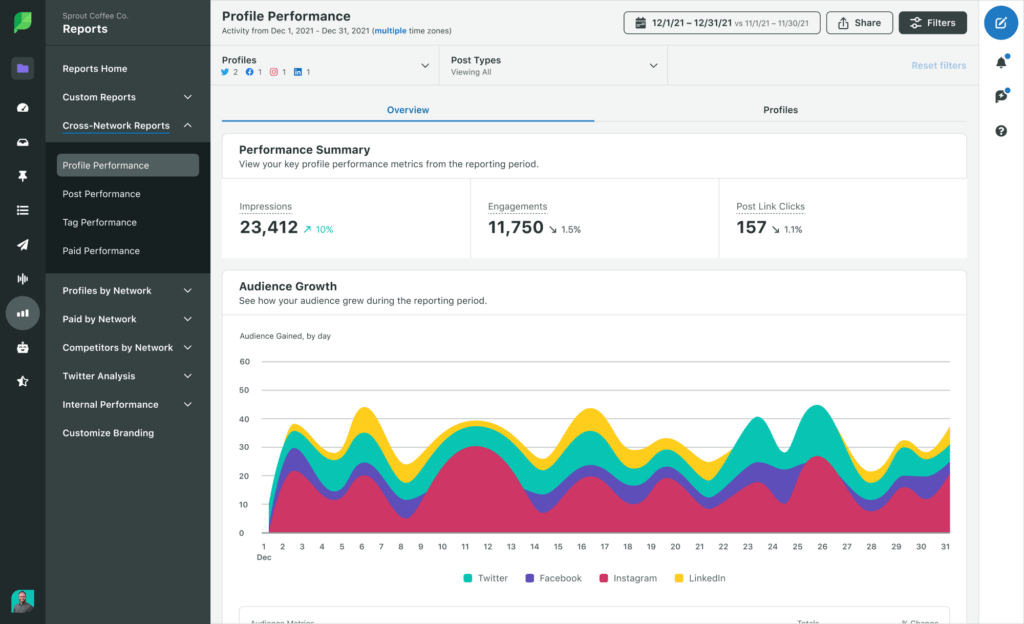
A social media community serves as an invaluable repository of audience insights, which can be meticulously analyzed to generate actionable social intelligence. By tapping into prevailing sentiments, identifying pain points, and understanding audience preferences, brands can make more informed decisions regarding product development, marketing strategies, and overall business direction. Salesforce, for example, leverages Sprout Social to aggregate data and audience feedback, thereby gaining deeper insights into their audience’s preferences. Max Benesi, Associate Manager of Social Media and Community at Salesforce, noted that this approach is one of the most effective ways to harness the expertise of their highly engaged community of "Trailblazers" – brand advocates dedicated to innovation with Salesforce. "They are very honest – they will tell us what they like and don’t like," Benesi shared. "We use their feedback to inform our content creation." This direct line to customer intelligence allows for more targeted and resonant communication.
Safeguarding and Elevating Brand Reputation
In today’s digital age, a brand’s social media presence plays a critical role in shaping and preserving its reputation, both online and offline. According to the Sprout Social Q3 2025 Pulse Survey, an increasing number of consumers, particularly Gen Z (52%), are more inclined to trust information about brands and products found on social media compared to traditional search engines or AI chatbot searches. By investing in community management and prioritizing timely, personalized interactions, brands can cultivate trust and transform their social media presence into a powerful engine for growth and advocacy. Proactive engagement and a commitment to resolving issues publicly and transparently can significantly mitigate reputational damage and build goodwill.
Forging Stronger Customer Relationships
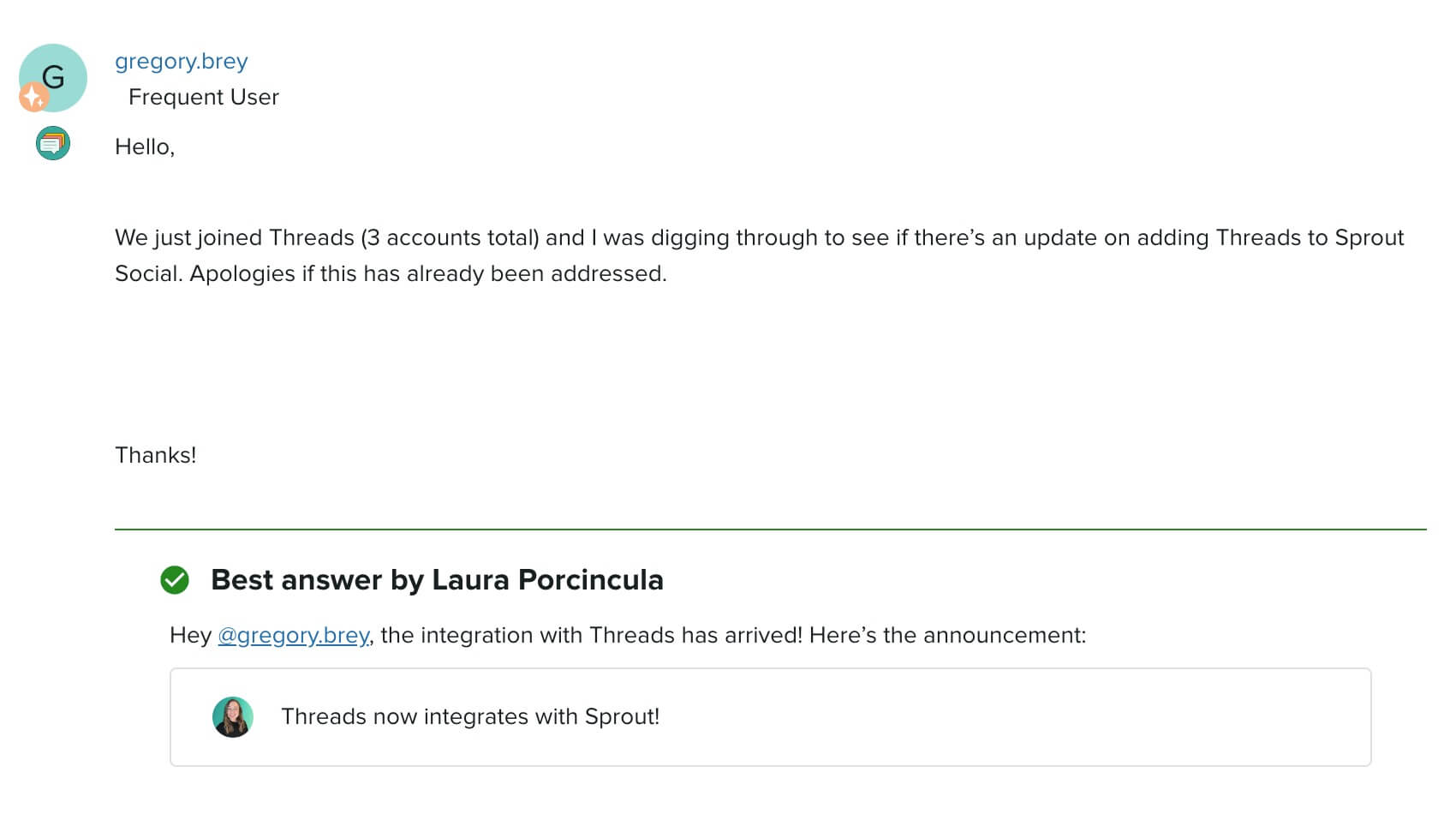
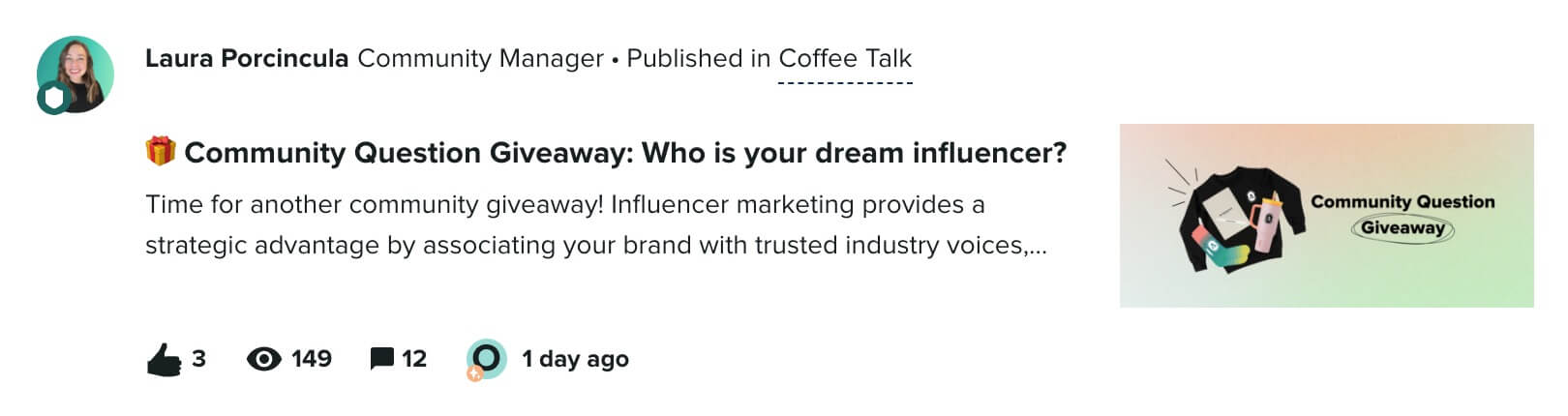
One-on-one interactions within a community setting can have a profound ripple effect, strengthening customer relationships far beyond the initial exchange. It is important to remember that for every individual who voices a question or concern, there are likely many others who share the same sentiment but have not yet spoken up. Sprout Social’s own community platform, "The Arboretum," provides a dedicated space for platform-related questions and feedback. By ensuring that no question is too small and that each customer receives a timely response from the team of experts, Sprout fosters a bi-directional feedback loop that builds relationships with users at scale. This commitment to accessible support and engagement cultivates a loyal customer base.
Sourcing Rich, Unfiltered Customer Intelligence
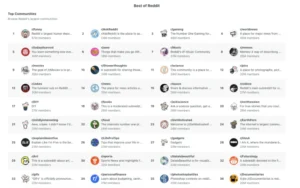
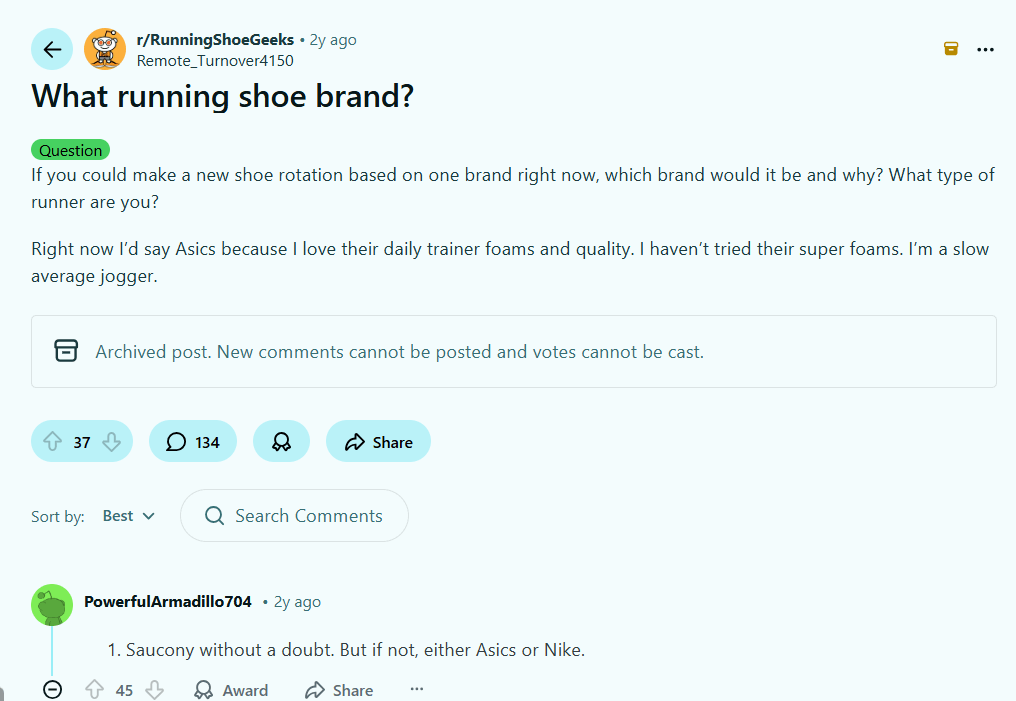
Customer social insights represent detailed information pertaining to followers’ needs, desires, and expectations from a brand, both overall and specifically on social media. Building a community is the most reliable method for obtaining this unfiltered feedback. While intelligence can be gathered from directly managed accounts, it is also crucial to monitor and react to conversations occurring in communities outside of a brand’s direct control, such as discussions on Reddit. Developing a robust Reddit marketing strategy, for instance, can extend the reach of community engagement and facilitate management of more brand-related conversations. Tracking threads where users discuss favorite brands and products, as exemplified by a running shoe recommendation thread, provides invaluable market intelligence for brands in that sector. Staying connected to communities across all social platforms reveals similar conversations about a brand and its competitors, offering detailed insights to inform marketing strategies and enhance value delivery.
Enhancing Discoverability Across Search Engines and AI
Beyond boosting brand visibility on social platforms, community management significantly contributes to a brand’s discoverability through search engines and AI-powered search tools. Reddit, in particular, plays a crucial role in this regard, as it is currently the most frequently cited domain for AI in generating answers. The more a community actively engages with and promotes a brand online, the higher the likelihood of that brand appearing in search results. Consequently, a sustained focus on social community management can fundamentally alter how a brand is discovered online, leading to increased community participation and further growth of the brand’s digital presence.
Developing a Robust Social Media Community Management Strategy
Effective social media community management, while appearing effortless, is the result of a carefully cultivated skill set and a well-defined strategy. Behind every thoughtfully crafted response lies a community-first approach honed to build relationships and drive tangible results. The following six steps provide a framework for elevating a brand’s social community management efforts:
1. Define Clear Goals and Success Metrics
Establishing effective goals for a social media community management strategy requires a balance between ambition and realism. Objectives should be grounded in broader business goals, such as increasing brand awareness, driving conversions, or fostering customer loyalty. Success metrics must directly align with these goals, setting clear, trackable social media KPIs to monitor progress. For example, a goal focused on customer loyalty might prioritize increasing positive brand sentiment, while a conversion-driven goal could target proactive engagements on product-related content to guide potential customers through the sales funnel. The tighter the alignment between goals and metrics, the more effective the strategy will be in its refinement and improvement over time.
2. Identify Your Target Audience and Their Active Platforms
The most effective way to understand an audience is to observe and learn from existing community behaviors. Analyzing key communities within a brand’s industry and utilizing social listening tools can help identify who these communities are and what they expect from brands on social media. To further refine a community management strategy, brands must pinpoint the platforms where their target audience is most engaged. This focused approach allows for tailoring content and brand voice to resonate deeply, thereby maximizing reach and fostering authentic relationships. It is crucial to prioritize quality over quantity, avoiding the overextension of resources by attempting to be present on every platform. Employing social media management tools can help identify platforms generating the highest engagement, allowing for prioritized efforts. Understanding how to find a niche on social media is fundamental to effective community management. This data-driven approach ensures that time and energy are invested where they will yield the most significant benefits, honing in on audiences that align with target personas and are primed for engagement.
3. Establish Clear Workflows and Ownership
Once target audiences have been identified, clear lines of responsibility for engagement must be established. The social media community manager should serve as the primary point of contact and lead authority for all engagement efforts. Depending on team size, additional hierarchical structures may be necessary. Regardless of team size, community management necessitates a structured workflow. This includes developing a messaging strategy for responses, incorporating brand voice considerations, defining when to escalate issues to customer support, and setting ideal response timeframes for direct mentions or messages. This workflow should be shared across comms, marketing, and customer support teams, and discussed with senior leadership to ensure alignment with overarching brand objectives.
4. Actively Engage and Foster Relationships
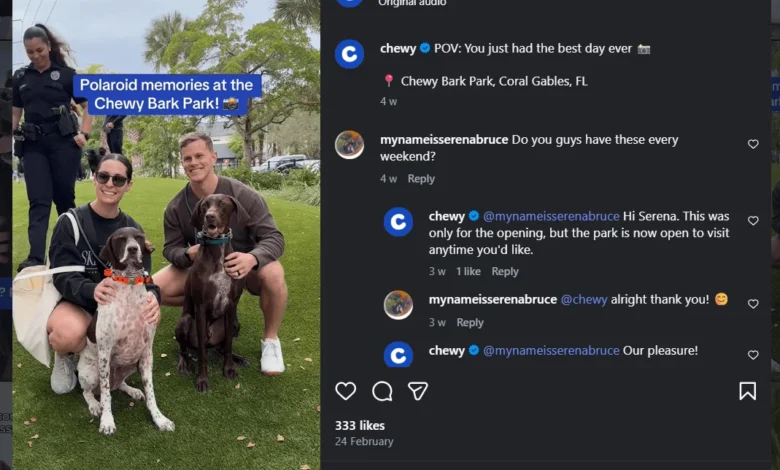
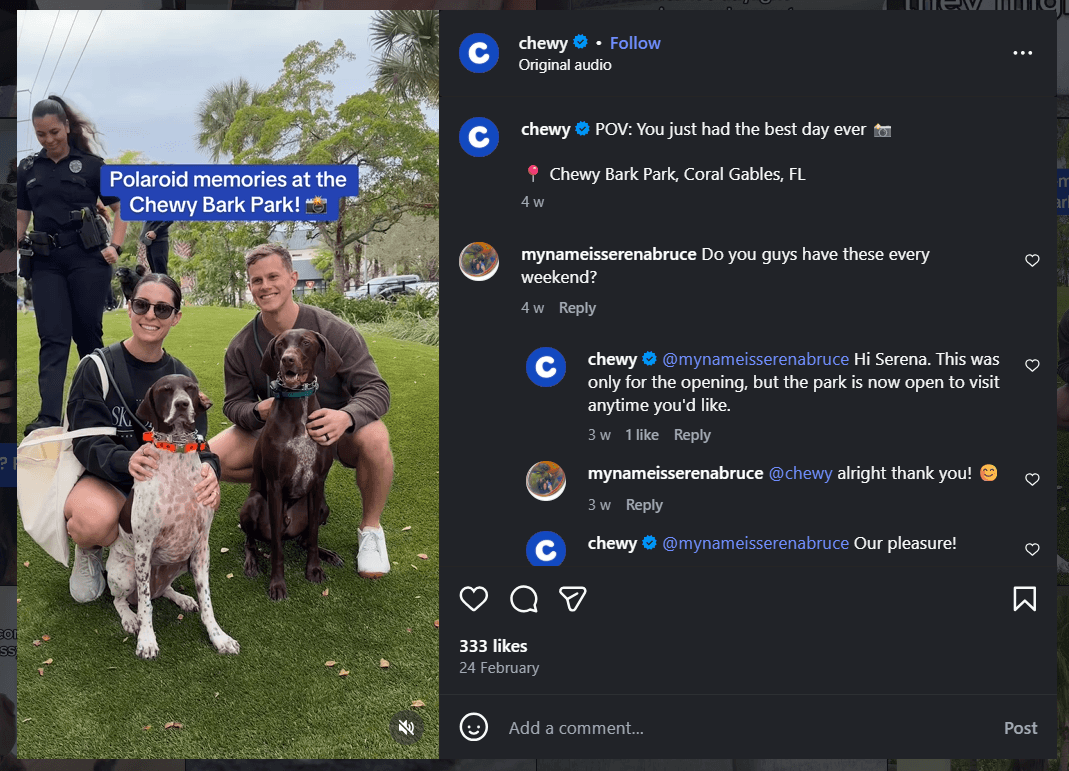
The cornerstone of effective community management is active engagement. This begins with responding to members of the existing community across comments, direct messages, forums, and other relevant spaces. Each response is an opportunity to connect with an individual while simultaneously communicating with the broader community. All engagement efforts should aim to cultivate stronger relationships, whether by sharing relevant upcoming events, solving problems, escalating to customer support, or reacting to user-generated content. Adhering to established workflows and tracking the behaviors that result from these interactions are crucial. Brands like Chewy exemplify this by not only answering a commenter’s question but also following up to provide further support, demonstrating a commitment to listening and engaging with their community.
5. Implement a Social Media Moderation Strategy
Extending workflows to include a robust moderation strategy is essential for maintaining a healthy community environment. Establishing clear moderation guidelines is akin to setting the ground rules for a gathering, ensuring that all members feel safe, respected, and can enjoy the experience. By proactively addressing negativity and promoting positive interactions, brands can cultivate a thriving space where genuine connections flourish. Key aspects of a social media moderation approach include:
- Defining Community Guidelines: Clearly outlining acceptable behavior and content.
- Establishing Response Protocols: Detailing how to handle various types of interactions, from positive feedback to negative comments.
- Identifying Escalation Procedures: Determining when and how to involve other teams or higher authorities.
- Training Moderators: Equipping the team with the skills and knowledge to manage the community effectively.
Moderation is not merely about policing but about fostering an environment where authentic connections can flourish. By setting clear guidelines and consistently enforcing them, brands protect their reputation while empowering their audience to engage in meaningful conversations.
6. Measure Results and Optimize Continuously
Measuring community management efforts goes beyond generating reports; it’s about demonstrating value and securing buy-in from marketing leadership. Tracking key metrics such as engagement rate, sentiment analysis, and conversions allows for direct correlation with broader business goals. The true power of data, however, lies in its ability to refine strategy. Analyzing audience behavior provides insights into their content, engagement, and product preferences, informing brainstorms for improvement. This continuous social intelligence ensures that the strategy remains effective and evolves in tandem with audience needs and brand objectives.
Best Practices and Tips for Optimizing Social Media Community Management
Beyond the strategic framework, several best practices can further enhance social media community management efforts. It takes more than just superficial engagement to cultivate lifelong fans.
1. Recognize and Reward Superfans
As a social media community grows, identifying and nurturing "superfans" or potential brand evangelists becomes paramount. These individuals often drive community conversations by engaging proactively with social content, whether as moderators on platforms like Reddit or as early commenters on posts in Facebook Groups. They might also be content creators or influencers who can become valuable brand collaborators. Once identified, showing appreciation through thoughtful engagement, even simple gestures, can significantly strengthen relationships. As Jonathan Zuluaga, former Senior Community Strategist at Sprout Social, noted, "Our community doesn’t owe us anything – it’s on us to keep members who are willing to participate engaged. We always reward people for their effort to show we appreciate the value of their time."
2. Prioritize Speed Without Sacrificing Quality
Timely responses are crucial in community management; no one wants to feel ignored. However, rushing replies can compromise quality. It is equally important to respond in spaces where messages will have the most impact and to ensure that the tone and clarity are appropriate. Brands like Oatly have masterfully blended prompt responses with a playful approach to audience engagement. Building response speed into community management workflows, by determining a realistic response time based on team size and brand activity, is key. While consistency is important, it’s acceptable to be slightly delayed if the response is thoughtful and appropriate.
3. Prepare for Difficult Conversations
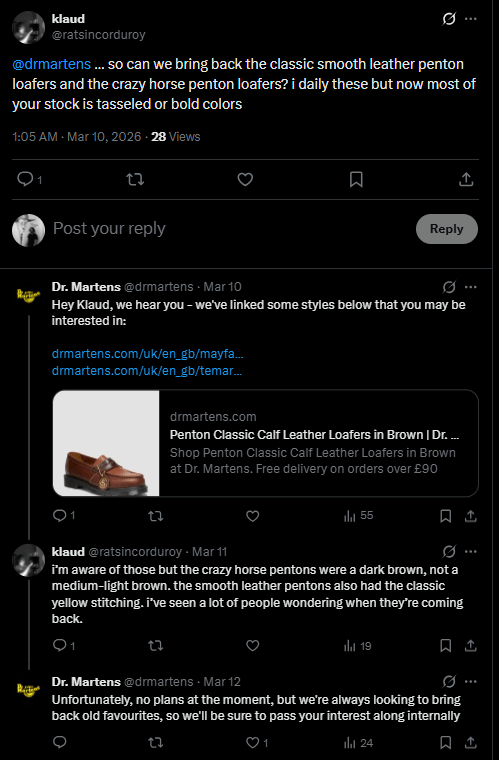
Not all community interactions are positive. Brands must be prepared to handle criticism and difficult questions with grace and professionalism. Oatly, for instance, embraces responsiveness, even finding humor in criticism. While they may not convert every critic, their approach can resonate with others who witness the interaction. This requires equipping teams with the knowledge to address issues relevant to their product and mission, such as ingredient sourcing, sustainability, or packaging. Brands like Dr. Martens on X demonstrate effective handling of product-related suggestions by offering alternatives and assuring the customer that their feedback has been relayed to the internal product team. The best approach to concerns or negativity is to treat individuals with respect, listen actively, and engage constructively. However, it is also important to recognize when not to engage, avoiding trolls who are solely seeking a reaction.
4. Establish Clear Escalation Paths
Designing escalation paths before negative interactions escalate is crucial, not just for crisis situations but for comprehensive customer care. This ensures that community members are directed to the appropriate resources for their queries, leading to greater satisfaction. Determining when to escalate to customer support, legal, or PR teams is vital. Clear processes for looping in relevant departments prevent disconnected responses and enable quicker action in serious situations. For highly sensitive issues, a detailed crisis management strategy is indispensable. Tools like Sprout Listening can monitor sentiment and conversations, allowing for immediate action. Sprout’s Reddit capabilities, for example, allow for specific escalation pathways for Reddit threads, expanding customer service potential beyond owned accounts.
5. Prioritize Proactive Engagement
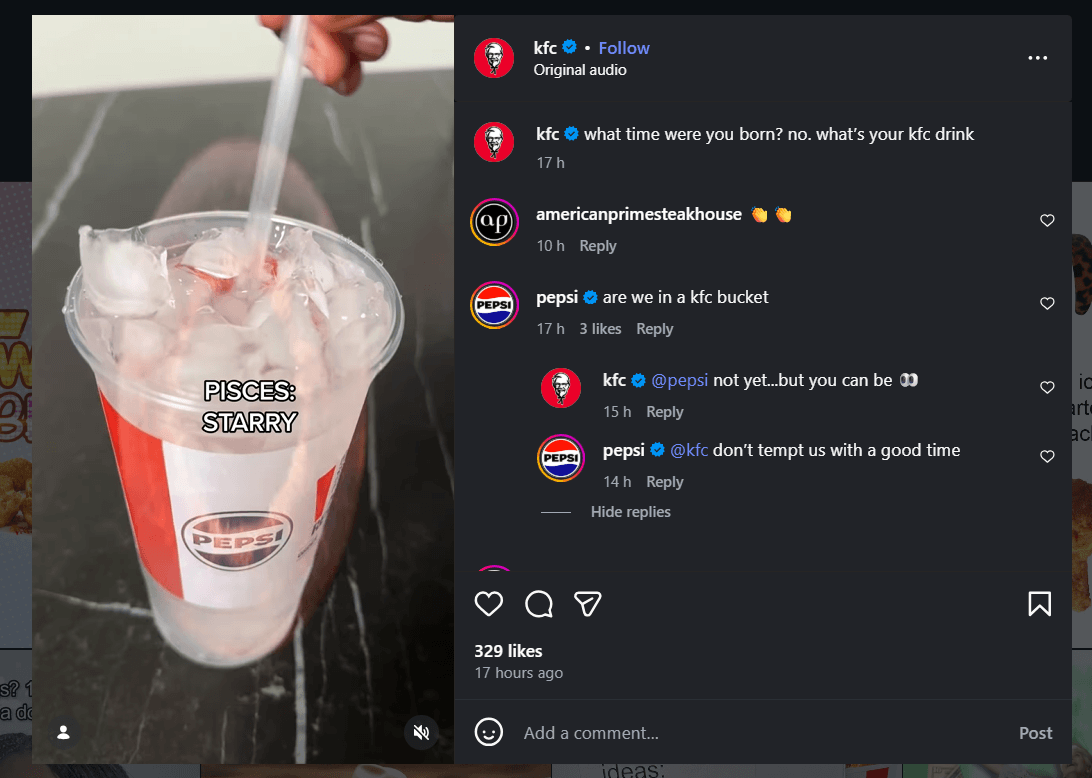
A balance between reactive and proactive engagement is essential for both strengthening and growing a social media community. Brands should actively seek opportunities to join conversations in relevant spaces, whether by spotlighting their community or reacting to campaigns by other leading brands. This proactive marketing approach, engaging in conversations that may not explicitly mention a brand handle, can significantly increase reach and community size. However, it’s important to choose these opportunities judiciously, ensuring they align with brand values to avoid negative repercussions.

6. Maintain a Consistent Brand Voice
Every interaction with the community should reflect a consistent style and cadence – the brand voice. This voice should be supported by a comprehensive strategy that articulates the brand’s identity and values. Responses should feel as though they are coming from the brand itself, not from individual team members, unless handling a specific customer support query. Documenting clear guidelines for community responses ensures that all team members are aligned, fostering a cohesive and predictable experience for the community.
7. Create a Content Creation Feedback Loop
While social media community managers may not be directly responsible for content creation, their role is integral to a successful content strategy. By collaborating closely with creative teams, community managers provide invaluable insights derived from audience interactions, identifying trends, potential brand advocates, and engagement opportunities. This symbiotic relationship ensures that content resonates with the target audience, creating a cohesive brand experience where creative vision aligns seamlessly with real-time social media conversations. The Japanese entertainment property Evangelion, for instance, leveraged community responses to inform the decision to publish new media directly on YouTube, demonstrating the power of this feedback loop.
8. Empower Your Team with the Right Management Tool
Investing in the right social media management tool can significantly simplify community management efforts. Platforms like Sprout Social enable community managers to connect with and learn from communities within a unified interface. Features such as Smart Inbox help manage overflowing social inboxes across networks, allowing teams to dedicate more time to crafting thoughtful responses and delivering superior customer care. Sprout’s Reddit functionality, utilizing their API, opens up numerous community management opportunities on the platform. Furthermore, with Google’s partnership with Reddit, subreddits are highly indexed for traditional and AI searches, making Reddit engagement crucial for discoverability. Sprout Listening’s Reddit query customization tool allows for targeted insights from specific subreddits, providing brands with detailed data to understand their audience and enhance customer engagements. Access to cleaner data and faster insights frees up time for teams to focus on refining responses and building authentic connections.

Real-World Examples of Effective Social Media Community Management
Thriving brand communities bring people together over a shared connection to a company’s mission, vision, or goals. Understanding how to translate business needs into a thriving fan base can be learned from these examples:
1. Oatly
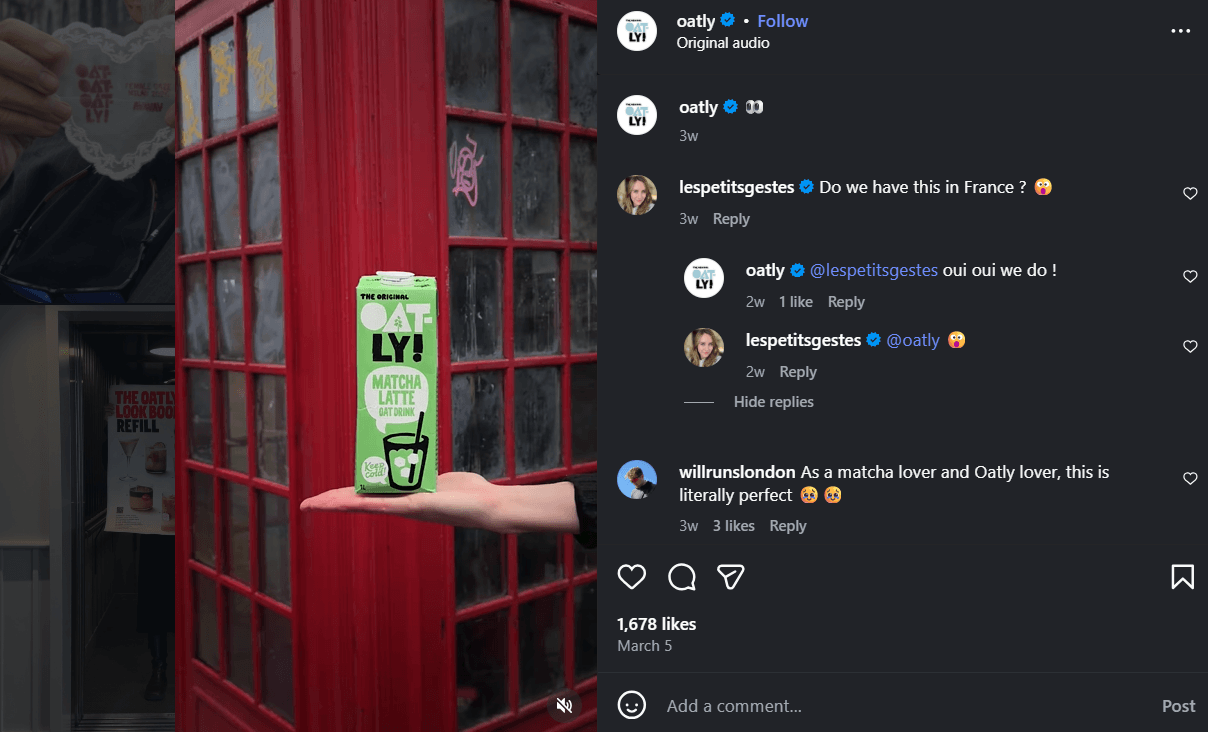
Oatly has consistently demonstrated mastery in building communities across its social accounts. Their launch of Oatly Matcha was a direct result of engaging with and listening to their community. As Perez shared in a webinar with Sprout, observing the surge in matcha popularity at cafes and among influencers, coupled with consistent community requests, provided the insight for the new product. This proactive approach to product development, fueled by community feedback, has led to significant social media traction for the new drink, with Oatly continuing to monitor feedback for future opportunities.
2. Among Us
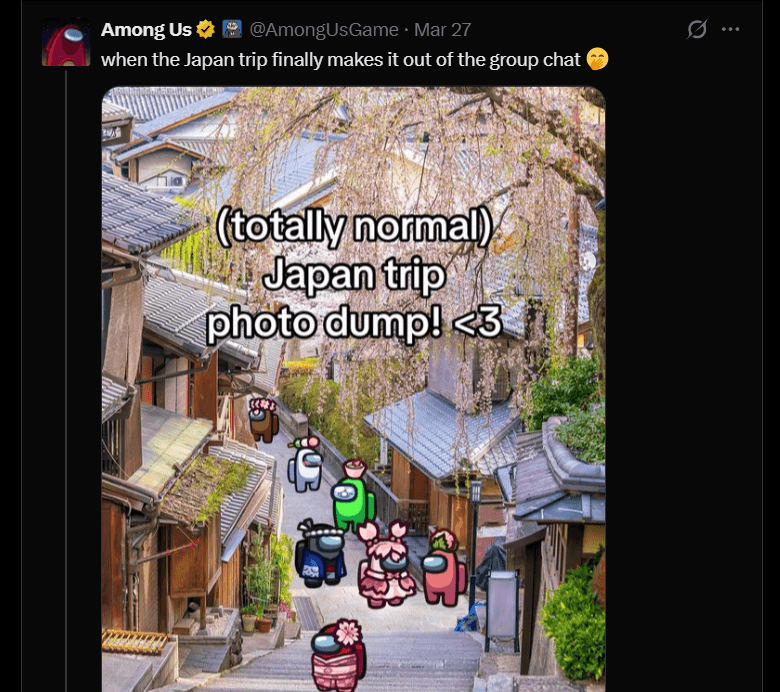
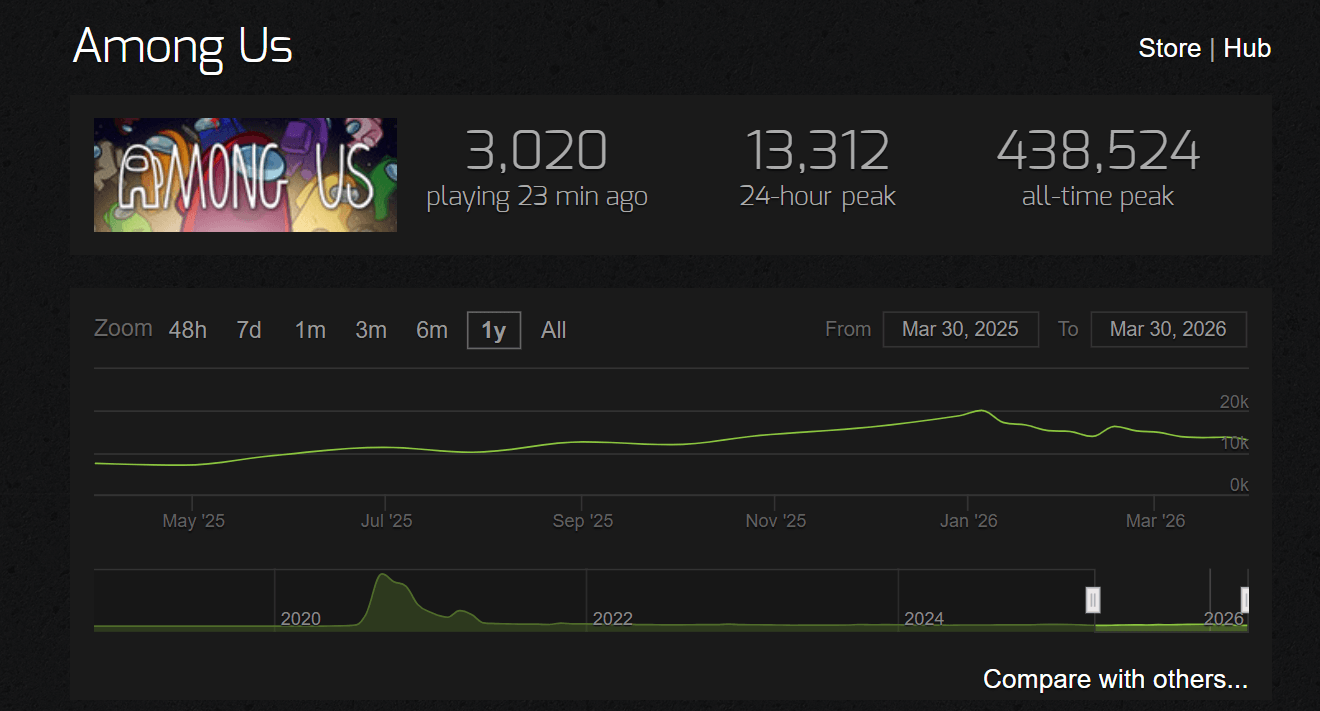
The video game Among Us has maintained its popularity through a core strategy of community engagement. Victoria Tran, the game’s Community Manager, emphasizes the importance of her X strategy. Her goals have been to redirect attention to the X account, prioritize the community, focus on retention over growth, and foster a welcoming environment. Through her efforts, Tran has cultivated an engaged community of over 1.5 million X followers, helping Among Us sustain thousands of players monthly, even years after its initial release. This sustained engagement highlights the power of creating and maintaining dedicated social spaces for fans.
3. Lucky Charms
The breakfast cereal brand Lucky Charms exemplifies the importance of identifying and partnering with superfans. Their collaboration with Olympic gold medalist Alysa Liu for a giveaway campaign originated from Liu’s genuine appreciation for the brand, which was evident in her social media profile. By empowering this influential superfan, Lucky Charms created a timely social media campaign that resonated with both the athlete’s followers and their own community. This approach demonstrates how understanding and leveraging community interests can inform content opportunities and guide social strategy. The campaign’s success, with nearly 750,000 likes, underscores the value of community-guided content creation.
Strengthening Your Social Media Community Management Strategy
As these successful examples illustrate, a robust social media community management strategy can bolster organic reach, cultivate brand ambassadors, and authentically solidify a brand’s personality. With the increasing prominence of social spaces like Reddit, developing and maintaining a comprehensive community management strategy is more critical than ever. To foster authentic audience connections and strengthen a brand’s presence on social media, a deep dive into building a solid community management strategy, replete with practical examples, is essential for putting these principles into action.
Related posts: