Rethinking Digital Visibility: How ‘Query Fan-Out’ is Reshaping AI Search and Content Strategy

The digital landscape is undergoing a profound transformation, challenging long-held assumptions about online visibility. While securing a top position on Google’s traditional search results page has historically been the zenith of search engine optimization (SEO) efforts, new insights reveal that this achievement no longer guarantees citations or mentions by Large Language Models (LLMs) like ChatGPT, Perplexity, and Google’s own AI offerings. This divergence is attributed to a sophisticated background process known as "query fan-out," which AI systems employ to construct comprehensive and nuanced responses. This shift necessitates a fundamental re-evaluation of content strategy, moving beyond keyword rankings to prioritize comprehensive coverage and intrinsic retrievability of information.
The Mechanics of Query Fan-Out
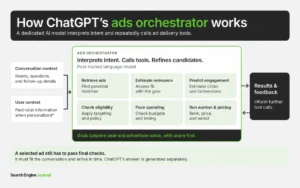
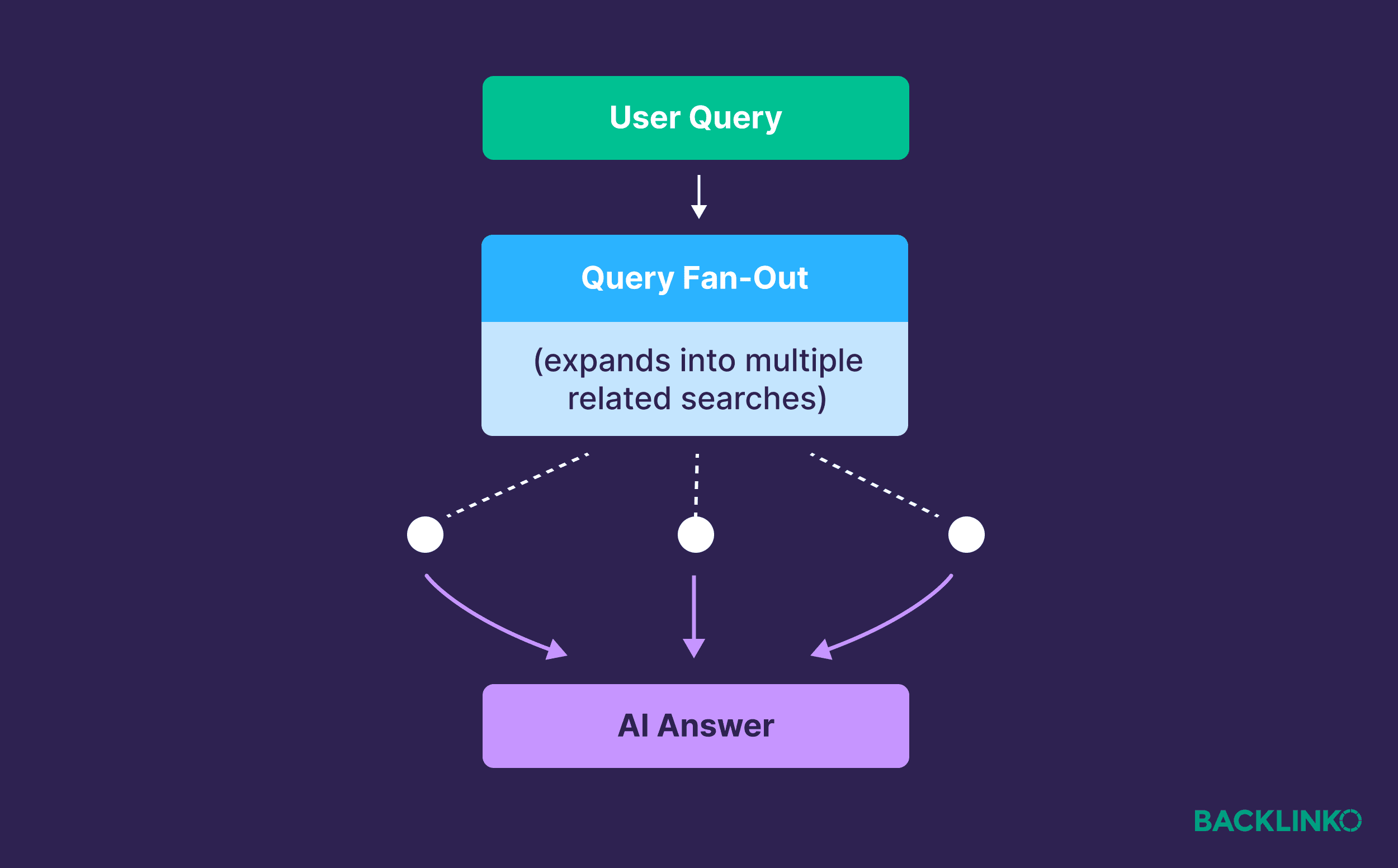
At its core, query fan-out is a sophisticated process where AI search systems dissect a single, often broad, user query into a multitude of granular sub-queries. This internal decomposition allows the AI to explore various facets of a topic, drawing information from a diverse array of sources, regardless of their traditional search engine ranking. Instead of merely presenting a list of web pages, AI systems synthesize these findings into a cohesive, comprehensive answer that directly addresses the user’s implicit and explicit needs.
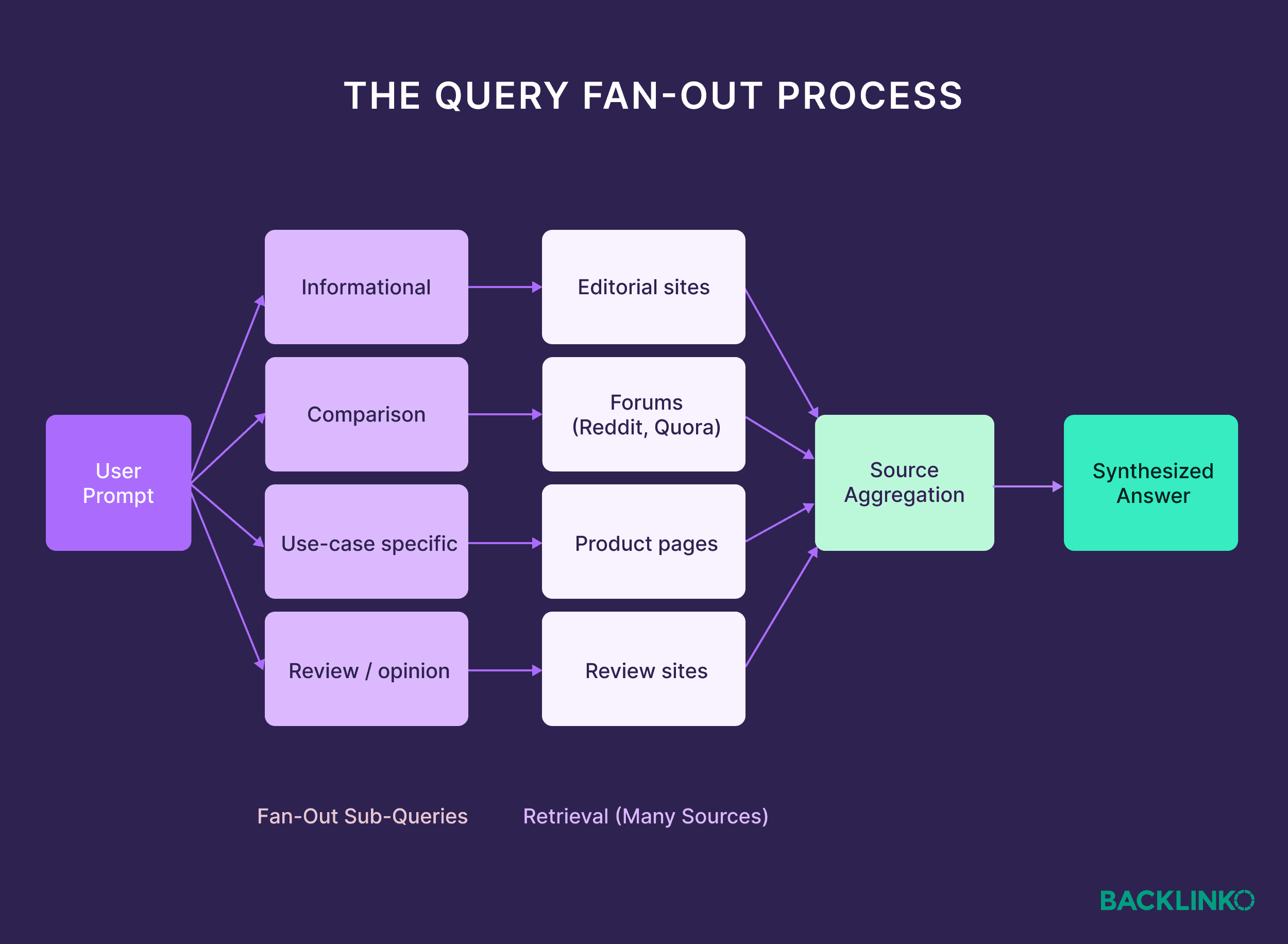
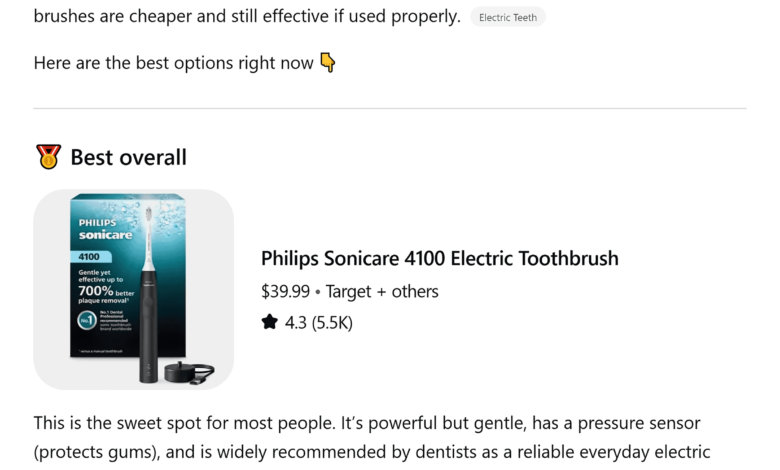
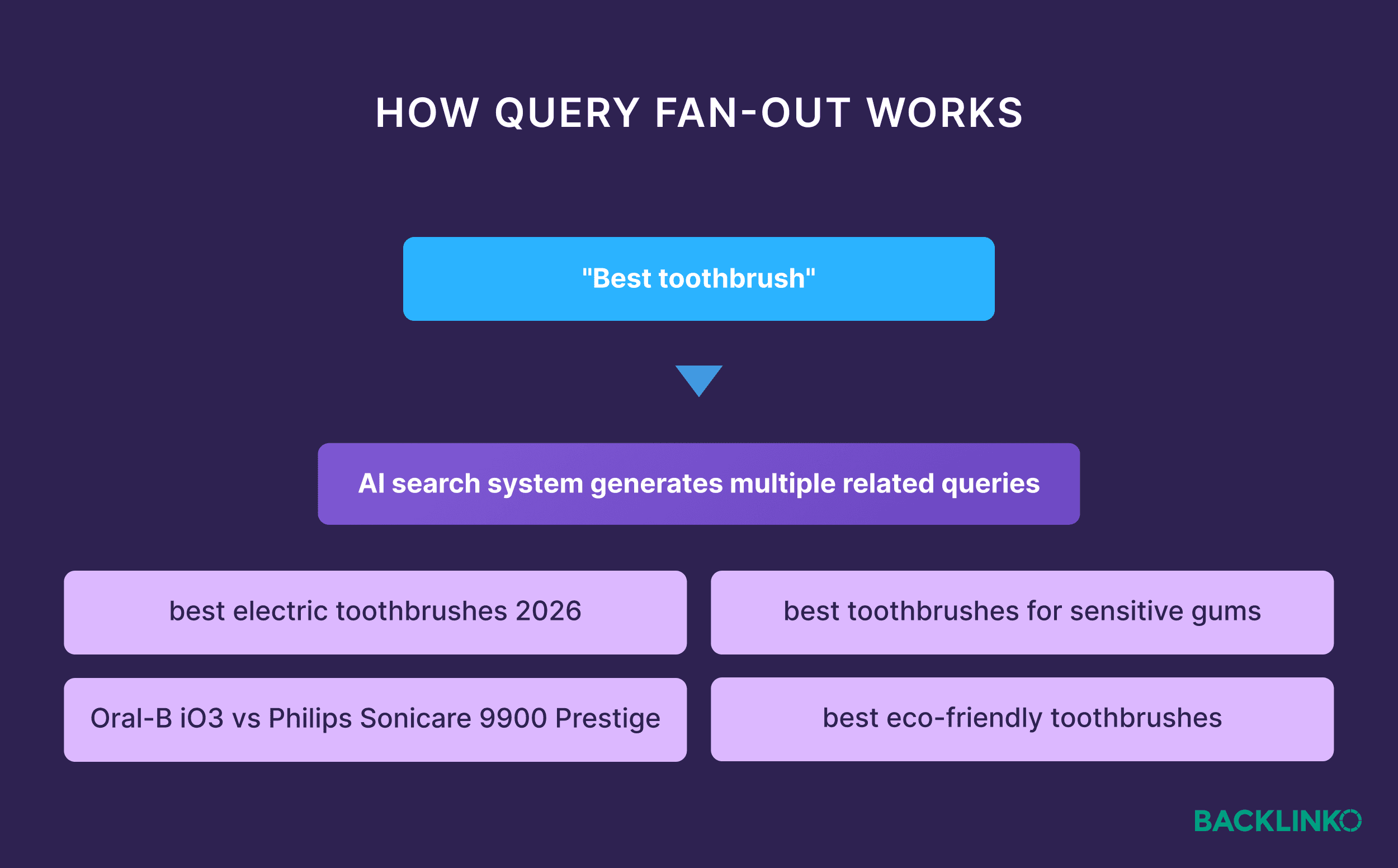
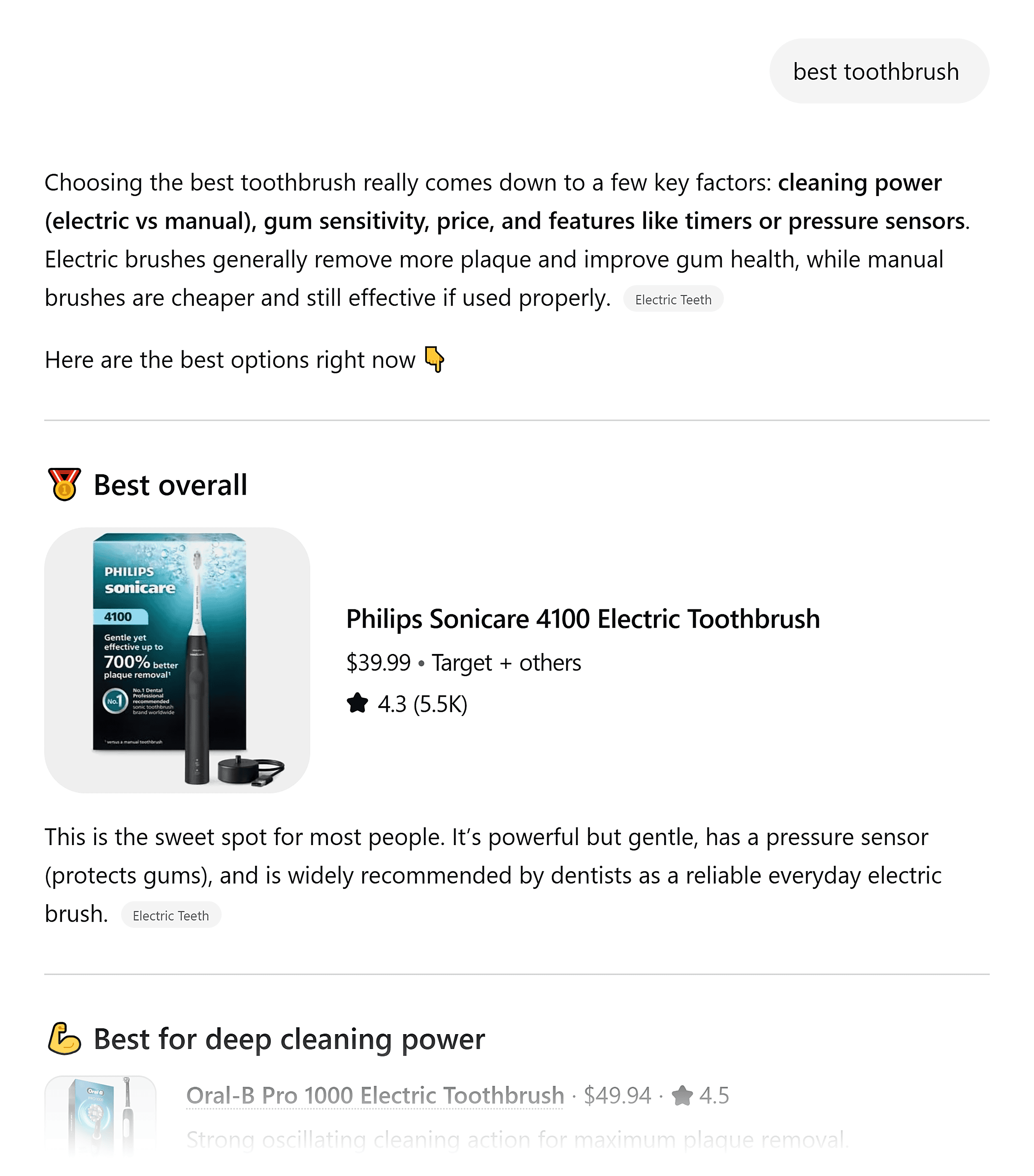
For example, a seemingly straightforward query such as "best toothbrush" might trigger a series of behind-the-scenes sub-queries. These could include: "best electric toothbrushes [current year]," "best toothbrushes for sensitive gums," "Oral-B vs. Philips Sonicare comparison," or "best eco-friendly toothbrushes." By fanning out the original query, the AI constructs a richer, more detailed answer that anticipates follow-up questions, offering top-rated picks, use-case recommendations, head-to-head comparisons, and even value or pricing information within a single response. This multi-dimensional approach to information retrieval marks a significant departure from traditional keyword matching.
It’s crucial to understand what query fan-out is not. It is not simply a rephrasing of the original query, nor is it merely a reordering of existing search results. It is also distinct from a semantic search, which focuses on understanding the meaning behind a query. Instead, query fan-out actively expands the scope of the search by generating related, deeper, and often more specific questions that contribute to a holistic understanding of the user’s intent. This process is also not a static, one-time operation; it’s a dynamic, context-aware mechanism that can adapt based on the complexity and nuance of the user’s input and the conversational flow.
A Paradigm Shift for AI Visibility
The emergence and widespread adoption of query fan-out introduce several critical shifts for content creators and digital marketers striving for AI visibility:
-
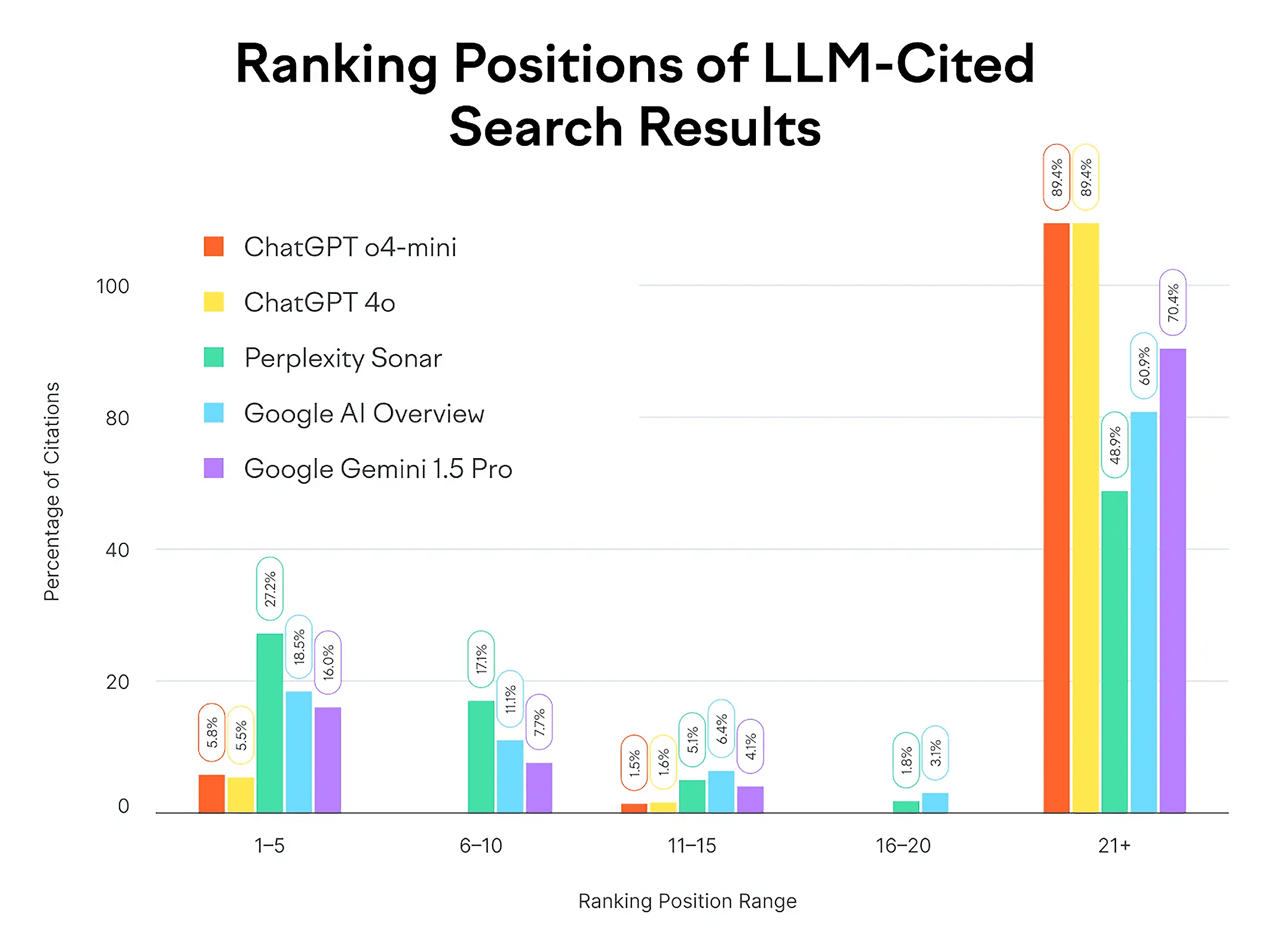
Top Rankings are No Longer the Sole Gateway to Citations: A groundbreaking study by Semrush revealed that ChatGPT frequently cites pages ranking 21st or lower in traditional search results almost 90% of the time. This phenomenon is echoed across other major AI platforms like Perplexity and Google’s AI offerings. This data unequivocally demonstrates that a page’s organic rank, while still valuable for traditional web traffic, is not the primary determinant for AI citation. Instead, the AI prioritizes the most relevant and complete passage of information that directly answers a sub-query, irrespective of the page’s overall authority or standing.
-
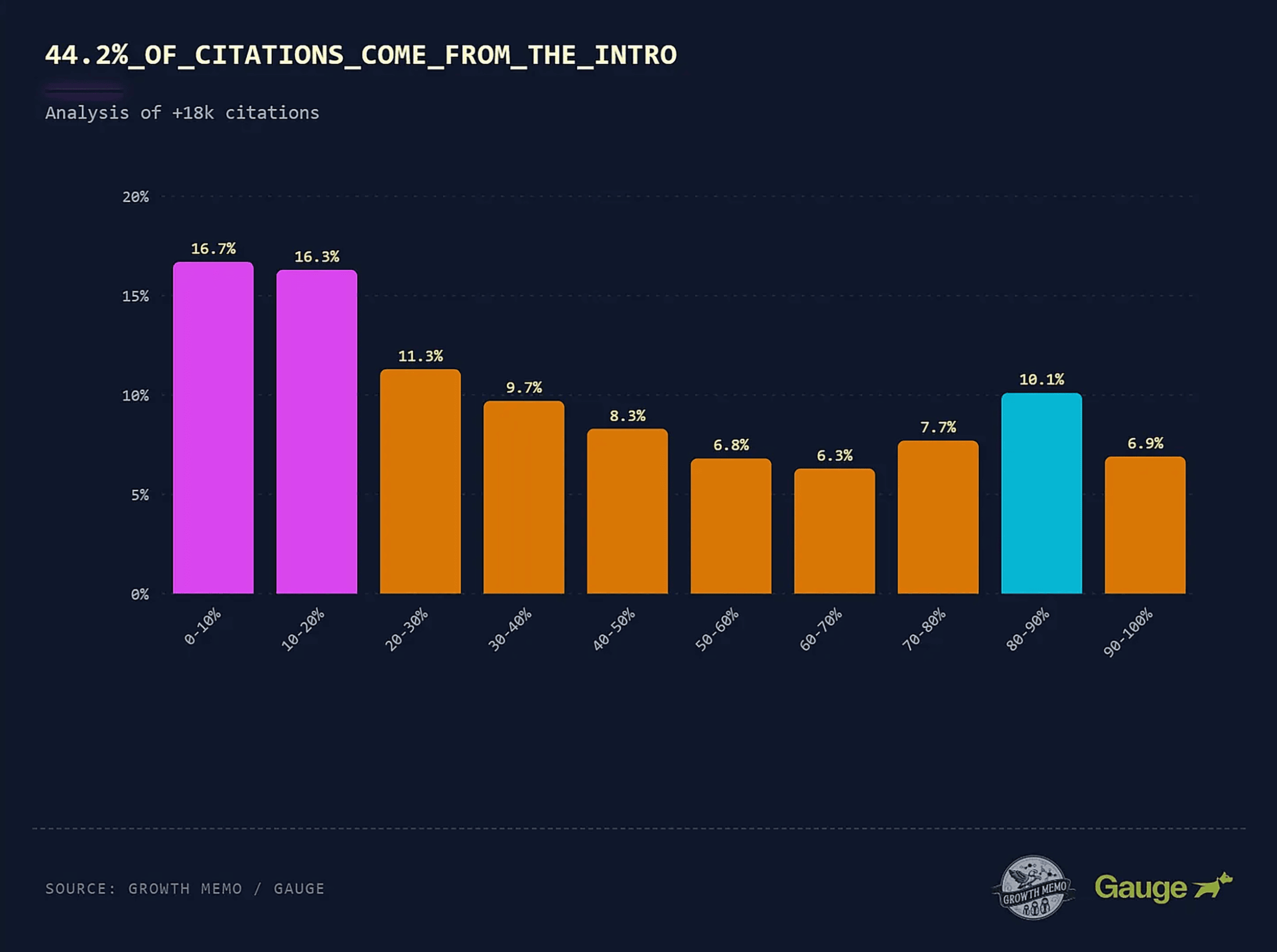
AI Retrieves Passages, Not Entire Pages: Unlike traditional search, which directs users to an entire webpage, AI systems are designed to extract and synthesize specific, relevant passages from within content. This means that the conciseness and clarity with which a piece of content addresses a particular question become paramount. Analysis by growth advisor Kevin Indig highlighted that a significant portion (44.2%) of ChatGPT citations originate from the first 30% of a page, with 31.1% from the middle, and only 24.7% from the final third. This emphasizes the importance of front-loading answers and ensuring that key information is easily scannable and self-contained within the early sections of an article.
-
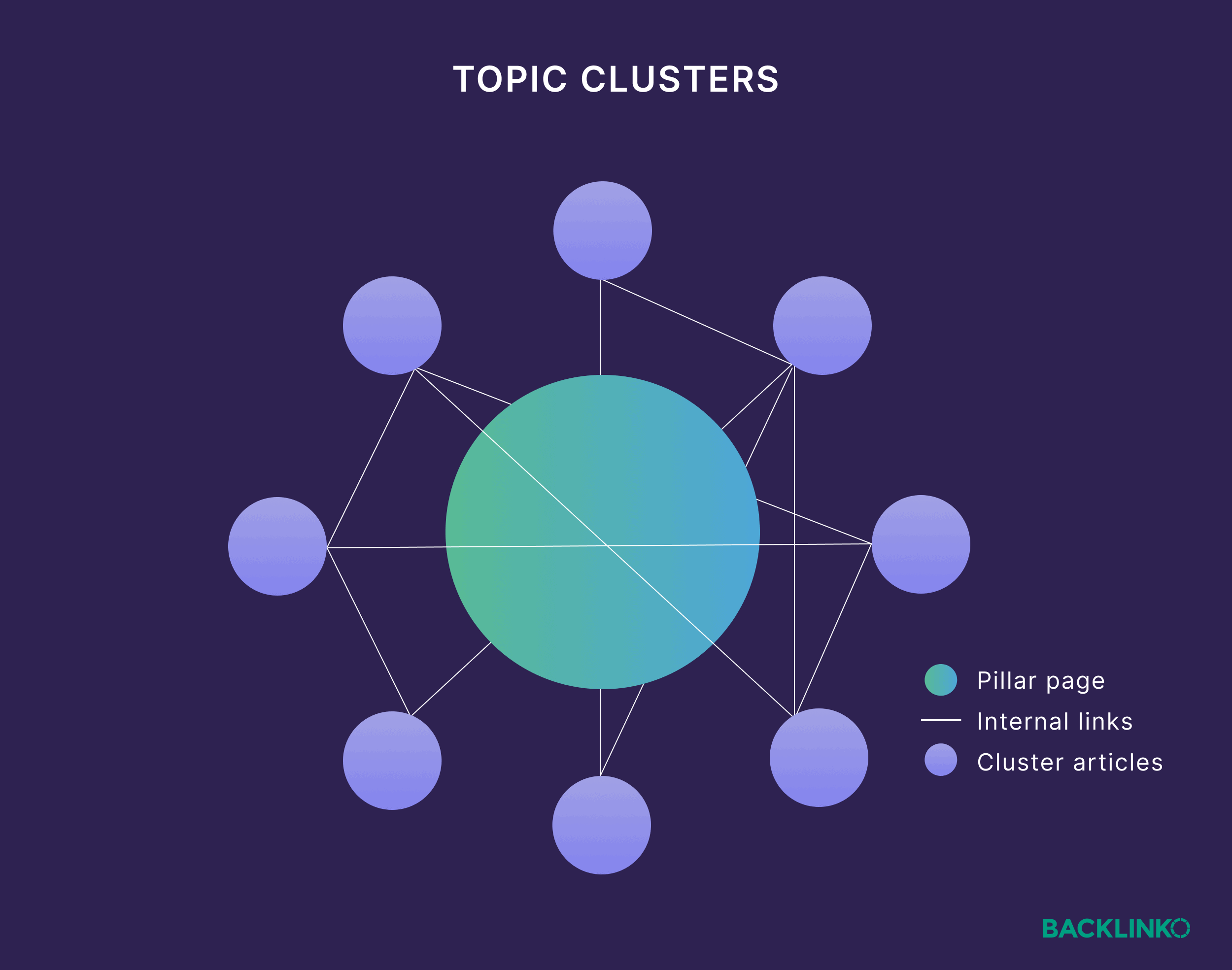
Competition Spans Entire Topics, Not Just Individual Keywords: Traditional SEO often focuses on optimizing content for specific, high-volume keywords. Query fan-out, however, operates on the principle of comprehensive topical coverage. AI systems reward content that demonstrates deep expertise and interconnectedness across a broad subject area. This underscores the increasing importance of strategies like "pillar pages" and "topic clusters," where a central, comprehensive piece of content links to numerous supporting articles that delve into related sub-topics. Such an architecture provides the AI with a rich, interconnected knowledge base from which to draw, significantly increasing the likelihood of being cited across various sub-queries within a broader topic.

-
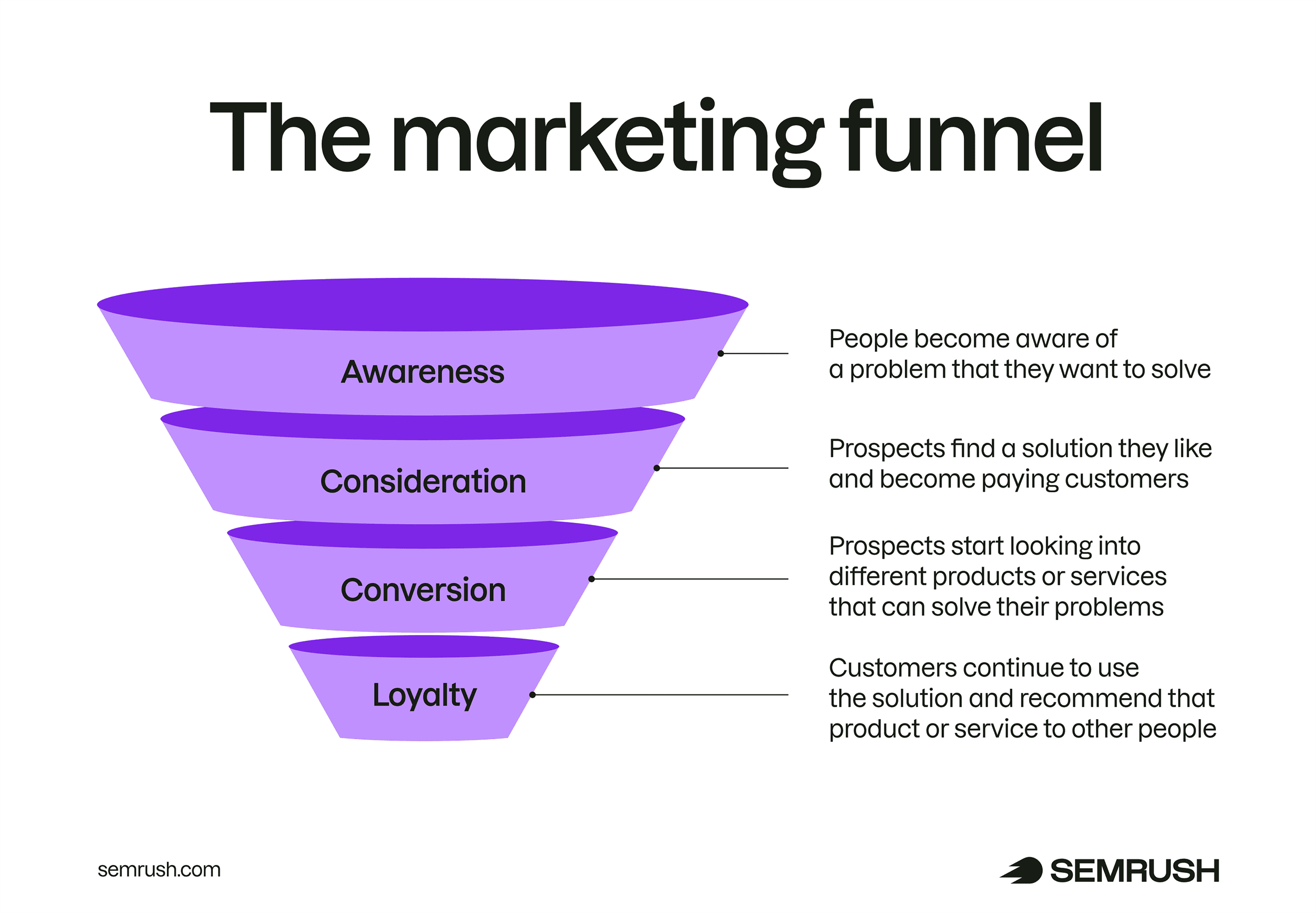
The Collapsed Buying Journey: Historically, marketing funnels segmented content into distinct stages: awareness, consideration, and decision. Content was tailored to guide users linearly through these stages. With query fan-out, AI effectively collapses this journey into a single interaction. A user’s initial, high-intent query can trigger the AI to pull information from all stages simultaneously – providing awareness-level context, consideration-level comparisons, and decision-level specifics in one synthesized answer. This demands a content strategy that is full-funnel aware, ensuring that individual pieces of content can serve multiple informational needs, thereby capturing user intent at various points in their decision-making process.

Adapting Content for AI: The Query Fan-Out Workflow
To navigate this evolving landscape, content strategists must adopt a methodical approach. The following six-step workflow outlines how businesses can optimize their content for query fan-out and enhance their AI visibility:
Step 1: Identify Your Money Prompts
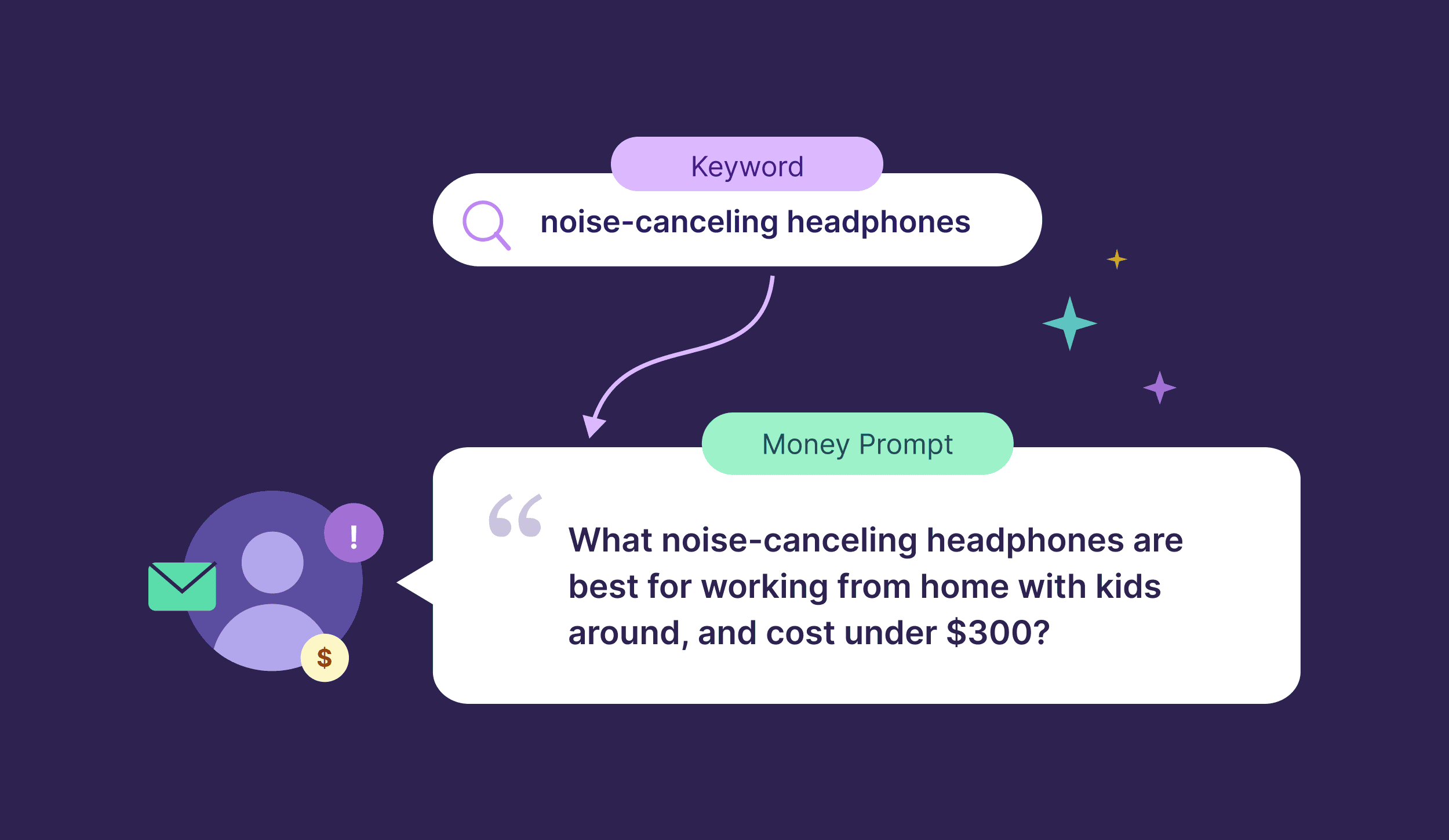
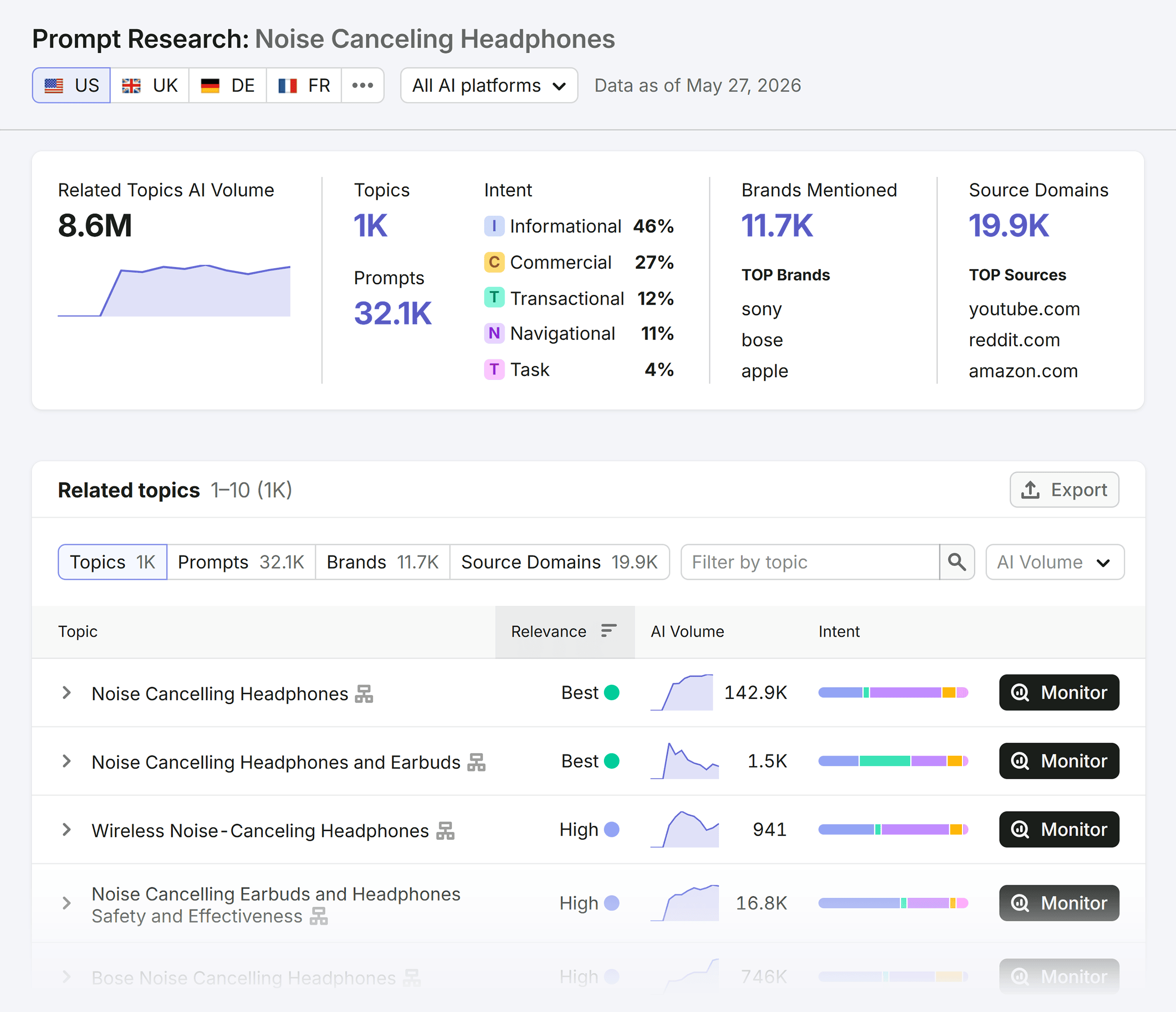
"Money prompts" are the conversational phrases or questions that ideal customers would pose to an AI tool when seeking solutions that your product or service provides. These are akin to high-commercial-intent keywords in traditional SEO. They are specific, often multi-faceted, and clearly indicate a user’s intention to make a purchase or take a significant action.
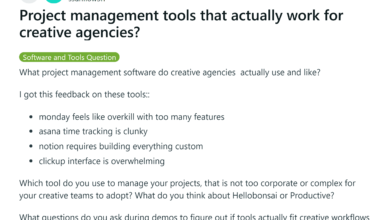
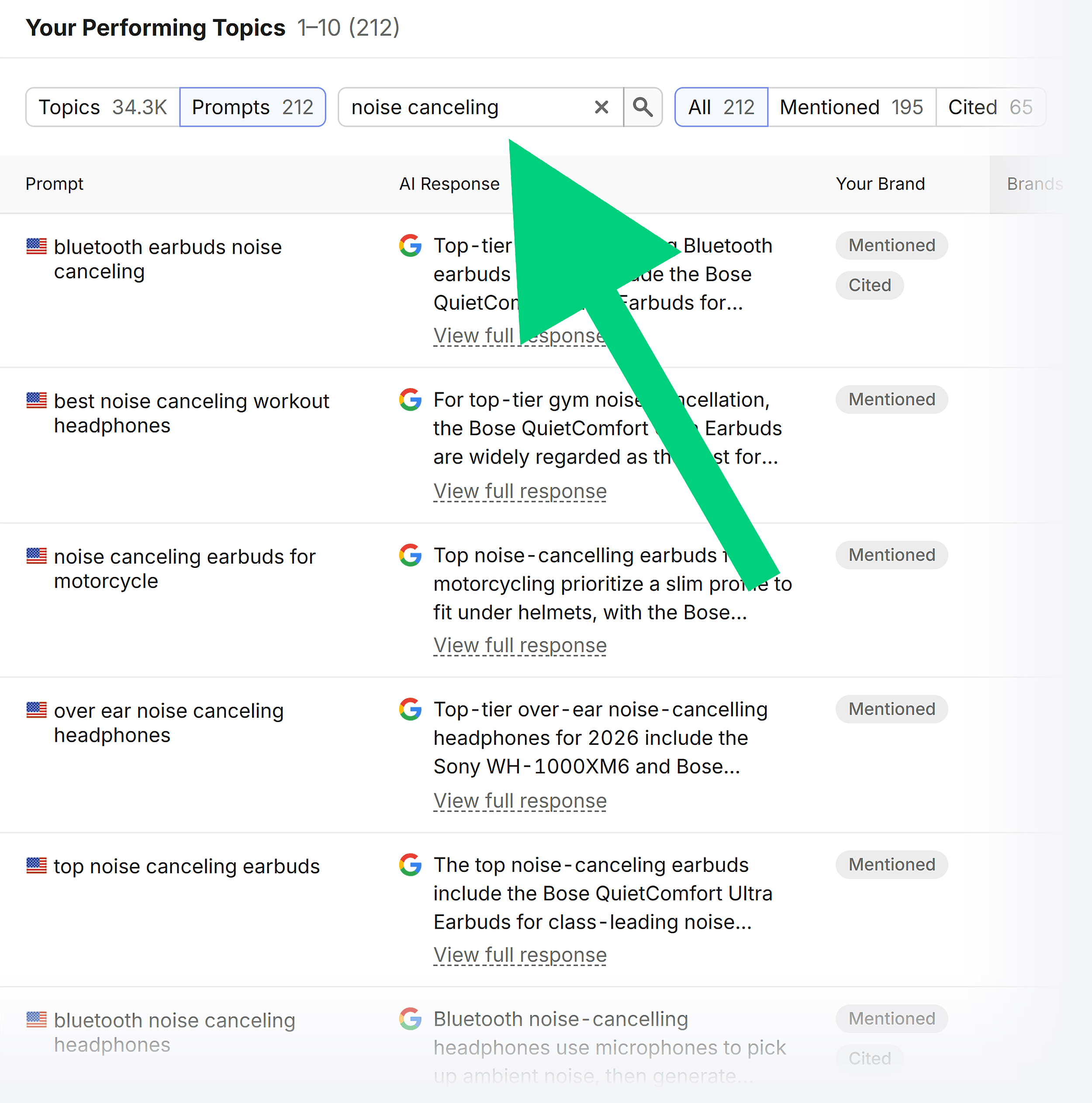
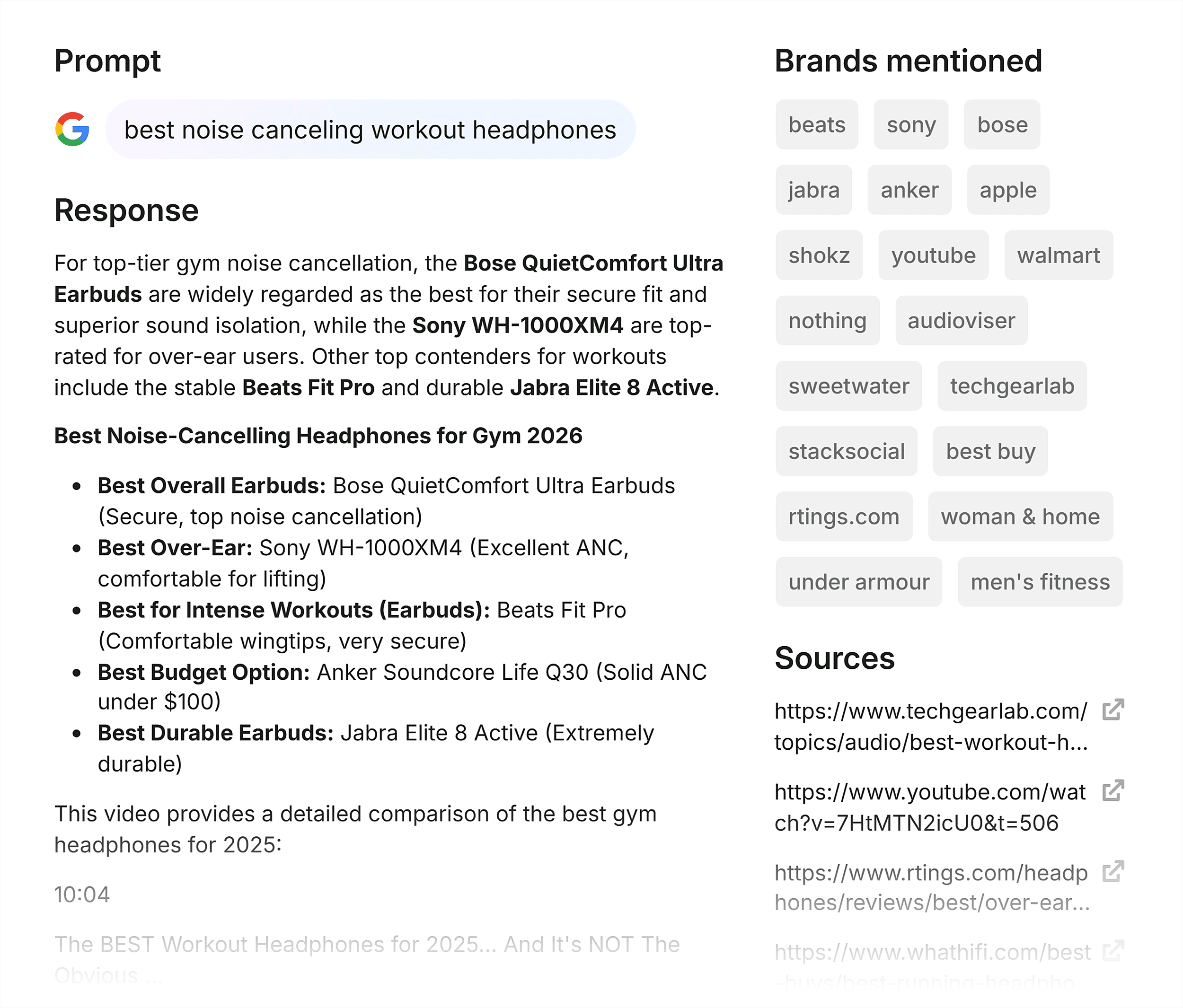
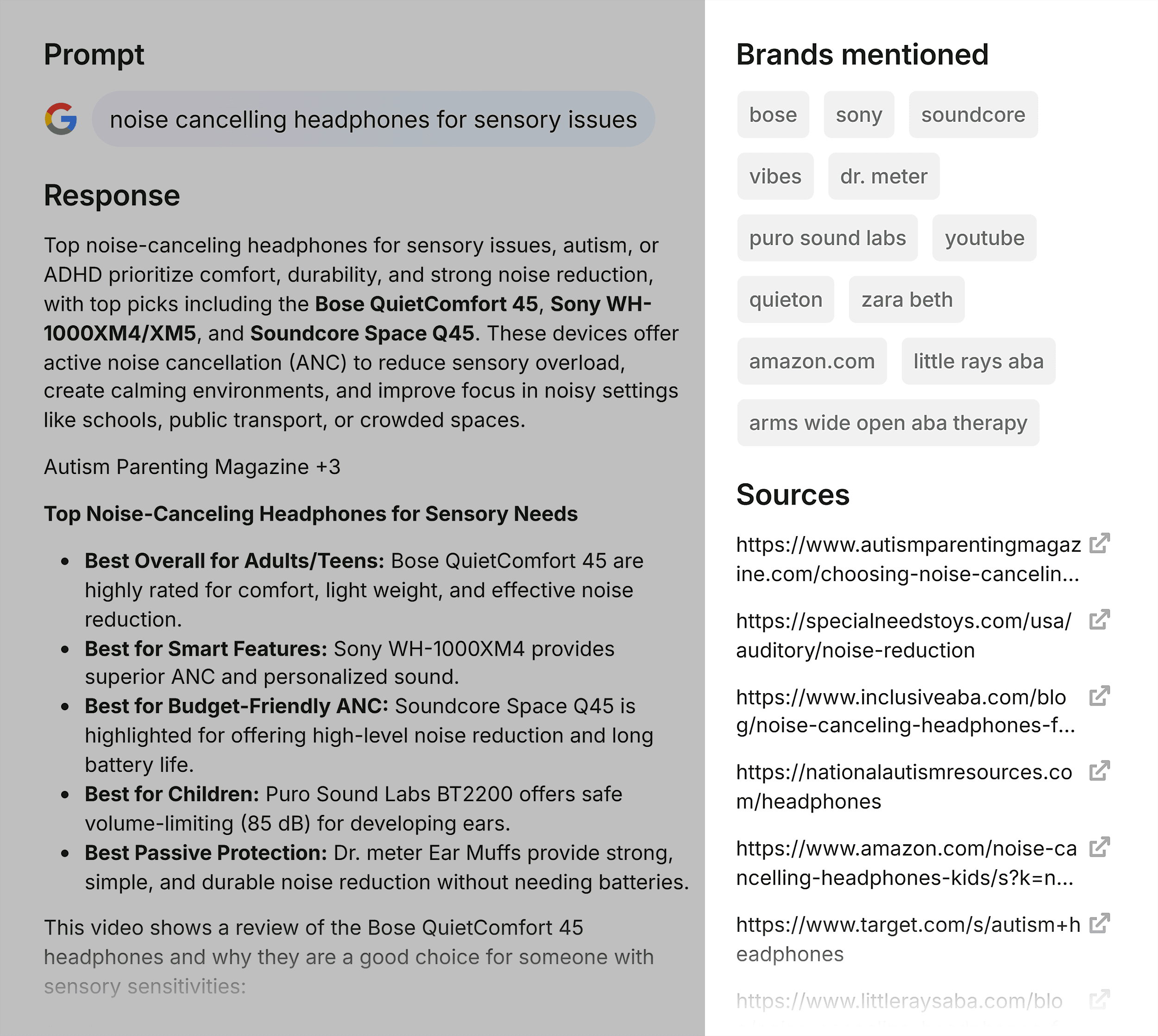
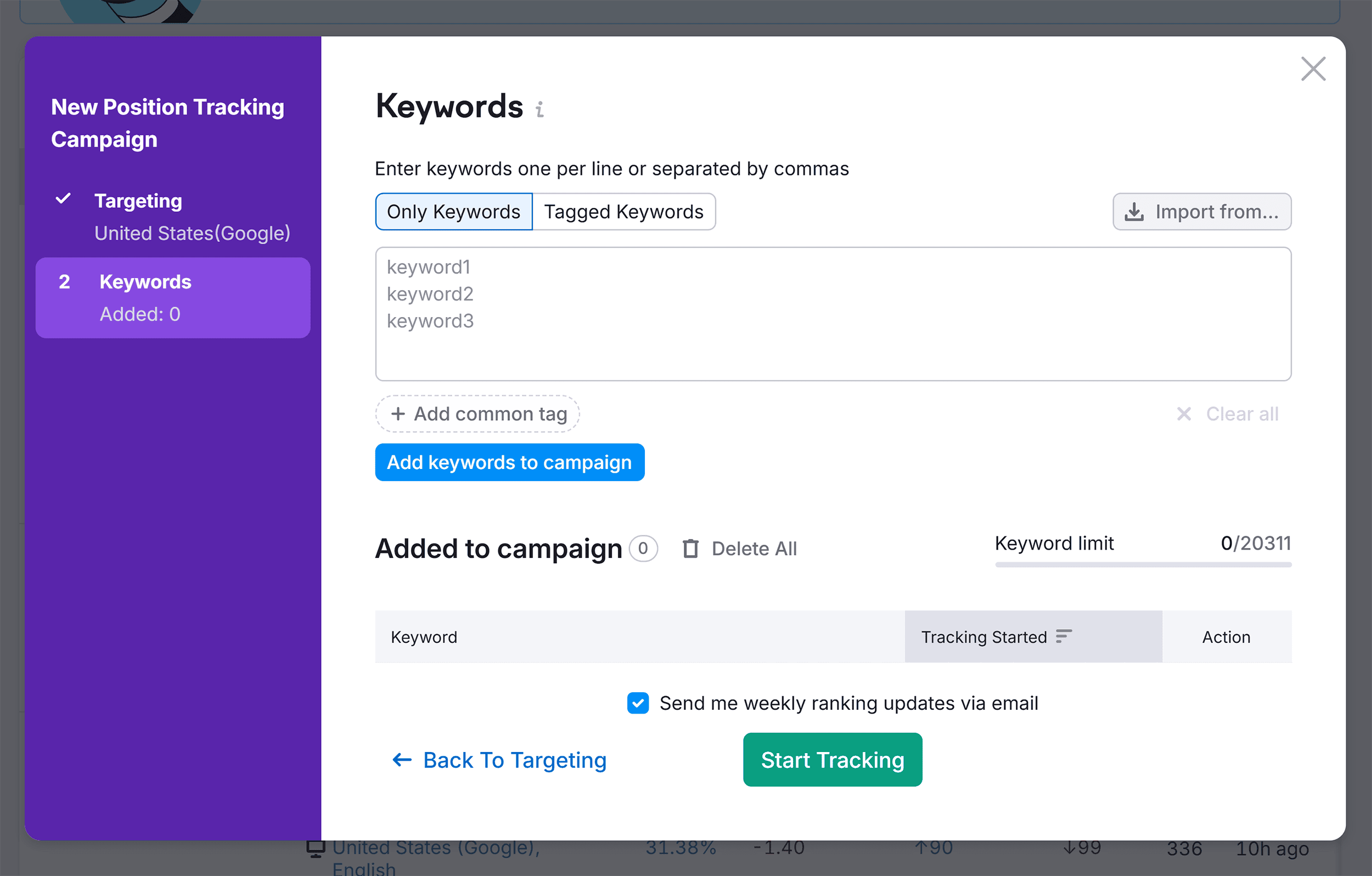
To uncover these, businesses can analyze customer support transcripts, forums like Reddit (as seen with "noise-canceling headphones for telehealth"), and utilize specialized AI visibility tools such as Semrush’s AI Visibility Toolkit. This toolkit allows brands to see the exact prompts users type, the AI’s responses, and whether their brand is already being cited. Filtering by specific topics helps to drill down into highly relevant, high-impact money prompts that directly relate to commercial intent.
Step 2: Generate Your Fan-Out Set
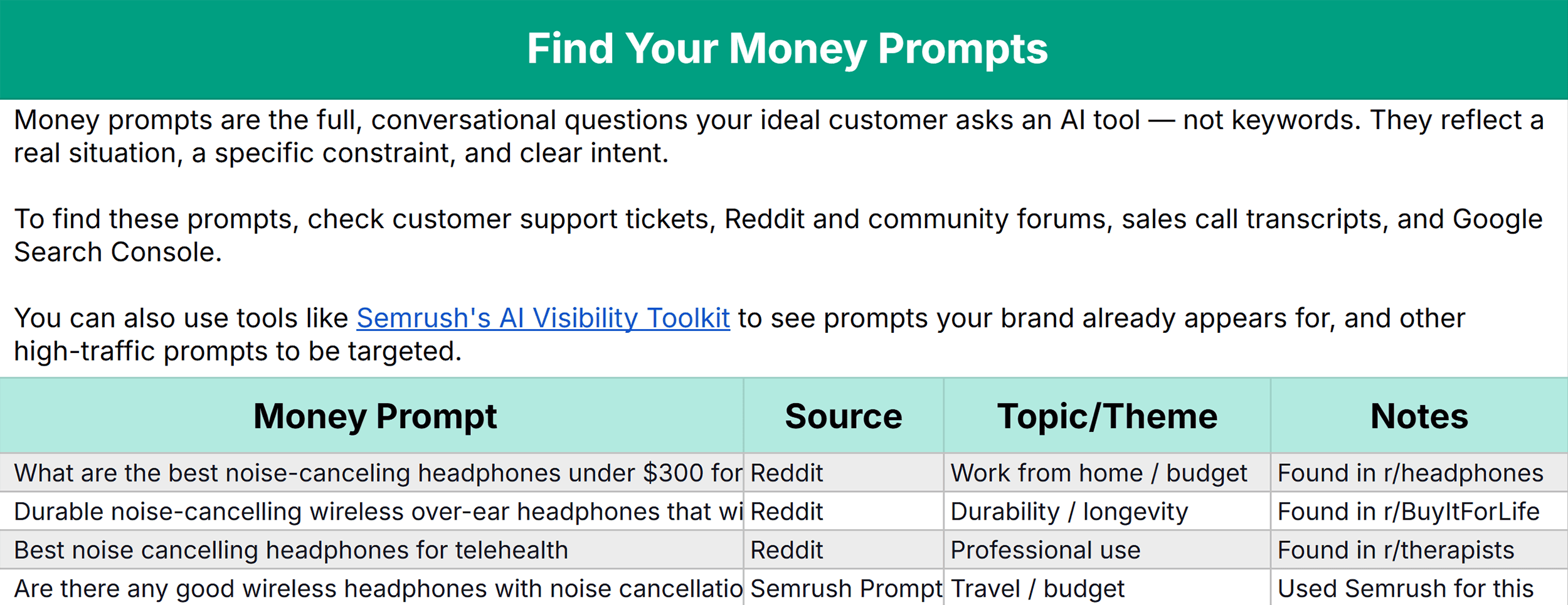
Once money prompts are identified, the next step is to understand how AI systems expand upon them. This can be done manually by using a prompt template like "Act as an AI system. When a user asks [money prompt], what are the top 5-10 sub-queries you would run to build a comprehensive answer? Group them by category." across various LLMs. Alternatively, tools like Backlinko’s ChatGPT Query Fan-Out Tool (a Chrome extension) can automatically reveal the sub-queries ChatGPT runs.
As sub-queries are collected, categorize them by type:
- Reformulation: A reworded version of the original prompt.
- Comparative: Weighs two or more options.
- Implicit: Addresses unstated user needs.
- Personalized: Tailored to specific situations.
- Entity Expansion: Drills into specific brands or products.
- Related: Connected topics the AI anticipates.
This categorization helps in understanding the depth and breadth of the AI’s information-gathering process.
Step 3: Bucket Sub-Queries by Intent Type
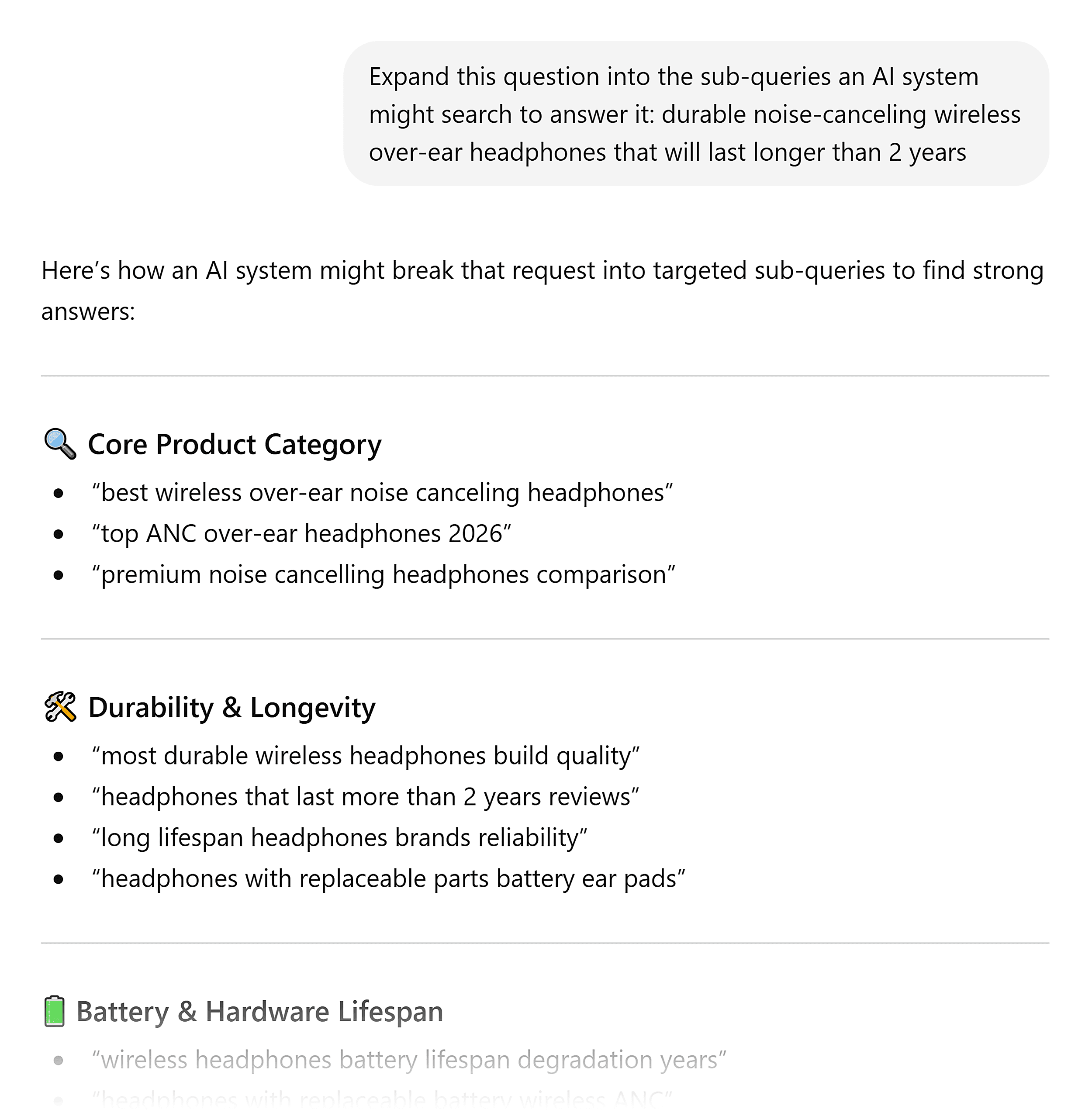
Beyond query type, understanding the underlying user intent for each sub-query is crucial for content formatting. This involves asking: "What does the user actually want to do after getting an answer to this sub-query?"
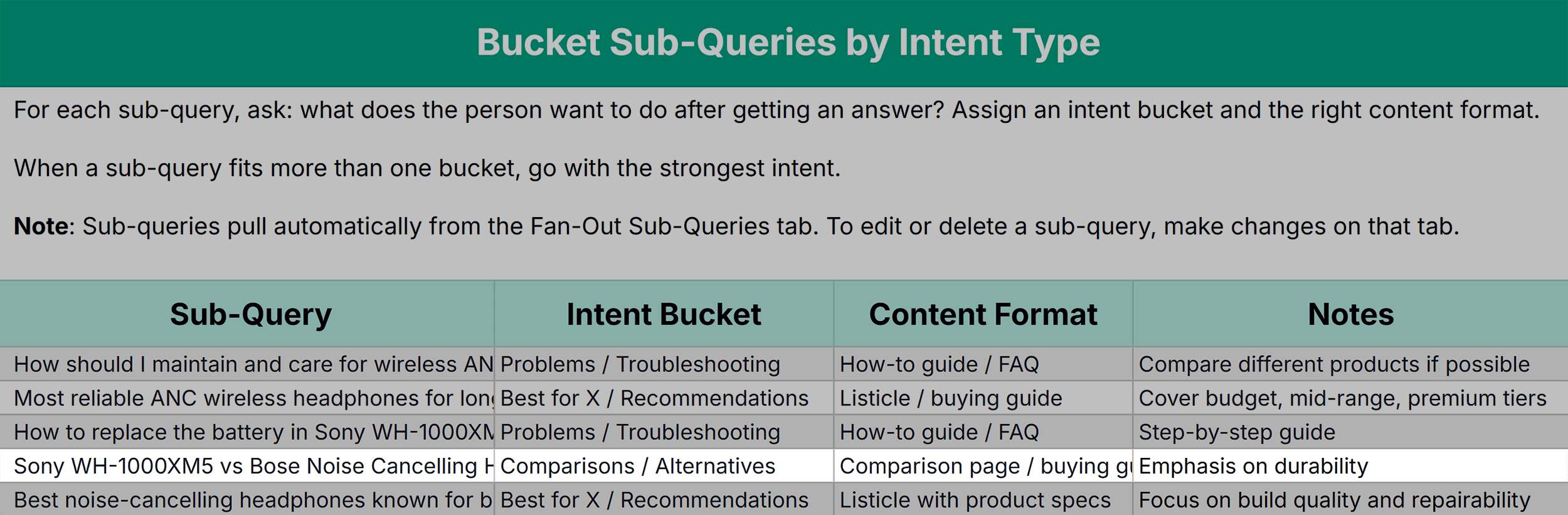
For instance, "Sony vs. Bose Noise Canceling Headphones" clearly indicates a "comparison" intent, requiring a head-to-head comparison page or table. Other common intent buckets include:
- Definitions/Basics: For "What is X?" type questions, ideal for explainer articles or glossary sections.
- Best for X/Recommendations: For specific use-case queries, suited for listicles or buying guides.
- Problems/Troubleshooting: For "How to fix X," best addressed with how-to guides or FAQ sections.
- Pricing/Value: For cost-related questions, suitable for pricing pages or value comparisons.
- Social Proof/Discussions: For reviews or user experiences, requiring review roundups or user feedback sections.
Assigning sub-queries to these buckets informs the most effective content format.
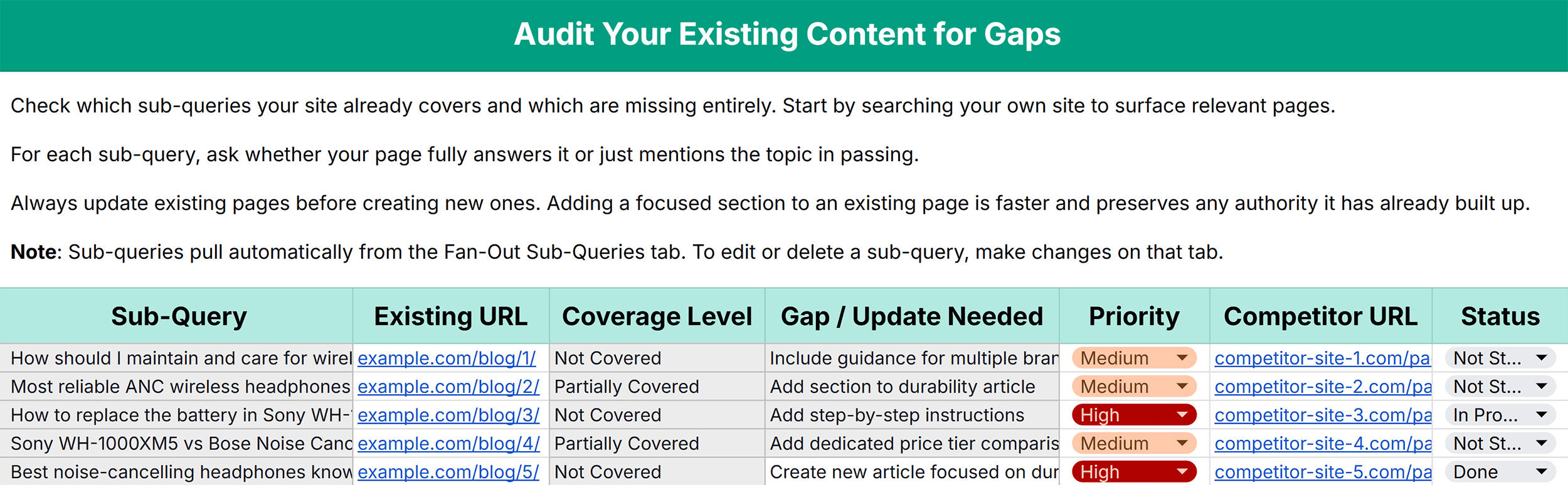
Step 4: Audit Your Existing Content for Gaps
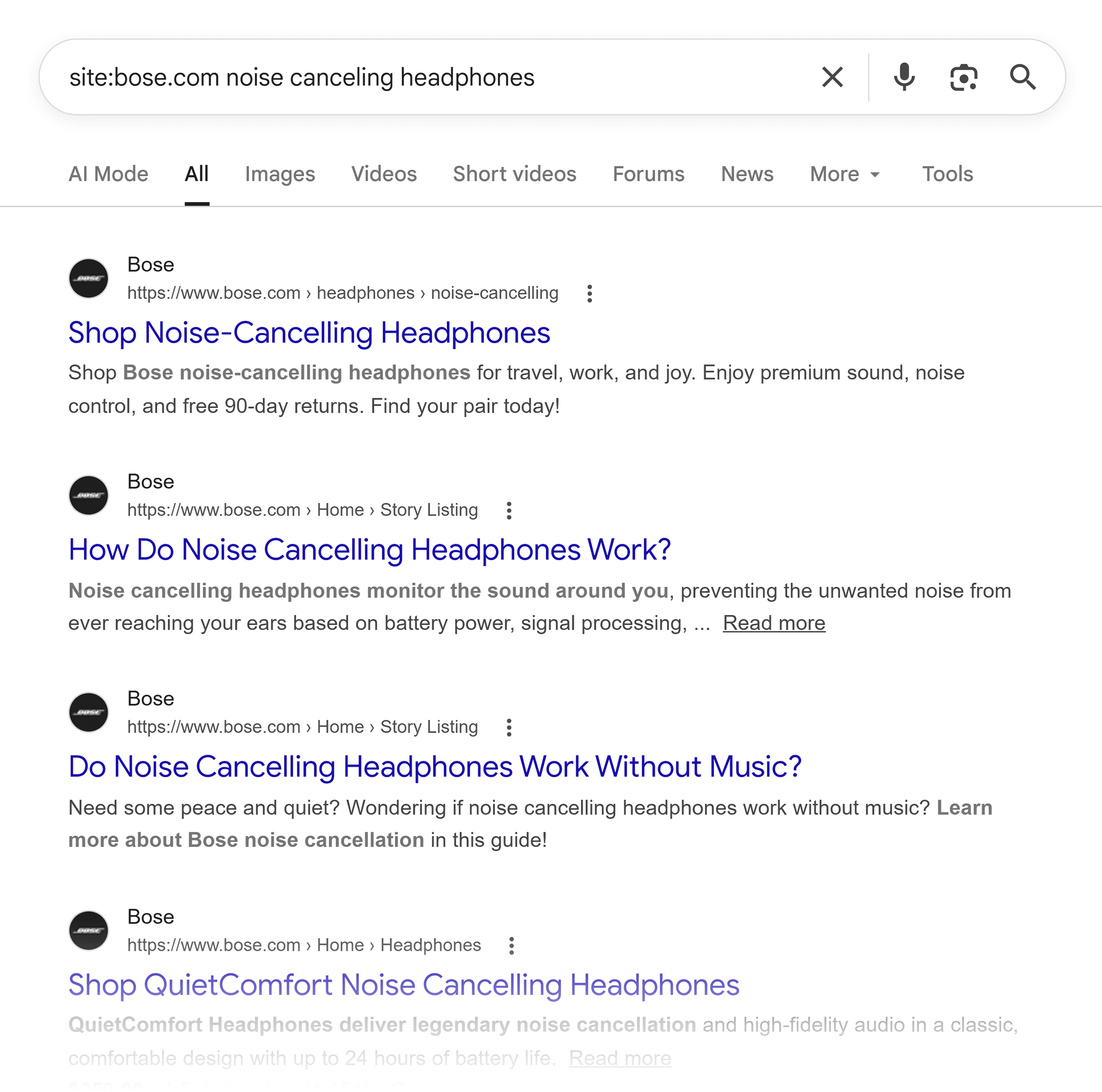
With sub-queries categorized, a comprehensive content audit is essential. Use "site:yourdomain.com [sub-query topic]" on Google to identify existing content. Evaluate each page based on whether it fully, partially, or does not cover the sub-query.
- Not Covered: Requires new, dedicated content.
- Partially Covered: Needs additional, self-contained sections within existing pages.
- Fully Covered: Requires ongoing monitoring and regular updates.
Furthermore, analyze which competitors are appearing for your money prompts using AI visibility tools. This reveals immediate gaps and opportunities to either defend existing AI citations or capture new ones where competitors currently dominate.
Step 5: Structure Your Content for AI Extraction
The goal is to make your content as "AI-friendly" as possible. For uncovered sub-queries, create new pages or sections. For partially covered ones, embed clear, concise, and self-contained answers within existing content. Key structural elements include:
- Descriptive Subheadings: Use H2s and H3s that clearly state the question being answered.
- Front-Loaded Answers: Provide the core answer immediately under the subheading, followed by supporting details.
- Structured Data: Implement schema markup where appropriate to explicitly define entities, facts, and relationships.
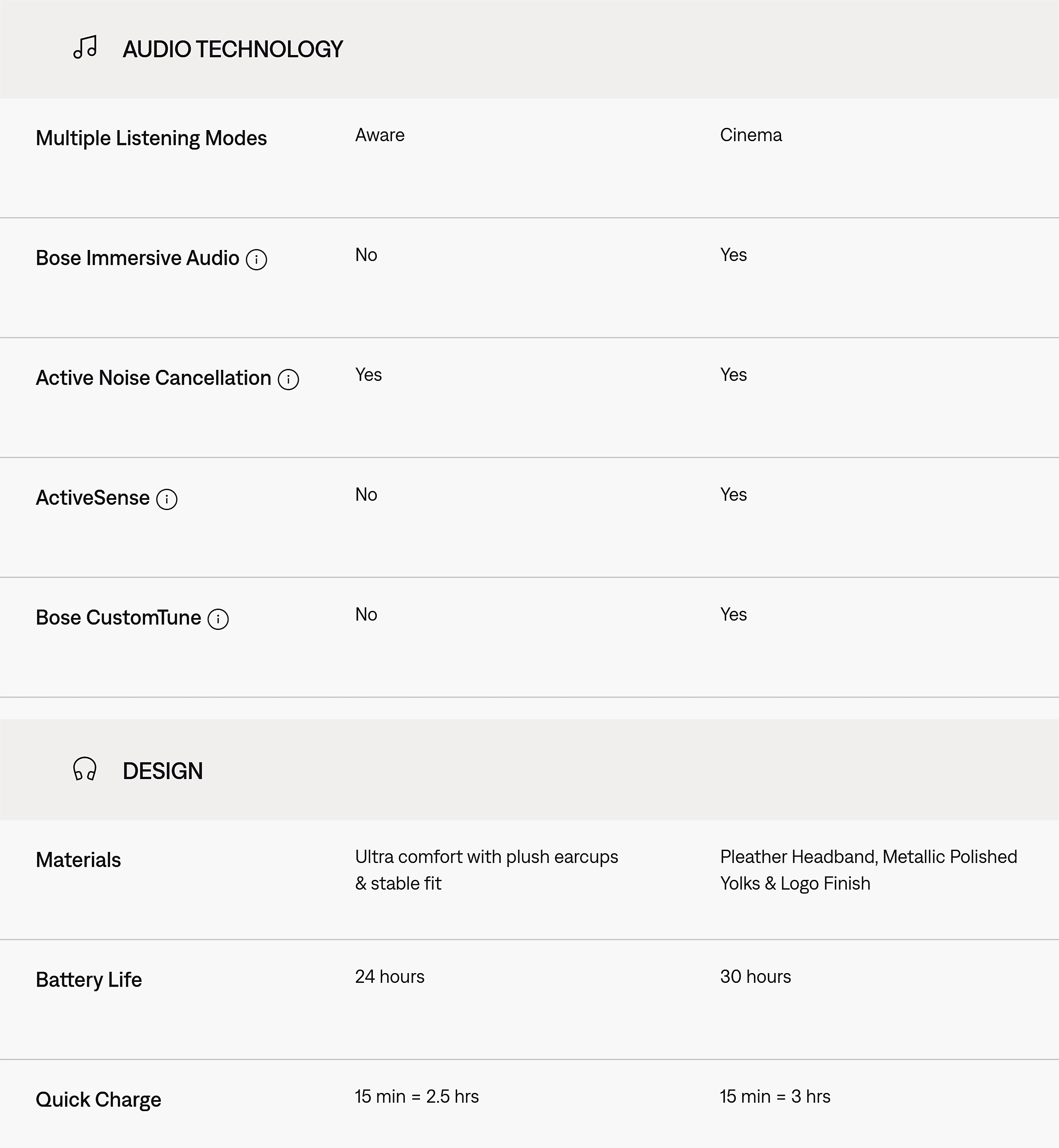
- Tables and Lists: Present comparative data, specifications, and steps in easily digestible formats.
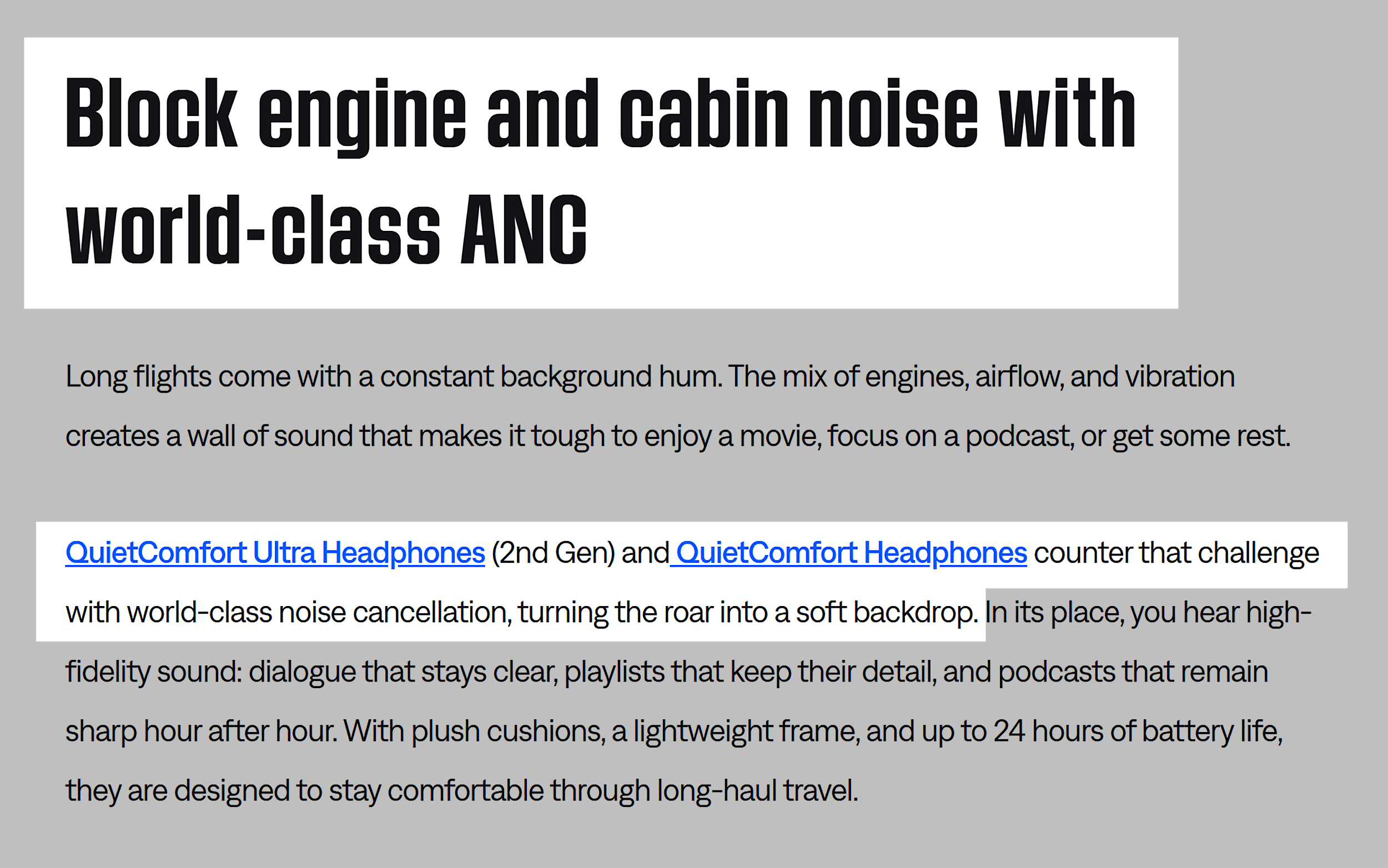
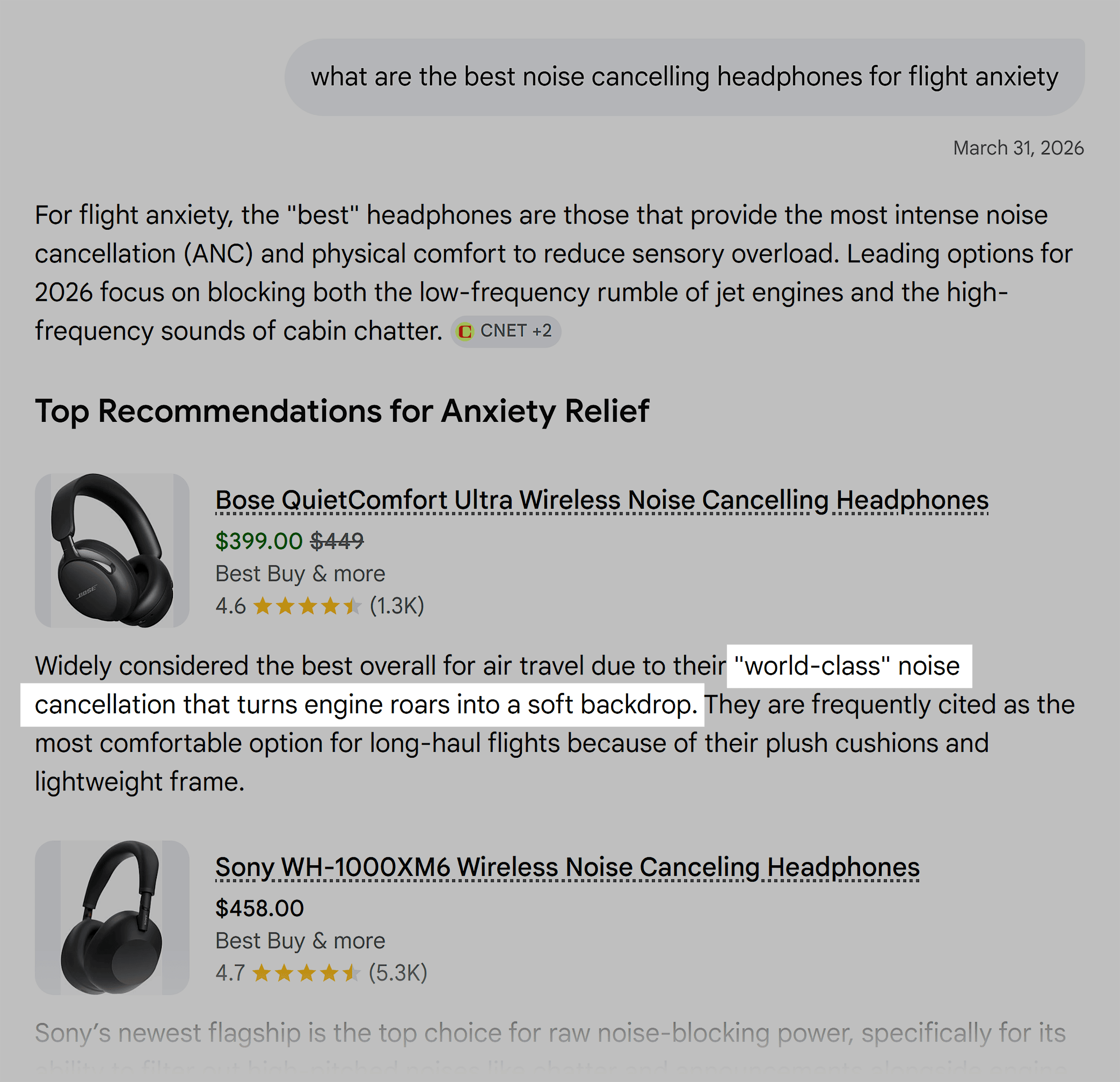
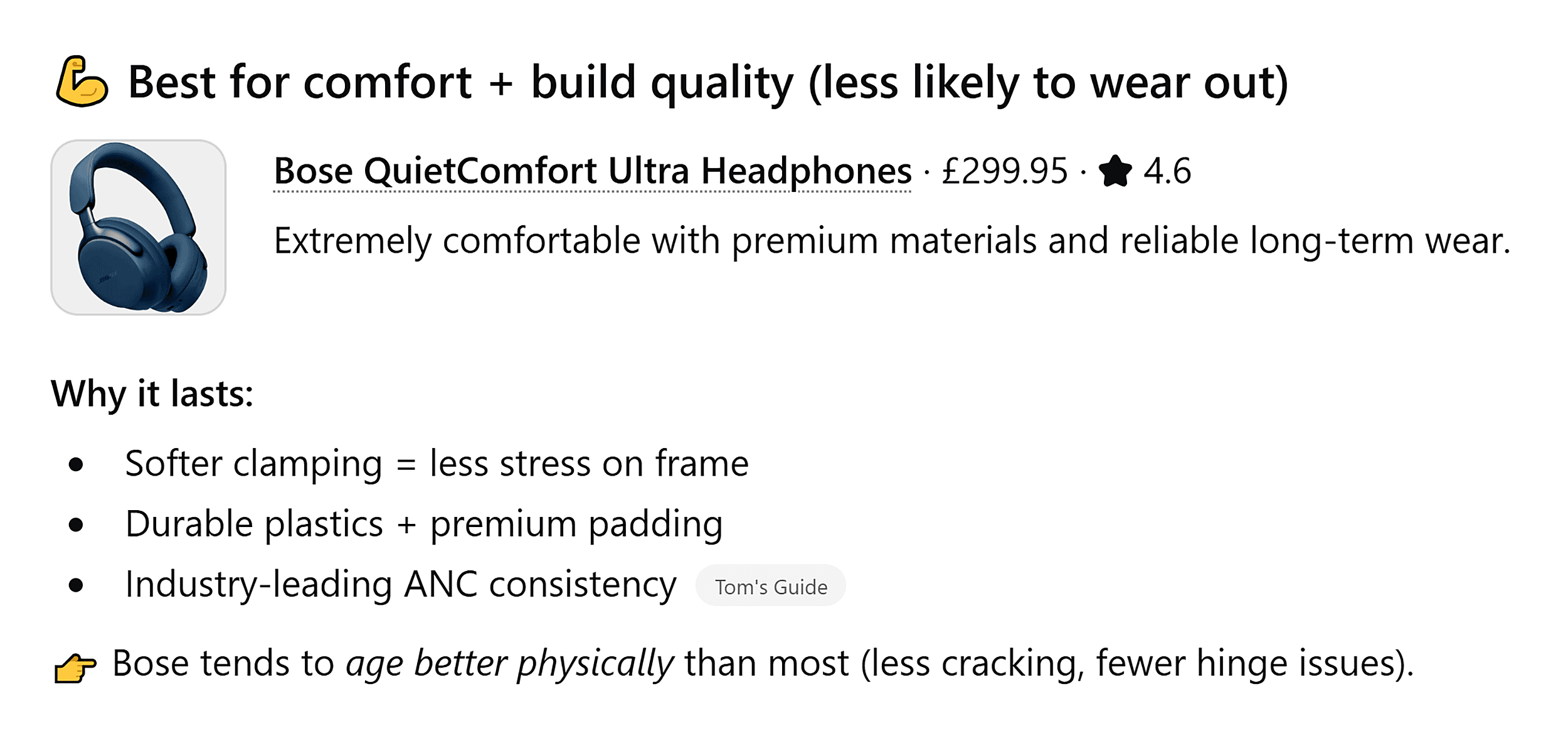
- Use-Case Specific Language: Employ terms that resonate with specific user scenarios, mirroring how AI fans out queries. For example, Bose’s dedicated landing pages for "noise-canceling headphones for flights" directly address a common use-case, making their content highly retrievable by AI for such prompts.
Step 6: Measure Your Performance in AI Search
Tracking performance in LLMs is an ongoing process. Regularly assess:
- Whether your brand is cited for target money prompts.
- The sentiment of AI mentions (positive, neutral, negative).
- Which specific content passages are being extracted.
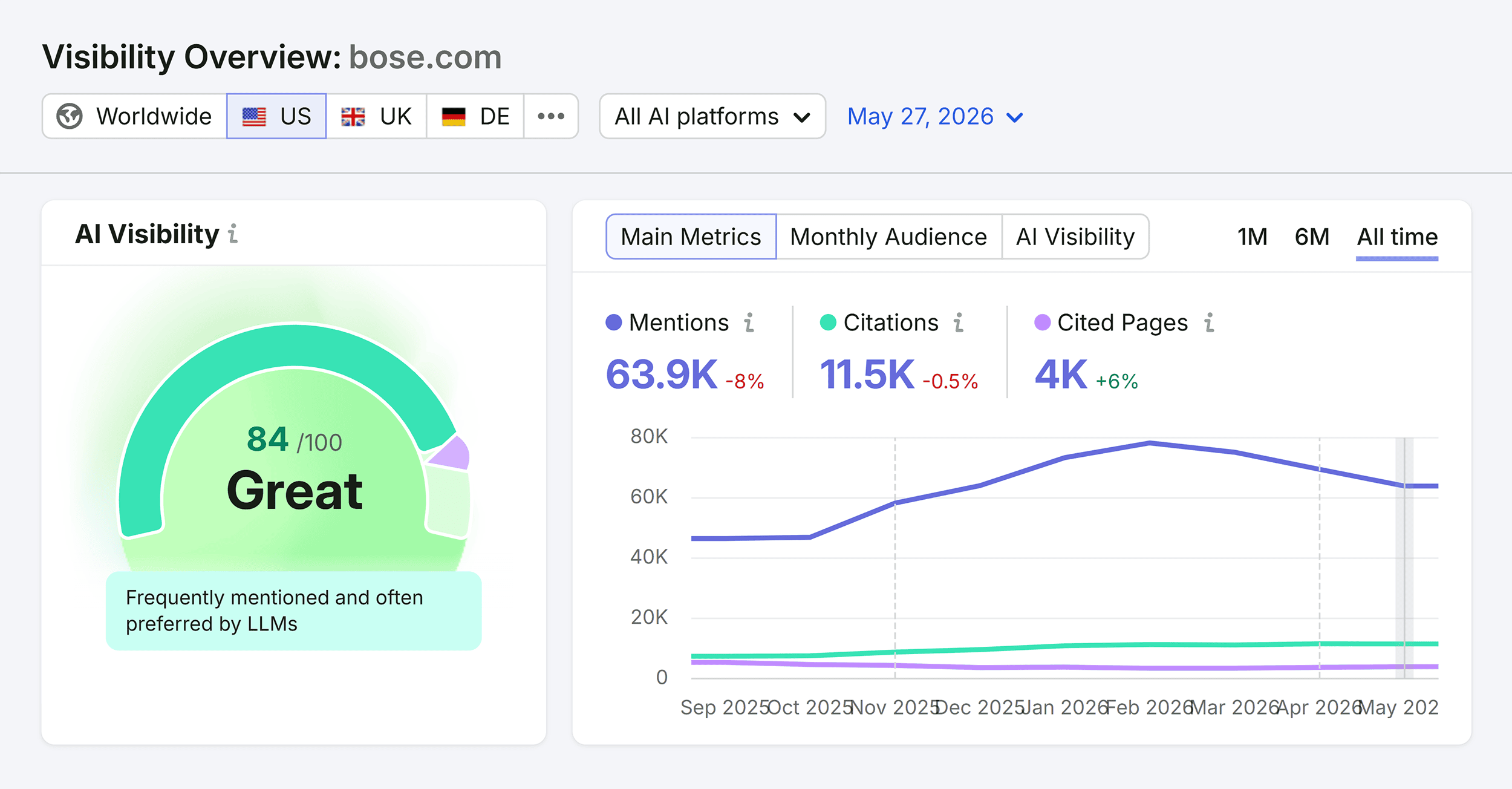
Manual tracking via incognito searches can provide initial insights, but dedicated tools like Semrush’s Prompt Tracker and Visibility Overview offer automated monitoring, competitive benchmarking, and sentiment analysis. These tools can alert you to changes in mentions, track your AI visibility score against competitors, and identify key sentiment drivers (both strengths and weaknesses) in how LLMs describe your brand. Regular monitoring ensures that your content strategy remains agile and responsive to the dynamic nature of AI search.
Platform-Specific Nuances of Query Fan-Out
While the core concept of query fan-out is universal, its execution varies across different AI platforms, influencing optimization strategies:
-
ChatGPT: For basic informational queries, ChatGPT often relies on its extensive training data. However, for questions requiring real-time data, comparisons, or current events, it performs live web searches. The underlying sub-queries, though not visible by default, can be extracted through browser developer tools, revealing the specific informational gaps it seeks to fill. This suggests a need for robust, current, and authoritative content, especially for comparative or data-intensive queries.
-
Perplexity: This platform is unique in that it runs two layers of fan-out simultaneously: one based on the current conversational context and another on real-time web searches. This means Perplexity might factor in a user’s previous questions or stated preferences when generating sub-queries. Content optimized for Perplexity should therefore be highly specific, self-contained, and accurate enough to remain valuable even when paired with unforeseen conversational context.
-
Claude: Claude’s approach emphasizes user intent clarification. Rather than immediately fanning out, it often prompts users with clarifying questions to refine their needs before generating a tailored response, primarily drawing from its training data. This implies that content should directly address specific, well-defined use cases and user segments rather than attempting to be overly broad. Precise, targeted answers are more likely to be utilized by Claude once it has established user preferences.
-
Google AI Overviews and AI Mode: Google AI Overviews provide condensed, featured-snippet-style summaries directly on the search results page, with sources listed alongside. AI Mode, on the other hand, is a dedicated conversational tab for complex, multi-part questions, offering more interactive and in-depth answers. Both draw from Google’s vast web index. For these platforms, the optimization focus remains on front-loading answers, utilizing descriptive subheadings, and structuring content so that individual passages are easily extractable and understandable on their own, much like optimizing for traditional featured snippets but with a broader topical scope. While Google doesn’t natively expose its sub-queries, advanced SEOs have found ways to infer them using specialized tools.
Broader Implications for the Digital Ecosystem
The shift towards query fan-out and AI-driven content consumption represents a significant evolution in how information is discovered and consumed. For content creators, it moves the goalposts from a singular focus on Google’s ranking algorithms to a more holistic strategy centered on topical authority, informational depth, and structural clarity. Publishers and brands must invest in producing genuinely helpful, expert-level content that covers all angles of a topic. The economic implications are also noteworthy, as direct citations within AI answers may reduce click-through rates to websites, forcing a re-evaluation of content monetization strategies. Ultimately, success in the AI search era hinges on becoming an indispensable source of truth and comprehensive knowledge, making your content inherently valuable for AI systems to synthesize and share.
Conclusion
The era of AI search is here, and with it, the necessity to understand and adapt to processes like query fan-out. High rankings, while still beneficial, are no longer sufficient to guarantee visibility in a world where LLMs are increasingly serving as primary information gatekeepers. Brands and content creators must pivot their strategies to focus on comprehensive topical coverage, precise passage-level optimization, and user-centric intent fulfillment. By embracing the query fan-out framework – from identifying money prompts and generating fan-out sets to auditing existing content, structuring for extraction, and continuously measuring performance – organizations can strategically position themselves to earn more AI citations and maintain relevance in this rapidly evolving digital landscape. The future of digital visibility belongs to those who prioritize deep, retrievable, and authoritative content that directly feeds the intelligence of AI.