Bluesky Surges Past 40 Million Users, Redefining Decentralized Social Media with User-Centric Vision

Bluesky, the decentralized social network championed by former Twitter CEO Jack Dorsey, has rapidly ascended to become one of the fastest-growing platforms, boasting over 40 million registered users. Emerging as a prominent contender in the burgeoning landscape of fediverse platforms and decentralized networks, Bluesky distinguishes itself through an intuitive interface and a rapidly expanding, diverse community of creators. From scientific discourse to K-pop fandoms, the platform offers a welcoming space for a wide array of interests.
For newcomers to Bluesky and the broader concept of decentralized social media, understanding its foundational principles is key. Bluesky is built upon the AT Protocol, an open-source framework designed to foster an "open foundation for the social internet." This initiative stems from a core belief that social media is too significant to be dictated by a select few corporations, aiming instead to empower users to collectively shape its future. The platform’s vision was eloquently illustrated by artist Davis Bickford in a widely shared comic, depicting the aspirational goals of the Bluesky project.
The platform’s trajectory has been meteoric since it transitioned from an invite-only model to a publicly accessible network in February 2024. This pivotal shift saw an unprecedented influx of over one million new users within a single day, underscoring a strong demand for alternative social media paradigms.
The Genesis of Bluesky and the AT Protocol
Bluesky’s origins can be traced back to Jack Dorsey’s tenure at Twitter, where the concept of a decentralized social media protocol began to take shape. The AT Protocol, the technical backbone of Bluesky, is designed to be a general-purpose decentralized social networking protocol. It allows for the creation of decentralized applications (dApps) that are not tied to a single server or entity. This architecture is crucial for enabling user control over their data, fostering greater privacy, and preventing single points of failure or censorship that have plagued centralized platforms.
Unlike some other decentralized networks that rely on the ActivityPub protocol, such as Mastodon and Threads, Bluesky operates on its own unique protocol. While this means Bluesky is not technically part of the fediverse in the strictest sense defined by ActivityPub, its underlying principles of openness, decentralization, and interoperability align with the broader movement towards a more distributed internet. This distinction is important for users accustomed to the established fediverse ecosystem, but the potential for cross-platform communication and content sharing remains a significant area of development.
A Platform for Diverse Voices
The rapid growth of Bluesky can be attributed, in part, to its success in attracting a wide spectrum of users and content creators. The platform has become a hub for discussions spanning numerous fields, from cutting-edge scientific research and technological innovation to vibrant fan communities dedicated to music, art, and pop culture. This inclusivity is a cornerstone of Bluesky’s appeal, offering individuals a chance to connect with like-minded people and engage in niche communities that may be overlooked or underserved on larger, more generalized social networks.
The ability for creators to establish a strong presence and build dedicated followings without the algorithmic constraints and potential biases of centralized platforms is a significant draw. This user-centric approach fosters a sense of ownership and community, encouraging more authentic and meaningful interactions.
Navigating the Decentralized Landscape with Buffer
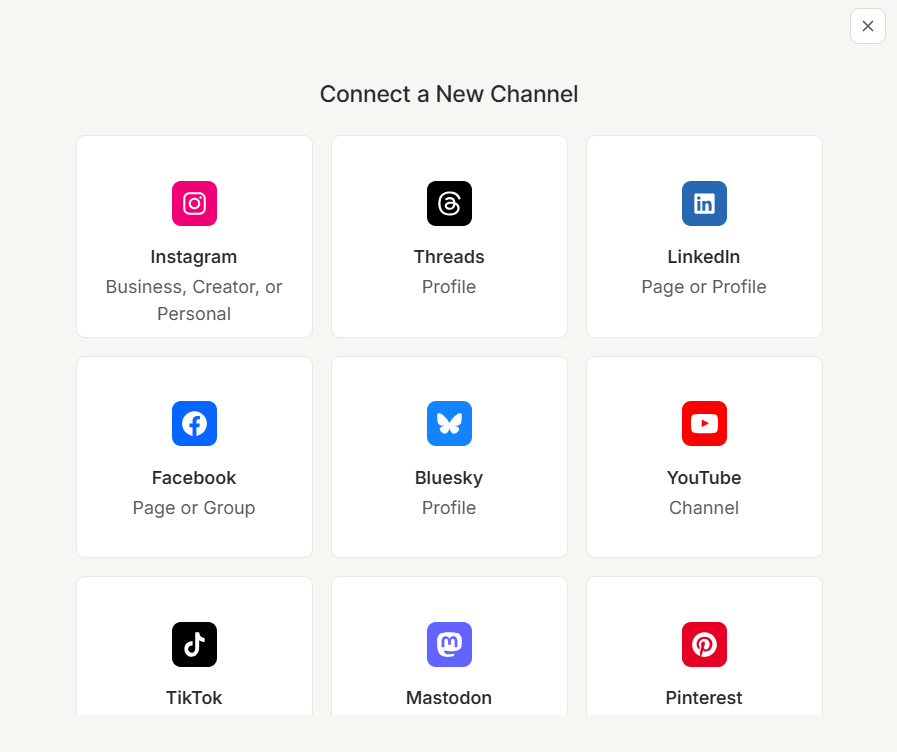
For users looking to manage their presence across multiple social networks, including the rapidly expanding Bluesky, tools like Buffer offer streamlined solutions. Buffer’s platform provides robust features for scheduling posts, managing content, and crossposting to various social media channels, simplifying the social media management process for individuals and businesses alike.
The integration of Bluesky into Buffer’s suite of tools allows users to extend their content strategy beyond a single platform. This is particularly valuable in the current social media climate, where diversifying one’s online presence is often a strategic imperative. Buffer’s ability to schedule posts to Bluesky, alongside established platforms like X (formerly Twitter), Threads, Mastodon, and LinkedIn, provides a unified dashboard for content planning and execution.
The Strategic Advantage of Scheduling Bluesky Posts
In the absence of native scheduling functionalities within Bluesky itself, third-party tools like Buffer become indispensable for maintaining a consistent and strategic online presence. Scheduling posts ensures that content is published at optimal times, maximizing reach and engagement, even when users are offline or engaged in other activities. This proactive approach is crucial for building and sustaining an audience.
Furthermore, Buffer’s crossposting capabilities enable users to syndicate their Bluesky content across other networks, efficiently reaching a broader audience without the need for repetitive manual posting. This feature is invaluable for content creators, marketers, and organizations aiming to maintain a cohesive brand message across their digital footprint. The ability to customize posts for each platform ensures that content remains relevant and engaging for different audience segments.
Connecting Your Bluesky Account to Buffer: A Step-by-Step Guide
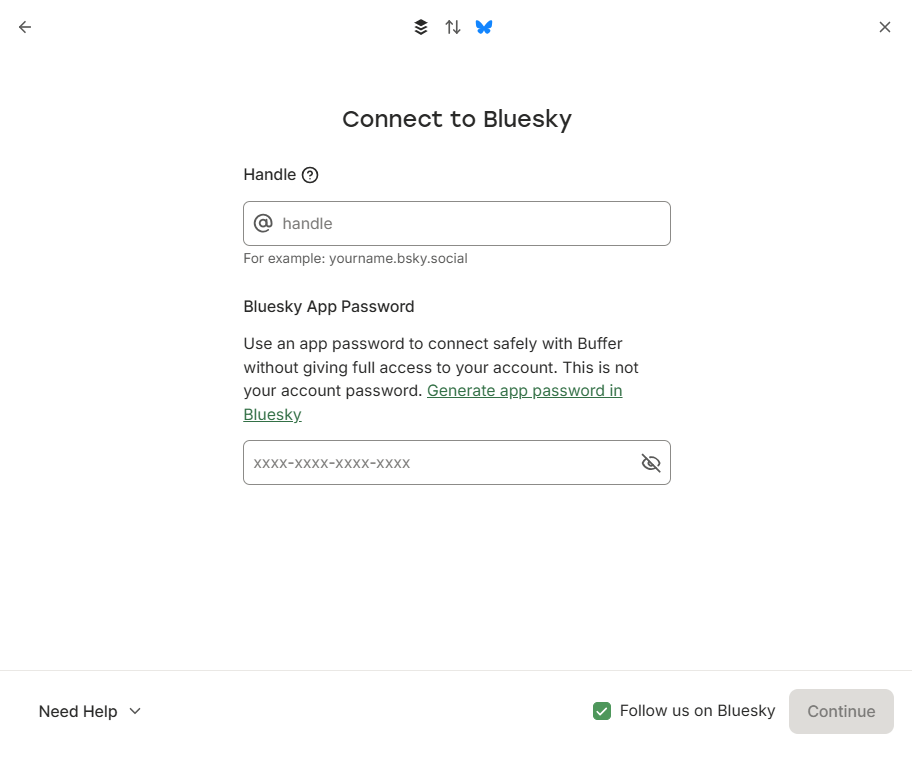
Integrating Bluesky with Buffer is a straightforward process designed to enhance user workflow. The initial step involves adding Bluesky as a connected channel within the Buffer platform. This typically requires authorizing the connection through Bluesky’s security protocols, ensuring a secure link between the two services.
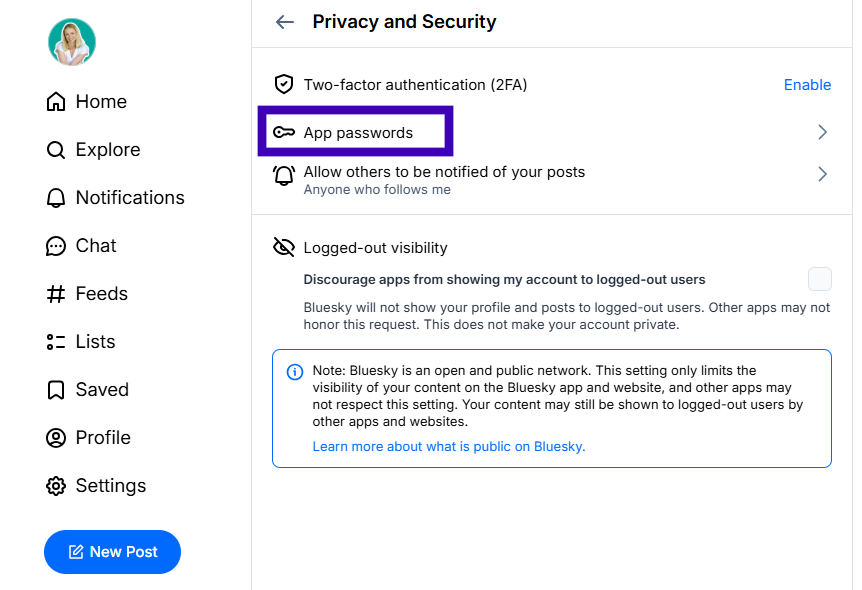
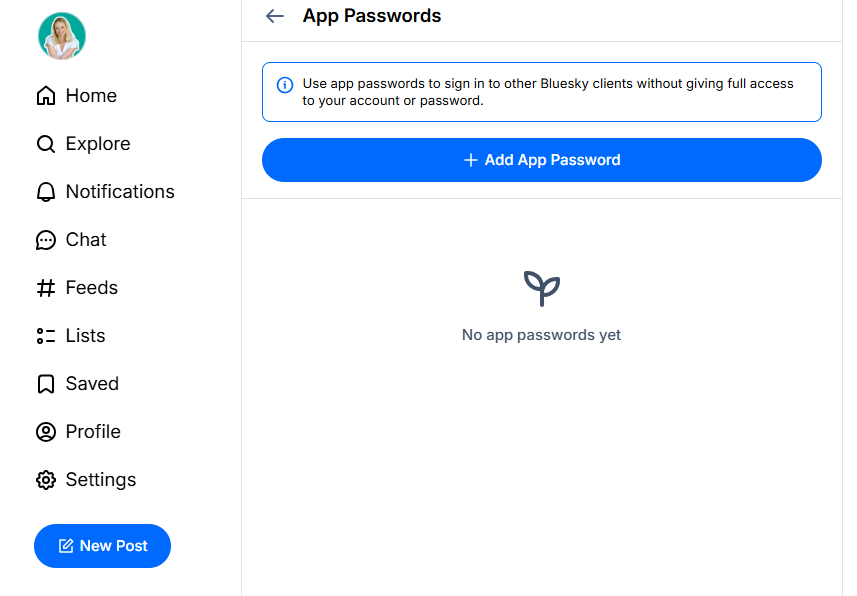
Users will need to generate an "app password" within their Bluesky account settings. This dedicated password acts as a secure credential for third-party applications like Buffer, preventing the need to share primary account login details. The process involves navigating to the privacy and security settings within Bluesky, locating the option to create an app password, and then entering this generated password into the corresponding field in Buffer.
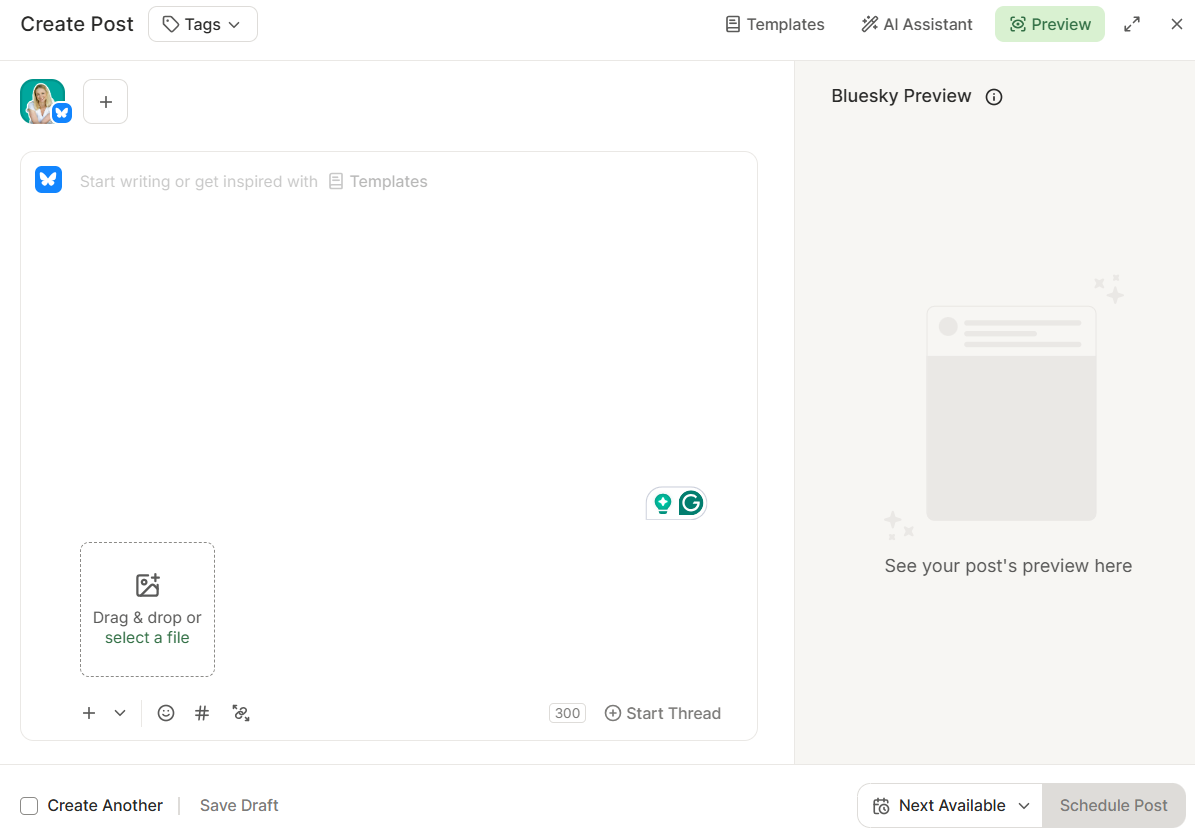
Once the connection is established, users can begin leveraging Buffer’s suite of tools for their Bluesky content. This includes drafting posts, uploading media (images and videos), and even creating multi-post threads. The Buffer composer provides a familiar interface for crafting content, with the added benefit of previewing how posts will appear on Bluesky before scheduling.
Crafting and Scheduling Bluesky Threads with Buffer
Bluesky natively supports the creation of threads, allowing users to share longer narratives or sequential thoughts. Buffer extends this functionality by enabling users to schedule entire threads in advance. Within the Buffer composer, users can initiate a thread and add subsequent posts sequentially, creating a cohesive narrative that will be published in the correct order at the designated time. This feature is a significant advantage for users who wish to share in-depth content or tell a story over multiple posts.
Managing Bluesky Engagement and Analytics
Beyond scheduling and crossposting, Buffer also facilitates engagement management and performance tracking for Bluesky. The platform’s Community tool allows users to view and respond to comments and mentions directly within Buffer, eliminating the need to constantly switch between tabs or applications. This centralized approach to engagement streamlines community management and fosters timely interactions with followers.
Additionally, Buffer’s analytics provide valuable insights into the performance of Bluesky content. Users can track key metrics such as engagement rates, follower growth, and post reach, enabling them to understand what resonates with their audience and refine their content strategy accordingly. This data-driven approach is essential for optimizing social media efforts and achieving desired outcomes.
The Future of Decentralized Social Media and Bluesky’s Role
Bluesky’s rapid ascent signals a growing appetite for social media alternatives that prioritize user control, data privacy, and open protocols. As more users become disillusioned with the limitations and ethical concerns of centralized platforms, decentralized networks like Bluesky are poised to capture a significant share of the social media landscape.
The AT Protocol’s open-source nature encourages innovation and the development of diverse applications built on its foundation. This could lead to a rich ecosystem of interconnected social experiences, moving away from the monolithic structures that currently dominate the internet. The ongoing development of protocols for interoperability between different decentralized networks will be crucial in realizing the full potential of this shift.
Addressing User Queries: FAQs on Bluesky and Buffer Integration
What if I’m self-hosting my Bluesky account — can I still use Buffer?
Yes, Buffer supports custom servers for Bluesky accounts. This means users who choose to self-host their Bluesky instance can still connect and manage their content through Buffer, offering flexibility and control over their data and online presence. Self-hosting allows users to run their Bluesky account on a server they control, providing an added layer of autonomy compared to using Bluesky’s default servers.
Does Bluesky have built-in scheduling?
Currently, Bluesky does not offer native scheduling tools. This makes third-party platforms like Buffer essential for users who wish to plan and automate their content publication.
Can I schedule Bluesky threads in Buffer?
Absolutely. Buffer allows users to create and schedule entire Bluesky threads from its composer. By clicking "Start thread" and adding subsequent posts, users can prepare comprehensive narratives for timed release.
Can I crosspost my Bluesky content to other platforms with Buffer?
Yes, Buffer’s crossposting feature enables users to simultaneously publish their Bluesky content to a variety of other social networks, streamlining cross-platform marketing and communication efforts.
Can I schedule Bluesky posts from my phone?
Yes, the Buffer mobile application for both iOS and Android allows users to draft, schedule, and manage their Bluesky posts directly from their smartphones.
What types of media can I include in a scheduled Bluesky post via Buffer?
Buffer supports the inclusion of text, images, and videos in scheduled Bluesky posts. Additionally, users can add alt text to images within the Buffer composer, enhancing content accessibility for visually impaired users.
Is Buffer free to use for scheduling Bluesky posts?
Buffer offers a free plan that allows users to connect a Bluesky account and begin scheduling posts without any upfront cost. Paid plans provide access to additional features, increased scheduling limits, and more connected channels.
As Bluesky continues its impressive growth, its commitment to an open, decentralized social internet positions it as a significant player in the evolution of online communication. With tools like Buffer facilitating seamless integration and management, users are well-equipped to navigate and thrive within this new era of social media.