Why Brand Mentions Matter More Than Ever for Search Engines and AI Visibility

In the rapidly evolving landscape of digital discovery, having an impeccably designed website, exceptional content, and a frictionless user experience is no longer a guarantee of digital visibility. As search engines like Google and generative artificial intelligence engines like ChatGPT become more sophisticated, their evaluation criteria have expanded far beyond individual domain parameters. Today, these algorithms conduct holistic ecosystem scans to evaluate what external, credible sources articulate about a brand, fundamentally altering how organizations must approach digital authority.
The Mechanics of External Validation
Modern search and AI recommendation engines do not operate in a vacuum. When a user queries a search engine or prompts a large language model (LLM) for a recommendation, the underlying systems cross-reference proprietary website metrics with a vast web of third-party citations. Every time an authoritative publication, an industry expert, or an active digital community references a brand, it deposits a layer of algorithmic trust.
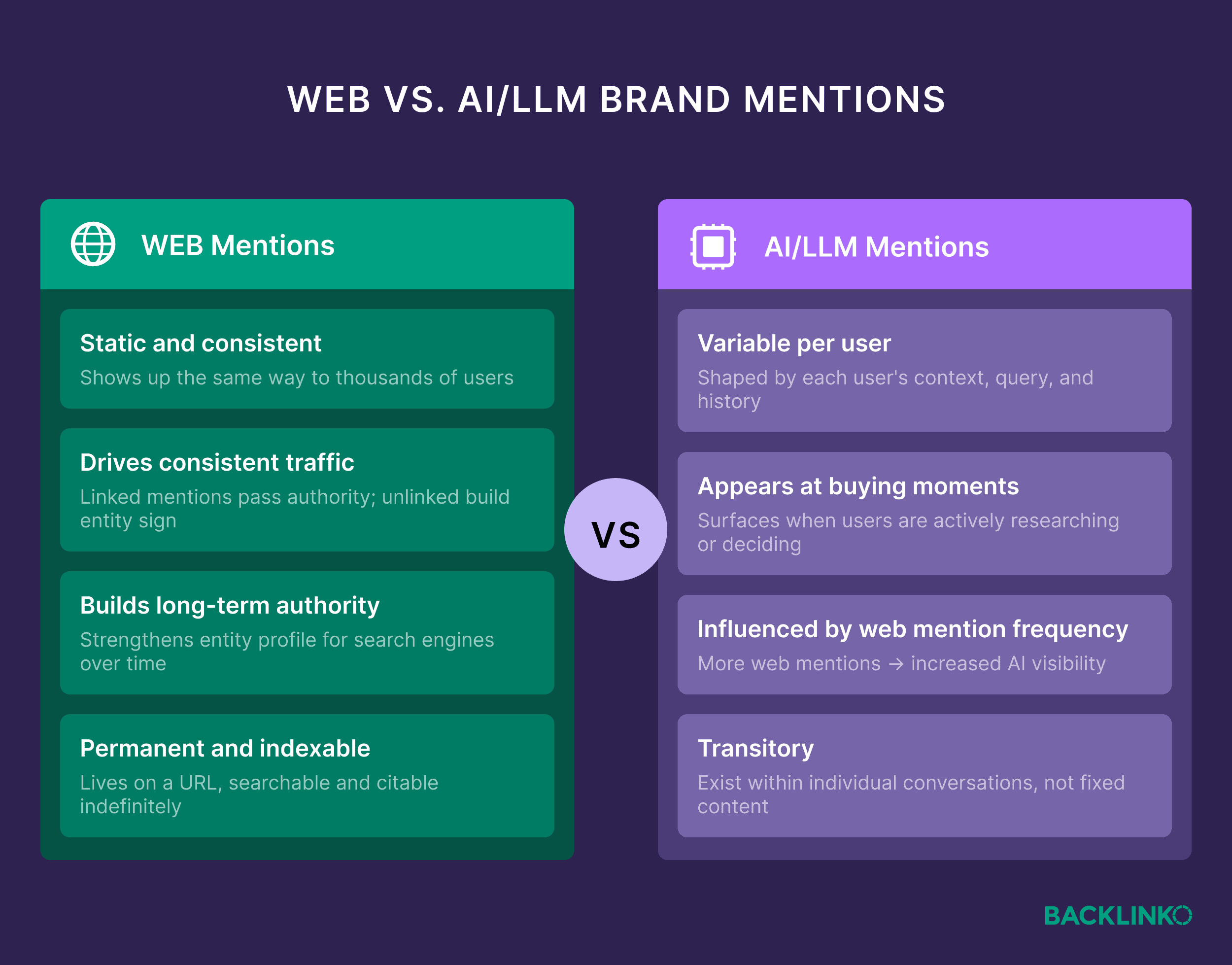
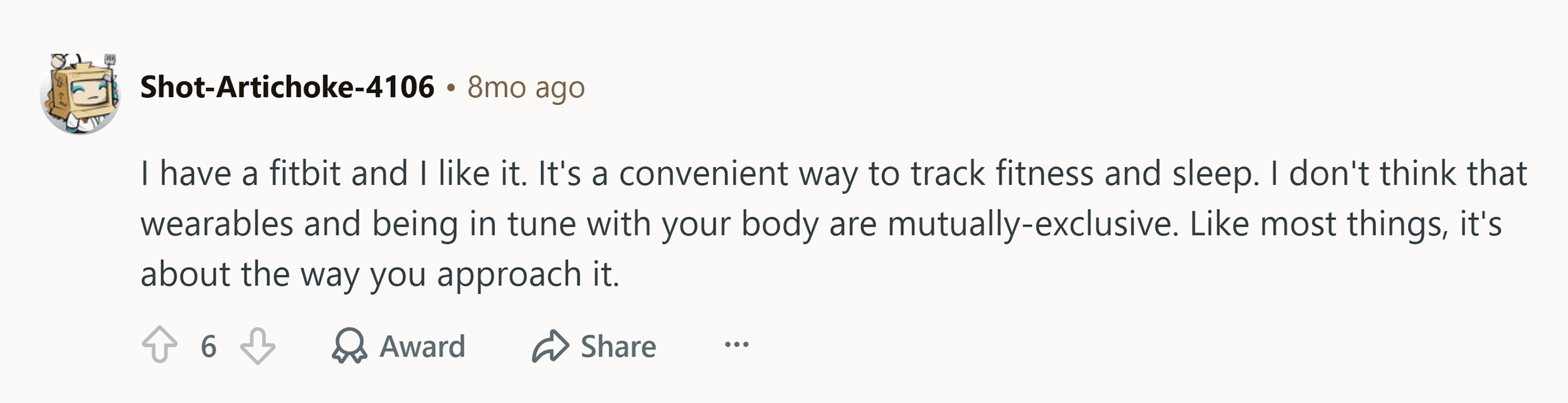
Industry analysts categorize these external references into two distinct classifications: linked mentions and unlinked mentions. Linked mentions—references that feature both the brand name and a direct, clickable hyperlink to the corporate domain—pass both direct referral traffic and critical link equity, enhancing domain authority. Conversely, unlinked mentions—such as a product evaluation on Reddit or a technical discussion on a specialized forum—provide zero direct traffic or link juice. However, for search engine entity recognition and AI training datasets, unlinked mentions are exceptionally valuable. They establish deep semantic context, teaching algorithms what a brand does, who it serves, and how it compares to competitors without requiring a direct pathway to the website.
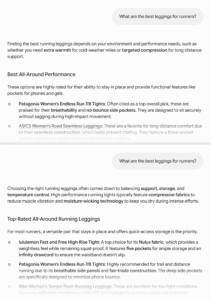
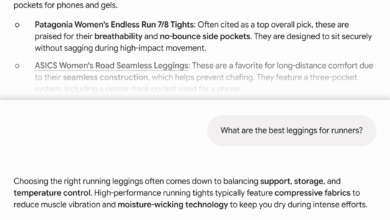
Furthermore, a significant divergence exists between traditional web mentions and LLM brand mentions. Web mentions are static; a reference published in an online journal appears identically to every single visitor. In contrast, LLM mentions are dynamic and highly contextual. When an AI chatbot recommends a brand within a conversational thread, that output is tailored to the user’s specific prompt history, intent, and conversational context, disappearing from the public domain once the chat session concludes. Consequently, securing a robust footprint of static web mentions acts as the foundational fuel that trains AI models to naturally recommend a brand when users prompt them in real-world scenarios.

The Evolution of Search and Entity Recognition
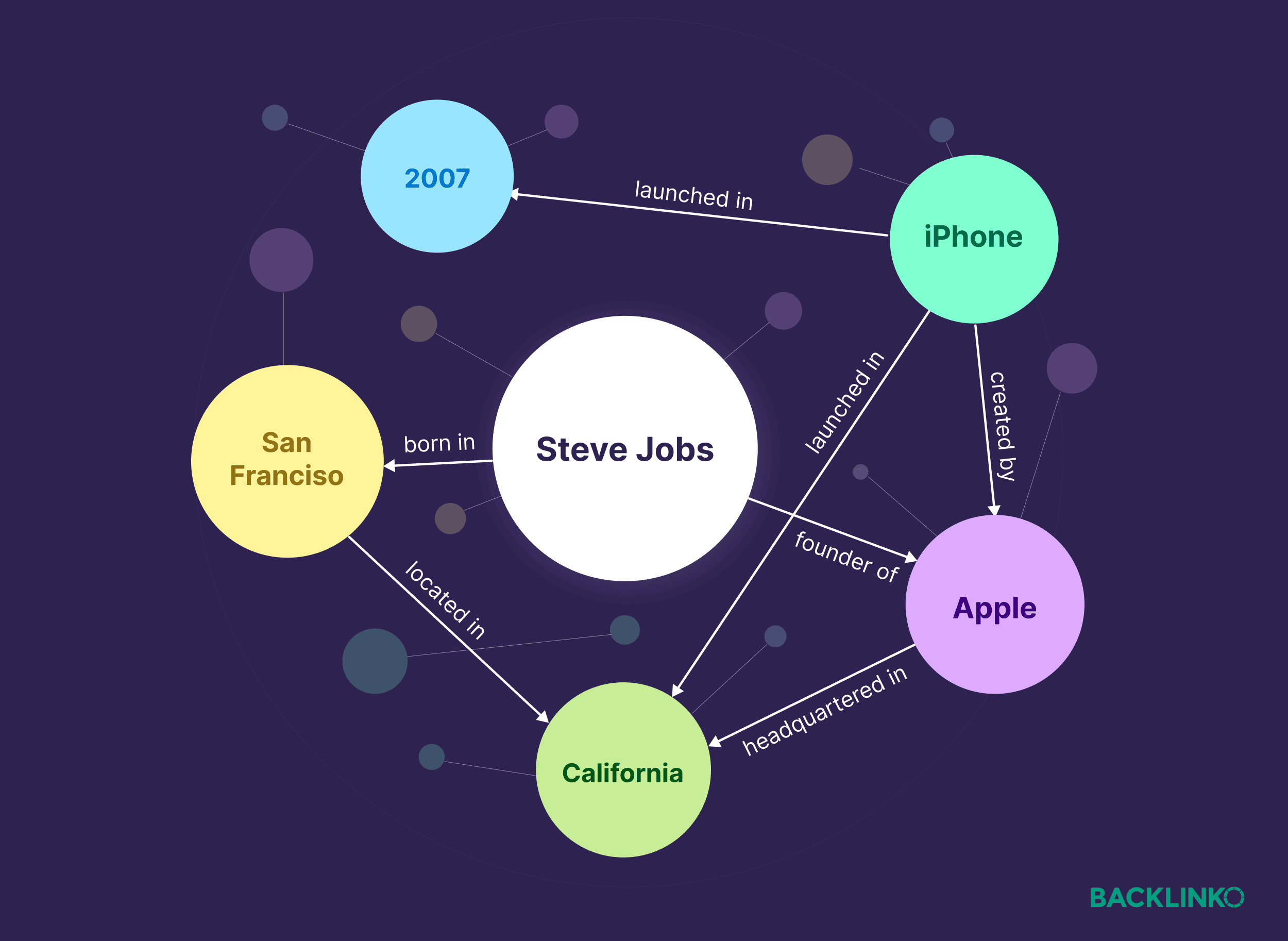
The valuation of brand mentions is deeply rooted in how modern search engines process information. Google, for instance, utilizes sophisticated knowledge graphs—massive relational databases designed to map connections between real-world entities, including people, organizations, concepts, and locations.
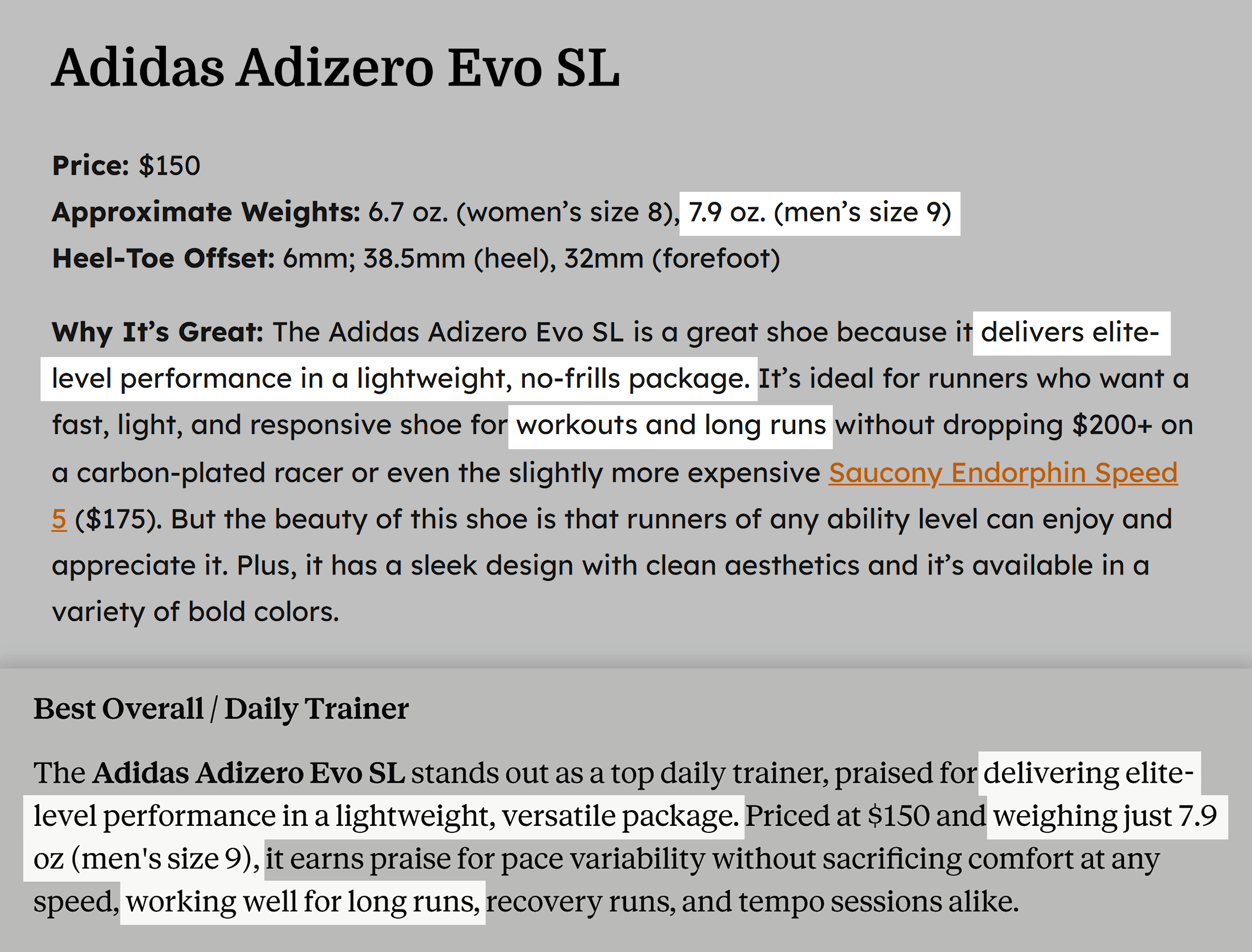
When third-party websites repeatedly discuss a brand in direct conjunction with specific industry terms, products, or services, Google’s algorithms update their entity graph, solidifying the brand’s topical authority. This entity-level recognition is particularly vital in the age of zero-click searches and AI-generated overviews, where algorithms frequently bypass traditional organic search results to provide direct answers sourced from trusted web consensus.
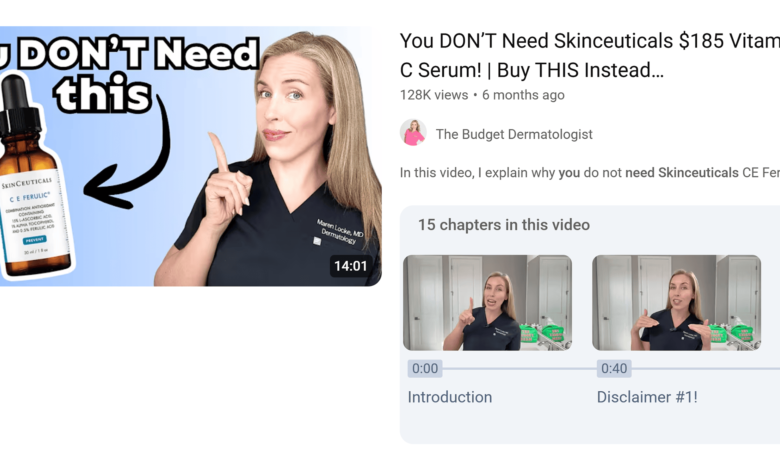
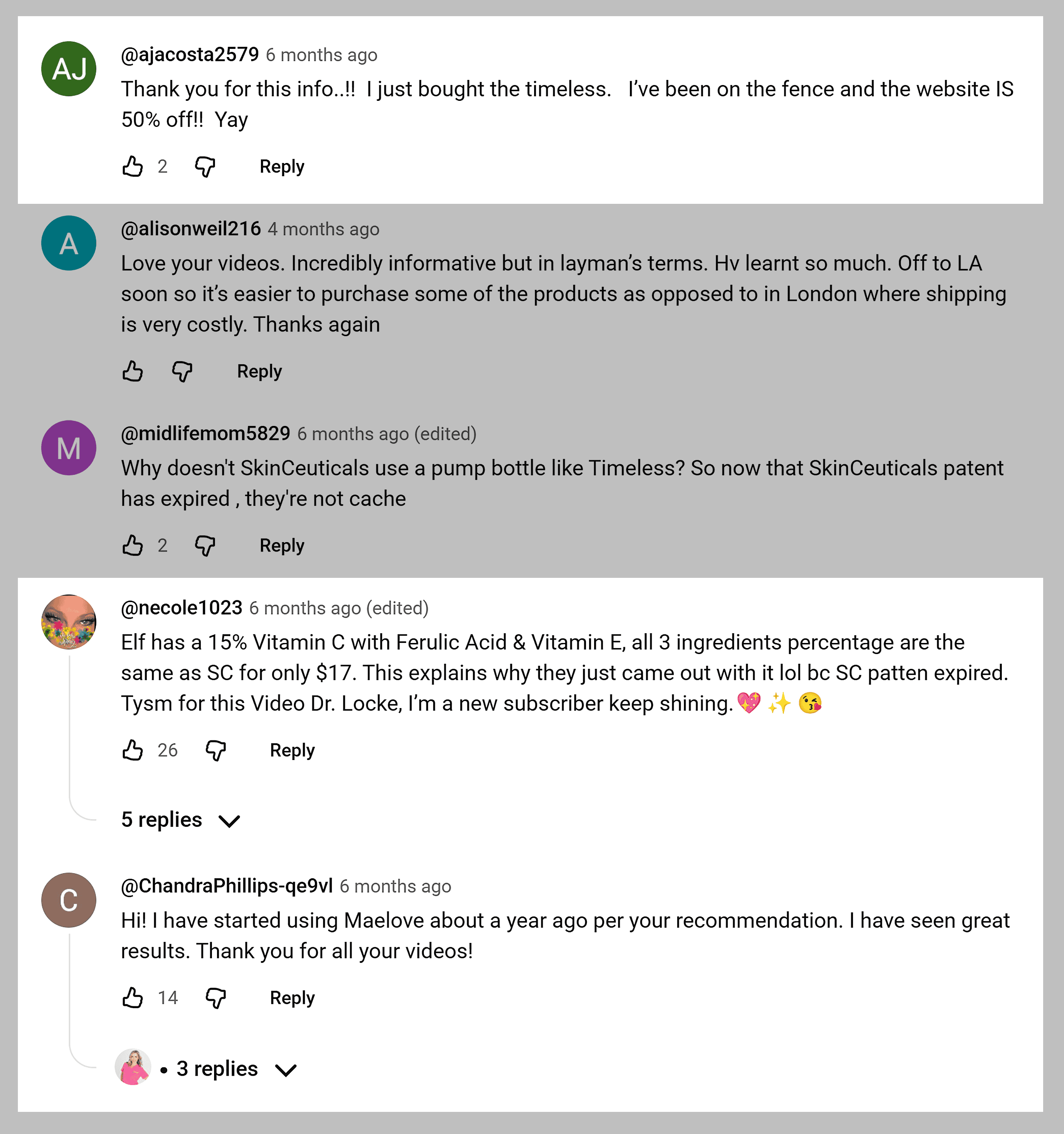
Moreover, brand mentions serve as powerful top-of-funnel discovery mechanisms. Traditional search optimization typically targets consumers who are actively searching for a specific solution. Brand mentions, however, intercept audiences who are not actively searching for a particular company but are engaged in broader consumer research. For example, when a prominent beauty educator publishes a video outlining budget-friendly alternatives to luxury skincare, referencing a mid-tier brand like Timeless, viewers discover the brand organically within a trusted context. Consumer analytics consistently show that these third-party endorsements frequently convert into direct sales from demographics that the brand might never have reached through conventional, keyword-targeted marketing campaigns.
Anatomy of a High-Value Brand Mention
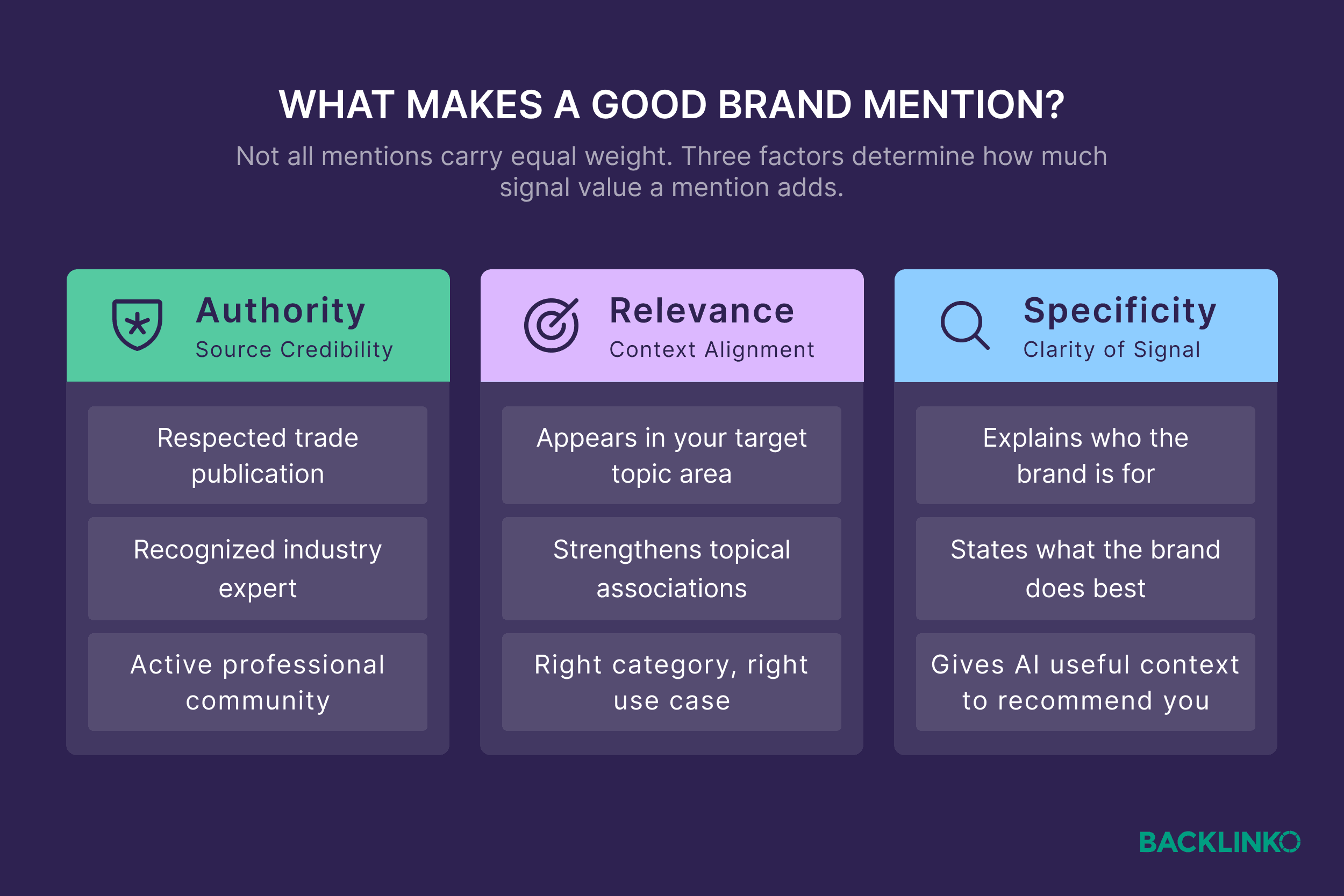
Not all brand mentions carry equal weight in the eyes of search crawlers and AI models. Digital marketing strategists evaluate brand references through three primary lenses: authority, relevance, and specificity.
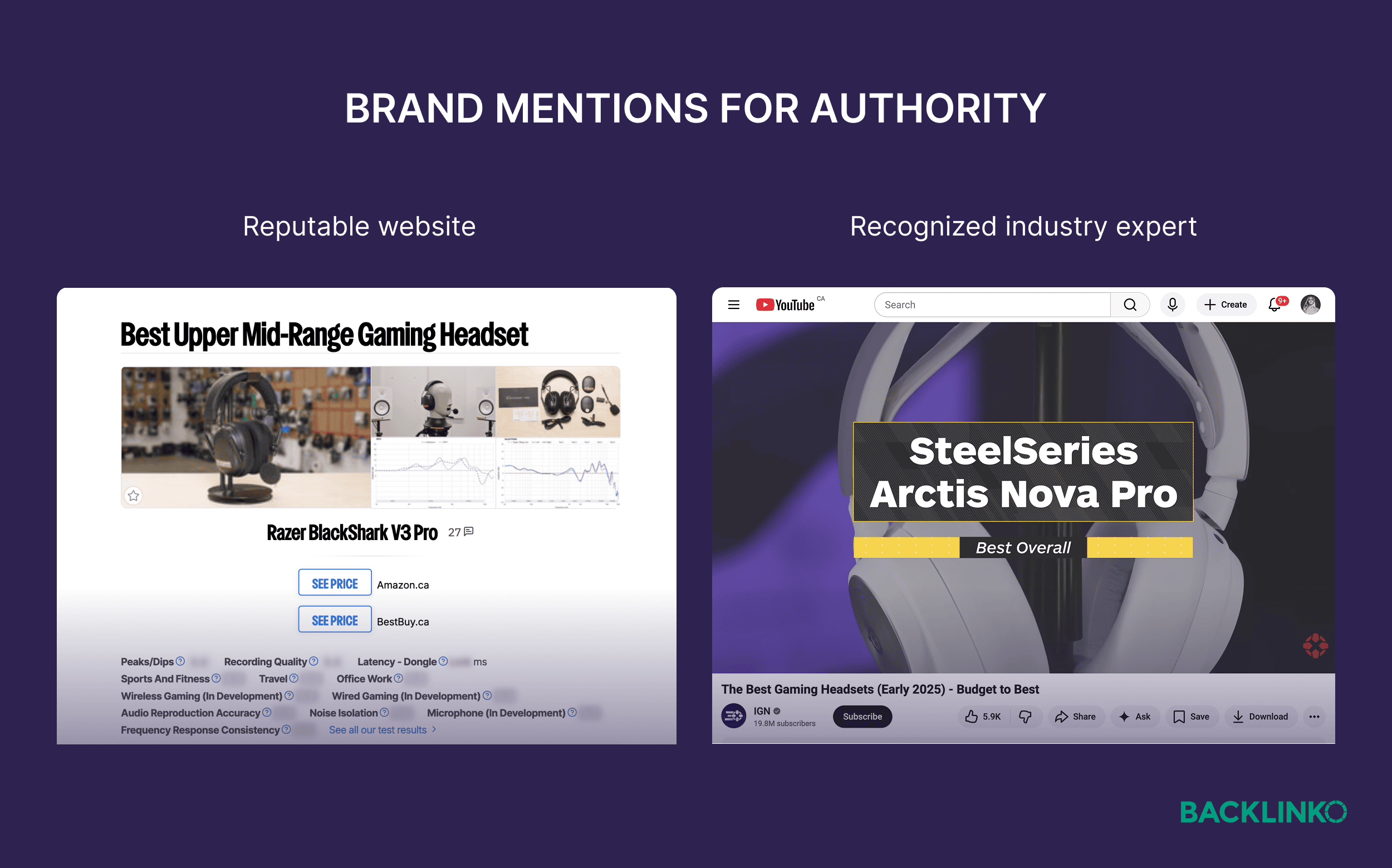
Authority relates directly to the credibility, domain rating, and editorial standards of the publishing source. A feature article in a globally recognized publication or a leading trade journal carries exponentially more algorithmic weight than a passing reference on an unverified, low-traffic blog. For example, when a high-end gaming hardware manufacturer like SteelSeries is featured in authoritative technology reviews, search engines register those endorsements as powerful signals of market leadership.
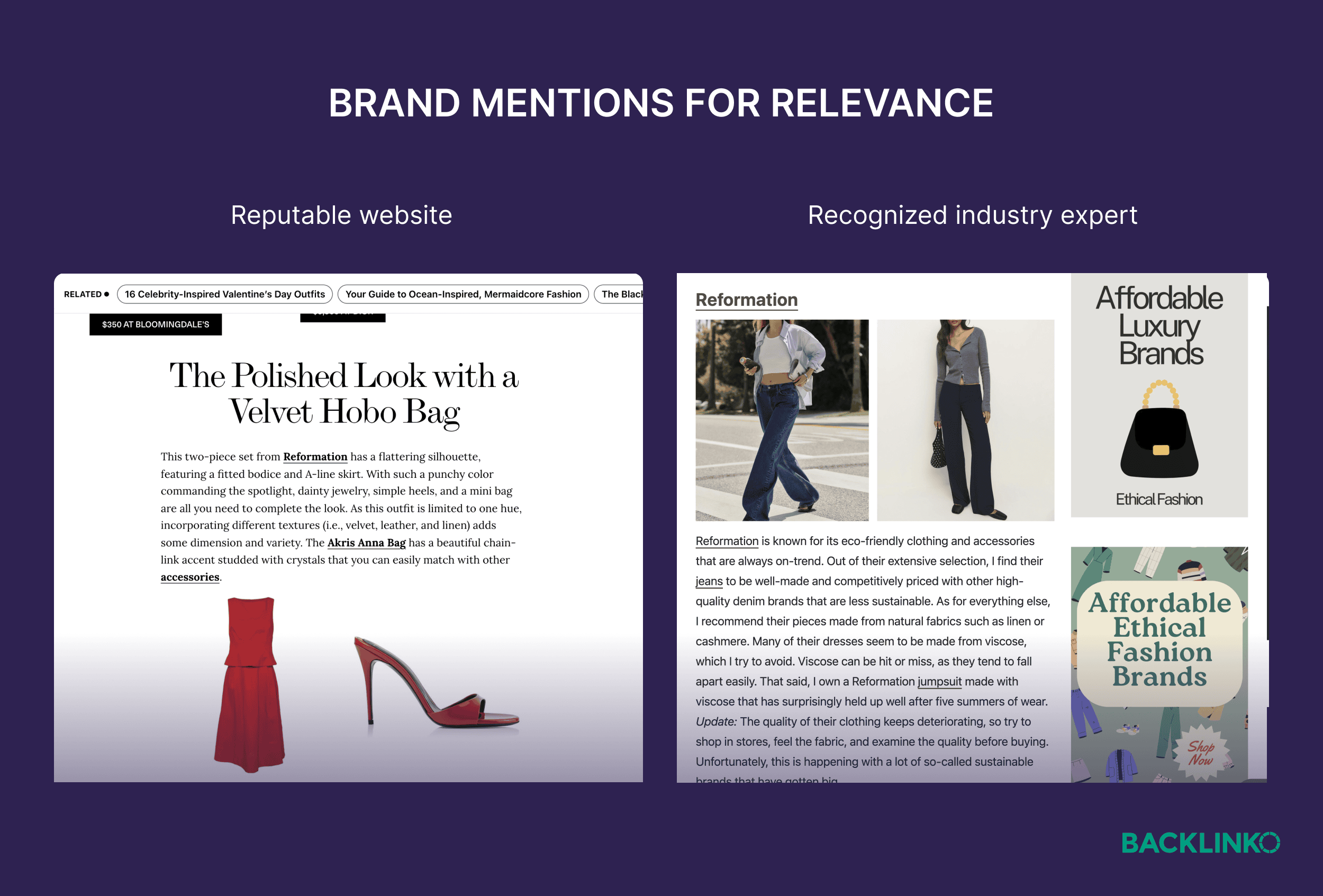
Relevance operates on a dual plane: topical and industrial. A brand must be mentioned within content that aligns closely with its core value proposition, and that content must reside on a domain native to the brand’s industry. A sustainable fashion label like Reformation gains maximum algorithmic benefit when cited in articles discussing eco-friendly apparel on specialized style publications, thereby reinforcing its topical alignment.
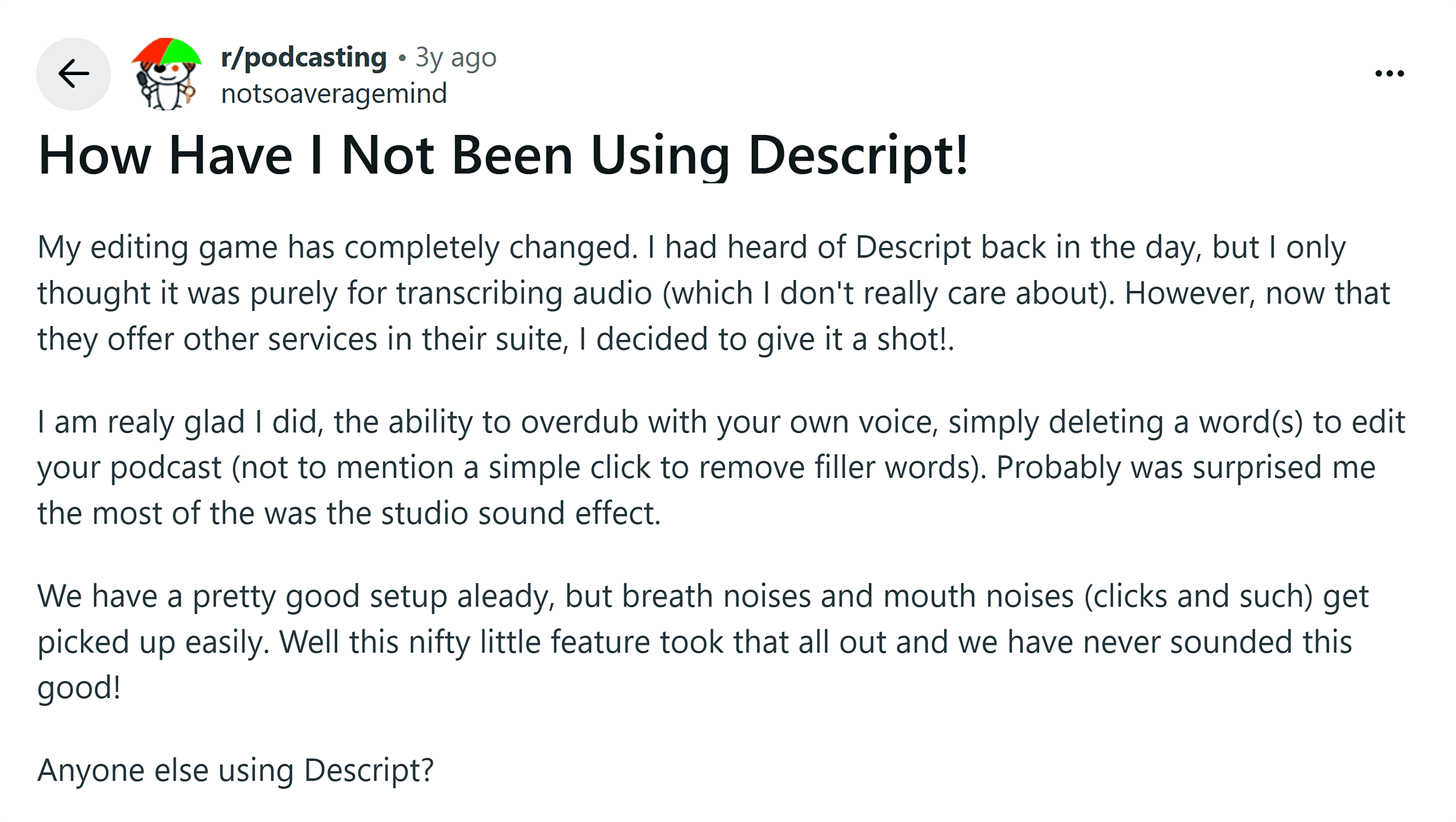
Finally, specificity determines the depth of the signal passed to search and AI systems. Vague or generic references offer minimal algorithmic value. Conversely, a brand mention that highlights specific product features, use cases, price points, and comparative advantages gives crawlers rich semantic data. When a community forum post details why a specific video editing suite excels at automated transcript cleanup and multi-track audio mixing, it provides AI systems with the exact contextual language they require to accurately recommend that tool to future users.
Four Strategic Frameworks for Earning Brand Mentions
Given the compounding value of external brand references, digital marketing and public relations teams must deploy proactive strategies to earn consistent, high-value mentions. Industry leaders generally rely on four primary tactics.
- Developing Data-Driven, Citable Assets
Original industry research remains one of the most reliable methods for securing passive, long-term brand mentions. When an organization fields proprietary surveys, analyzes proprietary data sets, or publishes comprehensive industry reports that answer unresolved questions, it creates an indispensable asset for the entire sector.
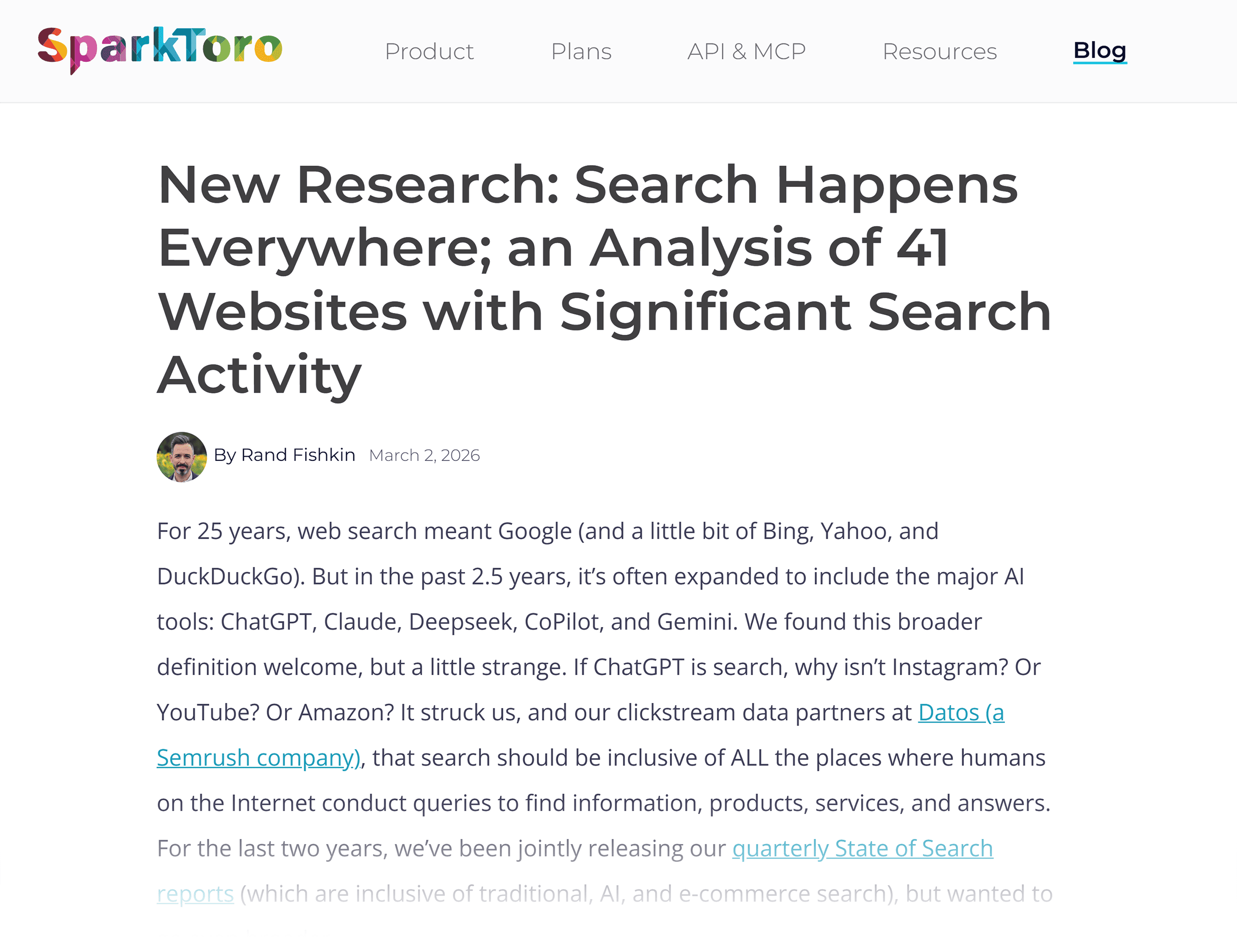
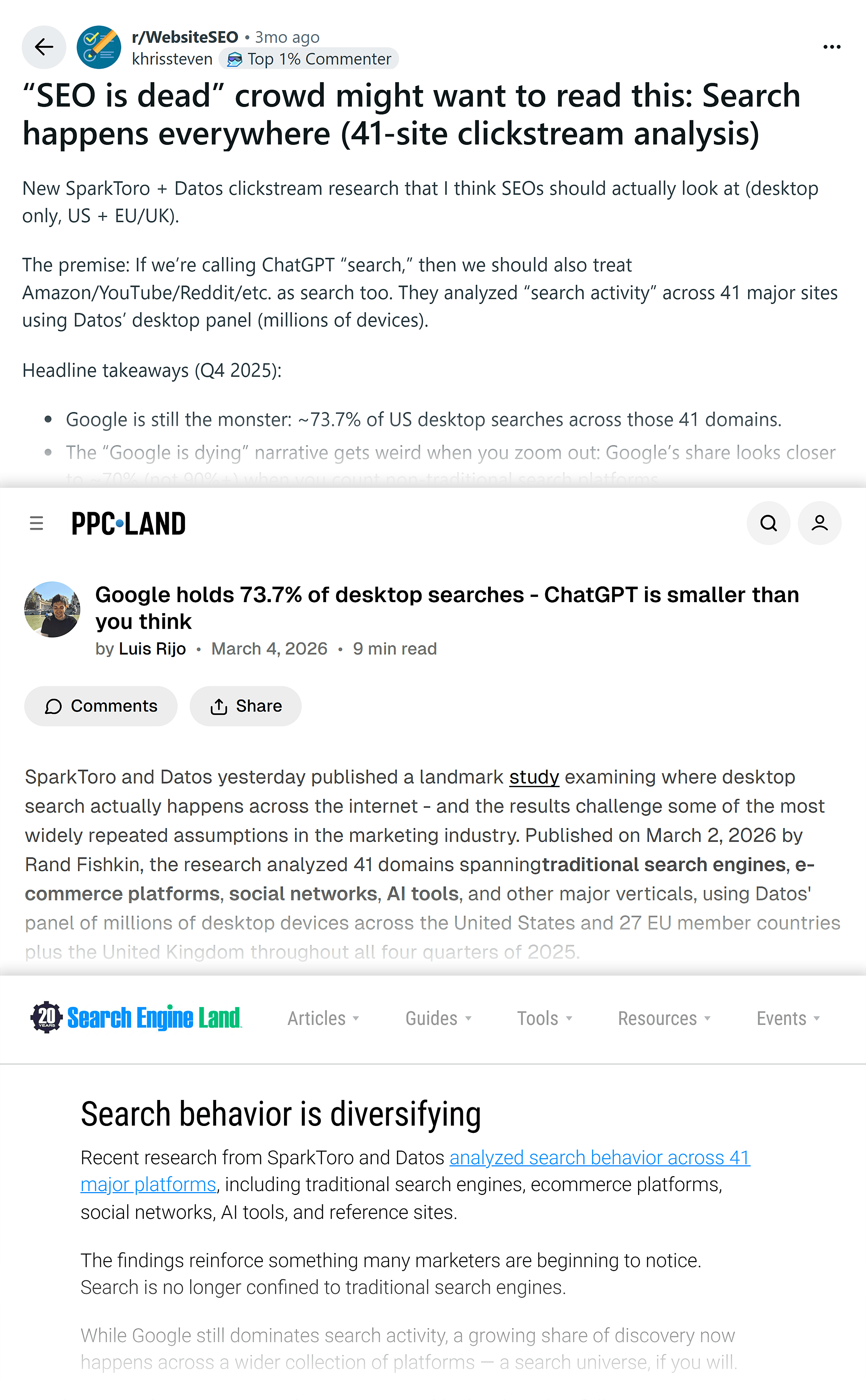
A notable case study involves collaborative research conducted by SparkToro and Datos, which analyzed market-wide search behavior to answer a hotly debated industry question: what proportion of internet searches occurs on Google versus alternative platforms such as ChatGPT and social media networks. By revealing counterintuitive data—specifically, that Google retained nearly 74% of search volume while generative AI platforms held minor fractional shares—the study provided necessary evidence for industry analysts, journalists, and bloggers. Consequently, hundreds of independent publications, news outlets, and community forums cited the data, generating a massive influx of authoritative brand mentions for SparkToro long after the initial publication date.
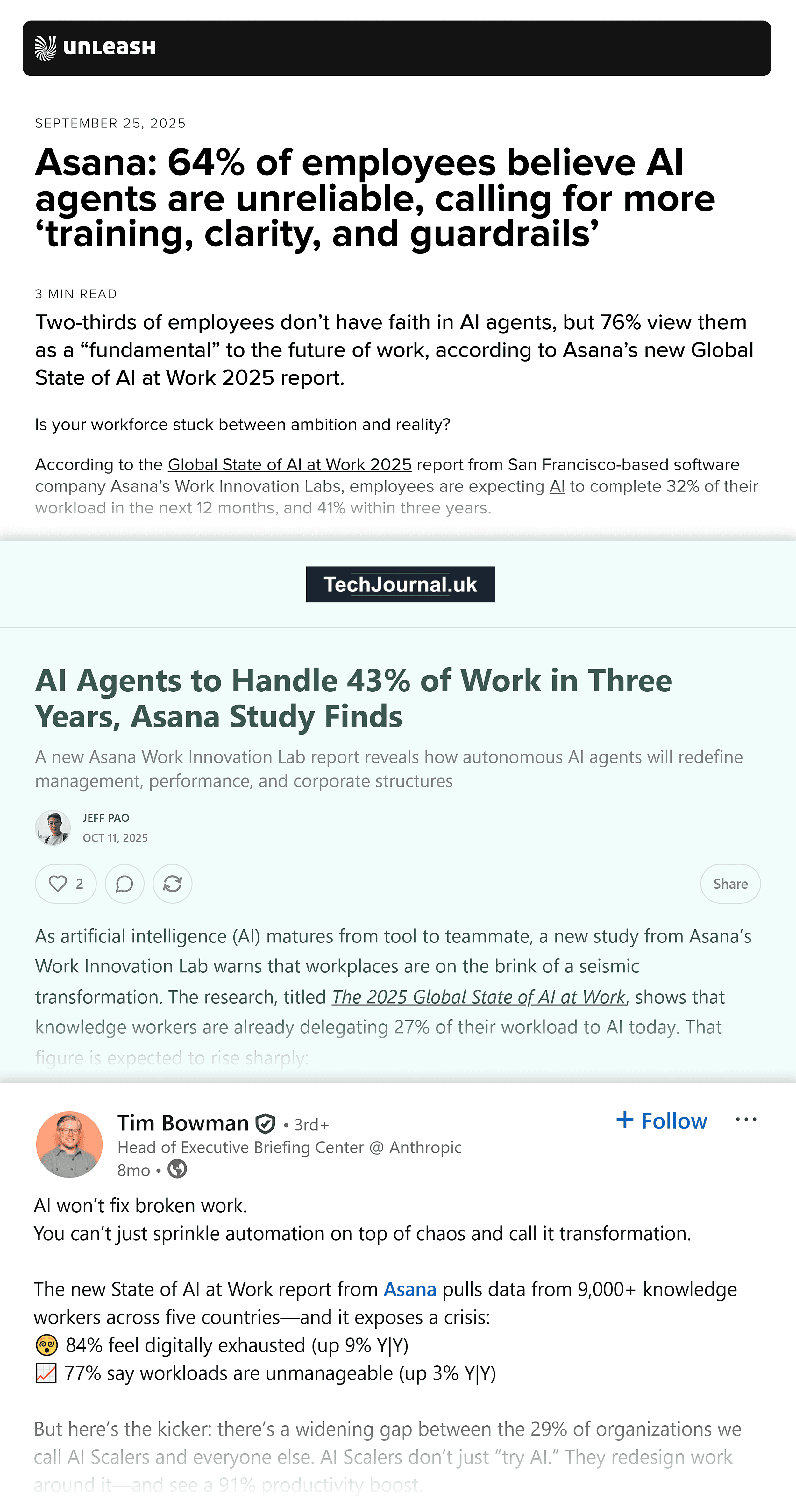
To replicate this success, organizations must monitor industry forums, sales calls, and community threads to identify persistent questions that lack empirical data. Once identified, brands can execute quantitative surveys, consumer behavior studies, or data-scraping initiatives to generate definitive answers. Crucially, the resulting asset must be structured for effortless citation, featuring clear executive summaries, downloadable data tables, and easily quotable statistics, mirroring the highly successful research packages deployed by enterprise software leaders like Asana.
- Cultivating Strategic Co-Branded Partnerships
Collaborative marketing campaigns between complementary non-competing brands offer a powerful mechanism for mutual brand amplification. When two organizations unite to produce a shared asset, event, or product, every piece of promotional content, social media post, and media review references both entities within the exact same context.
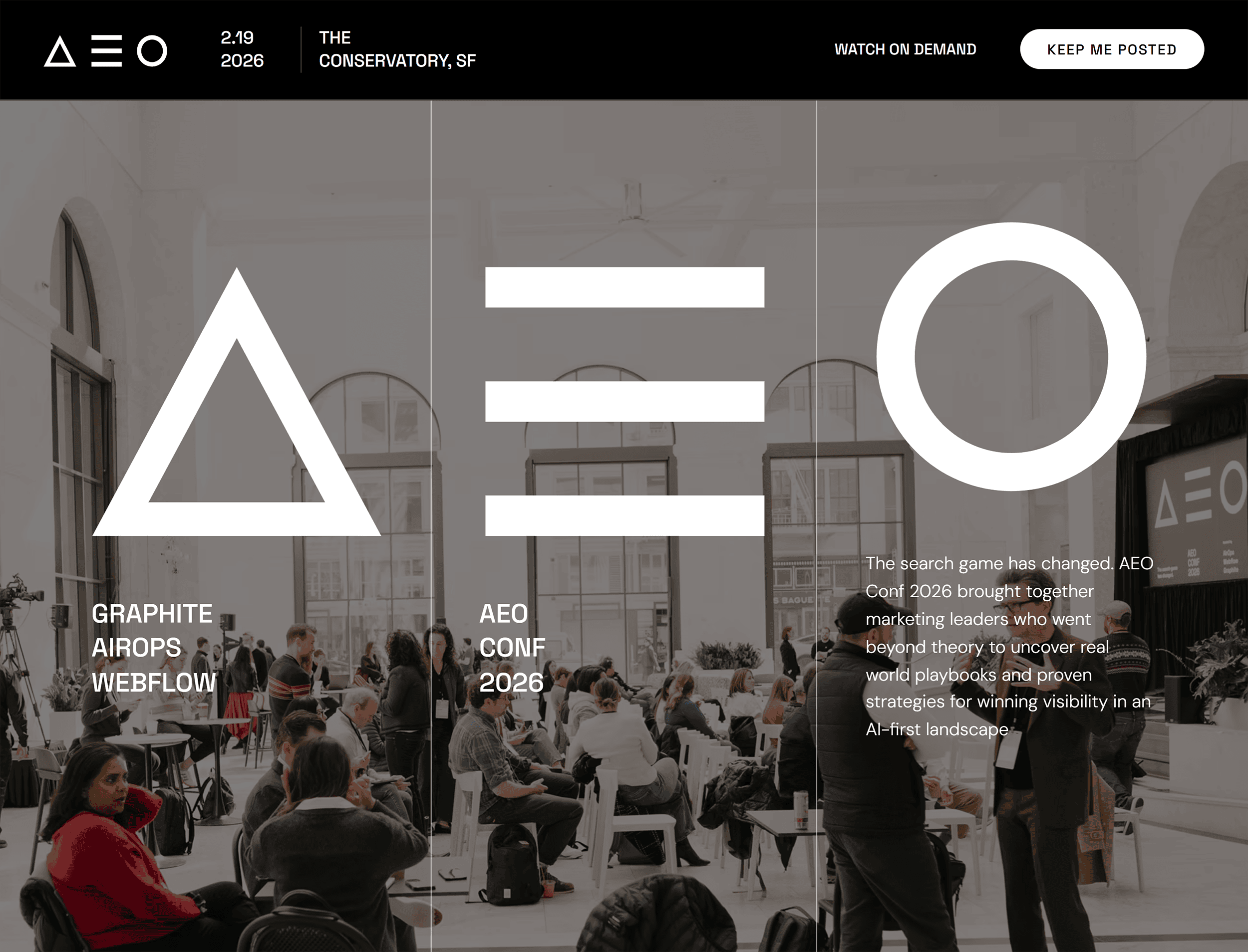
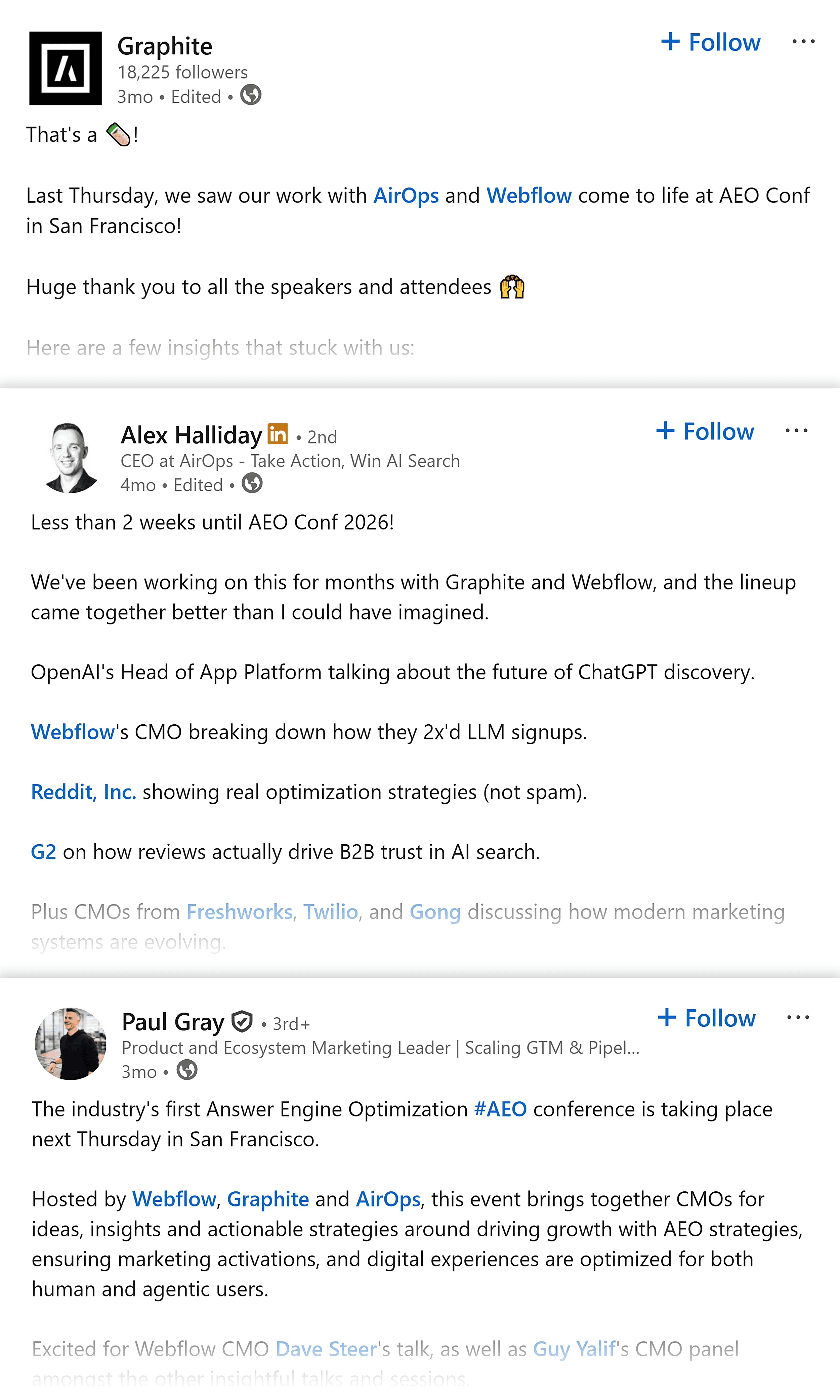
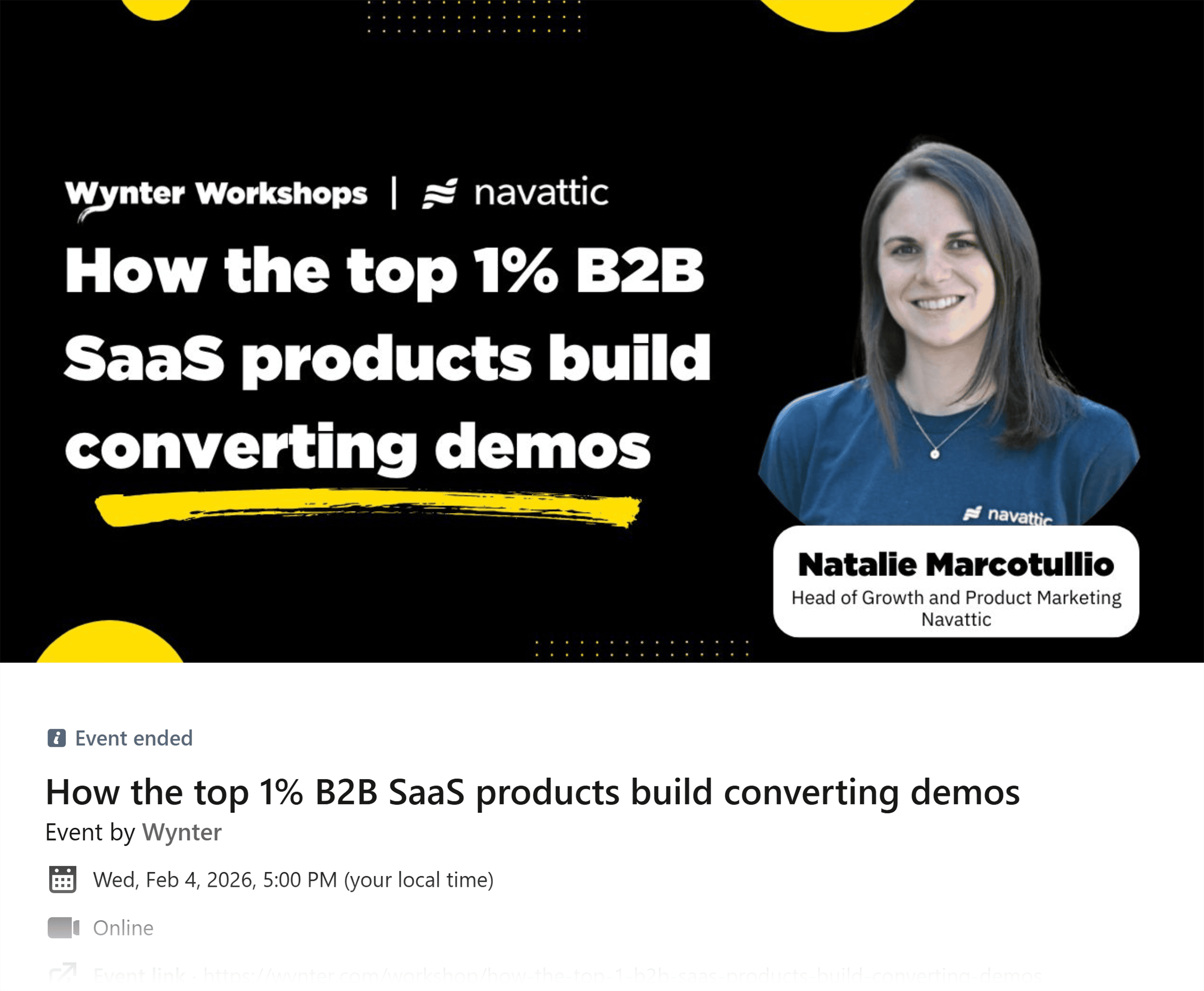
The approach was prominently demonstrated by the organizers of the AEO (AI Engine Optimization) Conference, which brought together prominent tech platforms Graphite, AirOps, and Webflow. By co-hosting the event, the three brands successfully pooled their distinct audiences, exposing their respective customer bases to allied technologies. In the weeks preceding and following the conference, speaker announcements, panel discussions, and attendee event recaps consistently mentioned all three brands side-by-side.
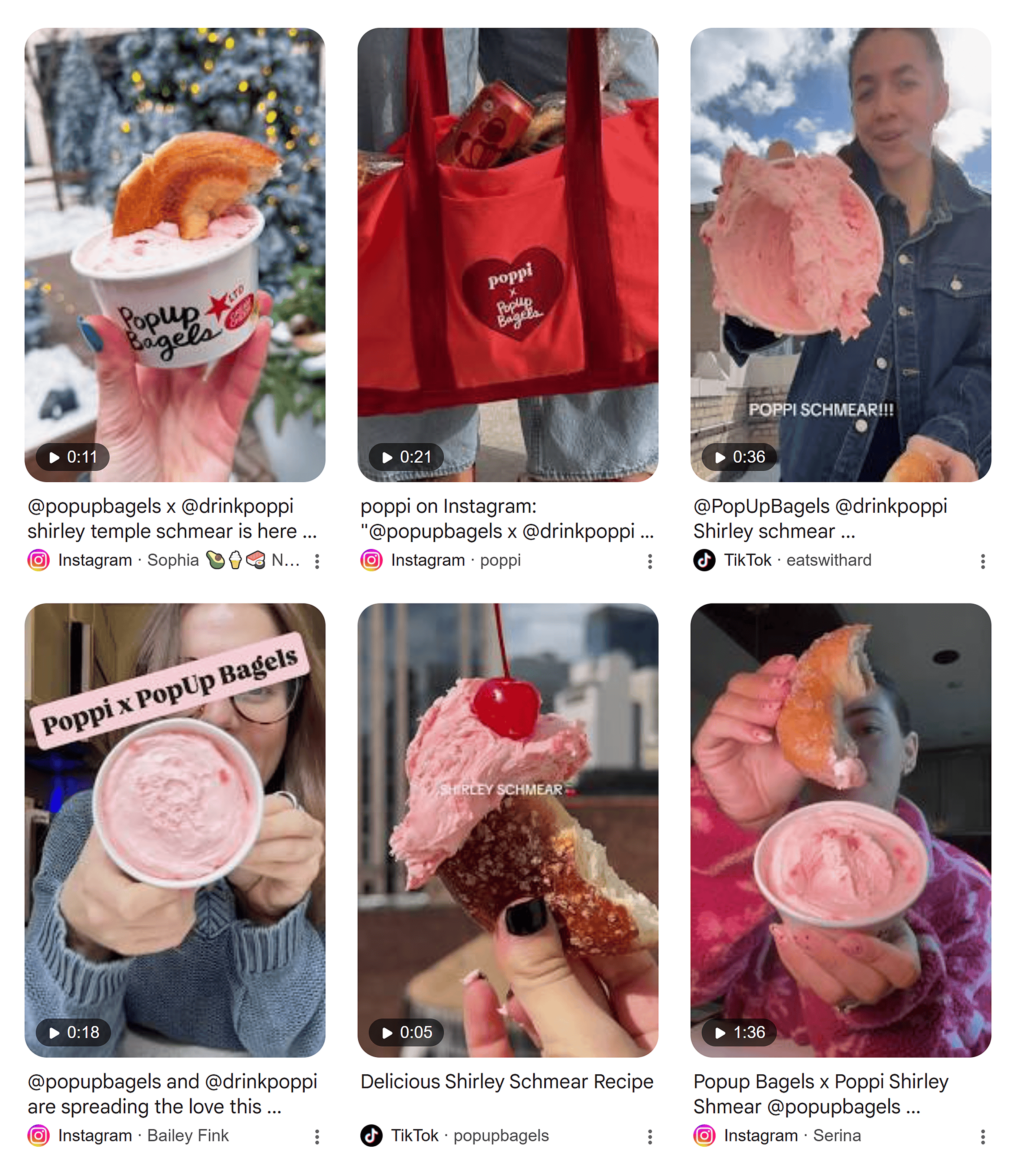
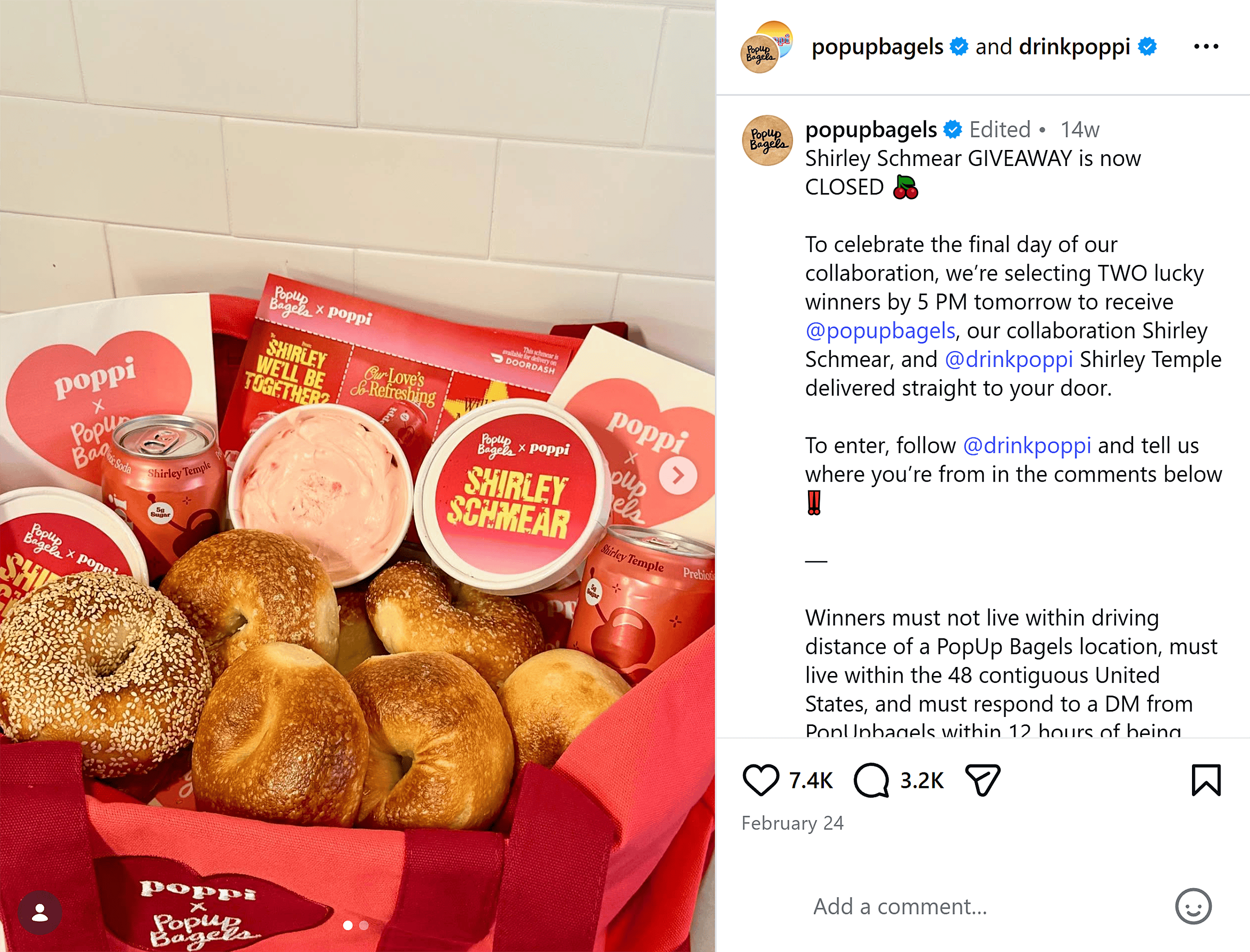
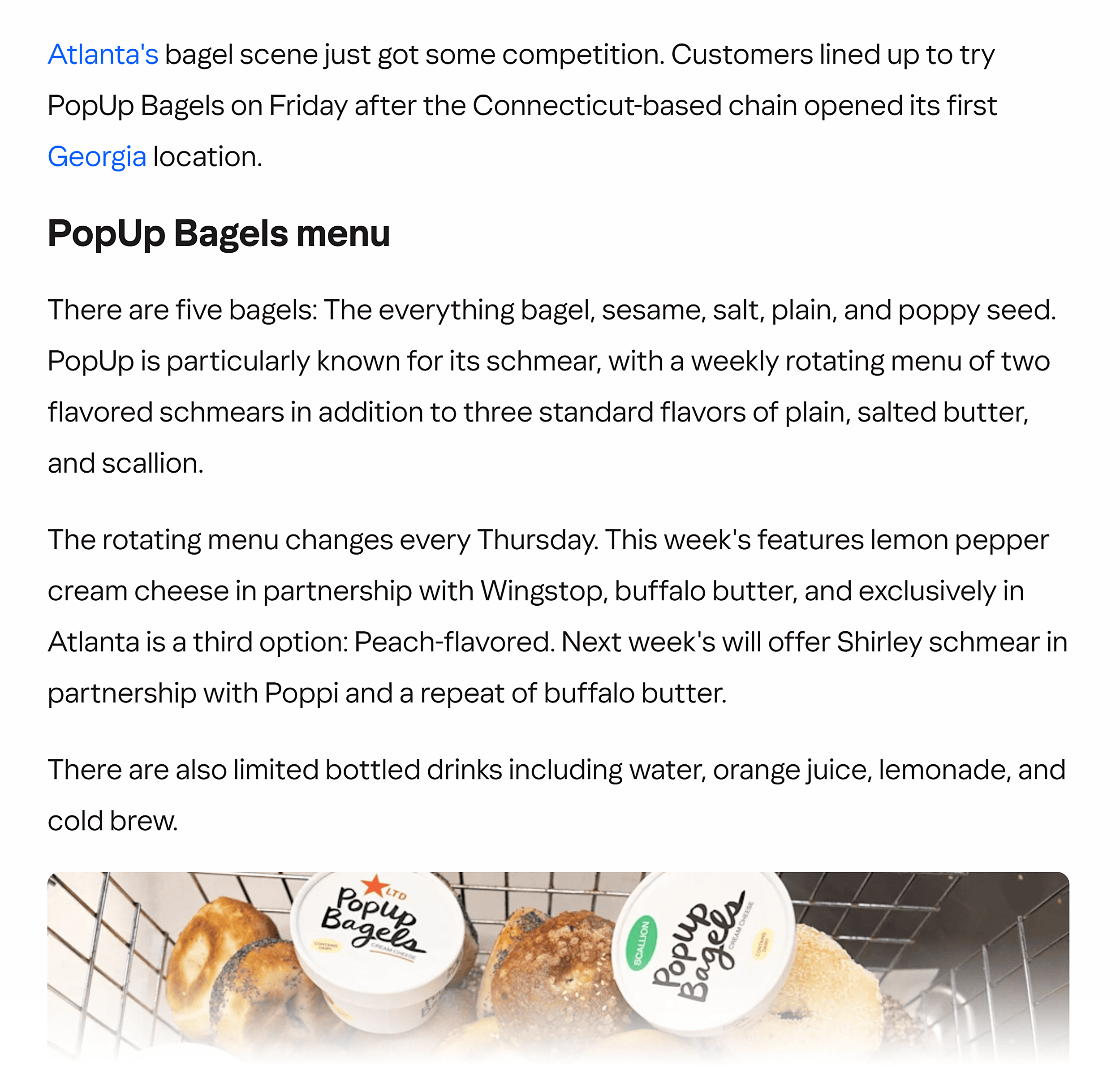
This sustained, multi-channel association triggers a powerful algorithmic phenomenon known in information retrieval as co-occurrence. When independent web sources repeatedly pair two or more brands together in identical topical discussions, AI large language models learn to associate those brands as peer authorities within the same niche. Organizations can harness this tactic through joint product collaborations, co-branded research reports, or strategic cross-industry PR initiatives—much like the high-profile partnership between functional beverage brand Poppi and artisanal bakery PopUp Bagels, which generated widespread mainstream media coverage and social media tagging.
- Elevating External Experts and Influencers Within Content
A sophisticated yet frequently overlooked strategy for earning brand mentions involves spotlighting external experts, thought leaders, and allied brands within proprietary company content. When an organization builds a resource that prominently features an industry luminary’s insights, proprietary frameworks, or direct quotes, that expert has a vested professional interest in sharing the content with their own extensive networks.
Social media management platform Slate executed this strategy effectively by featuring prominent digital marketing figures, such as Zaria Parvez, across webinars, interviews, and educational resources. Because the content was built around the expert’s personal brand and professional insights, the contributors readily shared the assets across their personal LinkedIn profiles, exposing Slate to tens of thousands of highly targeted practitioners.
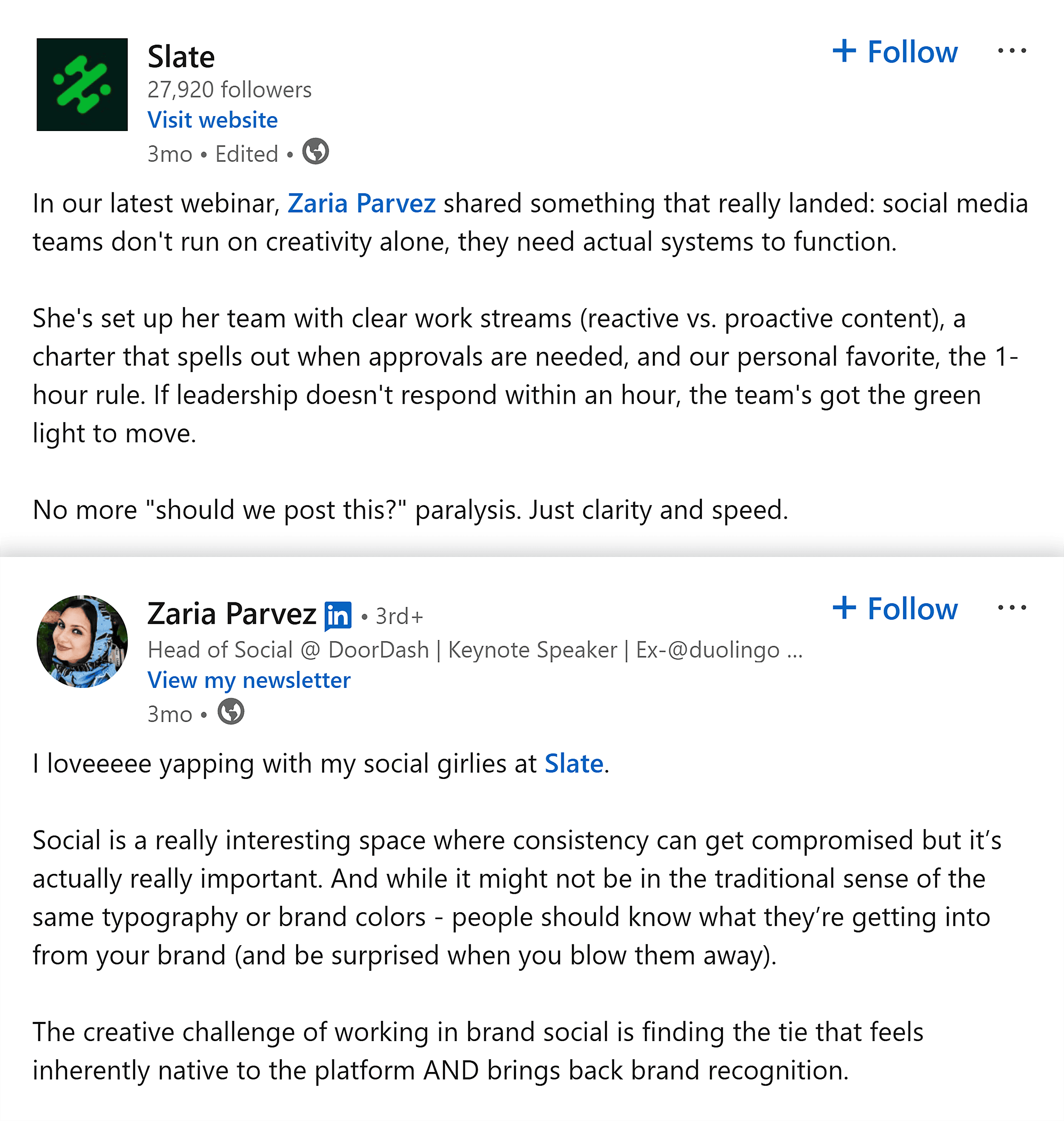
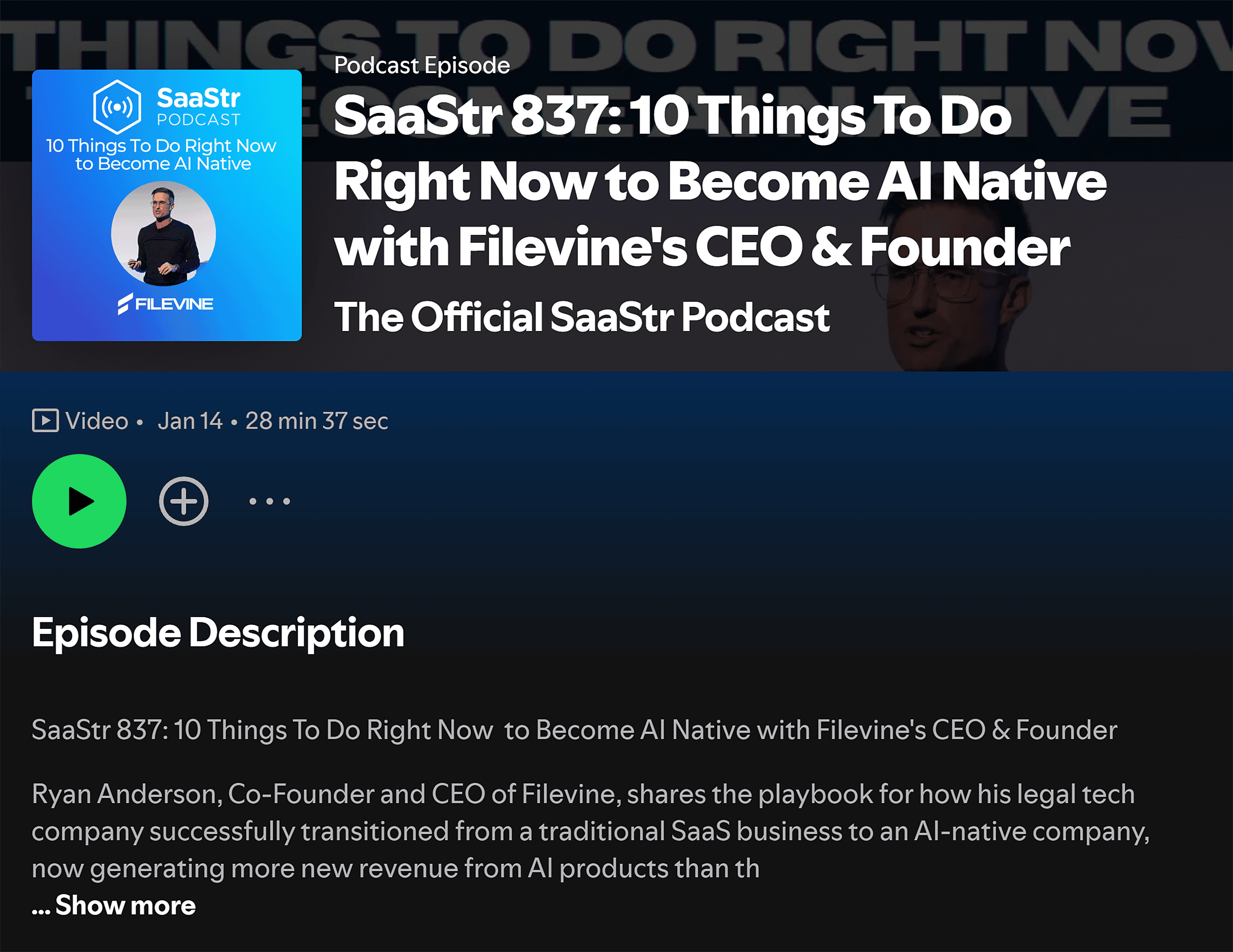
To maximize this approach, brands should move beyond superficial expert roundups and invest in structured formats such as comprehensive benchmark reports featuring practitioner commentary, deep-dive interview series, or co-produced podcast episodes. By structuring content titles and promotional highlights around the featured guest’s specific expertise, brands naturally inspire organic amplification and grateful brand mentions across external professional channels.
- Executing Digital PR and Subject Matter Expertise Placement
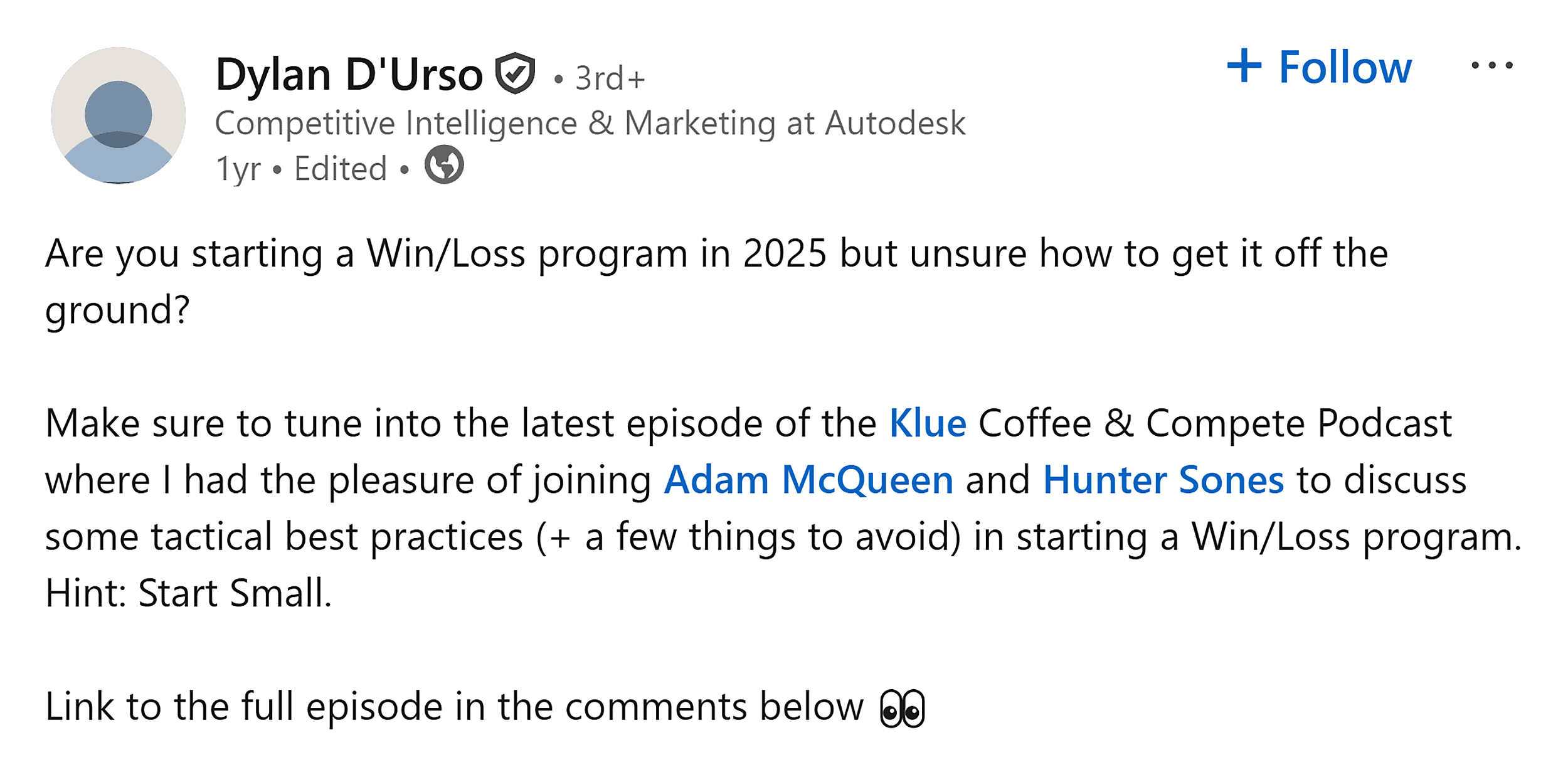
Proactive digital public relations—specifically securing executive speaking engagements, podcast interviews, and editorial contributions on reputable industry platforms—remains a cornerstone of authority building. When an executive or subject matter expert shares proprietary frameworks on established external media outlets, the resulting brand mentions inherit the institutional credibility of the hosting platform.
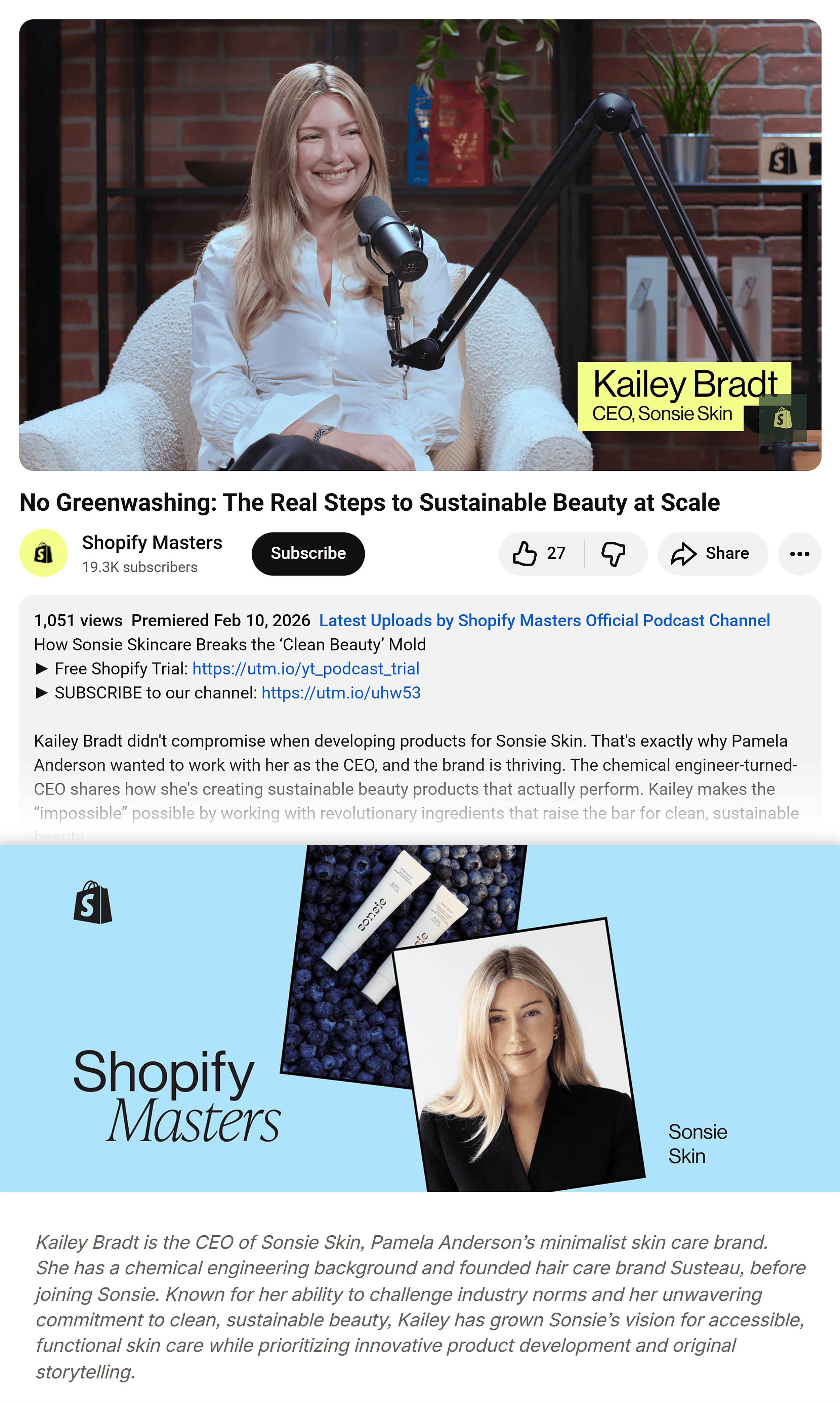
For example, when Kailey Bradt, CEO of Sonsie Skin, appeared as a featured guest on the Shopify Masters podcast, the interview was syndicated across multiple high-authority channels, including the official Shopify blog, YouTube video descriptions, and structured podcast directories. These placements provided search engines and AI crawlers with rich, verifiable context regarding the brand’s leadership, mission, and product offerings.
When pitching media outlets or podcast producers, organizations must prioritize value-driven contributions over self-promotional pitches. Rather than pitching a company product, executives should offer actionable playbooks, proprietary leadership lessons, or data-backed market analysis tailored to the host’s specific audience. Furthermore, brands should target not only top-tier mainstream publications but also niche, highly engaged community-specific outlets where target demographics actively seek professional guidance.

Tracking, Measurement, and Executive Reporting
To justify ongoing investments in brand mention acquisition, marketing leaders must establish a rigorous tracking and attribution framework. Because brand mentions span traditional web pages, social platforms, and opaque AI dialogue engines, measurement requires a multi-layered tool stack.
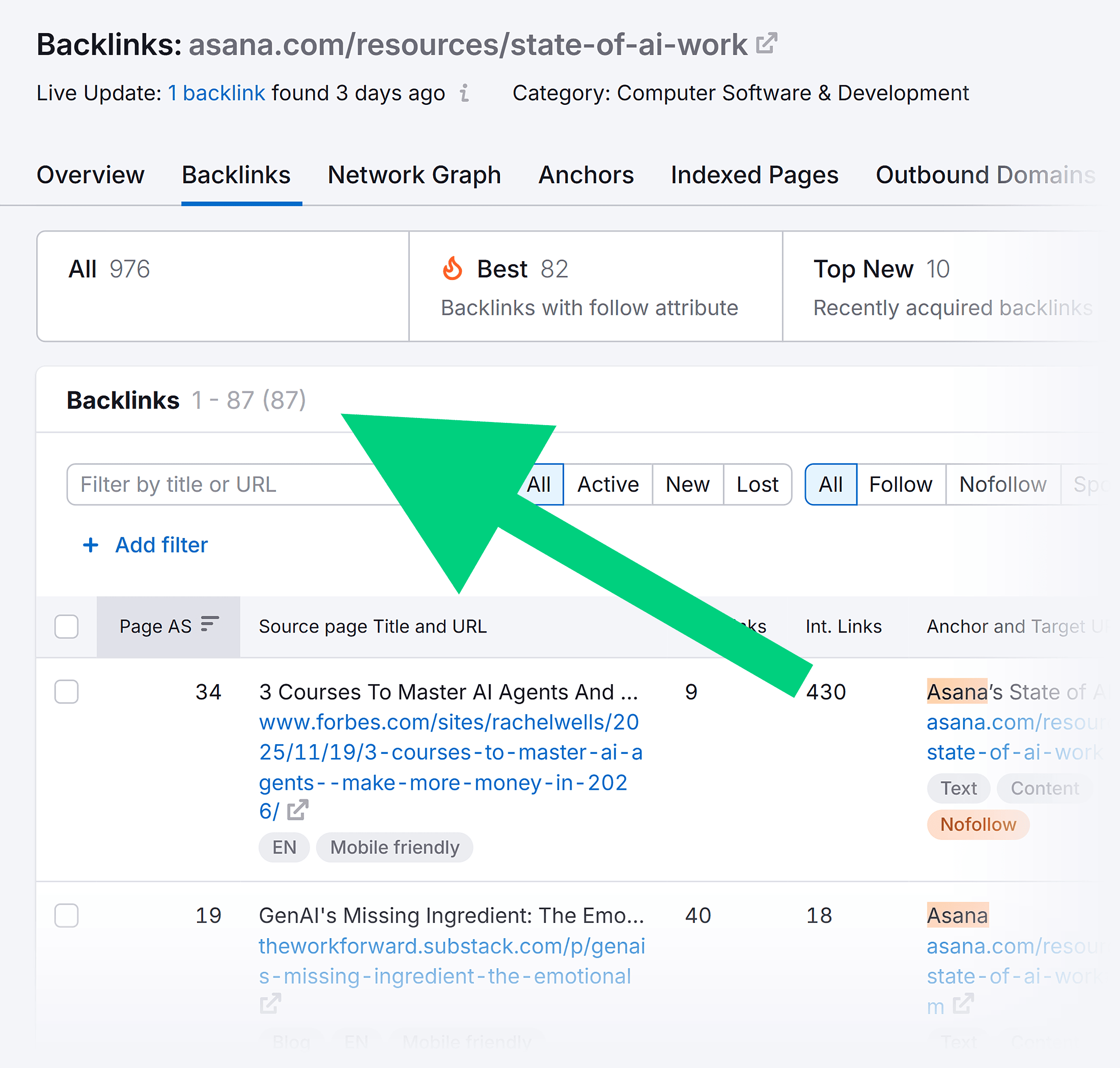
The foundational layer involves automated monitoring utilities such as Google Alerts, paired with weekly manual searches across industry news aggregators and social channels to capture unlinked or localized mentions. For comprehensive digital listening, specialized social intelligence platforms like the Semrush Brand Monitoring app, Brandwatch, or Mention offer advanced sentiment analysis, tracking whether online conversations regarding the brand lean positive, neutral, or negative. Finally, backlink analysis tools allow SEO professionals to filter incoming hyperlinks by brand-name anchor text, identifying precise web pages that credit the brand.
When reporting these findings to corporate leadership, marketing executives must shift the narrative away from vanity metrics toward strategic impact. Rather than merely presenting raw numerical increases in mention volume, reports should synthesize qualitative insights: detailing the authority of the publishing domains, the prevailing sentiment of the coverage, and any direct correlations between PR campaigns and shifts in organic visibility or AI recommendation frequency.
By framing brand mentions as foundational pillars of modern search engine optimization and artificial intelligence positioning, organizations can build resilient digital footprints that ensure long-term visibility in an increasingly algorithm-driven marketplace.