The Resurrection of the Scarlet Witch in VisionQuest and the Eroding Stakes of the Marvel Cinematic Universe

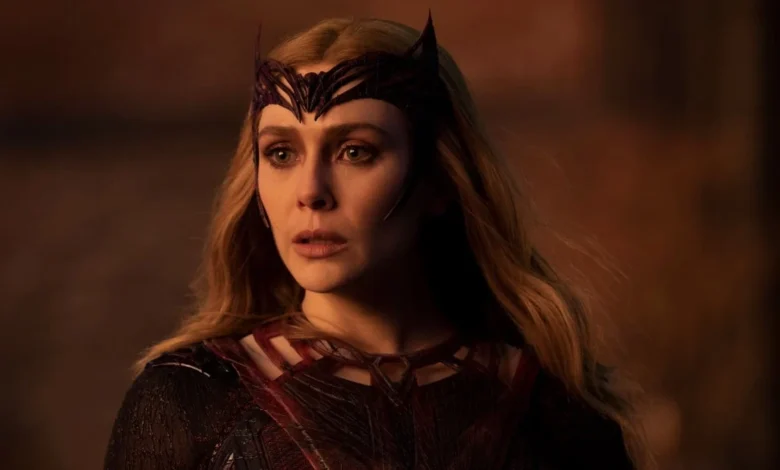
The conclusion of the Disney+ series VisionQuest delivered several narrative milestones for the Marvel Cinematic Universe, yet none generated as much industry discussion as a brief sequence during its closing credits. While the series finale featured the anticipated reunion of twins Tommy and Billy Maximoff, portrayed by Ruaridh Mollica and Joe Locke respectively, and a poignant dialogue regarding grief between Vision, played by Paul Bettany, and Ultron, portrayed by James Spader, the focal point of audience discourse centers on a post-credits development. In the second of VisionQuest’s mid-credits sequences, Wanda Maximoff, also known as the Scarlet Witch and portrayed by Elizabeth Olsen, is resurrected by Dr. Doom, a role assumed by Robert Downey Jr.
This unexpected resurrection introduces complex implications for the broader narrative arc of the franchise, particularly heading into the theatrical release of Avengers: Doomsday. As one of the most formidable entities within the MCU, Wanda’
s return—and her apparent positioning under the influence of Dr. Doom—poses an existential threat to Earth’s mightiest heroes. However, this plot development has also intensified ongoing critiques from critics and dedicated viewers alike concerning narrative permanence, the proliferation of required viewing material, and the long-term impact of character deaths within modern blockbuster franchises.
Chronology of Character Arc and the MCU Death Revolving Door
To understand the weight of Wanda Maximoff’s return, it is necessary to examine the trajectory of her character arc within the MCU timeline. Introduced properly in Avengers: Age of Ultron in 2015, Wanda evolved from a reluctant antagonist into a core Avenger, culminating in her Emmy-nominated, critically lauded performance in the 2021 Disney+ limited series WandaVision. That series explored profound themes of trauma and grief, setting the stage for her descent into villainy in the 2022 feature film Doctor Strange in the Multiverse of Madness. The film concluded with Wanda seemingly sacrificing herself by bringing down the temple at Mount Wundagore to destroy the Darkhold across all realities.
Her apparent demise followed a well-trodden path in contemporary superhero cinema where definitive ends are frequently temporary. The MCU has established a recurring pattern of utilizing multiversal mechanics, time travel, and mystical resurrections to bring back characters whose departures were initially framed as permanent. Following the sweeping narrative consequences of Avengers: Infinity War in 2018 and Avengers: Endgame in 2019, the franchise has consistently walked back high-stakes demises.
Notable examples include Loki, whose original death in Infinity War was circumvented via alternate timeline variants that launched his own acclaimed television series, and Gamora, who was similarly restored to life through temporal displacement. Vision himself has undergone multiple iterations, deaths, and reconstructions, leading directly to the events of VisionQuest. Furthermore, upcoming crossover events such as Avengers: Doomsday are slated to feature the return of actors and characters previously afforded definitive conclusions, such as Chris Evans returning as Steve Rogers alongside Robert Downey Jr. stepping into the mantle of Dr. Doom.
Analysis of Narrative Stakes and Audience Fatigue
The persistent reversal of major character deaths has introduced a structural challenge for the storytelling framework of the MCU. Industry analysts and long-term observers frequently point out that the absence of permanent consequences diminishes dramatic tension. When narrative stakes are consistently neutralized, the emotional weight of a character’s sacrifice or tragic downfall is retroactively compromised.
A primary focal point for this criticism remains the climax of Avengers: Endgame. Tony Stark’s sacrifice to reverse the Thanos snap—colloquially known as the "blip"—represented the emotional zenith of the Infinity Saga. The narrative logic of that moment relied entirely on the premise that undoing such monumental devastation required an equally monumental price: the life of a founding hero. By establishing a precedent where resurrection can be achieved through mystical intervention, timeline manipulation, or villainous utility—typified by Dr. Doom’s sudden revival of Wanda Maximoff—the foundational cost of past victories risks being undermined.
This erosion of stakes extends beyond individual character arcs to affect audience engagement. As the cinematic universe expands through simultaneous film and television releases, the expectation that major narrative shifts can occur in ancillary streaming content or post-credits tags contributes to franchise fatigue.
The Homework Problem: Accessibility and Franchise Complexity
The structural shift from a strictly theatrical release model to a hybridized platform featuring streaming television series has amplified what industry commentators term the "homework problem." Since the conclusion of Phase Three, keeping pace with the overarching narrative of the MCU requires consumers to maintain continuous engagement across multiple formats, spanning both feature films and episodic television.
VisionQuest serves as a prime example of this barrier to entry. To fully comprehend the narrative context of the series, viewers are expected to possess a comprehensive understanding of foundational films such as Avengers: Age of Ultron, alongside television events depicted in WandaVision and Agatha All Along. The inclusion of Wanda’s resurrection within a mid-credits sequence further exacerbates this issue. Rather than integrating a pivotal character return into the primary narrative framework where it could be thoroughly explored and developed, the moment functions as a teaser for a future crossover event.
This approach creates a dichotomy in the viewing experience. For dedicated enthusiasts who follow every installment, the scene offers a tantalizing hint at the conflicts driving Avengers: Doomsday. Conversely, for casual audiences who may watch theatrical releases without tracking every streaming spinoff, major plot developments risk landing with confusion or indifference. Between Wanda’s departure in Doctor Strange in the Multiverse of Madness and her re-emergence in VisionQuest, the span of years and intervening releases compounds the difficulty of maintaining a cohesive emotional connection to her journey.
Broader Implications for Phase Five and Beyond
As Marvel Studios navigates its current developmental phase, the handling of legacy characters like the Scarlet Witch highlights the delicate balance between fan service and narrative integrity. Bringing back beloved figures guarantees immediate engagement and feeds into the spectacle-driven model of massive crossover events. However, it simultaneously tests the patience of an audience that has invested over a decade into emotional arcs that are routinely rewritten.
The ultimate test for these creative choices will arrive when Avengers: Doomsday premieres on December 18. The film will bear the burden of explaining how Dr. Doom successfully resurrected Wanda Maximoff, what motivations drive her current allegiance, and whether her renewed presence in the universe carries genuine narrative weight or functions merely as another chess piece in a crowded multiversal board.
Until those questions are answered on screen, the return of the Scarlet Witch remains a double-edged sword for the franchise: an exciting prospect for fans of the character’s immense power scale, yet a stark reminder of the challenges facing a cinematic universe struggling to maintain meaningful stakes in an era of infinite returns. VisionQuest is currently available for streaming on Disney+, setting the table for a theatrical landscape that will soon determine whether these resurrected storylines can justify their own undoing.