Navigating the Consumer Paradox: Why Originality and Cultural Relevance Will Define Brand Social Media Strategies Through 2026

The modern digital landscape presents corporate marketing teams with a profound strategic paradox. Throughout 2026, empirical data gathered by enterprise social media management leader Sprout Social has illuminated a distinct fracture in consumer sentiment: while audiences are actively pushing back against the rising tide of automated, low-effort digital media, they simultaneously demand that corporate brands remain intimately connected to fast-moving online cultures and trends. Resolving this tension has emerged as the defining operational hurdle for social media strategists operating in an increasingly saturated attention economy.
Main Facts and the Core Consumer Dichotomy
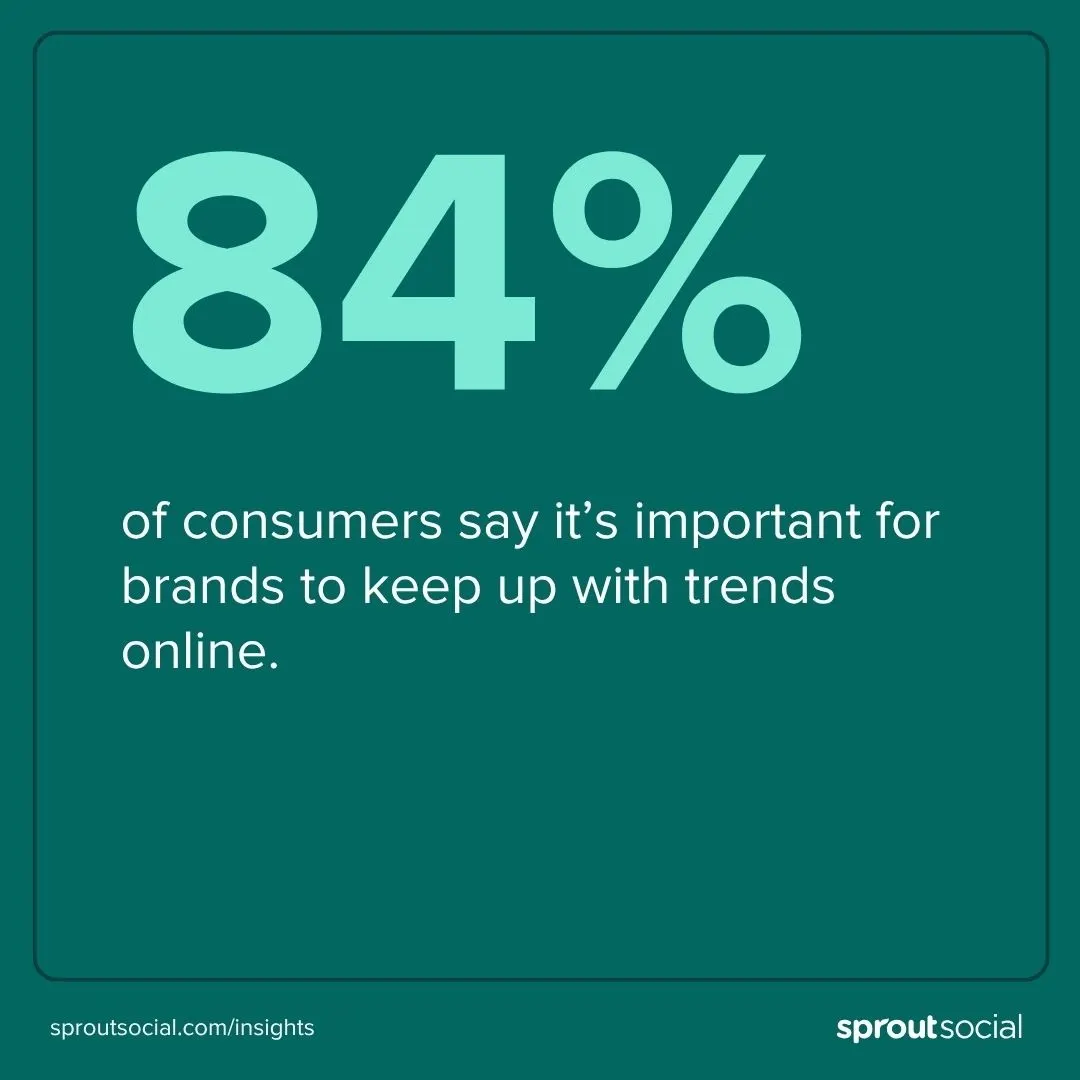
At the center of this dynamic are two seemingly contradictory consumer expectations. According to findings from the Q3 2026 Sprout Social Pulse Survey, roughly 33% of surveyed consumers identify the originality of a brand’s content as the primary differentiator that elevates a company to "favorite" status on social networks. This metric ranks second only to the fundamental quality of the brand’s physical products or services. Yet, the very same survey data reveals an overwhelming 84% majority who assert that it is critically important for brands to actively keep pace with internet culture and contemporary online trends.

Reconciling these two directives is no simple task. Traditional digital marketing has often treated trend-following and content originality as mutually exclusive philosophies. Leaning entirely into viral memes frequently strips a brand of its unique voice, reducing its output to homogenized noise. Conversely, total insularity risks alienating audiences who view social media as a dynamic, real-time cultural town square. Industry analysts note that brands failing to strike a balance between these two pillars risk losing both discoverability and consumer trust.
Chronology and Background of the 2026 AI Fatigue Era
The urgency surrounding original content is not arbitrary; it is the culmination of a multi-year technological shift. The widespread commercial adoption of generative artificial intelligence tools between 2023 and 2025 initially promised unprecedented efficiency for social media managers. However, by early 2026, this efficiency precipitated a massive oversupply of automated content, commonly referred to as "AI slop."
Data from the Q1 2026 Sprout Pulse Survey indicated that 56% of consumers encountered AI-generated slop on social media frequently or very frequently, with a staggering 83% observing it at least occasionally. As bot-driven internet traffic eventually eclipsed human-driven web activity, academic and industry circles began seriously discussing variations of the "Dead Internet Theory." For social media users, the saturation of automated thought-leadership posts, repetitive visual aesthetics, and robotic comment sections triggered widespread consumer fatigue.
The backlash was swift and measurable. Sprout Social data revealed that 50% of Generation Z and 44% of Millennial consumers had actively unfollowed, muted, or blocked brands and creators whose output was perceived as low-quality automated filler. This profound cultural fatigue led Sprout Social to crown the word "lore" as its 2026 Word of the Year, explicitly rejecting negative terminology like "slop" in favor of concepts that embody depth, serialized storytelling, and long-term narrative authenticity.
Supporting Data and the Shift in Algorithm Mechanics
Beyond consumer psychology, changes to platform architectures have fundamentally altered how content is discovered. Traditional chronological feeds have largely been replaced by algorithmic recommendation engines heavily influenced by direct user interactions, most notably private messaging.
Industry experts, including digital strategist Lia Haberman, have pointed out that direct messages (DMs) have superseded public feeds, stories, and broadcast channels as the primary vector for content sharing on major platforms like Instagram. When users encounter content that genuinely moves, educates, or entertains them, they utilize DMs to share it within their trusted micro-communities. In this new paradigm, "shares" function as the modern equivalent of word-of-mouth endorsement. Original content that sparks genuine emotional resonance becomes the primary engine for organic discoverability, bypassing the limitations of static follower counts.
Furthermore, original content serves a vital risk-management function. Brand safety has become a paramount concern for corporate legal and marketing departments. Chasing viral moments—such as major pop-culture weddings, high-profile athletic achievements, or blockbuster media releases—frequently exposes companies to severe copyright infringement liabilities, intellectual property disputes, and complex music licensing hurdles. Original content, by contrast, relies on internal assets, company personnel, and proprietary narratives, effectively insulating brands from the legal pitfalls associated with trendjacking.
Official Responses and Industry Case Studies
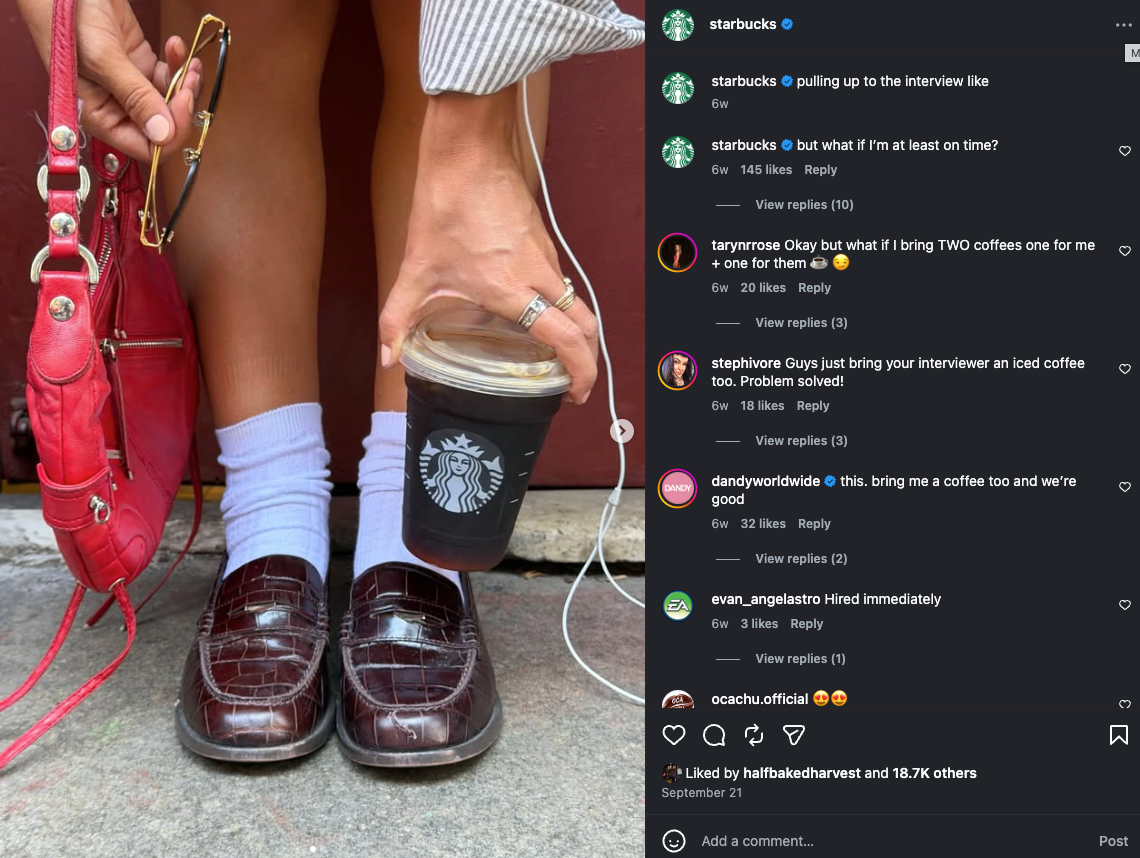
In response to these shifting tides, leading brands across diverse sectors have begun restructuring their digital strategies away from reactive trend-chasing and toward deliberate, human-led narrative frameworks.
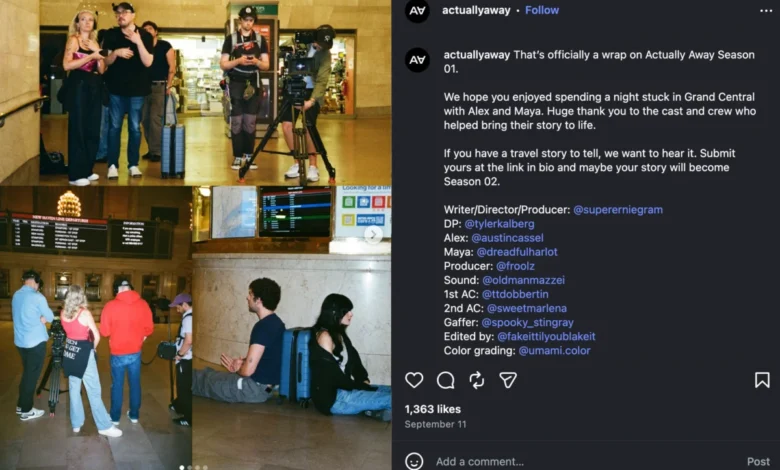
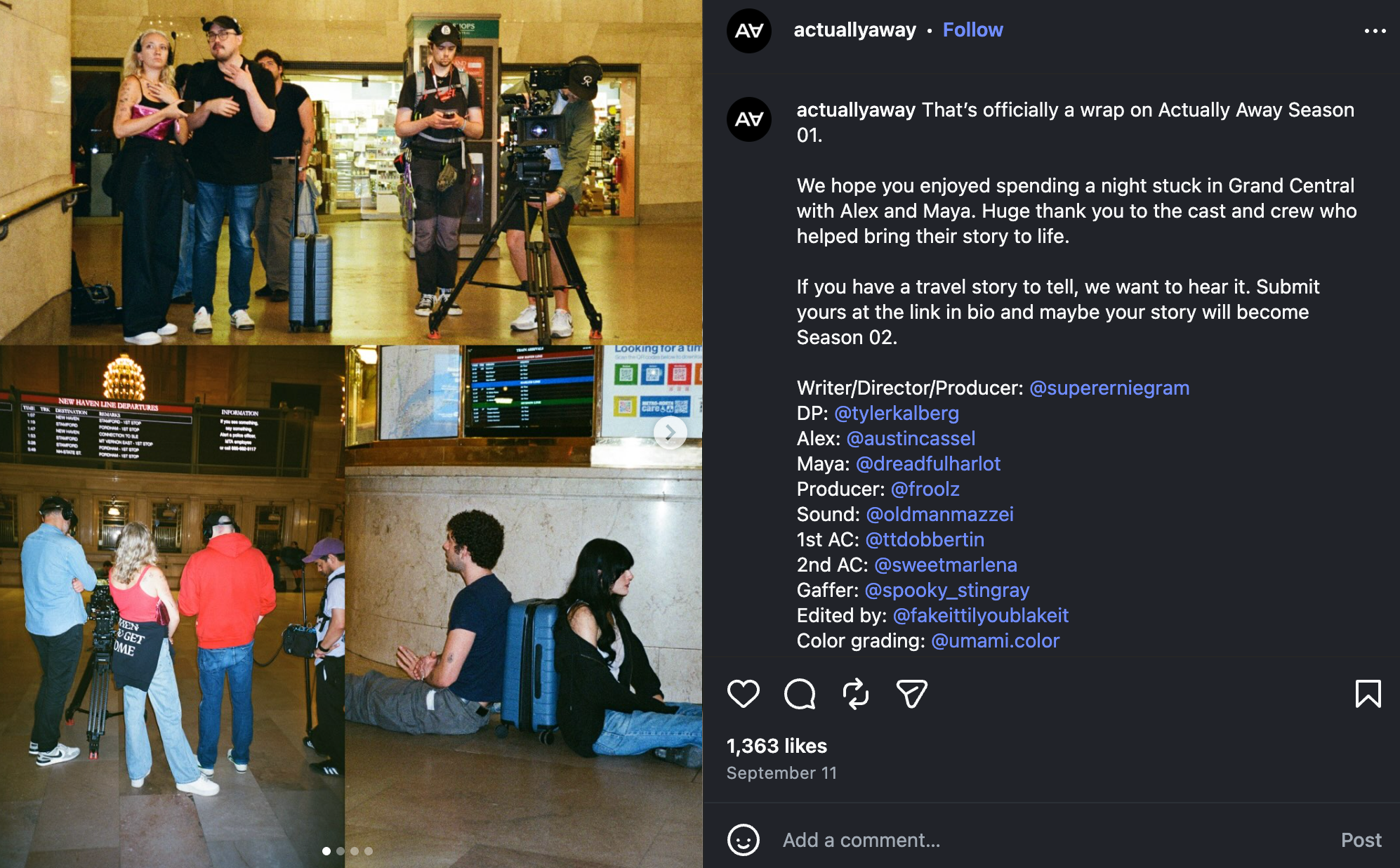
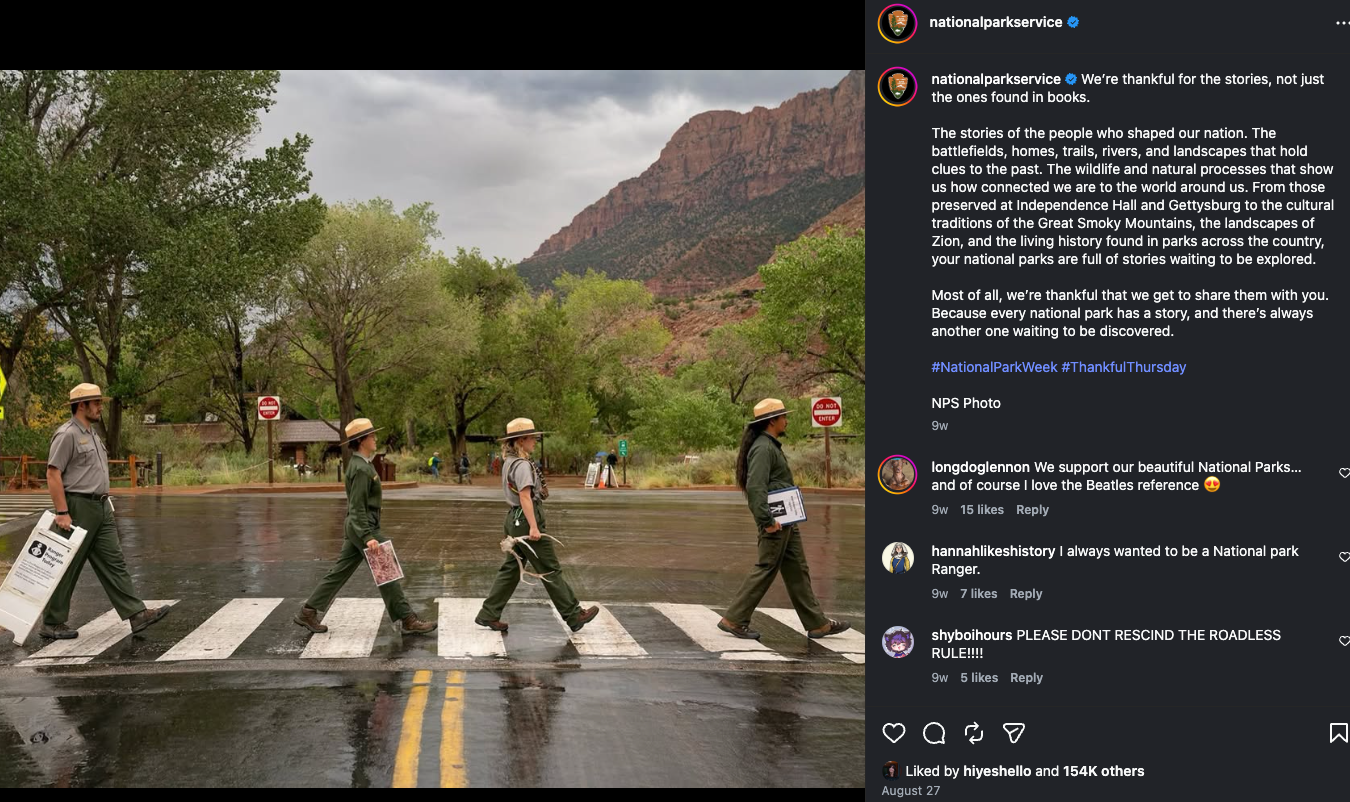
Organizations like the U.S. National Parks Service have garnered widespread acclaim by leveraging rich, historically grounded storytelling about wildlife, park rangers, and geological landmarks, proving that institutional accounts can maintain high engagement without chasing fleeting internet jokes. Similarly, corporate entities like Away luggage have found success with episodic micro-dramas inspired by real-world romantic encounters in transit hubs, while direct-to-consumer brands like immi Ramen utilize earnest, human-centered interview series embedded within local communities.
Corporate executives and marketing officers emphasize that artificial intelligence still holds immense value, but its primary utility lies in data analysis rather than content creation. Industry leaders argue that deploying AI to process real-time audience insights, monitor sentiment shifts, and track niche community interests provides a far higher return on investment than using automated tools to manufacture superficial text and imagery.
Broader Impact and Strategic Implications for Marketers
As the digital ecosystem moves further into the latter half of the decade, the implications for marketing departments are clear. Chasing every micro-trend offers the illusion of immediate relevance, but yields only fleeting, transactional attention. To secure long-term brand equity, organizations must adopt a structured approach to cultivating originality.
Industry analysts recommend four core strategic adjustments for modern social media teams:
- Selective Trend Engagement: Brands should participate in trending conversations only when they possess demonstrable authority and a genuine institutional stake in the topic.
- Proprietary Storytelling: Companies must mine their internal ecosystems—highlighting C-suite narratives, employee experiences, and authentic customer journeys—to build cohesive brand lore.
- Expanded Creative Inspiration: Creative teams must look beyond algorithmic echo chambers, seeking inspiration in physical environments, the arts, and diverse offline cultural touchpoints.
- Continuous Social Intelligence: Rather than relying on personal feeds, marketers must regularly consult robust social listening data to align their creative output with the actual, verified needs of their audience segments.
Ultimately, the 2026 data underscores a return to fundamental human connection. While audiences still expect brands to understand the cultural lexicon, their enduring loyalty is reserved for those willing to invest in thoughtful, authentic, and original storytelling.
Related posts: