Navigating the Shift from Reactive Monitoring to Proactive Reputation Intelligence in the Digital Enterprise

In today’s hyper-connected global marketplace, corporate reputation rarely unravels in a sudden, catastrophic public relations crisis. Instead, it typically erodes in quiet, decentralized increments. Customer service dissatisfaction bubbling in a single regional market, slightly off-brand messaging deployed in another, or conflicting internal departmental responses to the same emerging issue are often treated as isolated anomalies. Viewed individually, these occurrences seem minor; collectively, however, they frequently serve as the leading indicators of a much larger institutional vulnerability.
For large enterprises operating across multiple geographies and business units, identifying these micro-signals before they crystallize into full-scale crises remains a formidable challenge. Traditional corporate risk management frameworks have historically relied on retrospective approaches—focusing on obvious, lagging metrics such as sudden spikes in negative sentiment or severe drops in stock value only after damage has already occurred. This reactive posture leaves communications, legal, and executive teams perpetually playing catch-up, struggling to piece together fragmented data signals quickly enough to mitigate harm.
Recent industry data underscores the acute nature of this operational delay. According to findings from Sprout Social’s comprehensive Social Intelligence Report, the vast majority of enterprise teams require anywhere from one to two weeks to formulate and execute a response to trends observed on social media. A mere 10% of organizations possess the agility to react within a matter of hours. This latency carries steep commercial consequences: an overwhelming 86% of surveyed organizations report that siloed, slow-moving insights have directly caused them to miss critical business opportunities, while 26% have watched minor customer grievances escalate into major crises simply because they could not be addressed in their infancy.
Amidst these escalating stakes, global industrial heavyweight Atlas Copco Group sought to fundamentally transform its approach to risk visibility. Operating across complex sectors spanning air compression, vacuum solutions, industrial techniques, and power technologies, the multinational enterprise required a mechanism to move beyond basic passive monitoring and operationalize reputation data proactively. Their successful deployment of a modern reputation intelligence framework serves as an instructive blueprint for modern enterprise risk mitigation, earning the organization Sprout Social’s inaugural 2026 Predictive Edge Award.
Understanding the Distinction: Reputation Monitoring Versus Reputation Intelligence

To comprehend the evolution of corporate risk management, industry analysts emphasize the critical distinction between traditional reputation monitoring and modern reputation intelligence. Reputation monitoring is inherently descriptive and reactive. It tracks public perception in real-time by capturing surface-level signals such as online reviews, direct brand mentions, and shifts in sentiment scores across digital channels. While essential for maintaining baseline awareness of public opinion, monitoring alone fails to provide actionable context.
Reputation intelligence, by contrast, is diagnostic and prescriptive. It aggregates and connects disparate brand data across diverse markets, communication channels, and social media properties. By establishing connective tissue between these data points, enterprise teams can spot complex behavioral patterns, decode their underlying causes, and prioritize resource allocation based on predictive risk assessments.
For sprawling multinational corporations, this elevated perspective translates raw, scattered feedback into strategic guidance for corporate communications, go-to-market strategies, regulatory compliance, and overarching business governance. By utilizing a unified repository of reputation data, leadership teams gain unprecedented visibility into developing vulnerabilities long before they impact the bottom line.
The Anatomy of Hidden Risk: Why Small Signals Matter Most
The modern digital ecosystem is saturated with automated sentiment trackers programmed to alert leadership only when extreme statistical anomalies occur—such as a viral wave of customer backlash or a sudden surge in negative brand mentions. By the time these automated alarms sound, however, the reputational damage is already palpable, requiring defensive crisis management rather than proactive stewardship.
In reality, the preliminary symptoms of corporate vulnerability are far more subtle. They manifest as repetitive customer inquiries left unaddressed, declining engagement metrics, subtly shifting tones in online discussions, or fragmented execution of local marketing campaigns. When the analytical team at Atlas Copco Group conducted a deep dive into the historical evolution of their brand conversations, they discovered that virtually every major risk event originated from these minor, disparate patterns: inconsistent account activity, off-brand content deployment, dormant local pages, and declining quality signals across regional channels.
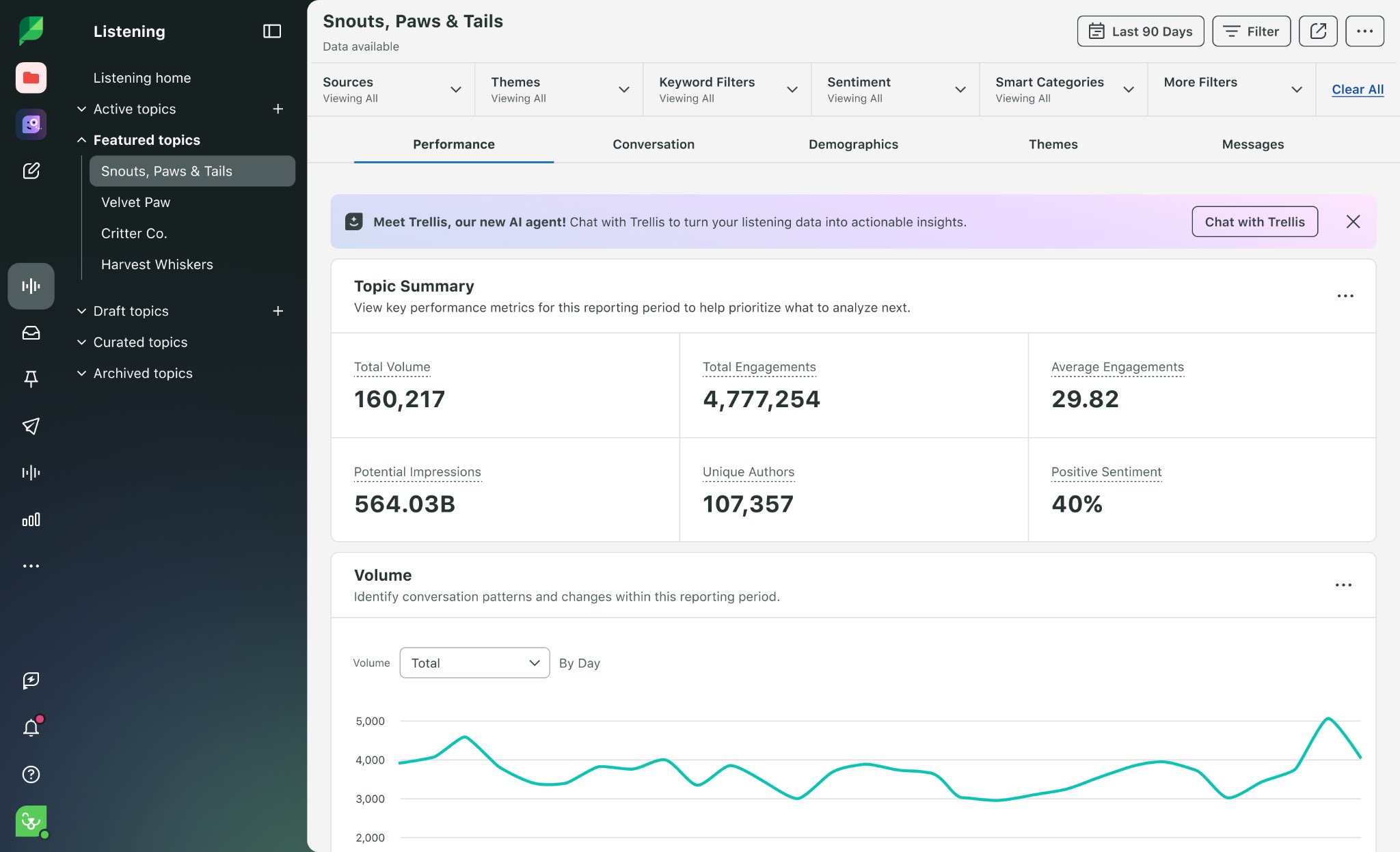
Relying exclusively on threshold-based alerts renders these weak signals invisible, as each individual data point appears too trivial to warrant executive intervention. By deploying sophisticated social intelligence tools, Atlas Copco Group successfully bridged these informational gaps, establishing a system capable of synthesizing minor anomalies into actionable intelligence well before business performance is compromised.
The Atlas Copco Group Five-Step Reputation Intelligence Framework
Managing brand equity and regulatory compliance across a vast matrix of global business divisions, regional markets, and localized social channels presents an extraordinary governance challenge. To resolve the tension between centralized brand safety and the operational agility required by local teams, Atlas Copco Group dismantled its legacy management structures in favor of a proactive, five-step governance model.
-
Catching Weak Signals Early
The foundation of the Atlas framework rests on the systematic tracking of weak signals indicative of structural slippage. Recurring customer friction points, irregular internal team behaviors, and localized drops in account health are continuously monitored to identify emerging deviations from brand standards. By aggregating these indicators across global markets, the central team can maintain a macro-level perspective while supplying localized divisions with the precise context needed to address issues on the ground. Utilizing Sprout Social Listening, the team correlates cross-channel data to uncover relationships that would remain obscured if each regional account were evaluated in isolation. -
Establishing a Clear Governance Framework
Raw data and early warnings are of little utility if operational teams lack clear protocols for intervention. Atlas Copco Group instituted a comprehensive social media action matrix that explicitly defines account ownership, mandates daily content compliance checks, and institutes rigorous account health scorecards published on a biannual basis. This structured governance directly reinforces brand safety. By clarifying responsibilities among diverse contributors, the organization ensures consistent publishing standards and uniform responses to emerging issues. The operational integration of internal tagging systems allows the enterprise to categorize content by quality, monitor compliance adherence, and pinpoint where supplemental training is required. -
Standardizing Account Health Metrics
To eliminate subjectivity in performance evaluations, Atlas Copco Group established a standardized suite of metrics to measure brand health across all operating regions. By simultaneously analyzing account activity, brand compliance rates, response velocities, and audience engagement levels, management achieves an objective, multidimensional assessment of performance. Leveraging standardized Profile Performance Reports, leadership can easily benchmark disparate profiles against one another, identifying specific regional teams that require additional operational support or structural realignment.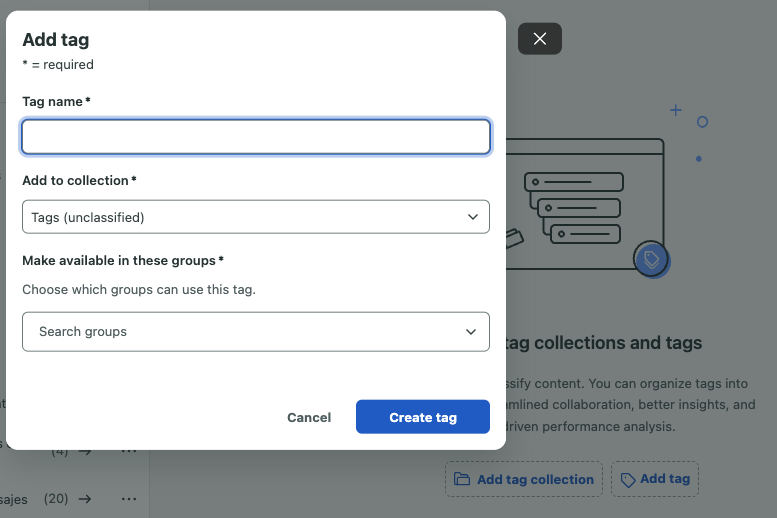
-
Connecting Social Insights to Leadership Decisions
Historically, social media data has been quarantined within marketing departments, disconnected from enterprise-level risk management. Data from Sprout Social indicates that only 36% of organizations routinely incorporate social insights into broader business decision-making. Atlas Copco Group actively dismantled this silo by integrating reputation intelligence directly into corporate risk assessment and strategic communications planning. Consequently, reputation data functions as a core executive input, informing high-level deliberations regarding enterprise risk, crisis preparedness, and strategic resource deployment. -
Operationalizing Reputation Intelligence Internally
The ultimate objective of the Atlas model is proactive enablement rather than punitive oversight. Centralized social listening enables leadership to identify governance gaps, consistency lapses, and account health declines instantly. Depending on the severity of the identified gap, intervention can range from targeted educational workshops and ownership clarifications to formalized crisis escalation procedures. This supportive governance structure reassures local managers with clear expectations while ensuring rigorous central oversight.
The AI Equation: Amplifying Velocity and Complexity
As artificial intelligence permeates the digital landscape, the volume, velocity, and complexity of online discourse have expanded exponentially. Generative AI tools have drastically lowered the barrier to entry for content creation, enabling malicious actors and well-meaning marketers alike to flood digital channels with unprecedented quantities of material. This proliferation introduces entirely new vectors of reputation risk that organizations must continuously monitor.
While modern brand safety tools provide enhanced capabilities for tracking expansive digital conversations, they simultaneously exacerbate the problem of information overload. Enterprise teams face towering walls of content, reactions, and emerging narratives, making the extraction of genuine reputational signals from routine digital noise increasingly difficult.
Advanced artificial intelligence is uniquely positioned to process these massive datasets, surface underlying patterns, and execute preliminary analyses at speeds unattainable by human analysts. However, industry experts emphasize that technology cannot replace human judgment. The interpretation of nuanced cultural context, the validation of genuine threat levels, and the formulation of strategic responses remain quintessentially human responsibilities.
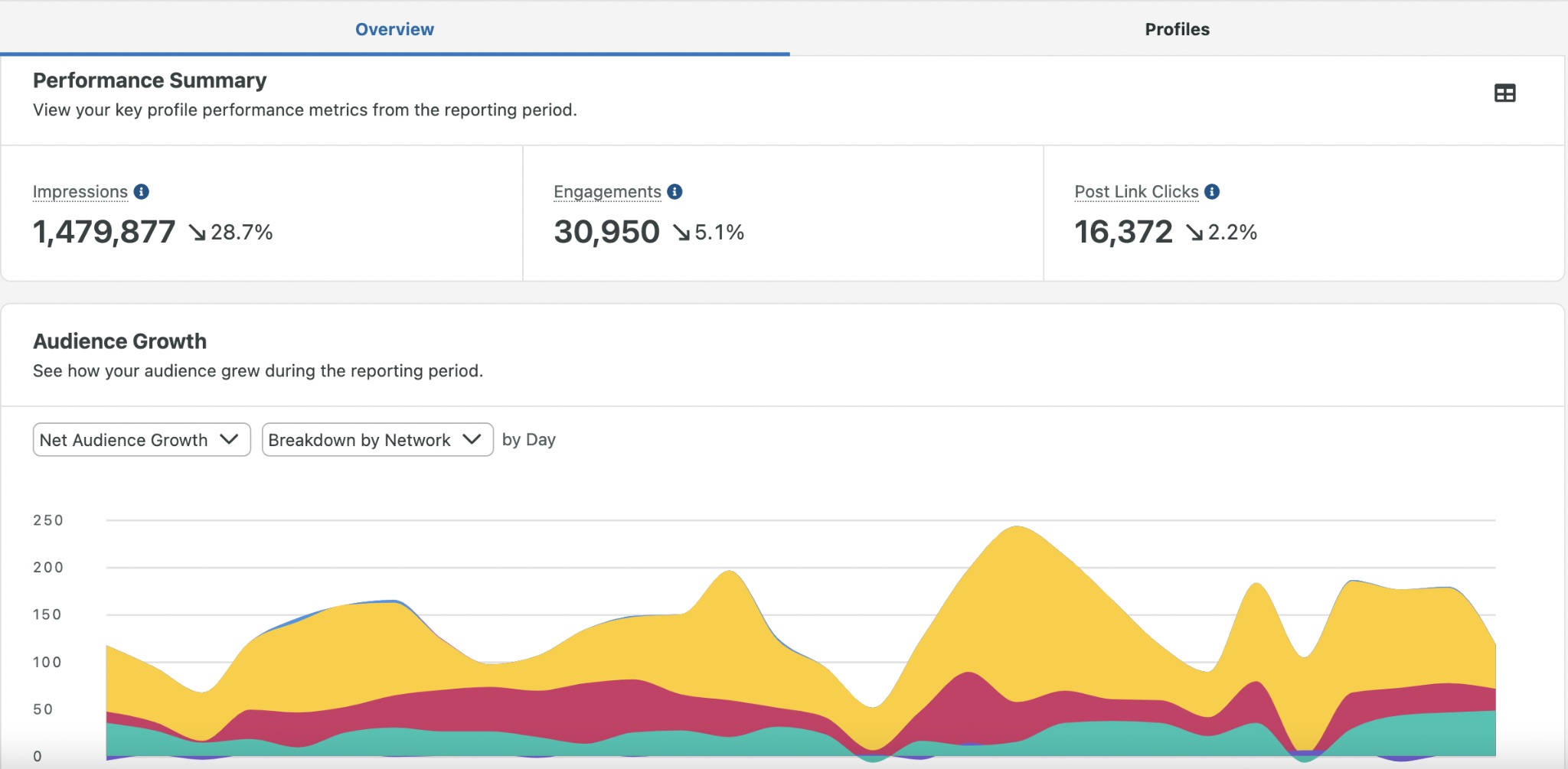
To navigate this landscape, organizations are increasingly turning to sophisticated AI agents, such as Sprout’s Trellis. By automating the aggregation and baseline analysis of vast social data repositories, these AI-driven systems translate complex metrics into actionable context for executive reporting. Rather than forcing analysts to manually piece together isolated data points, AI accelerates the transition from raw data ingestion to strategic business evaluation.
Implications and Future Outlook for Enterprise Risk Management
The structural transformation achieved by Atlas Copco Group illustrates a vital evolution in modern corporate governance: the definitive shift from reactive crisis management to proactive reputation intelligence. As digital ecosystems grow increasingly volatile and the velocity of information accelerates, traditional monitoring paradigms are no longer sufficient to safeguard enterprise value.
Organizations seeking to emulate this proactive posture must critically evaluate their current risk management infrastructure, focusing on four foundational imperatives: auditing the speed of cross-departmental communication, standardizing global performance metrics, integrating social data into executive risk assessments, and deploying advanced AI-driven analytics to filter digital noise.
By bridging the gap between localized execution and centralized intelligence, modern enterprises can successfully transform reputation management from a defensive liability into a strategic corporate asset.