For many website owners, the journey toward building an engaged community begins with the installation of a third-party commenting system. Disqus, as an early pioneer in the space, became the default choice for thousands of WordPress administrators seeking to replace the platform’s native, often rudimentary, comment functionality. However, as the digital landscape evolves, so do the requirements for data sovereignty, moderation efficiency, and integration depth. Many site operators are now finding that the limitations of a proprietary, hosted-only model like Disqus are hindering their ability to manage content effectively. Transitioning to modern alternatives such as GraphComment has become a strategic priority for those looking to regain control over their databases while leveraging advanced artificial intelligence to foster healthier discussion environments.

The Shift in Comment Management Philosophy
The primary friction point for many Disqus users lies in the lack of data portability. By default, Disqus acts as a walled garden; comments are stored on their servers rather than within the local WordPress database. While the platform offers a synchronization feature, it is frequently overlooked or misconfigured by site owners. This creates a scenario where the site’s "source of truth" for user engagement exists entirely outside the WordPress ecosystem.
In contrast, GraphComment represents a shift toward a hybrid model. It prioritizes the synchronization of data to the local WordPress database as a primary function. This ensures that in the event of service outages or platform changes, the site owner retains a complete, accessible archive of every contribution made by their audience. This shift is not merely a technical preference; it is a defensive strategy for content creators and news organizations that view their archives as long-term assets.

Chronology of a Migration: A Strategic Overview
The process of moving from a legacy system like Disqus to an integrated solution like GraphComment generally follows a structured, seven-step methodology. The total operational downtime is negligible, usually totaling less than 30 minutes for a standard installation, provided the administrator performs the necessary due diligence beforehand.
- Extraction: The process begins by requesting an export file from the Disqus dashboard via the Tools > Export menu. Administrators should be prepared for potential latency in receiving this file, as system processing times can vary.
- System Preparation: Prior to the installation of new software, it is standard practice to deactivate and remove the incumbent plugin to prevent code conflicts.
- Linkage: Establishing a new environment within the GraphComment interface involves mapping the WordPress site to the new service.
- Data Ingestion: Utilizing the imported XML or GZ file, the administrator populates the new platform with legacy data.
- Policy Configuration: Defining the moderation stance—ranging from post-moderation to strict pre-approval—is essential for maintaining community standards.
- Integrity Validation: A manual audit of the front-end display, including comment counts, threading, and timestamp accuracy, ensures no data loss occurred during the transition.
- Synchronization Verification: Confirming that the bi-directional sync between the live site and the database is active.
Data Portability and the Role of the API
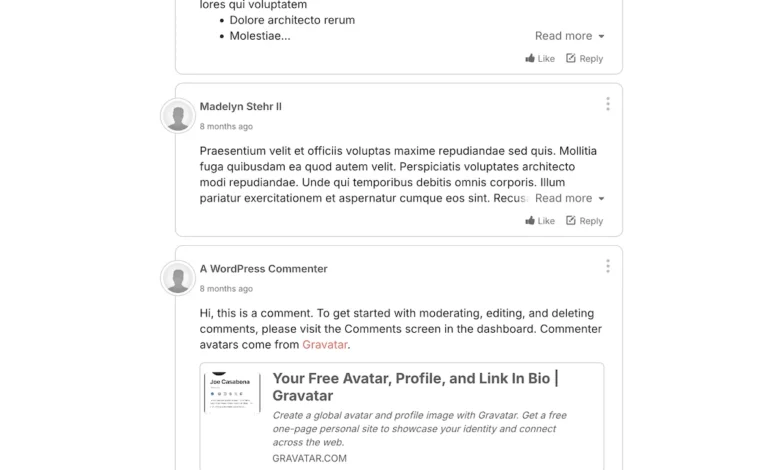
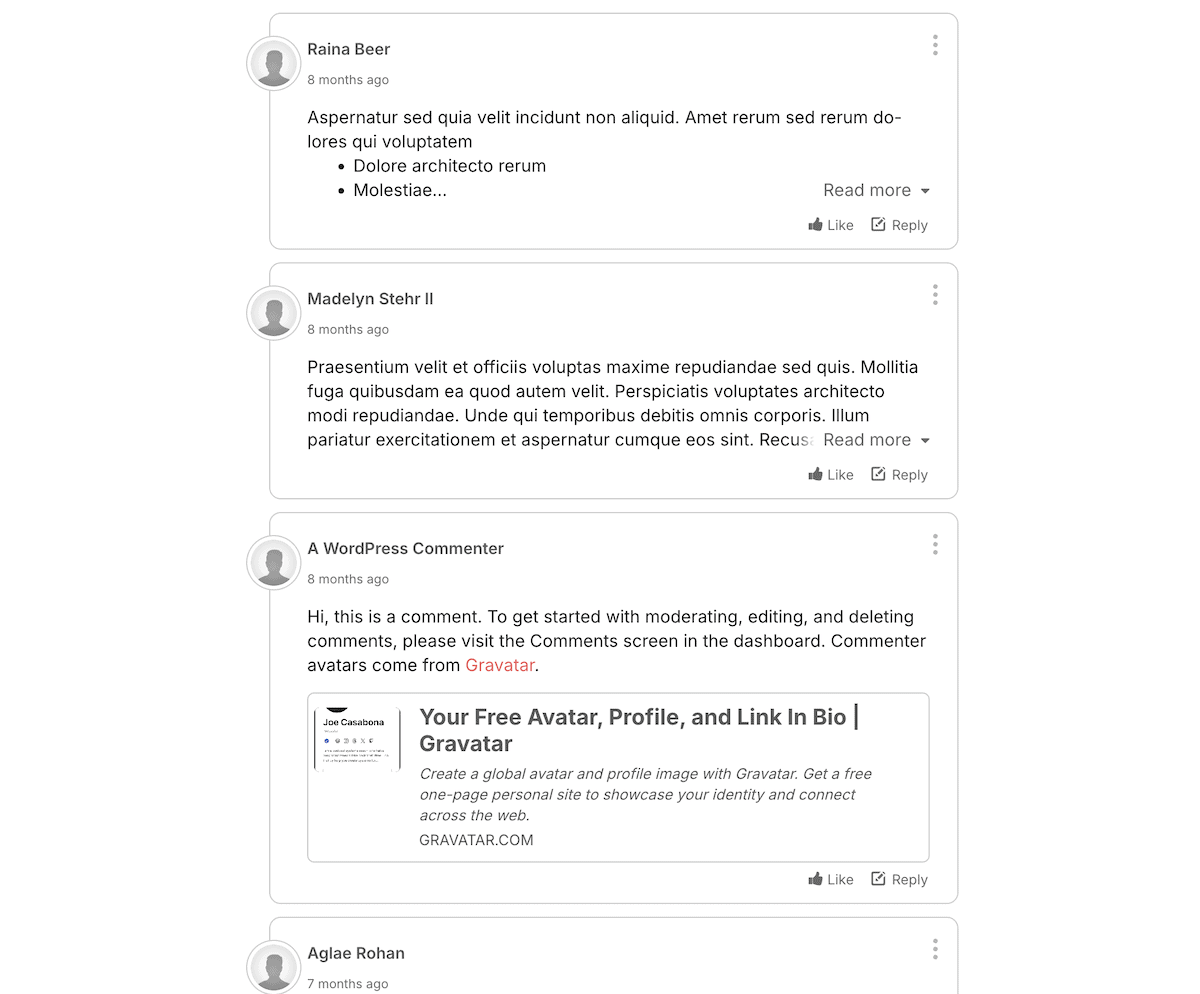
A significant advantage of moving to GraphComment is the use of the Disqus API during the migration process. Unlike manual imports that can lead to broken threads or lost metadata, the API-driven migration maintains the integrity of user avatars, nested reply structures, and historical timestamps. This preserves the "social proof" of a website—the appearance that the community has been active and engaged for years.

Furthermore, GraphComment’s approach to link mapping solves a common pain point: URL changes. By utilizing a hierarchy of WordPress GUIDs, custom UIDs, and page URLs, the system is designed to minimize the risk of "orphaned" comments. If a page URL has changed due to a site migration or permalink structure update, administrators can manually remap the content within the GraphComment dashboard, ensuring that comments follow the content to its new location.
AI-Driven Moderation: Implications for Community Health
The integration of artificial intelligence into comment moderation is no longer a luxury but a necessity for scaling platforms. GraphComment’s AI engine operates by parsing the context of an article to evaluate the tone and intent of incoming comments. Unlike older keyword-based filters that often flag innocent content, this contextual approach allows for more nuanced decision-making.

The system provides reasoning for its moderation suggestions, allowing human moderators to understand why a comment was flagged. This transparency is critical for maintaining a fair environment. The "Smart Moderation" mode, in particular, acts as a force multiplier for site owners, filtering out toxic content or spam while allowing constructive dialogue to surface immediately. This reduces the administrative burden on site owners by as much as 60-70% in high-traffic environments.
Technical Safeguards and Best Practices
Professional web management mandates the use of a staging environment for any significant structural change. Migrating a comment section involves modifying the core database entries, and an error at this stage can result in significant data corruption.

Before initiating the transfer:
- Full Site Backup: Ensure a verified, off-site backup exists.
- Test Migration: Perform the full import on a staging site that mirrors the production environment to identify any potential conflicts with current themes or plugins.
- Audit of Third-Party Dependencies: Check for custom code snippets or theme modifications that specifically target the old Disqus container ID, as these will need to be updated to point to the new GraphComment widget.
The Broader Impact on Digital Publishing
The move away from legacy commenting platforms is indicative of a broader trend in the digital publishing industry: the reclaiming of user data. As privacy regulations like the GDPR and CCPA continue to evolve, the ability to control where and how user-generated content is stored has become a legal and ethical imperative.
By choosing solutions that allow for local backups and transparent data management, publishers are insulating themselves from the risks associated with third-party service providers. Furthermore, the ability to sync data in real-time ensures that if a publisher ever needs to switch platforms again, they are not locked into a proprietary format.
Ultimately, the transition from Disqus to GraphComment is more than a technical upgrade. It is an investment in the long-term viability of the website’s community. By prioritizing data ownership and leveraging modern moderation tools, site administrators can foster more meaningful interactions, reduce the time spent on manual content cleaning, and ensure their site’s history remains intact and under their direct control. For the modern publisher, this represents a return to the fundamentals of web autonomy, ensuring that the conversation remains a core, integrated component of the platform rather than an external, fragile appendage.