The Strategic Evolution of Corporate Gifting: Top Platforms Transforming Employee and Client Engagement

Corporate gifting has moved far beyond the traditional, often impersonal practice of distributing branded pens or low-quality stress balls. In today’s competitive professional landscape, the strategy behind gifting—whether for internal employee retention or external client acquisition—has become a cornerstone of organizational culture and revenue generation. Recent industry data suggests that companies allocating significant resources to high-quality, thoughtful gifting experience a 30% increase in long-term employee engagement and a measurable uptick in customer loyalty metrics. Despite this evidence, many leadership teams struggle to execute a cohesive strategy, often settling for inefficient, manual processes that fail to resonate with recipients.
The transformation of the sector is largely driven by the emergence of specialized software-as-a-service (SaaS) platforms that centralize procurement, fulfillment, and distribution. These platforms have effectively mitigated the logistical bottlenecks that previously hindered corporate gifting programs, such as international shipping, inventory management, and budgetary oversight.
The Shift Toward Automated Gifting Ecosystems
The history of corporate gifting in the digital age has moved from manual spreadsheet management to fully integrated ecosystems. Historically, marketing and HR teams relied on local print shops and manual courier services to distribute materials. By the mid-2010s, the advent of "swag-as-a-service" began to reshape the market. The current landscape is dominated by platforms that leverage just-in-time (JIT) manufacturing and sophisticated API integrations.

The following analysis details the primary platforms currently defining the sector, categorized by their operational strengths and business applications.
Fourthwall: The Modern Print-on-Demand Leader
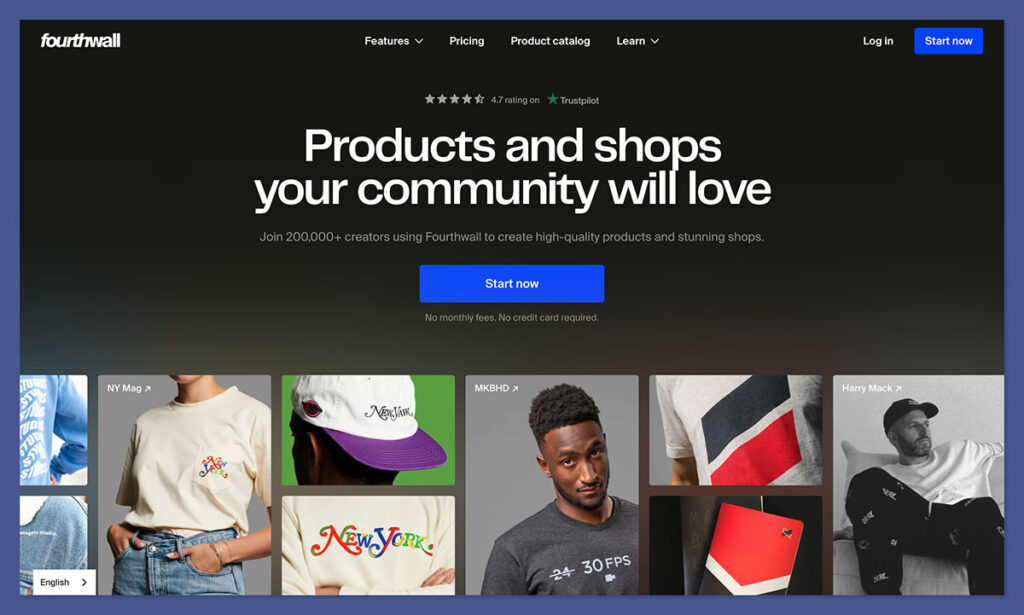
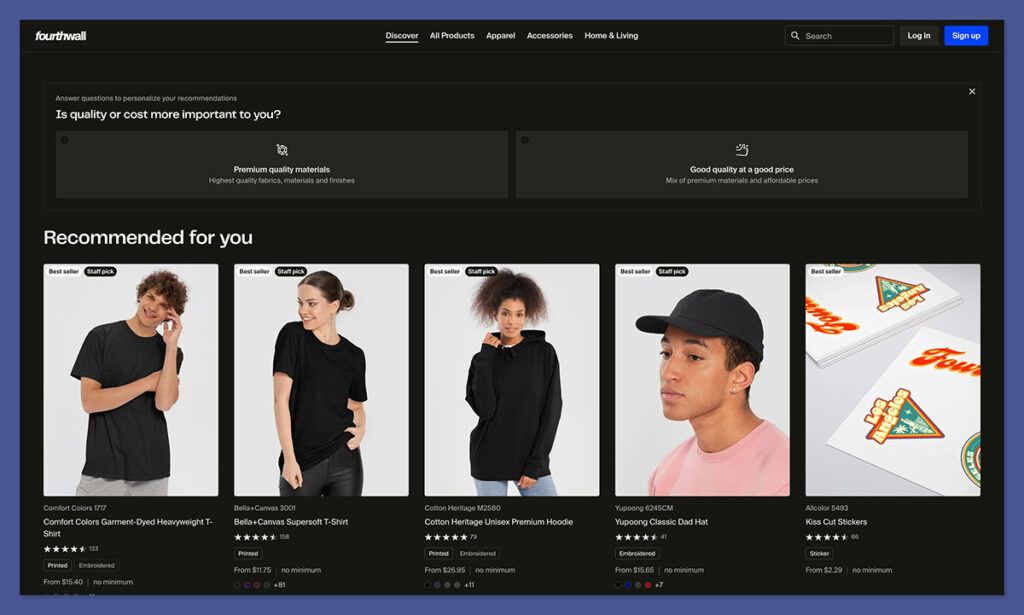
Fourthwall has emerged as a premier solution for organizations seeking a low-barrier-to-entry model. Unlike traditional bulk-ordering systems, it utilizes a print-on-demand framework, which eliminates the financial risk associated with unsold inventory. By offering a customizable, branded storefront, it allows businesses to curate high-quality products without the need for large capital outlays. This model is particularly effective for small-to-medium enterprises (SMEs) that prioritize sustainability and versatility, as the platform allows for the integration of both physical goods and digital assets like eBooks or training courses.

SwagUp and the Rise of Curated Kits
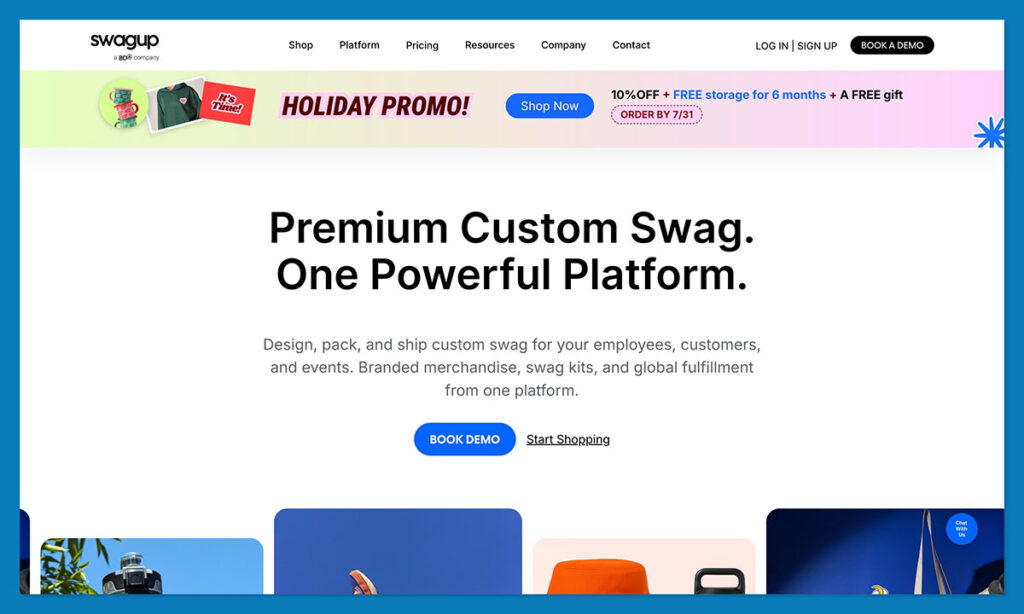
For organizations managing complex onboarding processes or event-based activations, SwagUp offers a specialized focus on kitting. The core value proposition of this platform is the simplification of logistics. By providing an automated workflow for packaging and distribution, it removes the burden of warehouse management from the client. Its "redeem pages"—which allow employees to select their preferred sizes and items—have become a gold standard for HR departments looking to minimize waste and maximize employee satisfaction.
Revenue-Focused Gifting: Sendoso and Reachdesk
In the realm of Account-Based Marketing (ABM), platforms such as Sendoso and Reachdesk have integrated gifting into the sales funnel. By connecting directly with Customer Relationship Management (CRM) tools like Salesforce or HubSpot, these platforms allow sales representatives to trigger physical gifts based on specific client interactions.

Data from recent marketing reports indicates that personalized, high-value gifting at key points in the sales cycle—such as post-demo or contract renewal—can improve conversion rates by up to 20%. Reachdesk, in particular, distinguishes itself through its extensive international footprint, offering fulfillment capabilities across more than 180 countries, which is essential for global enterprises managing distributed client bases.
Personalization at Scale: Snappy and Goody
The "choose-your-own-gift" model represents the most significant psychological shift in modern gifting. Platforms like Snappy and Goody focus on recipient autonomy. By providing a digital experience—often gamified—where the recipient selects their own reward, these platforms reduce the incidence of "swag clutter," where unwanted corporate items are discarded, resulting in wasted corporate expenditure. Snappy’s marketplace, which includes over 250,000 items ranging from consumer electronics to charitable donations, provides a level of personalization that was previously impossible to achieve at scale.
Operational Control and Budget Management
For larger corporations, the primary concern is often the enforcement of budget discipline and brand consistency. Axomo provides robust, role-based access control, ensuring that departments remain within their allocated spending limits. By utilizing a credit-based system, businesses only incur costs when an item is actually redeemed, providing a clear audit trail for financial departments.
Similarly, Swag Pro (formerly Printfection) provides a sophisticated suite for mature operations that require deep inventory control. Its ability to provide free product samples before large-scale rollouts is a critical feature for brands that maintain strict quality control standards.
Comparative Table of Market Leaders
| Platform | Primary Focus | Software Cost Structure |
|---|---|---|
| Fourthwall | Print-on-Demand | Free |
| SwagUp | Kits and Packs | Free to $99/mo |
| Sendoso | ABM/Revenue | Custom Quote |
| Snappy | Choice-based | Free to $2,000/yr |
| Goody | Low-friction | Free |
| PerkUp | Global HR | $299/mo |
| Reachdesk | International ABM | $20,000/yr |
| Swag Pro | Mature Operations | Custom Quote |
| Axomo | Budget Control | $3,499 min |
| Swag.com | Bulk Gifting | Order-based |
Broader Economic and Organizational Implications
The professionalization of corporate gifting carries significant implications for modern workplace culture. Beyond the logistical benefits, these platforms act as data collection tools. By analyzing redemption rates, popular product categories, and regional engagement metrics, organizations can gain actionable insights into what truly drives value for their stakeholders.
Industry analysts suggest that the next phase of this sector will involve deeper AI integration. Already, platforms like Sendoso and Reachdesk are utilizing artificial intelligence to suggest appropriate gifts based on the recipient’s professional profile, interests, and past interactions with the company. This shift toward predictive gifting is expected to further increase the ROI of corporate swag, moving it from a "cost of doing business" to a strategic marketing asset.
Strategic Considerations for Procurement
When selecting a platform, leadership must look beyond the initial cost. Integration with existing HRIS (Human Resources Information Systems) and CRM platforms is paramount for automation. Furthermore, the geographical coverage of the platform’s warehouse network is a critical factor for organizations with global operations.
As the market continues to consolidate, the platforms that succeed will be those that provide the most seamless user experience—both for the sender, who needs to track efficacy and spend, and the recipient, who demands a high-quality, meaningful interaction. Ultimately, the objective remains the same as it has always been: to foster connection in an increasingly digital world. The difference now lies in the technology’s ability to ensure that connection is both measurable and meaningful.