Allegro Expands Cross-Border E-commerce Reach by Opening Platform to Consumers in Ukraine

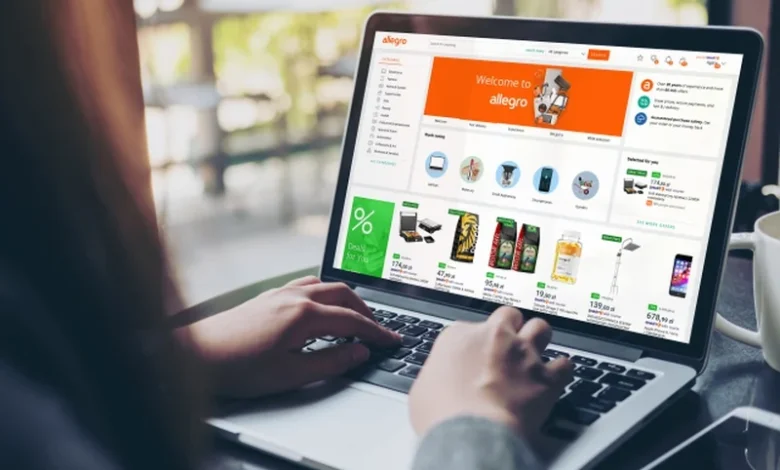
Poland’s leading online marketplace, Allegro, has officially expanded its operational reach by enabling direct shipments to Ukraine, marking a significant development in the company’s cross-border logistics strategy. While the move does not entail the launch of a standalone, localized Ukrainian platform, it effectively integrates the war-torn nation into the existing Polish digital ecosystem. By leveraging the infrastructure of Allegro.pl, the e-commerce giant is facilitating a seamless bridge between European sellers and Ukrainian consumers, responding to evolving market demands and the necessity for robust supply chains in the region.
This expansion follows a period of strategic recalibration for the Allegro Group. Known as the undisputed titan of Polish e-commerce, the platform has historically focused on cementing its dominance within its home market. However, the latest update to its terms and conditions reflects a pivot toward broader international accessibility. Under the new framework, users registered on Allegro.pl can now select Ukraine as a delivery destination for eligible items, provided they adhere to strictly defined compliance protocols regarding the prohibition of the re-export of goods to sanctioned territories, including Russia, Belarus, and occupied Ukrainian lands.
A Strategic Evolution in Regional E-commerce
The decision to open up the platform to Ukraine is the latest step in a multi-year journey for Allegro, which has sought to transition from a purely Polish entity into a regional European powerhouse. Historically, the company’s international ambitions have been characterized by a combination of aggressive acquisitions and targeted divestments.
In previous years, Allegro established dedicated, localized marketplaces in Czechia, Slovakia, and Hungary, aiming to replicate the "Allegro experience" for local consumers. These markets offered customized interfaces, local languages, and localized payment gateways. However, the company’s trajectory has not been without its challenges. Earlier this year, Allegro made the calculated decision to divest its operations in Slovenia and Croatia. Management noted that this move was essential to streamline financial performance and optimize resource allocation. By shedding these assets, the group was able to focus its capital and operational bandwidth on markets that offered higher synergy with its Polish logistics network.
The inclusion of Ukraine represents a distinct model compared to the Czech or Hungarian launches. Instead of investing in a new localized infrastructure—a costly and complex endeavor given the ongoing geopolitical instability in the region—Allegro is utilizing its existing cross-border capabilities. This "low-friction" expansion allows the company to test demand and establish a market presence without the immediate capital expenditure required for a fully localized platform.
Financial Performance and Market Dominance
The timing of this announcement aligns with a period of strong financial health for the Allegro Group. According to the firm’s latest earnings reports, the group’s Gross Merchandise Value (GMV) surged by nearly 14 percent in the first half of the current year compared to the same period in 2023. This growth is indicative of the platform’s resilience in the face of inflationary pressures and shifting consumer spending habits.
Perhaps more telling is the international performance of the group. During that same six-month window, Allegro’s international GMV saw an impressive 65 percent increase. While this figure is bolstered by the maturation of its central European assets, the expansion into Ukraine is expected to serve as a new growth vector. Analysts suggest that the volume of trade flowing into Ukraine from Poland is significant, and by formalizing the logistics, Allegro is positioning itself to capture a larger share of the cross-border logistics spend that currently flows through informal or less integrated channels.
Logistics and Regulatory Compliance
The technical implementation of this service involves significant updates to the Allegro Buyer Protection program and the platform’s Terms of Service. Because Ukraine is currently under a state of martial law and faces complex cross-border trade regulations, Allegro has had to ensure that its operations are beyond reproach.
One of the most critical aspects of this expansion is the security of the supply chain. Allegro has explicitly mandated that products ordered through the platform for delivery to Ukraine cannot be resold or redirected to Russia, Belarus, or any territories occupied by Russian forces. This is a vital compliance measure, ensuring that the platform does not inadvertently facilitate the movement of goods into sanctioned zones.
Furthermore, the integration of delivery services has required coordination with logistics partners who have the capability to navigate the unique challenges of the Polish-Ukrainian border. For the consumer, the process remains relatively straightforward: once an item is verified for international transit, the shipping options are updated to include Ukrainian addresses. The Buyer Protection program now extends to these transactions, providing Ukrainian users with a level of recourse that is often unavailable in more fragmented or localized marketplaces.
Geopolitical Context and Economic Impact
The entry of Allegro into the Ukrainian market is not merely a commercial decision; it is an economic signal. By facilitating direct trade, Allegro is supporting the resilience of the Ukrainian retail landscape, which has been severely disrupted by the ongoing conflict. Many Ukrainian consumers have turned to international platforms to access essential goods, electronics, and household items that are either unavailable locally or subject to significant price markups due to supply chain fragmentation.
From a macroeconomic perspective, this move facilitates the flow of capital and goods between two of the most integrated economies in Eastern Europe. Poland has served as a primary logistics hub for Ukraine since February 2022, and the digitization of this trade route via Allegro further cements that partnership.
However, observers note that there are risks. Volatility in energy infrastructure, currency fluctuations, and the potential for further border disruptions remain constant concerns. Allegro’s decision to opt for a cross-border model rather than a local subsidiary suggests a risk-mitigation strategy, allowing the company to pull back or adjust operations quickly if conditions on the ground deteriorate.
Market Implications: Competition and Future Outlook
The expansion into Ukraine places Allegro in a unique position relative to other regional e-commerce players. While global giants like Amazon continue to dominate in Western Europe, the market in Central and Eastern Europe remains highly fragmented. By extending its reach, Allegro is creating a "defensive moat" around its core Polish operations, making it increasingly difficult for smaller, local competitors to challenge its scale.
The company’s ability to maintain a 14 percent growth rate in GMV while simultaneously undergoing a major operational restructuring speaks to the effectiveness of its management team. The strategy of "streamlining for success"—seen in the exit from the Balkans and the pivot toward Ukraine—suggests a focus on long-term sustainability over short-term expansionist gains.
In the coming months, the success of this initiative will likely be measured by the adoption rate among Ukrainian users and the efficiency of the delivery times. If the platform can maintain a competitive delivery window, it could effectively displace less efficient, non-integrated third-party forwarders.
Conclusion: A Calculated Step Forward
Allegro’s entry into the Ukrainian market is a mature, calculated move that reflects the company’s evolution from a national player to a regional force. By utilizing its existing infrastructure to bridge the gap into a new, high-demand market, Allegro is optimizing its current assets while providing a valuable service to consumers in Ukraine.
As the company continues to refine its international strategy, the focus will likely remain on integrating logistics, maintaining rigorous compliance with EU and international sanctions, and scaling operations in a way that protects the company’s balance sheet. For now, the move serves as a testament to the enduring importance of cross-border e-commerce in Eastern Europe, demonstrating that even in times of significant geopolitical uncertainty, digital marketplaces can provide the essential connectivity required to keep commerce flowing.
The next phase for Allegro will be critical. The company must demonstrate that it can handle the increased complexity of logistics, customer support, and regulatory oversight that comes with operating in a conflict-adjacent zone. If the pilot is successful, it could pave the way for similar expansions into other neighboring markets, further solidifying Allegro’s status as the definitive e-commerce leader of the region. As it stands, the platform’s latest announcement is a clear statement of intent: Allegro is not just looking to grow; it is looking to define the future of trade in the heart of Europe.