WordPress Security in 2026: Navigating the Rising Tide of AI-Driven Vulnerabilities and Systemic Industry Challenges

The landscape of web security underwent a seismic shift in 2026, as the proliferation of generative artificial intelligence fundamentally altered the threat model for the world’s most popular content management system. According to the 2026 WordPress Security Survey, an annual longitudinal study conducted by Melapress, the ecosystem is currently grappling with a dual crisis: a surge in AI-facilitated vulnerability discovery and a persistent, industry-wide disconnect between threat awareness and practical mitigation strategies. With nearly 68% of WordPress professionals reporting at least one security incident over the past 12 months, the data paints a sobering picture of the challenges facing agencies, enterprise teams, and individual site owners alike.
The Anatomy of the 2026 Security Crisis
The 2026 survey, which compiled responses from 219 industry professionals ranging from freelance developers to enterprise-level IT managers, serves as a critical temperature check for the WordPress community. The findings indicate that while the platform remains a robust tool for global web infrastructure, its ubiquity—powering approximately 40% of the internet—has made it a prime target for increasingly automated attack vectors.
Perhaps the most alarming statistic is that 67.7% of respondents experienced at least one security breach in the preceding year. Of these victims, a concerning 13.2% identified as repeat targets, suffering more than five separate incidents. These numbers are not merely representative of minor glitches; they reflect a systemic vulnerability that often stems from a combination of outdated software components, insufficient access management, and a reliance on reactive, rather than proactive, security postures.
The AI Factor: Changing the Rules of Engagement
The most significant variable in the 2026 security equation is the integration of AI by both defensive teams and malicious actors. Historically, the discovery of vulnerabilities in WordPress plugins and themes was a time-consuming, manual process performed by security researchers and ethical hackers. In 2026, however, the democratization of AI models has accelerated this process to a near-industrial scale.
Data from the HackerOne WordPress vulnerability disclosure program confirms this shift. In recent months, the volume of vulnerability reports has spiked to levels previously unseen, with more issues identified in single weeks than were historically reported over multi-month periods. Attackers are now utilizing machine learning to scan thousands of lines of code, identifying complex, overlapping vulnerabilities that a human analyst might never have discovered.
While this technological arms race presents a formidable challenge, it is not entirely one-sided. Security firms and plugin developers, including those at Melapress, have integrated similar AI-driven scanning technologies into their development lifecycles. By "hammering" new code updates with AI-assisted analysis before release, vendors are attempting to stay one step ahead of bad actors. However, the sheer volume of "noise" generated by this constant stream of vulnerability reports has created a secondary problem: alert fatigue. Professionals are now forced to parse an endless flow of security bulletins, often struggling to distinguish between theoretical risks and high-priority, exploitable threats.
The Awareness-Action Gap
A recurring theme in the 2026 report is the paradox of concern versus preparation. When asked about their level of concern regarding WordPress security, respondents averaged a high score of 7.85 out of 10. Despite this high level of anxiety, the implementation of fundamental defensive measures remains stagnant.
Only 27.9% of survey respondents confirmed the existence of a formal breach recovery plan. Even fewer reported conducting regular security training for their teams. This suggests that while the community is acutely aware of the risks—which include total site downtime, data loss, legal non-compliance, and catastrophic reputational damage—the resources or the will to move from a state of worry to a state of preparedness are often absent.
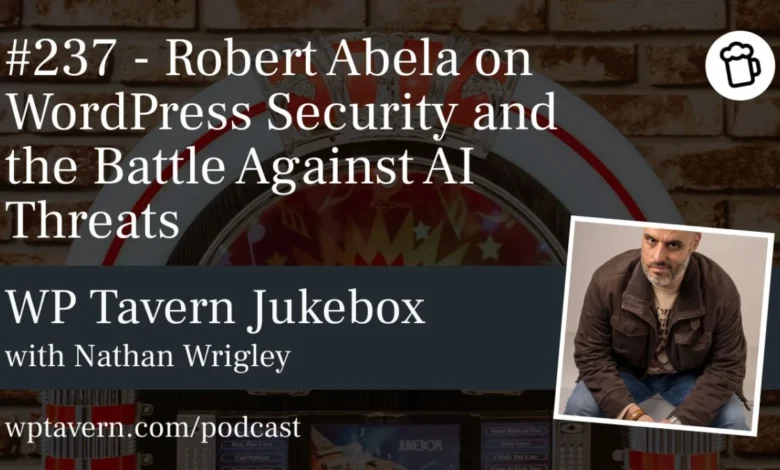
Robert Abela, founder of Melapress and a veteran of the IT security sector for over two decades, notes that this phenomenon is not unique to WordPress but is an inherent human trait. "Most organizations only prioritize security after they have been forced to," Abela explained. "The reactive approach is the default for the vast majority of smaller teams, whereas enterprise-level organizations are often forced into proactive measures by compliance regulations, insurance requirements, and greater financial stakes."
Segmentation of Risk
The impact of a security incident is rarely uniform. The survey data highlights a clear divergence in concerns based on the nature of the website:
- Content and Media Outlets: These sites prioritize uptime above all else. For them, a defacement or a forced outage directly correlates to immediate loss of traffic and advertising revenue.
- E-commerce Platforms: These entities are most concerned with data theft and financial fraud. With the added weight of PCI-DSS compliance and the storage of sensitive customer billing information, the stakes for these operators are significantly higher.
- Membership and Community Sites: These platforms face intense pressure regarding GDPR and other data privacy regulations. Their primary fear is the unauthorized exposure of user personal information, which can lead to long-term legal and regulatory repercussions.
The Financial and Structural Implications
The consequences of failing to secure a WordPress installation have evolved beyond mere inconvenience. In 2026, a single security breach can result in a "triple-threat" scenario: immediate loss of revenue due to downtime, long-term degradation of search engine rankings, and potential legal liability.
Search engine optimization (SEO) has become a major battlefield for site security. When Google or other search engines detect a compromised site, they often apply aggressive penalties, removing the site from search results to protect end-users. For businesses that have spent years building their organic traffic, this is often an existential threat. Recovering from such a penalty is a difficult, uncertain process, and the survey data shows that only 14.5% of respondents managed to avoid these rankings drops by detecting and mitigating issues before the search engines were alerted.
A Call for a 360-Degree Security Strategy
The consensus among industry experts in 2026 is that the "set-and-forget" mentality regarding website security is no longer tenable. Moving forward, the industry is shifting toward a comprehensive 360-degree security cycle. This approach emphasizes:
- Prevention (Hardening): Minimizing the attack surface through regular updates, strict user access controls, and the implementation of multi-factor authentication (MFA).
- Monitoring (Detection): Moving beyond simple malware scanners to active logging and intrusion detection. This allows for the "proactive-reactive" model, where administrators are alerted to suspicious behavior in real-time rather than discovering it after a site has been defaced.
- Recovery (Resilience): Maintaining automated, tested, and off-site backups, paired with a documented, rehearsed recovery protocol.
Looking Toward 2027
As the WordPress community enters the final quarter of 2026, the mood is one of guarded caution. The platform is not inherently insecure; rather, its success has made it the primary subject of a new, AI-driven era of digital conflict. The narrative that "WordPress is insecure" is a persistent hurdle, often fueled by sensationalist media coverage of plugin-specific vulnerabilities.
However, the reality is that the tools available to protect these sites have never been more sophisticated. The challenge for the coming year will be the effective deployment of these tools by the average user. For freelancers, small agencies, and business owners, the mandate is clear: move away from the reactive cycle of fixing sites only after they have been broken. Instead, the focus must shift to professionalizing security operations, prioritizing transparency in the supply chain, and acknowledging that in the age of AI, the only way to effectively defend a site is to treat security as a continuous, daily process rather than a one-time project.