The Shifting Landscape of Website Marketing: Adapting to AI, Zero-Click Search, and Decentralized Consumer Journeys

Website marketing in 2026 operates under an entirely new paradigm. Traditionally, digital marketing strategy focused heavily on driving direct organic traffic to a centralized domain, converting visitors through conventional landing pages, and capturing leads via standard search engines. However, structural shifts in how consumers discover brands, evaluate products, and interact with information online have permanently altered this trajectory. Today, the modern customer journey is largely decentralized, unfolding across artificial intelligence engines, niche community forums, and social media ecosystems long before a user ever clicks on an official company website.
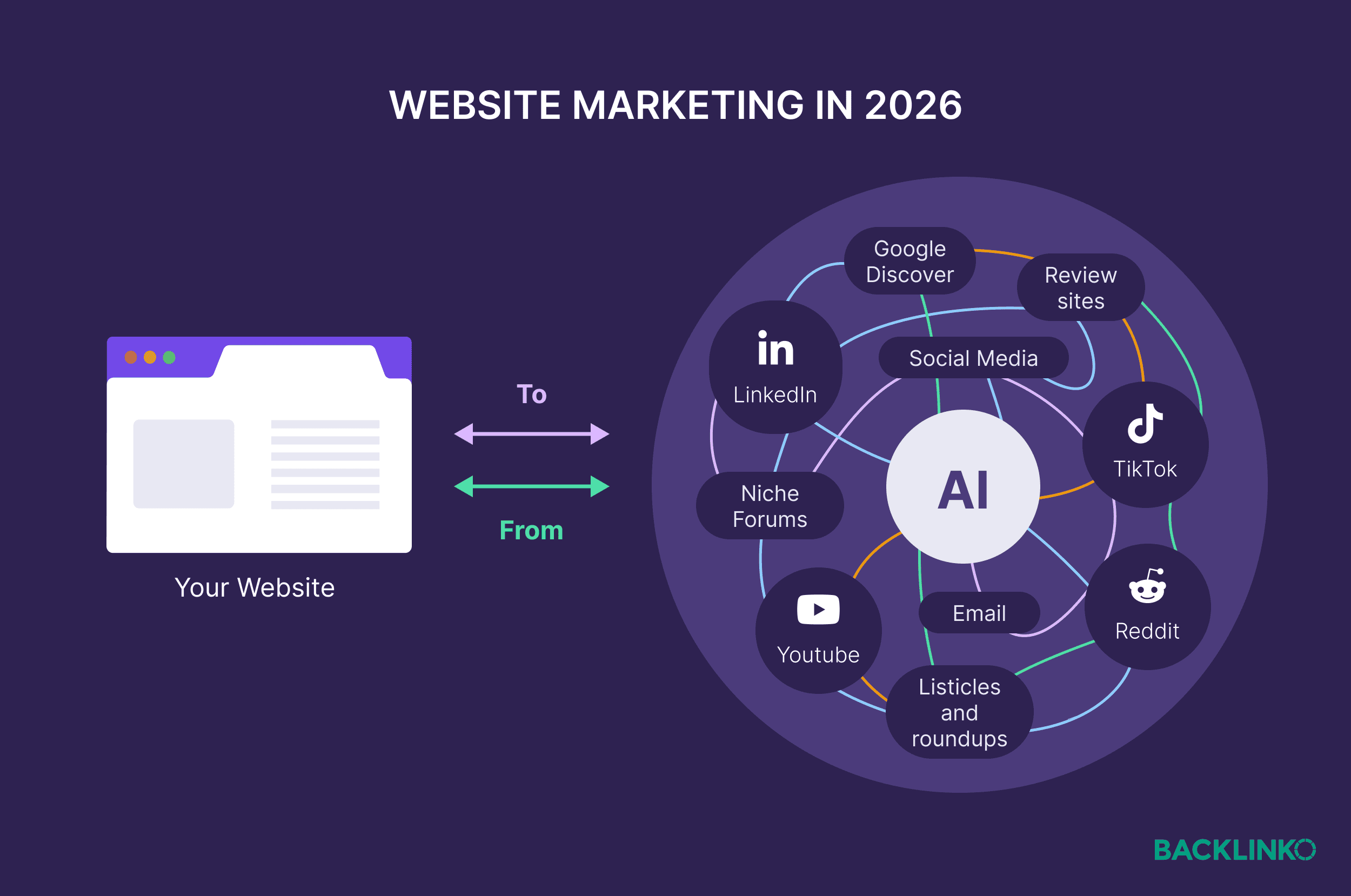
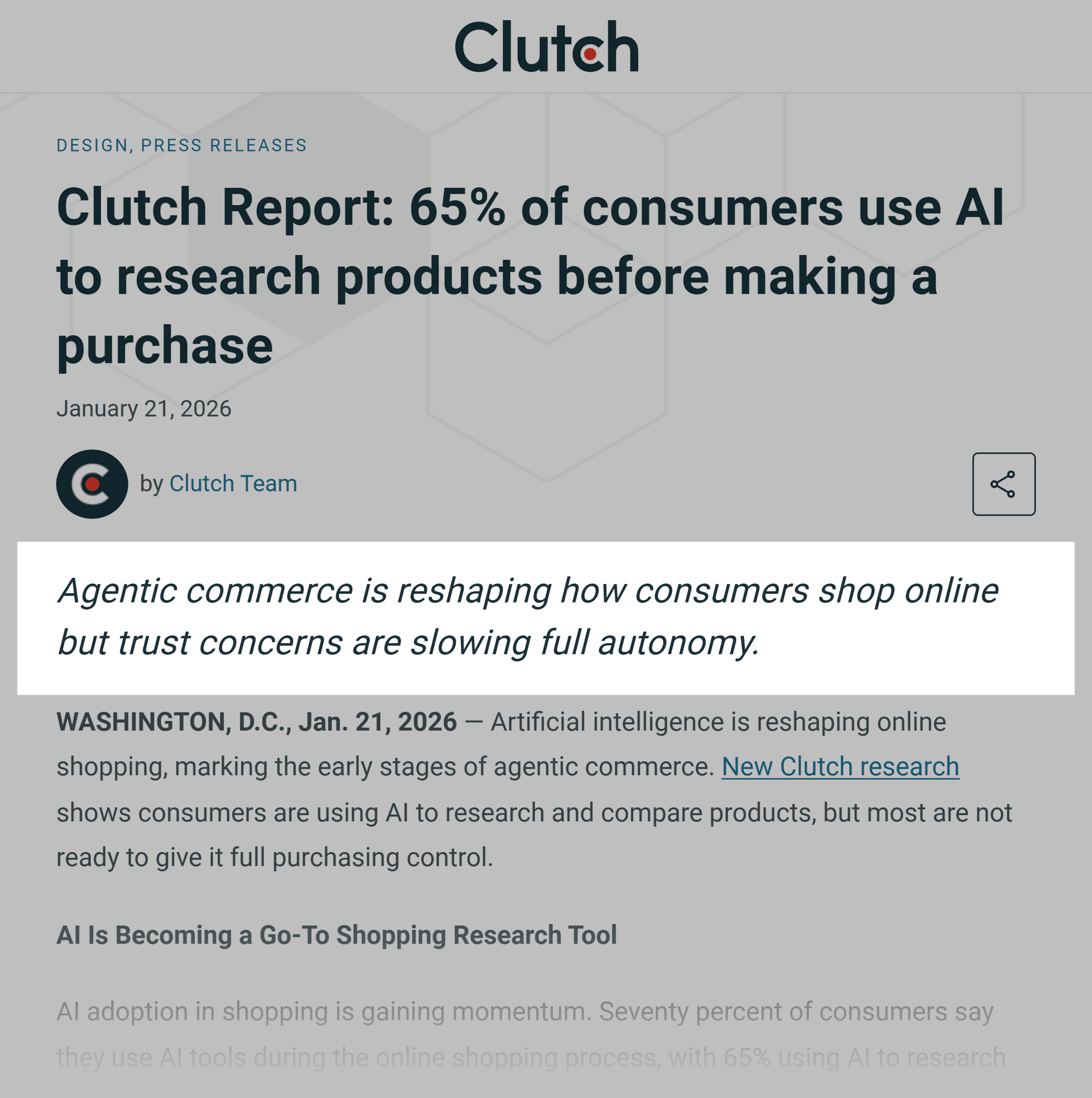
This transformation requires digital marketers, corporate strategists, and enterprise brands to re-evaluate their visibility frameworks. According to recent survey data published by market research firm Clutch, over 65% of modern buyers now utilize artificial intelligence tools to research products, services, and software solutions prior to visiting a brand’s website. Consequently, prospective customers frequently arrive at a corporate domain with pre-formed opinions, established perceptions, and distinct context regarding a brand’s market positioning. If businesses fail to establish a credible, visible presence across these external digital touchpoints, many potential buyers will filter them out before the conversion phase even begins.
The Evolution of Discovery: Beyond the Traditional Search Engine Result Page

The widespread adoption of generative search models and large language models (LLMs) has given rise to a zero-click ecosystem. In this environment, search engines and AI assistants provide direct answers, summaries, and comparative recommendations within the search interface itself. Users no longer need to navigate through a traditional list of blue links to find the information they require.

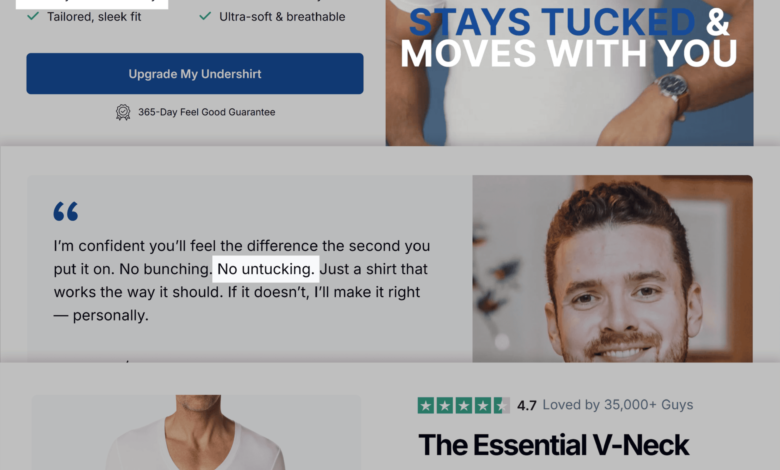
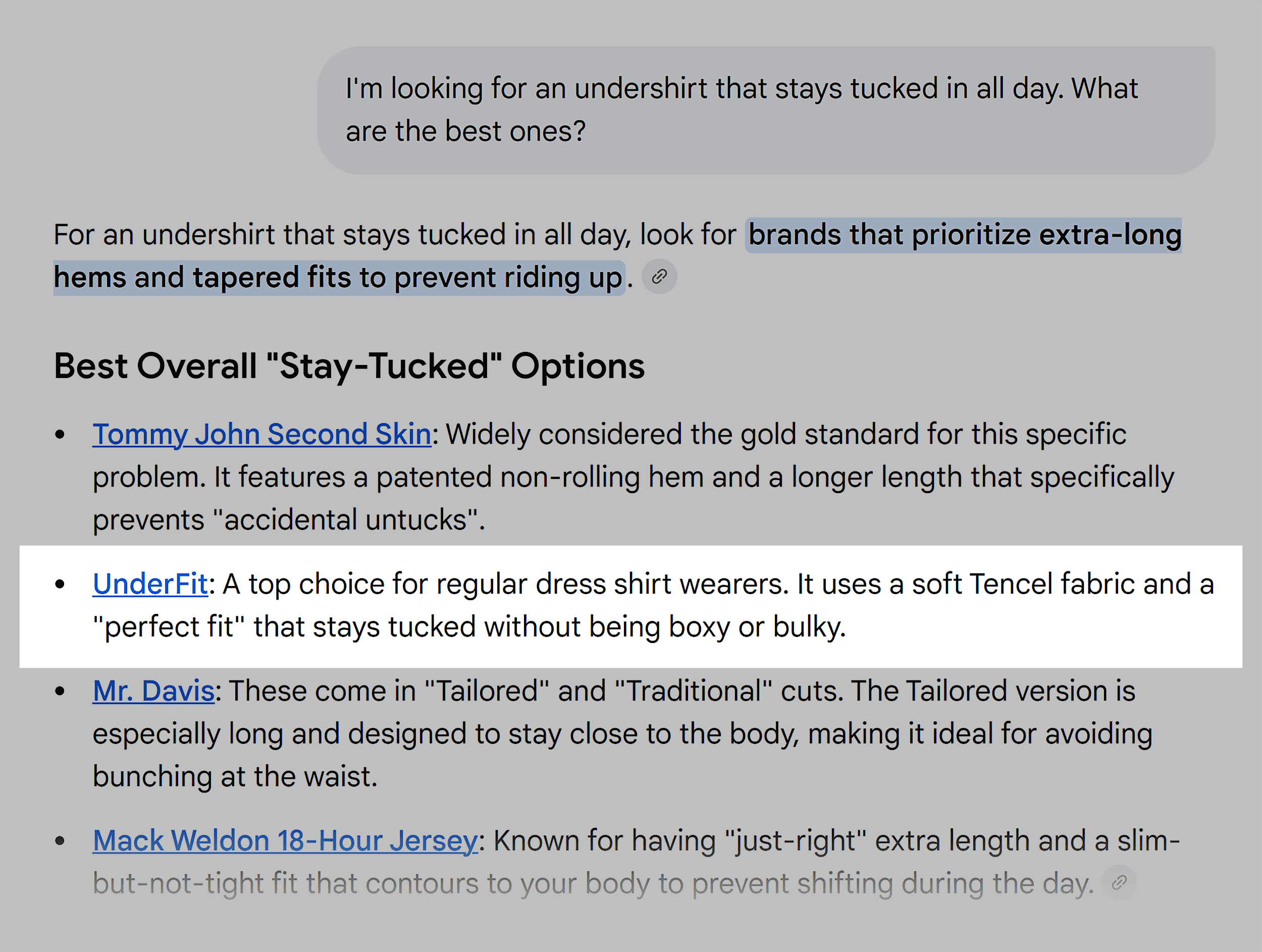
This behavioral shift has elevated the importance of brand consistency across the entire internet. Major enterprises have long recognized this dynamic; prominent software brands like Slack maintain rigorous brand positioning, value definitions, and messaging documentation to ensure that when third-party platforms or AI systems reference their tools, the contextual language remains uniform. Similarly, consumer brands like UnderFit achieved prominence in AI-driven search results by systematically repeating core product benefits—such as undershirts that remain tucked all day—across reviews, third-party roundups, and community discussions. This high frequency of contextual reinforcement allows large language models to accurately associate specific product attributes with the brand name.
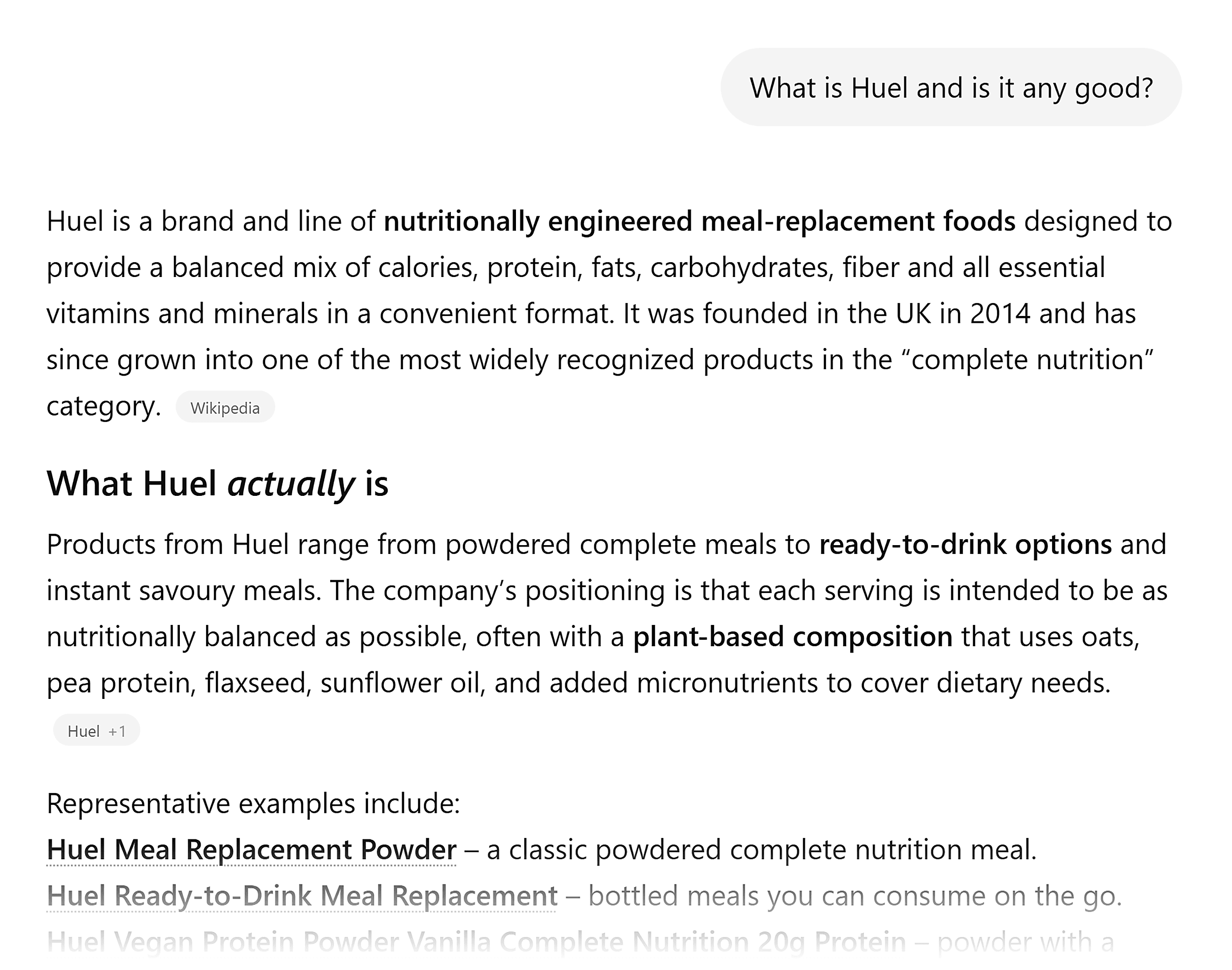
To adapt to this reality, modern marketing teams must conduct baseline audits of their digital footprint. By prompting generative AI tools with high-intent customer inquiries—such as evaluating the best solutions in a specific software category—companies can analyze their current AI narrative, identify factual discrepancies, and deliberately shape how algorithms describe their offerings.
Engineering Website Architecture for Human and Algorithmic Parsing
While off-site visibility dictates initial brand awareness, the corporate website remains the ultimate destination for high-intent conversions. However, optimizing a website in 2026 demands equal attention to both human users and automated web crawlers.

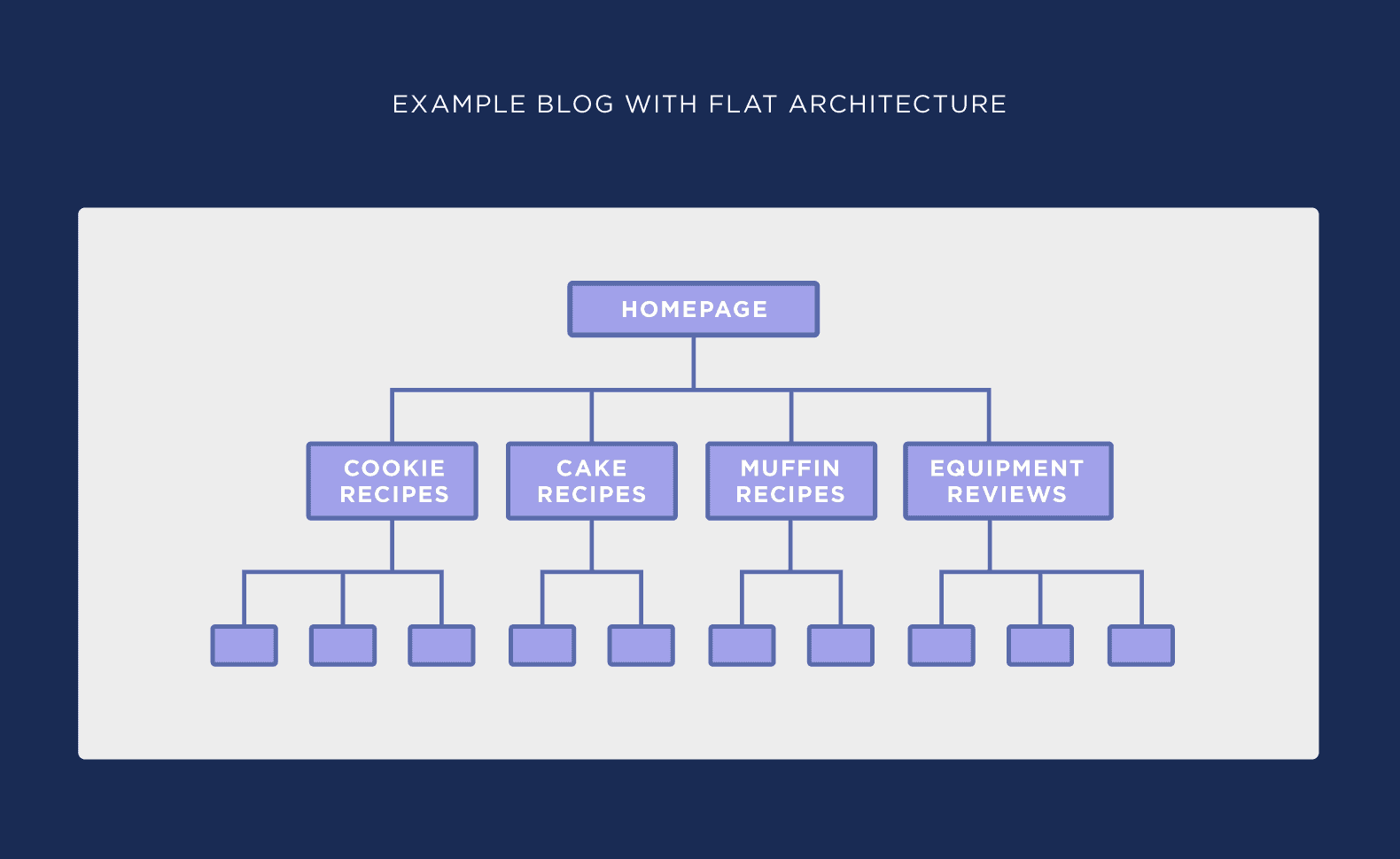
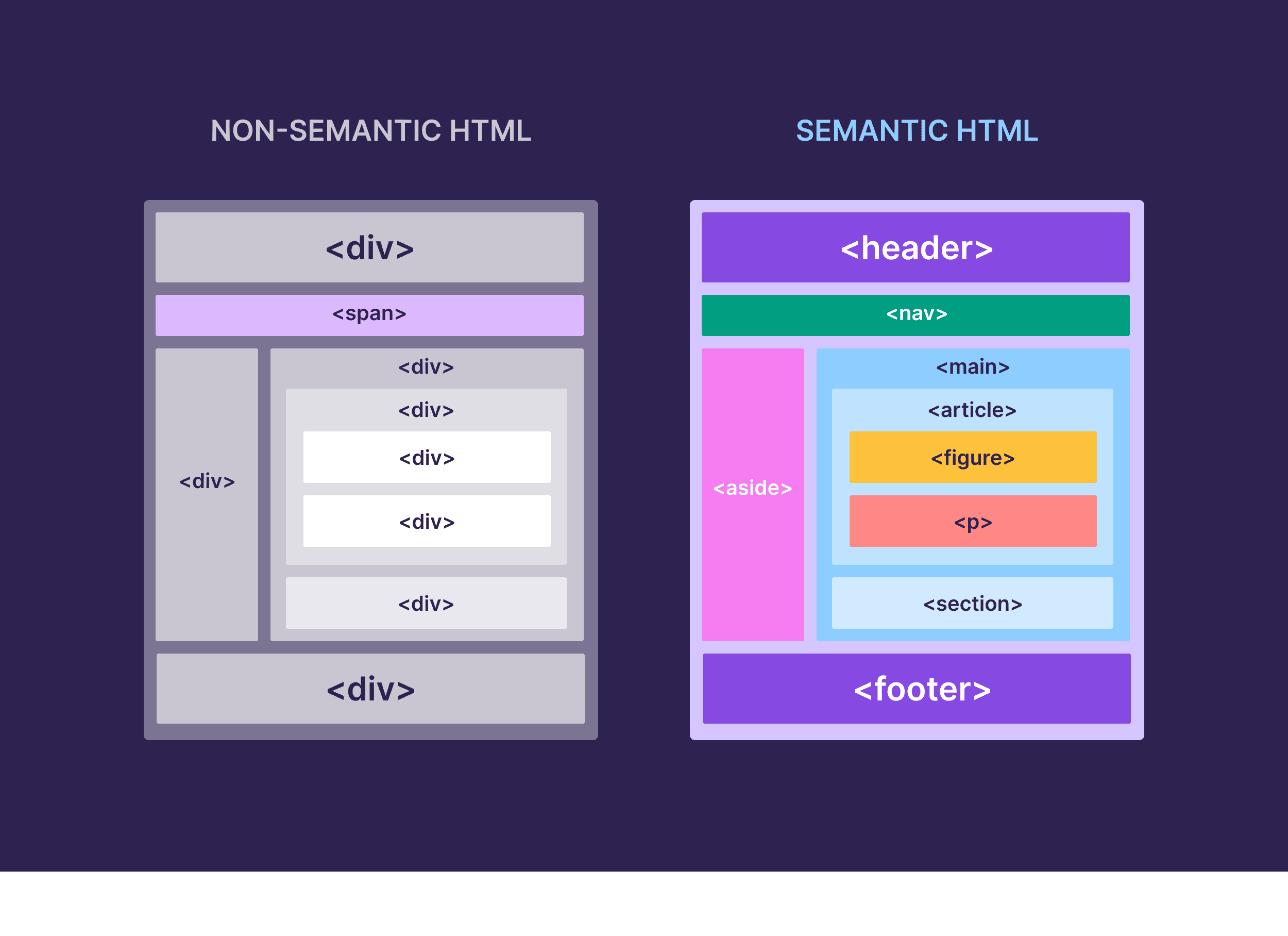
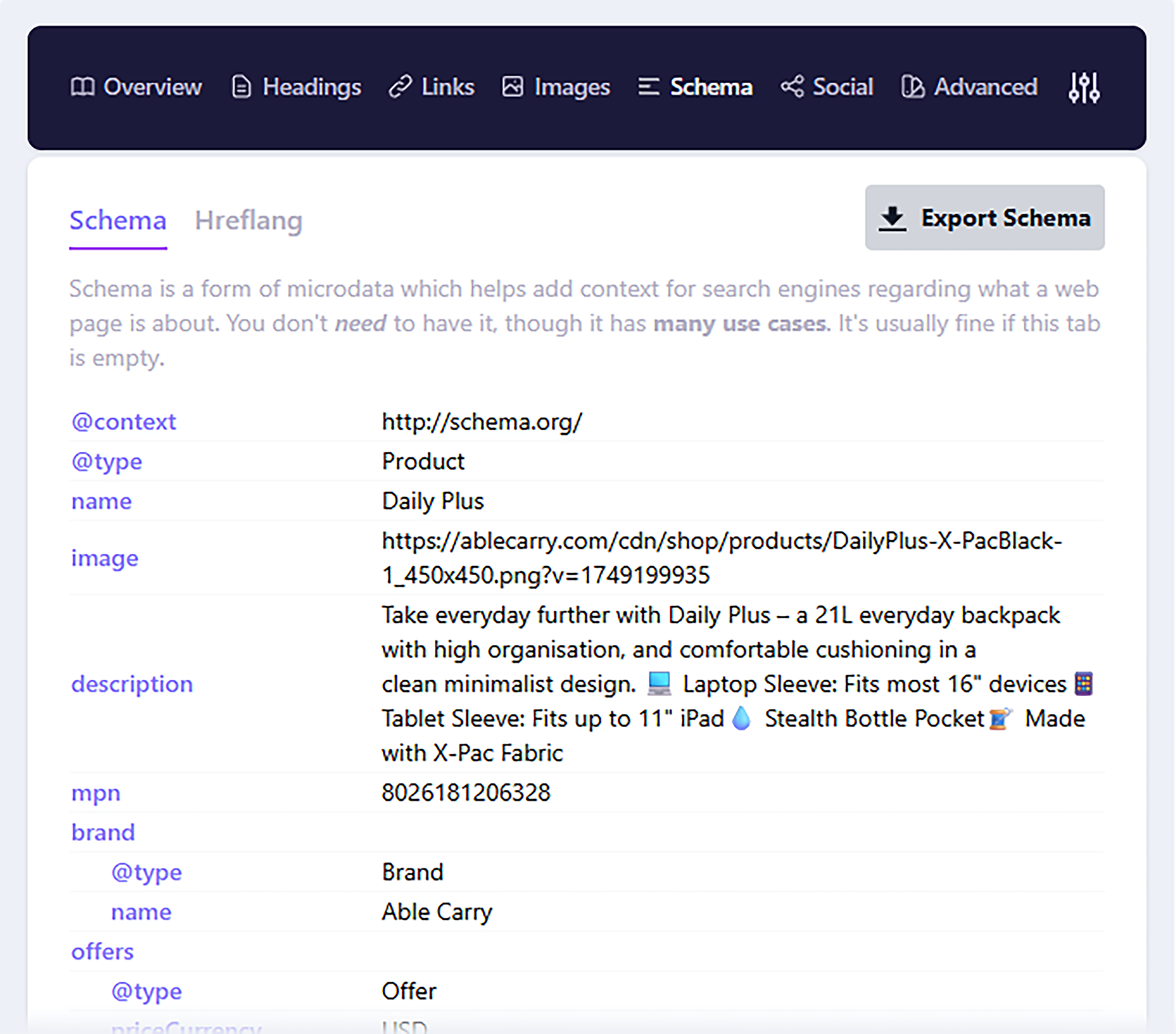
Technical optimization now extends beyond basic metadata and keyword density. Modern website architecture requires a clean, flat hierarchy that enables search engine bots and AI scrapers to easily parse site content. Implementing semantic HTML—utilizing structured elements like headings, lists, and semantic tags—clarifies content organization and highlights the relationship between different topics. Furthermore, proper schema markup acts as a foundational translation layer, helping search algorithms interpret product specifications, organizational data, and contextual authorship.
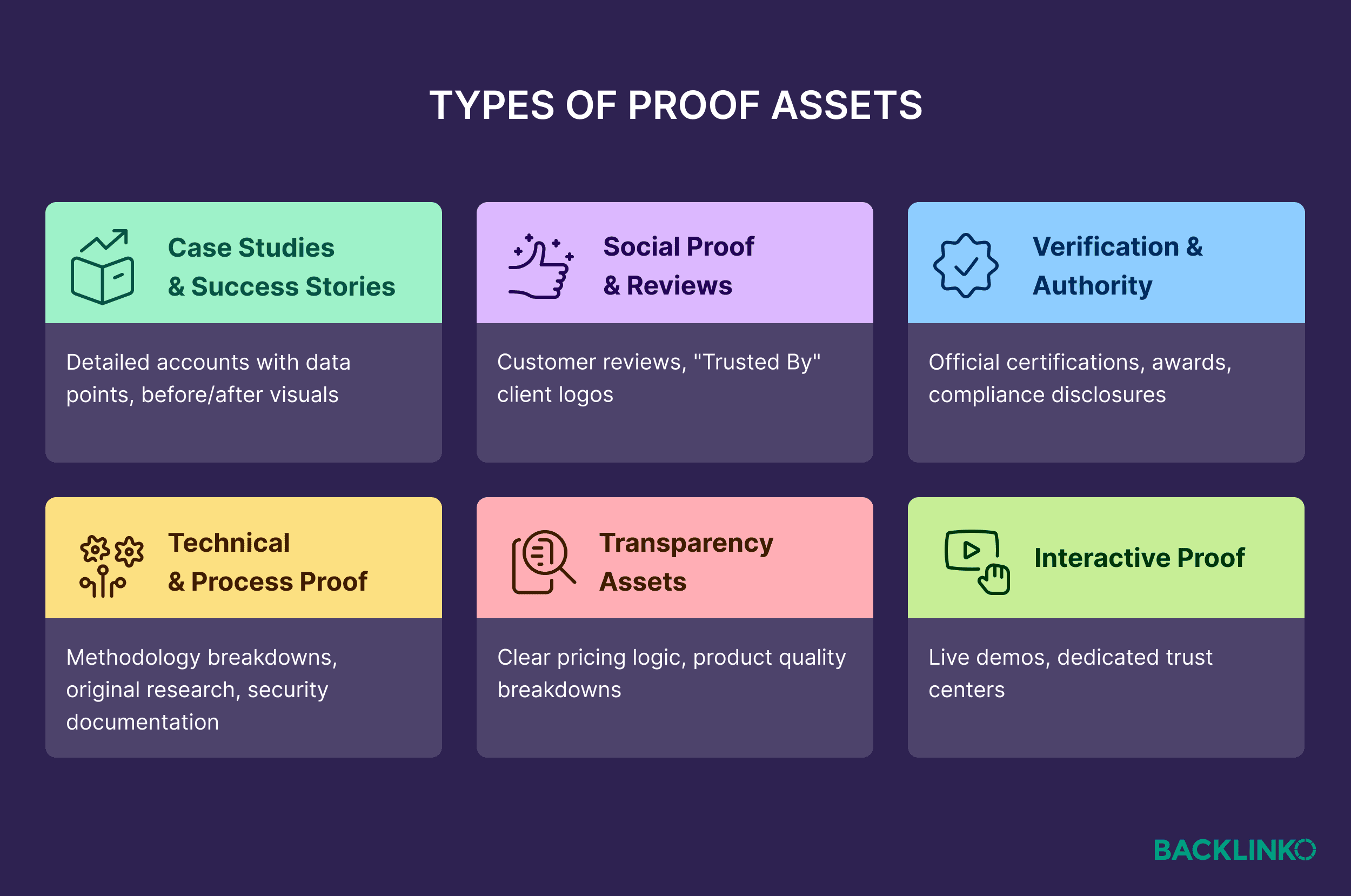
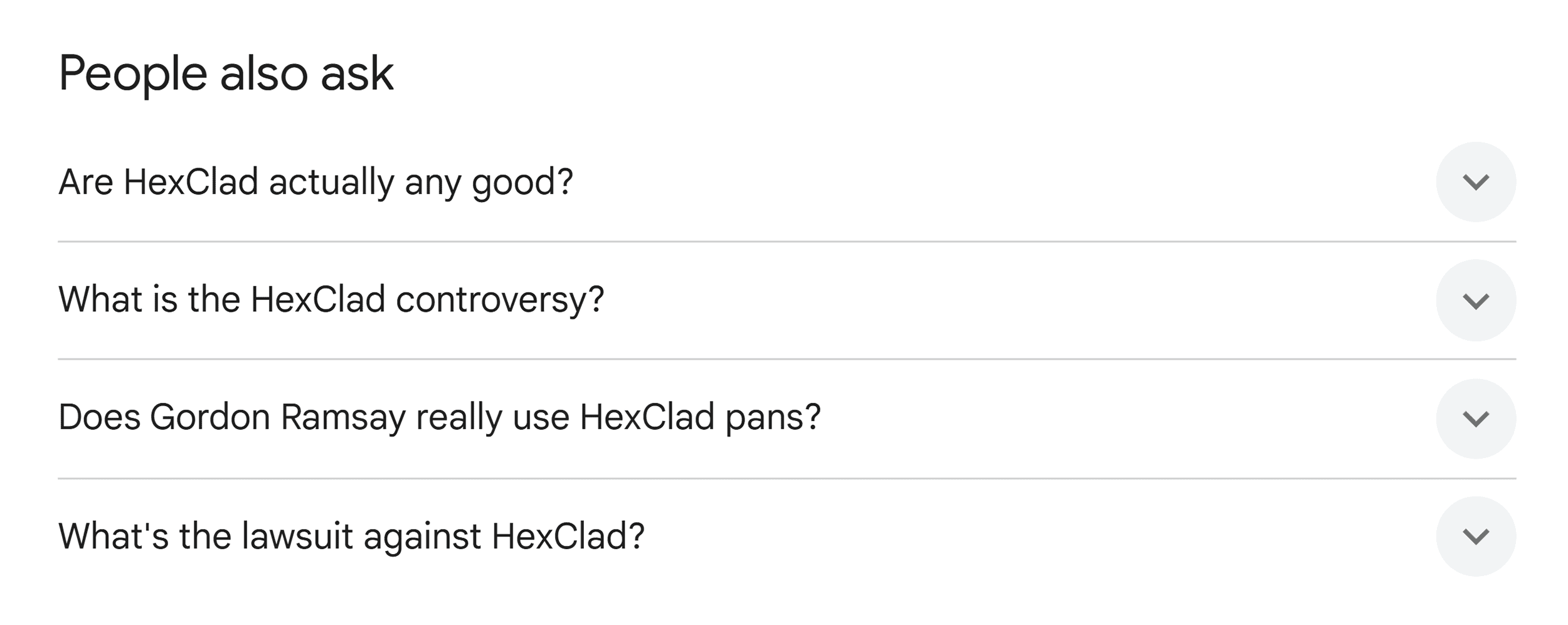
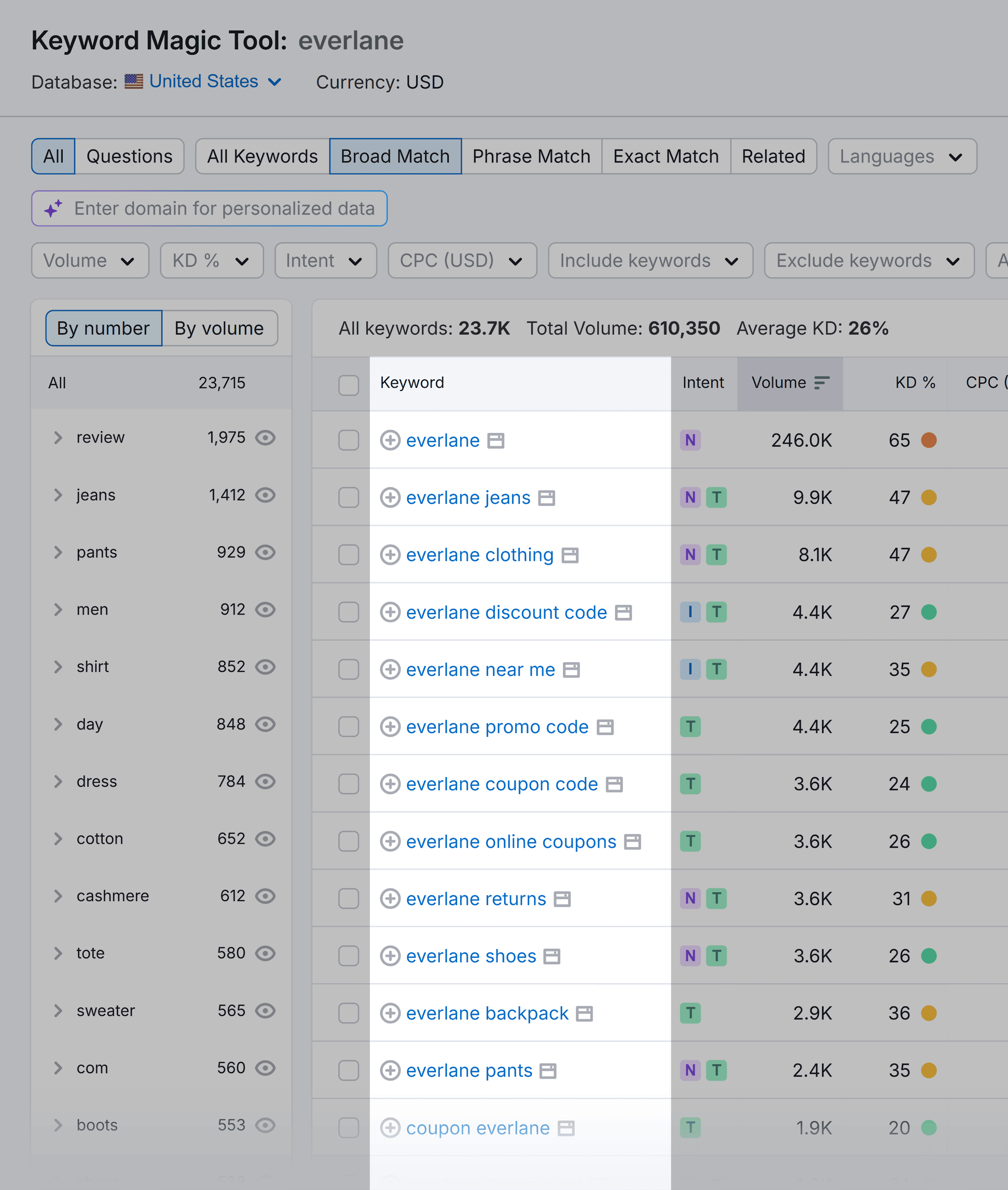
Alongside technical structuring, modern web properties must prioritize the publication of robust proof assets. Credibility markers—such as verifiable case studies, empirical data, security compliance documentation, and transparent return policies—directly influence how both human evaluators and automated systems gauge authority. By cross-referencing high-volume queries in keyword research platforms like Semrush and analyzing "People Also Ask" search modules, organizations can identify recurring consumer anxieties and systematically publish authoritative assets that address those concerns directly.
The Rise of Multimedia Integration and Trust Building
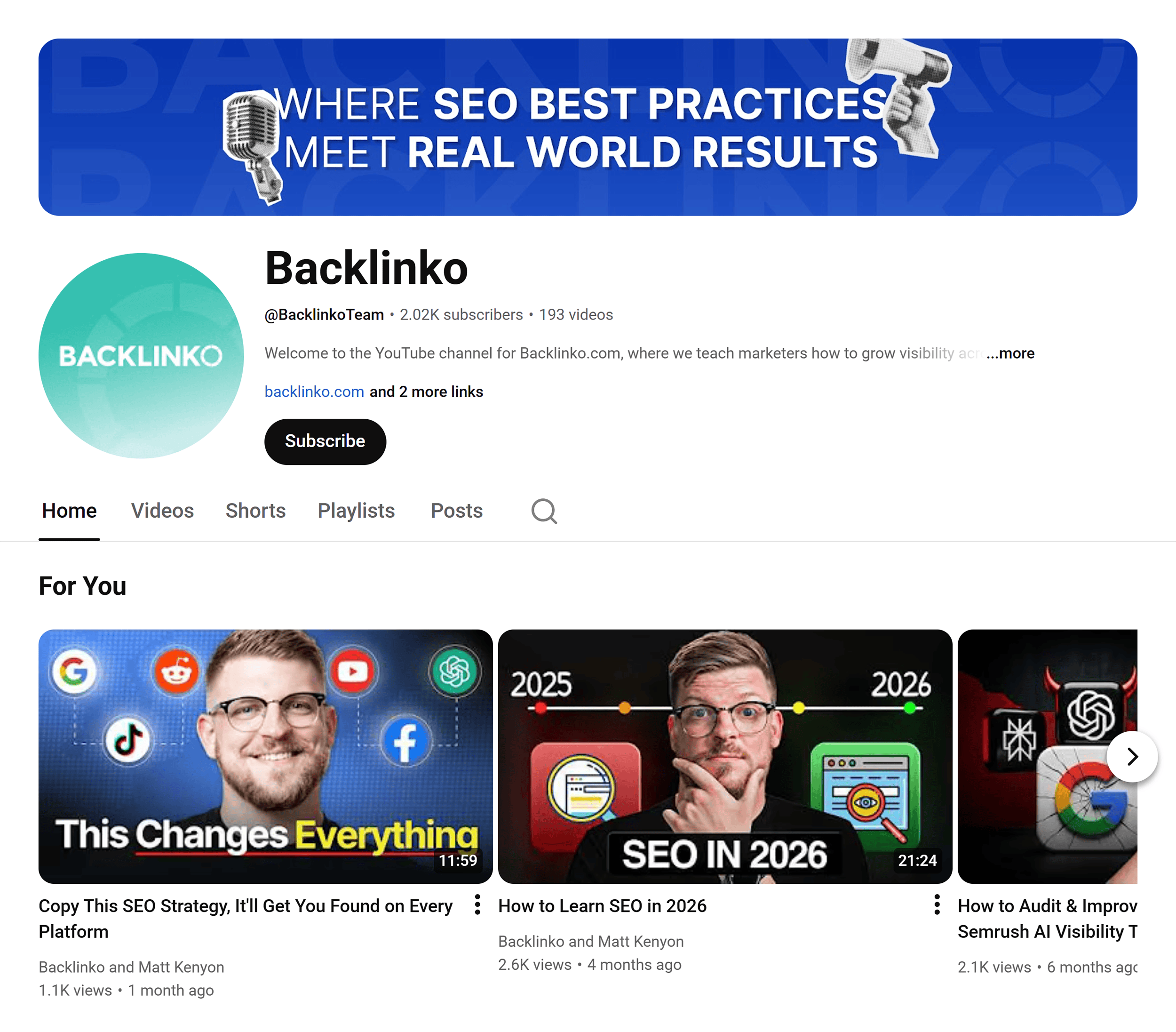
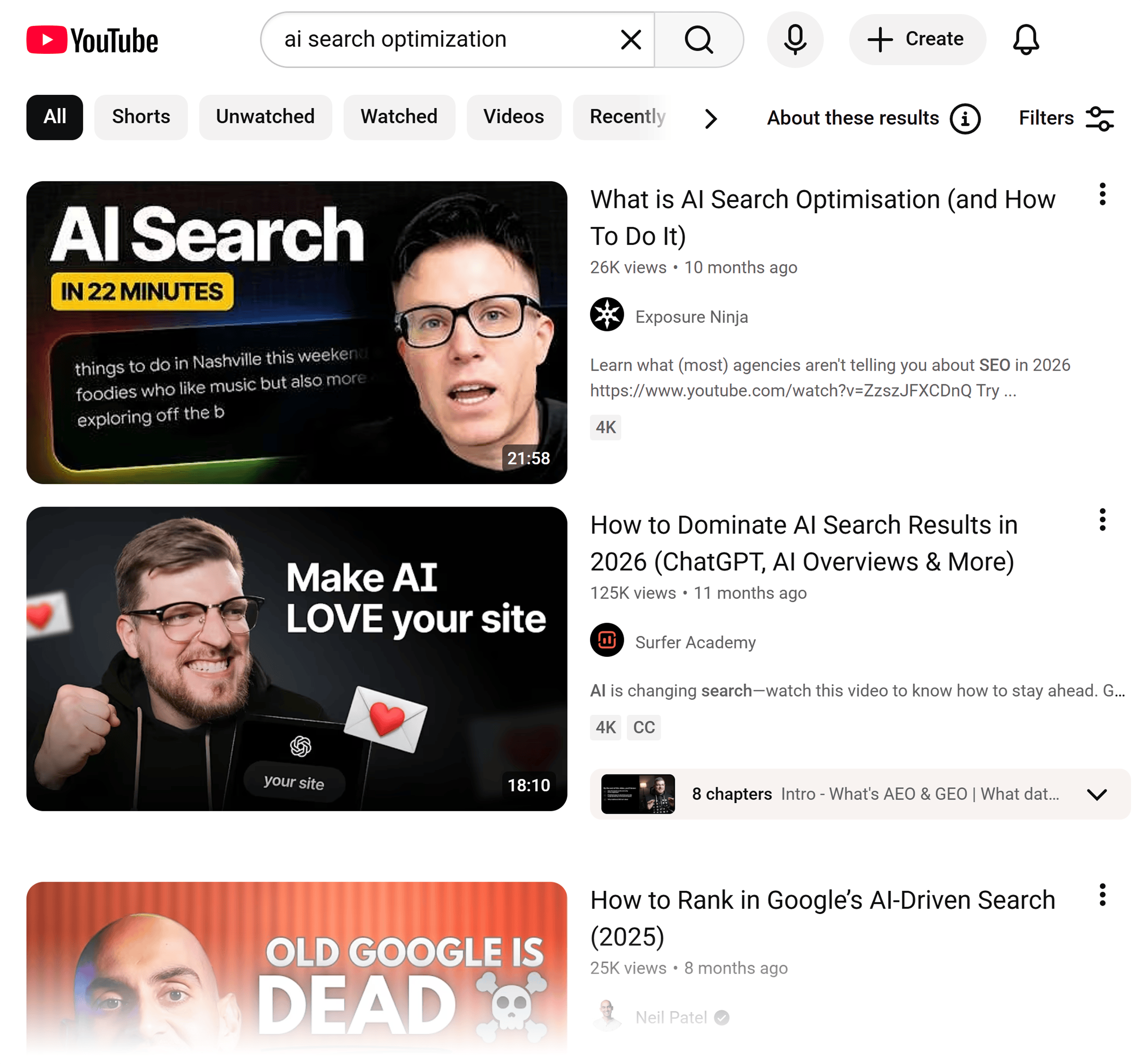
Text-based content alone is no longer sufficient to build immediate rapport in a digital ecosystem saturated with automated output. Video marketing has transitioned from an auxiliary tactic to a core pillar of audience trust-building. Long-form video platforms, including YouTube, webinars, and hosted training sessions, allow brands to demonstrate genuine expertise and establish a recognizable human connection before a purchase transaction occurs.
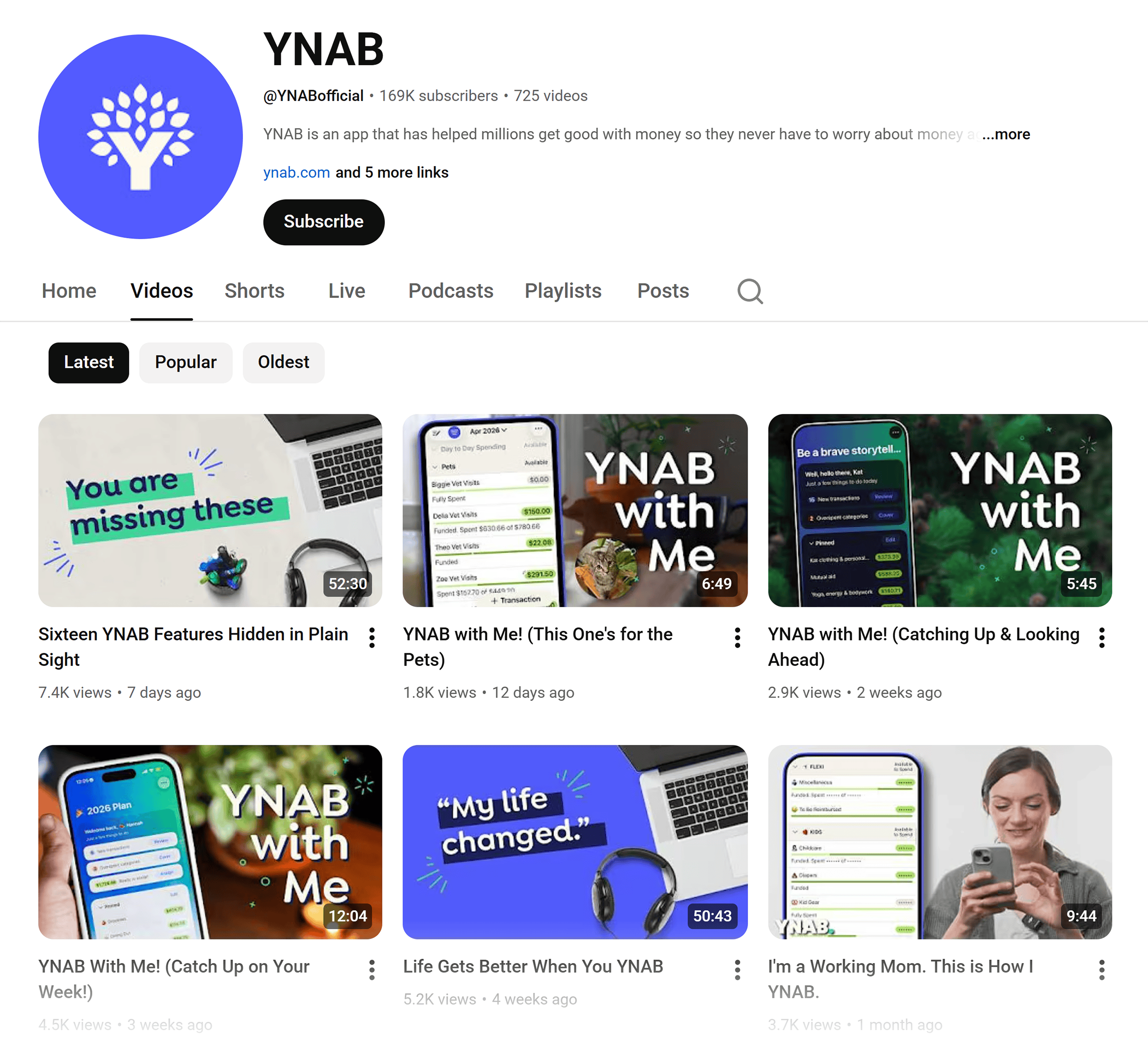
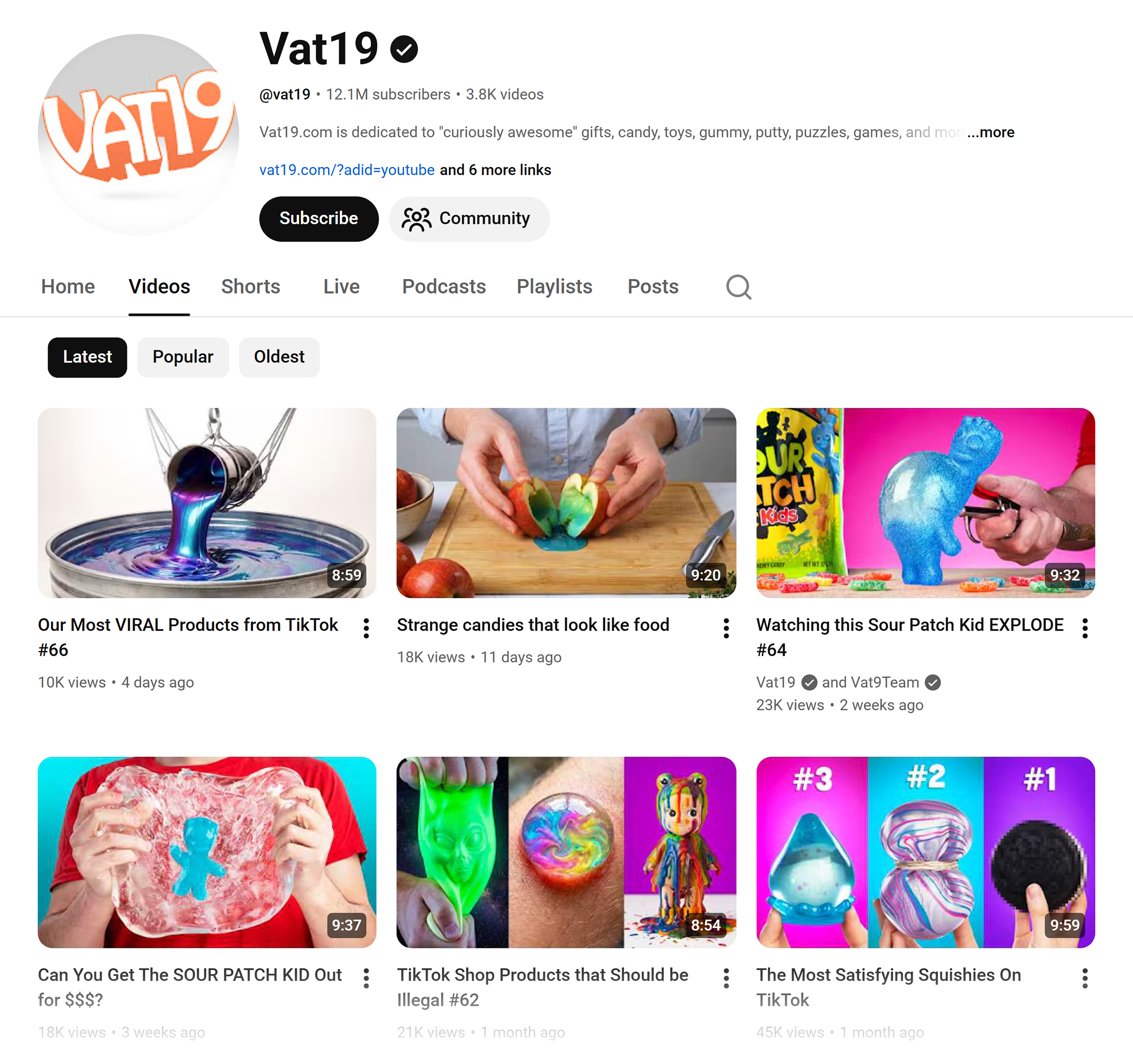
For example, personal finance software provider YNAB utilizes its YouTube channel to publish comprehensive budgeting tutorials that guide users through financial evaluation before they ever engage with a sales funnel. Conversely, e-commerce entities like Vat19 leverage highly visual, product-focused video demonstrations to drive direct sales.
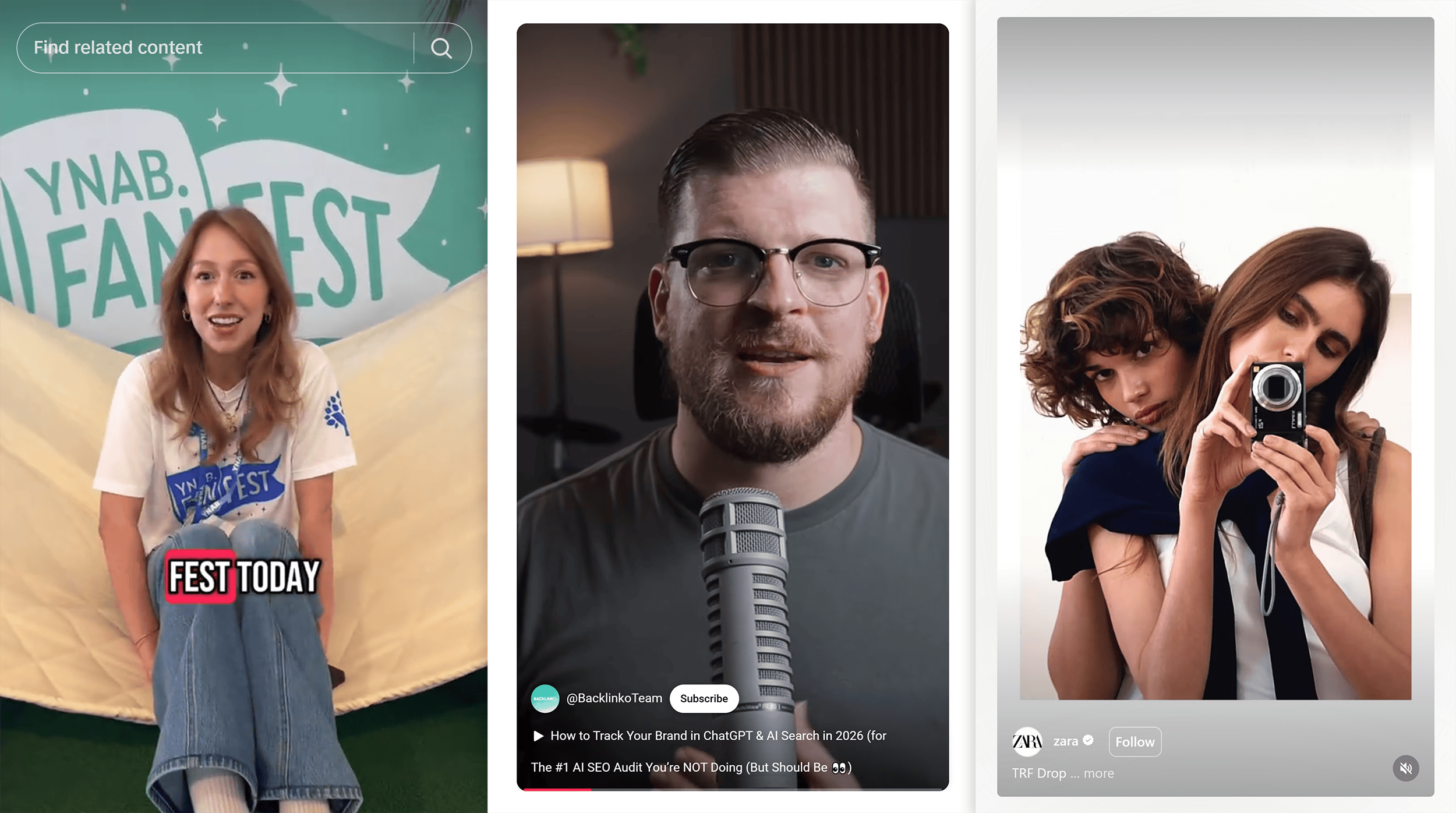
Short-form video formats—including Instagram Reels, TikTok, and YouTube Shorts—further reinforce brand familiarity through consistent repetition. By answering authentic customer questions gathered from sales calls, support tickets, and common objections, brands can produce bite-sized educational content that addresses real-world consumer pain points. Integrating these video channels back into the primary website via targeted contextual links creates a seamless transition from entertainment or education to high-intent conversion.
Capitalizing on Alternative Traffic Channels: Google Discover and Third-Party Forums
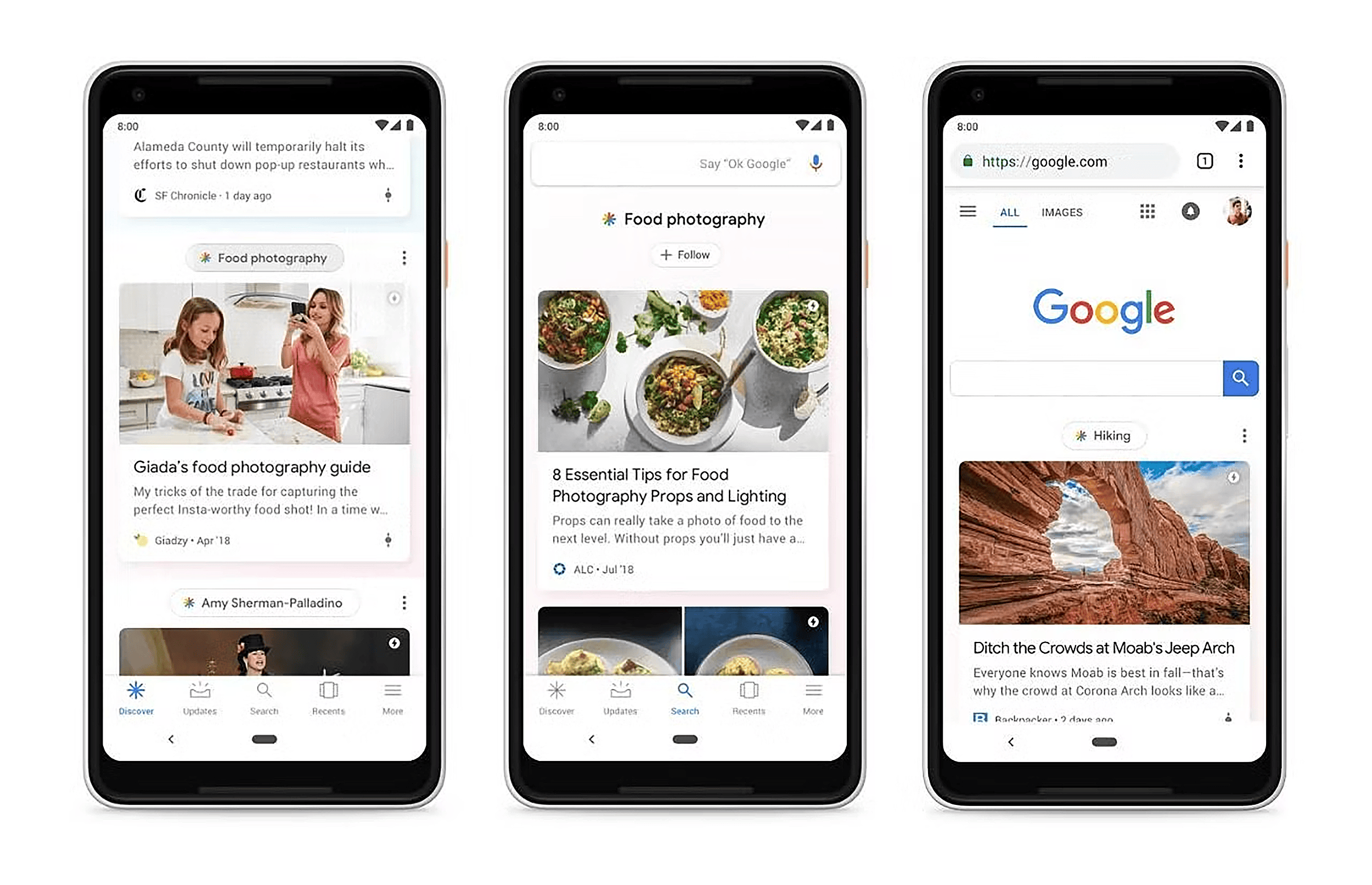
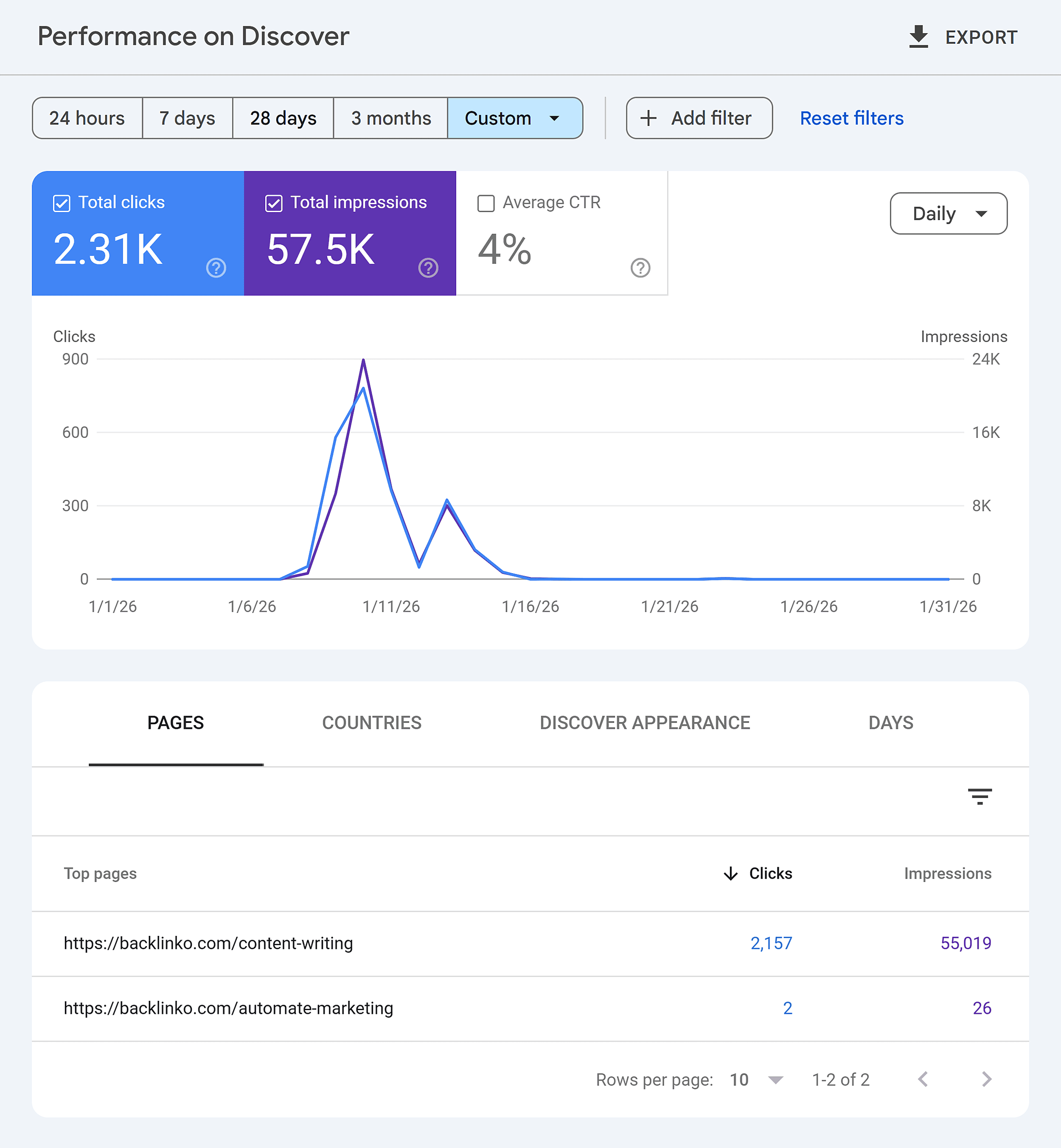
As traditional organic search becomes more competitive, capturing traffic from alternative discovery engines has become paramount. Google Discover, a personalized content feed integrated into mobile search applications, represents a major source of traffic spikes for publishers who align their content strategy with interest-based curation.
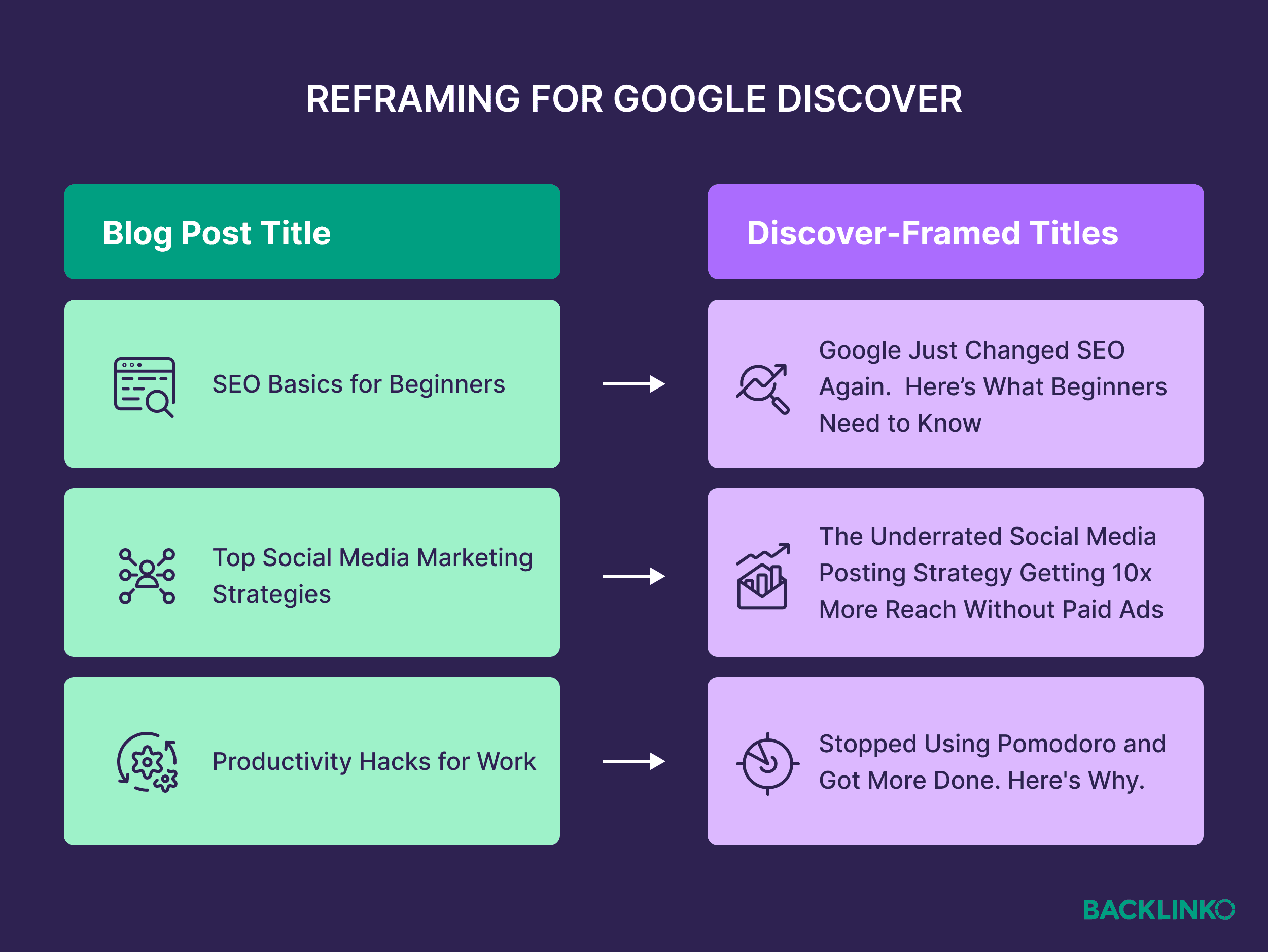
Securing placement within Google Discover requires a distinct editorial approach. Unlike standard search optimization, which targets static keyword queries, Discover content thrives on timeliness, clear narrative stakes, and strong visual packaging. Articles that address emerging industry shifts, regulatory changes, or trending consumer topics tend to perform exceptionally well when paired with high-resolution featured images and compelling headlines that generate immediate interest.

Simultaneously, third-party community platforms—such as Reddit, specialized Discord servers, and industry-specific forums—exert profound influence over consumer trust. Modern web marketing strategies must incorporate active, non-promotional participation within these ecosystems. Brands that assign representatives to provide genuine support, answer technical questions, and address customer service inquiries within community threads build long-term credibility that directly translates into improved brand sentiment and higher conversion rates on their primary domains.
Conversion Rate Optimization in a High-Intent, Zero-Click Environment
Because modern consumers frequently complete their preliminary research via AI summaries and external reviews before visiting a website, incoming traffic is typically pre-educated and further along in the buying cycle. Consequently, bounce rates can be damaging if a website fails to facilitate immediate action.
Conversion rate optimization (CRO) in 2026 focuses heavily on revenue per visitor and the systematic reduction of friction and anxiety. Friction encompasses technical barriers—such as slow page load speeds, convoluted navigation structures, or complex checkout forms. Anxiety involves psychological hesitation, such as unclear pricing, insufficient trust signals, or a lack of transparent security documentation.
To combat this, businesses must audit their high-intent pages—such as product pages, pricing matrices, and demo booking portals—to ensure a frictionless path to purchase. Furthermore, pairing on-site optimization with behavioral email marketing allows brands to maintain communication after a visitor departs. By triggering automated email sequences based on specific site activity, such as abandoned carts or recurring visits to pricing pages, companies can leverage principles of behavioral psychology to nurture warm leads back toward conversion.

Humanizing the Brand in an Automated Economy
The proliferation of generative text tools has ironically created a significant market premium for authentic human voices. Brands that position recognizable leaders, founders, or subject matter experts at the forefront of their marketing efforts can establish deeper emotional connections with their target audience.
Thought leadership content—characterized by contrarian industry perspectives, original research, and proprietary data—distinguishes authentic enterprises from automated competitors. When individuals within an organization actively publish thought leadership across professional networks like LinkedIn, host podcasts, or represent the company in public forums, they effectively scale the human element of the brand. Ensuring clear professional associations between these public advocates and the corporate entity reinforces institutional credibility and builds lasting brand equity.

Conclusion: Strategic Imperatives for Modern Website Marketing

Ultimately, successful website marketing requires a holistic view of the contemporary digital ecosystem. While the corporate website remains the ultimate destination for revenue generation, its performance is inextricably linked to off-site visibility, algorithmic positioning, community engagement, and human-centric branding. Organizations that embrace this decentralized reality—harmonizing AI discovery, multi-channel video distribution, rigorous technical optimization, and community-driven trust—will secure sustainable competitive advantages in the digital marketplace.