The Evolving Anatomy of Brand Loyalty: Navigating Trust, Skepticism, and Real-Time Social Intelligence in Modern Commerce


Brand loyalty has historically been the bedrock of sustainable corporate growth, representing the ultimate validation of a company’s value proposition. However, in the modern digital marketplace, earning consumer allegiance is exceptionally difficult, and losing it has become remarkably easy. Contemporary consumers increasingly encounter brands across fragmented digital ecosystems—ranging from decentralized social networks and creator-led communities to niche online forums—entirely outside the direct control of corporate marketing departments. Simultaneously, the proliferation of generative artificial intelligence (AI) and digital misinformation has introduced unprecedented levels of consumer skepticism regarding online content.
This dynamic environment means public sentiment can shift catastrophically overnight. Traditional corporate feedback mechanisms, such as historical sales data, lagging customer satisfaction surveys, and retrospective quarterly reports, often reveal critical patterns far too late. By the time analytics teams process these metrics, consumer perceptions have frequently evolved, and brand loyalty has already degraded. Consequently, building and retaining lasting brand loyalty now depends heavily on real-time social intelligence—the capacity of an organization to capture, analyze, and act upon public discourse while those conversations retain operational relevance.
Understanding the Taxonomy of Loyalty, Affinity, and Awareness
To effectively manage consumer relationships, modern enterprises must distinguish between foundational marketing concepts that are frequently conflated. Brand loyalty specifically denotes a consumer’s ongoing preference for a particular brand over its competitors, grounded primarily in deep-seated trust and emotional connection rather than mere convenience, habit, or pricing structures. Manifestations of true brand loyalty include repeatedly choosing the same commercial provider, proactively recommending the company to peers, and remaining committed even when market competitors introduce aggressive pricing or convenience models.
Conversely, brand affinity reflects the emotional resonance a consumer feels toward a brand, often rooted in shared values, cultural identity, or personal experiences. While brand affinity and brand loyalty frequently reinforce one another, they are distinct psychological states. They also differ fundamentally from customer loyalty—which measures repeat transactional behavior driven by service frameworks, loyalty reward programs, or logistical convenience—and brand awareness, which merely tracks basic consumer familiarity with a brand name, logo, or product catalog.
Much like a lasting personal friendship, brand trust cannot be manufactured through a single positive interaction. It accumulates incrementally through repeated, reliable experiences that demonstrate a brand understands and respects consumer priorities. Conversely, recurring operational missteps systematically erode that trust over time.

The Structural Barriers to Earning Consumer Trust
Building brand loyalty today requires navigating a vastly more complex psychological and digital landscape than in previous decades. Modern consumer discovery rarely occurs linearly. A prospective buyer might encounter a product through an independent creator video on TikTok, evaluate mixed and often contradictory peer reviews on Reddit, and absorb a critical commentary piece before ever visiting the brand’s official e-commerce portal. By the time the consumer interacts directly with the corporate ecosystem, their foundational impressions are frequently already cemented.
This complex journey intersects with a measurable decline in public trust regarding digital information. According to comprehensive industry data from recent consumer pulse surveys, roughly 35% of social media users report that their overall trust in digital content has deteriorated significantly over the past year. Misinformation remains a primary catalyst for this skepticism, cited by approximately 30% of surveyed users, while another 20% attribute their distrust to the rise of unregulated, synthetic AI content. Furthermore, an overwhelming 88% of consumers express concern that generative AI video tools have severely undermined the credibility of news and information encountered on social media platforms.
Corporate interactions face identical public scrutiny. Overly polished marketing testimonials immediately trigger skepticism if consumers suspect hidden AI generation. Vague or defensive corporate responses to public criticism typically provoke intensified scrutiny, while poorly disclosed influencer partnerships can permanently damage brand credibility if perceived as inauthentic. Consequently, the threshold for establishing trust is exceedingly high. Today’s consumers meticulously evaluate whether a company’s operational actions align with its public marketing promises, rendering brand credibility a continuous test distributed across every touchpoint, including those outside corporate-owned channels.
The Operational Danger of Delayed Insights
Despite having access to unprecedented volumes of customer data, most modern enterprises struggle not with a shortage of information, but with the timing of its delivery. Consumer complaints frequently circulate across social media platforms days or weeks before surfacing in formal customer satisfaction surveys. Similarly, shifts in consumer demand often manifest in peer-to-peer digital communities long before traditional sales reports register the deviation.
Industry research indicates that an estimated 86% of business professionals acknowledge missing strategic opportunities over the past two years due to customer insights that were delayed, siloed, or underutilized. The single most common missed opportunity identified by organizational leaders is reacting too slowly to rapid market shifts, a vulnerability cited by 33% of respondents. Alarmingly, only 10% of global organizations possess the infrastructural agility required to act upon a critical social insight within a matter of hours.
This analytical lag is frequently exacerbated by structural fragmentation within corporate data systems. Customer relationship management platforms, social listening software, customer support ticketing systems, and market research databases often operate in isolation. When customer data remains disconnected, cross-functional teams cannot coordinate a unified response at the optimal moment. Market data reveals that 55% of consumers believe brands excel at listening to public feedback but routinely fail to act upon those insights, highlighting a critical operational disconnect between passive data collection and active resolution.
Strategic Frameworks for Cultivating Lasting Brand Loyalty
To bridge this operational gap and foster durable brand loyalty, forward-thinking enterprises are adopting comprehensive social intelligence strategies focused on six core operational pillars.
-
Expanding Listening Beyond Owned Channels
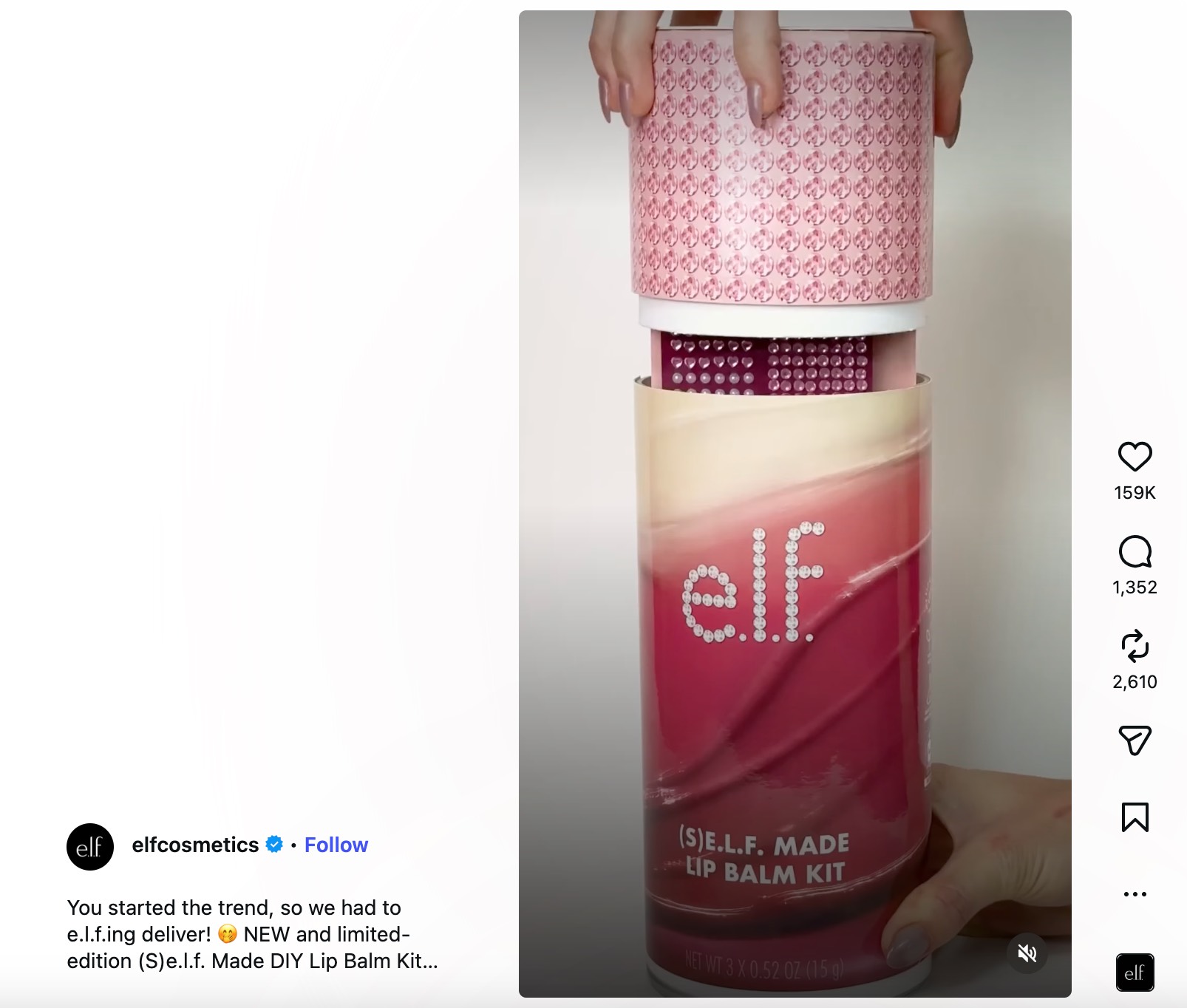
Relying exclusively on tagged mentions and official post comments captures only a fraction of relevant consumer dialogue. Modern buyers openly debate products, voice grievances, and share recommendations within unmoderated digital spaces, including Reddit threads, independent creator comment sections, and broad category-wide discussions. Deploying advanced social media listening and media intelligence tools allows analytical teams to surface emerging consumer complaints, identify evolving industry lexicon, and discover innovative, unintended product uses long before formal feedback loops register the change. For instance, major cosmetics and beverage brands have successfully identified viral DIY consumer trends on social media and rapidly translated those unprompted behaviors into formal product development pipelines. -
Translating Unprompted Feedback into Product Innovation
Public digital conversations are saturated with valuable consumer product hacks, technical frustrations, and feature requests. By systematically routing these insights from social listening platforms directly into product development, research, and engineering departments, companies can transform everyday online chatter into actionable R&D input. Integrating social customer service workflows ensures that operational feedback reaches the specific internal teams best positioned to execute structural improvements. -
Demonstrating Public Accountability
Consumers place significantly more trust in brands that transparently acknowledge shortcomings and visibly demonstrate how feedback influenced corrective action. When recurring product complaints lead to engineering overhauls, or when service gaps are openly addressed with the public, organizations validate the importance of their customer base. Public accountability provides both the original complainant and the broader observing audience with tangible evidence that the corporate entity is genuinely responsive to consumer needs. -
Elevating Digital Customer Service Standards
Because social media platforms have effectively evolved into primary customer care channels, service interactions frequently occur in the public eye. Rapid, highly personalized responses strengthen existing consumer relationships, whereas slow, generic automated replies provide immediate justification for customer defection. Integrating social messaging channels directly into centralized customer relationship management systems ensures that support agents possess comprehensive historical context without navigating disconnected software silos.
-
Cultivating Authentic Creator and Influencer Partnerships
While top-tier mega-influencers provide broad visibility, they do not inherently guarantee consumer trust. Industry metrics indicate that consumers frequently place substantially higher trust in everyday users and niche micro-influencers for genuine product recommendations. Partnering with credible, brand-safe micro-influencers bridges the trust gap by combining wide audience reach with the relatability of peer-to-peer endorsements. -
Empowering Frontline and Employee Advocacy
Employees often provide the most authentic window into the internal expertise, culture, and human capital driving an enterprise. Structured employee advocacy programs empower internal teams to share approved corporate content while retaining their individual professional voices, offering audiences an intimate and credible perspective on the brand.
Measuring and Retaining Brand Loyalty in a Dynamic Market
Because brand loyalty encompasses both behavioral habits and psychological attitudes, no single metric can capture its entirety. Historical behavioral data—such as repeat purchase rates, customer retention statistics, and lifetime value calculations—reflects past consumer actions. However, these metrics serve as lagging indicators. To gain predictive visibility, organizations must pair historical data with real-time sentiment analysis and share-of-voice tracking to evaluate current emotional resonance.
Sustaining loyalty once established requires continuous vigilance against shifting expectations. Enterprises must deploy predictive media intelligence to identify emerging narratives and potential crises before they peak. Furthermore, as organizations increasingly integrate generative artificial intelligence into their marketing and operational workflows, uncompromising transparency regarding AI utilization is paramount. Refusing to deploy unlabeled synthetic content or undisclosed AI influencers protects hard-earned consumer trust from erosion.
Ultimately, brand loyalty is not a static commercial destination, but an ongoing operational journey. Enterprises that sustain long-term customer allegiance treat listening as a continuous organizational habit, utilizing real-time audience insights to adapt, improve, and reinforce the foundational credibility that keeps consumers returning.