WPBeginner Spotlight 27: WordPress 7.1, WPVibe AI Everywhere, and a New Way to Record Your Screen

August 2026 has proven to be a pivotal watershed moment for the global WordPress ecosystem, marked by major core software advancements, an explosive surge in Model Context Protocol (MCP) artificial intelligence integrations, and critical developer updates. The month’s headline developments were anchored by the official rollout of WordPress 7.1 "Mary Lou" on August 19, coinciding directly with the four-day WordCamp US conference held at the Phoenix Convention Center. Bringing together over 1,100 registered attendees in person and thousands more participating via digital livestreams, the annual flagship gathering underscored a rapid industry-wide shift: artificial intelligence is officially moving away from experimental novelty and transitioning into everyday enterprise and independent site management.
Alongside core software changes, the broader ecosystem experienced substantial movement. The AI-WordPress management tool WPVibe rapidly doubled its active installations to cross the 10,000 mark, while foundational e-commerce, donation, and form-building plugins—including WooCommerce 11.0, WPForms, Easy Digital Downloads, and WP Charitable—rolled out robust updates aimed at enhancing site performance, streamlining user interfaces, and mitigating silent revenue leakage.
WordPress 7.1 "Mary Lou" Brings Native Responsive Controls and Redesigned Collaboration Tools
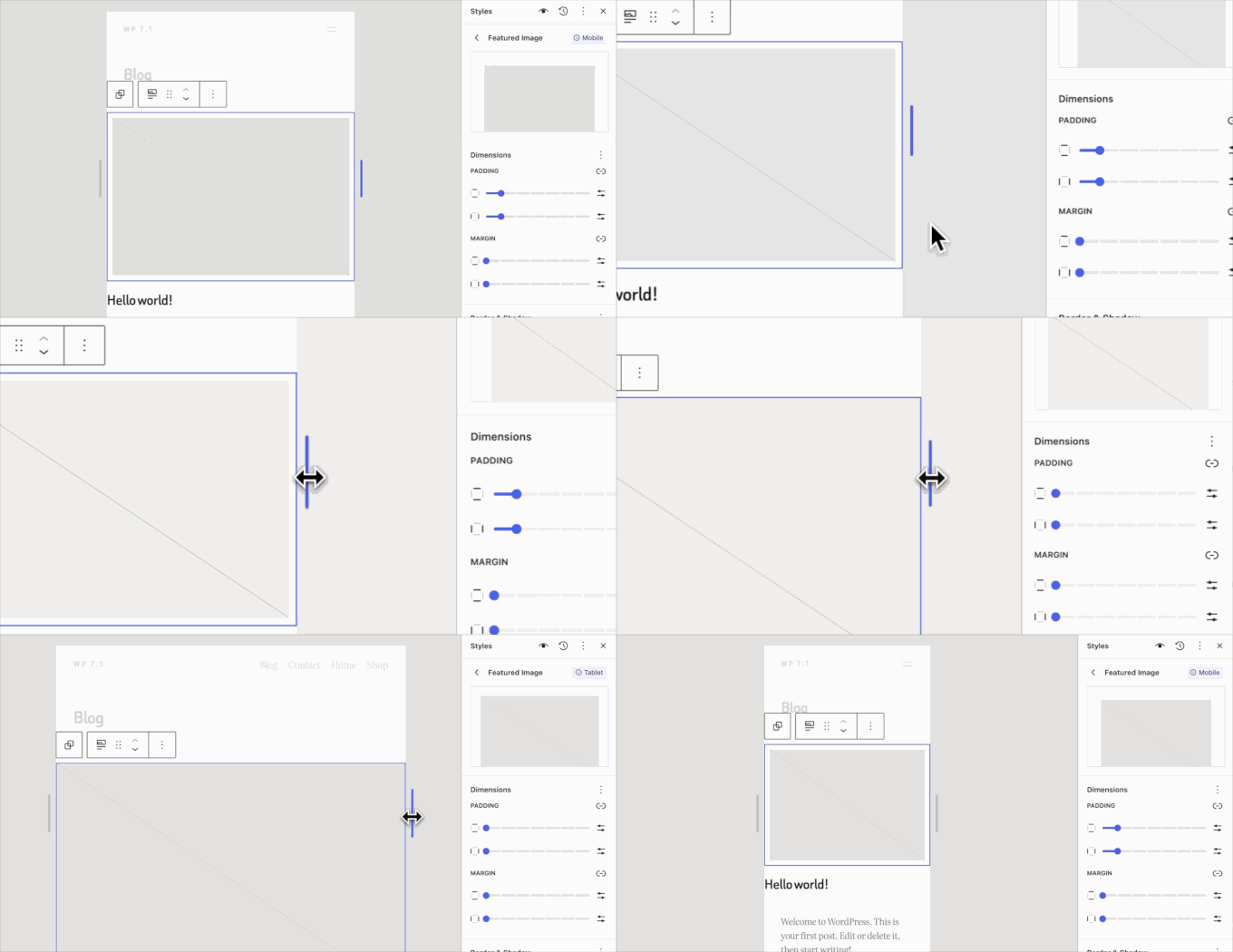
Released precisely on schedule on August 19, 2026, and named in honor of pioneering jazz pianist Mary Lou Williams, WordPress 7.1 focuses heavily on refining everyday site-building friction points. For years, developers and non-technical site administrators alike have grappled with the limitations of applying global CSS rules to complex block layouts when aiming for optimal mobile responsiveness. WordPress 7.1 addresses this directly by introducing native responsive styling controls natively inside the block editor.
Site administrators can now adjust typographical scales, padding, margins, and structural visibility across tablet and smartphone viewports directly from the dashboard canvas without writing a single line of custom CSS. For example, users can scale down oversized headings specifically for mobile screens by switching the device preview interface, ensuring the adjustment remains isolated to that particular viewport.
In addition to responsive design controls, the "Mary Lou" release features an extensively redesigned media editor, richer administrative note-taking capabilities, and critical infrastructure improvements. Concurrently, maintainers rolled out safety updates 7.0.3 and 7.0.4 for users remaining on the 7.0.x branch, urging all webmasters to execute comprehensive server and database backups prior to upgrading to version 7.1. Looking ahead, the WordPress release squad has already pencilled in the tentative schedule for WordPress 7.2, slated for a December 9, 2026 launch.
The Rise of MCP: AI-Driven WordPress Management Enters the Mainstream
Perhaps the most notable trend emerging from WordCamp US 2026 was the rapid maturation of AI-assisted site management powered by the Model Context Protocol (MCP). Developed as an open standard to give secure, structured pathways for large language models to interact with local environments, MCP has effectively bridged the gap between conversational AI and backend web administration.
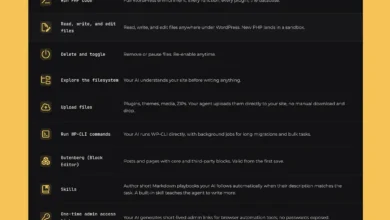
WPVibe, a free plugin that allows administrators to manage their WordPress installations using natural language chats with assistants like ChatGPT, Claude, and Gemini, doubled its active install base in a single month to surpass 10,000 active sites. Highlighting this milestone at WordCamp US, ecosystem leaders noted that WPVibe’s recent compatibility additions—spanning popular design frameworks and builders such as Kadence, Bricks, Breakdance, LifterLMS, and advanced PDF reading capabilities—mean that developers do not need to abandon their existing toolchains to leverage AI automation.
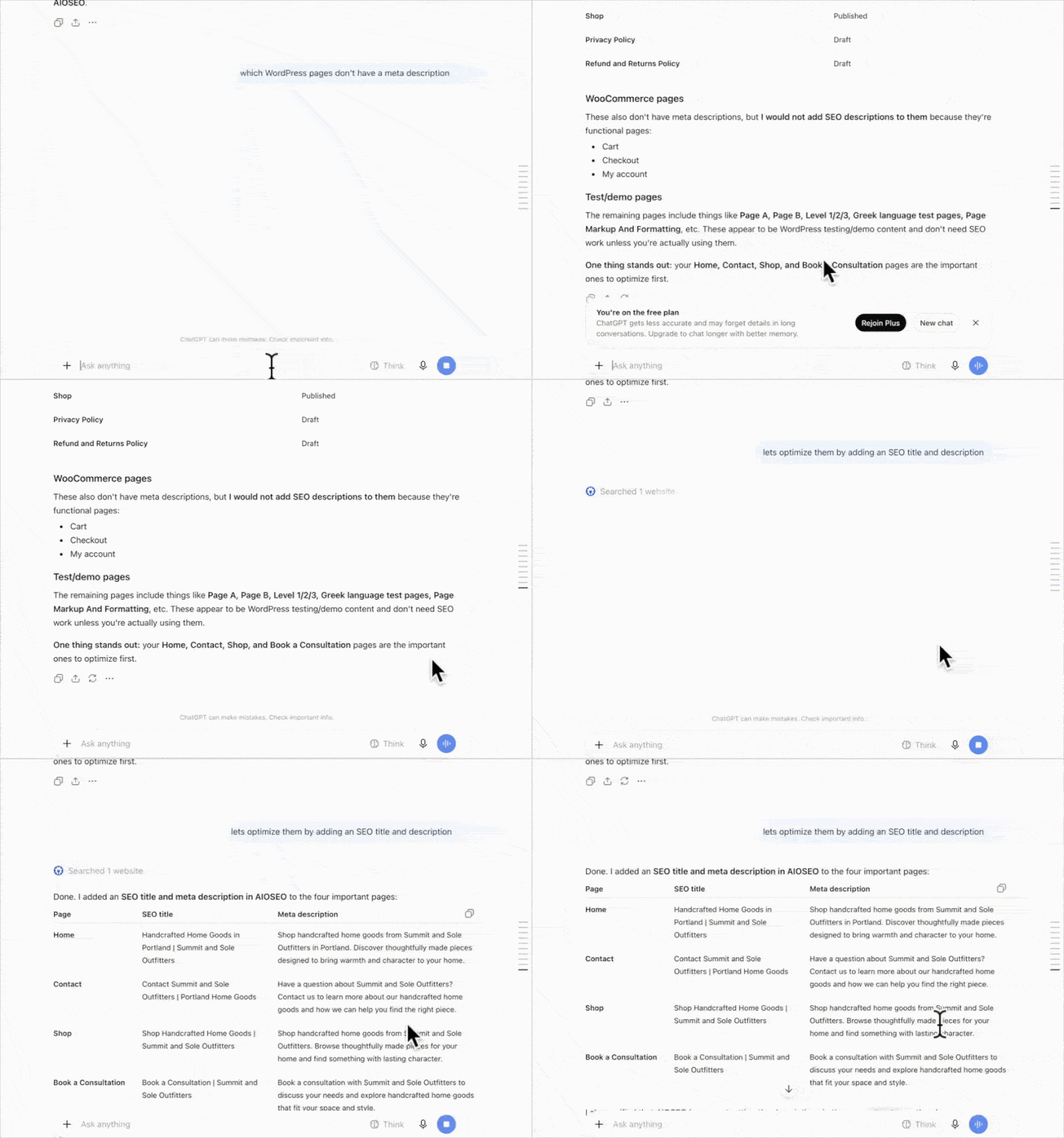
Furthermore, prominent infrastructure providers have begun baking these capabilities directly into their core hosting dashboards. Levamo, widely recognized as a high-performance WordPress host formerly known as Rapyd Cloud, integrated WPVibe under its dedicated AI management tab. This allows enterprise and independent customers alike to execute routine maintenance, run diagnostics, and implement changes via plain-language instructions.
The AI integration wave extended far beyond content and styling management. ConsentLayer, a prominent privacy compliance and cookie banner tool handling regional regulations like GDPR, CCPA, and LGPD, announced native support inside ChatGPT, complementing its existing integration with Claude and Cursor. Webmasters can now instruct an AI agent to establish, scan, and categorize tracking pixels and analytics scripts automatically, drastically reducing the technical and legal barriers historically associated with site privacy compliance. Similarly, form builders such as Formidable Forms integrated MCP connectivity, enabling users to generate complex, multi-field forms simply by describing their requirements in conversational English.
E-Commerce and Fundraising Upgrades Target Revenue Optimization
E-commerce operations on WordPress received major performance and feature updates this August, led by the rollout of WooCommerce 11.0. Aimed firmly at addressing speed and operational transparency, WooCommerce 11.0 introduces an experimental product caching system enabled by default for fresh installations. This optimization yields an immediate 9 to 12 percent reduction in load times for complex product pages featuring extensive variable options. High-volume merchants also benefit from more efficient database queries on the core "Orders" administrative screen, mitigating previous timeout risks, while analytics engines were recalibrated to log refunds in the precise financial period they occur to ensure accurate month-over-month reporting.
In parallel, niche business plugins introduced specialized tooling to minimize checkout friction and recover lost revenue:
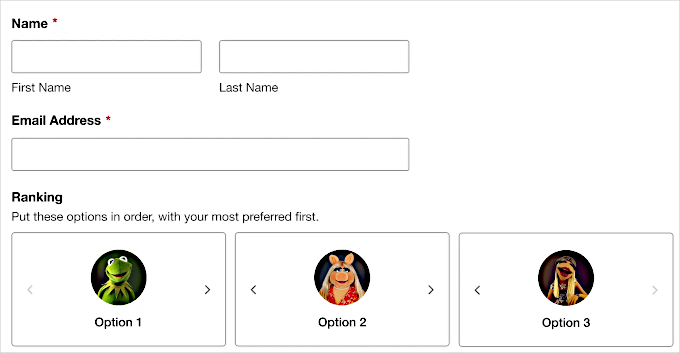
- WPForms expanded its Surveys & Polls addon by introducing a dedicated Ranking Field. The feature forces respondents to order preferences via drag-and-drop mechanics or mobile arrow controls, automatically calculating median positions and rendering visual analytical graphs without requiring third-party spreadsheet exports. Additionally, WPForms launched a native Mercado Pago payment gateway addon, providing fee-free transaction processing for the estimated 83 million monthly active users across Latin America.
- Easy Digital Downloads (EDD) published a library of more than ten distraction-free checkout templates natively designed for Elementor. Built specifically to combat cart abandonment, these templates incorporate pre-verified trust badges and layout architectures that can be imported and customized instantly without code.
- WP Charitable addressed recurring donor retention for non-profit organizations by launching "Ambassador Seasons" and automated "Card Updates." Ambassador Seasons allows charities to roll over peer-to-peer fundraising campaigns, historical participant data, and recurring donor ties annually with a single click, eliminating the need to rebuild campaigns from scratch. Meanwhile, integration with Stripe’s secure Customer Portal allows donors to update expired or reissued payment cards independently, significantly reducing silent subscription churn caused by stale billing information.
Ecosystem Additions and Developer Tooling Expansion
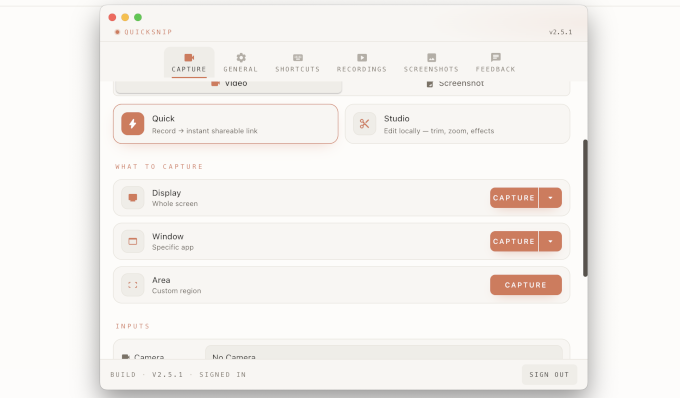
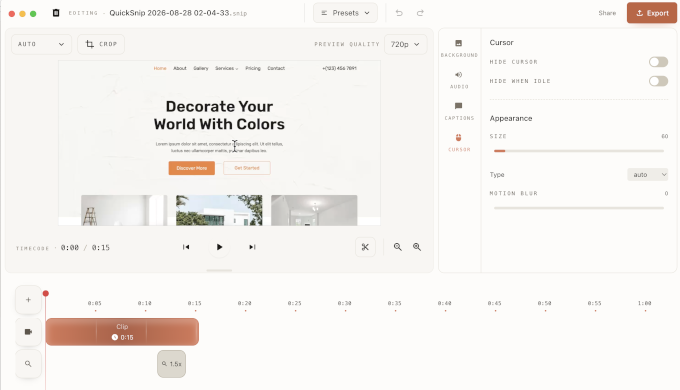
The broader plugin and developer community used August 2026 to release practical productivity enhancements. Founder Syed Balkhi and David Pegg officially launched QuickSnip, a cross-platform screen recording and screenshot utility equipped with native macOS and Windows applications. Designed for instant sharing, the tool generates accessible review links in seconds and has been adopted widely for asynchronous client communication and internal QA workflows.
Concurrently, the core WordPress project released an official, open-source browser extension for Google Chrome via the Chrome Web Store and Safari via the Mac App Store. The tool resolves a longstanding ergonomic annoyance for site administrators by enabling the complete hiding of the frontend admin bar while relocating vital dashboard shortcuts directly to the browser toolbar.
Other notable ecosystem updates include:
- Smash Balloon updated its Reviews Feed plugin to inject rich snippet schema automatically into every feed, helping star ratings display directly within Google search engine results pages, alongside a new integration supporting AliExpress buyer reviews.
- Sugar Calendar introduced native attendee email broadcasting, allowing event organizers to message all registered participants directly from the dashboard without external marketing software, alongside Elementor page-building support.
- Pretty Links launched "Splash Pages," allowing affiliate marketers to display customized, trust-building transition pages before executing instant affiliate redirects.
- Uncanny Automator debuted the Uncanny Page Builder, allowing users to generate clean, framework-independent HTML and CSS layouts from plain-text prompts or source images.
Broader Implications and Outlook
The breadth of updates in August 2026 illustrates a maturing WordPress ecosystem that is simultaneously embracing radical automation and focusing intently on foundational performance. By standardizing AI interactions through protocols like MCP, the platform is lowering the technical threshold for site management, configuration, and compliance. As core teams prepare for the arrival of WordPress 7.2 in December, the convergence of faster e-commerce architectures, native responsive editing controls, and streamlined developer toolsets indicates that WordPress remains aggressively adaptable to the demands of modern web development.