The Evolution of Digital Strategy: Website Marketing in 2026 and the Shift Beyond the Homepage

Website marketing has undergone a fundamental structural transformation, rendering traditional promotion and traffic-generation playbooks obsolete. Historically, digital marketing strategies were built on a linear premise: drive direct visitors to a corporate domain, engage them with on-page content, and shepherd them through a localized conversion funnel. While the corporate website remains the central transaction and conversion hub, the modern customer journey has decentralized. Market analysis indicates that a significant majority of the conversion process now occurs externally, long before a prospective buyer ever interacts with a brand’s primary URL.
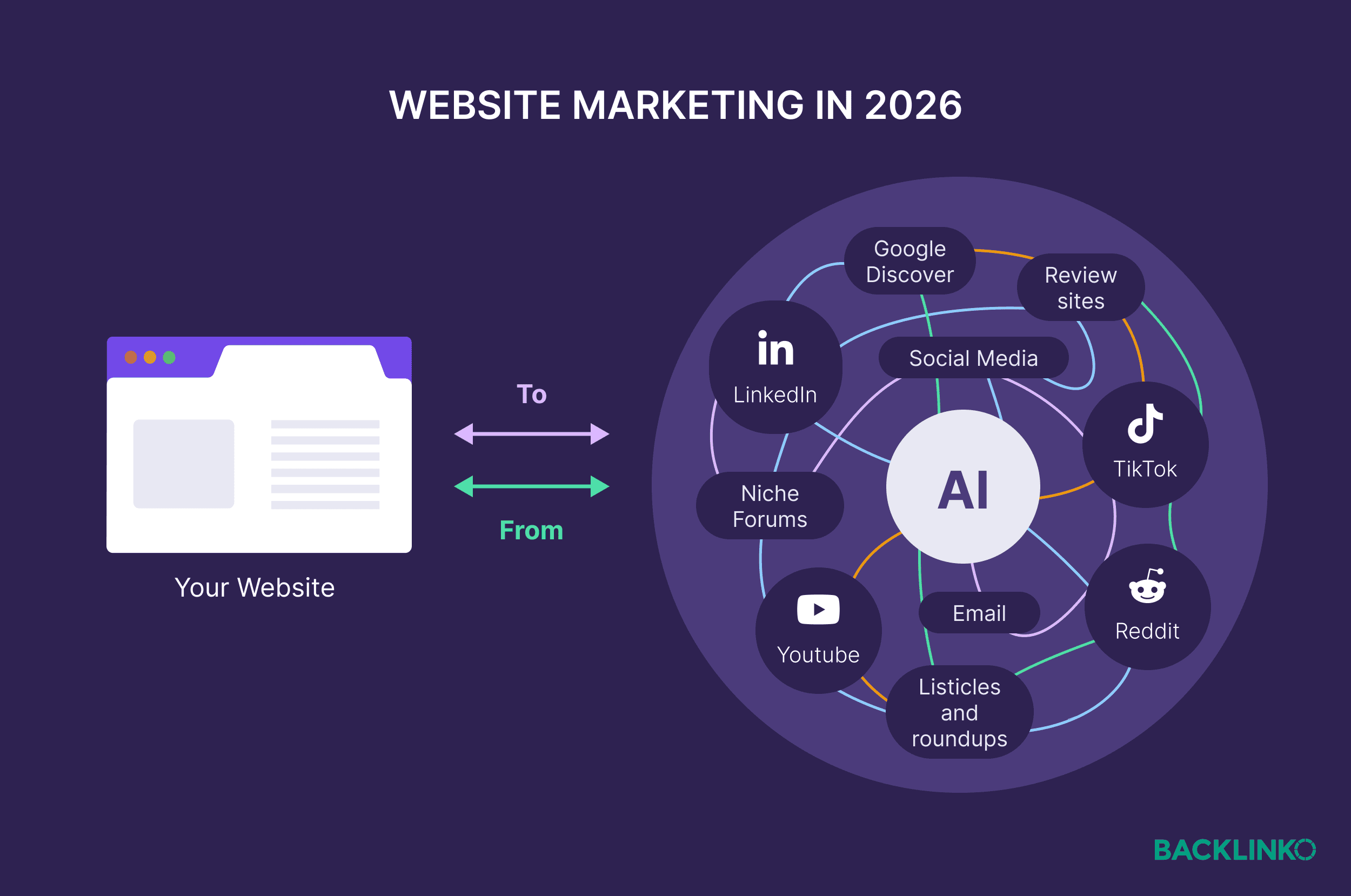
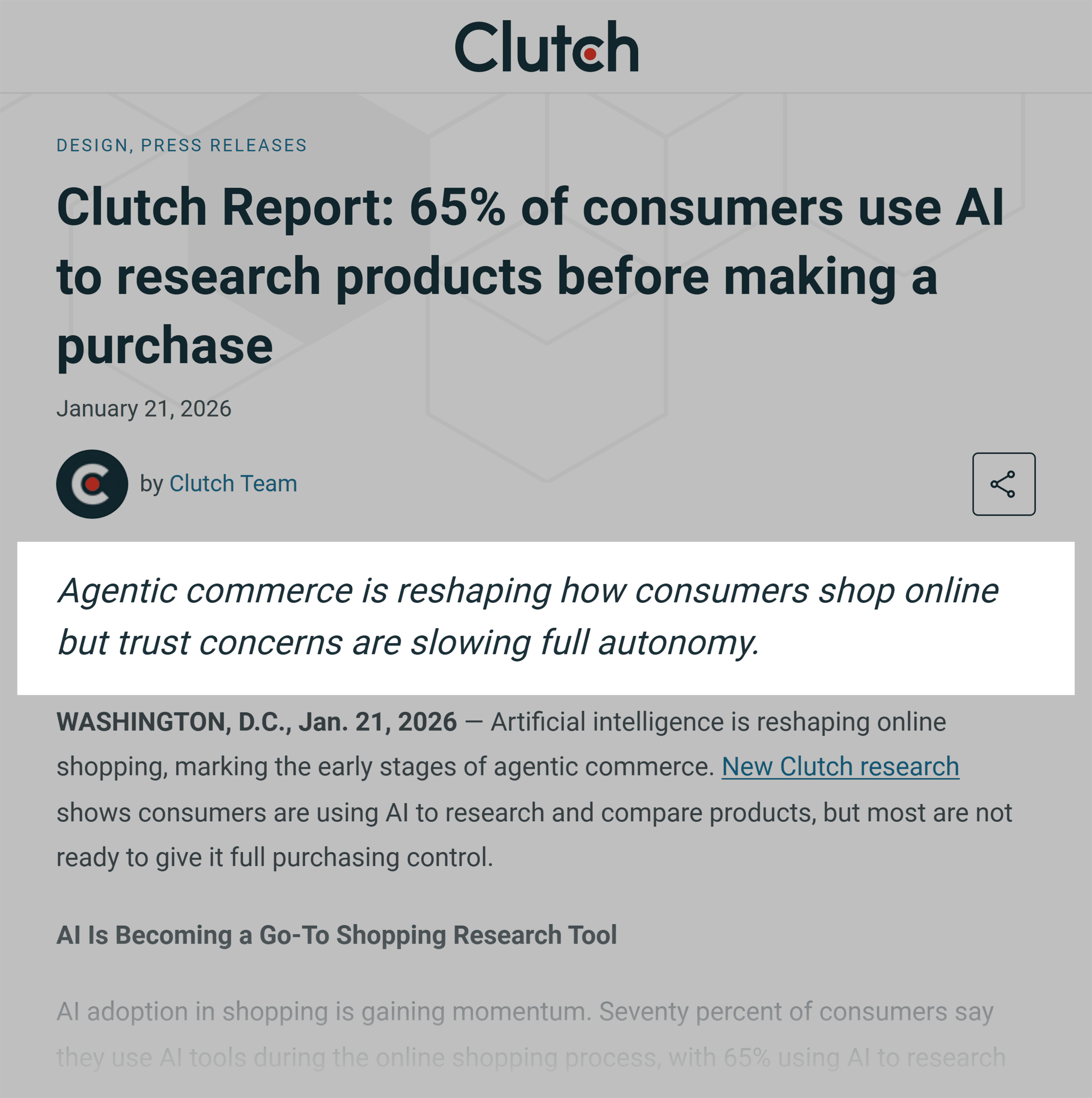
Recent industry data highlights this behavioral shift. According to recent market research from Clutch, over 65 percent of contemporary consumers utilize artificial intelligence tools, specialized large language models (LLMs), and peer-driven review platforms such as Reddit to research products, services, and corporate entities before initiating a direct site visit. Consequently, by the time a user arrives at a landing page, they have already synthesized external opinions, technical specifications, and comparative analyses from third-party ecosystems. This external discovery phase dictates that brand visibility, credibility, and sentiment must be actively engineered across the wider digital landscape. Organizations that fail to establish authority outside their own domains routinely forfeit high-intent traffic to competitors who dominate these external discovery channels.
The Convergence of AI and Human Discovery
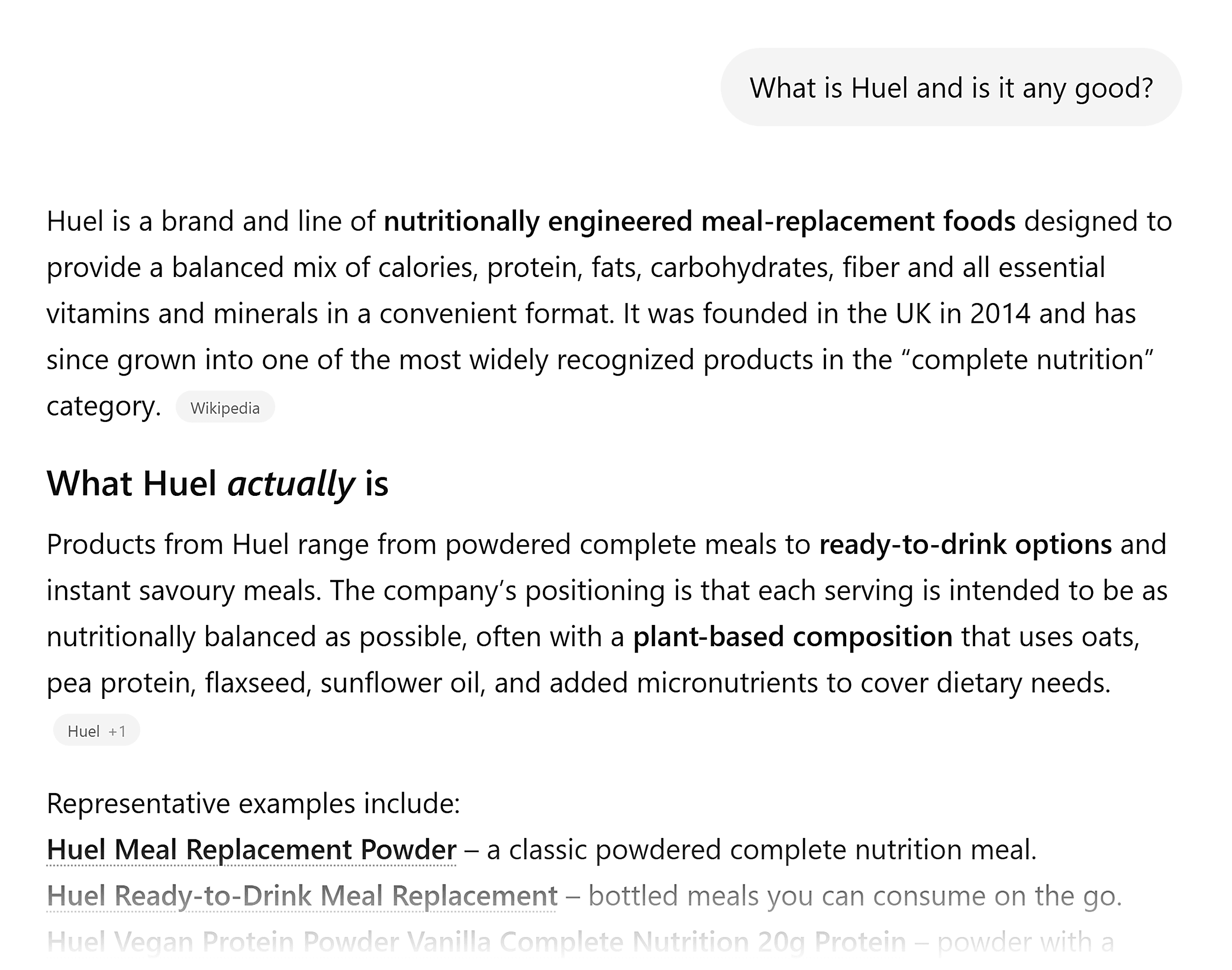
The proliferation of conversational search engines and AI assistants has fundamentally altered how brands are categorized and recommended. Large language models do not merely index web pages; they ingest millions of contextual data points from social networks, forums, review sites, and syndicated news articles to formulate answers to user queries. To successfully navigate this environment, modern enterprises must adopt a dual-discovery strategy that satisfies both algorithmic parsing and human psychological triggers.

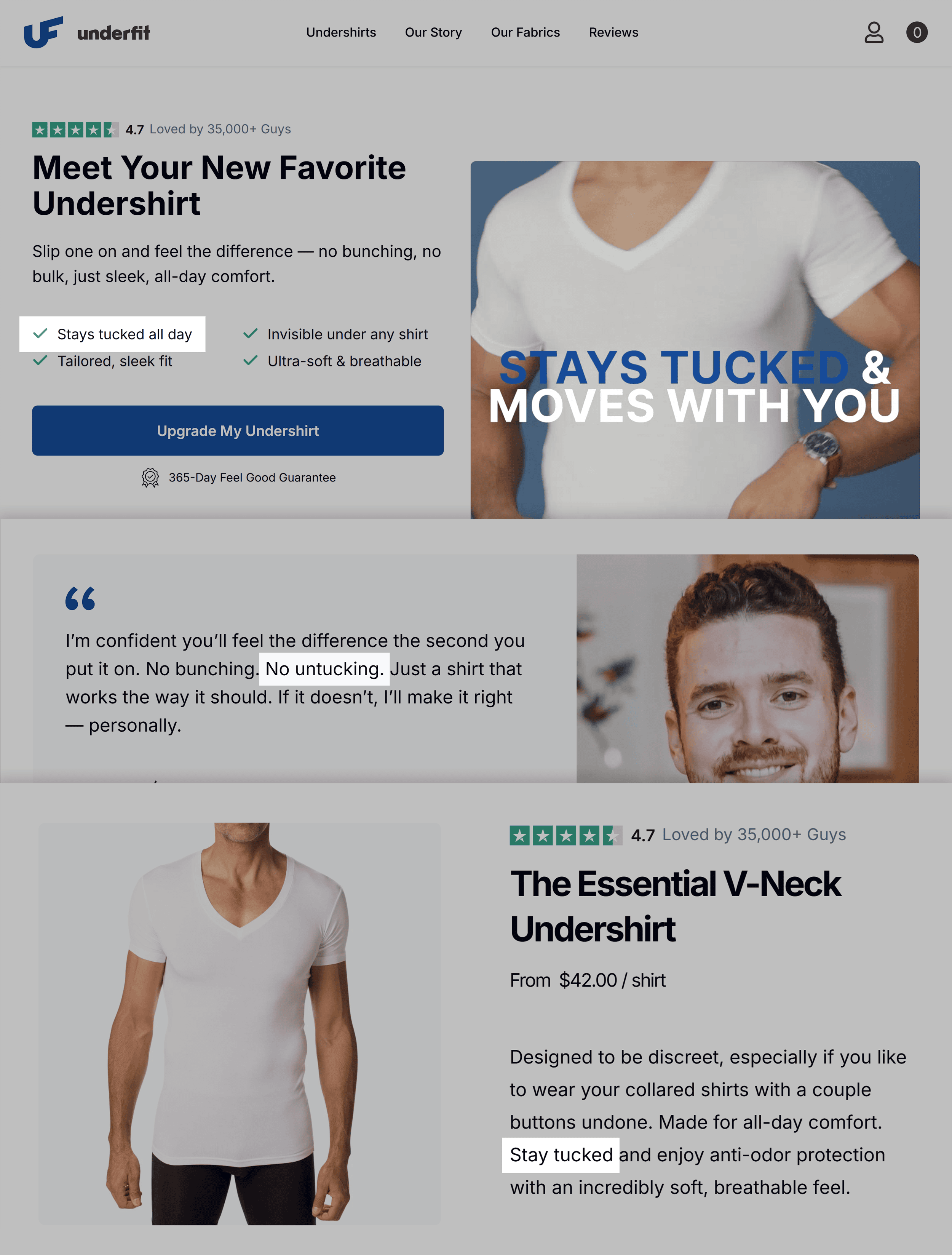
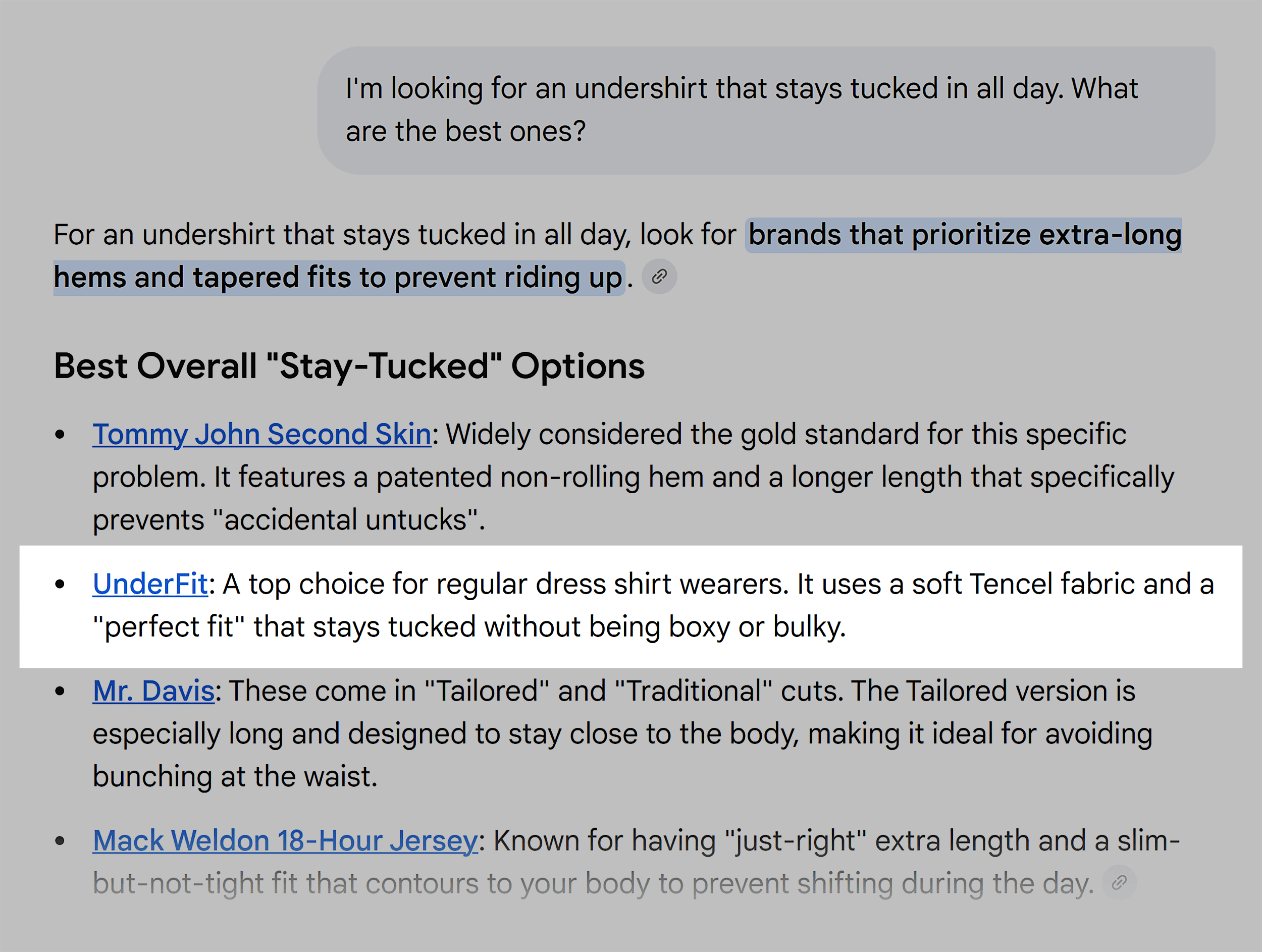
Engineering how the internet describes a brand begins with strict messaging consistency. Industry leaders now draft comprehensive, centralized brand messaging documentation that establishes standardized positioning, core value propositions, and precise problem-solving definitions. This shared semantic vocabulary must be utilized across all internal departments—including marketing, public relations, product development, and executive leadership—and extended to external partners and affiliates. When a brand’s core benefit is articulated using identical phrasing across official web properties, community forums, industry roundups, and customer reviews, it creates a robust semantic signal. Large language models recognize these patterns, increasing the probability that the brand will be accurately retrieved and recommended when users prompt AI tools for category-specific solutions.
Structural Optimization and Semantic Clarity
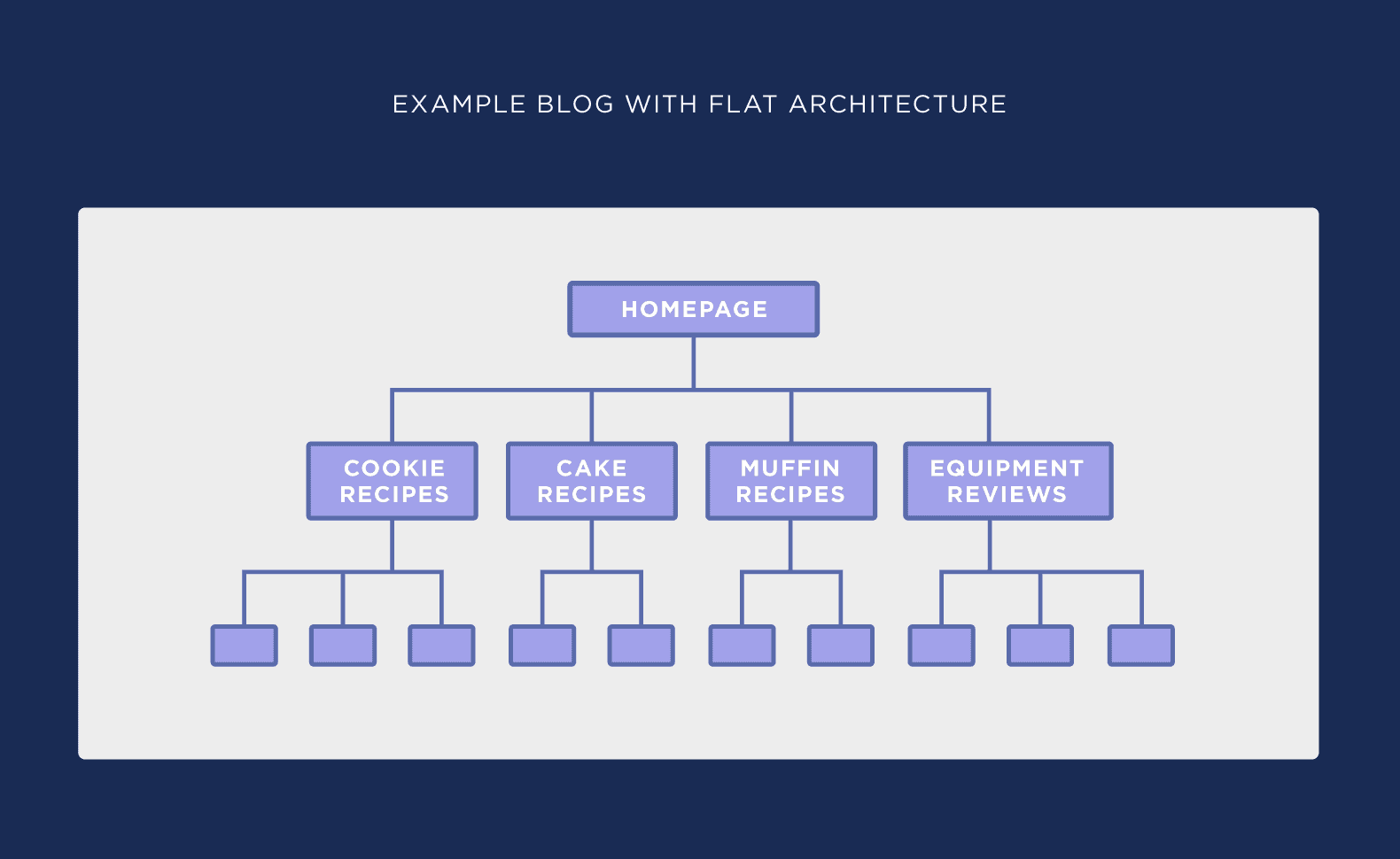
Once prospective customers transition from external discovery channels to a corporate website, the architecture and design of the site must immediately validate their pre-existing expectations. Modern web architecture requires a clean, hierarchical structure—often referred to as flat or siloed architecture—that enables both human readers and search engine crawlers to interpret the site’s thematic organization effortlessly.
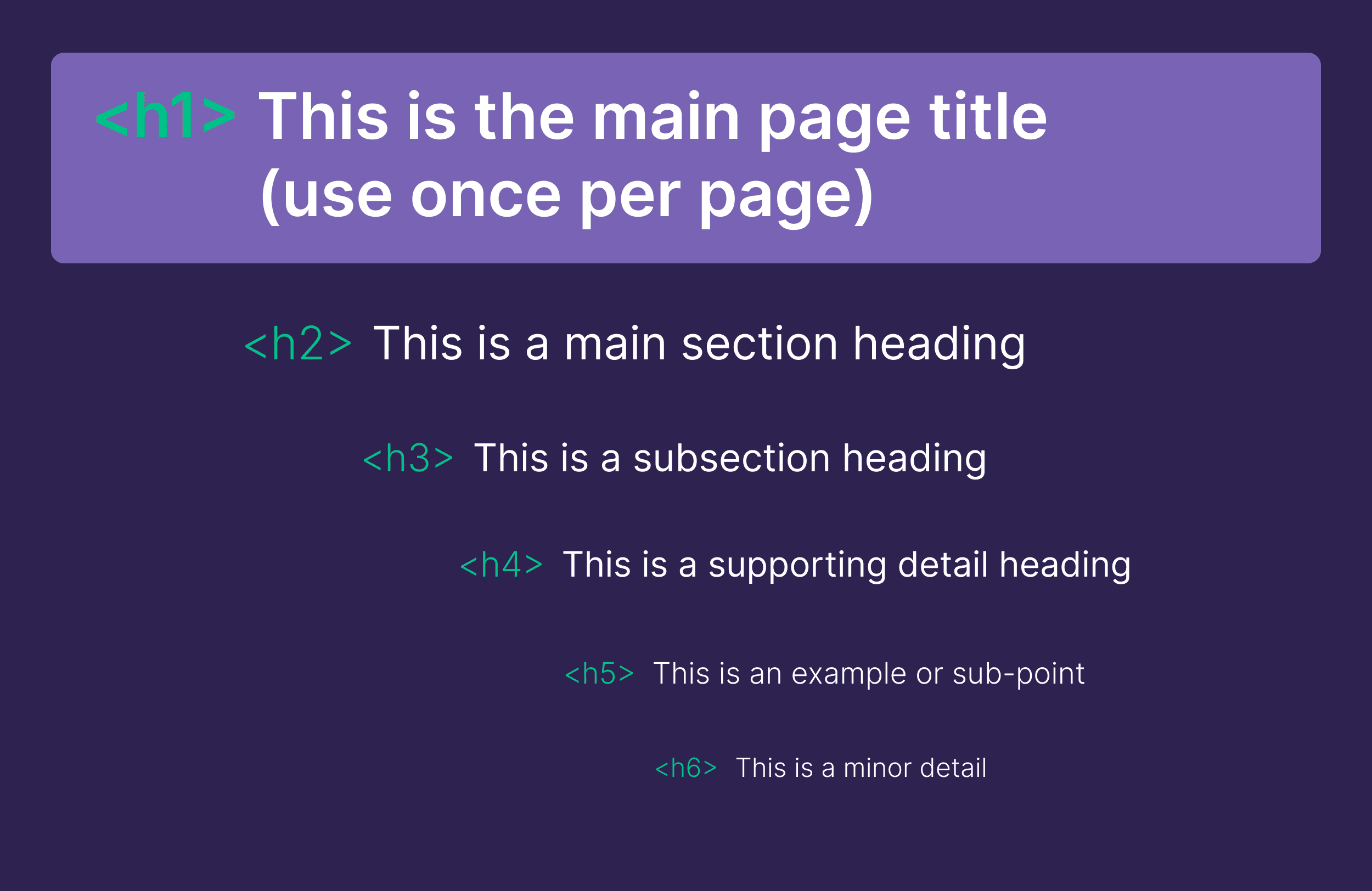
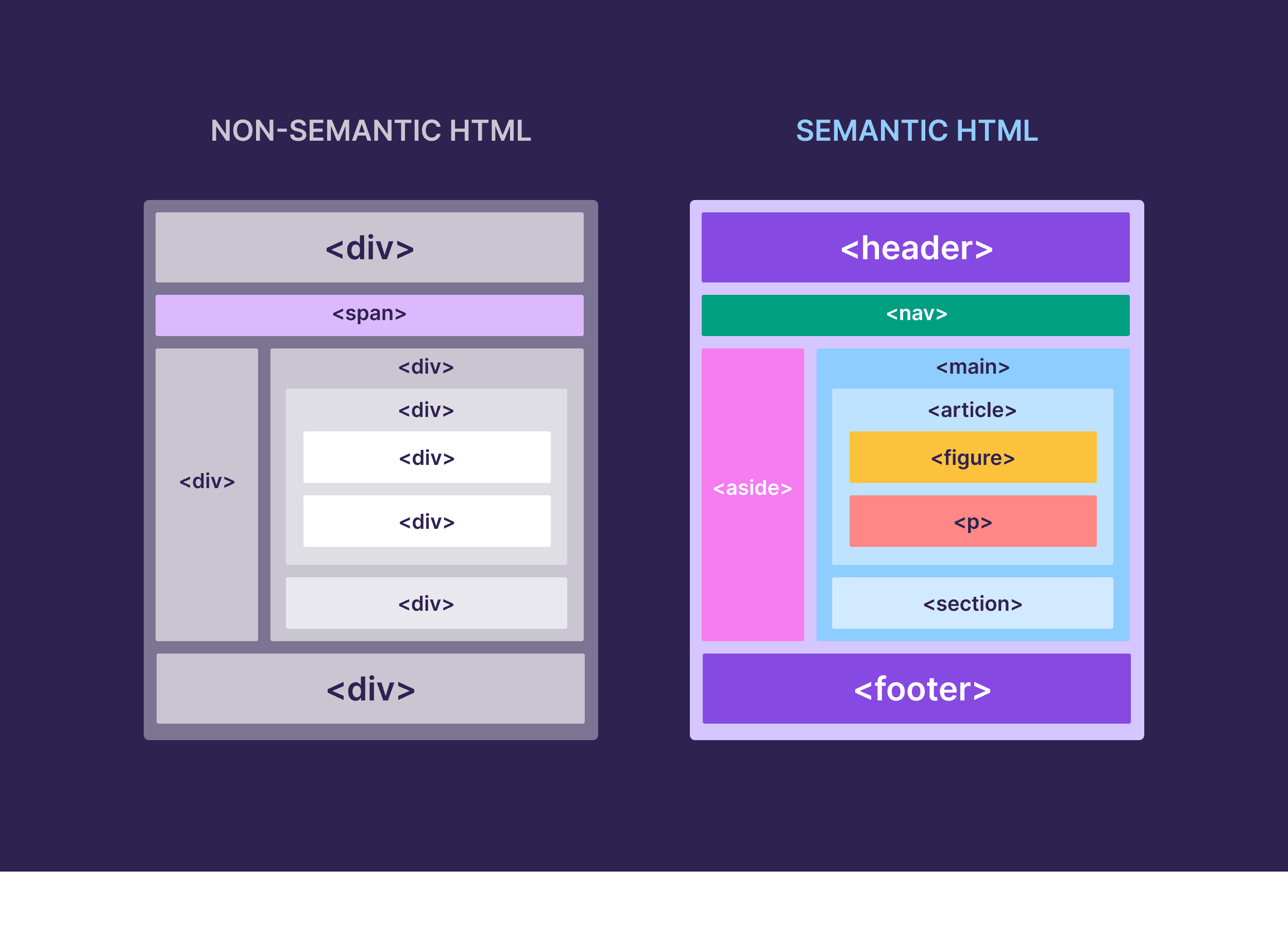
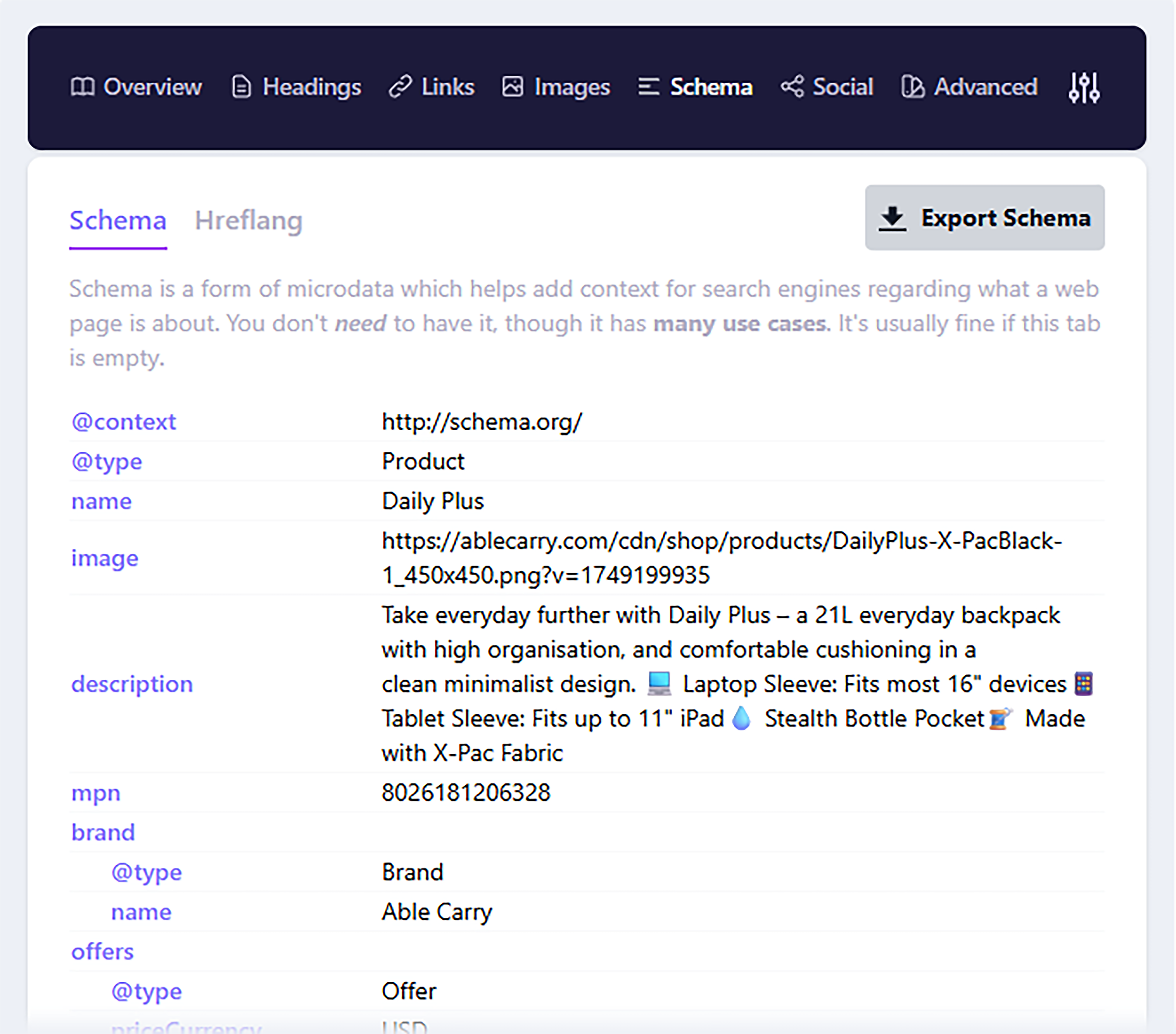
At the code level, the implementation of semantic HTML is no longer optional. Utilizing proper heading tags (H1, H2, H3), structured lists, and explicit section elements provides clear structural signals that clarify content hierarchy. Furthermore, the strategic deployment of Schema markup ensures that search engines and AI aggregators can parse exact entity data, product specifications, reviews, and corporate credentials without ambiguity. This technical rigor directly supports modern on-page SEO best practices, reducing bounce rates and ensuring that high-intent visitors immediately find the validation they require to convert.
The Imperative of Verified Proof Assets
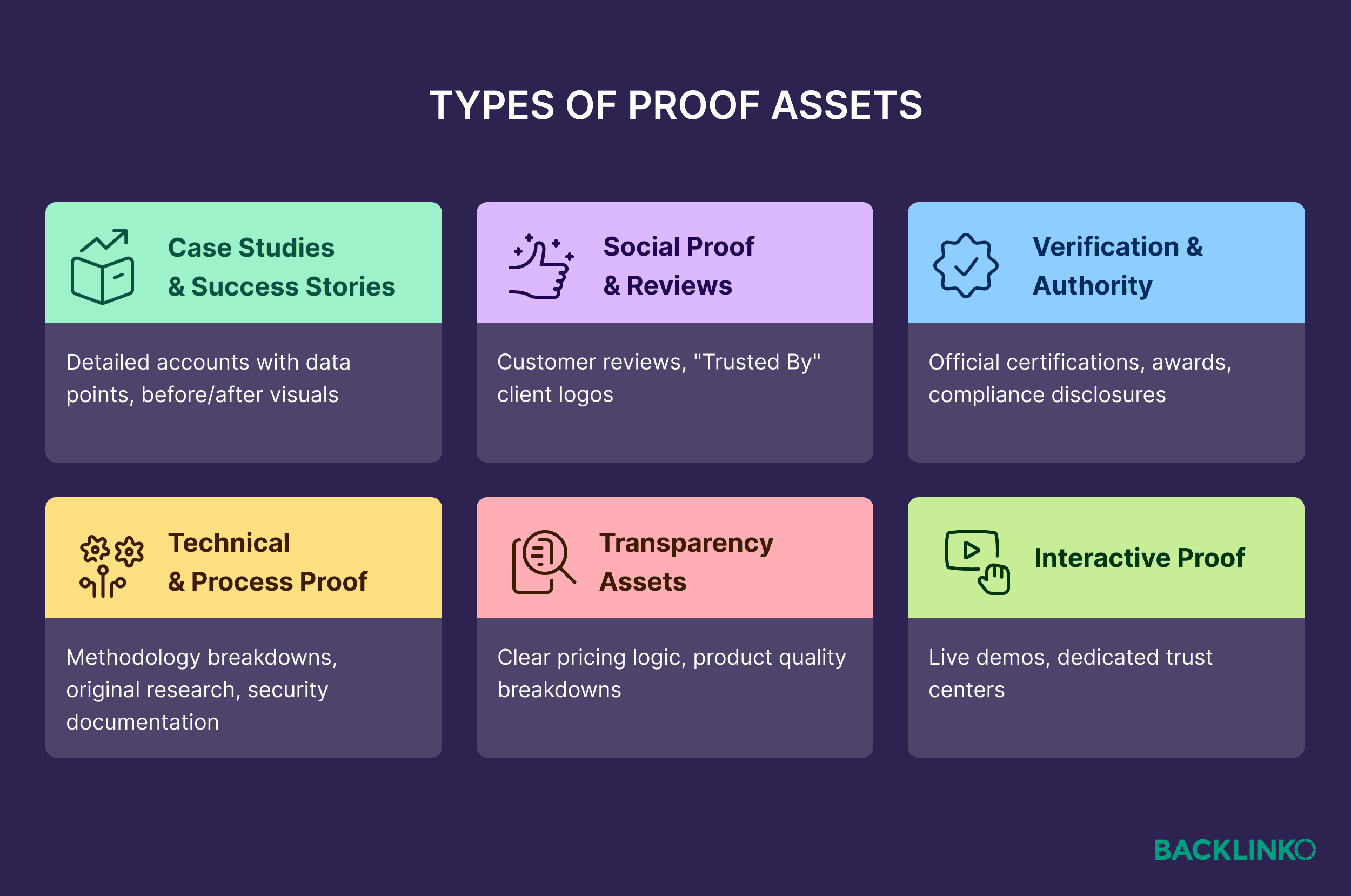
In an era characterized by skepticism toward automated content and generic marketing claims, published proof assets serve as the definitive anchors of corporate credibility. Proof assets encompass measurable case studies, verifiable uptime data, independent security documentation, third-party product reviews, and transparent return or service-level agreements. The specific mix of proof assets required varies significantly by industry; enterprise software buyers typically demand security certifications and quantitative return-on-investment case studies, whereas consumer e-commerce purchasers look for granular product quality assessments, user-generated video reviews, and friction-free return policies.
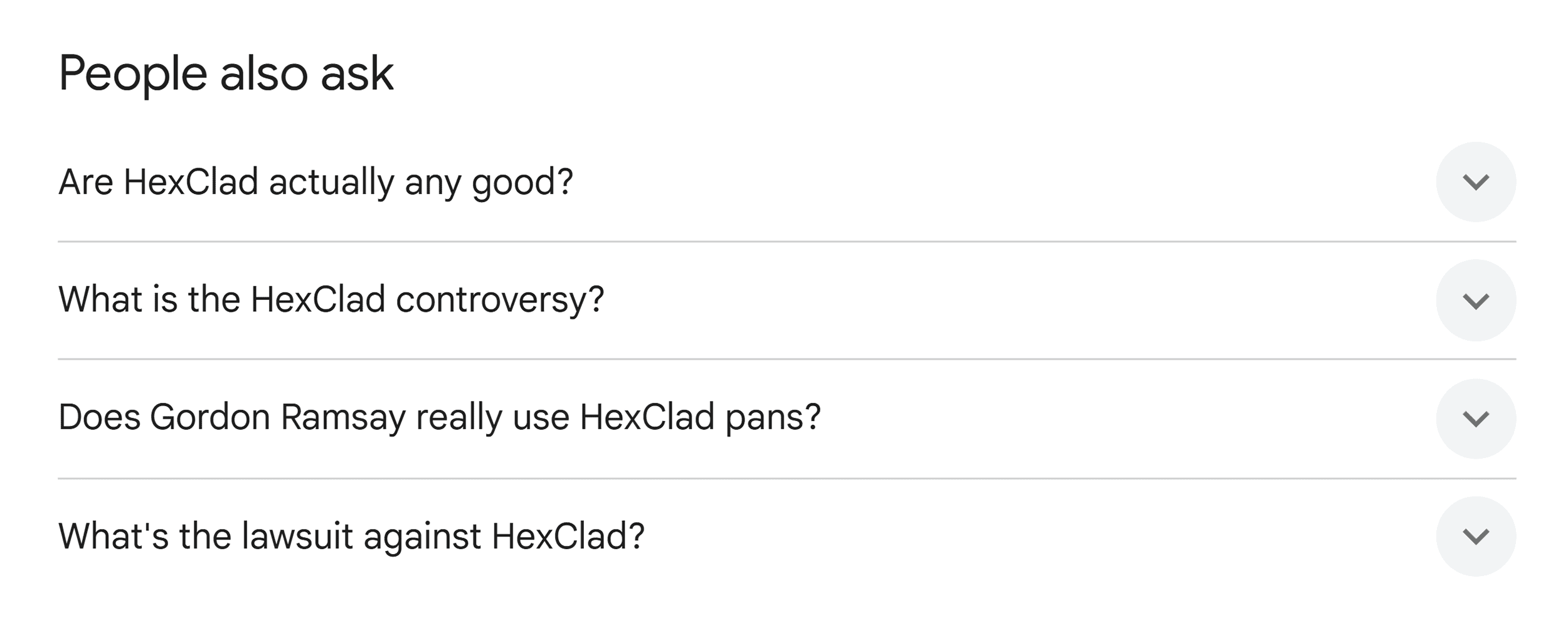
To determine which proof assets to prioritize, digital marketers analyze search engine query patterns, paying close attention to "People Also Ask" segments and recurring customer objections. By publishing exhaustive, transparent documentation that directly addresses these friction points, brands can neutralize buyer hesitation before it impacts conversion rates.
Integrating Trust-Building Video Ecosystems
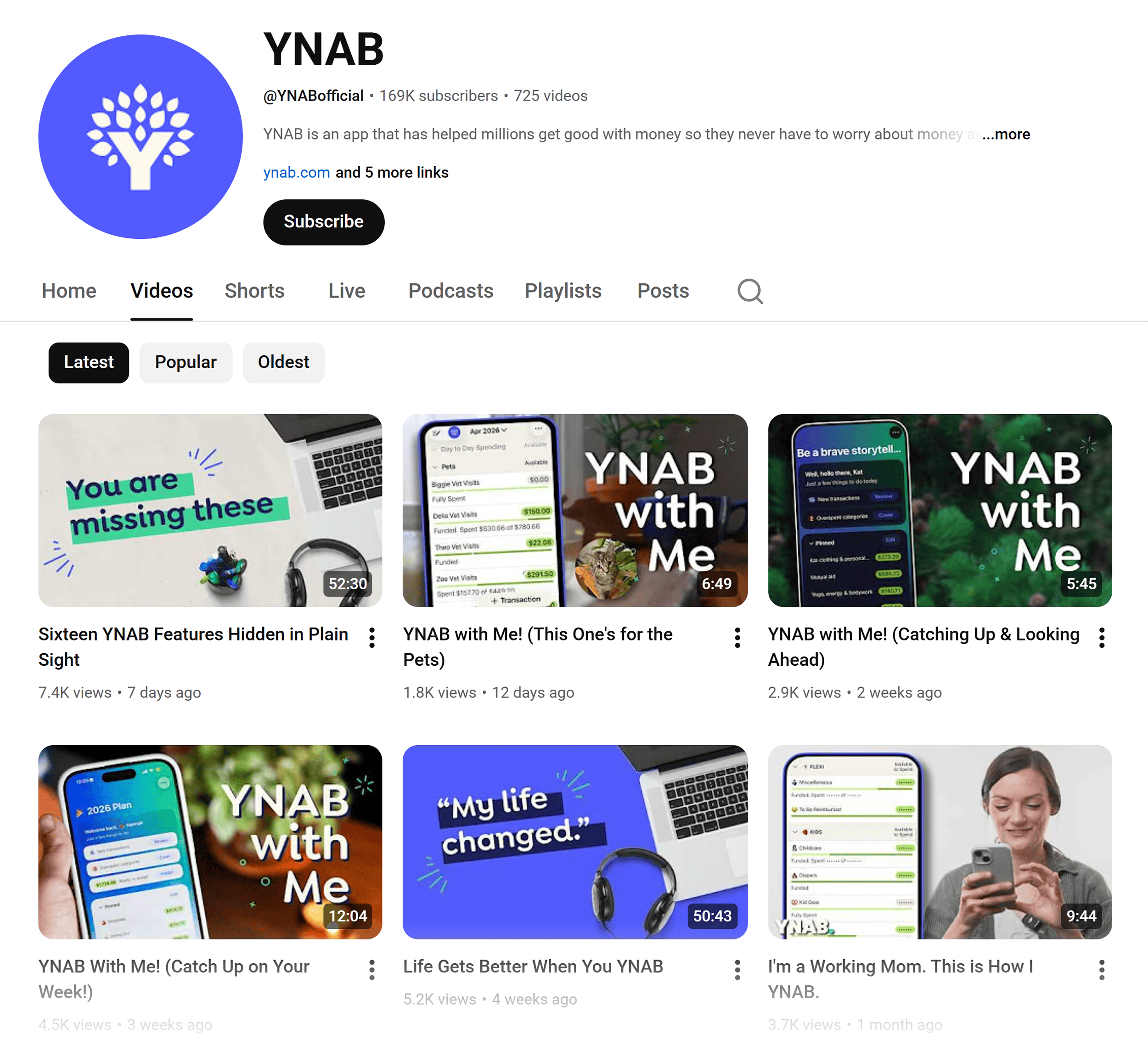
Video content has emerged as a primary trust-building medium, offering a level of relational familiarity that static text cannot replicate. Long-form video platforms, particularly YouTube, function effectively as top-of-funnel evaluation engines. Organizations that leverage educational explainers, product teardowns, customer interviews, and strategic tutorials allow prospective buyers to evaluate expertise and transparency prior to engagement.
Crucially, long-form video assets must not operate in isolation. Effective marketing strategies require deliberate interconnectivity, with explicit links directing viewers from video descriptions and in-video annotations to corresponding, high-converting landing pages. Concurrently, short-form video formats—distributed across TikTok, Instagram Reels, and YouTube Shorts—build brand familiarity through consistent, bite-sized value delivery. By recording concise responses to recurring customer questions gathered from sales calls and support tickets, brands establish a continuous digital footprint that reinforces recognition across mobile feeds.
Capitalizing on Algorithmic Feeds and Zero-Click Environments
The rise of personalized content feeds, such as Google Discover, presents a powerful avenue for capturing high-volume, interest-based traffic. Unlike traditional search traffic initiated by explicit user queries, Discover surfaces content based on user browsing behavior and demonstrated topical interests. Securing placement within these algorithmic feeds requires content specifically engineered for timeliness, distinct visual packaging, and clear narrative tension.
Marketers frequently reframe evergreen content to align with macroeconomic shifts, regulatory updates, or industry controversies, thereby establishing immediate contextual relevance. Articles featured in Discover rely heavily on compelling headlines that convey stakes or novelty, paired with high-resolution featured images that command attention in fast-moving mobile environments.
Concurrently, the expansion of "zero-click" search experiences—where users receive direct answers via AI summaries and featured snippets without navigating to a source domain—places unprecedented pressure on conversion rate optimization (CRO). Because arriving visitors are increasingly pre-educated and further along the decision-making continuum, websites must eliminate all operational friction and psychological anxiety. Auditing pricing pages, checkout flows, and demo booking mechanisms ensures that high-intent traffic can execute decisions seamlessly. This on-site efficiency is further amplified by automated behavioral email workflows that trigger personalized follow-ups based on specific site actions, such as cart abandonment or pricing page visits, thereby capitalizing on warm intent.

Humanizing the Brand and Cultivating Third-Party Authority
As generative AI tools generate vast quantities of digital content, a distinct economic premium has emerged for authentic human voices. Organizations that position recognizable individuals—whether founders, executives, or subject-matter experts—at the forefront of their marketing efforts successfully humanize their operations. Visible thought leadership, distributed via professional networks, industry panels, and active community participation, establishes personal accountability and deepens audience trust.
Furthermore, because modern buyers and AI models rely heavily on decentralized consensus, establishing visibility on third-party platforms is paramount. Active, non-promotional participation in niche communities, discussion forums, and industry subreddits allows brands to build authentic credibility. When company representatives contribute objective expertise and support to peer-driven discussions, they shape the external sentiment that feeds both human decision-making and algorithmic recommendation engines. Ultimately, successful website marketing in 2026 demands a holistic ecosystem strategy: integrating external authority, algorithmic discovery, human personality, and rigorous on-site conversion architecture into a unified, cohesive operational framework.