Google integrates Meridian and Gemini-powered insights into Analytics 360 to modernize marketing measurement for the AI era.

In the rapidly evolving landscape of digital advertising, the ability to transform raw data into actionable business strategy has become the primary differentiator between market leaders and their competitors. As artificial intelligence shifts the paradigms of consumer behavior and attribution, Google has announced a significant expansion of its measurement ecosystem. By integrating Meridian—its open-source Marketing Mix Model (MMM)—directly into the Google Analytics 360 platform, the company is bridging the gap between historical attribution and future-focused predictive analytics. This development, coupled with the introduction of Gemini-powered Qualified Future Conversions (QFCs) in Google Ads, signals a concerted effort to provide marketers with a more holistic view of performance.
The Evolution of Marketing Measurement
The history of marketing measurement has been characterized by a constant tension between granular tracking and broad-market modeling. For over a decade, digital marketers relied heavily on cookie-based attribution, which tracked the individual user journey with precision. However, as privacy regulations intensified—culminating in the deprecation of third-party cookies—marketers faced a "measurement gap."
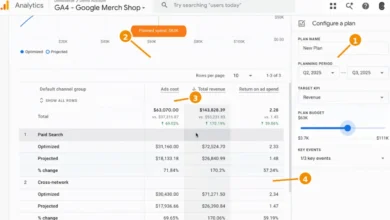
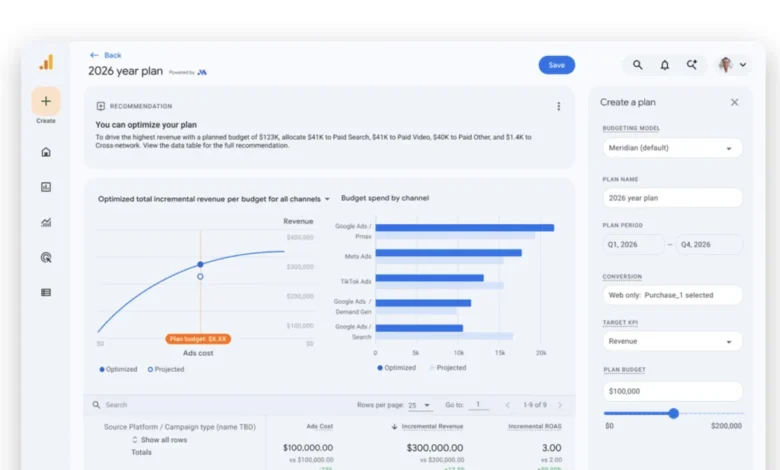
Marketing Mix Modeling (MMM) emerged as the industry’s response to this privacy-first environment. Unlike user-level tracking, MMM uses statistical analysis to estimate the impact of various marketing channels on sales over time. While historically considered a tool for large enterprises with teams of data scientists, Google’s release of Meridian as an open-source solution in mid-2024 democratized access to these advanced statistical methods. By bringing this technology into the interface of Google Analytics 360, Google is removing the technical friction that previously kept sophisticated modeling out of reach for many mid-to-large-sized marketing teams.
Chronology of the Measurement Shift
The timeline leading to this integration reflects the broader industry pivot toward privacy and AI-driven insights:
- 2020-2022: The regulatory landscape shifts significantly with the enforcement of GDPR and CCPA, while browser updates from Safari and Firefox restrict third-party tracking, rendering traditional attribution models less effective.
- 2023: Google officially transitions to Google Analytics 4 (GA4) as the standard, emphasizing event-based measurement over session-based tracking to accommodate a cross-platform user experience.
- May 2024: Google launches Meridian, an open-source Marketing Mix Model designed to offer transparent, actionable insights into advertising effectiveness without relying on individual user tracking.
- Late 2024: Google announces the integration of Meridian into Analytics 360 and the rollout of Gemini-powered Qualified Future Conversions (QFCs), marking the transition from descriptive analytics to predictive intelligence.
Understanding Qualified Future Conversions
A critical component of this announcement is the introduction of Qualified Future Conversions (QFCs) in Google Ads. While standard conversion tracking focuses on immediate actions—such as a click leading to a purchase—QFCs utilize Gemini’s advanced machine learning capabilities to bridge the gap between upper-funnel activities and future outcomes.
QFCs operate by identifying signals, such as branded searches or high-intent engagement, that historically correlate with later conversion events. By linking current marketing spend to these "leading indicators," the system provides a more accurate picture of how brand awareness campaigns contribute to the long-term sales pipeline. This functionality addresses a long-standing critique of digital marketing: the inability to measure the "halo effect" of brand advertising. As these predictive signals are integrated with Meridian, the accuracy of the overall Marketing Mix Model is expected to improve, allowing for more precise budget allocation across complex media mixes.
Supporting Data and Industry Context
The necessity for these tools is underscored by current industry data. According to recent reports from the IAB and various marketing consultancy firms, nearly 65% of marketing executives report that their current measurement tools fail to account for the impact of multi-channel interactions. Furthermore, as ad spend continues to shift toward video and connected TV (CTV), the limitations of traditional last-click attribution have become even more pronounced.
The adoption of MMM-based tools is projected to grow by an estimated 22% annually through 2027. By integrating these models into the Google ecosystem, the company is positioning itself to capture the segment of the market that demands high-level strategic oversight without sacrificing the ease of use found in their existing dashboard suites.
Implications for Marketing Strategy
The integration of Meridian into Google Analytics 360 carries several implications for the marketing industry. Primarily, it signals the end of the "siloed" approach to analytics. Previously, marketers had to extract data from Google Analytics and import it into external modeling software to get a true sense of ROI. The unification of these data sets suggests that the future of the field lies in "Unified Measurement," where historical data and predictive modeling coexist in a single source of truth.
Furthermore, the involvement of Gemini in this workflow represents a shift in the role of the marketing analyst. As AI takes over the heavy lifting of statistical correlation and signal identification, human strategists are freed to focus on high-level decision-making—such as creative strategy, media mix adjustments, and long-term brand positioning.
Official Perspectives and Market Response
While Google has positioned these updates as a natural evolution of their toolset, industry experts have noted that the move is also a strategic play to maintain dominance in an increasingly fragmented advertising ecosystem. By providing a "free" or low-friction path to sophisticated modeling, Google incentivizes brands to keep their data within the Google Cloud and Analytics environment.
"The goal is not just to report on what happened yesterday, but to build a robust foundation for what to invest in tomorrow," noted a senior product lead at Google during the announcement. "By combining the statistical rigor of Meridian with the predictive power of Gemini, we are enabling teams to move from being reactive to being proactive."
Market analysts have responded with cautious optimism. While the tools offer a significant upgrade for data-driven decision-making, the efficacy of the system remains dependent on the quality of the input data. The emphasis on "unified measurement" suggests that Google is encouraging advertisers to consolidate their data stacks, which may require significant technical restructuring for companies currently using disparate third-party attribution partners.
The Path Forward: Challenges and Opportunities
Despite the clear advantages, the path to implementation is not without challenges. For many organizations, the primary hurdle is data literacy. Moving from a last-click mindset to an MMM mindset requires a cultural shift within marketing departments. It demands an acceptance of "modeled data"—data that is statistically inferred rather than explicitly tracked.
However, the benefits of this shift are clear. By moving toward a more holistic measurement framework, brands can better understand the nuanced interplay between their various channels. This, in turn, reduces the risk of over-allocating budget to lower-funnel channels that may appear to be performing well in isolation but lack the reach necessary for sustained growth.
As these updates continue to roll out, the standard for "performance marketing" will likely rise. Companies that leverage these integrated tools will be better equipped to navigate the volatility of the digital economy, making investment decisions based on long-term growth indicators rather than short-term spikes.
In summary, the integration of Meridian and Gemini-powered insights into the Google Analytics ecosystem is a landmark moment in the commoditization of advanced data science. By providing these tools to a broader range of advertisers, Google is effectively raising the bar for what constitutes effective marketing measurement. The era of guessing which half of the advertising budget is working appears to be drawing to a close, replaced by an era of model-driven, AI-supported certainty. As companies begin to adopt these integrated solutions, the resulting competitive landscape will likely favor those who can most effectively translate these sophisticated signals into decisive action.