Take control of how data is used in Google Analytics to ensure compliance and user privacy in an evolving regulatory landscape.

The modern digital economy operates on a foundation of data-driven insights, yet the methodology behind gathering that information is undergoing a seismic shift. As consumer expectations regarding digital privacy reach an all-time high, and as international regulatory frameworks—such as the European Union’s General Data Protection Regulation (GDPR) and the California Consumer Privacy Act (CCPA)—become increasingly stringent, businesses are finding that the old "collect everything" approach is no longer sustainable. Consequently, organizations are tasked with balancing the need for actionable analytics with the imperative to maintain user trust and legal compliance. Google Analytics, the industry-standard tool for web and app measurement, has responded to these pressures by rolling out an extensive suite of granular controls that empower administrators to dictate exactly how data is collected, processed, and retained.
The Shift Toward Privacy-Centric Analytics
The evolution of data management in Google Analytics did not occur in a vacuum. Over the past decade, a growing awareness of data harvesting practices has led to a global pushback from users and regulators alike. From the 2018 implementation of GDPR to the more recent focus on "cookie-less" tracking and the deprecation of third-party identifiers, the environment has become hostile to indiscriminate data collection.
For the modern enterprise, this creates a complex balancing act. Data is essential for optimizing marketing spend, understanding user journeys, and refining product features. However, unauthorized or opaque data handling can lead to significant financial penalties and irreversible damage to brand reputation. By integrating advanced privacy controls directly into the Analytics interface, Google is attempting to standardize a "privacy by design" approach, allowing companies to transition from reactive compliance to proactive data governance.
Comprehensive Control Over Account Settings
Managing data begins with the core architecture of an account. Businesses must first ensure they have accepted the current Data Processing Terms, which establish the legal framework for Google’s role as a data processor. Beyond these foundational agreements, several technical controls are available to restrict data flow at the source.
One of the most fundamental tools is IP anonymization. By enabling this feature, administrators ensure that Google Analytics masks the IP addresses of visitors as soon as technically feasible. This practice is particularly vital for organizations operating in jurisdictions with strict data localization and privacy requirements, as it prevents the storage of full, identifiable IP addresses that could potentially be used to triangulate a user’s physical location. While this is enabled by default in modern App and Web properties, it remains a critical manual configuration for legacy web properties.
Furthermore, businesses now possess the power to limit or completely disable data collection on a per-property basis. For users who wish to opt out entirely, the Google Analytics Opt-out Add-on for browsers provides an additional layer of control, reflecting a broader industry move toward honoring user autonomy.
Strategic Data Retention and Lifecycle Management
Data does not need to be stored indefinitely to be useful. In fact, keeping aging data can often represent a liability rather than an asset. Google Analytics allows administrators to define specific data retention periods for both user-level and event-level data. By setting a fixed window—typically ranging from 14 to 50 months—businesses can ensure that sensitive information is automatically purged from Google’s servers once it is no longer required for analytical purposes.
This lifecycle management is not just a compliance exercise; it is a data hygiene strategy. By minimizing the "data footprint," organizations reduce the potential impact of a data breach and ensure that their reporting remains focused on relevant, recent trends rather than stale, outdated patterns.
Customizing Data Sharing and Google Signals
A key tension in digital analytics is the trade-off between gaining personalized insights and sharing data with third-party providers. Google’s data sharing settings offer a tiered approach, allowing administrators to decide whether to permit Google technical support representatives and marketing specialists to access their account data. This is particularly relevant when a business requires troubleshooting assistance; the ability to toggle these permissions on or off provides a secure mechanism for granting temporary access without compromising long-term data sovereignty.
Parallel to this is the management of Google signals. When enabled, this feature unlocks advanced cross-device reporting, demographics, and interest-based insights by linking site interaction data with information from users who have signed into their Google accounts and enabled "Ads Personalization." However, Google has introduced the ability to decouple these reporting benefits from advertising personalization. This means businesses can retain the high-level analytical benefits of cross-device tracking without necessarily using that data to serve targeted advertisements, offering a middle-ground solution for brands committed to privacy.
The Nuances of Ads Personalization
The ability to use first-party data for advertising is a primary driver for many businesses. Yet, regulators are increasingly sensitive to how this data is used for behavioral targeting. Google has introduced granular controls that allow businesses to manage ad personalization at three distinct levels:
- Property Level: A global switch that marks all incoming events as ineligible for ads personalization.
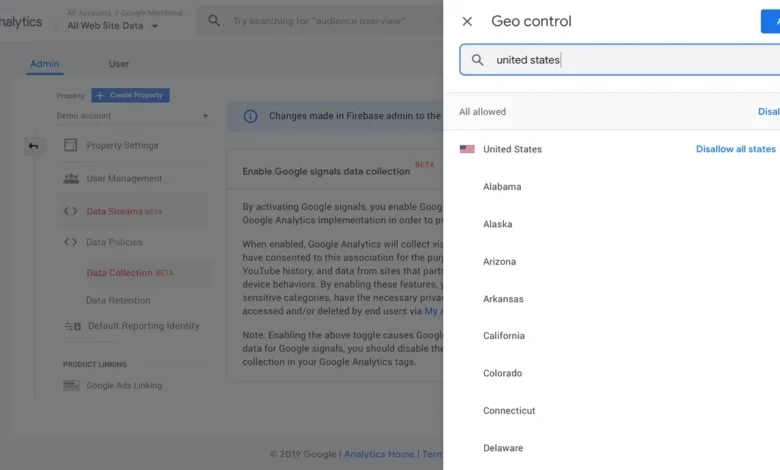
- Geographic Level: A sophisticated control that allows businesses to enable or disable ads personalization based on the user’s location. This is particularly useful for adhering to state-specific regulations in the United States or national laws in countries like France or Germany.
- Event or User Property Level: A surgical approach where specific events—such as a user visiting a sensitive medical page or a high-value checkout process—can be excluded from personalized advertising pools, ensuring that the data is used strictly for measurement and optimization.
These controls can even be implemented dynamically. For example, if a company requires explicit consent before tracking, they can programmatically disable ads personalization at the start of a session and only enable it once the user has clicked "accept" on a cookie banner.
Data Deletion and the "Right to be Forgotten"
Compliance with regulations like the GDPR often hinges on the ability to delete user data upon request. Google Analytics provides a streamlined path for this through two primary mechanisms: the User Deletion API and the User Explorer report.
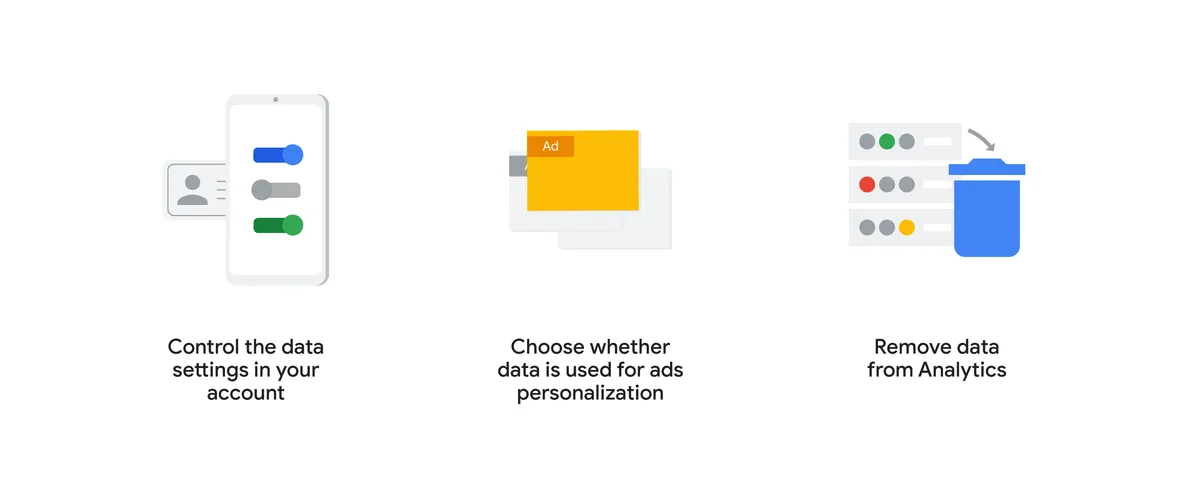
When an individual requests the removal of their data, administrators can target that specific user’s identifiers for deletion. Once initiated, the system undergoes a brief "grace period" before permanently removing the associated data from the servers. This process ensures that businesses can act swiftly on "Right to be Forgotten" requests, fulfilling their legal obligations without needing to perform manual, error-prone deletions across their entire database.
Furthermore, the "Trash Can" feature provides a safety net for property deletions. When a property is moved to the trash, it remains there for 35 days before permanent deletion, providing a final window for administrators to reconsider or reverse a decision that could result in the irreversible loss of historical data.
Analysis of Broader Implications
The transition toward these privacy-centric controls marks the end of an era of "set-it-and-forget-it" analytics. Today, data governance is an active, ongoing responsibility. The implication for businesses is clear: those who invest in understanding and configuring these controls will likely see higher levels of consumer trust and lower regulatory risk.
From a technical standpoint, the shift requires closer collaboration between marketing, IT, and legal departments. Data collection must be mapped against legal requirements, and consent management platforms must be integrated directly with analytics tags. While this adds complexity to the implementation process, it also creates a more resilient data architecture. As the digital landscape continues to evolve away from third-party tracking, the ability to collect, manage, and protect first-party data will become the primary competitive advantage for digital-first organizations.
Ultimately, Google’s suite of controls serves as a reminder that the value of data is not measured by its volume, but by the integrity with which it is managed. As industry standards converge toward transparency, these tools provide the necessary infrastructure for businesses to remain both compliant and competitive in a privacy-first world. Businesses are encouraged to review their current settings, audit their data collection practices, and ensure that their analytics strategy is fully aligned with their privacy commitments. As the platform continues to evolve, further capabilities are expected, keeping with the broader industry goal of creating a web ecosystem that respects user privacy while still delivering meaningful, performance-driven insights.