The Evolution of Predictive Analytics in Digital Marketing
For years, digital marketing relied heavily on look-back windows. Analysts would scrutinize conversion paths, bounce rates, and session durations to understand what had already occurred. However, the rise of sophisticated machine learning (ML) has allowed companies like Google to flip this paradigm. The introduction of these predictive metrics is the culmination of years of investment in neural networks and pattern recognition.
Historically, marketers relied on proxy metrics—such as "Add to Cart" events or specific page views—to estimate the likelihood of a conversion. While effective to a degree, this method often excluded high-intent users who might have bypassed traditional conversion funnels but were nevertheless primed to purchase. By applying Google’s proprietary machine learning models to vast datasets, the new predictive capabilities identify subtle behavioral signals that humans and standard algorithms might overlook, providing a more granular view of the customer journey.
Understanding the New Predictive Metrics
The two primary metrics introduced, Purchase Probability and Churn Probability, serve distinct roles in the lifecycle of a digital user.
Purchase Probability is defined as the likelihood that a user who has engaged with an app or website will complete a purchase transaction within the next seven days. This metric allows businesses to identify "warm" leads who might otherwise be ignored by conventional retargeting strategies. Rather than casting a wide net, marketers can now allocate their budget toward individuals statistically likely to convert.

Conversely, Churn Probability addresses the critical issue of customer retention. It measures the likelihood that a recently active user will fail to return to the app or site within the next week. By identifying these "at-risk" users, businesses can deploy personalized retention campaigns—such as exclusive discounts, content recommendations, or email re-engagement sequences—to maintain the relationship.
Strategic Integration with Google Ads
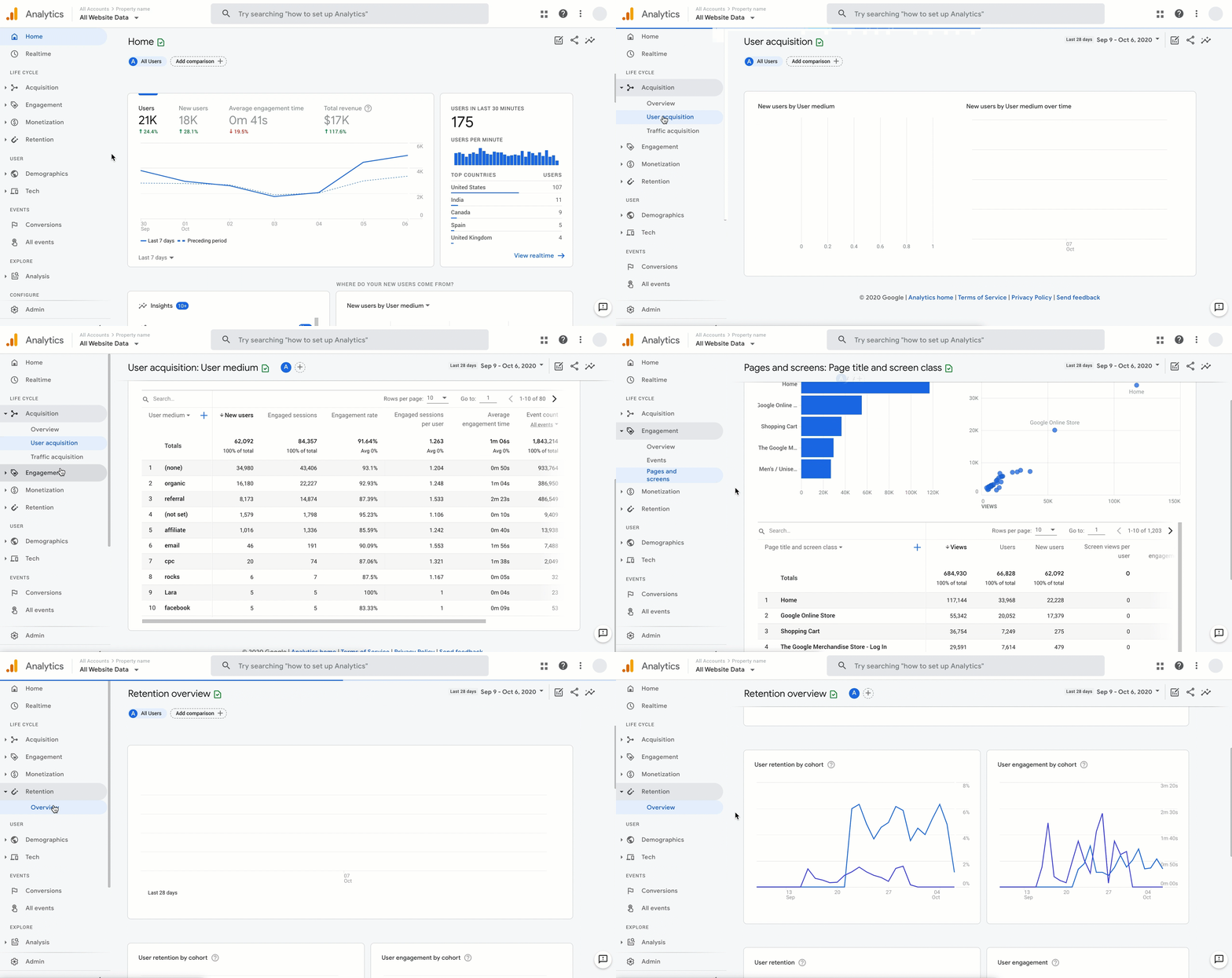
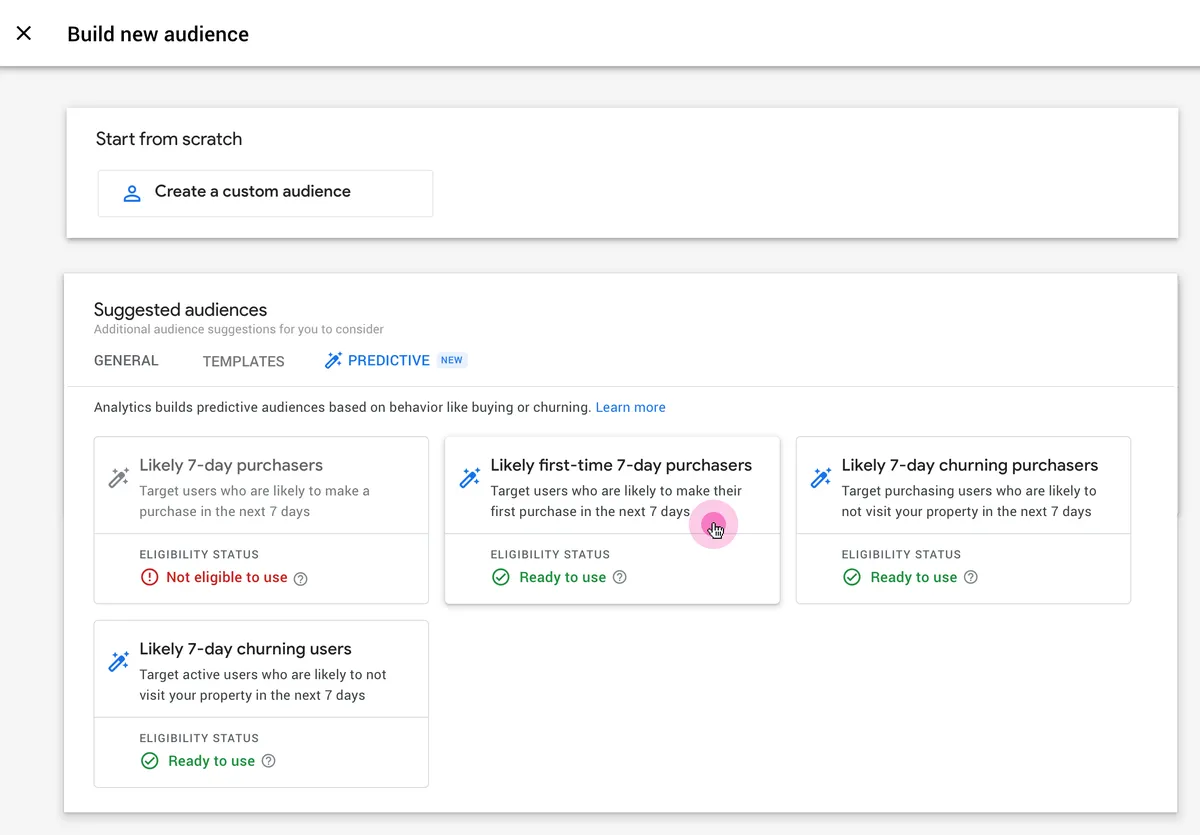
The practical application of these metrics is realized through the Audience Builder in Google Analytics. By creating "predictive audiences," businesses can directly export these segments into Google Ads.
For instance, an e-commerce retailer might create an audience of "Likely 7-day purchasers." By targeting this specific group, the retailer can bypass generic advertising in favor of high-conversion messaging. Similarly, an online publisher facing stagnant daily active user (DAU) counts can identify users with a high churn probability and serve them content or notifications designed to pique their interest, effectively mitigating the natural attrition of a digital audience.
This shift signifies a move toward "predictive automation," where the platform not only reports the data but suggests actionable strategies. This reduces the cognitive load on marketing teams and ensures that resources are allocated toward the highest potential return on investment (ROI).
Data-Driven Decision Making and the Analysis Module
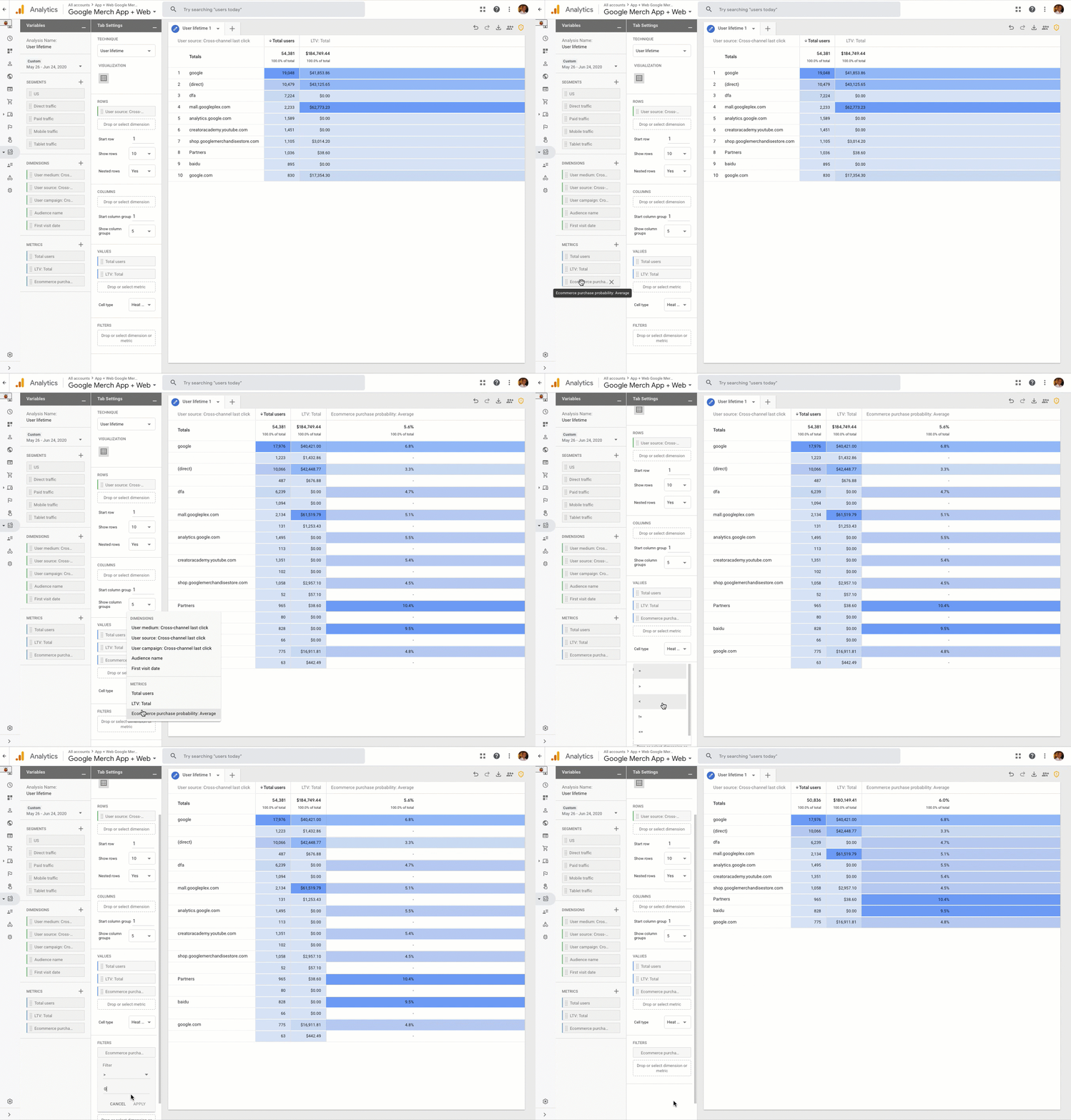
Beyond audience creation, the new metrics are fully integrated into the Google Analytics Analysis module. This provides a sandbox for data scientists and analysts to conduct deeper investigations. By utilizing the "User Lifetime" technique, organizations can correlate marketing campaign performance with predictive outcomes.

For example, if a specific social media campaign consistently acquires users with a higher Purchase Probability, a firm can pivot its budget toward that channel with empirical confidence. This level of insight allows for the continuous optimization of the marketing mix, ensuring that every dollar spent is directed toward users who demonstrate the highest lifetime value.
The Technological Context and Implementation
These advancements are rolling out within the App + Web properties beta, a platform designed to provide a unified view of user behavior across disparate digital touchpoints. For these models to function accurately, Google requires a minimum threshold of historical data. The metrics become available once a property has implemented sufficient purchase events or, in the case of mobile apps, has triggered automatic in-app purchase tracking.
The timing of this release coincides with an industry-wide push for better data privacy and more efficient advertising. As third-party cookies face increasing restrictions, first-party data—which Google Analytics collects—becomes the lifeblood of digital marketing. By using machine learning to fill in the gaps of user behavior, Google is providing a privacy-conscious way for businesses to maintain performance without relying on invasive tracking methods.
Broader Implications for the Digital Economy
The introduction of these tools suggests that the future of marketing will be defined by "predictive intent." Small and medium-sized enterprises (SMEs) that previously lacked the resources to build custom machine learning models now have access to the same technology used by global conglomerates. This democratizes high-level data analysis and levels the playing field for digital-first businesses.
However, the efficacy of these tools is contingent upon the quality of data input. Organizations must ensure that their event tagging and data collection frameworks are robust. Predictive models are only as accurate as the signals they receive; therefore, clean, structured data is more critical than ever.
Industry Response and Future Outlook
Industry observers have noted that while predictive analytics is not entirely new, the seamless integration of these tools into an accessible dashboard is a game-changer. By lowering the barrier to entry, Google is likely to see a surge in adoption of its App + Web properties.
Furthermore, these features are expected to expand in scope. As the machine learning models refine their accuracy over time, Google may introduce more complex predictive variables, such as "Predicted Lifetime Value" or "Predicted Churn Reason," allowing for even deeper personalization.
For organizations looking to future-proof their operations, the adoption of these predictive capabilities is a logical next step. While traditional metrics will always have their place in reporting, the strategic advantage now lies in the ability to act before the consumer even makes their final decision. As the digital landscape continues to evolve, the integration of AI-driven predictive insights will likely become the standard requirement for any successful digital growth strategy.
Ultimately, Google’s latest update is a testament to the fact that the most valuable commodity in the digital age is not just data, but the ability to foresee what that data means for the future. By providing these tools, Google is enabling a new era of efficiency, where marketing is not just an expense, but a calculated, predictive investment.