
When digital property administrators discover that automated systems make up a substantial portion of their incoming web requests, the instinctual reaction is often immediate implementation of aggressive blocking protocols. Recent telemetry indicates that this automated volume can reach extraordinary proportions; isolated case studies highlight extreme infrastructure stress where domains experience millions of crawler hits within a single 24-hour cycle. While such anomalous events demand immediate intervention, applying blanket reactive measures across all web properties introduces systemic risks that can inadvertently degrade site performance, disrupt legitimate third-party integrations, obstruct organic search discovery, and eliminate a brand’s presence within emerging artificial intelligence discovery channels.
Comprehensive traffic analyses conducted across thousands of WordPress environments demonstrate that the median footprint of artificial intelligence crawlers accounts for a minor fraction of overall bandwidth consumption—frequently hovering around 1.57 percent. However, this metric exhibits extreme statistical variance, scaling past 17 percent at the 90th percentile and surging beyond 90 percent for the top one percent of most heavily targeted domains. More than a thousand observed sites register zero utilization from these specific automated agents. This stark distribution underscores a fundamental technical reality: merely detecting the presence of automated traffic and diagnosing a genuine infrastructure threat are two distinct operational challenges. Consequently, before webmasters alter firewall configurations or modify routing layers, a thorough, data-driven evaluation of crawler behavior is required to prevent widespread collateral damage.

Distinguishing Between Metric Scale and Operational Threat
The primary error committed by administrators upon identifying automated access is treating raw percentage metrics as an automatic diagnostic conclusion. An incoming request stream where twenty percent of total hits originate from automated crawlers does not inherently signify an operational emergency. Requests directed toward statically cached articles consume negligible system resources, whereas a fraction of that volume targeting dynamic search parameters, filtered product archives, or transactional checkout endpoints forces substantial application-layer processing.
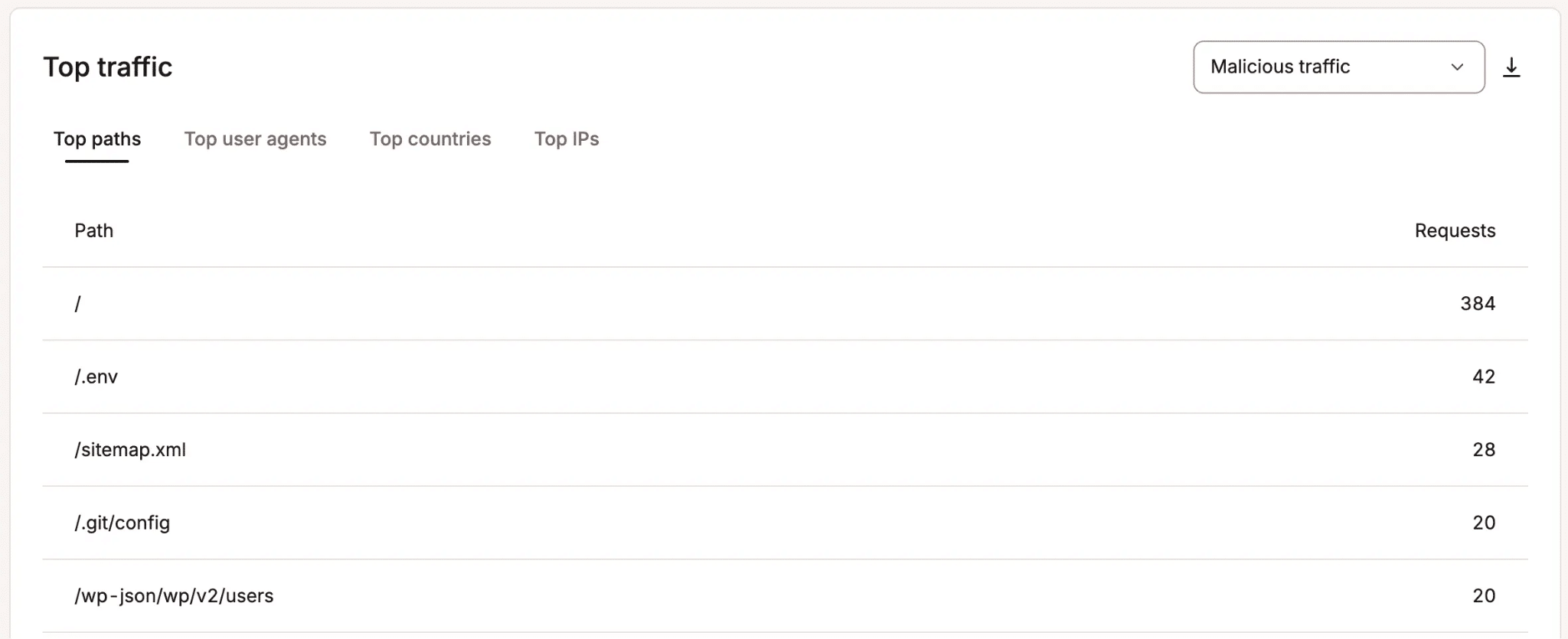
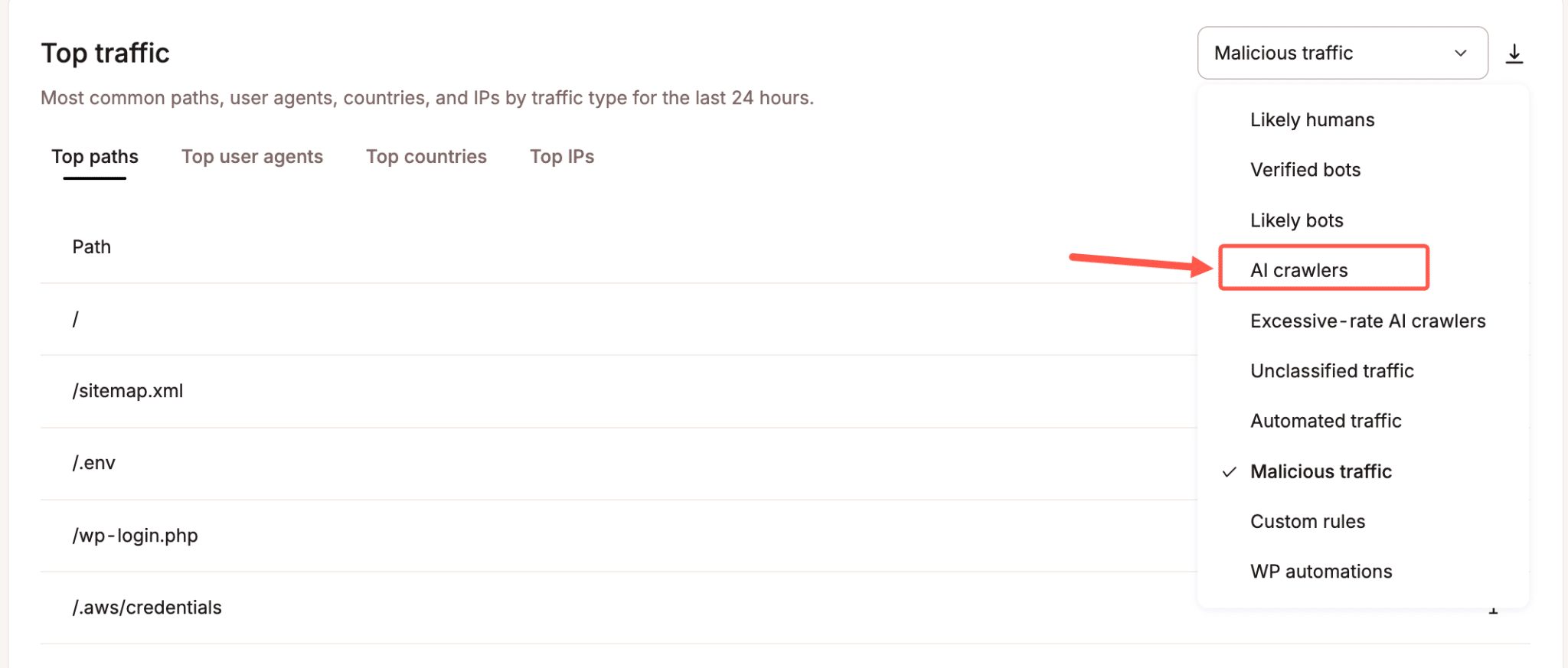
Industry telemetry illustrates that mean crawler requests per domain far exceed median values, skewing upward due to a localized cluster of intensely targeted platforms. Consequently, adopting macro-level statistics—such as unverified reports claiming that bots constitute the majority of global web traffic—as a baseline for individual site configuration is analytically flawed. Administrators are advised to leverage granular diagnostics tools, such as the bot classification modules native to enterprise hosting environments, to categorize incoming requests into distinct behavioral buckets: verified humans, legitimate automated indices, high-frequency crawlers, and malicious actors. Isolating the precise paths, user agent signatures, and originating geographic regions provides the necessary context to determine whether traffic patterns demand structural mitigation or passive acceptance.
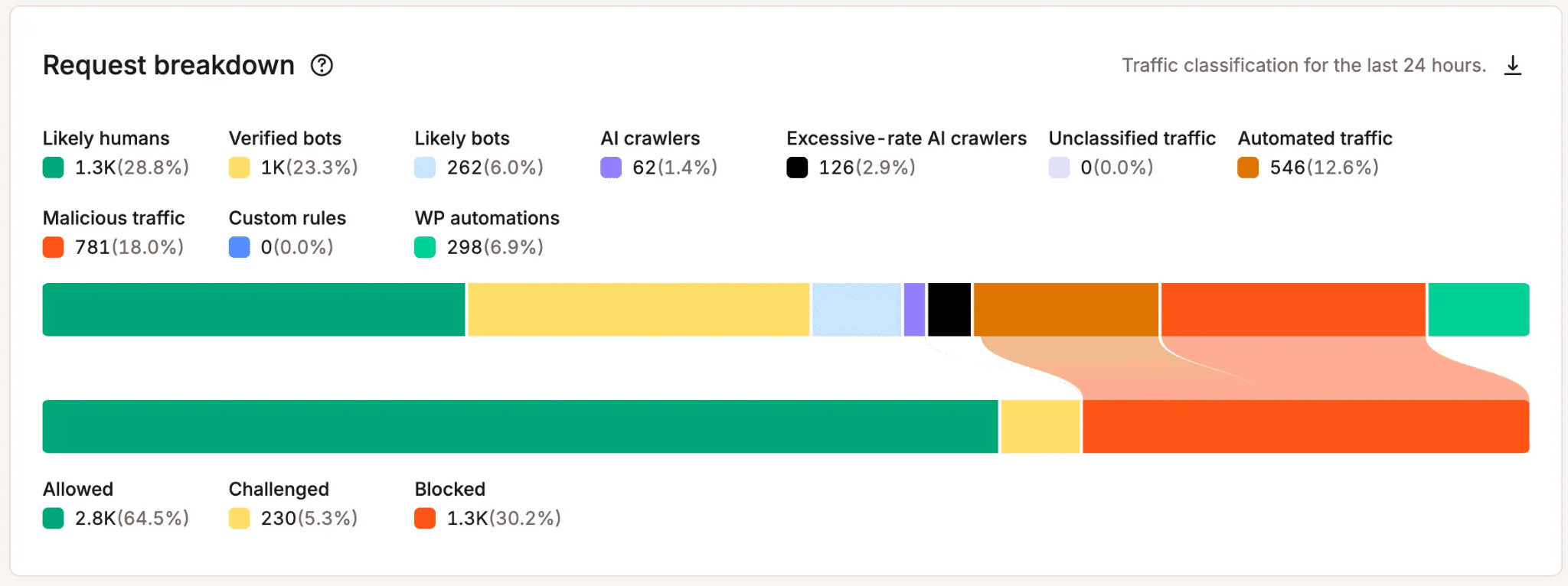
Nuances of Bot Classifications and Strategic Visibility
A prevailing misconception within web management circles is that all automated visitors serve identical functions and should be treated with uniform hostility. Modern artificial intelligence systems utilize diverse user agents designed for distinct operational scopes, separating content acquisition for model training from real-time retrieval driven by active user queries. For instance, major artificial intelligence developers maintain distinct identifiers for foundational training models versus conversational search retrieval tools. Restricting the former prevents proprietary content from contributing to foundational learning frameworks, whereas blocking the latter directly impacts whether a business surfaces within modern conversational search summaries.
Comparable distinctions exist across major technology ecosystems, where publishers are provided with granular options to manage how content is processed for generative intelligence features without sacrificing traditional search engine visibility. Implementing blunt, site-wide prohibitions eliminates valuable diagnostic indicators. Furthermore, empirical consumer research indicates that a significant percentage of users frequently transition to a brand’s primary web domain after encountering it via conversational discovery interfaces. Blindly severing access to retrieval agents without weighing the downstream marketing implications can inadvertently suppress organic referral channels. Modern infrastructure management platforms increasingly offer targeted isolation tools, enabling administrators to selectively curtail training scrapers while preserving standard search engine indexing capabilities.
Differentiating Emergency Stabilization from Permanent Policy
Security incidents involving distributed denial-of-service attacks, brute-force login attempts, and credential stuffing require aggressive, immediate countermeasures. However, a high volume of traffic generated by a verified, albeit inefficiently programmed, crawler does not constitute an acute security compromise. Technical leadership across the managed hosting sector frequently cautions against conflating standard crawling inefficiencies with malicious cyber attacks, warning that overreactions can destabilize web integrations far more severely than the underlying bot activity.
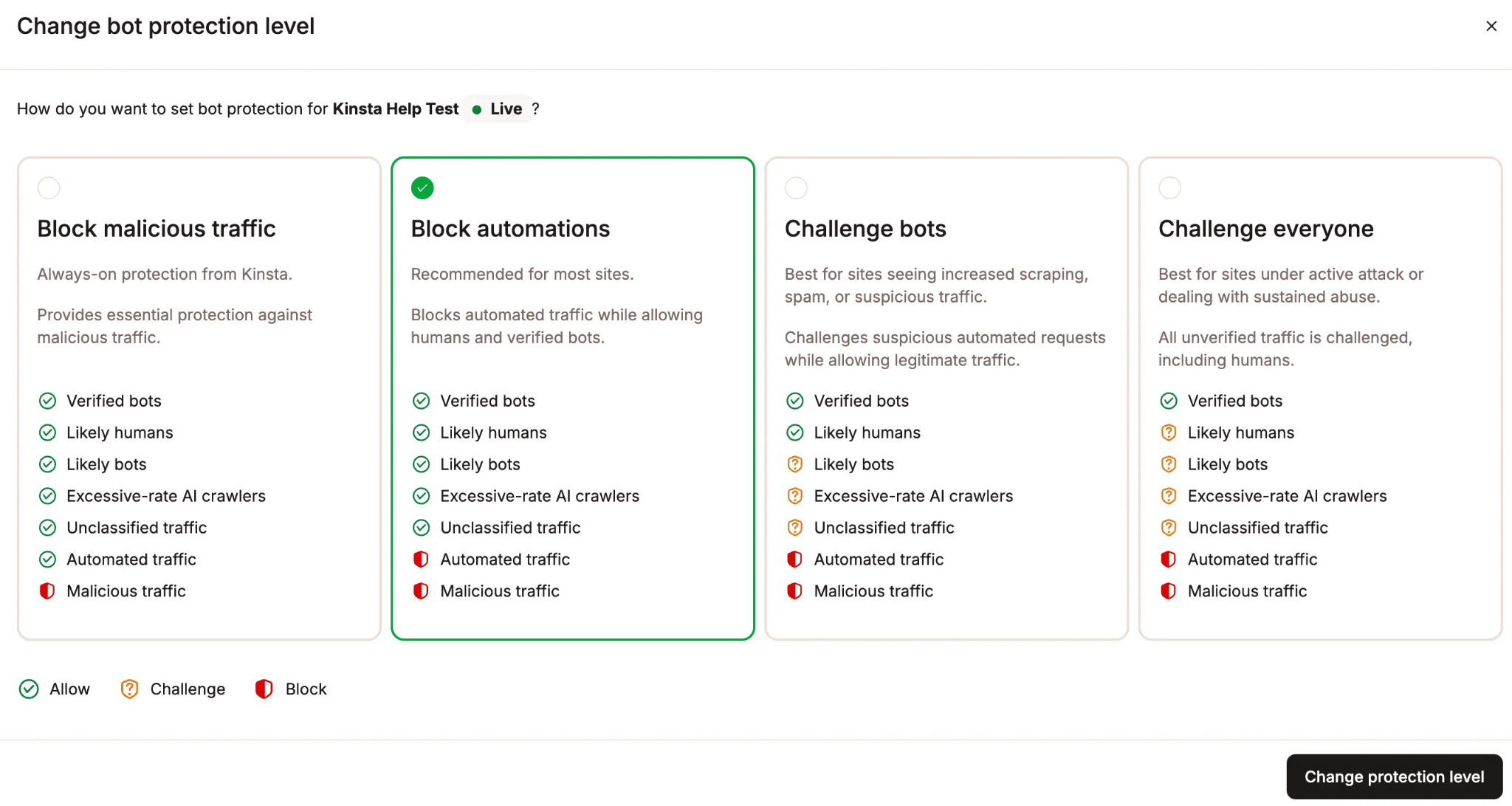
When automated traffic spikes compromise server stability, slow page delivery times, or impede human customers from completing transactions, emergency stabilization takes precedence. Under such crisis conditions, temporarily deploying restrictive rate-limiting or challenge protocols is a prudent operational necessity. The critical administrative failure occurs when these emergency measures become permanent fixtures without a subsequent root-cause investigation. Once platform performance stabilizes, technical teams must audit the incident logs to ascertain whether the disruption stemmed from a legitimate operational bottleneck or a transient systemic anomaly, subsequently dialing back overly aggressive restrictions to restore normal third-party API functionality and monitoring workflows.

Analyzing Request Destination Over Aggregate Volume
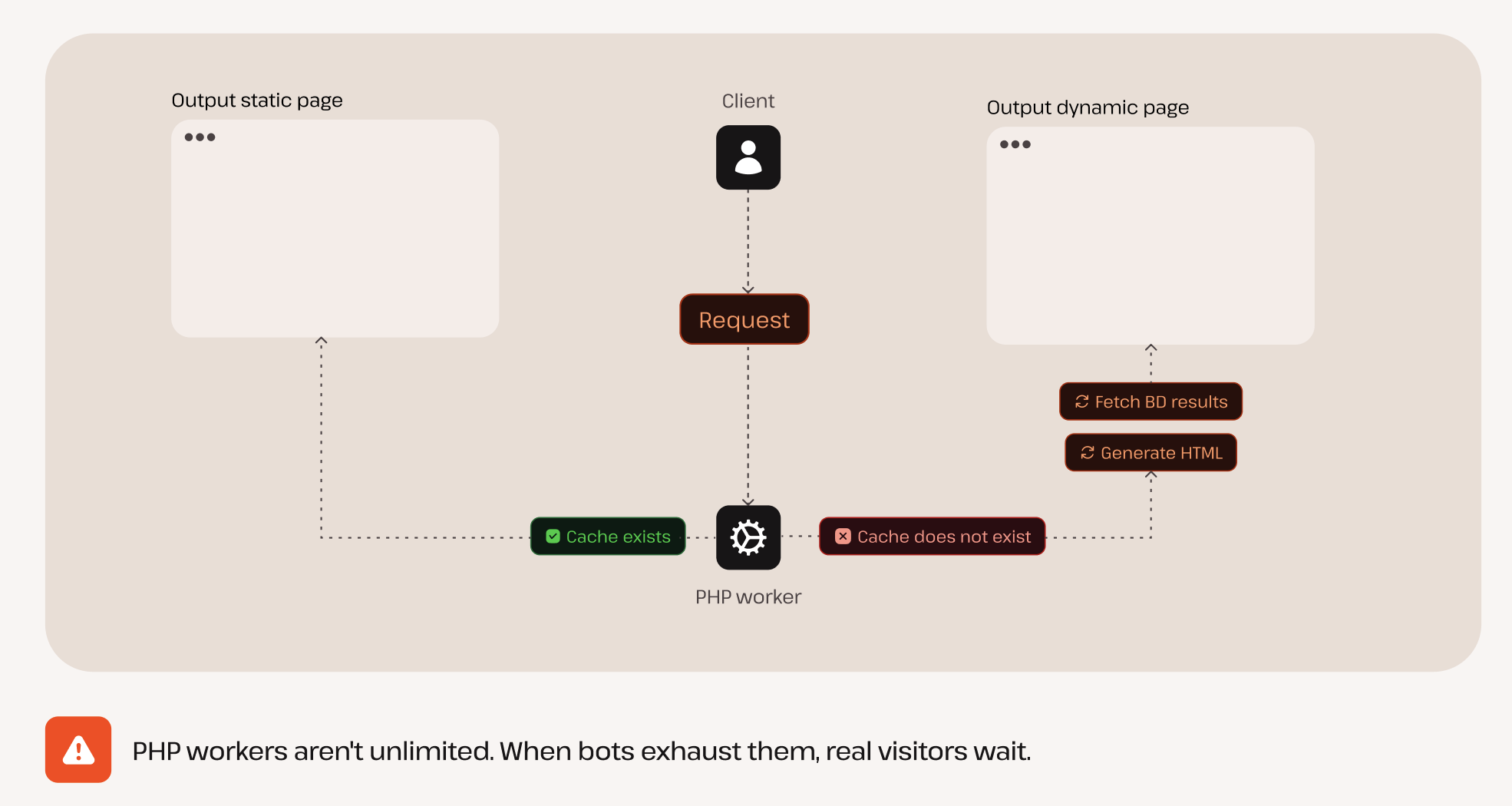
Evaluating traffic purely by counting raw request volume obscures the actual operational toll placed on hosting infrastructure. A request for a statically cached blog entry and an uncached query directed at a dynamic e-commerce database register identically in basic server logs, yet their resource footprints differ by orders of magnitude. Static assets are served directly from proxy caches, requiring virtually no computational overhead, while dynamic requests necessitate active PHP processing threads, complex database queries, session management, and application-layer execution.
Empirical studies tracking crawler behavior reveal that a vast majority of automated requests target dynamic pathways rather than static content. When thousands of automated hits bombard parameterized search queries, pagination loops, or account login routes every minute, the cumulative strain can exhaust available server workers and degrade user experience. Effective mitigation requires filtering traffic reports to identify the specific Uniform Resource Locators absorbing the highest server bandwidth and CPU cycles. Pinpointing whether an automated agent is indexing static articles or repeatedly querying uncached database endpoints allows engineering teams to optimize application caching rules rather than engaging in indiscriminate IP blocking.
Addressing the Root Cause: Eliminating Crawl Traps
A frequent oversight in bot management is focusing exclusively on the visiting agent while ignoring structural vulnerabilities within the website’s URL architecture. Content management systems and complex e-commerce frameworks inherently generate vast webs of secondary links via query parameters, filtering mechanisms, calendar archives, and product variations. While human users easily recognize when distinct URLs lead to redundant content, automated crawlers treat every unique string as a novel destination to be indexed.
When poorly structured pagination or infinite filter combinations create self-perpetuating loops, automated scrapers inadvertently generate colossal request volumes that mimic aggressive denial-of-service attacks. Blocking the specific user agent provides temporary relief, but it fails to resolve the underlying architectural flaw that invited excessive crawling in the first place. Comprehensive remediation mandates auditing URL generation patterns, implementing canonical tags, refining internal linking structures, and deploying proper parameter handling instructions. Resolving these structural defects protects infrastructure stability across multiple client properties simultaneously, superseding the maintenance of reactive, ever-expanding exclusion lists.
Verifying the Efficacy of Robots.txt Directives
Modifying the standard exclusion protocol file is frequently viewed as a definitive solution for controlling automated crawler behavior. However, this file operates strictly on a voluntary compliance model; it communicates administrative crawling preferences but lacks the mechanical enforcement capability required to physically intercept incoming HTTP requests at the network perimeter. Relying solely on exclusion text edits without verifying subsequent server logs often creates a false sense of security.
Administrators must actively monitor post-implementation telemetry to confirm whether targeted crawlers are honoring the directive. If request volumes decline following the configuration update, the instructions are functioning as intended. Conversely, if traffic persists—or if the offending system belongs to a malicious actor operating outside standard protocol compliance—server-level enforcement mechanisms, such as edge firewalls or rate-limiting rules, must be deployed. Furthermore, compliance with exclusion files restricts data harvesting for training purposes but does not inherently throttle the velocity of incoming connections, necessitating separate rate-control strategies for high-frequency agents.
Avoiding Indiscriminate Replication of Firewall Rule Sets
A common procedural error among system administrators is the uncritical adoption of aggressive firewall configurations published by other web property owners. Security rules optimized for a specific geographic audience, infrastructure stack, or threat profile can produce catastrophic false positives when deployed across unrelated digital environments. For instance, deploying strict geographic challenges or aggressive browser verification scripts on an international e-commerce platform will frequently obstruct legitimate international customers, disrupt automated application programming interfaces, and break essential webhook integrations.
Furthermore, stacking multiple redundant security layers—such as combining hosting-level bot mitigation, edge proxy security rules, and third-party plugins—creates an opaque administrative environment. When overlapping classification engines make conflicting decisions regarding inbound traffic, debugging false positives becomes exceptionally difficult. Industry best practices dictate the establishment of a standardized diagnostic workflow: identifying incoming traffic profiles, analyzing specific request paths, evaluating infrastructural impact, selecting the most surgically precise control mechanism, and continuously monitoring the resulting telemetry. By favoring systematic analysis over reactive replication, digital administrators can preserve system integrity, maintain search visibility, and ensure uninterrupted access for human users.