Apple Settles Class Action Lawsuit Over Siri AI Feature Delays for 250 Million Dollars

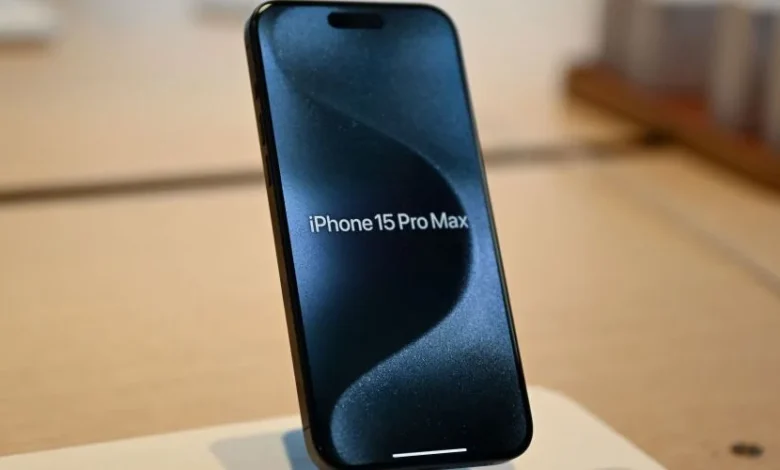
The resolution of the class action litigation against Apple, which concluded this past May with a substantial 250 million dollar settlement, marks a significant chapter in the ongoing debate over marketing transparency in the artificial intelligence era. At the heart of the dispute were claims that Apple engaged in deceptive marketing practices by overpromising the capabilities and availability of its "Apple Intelligence" suite, particularly the long-awaited overhaul of its virtual assistant, Siri. While the upgraded Siri functionality has finally been integrated into the ecosystem for owners of newer hardware via the iOS 27 update, the legal ramifications continue to provide a pathway for restitution for consumers who purchased high-end devices under the impression that these AI features were imminent.
The Genesis of the Dispute: A Timeline of Expectations
The friction between Apple and its user base began in mid-2024. As Apple pushed into the competitive landscape of generative AI, the company heavily marketed the iPhone 15 and iPhone 16 series as the primary vessels for its proprietary Apple Intelligence tools. Marketing campaigns emphasized a "smarter" Siri, capable of deeper integration, contextual understanding, and advanced automation—capabilities that many consumers believed would be available at the time of purchase or shortly thereafter.
However, as the release dates for these devices passed, the rollout of the promised Siri AI features faced repeated, significant delays. By late 2024, a growing number of consumers reported feeling misled, noting that they had paid a premium for hardware explicitly advertised for its AI prowess, only to receive devices that functioned much like their predecessors. This frustration culminated in a class action lawsuit filed in the United States, alleging that Apple’s promotional materials constituted a breach of warranty and consumer protection laws.
The chronology of the settlement is as follows:
- June 10, 2024: The start date for the eligibility window for affected iPhone purchases.
- Late 2024: Mounting consumer frustration regarding the "Siri AI" delay leads to the filing of a formal class action complaint.
- May 2025: Apple agrees to a 250 million dollar settlement to resolve the litigation.
- September 14, 2025: Official launch of iOS 27, finally delivering the revamped AI tools to the public.
- December 21, 2025: The final deadline for eligible customers to submit their claims for compensation.
Understanding Eligibility and Potential Payouts
The settlement is strictly limited to United States customers who purchased specific iterations of the iPhone 15 or iPhone 16 directly from Apple between June 10, 2024, and March 29, 2025. This narrow window targets the period where the discrepancy between marketing claims and functional reality was most pronounced.
Individuals who fall within these parameters may be entitled to a payout of up to 95 dollars per device. This figure is not a guaranteed flat rate; rather, it is the maximum ceiling per claim, subject to the final approval of the claims administrator and the total number of valid submissions received. For households or enterprises that purchased multiple units, the process requires an individual claim for each unique device, as the settlement is tied to the specific hardware serial number rather than the owner’s account identity.
The legal burden of proof for the claimants is relatively light, though it requires an acknowledgment of the core grievance. During the filing process, claimants must sign a statement acknowledging their expectation of receiving the promised Siri features at the time of their purchase.
Apple’s Stance and the Corporate Response
In the legal documentation associated with the settlement, Apple has maintained a consistent posture of non-admission. The company explicitly denies any wrongdoing, characterizing the settlement as a strategic decision rather than a confession of deceptive trade practices.
"We resolved this matter to stay focused on doing what we do best, delivering the most innovative products and services to our users," an Apple spokesperson stated in May following the court-approved settlement. This language is standard for major corporate settlements, allowing the firm to clear its litigation docket and mitigate the reputational risk associated with a prolonged jury trial, without establishing a legal precedent that could be used against them in future consumer protection cases.
Despite this denial, the scale of the 250 million dollar payout underscores the seriousness with which the courts viewed the allegations. By settling, Apple avoids the discovery process, which would have inevitably required the company to turn over internal communications regarding its product development timelines and the disconnect between its marketing department and its engineering teams.
How to File a Claim
The claims process is centralized through the official portal at smartphoneaisettlement.com. To ensure a smooth submission, claimants should prepare the following information:
- Proof of Purchase: While the site may pull data from Apple’s records, having the original receipt or digital invoice is recommended.
- Device Identification: The serial number is the primary identifier. To locate this on an iPhone, navigate to Settings > General > About. The serial number is a unique string of alphanumeric characters.
- Account Verification: The claimant’s Apple Account ID is used to cross-reference ownership.
The interface is designed to be user-friendly, featuring a "File A Claim" button prominently displayed in the upper-right corner. Claimants are not required to possess a pre-assigned Claim ID or PIN to initiate the process, as these can be generated during the registration flow. Participants have a variety of disbursement options, including direct deposits via PayPal or Venmo, electronic bank transfers, or traditional paper checks, catering to different security and accessibility preferences.
The Broader Implications for the Tech Industry
This settlement serves as a cautionary tale for the technology sector as it navigates the "AI hype cycle." In the rush to capture market share, major tech giants have increasingly relied on "future-proofing" marketing, where products are sold based on software capabilities that are still in beta or even in development.
The Problem of "Vaporware" Marketing
The Apple case highlights the growing divide between hardware release cycles and software development timelines. Historically, companies could release hardware and refine software post-launch with minimal blowback. However, when software features—such as generative AI—are used as the primary value proposition to justify a thousand-dollar-plus price point, the failure to deliver those features on schedule becomes a material defect in the eyes of the consumer.
Impact on Consumer Trust
Consumer advocacy groups have noted that this settlement may set a precedent for how tech companies communicate roadmap features. If companies are held financially liable for failing to deliver AI tools within a reasonable timeframe, they may become more conservative in their advertising, opting to label features as "coming soon" or "beta" rather than implied standard features. This could lead to a more transparent, albeit slower-paced, marketing environment.
Regulatory Oversight
Regulators, particularly the Federal Trade Commission (FTC), have been paying closer attention to AI-related claims. The resolution of this lawsuit may embolden regulatory bodies to scrutinize future product launches more aggressively. If a company claims that a device is "AI-powered," regulators may soon require specific disclosures about which AI features are live at launch versus which are slated for future updates.
Moving Forward: Lessons for the Tech Giant
For Apple, the fallout from this incident has been largely contained by the settlement. By reaching an agreement, the company has effectively put the issue behind it, allowing the focus to shift toward the functional reality of iOS 27. The successful deployment of these features serves to de-escalate the anger of the user base, but the reputational cost remains.
The company now faces the challenge of managing expectations for future AI iterations. As artificial intelligence becomes an increasingly central pillar of the Apple ecosystem, the ability to balance aggressive marketing with technical reality will be crucial. The "Siri AI" incident proves that even the most loyal customer base has a threshold for patience when it comes to the discrepancy between high-level promises and tangible utility.
As the December 21, 2025, deadline for claims approaches, the legal and financial chapter of this story will close. However, the precedent established by this 250 million dollar settlement will likely reverberate through Silicon Valley for years to come. It serves as a reminder that in the competitive world of high-stakes technology, the truth-in-advertising standards are not merely suggestions; they are enforceable legal requirements that can shape the bottom line of the world’s most valuable companies.
For the average consumer, the lesson is equally clear: when purchasing hardware heavily predicated on the promise of future software updates, it is essential to verify the current functionality. As the legal system continues to adapt to the realities of the digital age, the rights of the consumer to receive exactly what was advertised remain a fundamental tenet of the marketplace, and the Apple settlement stands as a testament to the power of collective action in holding tech giants accountable for their promises.