Larry Ellison Cancels Planned Multi-Billion-Dollar Oracle Stock Sale in Surprise Move

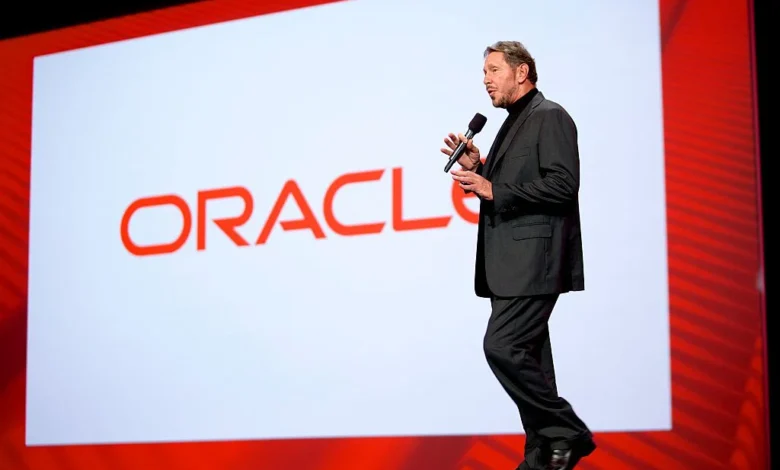
Oracle Corporation co-founder and executive chairman Larry Ellison has abruptly called off a planned divestment of 50 million shares of company stock, a transaction that was previously estimated to be worth approximately $7.5 billion based on prevailing market valuations. The multinational technology corporation formally disclosed the cancellation in a weekend announcement released on Saturday, bringing a sudden halt to a financial maneuver that had previously been cleared through standard regulatory channels.
The decision by one of the technology sector’s most prominent billionaires removes a significant impending block of shares from the open market. According to prior regulatory documentation submitted to the United States Securities and Exchange Commission (SEC), Ellison had established a structured trading plan to divest the massive stake. However, the unexpected reversal means that no shares were ultimately liquidated under the initiative. Furthermore, corporate representatives have emphasized that the billionaire executive currently holds no alternative proposals or active intentions to offload any portion of his substantial equity holdings in the database software giant.
The abrupt termination of the stock sale arrives at a critical juncture for Oracle. The Redwood City, California-headquartered corporation has experienced notable market volatility throughout the 2026 calendar year. As financial markets digested the news over the weekend, analysts and institutional investors began parsing the broader implications of Ellison’s decision, weighing the potential signals it sends regarding insider confidence, corporate liquidity, and the aggressive strategic pivots currently being executed by the enterprise technology titan.
Chronology of Events and Regulatory Disclosures
The sequence of events leading up to the cancellation began when Oracle filed regulatory paperwork outlining Ellison’s intention to divest 50 million shares. Such planned trading programs, often established under Rule 10b5-1 of the Securities Exchange Act of 1934, are routinely utilized by corporate insiders to execute stock sales over a predetermined period while avoiding accusations of insider trading based on material non-public information.
Market observers and financial media outlets, including Reuters, closely tracked the initial filing, anticipating a substantial influx of Oracle shares into the public market. However, rather than proceeding with the phased liquidation, Ellison and his financial advisors opted to scrap the initiative entirely.
On Saturday, Oracle issued a concise public statement clarifying the status of the executive’s holdings. “No Oracle stock was sold under that plan, and he has no other plans to sell any of his Oracle stock,” the company affirmed in its official communication. The corporate entity did not elaborate on the specific rationale behind the sudden change of heart, leaving financial analysts to interpret the macroeconomic and firm-specific factors that may have influenced the reversal.
Market Performance and Capital Expenditure Pressures
The cancellation of the multi-billion-dollar stock sale occurs against a backdrop of shifting financial metrics for Oracle. As of the close of trading ahead of the weekend, Oracle’s stock price has experienced a downward trajectory, retreating roughly 22 percent since the commencement of the year.
This downward pressure on equity valuations has largely mirrored broader sector rotations and investor scrutiny surrounding capital expenditure intensity. Oracle has been directing substantial financial resources toward expanding its cloud infrastructure capabilities. Specifically, the corporation has been spending heavily on the construction, acquisition, and outfitting of advanced data centers designed to meet the skyrocketing global demand for enterprise artificial intelligence workloads and high-performance computing clusters.
Building out hyperscale data center capacity requires immense upfront capital outlays, often depressing short-term free cash flow metrics even as companies position themselves for long-term cloud revenue expansion. In this context, Ellison’s decision to retain his equity stake—rather than converting billions of dollars of paper wealth into liquid assets—signals a steadfast commitment to maintaining his alignment with the long-term enterprise value of the firm he co-founded in 1977.
Diversified Strategic Initiatives: Cloud Computing, TikTok, and Media Investments
Beyond its core database architecture and burgeoning cloud infrastructure business, Oracle has increasingly inserted itself into high-profile geopolitical, technological, and media transactions. These diversified commitments illustrate the sprawling nature of Ellison’s financial ecosystem and provide additional context regarding his personal liquidity management.
Earlier in the year, Oracle solidified its position as a central player in the complex structural arrangements governing TikTok’s U.S. operations. Following prolonged regulatory and legislative debates concerning data security and foreign ownership, Oracle assumed the role of a major owner and primary security partner for the short-form video platform’s domestic infrastructure. This partnership not only deepened Oracle’s entrenchment in federal cybersecurity compliance and cloud management but also cemented its ties to some of the most politically sensitive data flows in the modern digital economy.
Concurrently, Larry Ellison’s personal capital deployment extends far beyond the enterprise software sphere. The billionaire has utilized his vast personal fortune to back prominent media and entertainment ventures spearheaded by his family. Most notably, Ellison provided substantial financial backing for his son David Ellison’s ambitious acquisition bid for Warner Bros.
The multi-billion-dollar media consolidation effort, valued at approximately $40 billion, has encountered complex regulatory hurdles and legal challenges. The acquisition has been actively contested in court and subjected to intense scrutiny by state and federal antitrust authorities, including ongoing settlement discussions involving regulatory bodies in California. By maintaining his equity position in Oracle uncompromised, Ellison preserves his financial flexibility and collateral strength while his family office navigates these high-stakes media industry maneuvers.
Fact-Based Analysis of Implications
While Oracle corporate leadership opted against providing a detailed narrative behind the cancellation of the stock sale, financial analysts and governance experts generally evaluate such insider decisions through several established analytical frameworks.
First, the cancellation of a massive insider sale is frequently interpreted by retail and institutional investors as a positive signal regarding management sentiment. When an executive of Ellison’s stature chooses to halt a planned divestment of $7.5 billion worth of stock, it eliminates the immediate downward price pressure that a multi-million-share supply influx would typically generate on the open market. Furthermore, it reinforces the perception that the insider believes the current share price—depressed by 22% year-to-date—does not fully reflect the intrinsic, long-term value of the enterprise, particularly as its massive data center investments begin to yield operational returns.
Second, the decision underscores the complex interplay between Ellison’s personal balance sheet and Oracle’s corporate strategy. With major capital commitments unfolding across enterprise cloud infrastructure, cybersecurity partnerships like the TikTok arrangement, and private family-led media acquisitions like the Warner Bros. transaction, liquidity management requires constant recalibration. Choosing to forgo the Oracle stock sale suggests that alternative capital sources or financing structures were deemed preferable for funding these external ventures, or that retaining voting power and equity exposure in Oracle took precedence over cash diversification at this specific juncture.
As Oracle prepares for its upcoming fiscal reporting periods, market participants will continue to monitor the company’s capital expenditure trajectory, the operational efficiency of its new data center facilities, and the ongoing integration of its high-profile strategic partnerships. For now, the removal of the looming stock sale overhang eliminates a significant variable from Wall Street’s near-term calculus, stabilizing the narrative surrounding one of Silicon Valley’s most enduring corporate leadership figures.