The Rise of the Baklava Guy: How a High-Stakes Bet Transformed a NYC Street Hustle into a Culinary Phenomenon

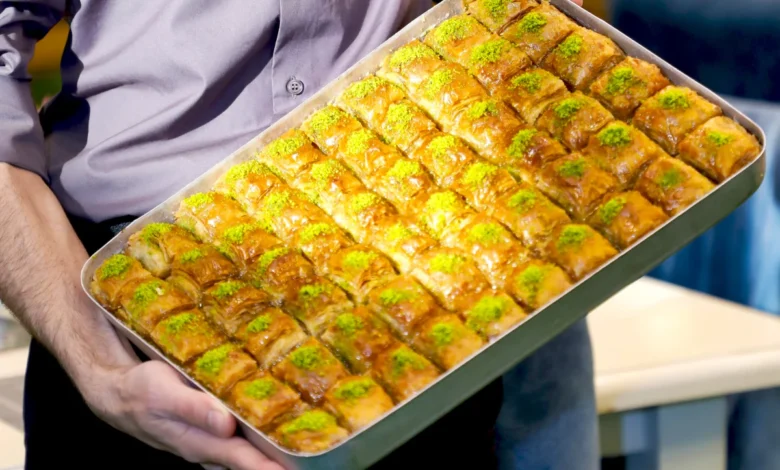
In the high-energy, fast-paced landscape of New York City, success is often defined by innovation and the ability to capture the public imagination. Jacob Komarow, a 30-year-old entrepreneur, has carved out a unique niche in this competitive market through a simple, yet effective, business model: bringing high-quality, authentic Turkish baklava directly to the people. Known widely as the “Baklava Guy,” Komarow has transitioned from a small-scale, concert-based side hustle to the operator of a growing culinary enterprise that generates tens of thousands of dollars in monthly revenue. His story, rooted in personal redemption and a keen understanding of street-level marketing, serves as a modern blueprint for the lean startup.
The Origins of a Sweet Enterprise
The foundation of Good Baklava was built on an unlikely wager in 2021. While traveling to a Phish concert in California, Komarow stopped at a local Middle Eastern grocery store and impulsively purchased three trays of pre-made baklava. When a friend challenged his ability to move the product, Komarow turned the skepticism into a test of his entrepreneurial instincts. By the end of the concert, he had not only sold the entire inventory but had tripled his initial investment.
This initial success served as a catalyst for a three-year period of experimentation. Komarow began treating the sale of baklava as a mobile, event-driven side business, navigating the logistics of cold-chain transport and crowd engagement at outdoor festivals and city parks. Unlike traditional food service businesses that rely on heavy overhead costs associated with brick-and-mortar leases, Komarow opted for a roaming model. He utilized temporary stands, the back of a van, and an online direct-to-consumer platform to reach his audience, effectively eliminating the geographical constraints that limit traditional bakeries.
A Journey of Personal and Professional Growth
The narrative of Good Baklava is inseparable from Komarow’s personal trajectory. After dropping out of high school and enduring a difficult period marked by drug addiction, Komarow reached a turning point that eventually led to his sobriety. He began his journey as the Baklava Guy while six months sober, viewing the business not merely as a source of income, but as a tether to a disciplined, productive life. Five years later, his continued sobriety and professional evolution are central to his public identity.
This journey highlights a growing trend in the gig economy: the emergence of "lifestyle entrepreneurs" who leverage their personal stories to foster authentic connections with their customer base. By maintaining transparency regarding his past, Komarow has cultivated a loyal following that views his success as a narrative of resilience.
The Anatomy of a Viral Expansion
The tipping point for Good Baklava arrived in mid-2026. After years of steady, grassroots growth, a series of viral videos showcasing Komarow handing out pastries to New York Knicks fans outside Madison Square Garden thrust his brand into the mainstream. The visuals of a dedicated vendor engaging with passionate sports fans struck a chord with digital audiences, leading to increased social media visibility.
This organic growth was further accelerated by a feature profile in The New York Times, which elevated the business from a local curiosity to a recognized city staple. The media coverage functioned as a force multiplier for his brand. Komarow noted that the influx of attention resulted in immediate partnership inquiries from corporate entities. In the months following the profile, Good Baklava collaborated with brands such as US Mobile and Acme Smoked Fish, signaling a shift from a purely retail-facing model to one that incorporates B2B partnerships and brand activations.
Supply Chain and Operational Logistics
A critical component of Good Baklava’s success is the quality of the product. Recognizing early on that the sustainability of his business rested on the caliber of his inventory, Komarow sought out an authentic source for his pastries. His search led him to a Turkish food vendor in Paterson, New Jersey, in the spring of 2022. Impressed by the quality, he established a direct supply line with a bakery in Gaziantep, Turkey—a region globally renowned for its artisanal baklava.
This international supply chain allows Komarow to maintain a consistent, high-quality product, which he imports monthly. By securing what he describes as an “unlimited supply,” he has mitigated the risks associated with production volatility. This logistical setup allows him to focus his time on the front-end operations: sales strategy, customer acquisition, and brand visibility.
Financial Performance and Market Analysis
Data from the past nine months indicates that Good Baklava has reached a significant level of financial maturity. The business now generates an average of $20,000 in monthly revenue. However, the data also reveals the inherent volatility of a mobile, event-dependent retail business. For instance, while the company hit a record revenue month in December 2025, bringing in approximately $70,000 due to holiday demand, the following month saw a decline to under $10,000.
This fluctuation highlights the importance of seasonality in the food retail sector. Analysts suggest that for businesses like Good Baklava, the primary challenge remains the stabilization of income during off-peak months. Komarow’s approach to this challenge involves constant testing and refinement of his sales pitch. He emphasizes that after five years of direct interaction with consumers, he has developed a keen ability to read the room and adapt his strategy to meet the immediate needs of the crowd.
Broader Implications for the Retail Industry
The success of Good Baklava offers several insights into the changing landscape of urban retail. First, it demonstrates the efficacy of "micro-entrepreneurship," where low-overhead, highly mobile operations can outperform traditional storefronts in high-density urban environments. By positioning himself where the customers already are—be it at a stadium, a park, or a festival—Komarow has reduced the "customer acquisition cost" that often plagues brick-and-mortar establishments.
Second, the case illustrates the power of social capital. In an era where digital presence is synonymous with brand equity, Komarow’s ability to turn a simple act of hospitality—handing out free samples—into a viral marketing campaign is a testament to the changing rules of engagement. His assertion that his company could not have survived anywhere other than New York City speaks to the city’s unique ecosystem, which values both the "hustle" mentality and the public performance of commerce.
Future Outlook and Strategic Direction
Looking ahead, the trajectory for Good Baklava appears focused on scaling these corporate partnerships while maintaining the grassroots energy that built the brand. While Komarow has not yet established a permanent storefront, the scalability of his current model suggests that he is in a position to transition into larger-scale catering or potential long-term residency agreements.
The business remains a compelling study of the "American dream" in the 21st century. It is an enterprise built not on heavy capital investment or institutional backing, but on a series of small, calculated risks, a commitment to quality, and a relentless focus on the customer. As Komarow continues to navigate the complexities of scaling a small business, his story serves as a reminder that the most successful ventures often begin with a simple observation, a test of faith, and the willingness to show up in the right place at the right time.
For other aspiring entrepreneurs, the takeaway is clear: the path to growth in a saturated market is often found by humanizing the product and leveraging the power of community, whether that community is a group of die-hard sports fans or an online audience seeking a story of transformation. As of late 2026, the Baklava Guy remains a fixture of the New York City scene, continuing to refine a business that has proven, one pastry at a time, that there is still room for the humble street vendor to reach the pinnacle of professional success.
Related posts: