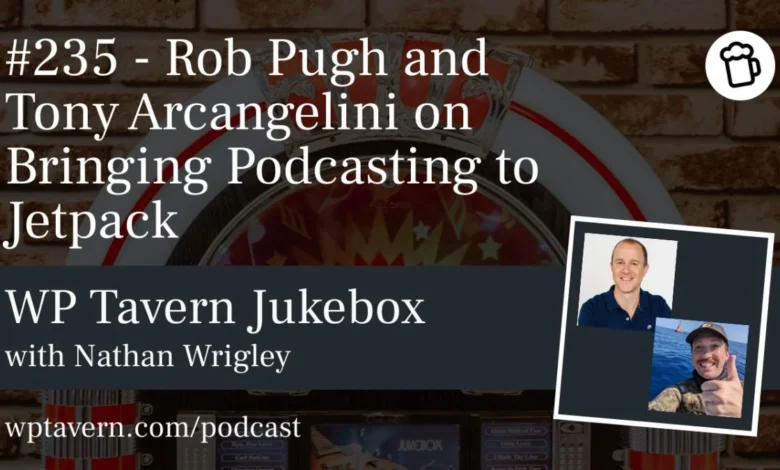
The integration of robust podcasting features into the Jetpack plugin marks a significant shift in how content creators manage digital media within the WordPress ecosystem. By transitioning tools previously limited to the hosted WordPress.com environment into the broader Jetpack suite, Automattic—the company behind both platforms—is aiming to reclaim a segment of the creator economy that has increasingly migrated to third-party platforms like Substack and Patreon. This development represents a strategic effort to centralize the creator’s digital footprint, allowing for the seamless management of blogs, newsletters, and podcasts under a single, self-owned domain.
The Evolution of Podcasting on WordPress
For nearly two decades, WordPress has served as the backbone for the majority of the world’s websites, yet native podcasting support has historically remained fragmented. Creators have long relied on a patchwork of third-party plugins, external media hosting services, and manual RSS feed configurations to publish audio content. While these tools were functional, they often lacked the cohesive user experience found on dedicated media platforms.
Automattic’s recent update changes this dynamic by embedding podcast management directly into the WordPress post editor. This functionality, previously reserved for basic internal tests, has now been refined for a wider user base. The new Jetpack feature set allows users to transform standard WordPress posts into podcast episodes simply by assigning a specific category and uploading audio files. The system then automatically handles the generation of RSS feeds, the management of media enclosures, and the distribution metadata required by major podcasting directories.
Bridging the Gap Between Hosting and Distribution
The technical architecture of this new feature is designed to alleviate the most common pain points for podcasters: syndication and analytics. Traditionally, podcasters were required to navigate the complex landscape of directory submissions—Apple Podcasts, Spotify, Amazon Music, and the Podcast Index—manually. Jetpack now streamlines this by providing a unified distribution dashboard.
While global distribution platforms still require individual account submissions for compliance and identity verification, Jetpack provides the instructional scaffolding and status tracking necessary to ensure that feeds meet technical requirements. This includes support for the latest "Podcasting 2.0" standards, which allow for advanced features like chapters, transcripts, and enhanced metadata.
A key component of this integration is the partnership with Pocket Casts, an industry-leading listening app also owned by Automattic. This relationship allows for a more "frictionless" distribution experience, where new content can appear on the Pocket Casts network almost immediately upon publication. For creators, this removes the standard waiting periods that often accompany updates on other major platforms.
Data Ownership in the Age of Platforms
The move toward integrated podcasting is rooted in a broader industry debate regarding content ownership. Over the last ten years, the rise of "walled garden" platforms—services that provide hosting and audience management in exchange for a percentage of revenue and control over the user experience—has created a dilemma for creators. Platforms like Substack, while offering ease of use, have been criticized for their proprietary nature, which can make it difficult for creators to export their audience or migrate content if the platform’s policies shift.
Automattic’s strategy is explicitly positioned as an alternative to this model. By keeping the podcast, the blog, and the newsletter on the user’s own WordPress site, creators maintain full ownership of their data and their subscriber lists. This approach allows creators to integrate additional functionality, such as WooCommerce for merchandise sales or custom theme development, without needing to seek permission from a platform host.
Strategic Implications and Future Roadmap
The implications of this rollout extend beyond mere convenience; it is an attempt to standardize the creator workflow. By leveraging Jetpack’s existing infrastructure—which includes social media auto-posting, email newsletter integration, and performance security—Automattic is effectively turning the WordPress site into a "one-stop shop" for multimedia production.
Current development efforts are focused on refining the "publish once, distribute everywhere" workflow. When a creator publishes a post, the system is designed to trigger a chain reaction: the audio is pushed to the RSS feed, the post is formatted as a newsletter, and the content is distributed across social media channels. This automation is intended to lower the barrier to entry for novice creators who may be overwhelmed by the administrative burden of managing multiple platforms.
Looking toward the future, the team at Automattic has signaled interest in further integrating Artificial Intelligence. This includes potential features such as automated audio transcription—a capability that is becoming a standard expectation for accessibility and search engine optimization—as well as AI-assisted title generation and show note drafting. By drawing on the technology already utilized by Pocket Casts, the company intends to provide high-quality transcription services that would otherwise cost creators significant sums through third-party services.
Technical Accessibility and Pricing
A critical aspect of this transition is the pricing model. Automattic has opted to maintain a tiered structure that includes a highly accessible free tier. Users can start a blog, send unlimited newsletters, and host podcasts using the free version of Jetpack, though advanced analytics, priority support, and specific hosting features are reserved for premium tiers.
This tiered strategy is intended to capture the "long tail" of the creator economy—hobbies, small businesses, and individual journalists—before scaling to meet the needs of more established media organizations. For power users, the system allows for the integration of custom domains and high-performance video hosting via VideoPress, ensuring that the platform can scale alongside the creator’s success.
Addressing the Migration Challenge
Despite the ease of the new system, a significant challenge remains: the migration of legacy content. Many established podcasters already have hundreds of episodes hosted on third-party services. While WordPress currently supports the import of RSS feeds, a truly seamless migration tool that maps existing audio files to WordPress posts with full metadata integrity is still in the development pipeline.
Automattic representatives have acknowledged that streamlining this migration path is a priority for the next phase of development. Their goal is to create a "one-click" import process that allows creators to move their entire history from platforms like Libsyn or Transistor into the WordPress environment without losing search engine rankings or subscriber analytics.
Conclusion: A Pivot Toward Sustainability
The integration of podcasting into the Jetpack suite represents a calculated pivot for WordPress, moving away from being a platform primarily for the written word toward becoming a comprehensive media hub. By prioritizing data ownership and reducing the technical overhead of distribution, the company is attempting to provide a sustainable alternative to the increasingly volatile social media landscape. As the digital content industry continues to evolve, the ability to maintain a centralized, portable, and fully owned home for one’s content may prove to be the most significant advantage for the next generation of digital creators.