Coordinating the Fight: Cross-Industry Collaboration and the Future of Internet Infrastructure Security


The modern digital landscape is built upon a complex, interconnected web of infrastructure providers, ranging from registrars and domain registries to cloud services and specialized hosting companies. Despite the critical nature of this backbone, the mechanisms for reporting and mitigating digital abuse—such as phishing, malware distribution, and credential harvesting—have historically remained fragmented. As cyber threats evolve in sophistication, the industry is shifting toward a model of collective defense. Leading this charge is David Snead, a veteran of the hosting industry and founder of the Secure Hosting Alliance, who is spearheading efforts to institutionalize real-time information sharing through the Internet Infrastructure Forum (IIF).
The core challenge facing the infrastructure sector is the "silo effect." While individual providers maintain robust internal security teams, their ability to respond to global threats is often hindered by a lack of shared intelligence. When a malicious actor leverages a vulnerability to launch a coordinated attack across multiple hosting environments, the victimized providers are often left to address the fallout in isolation. The IIF aims to dismantle these silos by establishing a centralized, yet collaborative, framework for exchanging non-proprietary abuse data, allowing the entire ecosystem to react faster than adversaries can adapt.
A Legacy of Legal and Technical Evolution
David Snead’s career in the hosting industry began in 1999, a period he describes as the formative years of shared hosting. Having served as legal counsel for over 50 hosting providers, Snead has witnessed the industry transition from a decentralized community of enthusiasts to a massive, consolidated corporate landscape. His background includes serving as in-house counsel for cPanel and WebPros, and co-founding the i2Coalition, an advocacy organization created to protect the interests of internet infrastructure providers against potentially stifling legislation.
This deep historical perspective informs his current mission. Snead notes that while the industry grew rapidly, the camaraderie that characterized the early 2000s waned as market consolidation accelerated. By re-establishing these lines of communication through the Secure Hosting Alliance and the IIF, Snead is not merely pushing for technical integration but is attempting to restore a culture of professional ethics and mutual support that once defined the sector.
The Mechanism of Real-Time Intelligence Sharing
The Internet Infrastructure Forum (IIF) operates as a voluntary, industry-led body facilitated by the Internet and Jurisdiction Foundation, headquartered in Paris. The forum’s current operational focus is the development of a standardized protocol for reporting abuse. Rather than requiring providers to navigate disparate systems, the IIF provides a unified channel for submitting data related to specific abuse incidents.
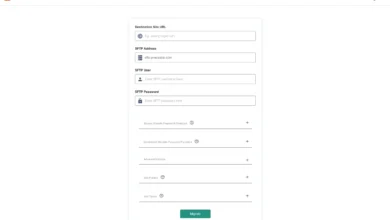
The process is designed to be lean and actionable. A registrar identifying a phishing domain, for example, can submit a report containing key metadata—such as timestamps, associated IP addresses, and domain details—to the IIF secretariat. The secretariat then enriches this data by cross-referencing it with other reports, identifying the hosting provider responsible for the service, and disseminating the necessary information to allow for immediate remediation.
This approach solves a significant pain point for smaller hosting providers. While large enterprise hosts may have the resources to maintain massive security operations centers capable of processing a "fire hose" of abuse reports, smaller providers often struggle with the overhead of manual investigation. By participating in the IIF, these smaller entities gain access to aggregated, high-quality intelligence that would otherwise be inaccessible, effectively leveling the playing field and raising the security baseline for the entire internet ecosystem.
Addressing the Business Case for Security
A common hurdle in industry-wide collaboration is the assumption that security is a "moral" issue rather than a business imperative. Snead argues that this is a fundamental misconception. Digital abuse is a direct drain on profitability. Hosting providers that inadvertently host malicious content—such as "fake shops" used for credential harvesting—incur significant costs, including wasted bandwidth, high administrative burdens for abuse teams, and potential penalties from credit card processors.
When a hosting company facilitates a fraudulent enterprise, it creates a negative feedback loop that damages its reputation and increases operational expenses. Consequently, the argument for joining a collaborative defense network is increasingly framed in financial terms: by reducing the time and resources spent on investigating and mitigating recurring abuse, providers can allocate those savings toward growth and service innovation. This shift in perspective has proven effective in securing the participation of industry heavyweights, including major players like GoDaddy and Newfold, alongside smaller, more agile firms.
Legal Hurdles and Global Jurisdictions
One of the most complex challenges in creating a global security framework is the variation in legal requirements regarding data privacy and information sharing. Regulations such as the General Data Protection Regulation (GDPR) in the European Union impose strict limitations on the processing and dissemination of personal data.
To mitigate these risks, the information shared through the IIF is heavily abstracted. The data points being exchanged—such as technical logs, domain identifiers, and timestamps—are stripped of proprietary or sensitive customer information. By adhering to existing standards like the XARF (eXtended Abuse Reporting Format), the forum ensures that participants can share intelligence without violating cross-border legal mandates. A dedicated working group within the IIF is currently tasked with continuously auditing these practices to ensure compliance with the evolving global regulatory environment.
The Role of Trust Seals and Standardization
While the IIF focuses on technical intelligence sharing, the Secure Hosting Alliance is simultaneously working to standardize service quality through its Trust Seal Certification program. This initiative provides a tangible way for hosting providers to signal their commitment to high security and operational standards.
The Trust Seal is not merely a marketing badge; it is an indicator that a provider has met rigorous criteria, including the transparent presentation of service contracts to customers before purchase—a common failure point in customer satisfaction. This focus on "customer-first" ethics is intended to help web agencies and businesses identify reliable partners in a crowded marketplace. By 2027, the alliance plans to expand this certification to security vendors, further formalizing the ecosystem of trust surrounding infrastructure providers.
Strategic Implications and Future Outlook
The initiative is platform-agnostic, meaning the benefits extend far beyond the WordPress ecosystem. Whether a company specializes in Drupal, custom PHP applications, or managed cloud services, the underlying infrastructure threats remain consistent. The decision to engage with the WordPress community—specifically through events like WordCamp—reflects a strategic recognition of where the critical mass of the web resides.
As the project matures, the focus remains on building a critical mass of participants to ensure the intelligence network remains robust. The goal is to move from the current prototype phase toward a more permanent, automated infrastructure where threat intelligence flows seamlessly between all stakeholders.
For the hosting industry, this represents a pivotal shift from a reactive stance to a proactive, collaborative defense posture. The success of the IIF will ultimately be measured by its ability to maintain "rough consensus" among diverse competitors, all of whom recognize that the security of one is inextricably linked to the security of all. By pooling resources and expertise, the industry is positioning itself to be more resilient, accountable, and capable of protecting the digital backbone upon which the modern global economy depends.
For those looking to engage with the project, the Secure Hosting Alliance maintains an active presence at major infrastructure conferences, including ICANN meetings, and provides resources for providers interested in joining the collective effort to secure the internet. Through these efforts, the industry is demonstrating that even in a competitive market, the preservation of a safe, reliable web is a goal that transcends the bottom line.